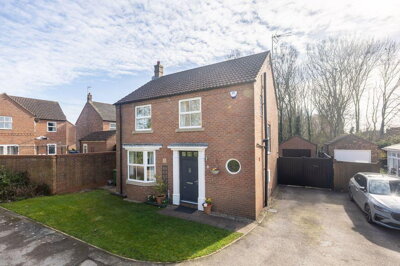
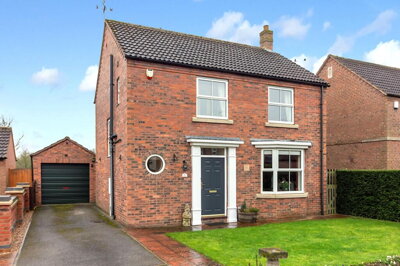
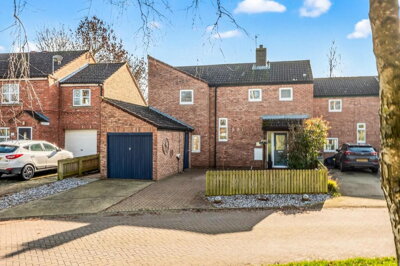
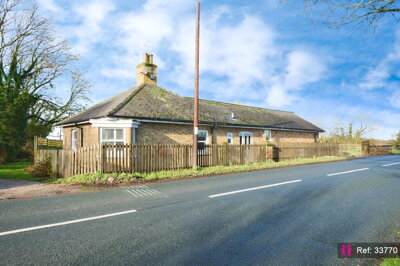
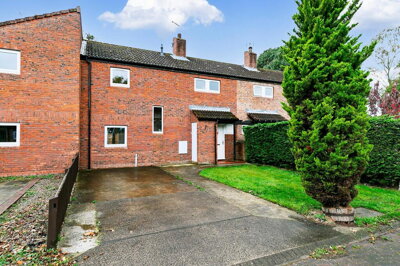
Browse 5 homes for sale in Bugthorpe, East Riding of Yorkshire from local estate agents.
£0k
0
0
0
Source: home.co.uk
The Bugthorpe property market reflects the village's status as a desirable rural location within easy reach of York's employment and cultural amenities. Detached properties command the highest prices, averaging £450,000, offering generous proportions and often sitting on substantial plots with views across the surrounding farmland. Semi-detached homes average around £300,000, providing excellent value for families seeking character accommodation without the premium associated with fully detached properties. The market has demonstrated consistent strength, with property prices increasing by approximately 3% over the past 12 months, indicating steady demand from buyers recognising Bugthorpe's appeal.
Terraced properties in Bugthorpe typically sell for around £250,000, representing an accessible entry point to this attractive village location. These homes often feature the traditional construction methods prevalent throughout the area, including solid brick or stone walls and characteristic slate or pantile roofing. Flats in the village are less common but available at approximately £180,000, offering practical options for first-time buyers or those looking to downsize. The limited supply of new-build properties in the postcode area means most buyers will be purchasing character homes with inherent quality and established gardens, which forms a significant part of Bugthorpe's market appeal.
Bugthorpe sits within the Yorkshire Wolds on slightly elevated ground, offering panoramic views across rolling farmland and patchwork fields that characterise this picturesque corner of Yorkshire. The surrounding countryside remains working agricultural land, with active farms producing crops and livestock throughout the year, providing the backdrop that makes Bugthorpe such an attractive location for buyers seeking traditional English village life. Walking routes across the Wolds attract visitors throughout the seasons, with drystone walls, hedgerows, and scattered woodlands defining the rural character that residents enjoy daily.
Bugthorpe is home to approximately 450 residents across 180 households, creating a close-knit community where neighbours often know one another and local events bring the village together throughout the year. The population demographics reflect a balanced mix of age groups, with families drawn by the village's peaceful character and excellent quality of life, while retirees appreciate the accessibility of local amenities and the strong sense of community spirit. The village's agricultural heritage remains visible in the surrounding countryside, where working farms produce crops and livestock against the backdrop of the rolling Yorkshire Wolds, an Area of Outstanding Natural Beauty that attracts walkers and outdoor enthusiasts throughout the year.
The village contains a designated Conservation Area encompassing the historic core, with the Grade II listed Church of St. Andrew forming a focal point alongside period farmhouses and cottages built from local stone and brick. Properties in these protected areas benefit from planning controls that preserve their character, though buyers should understand how conservation restrictions may affect future renovation plans and permitted development rights. For those purchasing property in Bugthorpe, familiarising yourself with Conservation Area requirements helps set realistic expectations for any works you may wish to undertake. The village does not currently have a shop or post office, with residents typically travelling to nearby towns for daily amenities including supermarkets, banks, and postal services. The village public house and village hall provide important social venues for community gatherings and events throughout the year.
Families moving to Bugthorpe will find educational provision available both within the immediate area and in the surrounding towns, providing choices for children of all ages. Primary education is typically accessed through village schools in nearby communities, with transport arrangements available for those living in outlying areas. The East Riding of Yorkshire local authority maintains a strong network of primary schools throughout the region, many of which serve rural communities and benefit from smaller class sizes that provide individual attention for pupils. Parents should research specific catchment areas and admission arrangements when considering properties in Bugthorpe, as school places can be competitive in popular village locations.
Secondary education is generally provided in larger nearby towns, with several well-regarded secondary schools and academies accessible from Bugthorpe via school transport services or family transport arrangements. The proximity to York expands educational options further, with the city offering selective grammar schools, comprehensive secondary schools, and independent schooling options for families seeking a broader range of choices. For sixth form and further education, students typically travel to York, Beverley, or other larger towns where specialist courses and facilities are available. The presence of the University of York also means older students and recent graduates may find Bugthorpe an attractive base, commuting to campus while enjoying rural village life.

Transport connections from Bugthorpe centre primarily on road networks, with the village positioned to take advantage of routes connecting rural East Yorkshire to larger population centres. The A1079 road provides a key arterial route linking the area to York and Hull, allowing residents to access major employment centres while enjoying countryside living. Local bus services operate throughout the East Riding, connecting Bugthorpe with nearby villages and market towns, though service frequencies may be limited compared to urban areas, making private vehicle ownership practical necessity for many residents.
Rail connections are available in nearby towns, with York railway station providing direct services to London, Edinburgh, Leeds, Birmingham, and numerous other destinations across the national rail network. York station also offers connections to the East Coast Main Line, making regular commuting to London achievable for those working in the capital but preferring rural East Yorkshire as a home base. For residents working in Hull, the port city offers alternative employment opportunities and can be accessed via road connections from Bugthorpe. Cycling infrastructure in the area has improved in recent years, with quieter country lanes providing popular routes for recreational cycling and some commuters choosing two wheels for shorter journeys.
Spend time exploring Bugthorpe before committing to a purchase. Visit the village at different times of day, walk the local footpaths, and speak with residents to understand what daily life is really like in this Yorkshire Wolds community.
Contact a mortgage broker or lender to obtain an Agreement in Principle before viewing properties. This strengthens your position when making offers and demonstrates to sellers that you have financing secured, which is particularly important in competitive rural markets.
Work with Homemove to arrange viewings of properties matching your requirements. When you find the right home, submit a competitive offer that reflects current market conditions in Bugthorpe, where the average property price is £375,000.
Given that approximately 85% of properties in Bugthorpe are over 50 years old, we strongly recommend arranging a RICS Level 2 Survey before proceeding. Survey costs in the area typically range from £450 to £750 depending on property size and complexity.
Appoint a conveyancing solicitor to handle the legal aspects of your purchase, including searches, contracts, and registration. Your solicitor should be familiar with East Riding of Yorkshire local authority requirements and any Conservation Area restrictions affecting the property.
Once all legal matters are resolved and financing is confirmed, you will exchange contracts and agree a completion date. On completion day, your solicitor transfers the remaining funds and you receive the keys to your new Bugthorpe home.
Properties in Bugthorpe are predominantly constructed from traditional red brick and local stone, often featuring slate or pantile roofs that reflect centuries of building heritage in the Yorkshire Wolds. When viewing properties, pay close attention to the condition of roofing materials and any signs of deterioration, as roof issues including slipped tiles, defective flashing, and sagging structures represent common defects identified in the area's older housing stock. The Jurassic limestone and clay geology underlying Bugthorpe creates a moderate to high shrink-swell risk, meaning foundations of older properties may be susceptible to movement during prolonged dry periods or periods of heavy rainfall, so look for signs of cracking or subsidence both internally and externally.
Properties within the Bugthorpe Conservation Area or those listed as Grade II will be subject to planning restrictions that affect permitted development rights and any alterations or extensions you may wish to undertake. The historic village centre features protected architecture including the Church of St. Andrew and various farmhouses and cottages, meaning buyers should understand these designations before purchasing. Surface water flooding represents a consideration in certain low-lying areas near minor watercourses, and we recommend reviewing Environment Agency flood risk data for any specific property you are considering. Many older properties in Bugthorpe will have outdated electrical systems and plumbing that may require updating to meet current regulations, so factor potential renovation costs into your budget when making purchasing decisions.
Properties in Bugthorpe showcase the traditional building methods that have defined Yorkshire Wolds villages for centuries. The predominant construction uses solid brick or stone walls, timber floor and roof structures, and slate or pantile coverings that reflect the materials readily available in this region of Yorkshire. Some of the oldest properties may feature timber framing with render or wattle and daub infill, representing building techniques from before the widespread adoption of modern brick-making. Our inspectors regularly encounter these traditional construction methods when surveying properties in the area, and understanding how they perform over time helps buyers appreciate the character that comes with older homes in this village location.
The age profile of Bugthorpe's housing stock explains why construction methods are such an important consideration for prospective buyers. Approximately 35% of properties predate 1919, built using the methods described above, while a further 20% were constructed between 1919 and 1945, often with similar traditional techniques. Properties built between 1945 and 1980 account for around 30% of the housing stock, with only approximately 15% of homes built since 1980. This means the overwhelming majority of properties in Bugthorpe were built using traditional construction methods that require specific knowledge to assess properly during a property survey.
The local economy in Bugthorpe centres primarily on agriculture, with farms in the surrounding Yorkshire Wolds producing crops and livestock throughout the year. Many residents combine farming activities with employment in other sectors, creating a diverse economic base that has supported the village for generations. Agricultural employment includes farm workers, agricultural contractors, and those involved in food production and distribution, all of whom contribute to the rural economy that defines the area around Bugthorpe.
A significant proportion of working residents commute to nearby York or other larger towns for employment in sectors including healthcare, education, retail, and professional services. York provides particular employment opportunities in these fields, with its hospitals, schools, retail centres, and professional offices attracting workers from throughout the wider region. The A1079 road connection makes this commuting practical for many households, allowing residents to access urban employment while enjoying rural living. Tourism plays a supporting role in the local economy, with visitors drawn to Bugthorpe's historic architecture, scenic walking routes, and traditional English countryside character throughout the year.
Our inspectors regularly identify common defects when surveying properties in Bugthorpe, and understanding these issues helps prospective buyers factor potential works into their budgets. Damp represents one of the most frequently encountered problems, including rising damp due to absent or failed damp-proof courses, penetrating damp from deteriorating render or pointing, and condensation issues resulting from modern living patterns in traditionally constructed homes. Timber defects including rot and woodworm affect many older properties, particularly those with original floor structures and roof timbers that have not been treated or replaced over the years.
Roof condition issues commonly require attention in Bugthorpe's older housing stock, with deterioration of slates, tiles, leadwork, and timber elements representing typical findings during property surveys. The underlying clay geology in the area creates a moderate subsidence risk, particularly during prolonged dry periods when clay soils contract, affecting properties with inadequate or shallow foundations. Properties near mature trees require additional scrutiny, as vegetation can exacerbate clay-related movement. Given that approximately 85% of properties in Bugthorpe exceed 50 years of age, the likelihood of encountering these issues is significant, making a thorough survey before purchase essential for any buyer in this village.

The average property price in Bugthorpe stands at £375,000 as of early 2026. Detached properties average around £450,000, semi-detached homes £300,000, terraced properties £250,000, and flats approximately £180,000. Property prices have increased by approximately 3% over the past 12 months, indicating stable demand for homes in this desirable Yorkshire Wolds village location.
Properties in Bugthorpe fall under East Riding of Yorkshire Council administration. Council tax bands range from A to H depending on property value, with most traditional cottages and smaller homes falling into bands A to C, while larger detached properties may be in higher bands. You can check the specific band for any property through the East Riding of Yorkshire Council website or your solicitor during conveyancing.
Bugthorpe itself is a small village, so primary education is typically provided through schools in nearby communities within the East Riding of Yorkshire local authority. Families should research specific catchment areas and Ofsted ratings for primary schools in surrounding villages and towns. Secondary education options include schools in York, Beverley, and other nearby towns, with school transport available from Bugthorpe. The proximity to York expands educational choices significantly, including access to grammar schools and independent schooling options.
Bugthorpe is primarily served by road connections, with the A1079 providing access to York and Hull. Local bus services connect the village to nearby communities, though frequencies may be limited compared to urban areas. York railway station, accessible by road, offers excellent national rail connections including direct services to London. Many Bugthorpe residents rely on private vehicles for daily commuting and errands, so car ownership is practically essential for most households.
Bugthorpe offers several characteristics that appeal to property investors, including its Conservation Area status that protects property values, the village's position within the Yorkshire Wolds AONB, and proximity to York. The limited supply of properties in this small village, combined with steady price growth of approximately 3% annually, suggests long-term value retention. Rental demand may come from professionals working in York but preferring rural living, though the small village population limits the rental market scope compared to larger towns.
Stamp Duty Land Tax rates for standard purchases from April 2024 are 0% on the first £250,000, 5% between £250,000 and £925,000, 10% between £925,000 and £1.5 million, and 12% above £1.5 million. First-time buyers pay 0% on the first £425,000 and 5% between £425,000 and £625,000, with no relief above £625,000. Given Bugthorpe's average price of £375,000, most buyers purchasing at average value would pay no stamp duty, though first-time buyers should verify their eligibility and thresholds with HMRC or a financial adviser.
Approximately 85% of Bugthorpe properties are over 50 years old, and common issues include damp due to age and lack of modern damp-proof courses, timber defects such as rot and woodworm, and outdated electrical systems that may not meet current regulations. The underlying clay geology presents a moderate subsidence risk, particularly affecting properties with shallow foundations during dry weather. Surface water flooding affects low-lying areas near watercourses. We strongly recommend a RICS Level 2 Survey for any property purchase in Bugthorpe to identify these issues before completion.
Understanding the full costs of purchasing property in Bugthorpe helps you budget accurately and avoid surprises during the transaction process. Stamp Duty Land Tax represents the most significant additional cost for most buyers, though at Bugthorpe's average price of £375,000, many purchasers will fall below the standard threshold where SDLT applies. Standard SDLT rates charge 0% on the first £250,000 of a property purchase, with 5% applied to the portion between £250,000 and £925,000. This means a property purchased at £375,000 would attract SDLT of £6,250 on the amount above £250,000.
First-time buyers purchasing properties up to £425,000 benefit from SDLT relief, paying nothing on the first £425,000 of their purchase. Those buying at Bugthorpe's average price of £375,000 as their first property would pay zero SDLT under current first-time buyer relief, representing a significant saving compared to the standard rates. Above £625,000, first-time buyer relief does not apply. Beyond stamp duty, buyers should budget for solicitor conveyancing costs typically ranging from £500 to £1,500 depending on complexity, plus local authority searches, mortgage arrangement fees, survey costs, and moving expenses. RICS Level 2 Surveys in Bugthorpe typically cost between £450 and £750 depending on property size and complexity, with the survey particularly valuable given the prevalence of older properties in the village.
Properties for Sale In London

Properties for Sale In Plymouth

Properties for Sale In Liverpool

Properties for Sale In Glasgow

Properties for Sale In Sheffield

Properties for Sale In Edinburgh

Properties for Sale In Coventry

Properties for Sale In Bradford

Properties for Sale In Manchester

Properties for Sale In Birmingham

Properties for Sale In Bristol

Properties for Sale In Oxford

Properties for Sale In Leicester

Properties for Sale In Newcastle

Properties for Sale In Leeds

Properties for Sale In Southampton

Properties for Sale In Cardiff

Properties for Sale In Nottingham

Properties for Sale In Norwich

Properties for Sale In Brighton

Properties for Sale In Derby

Properties for Sale In Portsmouth

Properties for Sale In Northampton

Properties for Sale In Milton Keynes

Properties for Sale In Bournemouth

Properties for Sale In Bolton

Properties for Sale In Swansea

Properties for Sale In Swindon

Properties for Sale In Peterborough

Properties for Sale In Wolverhampton

Enter your details to see if this property is within your budget.
Loans, cards, car finance
Estimated property budget
Borrowing + deposit
You could borrow between
Typical borrowing
Monthly repayment
Est. at 4.5%
Loan-to-value
This is an estimate only. Your actual budget may vary depending on interest rates, credit history, and personal circumstances. For an accurate affordability assessment, speak to one of our free mortgage advisors.
This calculator provides estimates for illustrative purposes only and does not constitute financial advice. Your home may be repossessed if you do not keep up repayments on your mortgage. Estimates based on 4.5% interest rate, repayment mortgage. Actual rates depend on your circumstances.
Homemove is a trading name of HM Haus Group Ltd (Company No. 13873779, registered in England & Wales). Homemove Mortgages Ltd (Company No. 15947693) is an Appointed Representative of TMG Direct Limited, trading as TMG Mortgage Network, which is authorised and regulated by the Financial Conduct Authority (FRN 786245). Homemove Mortgages Ltd is entered on the FCA Register as an Appointed Representative (FRN 1022429). You can check registrations at NewRegister or by calling 0800 111 6768.

We use cookies to show you personalised content and improve your experience of our website. Find out more in our Privacy policy and Cookie policy.