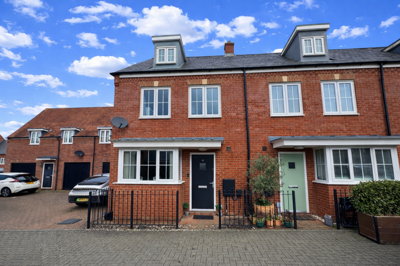
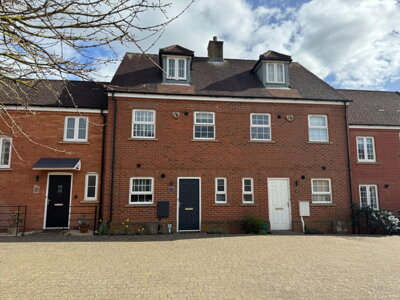
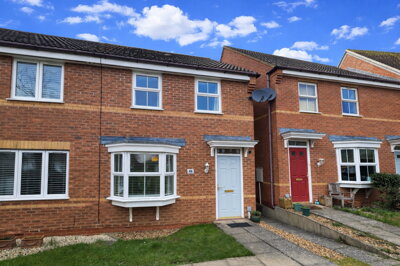
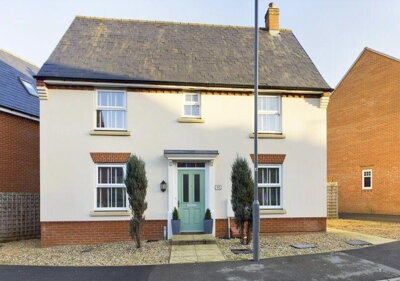
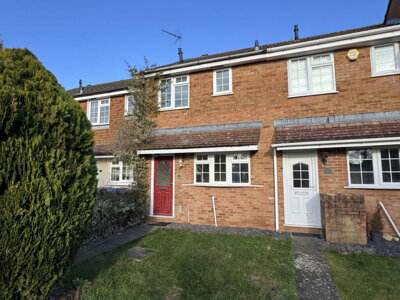
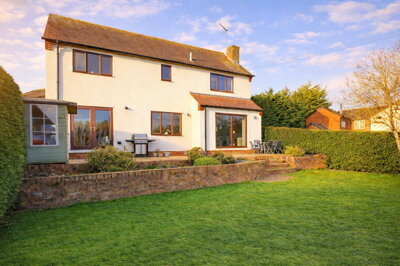
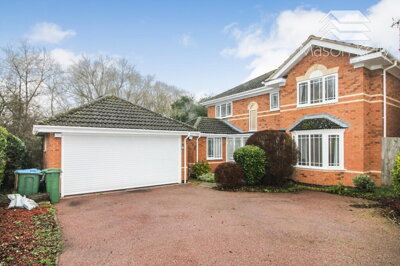
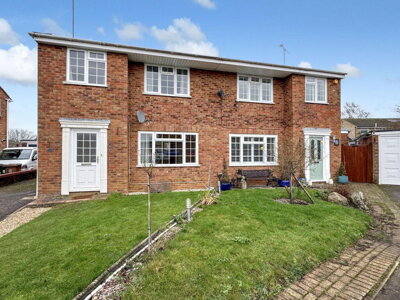
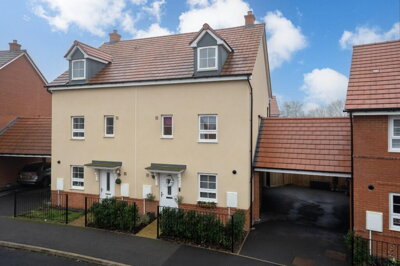
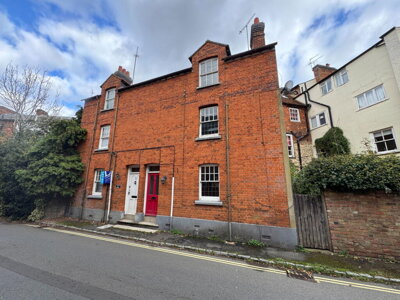
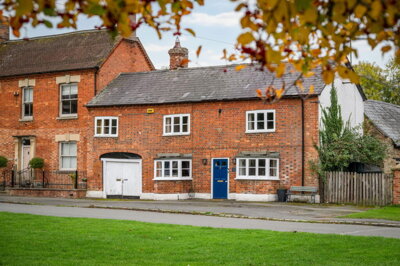
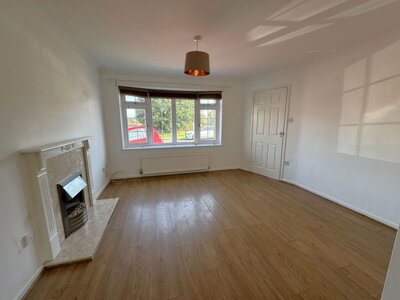
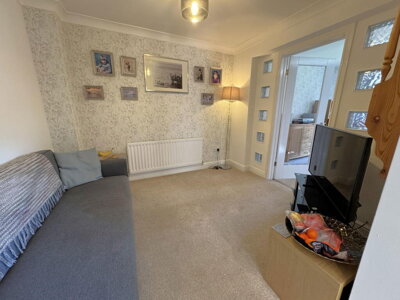
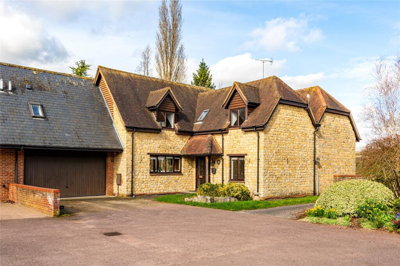
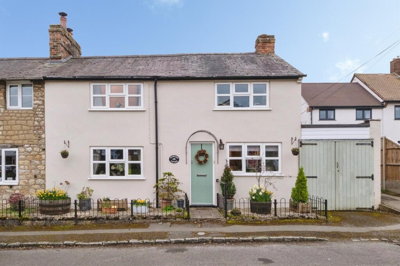
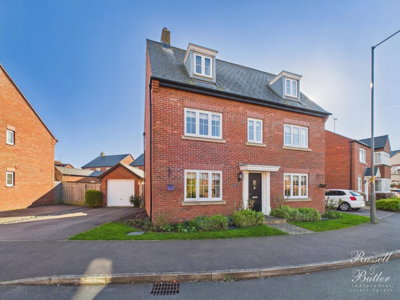
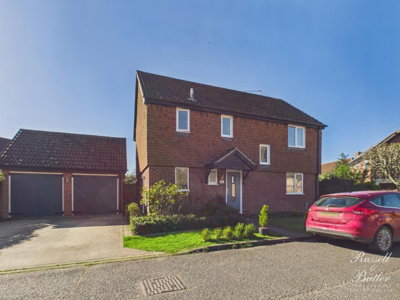
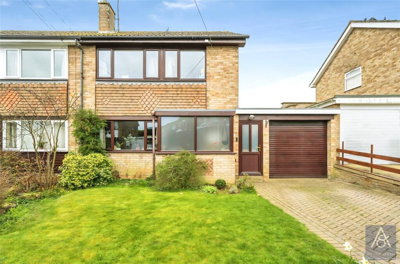
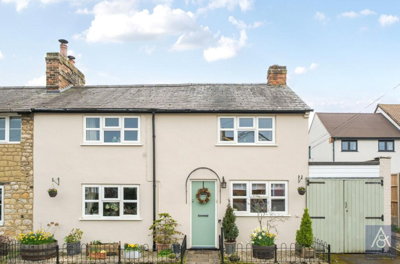
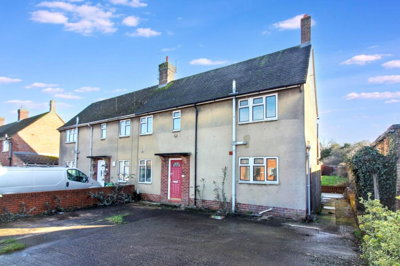
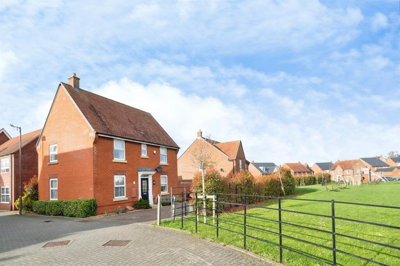
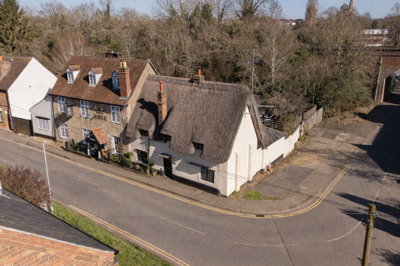
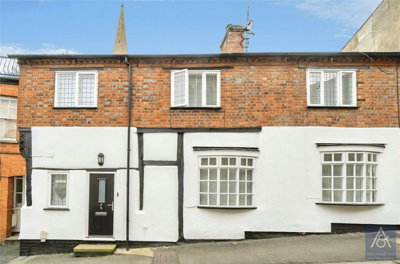
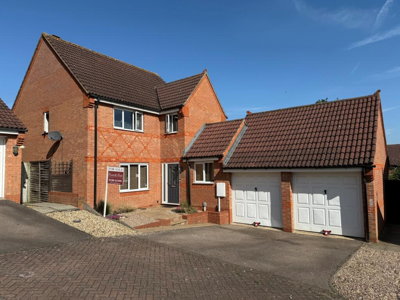
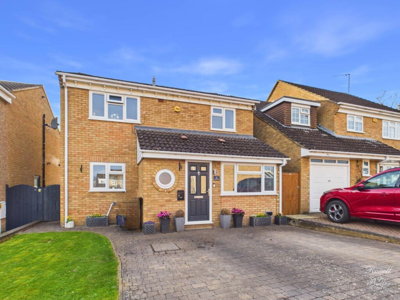
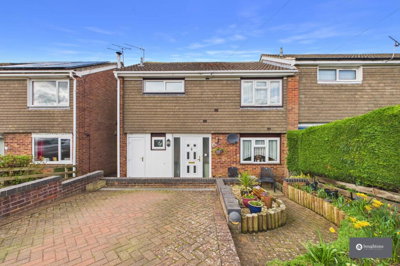
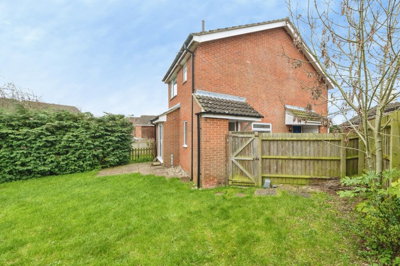
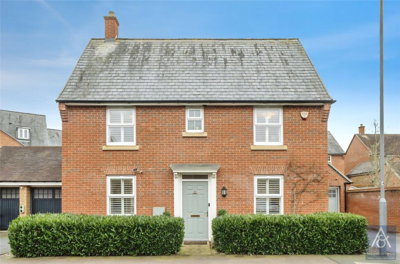
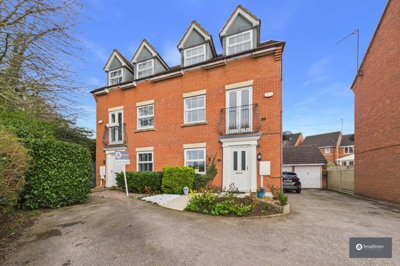
Browse 251 homes for sale in Buckingham, Buckinghamshire from local estate agents.
The Buckingham property market offers detached, semi-detached, and terraced houses spanning various price ranges and neighbourhoods. Each listing includes detailed property information, photographs, and direct contact with the marketing agent.
£420k
111
0
94
Source: home.co.uk
Showing 111 results for Houses for sale in Buckingham, Buckinghamshire. The median asking price is £420,000.
Source: home.co.uk
Detached
57 listings
Avg £543,946
Semi-Detached
36 listings
Avg £375,554
Terraced
18 listings
Avg £301,832
Source: home.co.uk
Source: home.co.uk
The Durnford property market presents a distinctive picture shaped by the village's rural character and limited housing stock. Rightmove and Zoopla currently list 17 properties available in the Great Durnford and Little Durnford area, with sale prices in the SP4 6BA postcode ranging from approximately £299,292 for three-bedroom freehold houses to £584,662 for larger five-bedroom family homes. The broader Wiltshire market has shown resilient performance, with the county recording an average property price of £338,000 and a median of £300,000 as of late 2025, representing a 1% annual increase according to recent data from the Office for National Statistics.
Property types in Durnford reflect the village's historical development, with a predominance of detached period properties and traditional cottages constructed from local flint and brick materials. Semi-detached and terraced houses form part of the mix, while flats remain relatively scarce in this predominantly rural setting. The sales distribution across Wiltshire provides a useful reference point, showing detached properties account for 30.1% of transactions, terraced houses 30.9%, semi-detached homes 26.7%, and flats comprising 12.3% of the market. Durnford's property stock skews heavily toward the detached and period categories, making it particularly attractive to buyers prioritising space, character, and outdoor amenity over the convenience of modern apartment living.
The village has experienced significant price growth over the past decade, with the SP4 6BA postcode area recording a 29.1% increase in property values over the ten-year period to 2026. This appreciation reflects the enduring appeal of rural Wiltshire villages that offer genuine community atmosphere alongside practical connectivity. For buyers considering Durnford homes for sale, the current market conditions present both opportunity and challenge, as limited stock combined with sustained demand means competitive situations can arise for well-presented properties.
When searching for homes for sale in Durnford, understanding the local market dynamics helps buyers make informed decisions. The village's position within the Avon Valley, combined with its proximity to the A303 trunk road, creates a market that attracts buyers from diverse backgrounds, including commuters seeking countryside living within reasonable reach of major employment centres.

Life in Durnford centres on the unhurried pace and natural beauty that define this corner of Wiltshire. The village takes its name from its position near the River Avon, with properties along the river corridor benefiting from attractive water meadows and walking routes that follow the riverbank. The underlying chalk geology of the Salisbury Plain area contributes to the distinctive rolling landscape of chalk downland, arable farmland, and permanent pasture that surrounds the village, offering residents stunning views and excellent opportunities for outdoor pursuits including walking, cycling, and horse riding.
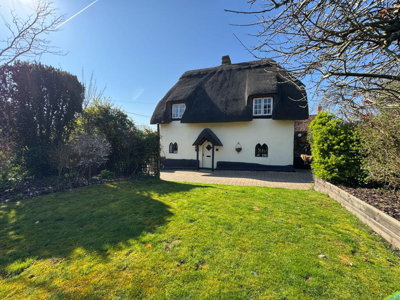
Durnford's village character is exemplified by its traditional architecture, with buildings constructed predominantly from the local flint and red brick that appears throughout Wiltshire's villages. Properties such as Flint Cottage in Little Durnford demonstrate the vernacular building traditions that have shaped the village over centuries. The civil parish, which includes both Great Durnford and the smaller settlement of Little Durnford, maintains a close-knit community atmosphere where local events and village facilities create opportunities for neighbourly interaction. Residents enjoy proximity to the market town of Amesbury, approximately 5 miles to the north, which provides essential everyday shopping, healthcare facilities, and additional amenities.
The village's location provides convenient access to the surrounding Wiltshire countryside while remaining connected to larger population centres. The A345 runs through the village, providing the main route north to Amesbury and south toward Salisbury. For residents working in the defence and associated sectors around Tidworth, Larkhill, and Porton Down, the strategic positioning of Durnford offers a practical base with reasonable commuting distances. The proximity to Salisbury Plain also means that outdoor activities including military heritage walks, wildlife observation, and access to public rights of way are readily available to residents.
The Avon Valley setting provides residents with riverside walks and access to the water meadows that contribute to Durnford's picturesque character. Properties along the river corridor command premiums reflecting their attractive positions and amenity value, though proximity to watercourses also requires consideration of flood risk in lower-lying areas.

Families considering a move to Durnford will find a selection of educational establishments within reasonable reach of the village. Primary education is available at Durrington Walls School, a primary academy that serves the surrounding area and has earned recognition for its supportive learning environment. The school draws pupils from Durnford and neighbouring villages, offering Foundation Stage and Key Stage 1 education within a community-focused setting. For secondary education, students typically progress to schools in the wider area, with The Avon Valley School and Language College in Durrington providing secondary education for pupils from the Durnford catchment area.
Additional educational options in the surrounding Wiltshire countryside include primary schools in nearby villages such as Netheravon and Larkhill, while secondary schools in Salisbury and Amesbury offer comprehensive curriculums and specialist facilities. For families seeking independent education, Salisbury hosts several well-established independent schools catering to pupils from nursery through sixth form. These include the Godolphin School, a co-educational independent school offering day and boarding places, and the Cathedral School, which provides education from early years through to sixth form.
Parents should verify current catchment areas and admissions policies with Wiltshire Council, as school placement can significantly influence property values in specific streets and lanes throughout the Durnford area. Early contact with schools to confirm places is advisable given the rural location and potential for competitive admissions. The school run distances from properties in Durnford vary considerably depending on which settlement within the parish and which direction families travel, with some routes requiring transport given the distances involved.
Education provision near Durnford includes both state and independent options, with primary schools serving the immediate villages and secondary options available in the wider area. Families should research current admission arrangements and consider travel implications when evaluating properties in different parts of the parish.
Durnford benefits from strategic positioning that balances rural tranquility with practical connectivity. The village sits approximately 2 miles from the A303, the main trunk road connecting the south coast with the M3 corridor toward London, making car travel to Salisbury (8 miles), Southampton (25 miles), and the wider motorway network straightforward. The A303 provides particularly valuable links for commuters working in cities along the south coast or those travelling toward the capital, though traffic levels during peak hours can affect journey times.
Public transport options in this rural area are limited, as is typical for villages of Durnford's scale. Bus services connecting Durnford to Salisbury and surrounding villages operate on an infrequent schedule, making private vehicle ownership effectively essential for most residents. Salisbury railway station, approximately 8 miles south of Durnford, offers mainline rail services with regular connections to London Waterloo, taking approximately 1 hour 30 minutes for the journey to the capital. Southampton Airport, reachable within 40 minutes by car, provides access to domestic and European flight destinations.
For cyclists, the quiet country lanes surrounding Durnford offer scenic routes for recreational cycling, though the hilly chalk terrain requires a reasonable fitness level. The National Cycle Network provides connections to nearby villages and toward Salisbury, though direct routes are limited compared to more urban areas. Walking remains a popular activity, with the rights of way network offering access to the chalk downland, river valleys, and historic sites throughout the surrounding countryside. Properties along the A345 benefit from straightforward road access, while those in more isolated positions may face longer journeys to reach main routes.
The A303 provides the primary road connection for residents, offering routes toward the south coast and the M3 corridor. Understanding the balance between rural property benefits and practical transport requirements helps buyers assess whether Durnford properties match their commuting needs and lifestyle preferences.
Purchasing a property in Durnford requires careful attention to several area-specific considerations that differ from urban property transactions. The River Avon flows through the village, meaning properties located near the river or in low-lying areas of the Avon Valley carry potential flood risk that should be investigated thoroughly. Requesting a specific flood risk assessment and reviewing the property's history of flooding or water damage provides essential information before committing to purchase. While the chalk geology underlying much of Wiltshire presents generally low shrink-swell risk, localised variations in superficial deposits can still affect ground conditions, particularly for older properties with potentially shallow foundations.
Durnford's historic village status means significant portions of the parish likely fall within a conservation area, and individual properties may carry listed building status. Conservation area designation imposes restrictions on permitted development rights, affecting what alterations and extensions homeowners can undertake without planning permission. Listed buildings require consent for more substantial works and may mandate specific materials or methods for any restoration or repair. Buyers should verify the property's conservation and listed status through Wiltshire Council planning records and understand the implications before completing.
Properties with original flint and brick construction also require consideration of building maintenance approaches, as modern cement mortars can cause deterioration in traditional structures where lime mortar is more appropriate. Many period properties in Durnford feature solid wall construction without the cavity insulation found in modern buildings, which affects both thermal performance and moisture management. The age of the local housing stock, with many properties predating 1919, means that electrical systems, plumbing, and heating installations may require updating to meet current standards. A thorough RICS Level 2 HomeBuyer Report identifies these issues and provides cost estimates for any necessary works, helping buyers factor remediation costs into their purchasing decisions.
Begin by exploring current listings in Durnford, Little Durnford, and the surrounding SP4 6 postcode area. Understanding the range of properties available, from flint cottages to modern detached homes, helps you identify what represents genuine value at the current average of £468,387. The village market is relatively small, with approximately 17 properties typically available at any time, so regular monitoring of listings and prompt action on new arrivals can prove advantageous.
Before arranging viewings, obtain a mortgage agreement in principle from a lender. This financial pre-qualification strengthens your position when making offers and demonstrates to sellers that you have the funding capacity to proceed to completion. Given the higher average property values in Durnford compared to the wider Wiltshire market, ensuring your borrowing capacity aligns with local prices is essential before investing significant time in property viewings.
Visit shortlisted properties in person, paying particular attention to the condition of older properties. Properties constructed from flint and brick may show signs of weathering or require maintenance on traditional lime mortar pointing. Note proximity to the River Avon as this affects flood risk, and examine the condition of thatched or slate roofs which appear on period properties throughout the village.
For properties over 50 years old, which comprise a significant proportion of Durnford's housing stock, a Level 2 HomeBuyer Report identifies defects such as damp, roof condition, timber defects, and outdated electrical systems before you commit to purchase. The report also covers the property's energy performance and highlights any potential issues with conservation area or listed building status that may affect future plans.
Appoint a solicitor experienced in rural Wiltshire property transactions to handle legal work, searches, and contracts. They will investigate planning history, conservation area implications, and any rights of way affecting the property. Given Durnford's rural setting, additional searches regarding agricultural land use, countryside stewardship schemes, and local authority plans may prove relevant to your purchase.
Once surveys are satisfactory and legal searches are returned, you can exchange contracts and set a completion date. On completion, you receive the keys to your new Durnford home and can begin your life in this attractive Wiltshire village. Factor in the time required to transfer utilities, redirect mail, and settle into your new property, particularly if moving from a considerable distance.
Buying property in Durnford involves navigating a market shaped by rural location, period housing stock, and limited availability. Our step-by-step process helps first-time buyers and experienced property purchasers alike understand what to expect when searching for homes for sale in this attractive Wiltshire village.
Properties in the Durnford SP4 6BA postcode area have an average sale value of £468,387 as of early 2026. The broader Great Durnford average shows £1,930,000, though this figure appears skewed by a limited number of high-value properties. For context, Wiltshire county records an average property price of £338,000 and median of £300,000, with the market showing approximately 1% annual growth according to Office for National Statistics data. First-time buyers and investors should note that entry-level properties in the village start around £299,292 for three-bedroom houses, while larger family homes can exceed £580,000 in the current market.
Properties in Durnford fall under Wiltshire Council administration for council tax purposes. Bands range across the full A to H spectrum depending on property value and type, with period cottages and smaller homes typically in bands A to D, and larger detached properties or those with significant recent renovations in higher bands. The average house price in Durnford of £468,387 suggests many properties would fall in bands D to E. Prospective buyers should verify the specific council tax band for any property through the Wiltshire Council valuation list or the property's listing details, as the band determines the annual tax contribution.
Primary education in the Durnford catchment area includes Durrington Walls School, which serves the village and surrounding parishes with a strong community reputation. Secondary options include The Avon Valley School and Language College in Durrington, with further secondary schools available in Salisbury and Amesbury for families seeking additional choices or specialist facilities. Independent schooling options in Salisbury include the Godolphin School and the Cathedral School, both offering education from nursery through sixth form. Families should confirm current admissions policies and catchment boundaries with Wiltshire Council as these can affect placement eligibility and may change over time.
Durnford has limited public transport options consistent with its small village scale, making private vehicle ownership essential for most residents. Bus services connecting the village to Salisbury and surrounding towns operate infrequently, typically once or twice daily on certain routes. The nearest mainline railway station is Salisbury, approximately 8 miles away, offering regular services to London Waterloo in around 1 hour 30 minutes. Southampton Airport, reachable by car in approximately 40 minutes, provides access to domestic and international flights. The A303 trunk road, accessible within 2 miles, provides the primary route for car travel to Southampton, Winchester, and the wider motorway network.
Durnford offers several factors that appeal to property investors seeking long-term growth in a desirable rural location. The village's position near Salisbury, combined with attractive period properties and the A303 corridor, maintains consistent demand from buyers seeking countryside living within commuting distance of major employment centres. Properties in conservation areas with historic character tend to hold their value well, while the limited supply of homes in small rural parishes can support prices during periods of strong demand. The local rental market serves tenants working in the defence and associated sectors around Tidworth and Larkhill, though investors should factor in potential management complexities associated with older properties and the lack of immediate local amenities.
Stamp duty rates for 2024-25 apply to all Durnford property purchases: there is no stamp duty on the first £250,000 of purchase price, 5% on the portion between £250,001 and £925,000, 10% on £925,001 to £1.5 million, and 12% above £1.5 million. First-time buyers benefit from relief on the first £425,000, with 5% applying between £425,001 and £625,000. For a typical Durnford property at the village average of £468,387, a standard buyer would pay approximately £10,919 in stamp duty, while a first-time buyer would pay £2,169. These figures represent estimates and buyers should obtain a precise calculation based on their specific circumstances and any relief they may qualify for.
Properties near the River Avon in Durnford carry potential flood risk that warrants investigation before purchase. The river flows through the village, and low-lying areas in the Avon Valley can experience flooding during periods of heavy rainfall or sustained high water levels. Buyers should request a specific flood risk assessment, check the Environment Agency flood maps for the exact property location, and review any history of flooding or water damage documented in survey reports. Properties on higher ground within the village, particularly those set back from the river corridor, generally present lower flood risk, though surface water flooding can occur in any area during extreme weather events.
Durnford's historic village status means significant portions of the parish likely fall within a conservation area designation. Individual properties throughout the village may carry listed building status, particularly traditional flint cottages and other period properties of architectural significance. Conservation area designation restricts permitted development rights, requiring planning permission for alterations and extensions that would normally be allowed under permitted development rules. Listed buildings face even stricter controls over external changes and may require specific consent for works including window replacement, roof repairs, and exterior alterations. Buyers should verify the status of any property through Wiltshire Council planning records and consider how these designations affect their plans for the property.
Understanding the full cost of purchasing property in Durnford extends beyond the headline sale price to encompass stamp duty, legal fees, surveys, and ongoing costs. The standard stamp duty land tax rates for 2024-25 mean that on a property priced at the village average of £468,387, a standard buyer without first-time buyer status would incur SDLT of approximately £10,919 on the portion above £250,000. First-time buyers benefiting from the increased threshold pay significantly less, with SDLT of approximately £2,169 on the same property, applying the first-time buyer relief to the first £425,000 and 5% on the balance to £625,000.
Additional purchase costs include conveyancing fees, typically ranging from £500 to £1,500 depending on complexity, with rural properties sometimes requiring additional searches and investigations. A RICS Level 2 HomeBuyer Report costs from £350 for standard properties but may be higher for larger or more complex period homes with features such as flint construction, thatched roofs, or historic elements requiring specialist assessment. For properties in conservation areas or those with listed building status, additional specialist surveys may be advisable to assess the condition of traditional building fabric and identify any maintenance issues that might not be covered by a standard survey.
Mortgage arrangement fees, valuation fees, and search costs from Wiltshire Council complete the typical purchase cost picture. On a £468,387 property, buyers should budget an additional £2,500 to £4,000 above stamp duty to cover these ancillary purchase costs, bringing the total cash requirement to well over £470,000 for completion. Ongoing costs following purchase include mortgage repayments, council tax (typically bands D to E for properties in this price range), building insurance, and maintenance costs that may prove higher for period properties with traditional construction methods.
From 4.5%
Expert mortgage advice for Durnford buyers with access to lenders across the market
From £499
Specialist conveyancing solicitors experienced in rural Wiltshire property transactions
From £350
Comprehensive survey identifying defects in Durnford period properties, from flint cottages to detached family homes
From £80
Energy performance certificate required for all property sales in England
Properties for Sale In London

Properties for Sale In Plymouth

Properties for Sale In Liverpool

Properties for Sale In Glasgow

Properties for Sale In Sheffield

Properties for Sale In Edinburgh

Properties for Sale In Coventry

Properties for Sale In Bradford

Properties for Sale In Manchester

Properties for Sale In Birmingham

Properties for Sale In Bristol

Properties for Sale In Oxford

Properties for Sale In Leicester

Properties for Sale In Newcastle

Properties for Sale In Leeds

Properties for Sale In Southampton

Properties for Sale In Cardiff

Properties for Sale In Nottingham

Properties for Sale In Norwich

Properties for Sale In Brighton

Properties for Sale In Derby

Properties for Sale In Portsmouth

Properties for Sale In Northampton

Properties for Sale In Milton Keynes

Properties for Sale In Bournemouth

Properties for Sale In Bolton

Properties for Sale In Swansea

Properties for Sale In Swindon

Properties for Sale In Peterborough

Properties for Sale In Wolverhampton

Enter your details to see if this property is within your budget.
Loans, cards, car finance
Estimated property budget
Borrowing + deposit
You could borrow between
Typical borrowing
Monthly repayment
Est. at 4.5%
Loan-to-value
This is an estimate only. Your actual budget may vary depending on interest rates, credit history, and personal circumstances. For an accurate affordability assessment, speak to one of our free mortgage advisors.
This calculator provides estimates for illustrative purposes only and does not constitute financial advice. Your home may be repossessed if you do not keep up repayments on your mortgage. Estimates based on 4.5% interest rate, repayment mortgage. Actual rates depend on your circumstances.
Homemove is a trading name of HM Haus Group Ltd (Company No. 13873779, registered in England & Wales). Homemove Mortgages Ltd (Company No. 15947693) is an Appointed Representative of TMG Direct Limited, trading as TMG Mortgage Network, which is authorised and regulated by the Financial Conduct Authority (FRN 786245). Homemove Mortgages Ltd is entered on the FCA Register as an Appointed Representative (FRN 1022429). You can check registrations at NewRegister or by calling 0800 111 6768.

We use cookies to show you personalised content and improve your experience of our website. Find out more in our Privacy policy and Cookie policy.