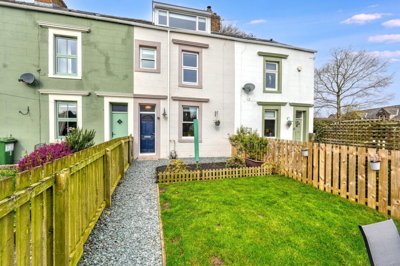
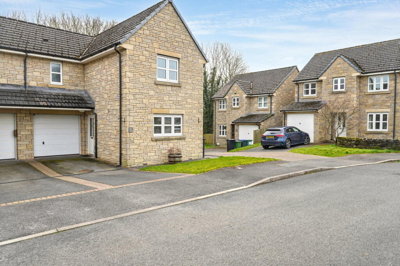
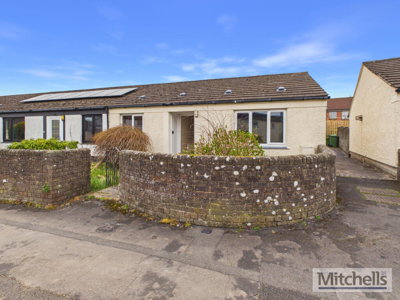
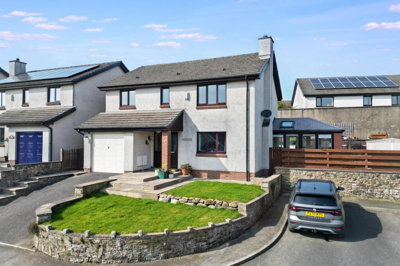
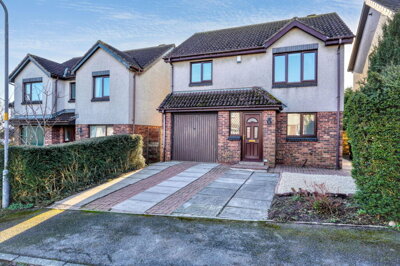
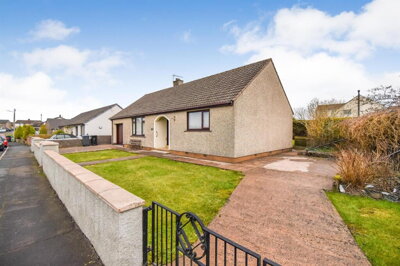
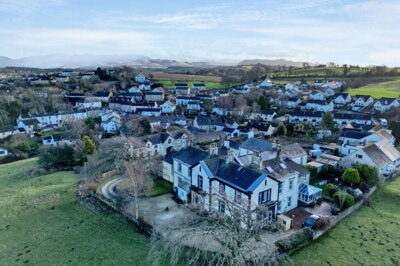
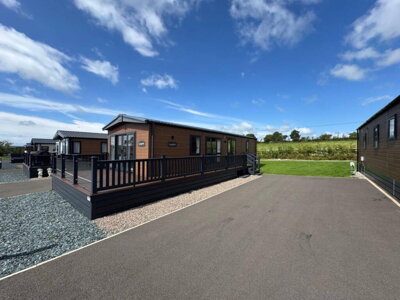
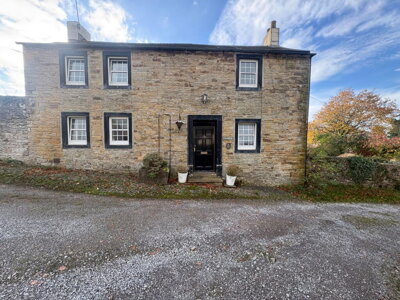
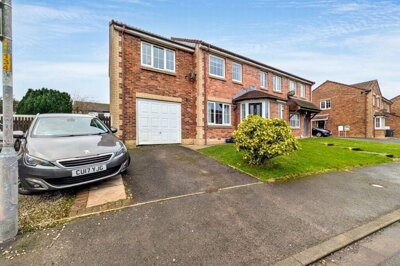
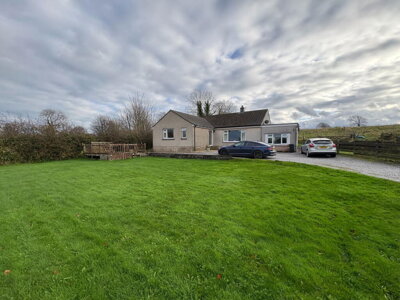
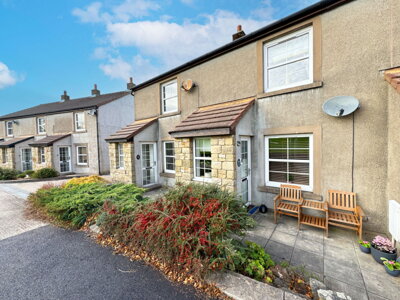
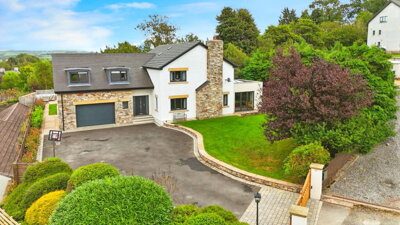
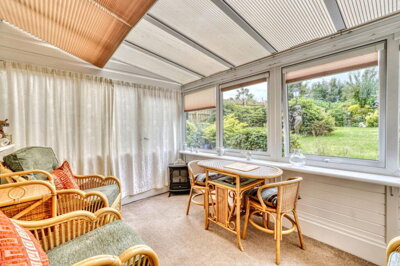
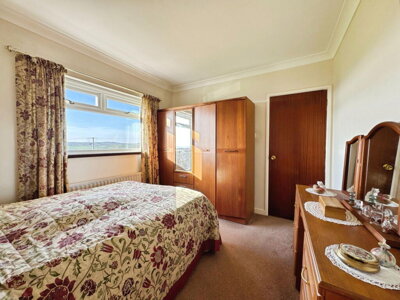
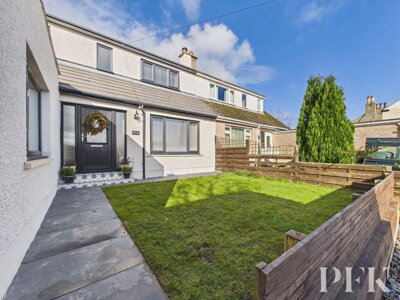
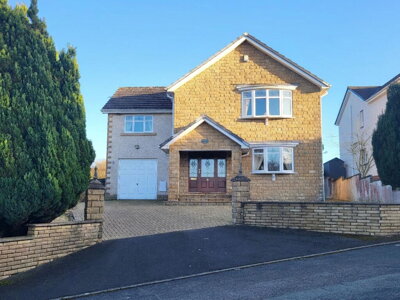
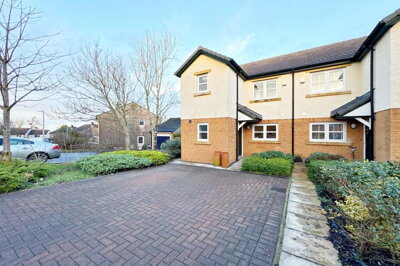
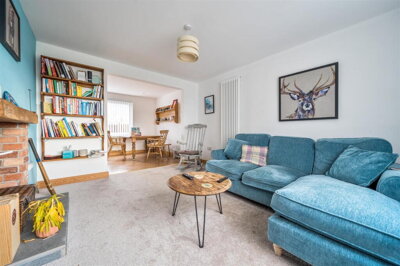
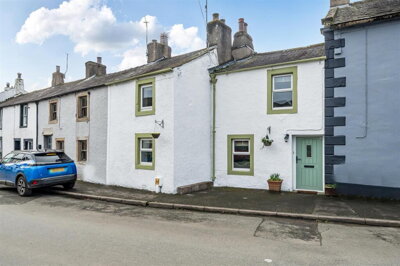
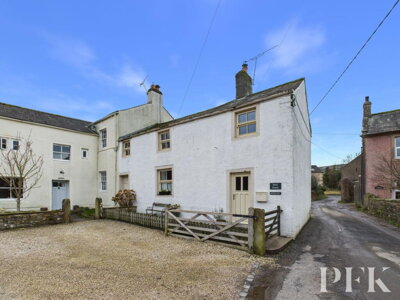
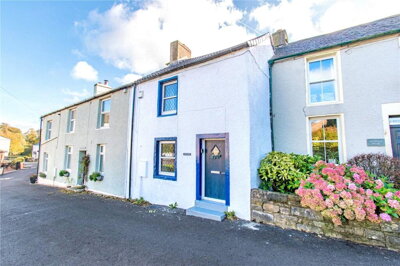
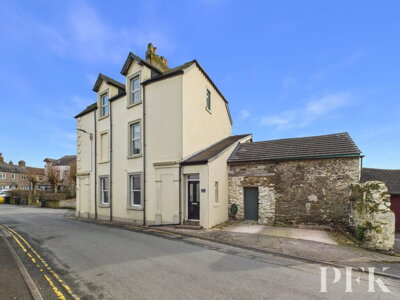
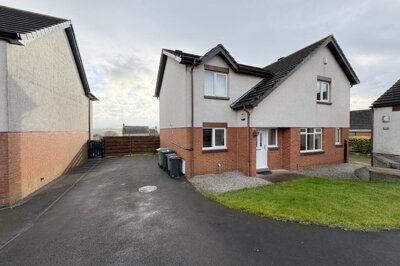
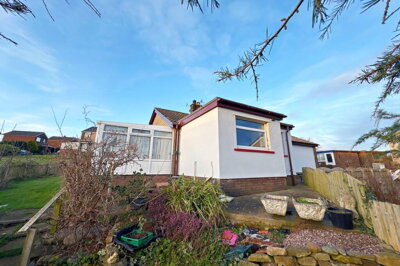
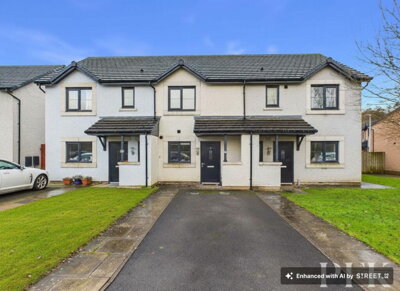
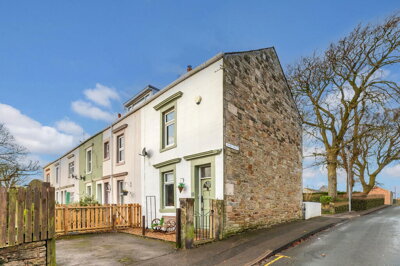
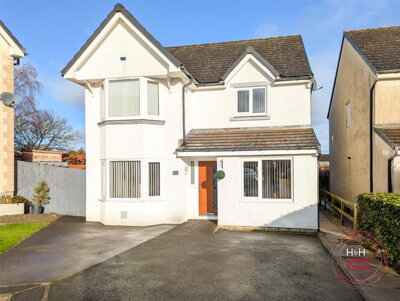
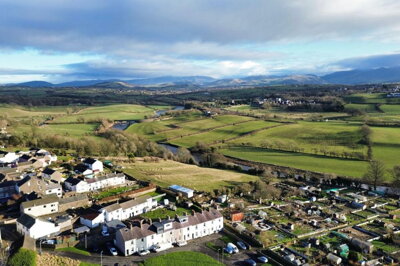
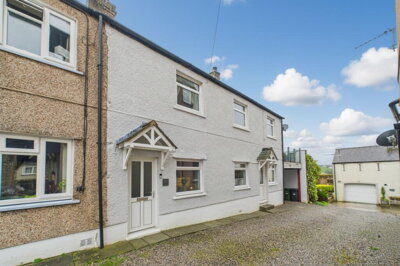
Browse 40 homes for sale in Broughton from local estate agents.
The Broughton property market offers detached, semi-detached, and terraced houses spanning various price ranges and neighbourhoods. Each listing includes detailed property information, photographs, and direct contact with the marketing agent.
The Broughton property market has demonstrated strong performance over the past year, with the overall average price sitting at £245,038 and climbing 12% year-on-year in Great Broughton. Property types available in the area reflect its mix of heritage and modern development: terraced properties average £135,417, semi-detached homes fetch around £169,000, and detached properties command premium prices averaging £486,250. This pricing structure makes Broughton particularly attractive to families upgrading from terraced homes, as the gap between property types remains achievable on typical family incomes.
Different neighbourhoods within the Broughton area offer distinct market characteristics. Broughton Park commands higher prices averaging £350,000 with 6% annual growth, while the West End neighbourhood provides more accessible entry points around £187,000. Broughton Cross properties average £300,167, sitting between these market segments. New build opportunities remain limited but include Calluna Grange in nearby Broughton Moor, offering two, three, and four-bedroom homes from a national developer. The combination of rising prices and limited new supply suggests continued strong demand for quality properties in this desirable Cumbrian location.
Sales activity in Broughton reflects the broader Cumbrian market trends, with terraced properties representing the majority of transactions followed by detached and semi-detached homes. Flats remain scarce in the village, which limits options for investors seeking rental income or first-time buyers preferring low-maintenance accommodation. The strong performance of the local market, despite broader economic uncertainty, suggests underlying demand fundamentals remain solid. We track recent sold prices throughout Great Broughton and Broughton Cross to give you accurate market intelligence when making your property decision.

Life in Broughton, Cumberland revolves around the rhythm of the seasons and the strength of community ties. The parish sits within the larger Broughton Moor civil parish, historically built to serve the mining community that worked the local coal seams from the 15th century onwards. Today, the area retains its working heritage while embracing contemporary rural living. Local limestone quarrying at Broughton Craggs, documented since the 17th century, contributed to the distinctive stone buildings that characterise the village centre, including the Grade II listed St Columba's Church in Broughton Moor. The limey soil of the surrounding farmland supports productive agriculture and provides the distinctive landscape that Cumbrian residents cherish.
The civil parish of Broughton encompasses approximately 1,704 residents according to the 2011 Census, with more recent estimates placing Great Broughton at around 1,774 inhabitants. This population size ensures a friendly village atmosphere where neighbours recognise each other and local businesses thrive on repeat custom. Essential amenities include a village shop, traditional public houses serving local ales and hearty Cumbrian fare, and community facilities hosting everything from football matches to parish council meetings. The nearby market town of Cockermouth provides access to larger supermarkets, independent retailers, healthcare facilities, and banking services within easy driving distance.
The village centre around Main Street and the surrounding lanes feature a mix of period properties built from local stone, reflecting the area's quarrying heritage. Community events throughout the year bring residents together, from summer fetes and harvest gatherings to Christmas activities and local sporting competitions. The public houses serve as social hubs where new residents quickly feel at home, and the village shop provides essential supplies without the need to travel to larger towns. For families, the combination of safe streets, outdoor space, and genuine community spirit makes Broughton an ideal location to raise children away from the pressures of urban living.

Families considering a move to Broughton will find a solid selection of educational establishments serving the village and surrounding area. Primary education is well-catered for with local schools serving the communities of Great and Little Broughton, providing early years and Key Stage 1-2 education within a short walk or bus ride of most homes. The village school setting offers small class sizes that allow teachers to provide individual attention, something that parents frequently cite as a key advantage of rural schooling. Schools in the area maintain strong links with their communities, involving parents in school events and extracurricular activities that help children develop both academically and socially.
Secondary education options include schools in nearby Cockermouth, accessible via regular bus services that operate specifically for school transport. These secondary schools offer a full range of GCSE subjects and sixth form provision, with many students progressing to further education or apprenticeships locally. For families prioritising academic excellence, the wider Cumberland area includes grammar school options in nearby towns, though admission is subject to catchment area boundaries and entrance assessment results. Early planning is essential when considering secondary school options, as properties in specific postcode areas may fall within preferred catchment zones for particular schools.
Early years provision in Broughton includes both school-based reception classes and registered childminders who serve the local community. The availability of childcare affects decisions for working parents, and we recommend investigating current provision and any waiting lists before committing to a property purchase. For older students, further education colleges in Carlisle and Workington offer vocational and academic courses accessible via public transport from the Broughton area. The strong community atmosphere in local schools often results in good OFSTED ratings, though we always recommend checking the most recent inspection reports when researching educational options for your family.
Transport connectivity from Broughton, Cumberland provides practical options for both daily commuters and occasional travellers. The village sits within reasonable reach of the A66, the main arterial route connecting Penrith and the M6 motorway with Workington and the Cumbrian coast. This road provides the primary route for residents travelling to work in nearby towns or heading further afield to access the motorway network. For commuters to Carlisle or Whitehaven, the A595 offers direct connections, while the Lake District attractions at Keswick remain accessible for weekend leisure trips. However, daily reliance on a car is practically essential for most residents given the rural location.
Public transport options serve those without cars or for one-off journeys. Bus services connect Broughton with Cockermouth and Workington, providing access to rail stations for longer journeys. Workington Station offers connections on the Cumbrian Coast Line running between Carlisle and Barrow-in-Furness, with services connecting to the West Coast Main Line at Carlisle for journeys to London and beyond. For air travel, Carlisle Lake District Airport provides limited commercial flights, while Newcastle International Airport offers a broader range of destinations and is approximately 90 minutes drive from Broughton. The village position relative to major employment centres in West Cumbria and the growing service sector in nearby towns influences commuting patterns, with many residents choosing to work locally rather than commute long distances.
For those working from home, Broughton's rural location offers the advantage of space and quiet surroundings, though broadband speeds may vary depending on your exact location within the parish. We recommend checking estimated broadband speeds for any specific property you are considering, as this can significantly impact the viability of home working. The village hall and local pubs provide occasional co-working opportunities for those seeking a change of scene from home working, and the Cumbrian landscape provides excellent breaks during the working day for those who need to step away from their desks.
Contact a Cumberland Building Society or national lender to obtain an agreement in principle before viewing properties. This strengthens your offer position and demonstrates financial readiness to sellers. Having a mortgage decision in principle also helps you set realistic budgets when browsing properties in different Broughton neighbourhoods, as price ranges vary significantly between areas like Broughton Park at £350,000 average and West End at £187,000.
Explore current listings, recent sold prices in Great Broughton and Broughton Cross areas, and understand the difference between terraced, semi-detached, and detached property values. Our team can provide detailed analysis of price trends and comparable sales to help you identify genuinely good value in the current market. Understanding local market dynamics is especially important in a rising market where properties can sell quickly.
Visit homes in your preferred neighbourhoods, considering proximity to schools, village amenities, and transport connections. Note any flood risk considerations near the River Derwent and ask about the history of the property including any maintenance issues or previous problems. We recommend viewing properties at different times of day to assess traffic, noise levels, and the general atmosphere of the neighbourhood.
Commission a RICS Level 2 Homebuyer Report or Level 3 Building Survey to identify any structural issues or necessary repairs before committing to purchase. Given Broughton's mix of Victorian and Edwardian properties, a thorough survey is particularly important to assess the condition of solid wall construction, original features, and any signs of movement or damp. Our recommended surveyors understand local construction methods and common issues in Cumbrian properties.
Choose a conveyancing specialist familiar with Cumbrian properties to handle legal searches, contracts, and land registry transfers. Local knowledge helps solicitors anticipate potential issues with older properties, conservation areas, and mining-related searches that may be relevant in this former coal mining area. We can connect you with conveyancers who have experience with Broughton transactions.
Once searches are satisfactory and both parties agree, your solicitor will exchange contracts and arrange completion, typically within 28 days. We recommend booking removals and buildings insurance well in advance of your target completion date, particularly if purchasing a property near water where insurance considerations may require additional time to arrange.
Buying property in Broughton requires attention to local factors that may not apply in urban areas. Flood risk warrants careful consideration given the village's position on the River Derwent and the presence of Broughton Brook running through the area. While specific flood warnings are not currently active, historical records indicate that low-lying land flooding is possible, and prospective buyers should review Environment Agency flood maps and ask sellers about any previous flooding incidents. Properties on slightly elevated ground or away from watercourses may command premiums but offer greater protection during periods of heavy rainfall. We always recommend requesting a professional flood risk search as part of your conveyancing process.
The age of Broughton's housing stock means many properties will be Victorian or Edwardian construction, potentially featuring solid walls, original sash windows, and period features that require ongoing maintenance. Understanding the difference between traditional construction methods and modern builds becomes important when assessing renovation costs and energy efficiency. Solid wall properties typically have different insulation properties compared to cavity wall construction, which affects heating costs and may influence your decisions about future improvements. We recommend factoring potential renovation costs into your budget when evaluating older properties.
Listed buildings in the area, including St Columba's Church and the Christ Church war memorial, may have implications for neighbouring properties in terms of preservation restrictions. Always verify whether any planning conditions, conservation area designations, or listed building consents affect your intended purchase. Properties in the village centre built from local limestone, a legacy of the Broughton Craggs quarries, may have specific maintenance requirements that differ from standard construction. Our local expertise helps identify properties where historic features add character and value versus those where maintenance liabilities might outweigh the benefits.
Given the area's mining heritage dating back to 1437, ground conditions warrant consideration when purchasing larger plots or undeveloped land. Mining searchers should be included in your conveyancing requirements to check for any historical mining activity that might affect foundations or future development potential. Properties in Broughton Moor, originally built to house the mining community, may have different characteristics compared to newer additions to the village, including smaller garden sizes and different boundary treatments that reflect their historical purpose.
Properties in Broughton and the surrounding Broughton Moor area reflect the building traditions of West Cumbria, with local limestone from the Broughton Craggs quarries featuring prominently in village centre construction. The lime-burning industry active since the 17th century produced mortar and render materials that characterise many period properties, giving the village its distinctive warm stone appearance. When assessing a property, examine the condition of pointing and any signs of erosion in lime mortar, as this affects both appearance and weather resistance. Modern cement-based mortars applied to historic properties can cause problems by trapping moisture within the wall structure.
Many homes in Broughton feature solid wall construction rather than the cavity walls found in modern properties. This construction type affects thermal performance and condensation management, requiring different approaches to insulation and ventilation compared to newer builds. Solid wall properties often retain heat well in winter once heated, but respond more slowly to temperature changes, which affects heating system sizing and running costs. Understanding these characteristics helps buyers make informed decisions about heating bills and potential improvements.
Original features common in Broughton's Victorian and Edwardian properties include sash windows with single glazing, decorative cornicing, fireplaces with potential for reopening, and timber floorboards that can be sanded and polished to create attractive finishes. These features often require ongoing maintenance but add significant character and can increase property value if well-preserved. When viewing properties, assess the condition of these features honestly and factor restoration costs into your budget where needed. Our viewings checklist helps you evaluate period features systematically and distinguish between manageable wear and tear and more serious structural issues.
The average house price in Great Broughton stands at £245,038 based on recent sales data. Prices vary significantly by property type: terraced homes average £135,417, semi-detached properties £169,000, and detached homes £486,250. The market has shown strong growth of 12% year-on-year, with Broughton Park averaging £350,000 and Broughton Cross around £300,167. This diversity in pricing provides options for various budgets, from first-time buyers seeking affordable terraced cottages to families requiring larger detached homes.
Properties in Broughton fall under Allerdale Borough Council jurisdiction. Council tax bands range from A to H depending on property value and size. Most terraced cottages and smaller semis in the village centre typically fall into bands A or B, while larger detached family homes may be in bands D through F. You can check specific band information on the Valuation Office Agency website using the property address, and current rates are available on the Allerdale Borough Council website.
Broughton is served by local primary schools within the village and surrounding parishes, providing education for children from early years through Key Stage 2. Secondary education options include schools in Cockermouth, accessible via school bus services. The area benefits from small class sizes typical of rural primary schools, which many parents cite as a significant educational advantage. For grammar school options, families may need to consider schools in nearby towns, subject to catchment area boundaries and entrance assessment performance.
Public transport from Broughton is limited but functional. Bus services connect the village with Cockermouth and Workington, providing access to supermarkets, healthcare, and train stations. Workington Station offers rail connections on the Cumbrian Coast Line to Carlisle and Barrow-in-Furness. However, daily commuting without a car is challenging, and most residents rely on private vehicles for work and regular travel. The A66 and A595 roads provide road connections to major employment centres in West Cumbria.
Broughton offers several factors that make property investment attractive. The 12% year-on-year price growth demonstrates strong demand, while the relative affordability compared to Lake District hotspots appeals to buyers seeking value. Rental demand likely exists from professionals working in nearby towns or the growing service sector in West Cumbria. However, investment decisions should consider local employment trends, potential for capital growth, and ongoing maintenance costs for older properties. The limited new build supply in the village suggests existing properties will continue to attract steady interest.
Stamp Duty Land Tax rates for England apply to all Broughton property purchases. For standard purchases, you pay nothing on the first £250,000, then 5% on the portion up to £925,000. First-time buyers benefit from relief on the first £425,000, with 5% charged between £425,000 and £625,000. At current average prices of £245,038 for Great Broughton, most buyers would pay no stamp duty as a first-time buyer, or minimal amounts as a home mover, though higher-value detached properties would incur greater costs.
Broughton sits on the River Derwent with Broughton Brook running through the area, presenting some flood risk considerations. Environment Agency data shows the Broughton Brook level typically sits at the top of normal range at 0.34m, with low-lying land flooding possible above this level. Properties in elevated positions away from watercourses generally present lower risk. All buyers should request Flood Risk searches as part of their conveyancing and consider buildings insurance costs in their budget.
The Broughton area encompasses several distinct neighbourhoods with different characteristics and price points. Broughton Park represents the premium end of the market with average prices around £350,000 and properties tending toward larger detached homes. Broughton Cross sits in the middle ground at approximately £300,167, offering a mix of property types. West End provides the most accessible entry point at around £187,000 average, suitable for first-time buyers. The village centre around Main Street features period stone properties with historical character, while newer additions to the area, including the Calluna Grange development on Broughton Moor, offer modern specification homes.
New build opportunities in Broughton village itself remain limited, with the village consisting primarily of period properties reflecting its Victorian and Edwardian heritage. The nearest new build development is Calluna Grange on Broughton Moor, offering two, three, and four-bedroom homes from national developer Gleeson Homes. Broughton Moor is a civil parish formed from Great and Little Broughton townships, making this development relevant to buyers considering the broader Broughton area. For buyers specifically seeking new construction within the main Broughton village, options are scarce, which drives continued interest in quality period properties.
Understanding the full costs of buying property in Broughton, Cumberland helps you budget accurately and avoid surprises. Stamp Duty Land Tax represents a significant upfront cost, though at current average prices of £245,038, many buyers find their liability is minimal or zero. First-time buyers purchasing at the average price would pay no SDLT thanks to the relief threshold of £425,000. Home movers buying at average prices would pay nothing on the first £250,000, then 5% on any amount above that, resulting in a small charge on typical transactions. Premium properties priced above £925,000 incur higher rates, so understanding the threshold implications helps with financial planning.
Beyond stamp duty, budget for solicitor fees typically ranging from £500 to £1,500 depending on complexity, mortgage arrangement fees of £0 to £2,000, valuation fees from £150 to £500, and survey costs between £350 and £800 for a comprehensive RICS Level 2 or Level 3 survey. Buildings insurance should be arranged from completion day, and you will need to budget for removals, potential redecoration, and any immediate repairs identified during survey. For properties in flood risk areas near the River Derwent, buildings insurance premiums may be higher, so obtaining insurance quotes before completion is advisable. Homemove provides access to recommended conveyancers and surveyors familiar with Cumbrian properties to help you navigate these costs efficiently.
Additional costs to factor into your budget include search fees typically around £250 to £350, Land Registry fees for title registration, and potential costs for mortgage valuation surveys. If the property you are purchasing has been recently converted or renovated, you may need to budget for additional surveys to check the quality of previous building work. For leasehold properties, ground rent and service charge estimates should be obtained before committing to purchase. We recommend requesting a complete cost breakdown from your solicitor early in the transaction so you can manage your cash flow effectively through to completion.
Properties for Sale In London

Properties for Sale In Plymouth

Properties for Sale In Liverpool

Properties for Sale In Glasgow

Properties for Sale In Sheffield

Properties for Sale In Edinburgh

Properties for Sale In Coventry

Properties for Sale In Bradford

Properties for Sale In Manchester

Properties for Sale In Birmingham

Properties for Sale In Bristol

Properties for Sale In Oxford

Properties for Sale In Leicester

Properties for Sale In Newcastle

Properties for Sale In Leeds

Properties for Sale In Southampton

Properties for Sale In Cardiff

Properties for Sale In Nottingham

Properties for Sale In Norwich

Properties for Sale In Brighton

Properties for Sale In Derby

Properties for Sale In Portsmouth

Properties for Sale In Northampton

Properties for Sale In Milton Keynes

Properties for Sale In Bournemouth

Properties for Sale In Bolton

Properties for Sale In Swansea

Properties for Sale In Swindon

Properties for Sale In Peterborough

Properties for Sale In Wolverhampton

Enter your details to see if this property is within your budget.
Loans, cards, car finance
Estimated property budget
Borrowing + deposit
You could borrow between
Typical borrowing
Monthly repayment
Est. at 4.5%
Loan-to-value
This is an estimate only. Your actual budget may vary depending on interest rates, credit history, and personal circumstances. For an accurate affordability assessment, speak to one of our free mortgage advisors.
This calculator provides estimates for illustrative purposes only and does not constitute financial advice. Your home may be repossessed if you do not keep up repayments on your mortgage. Estimates based on 4.5% interest rate, repayment mortgage. Actual rates depend on your circumstances.
Homemove is a trading name of HM Haus Group Ltd (Company No. 13873779, registered in England & Wales). Homemove Mortgages Ltd (Company No. 15947693) is an Appointed Representative of TMG Direct Limited, trading as TMG Mortgage Network, which is authorised and regulated by the Financial Conduct Authority (FRN 786245). Homemove Mortgages Ltd is entered on the FCA Register as an Appointed Representative (FRN 1022429). You can check registrations at NewRegister or by calling 0800 111 6768.

We use cookies to show you personalised content and improve your experience of our website. Find out more in our Privacy policy and Cookie policy.