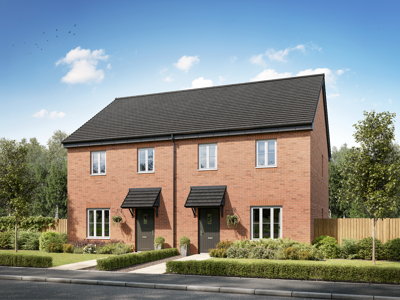
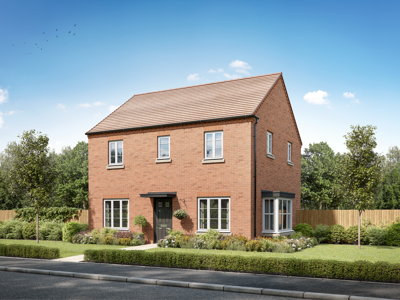
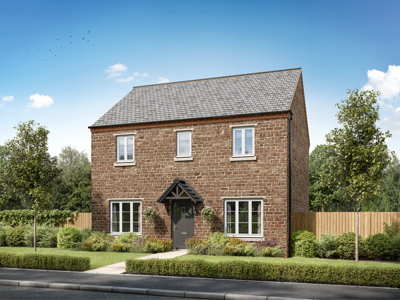
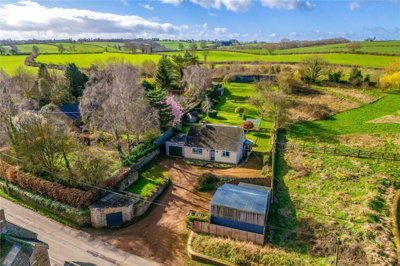
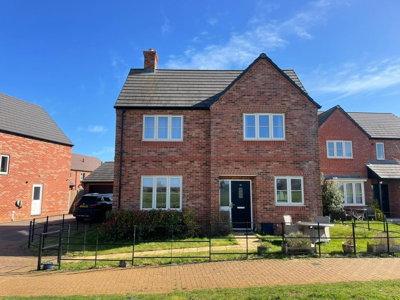
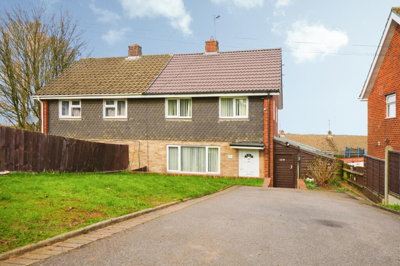
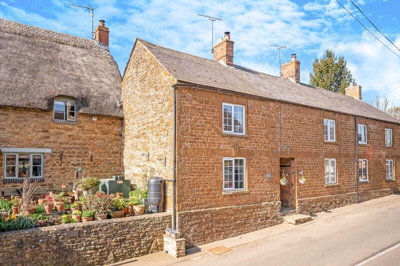
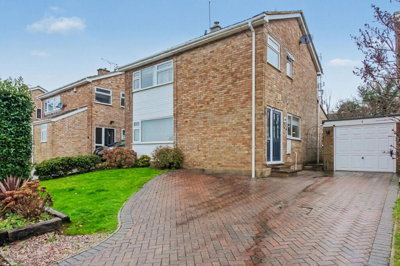
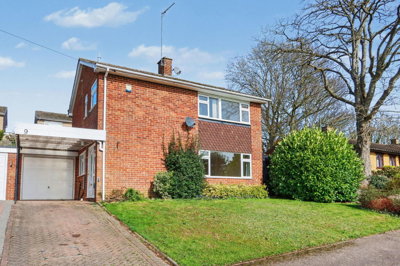
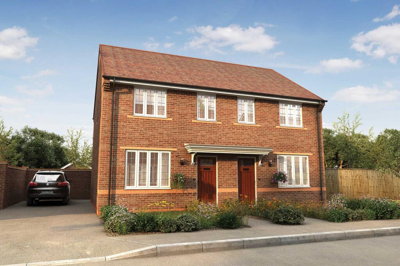
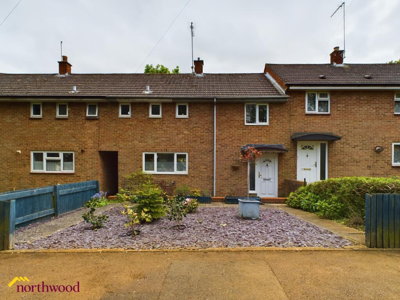
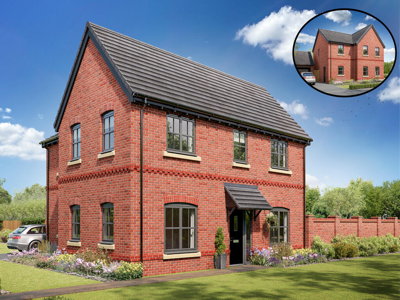
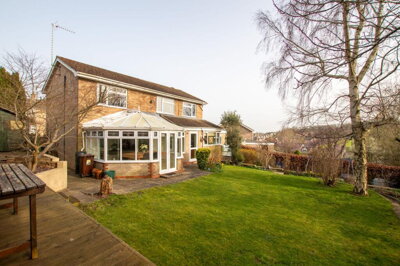
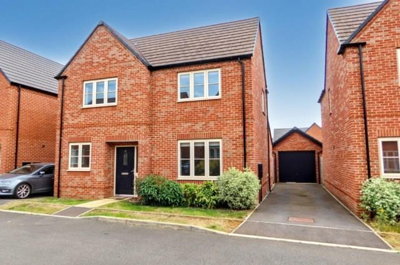
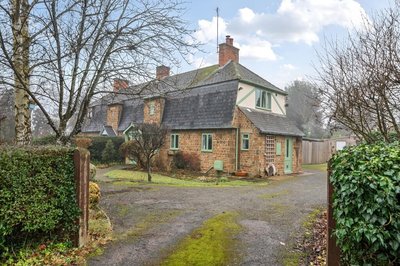
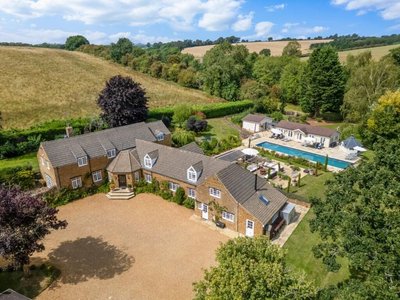
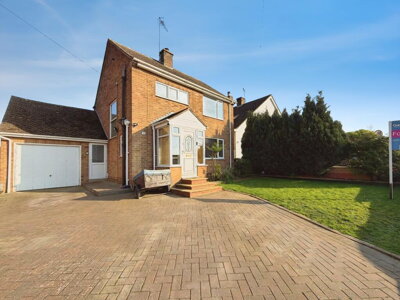
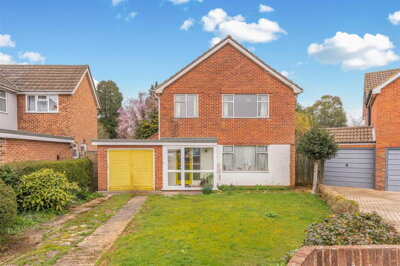
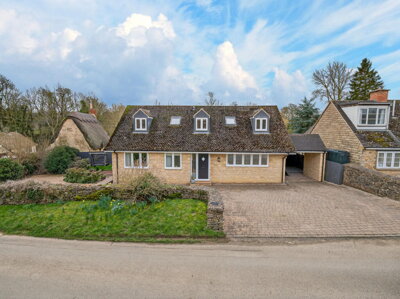
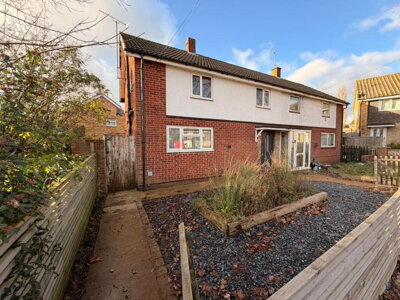
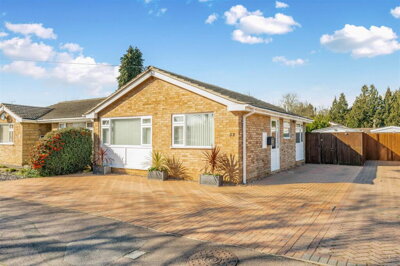
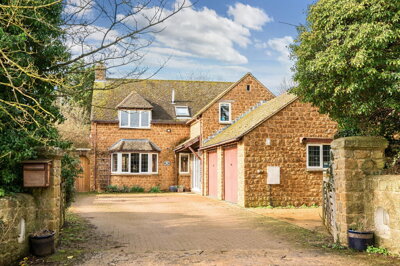
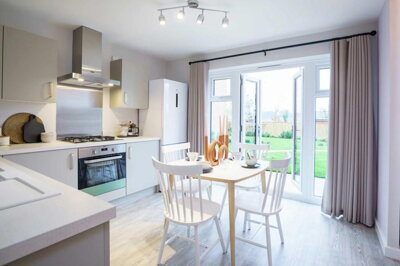
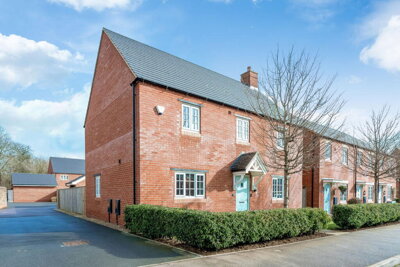
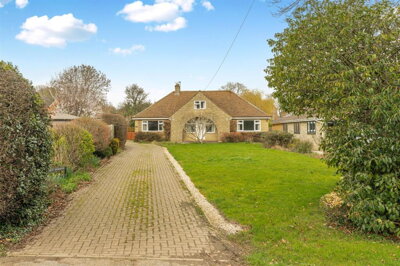
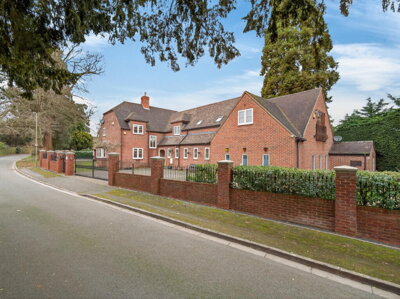
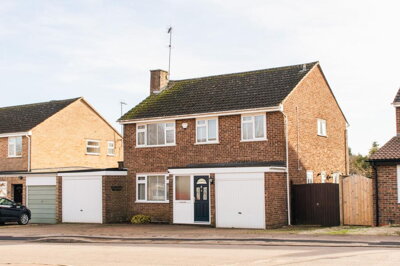
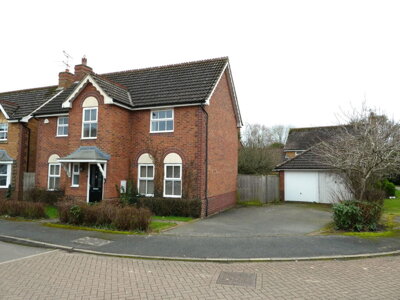
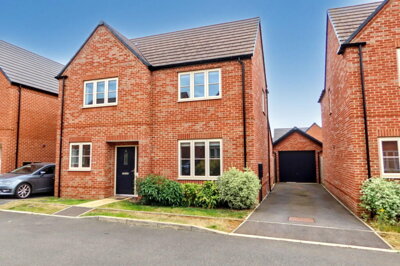
Browse 124 homes for sale in Broughton from local estate agents.
The Broughton property market offers detached, semi-detached, and terraced houses spanning various price ranges and neighbourhoods. Each listing includes detailed property information, photographs, and direct contact with the marketing agent.
The Potterne property market presents a stable and reassuring landscape for buyers considering a move to this Wiltshire village. Our current listings show prices have experienced a modest 1% decrease over the past twelve months, creating opportunities for buyers seeking value in a traditionally sought-after location. The market benefits from strong fundamentals, including limited supply, the village's Conservation Area status, and proximity to major employment centres. Detached properties command the highest values at approximately £528,958, reflecting the generous space and privacy these homes offer. Semi-detached homes average around £332,692, while terraced properties provide more accessible entry points from £265,000.
Housing stock in Potterne is predominantly detached, comprising 52.1% of the local housing supply according to census data. This prevalence of larger homes makes the village particularly attractive to families seeking spacious accommodation with gardens. Semi-detached properties account for 27.5% of homes, offering a balance of space and affordability, while terraced properties at 15.3% provide character-filled options for first-time buyers or those seeking a compact village home. Flats and apartments represent just 5.1% of the market, reflecting the village's predominantly suburban and rural character. The property age distribution shows significant heritage, with many homes dating from the pre-1919 period, particularly within the Conservation Area, alongside inter-war, post-war, and modern developments on the village outskirts.
Recent sales activity in the SN10 postcode area indicates healthy market turnover, with around 30 property transactions completing in the past twelve months. This level of activity demonstrates sustained buyer interest in the Potterne area while maintaining the balanced market conditions that benefit both purchasers and sellers. Properties in the village attract interest from a diverse range of buyers, including first-time purchasers seeking terraced cottages, families upgrading to larger detached homes, and downsizers looking to trade urban life for rural tranquility without sacrificing connectivity to major towns.

Life in Potterne offers a quintessentially English village experience that appeals to families, professionals, and retirees seeking an escape from urban pressures. The village has a population of 1,972 residents across 836 households, creating a close-knit community where neighbours know one another and local events bring people together throughout the year. The historic core, protected by Conservation Area status, features charming streets lined with period properties built from traditional Wiltshire materials including red brick, render, and local greensand or limestone stone. The village's rural setting on the edge of the Wiltshire countryside provides immediate access to scenic walks, bridleways, and open farmland, making it ideal for those who value outdoor pursuits and natural beauty.
Local amenities in Potterne serve day-to-day needs, while larger shopping and leisure facilities are readily accessible in nearby Devizes, just a short drive away. The village maintains a traditional pub, local shop, and community facilities that foster village spirit. Cultural attractions in the wider area include the Kennet and Avon Canal, Devizes Castle, and the prehistoric stone circle at Avebury, all within easy reach. The sense of heritage is palpable throughout Potterne, with numerous listed buildings including the impressive Church of St Mary standing as testament to the village's long history. Families are drawn to the area for its safe streets, strong community bonds, and the quality of life that rural Wiltshire living provides.
Community life in Potterne thrives through various village events and organisations that bring residents together throughout the year. The village hall hosts activities ranging from craft fairs to quiz nights, providing regular opportunities for social engagement. Sports enthusiasts can join local football teams or make use of the recreational facilities available in the surrounding area. The surrounding countryside offers exceptional walking and cycling opportunities, with footpaths crossing farmland and bridleways connecting Potterne to neighbouring villages and the broader network of Wiltshire trails. This combination of community spirit and natural beauty makes Potterne particularly attractive to families and those seeking an active lifestyle in a supportive rural environment.

Potterne benefits from strategic road connections that make commuting to major employment centres straightforward for residents. The village sits near the A360 and A342 roads, providing direct routes to the market town of Devizes and connections to the wider Wiltshire road network. The A303, one of the South West's primary trunk roads, is accessible within approximately twenty minutes, offering fast links to Southampton, Salisbury, and the M3 motorway towards London. Many Potterne residents commute to larger towns including Devizes itself, as well as to Salisbury and Swindon for work, taking advantage of the village's position relative to these employment hubs. Journey times by car to Swindon typically take around forty minutes, while Devizes is reachable in approximately ten minutes.
The A360 provides a direct route north to Devizes, where residents access supermarkets, healthcare facilities, banks, and additional employment opportunities. The A342 connects Potterne to surrounding villages and market towns across Wiltshire, providing routes towards Trowbridge and Chippenham to the north. For those needing to travel further, the A303 offers connections to the south coast and the motorway network beyond. Cycling is popular for local journeys, with the Wiltshire countryside providing both scenic recreational routes and practical commuting paths to nearby towns. Parking provision varies by property, and prospective buyers should check whether their chosen home includes dedicated parking, as this can be an important practical consideration in the village.
Public transport options serve the village, though schedules should be verified for current accuracy as rural bus services can be limited. The nearest railway stations are located in surrounding towns, providing connections to regional and national rail networks. For those travelling to London, the journey typically involves driving to a mainline station such as Pewsey or Westbury before accessing direct services to the capital. Bristol Airport is approximately ninety minutes away by car, while Southampton Airport can be reached in around an hour, making international travel accessible for regular travellers. Most Potterne residents rely on private car transport for commuting and daily activities, with the village's road connections providing practical access to larger towns and employment centres.
Properties in Potterne reflect the traditional building techniques that have been used in this part of Wiltshire for centuries. The majority of older homes in the village feature solid wall construction, a method that creates walls typically 200-400mm thick using solid brick, stone, or a combination of both materials. These thick walls provide excellent thermal mass, helping to regulate indoor temperatures throughout the year, though they often require different approaches to insulation compared with modern cavity wall constructions. Many properties in the Conservation Area were built using local materials, with red brick being particularly common for cottages and more formal buildings, while local greensand and limestone stone appear in higher-status historic homes. Our inspectors frequently encounter these traditional construction methods during surveys and understand how to assess their condition accurately.
The traditional construction of older Potterne properties means that timber floor joists are often found at ground and upper floor levels, with these suspended timber floors requiring adequate ventilation to prevent rot and decay. Roof construction typically features traditional pitched roofs with timber rafters, covered with slate or clay tiles depending on the period and status of the property. Original roof coverings on historic properties may have been replaced over the years, and our inspectors frequently find variations in roof age and condition within a single property, particularly on extended homes. Understanding these construction methods helps buyers appreciate the maintenance requirements and potential issues associated with period properties in the village.
Properties built during the inter-war and post-war periods often incorporate cavity wall construction, where an air gap between two masonry leaves provides improved insulation and moisture resistance compared with solid wall equivalents. These properties may also feature concrete floor slabs at ground level rather than suspended timber, and roof construction may use pre-fabricated truss rafters rather than traditional cut roofs. The mix of construction types across different eras means that Potterne's housing stock requires varied assessment approaches, and a thorough survey should account for the specific construction methods present in each property. This diversity in construction adds to the village's character but also means that buyers should understand what construction type applies to any property they are considering.
Buyers considering properties in Potterne should be aware of several area-specific factors that can affect purchasing decisions and future ownership costs. The presence of clay geology, specifically Gault Clay and Kimmeridge Clay underlying the village, indicates potential shrink-swell risk that can affect property foundations. Properties with large trees nearby, or those with foundations that may not meet modern standards, warrant careful inspection. A RICS Level 2 Survey is strongly recommended for any property purchase in Potterne, with costs typically ranging from £400 to £800 depending on property size and complexity. Given that many homes pre-date 1919 and significant heritage properties exist, surveys are particularly valuable for identifying defects common to older construction.
Damp presents one of the most frequent issues identified during surveys of older Potterne properties. Rising damp occurs when moisture from the ground travels up through solid walls by capillary action, particularly where original damp-proof courses have failed or were never installed. Penetrating damp results from rain penetration through degraded masonry, defective roof coverings, or damaged guttering and flashings. Our inspectors frequently find evidence of damp in properties with solid wall construction, especially where original features such as ventilation air bricks have been blocked or removed during renovations. Condensation issues also arise in properties that have been fitted with modern windows and insulation without adequate background ventilation provision.
Timber defects represent another significant category of issues found in Potterne's older properties. Woodworm infestation can affect structural timbers and joinery elements, while wet and dry rot compromise timber strength when moisture levels are sufficient to support fungal growth. Properties with suspended timber floors are particularly vulnerable to rot if ground ventilation is restricted by accumulated debris or inappropriate flooring materials. Our inspectors check all accessible timbers for signs of infestation and decay, paying particular attention to areas around windows, doors, and ground floor constructions where moisture exposure is most likely. Electrical and plumbing systems in older properties frequently require updating to meet current standards, with wiring installed before the 1980s often requiring complete replacement due to safety concerns and insufficient capacity for modern household demands.
Before viewing properties, obtain a mortgage agreement in principle from a lender. This confirms your budget and demonstrates to sellers that you are a serious, qualified buyer. Getting pre-approved helps you focus your search on properties within your actual price range and strengthens your position when making offers. Several mortgage brokers operate in the Devizes and wider Wiltshire area who can guide first-time buyers and existing homeowners through the application process.
Explore current listings in Potterne to understand available properties, price points, and market conditions. Consider visiting the village at different times to get a feel for the community, check local amenities, and assess the neighbourhood. Review the Conservation Area boundaries and note any planning restrictions that might affect properties you are considering. Understanding the local market dynamics helps buyers identify properties that represent genuine value and negotiate effectively from a position of knowledge.
Contact estate agents to arrange viewings of properties that match your requirements. Take notes during viewings, ask about property history, previous owners, and any renovation work undertaken. Pay attention to the condition of properties, particularly older homes where damp, roof issues, or timber defects may be present. Consider viewing properties in different lights and weather conditions to spot issues that may not be apparent during an initial visit. Multiple viewings allow buyers to build a more complete picture of each property before deciding whether to proceed.
Once your offer is accepted, instruct a RICS Level 2 Survey to assess the property's condition thoroughly. Given Potterne's mix of older properties and clay geology, a comprehensive survey is essential for identifying any structural concerns, damp issues, or maintenance requirements. For listed buildings or particularly old properties, a Level 3 Building Survey may be more appropriate. The survey cost typically ranges from £400 to £800 depending on property size and complexity, and the investment protects against unexpected repair bills after purchase.
Appoint a solicitor to handle the legal aspects of your purchase, including searches, contracts, and land registry checks. Your solicitor will investigate the property's ownership, any rights of way, planning permissions, and local authority matters including planning conditions and building regulations approvals. They will liaise with the seller's solicitor to progress the transaction through to completion. Conveyancing costs in the SN10 area typically range from £499 to over £1,500 depending on transaction complexity.
Once all searches are satisfactory and finances are confirmed, you will exchange contracts and pay your deposit. A date for completion is agreed, typically four weeks after exchange. On completion day, your solicitor transfers the remaining funds, and you receive the keys to your new Potterne home. Buildings insurance should be arranged from the point of exchange to protect your investment during the final stages of the transaction.
Understanding the additional costs of buying a property in Potterne, beyond the purchase price itself, is essential for budgeting effectively. Stamp Duty Land Tax (SDLT) applies to all property purchases above certain thresholds, and rates are determined by the purchase price and whether you are a first-time buyer or purchasing an additional property. For standard purchases, there is no SDLT on the first £250,000 of the purchase price, 5% on the portion between £250,001 and £925,000, 10% on the portion between £925,001 and £1,500,000, and 12% on any amount exceeding £1,500,000. For a typical Potterne property at the average price of £408,034, SDLT would be calculated at 5% on £158,034, totalling £7,901.70.
First-time buyers benefit from relief that increases the nil-rate threshold to £425,000, with 5% SDLT on the portion between £425,001 and £625,000. Properties priced above £625,000 do not qualify for first-time buyer relief. Additional SDLT of 3% applies to second homes and buy-to-let properties across all price bands. Beyond SDLT, buyers should budget for solicitor conveyancing fees typically ranging from £499 to over £1,500 depending on complexity, mortgage arrangement fees, valuation fees, and moving costs. RICS Level 2 Surveys in the SN10 area typically cost between £400 and £800. Buildings insurance should be arranged from exchange of contracts. We recommend obtaining quotes for all services before committing to a purchase to ensure your total budget is realistic and comprehensive.
When calculating your total budget, remember to include costs that are often overlooked, such as removals, new furniture or appliances for larger properties, and any immediate repairs or decorating you may wish to undertake after moving in. Properties requiring modernisation may present opportunities to add value through renovation, but this should be factored into your overall purchase and renovation budget. Setting aside a contingency fund equivalent to around 10-15% of the purchase price is prudent for unexpected issues that may emerge after you take ownership. Our team can provide guidance on typical costs for properties in the SN10 postcode area to help you plan your budget accurately.
The average house price in Potterne is currently £408,034 according to recent market data. Detached properties average £528,958, semi-detached homes £332,692, terraced properties £265,000, and flats £195,000. Prices have decreased by approximately 1% over the past twelve months, creating balanced market conditions that favour neither buyers nor sellers significantly. The village's combination of rural character, Conservation Area status, and connectivity to major employment centres helps maintain stable demand for properties across all types. Around 30 property sales have completed in the past twelve months, indicating healthy market activity in the SN10 postcode area.
Properties in Potterne fall under Wiltshire Council jurisdiction for council tax purposes. The specific band depends on the property valuation and ranges from Band A through to Band H. Most terraced properties and smaller semis fall into Bands A to C, while larger detached homes often sit in Bands E to G. Prospective buyers should check the specific band for any property of interest through the Valuation Office Agency website, as council tax contributions form part of ongoing ownership costs. Properties in the Conservation Area or those with historic status may have specific valuation considerations that affect their council tax banding.
Potterne has a primary school serving the local community, with additional primary schools available in surrounding villages. For secondary education, pupils typically travel to schools in nearby Devizes, which offers a selection of secondary schools and sixth form colleges including schools with strong academic reputations. The wider Wiltshire area includes several well-regarded grammar schools in towns such as Salisbury, which attracts students from across the county through competitive entrance examinations. Parents should research current admission arrangements and catchment areas, as these can change annually and may influence school placement for their children. Ofsted inspection reports are publicly available and provide detailed information about school performance to help parents make informed decisions about education options near Potterne.
Public transport options in Potterne are limited, reflecting its status as a rural village. Bus services connect the village to nearby Devizes and surrounding areas, though frequencies are lower than in urban centres and may not suit those requiring regular commuting access. The nearest railway stations are located in surrounding towns, providing connections to regional and national rail networks including services to London from stations such as Pewsey and Westbury. Most Potterne residents rely on private car transport for commuting and daily activities, with the village's road connections providing practical access to larger towns and employment centres. Prospective buyers without a car should verify current bus timetables through the Wiltshire Council website and consider whether their daily transport needs can be adequately met before committing to a purchase.
Potterne offers several factors that make it attractive to property investors. The village benefits from proximity to major employment centres including Devizes, Salisbury, and Swindon, maintaining demand from commuting professionals who value the rural lifestyle without sacrificing access to work. Limited new-build supply in the SN10 postcode area helps protect existing property values by restricting the overall housing supply. The Conservation Area status and abundance of historic properties attract buyers seeking character homes with heritage appeal, supporting values for period properties. Rental demand exists from young families, professionals, and retirees seeking rural village living within practical reach of towns and cities. However, investors should also consider the costs of maintaining older properties and potential restrictions on development within the Conservation Area that may limit certain improvement opportunities.
Stamp Duty Land Tax rates for standard purchases mean no SDLT is due on the first £250,000, with 5% on the portion between £250,001 and £925,000. For a property at the Potterne average price of £408,034, this results in SDLT of approximately £7,902. First-time buyers can claim relief, paying no SDLT on the first £425,000 and 5% on the portion between £425,001 and £625,000, though properties above £625,000 do not qualify for this relief. An additional 3% SDLT surcharge applies to second homes and buy-to-let purchases across all price bands. Buyers should budget for these costs alongside the purchase price, solicitor fees, survey costs, and moving expenses to ensure their total financial commitment is fully understood before proceeding.
Potterne has areas of surface water flood risk, particularly in lower-lying parts of the village and near watercourses. The village is not at significant risk from major river flooding as no significant rivers run directly through the centre, though smaller streams and drainage ditches can contribute to localised surface water accumulation during heavy rainfall. Surface water flooding can occur when rainfall intensity exceeds the capacity of drainage systems to cope, particularly in areas with clay soils that have lower permeability. Properties in affected areas should have appropriate insurance cover, and buyers should check Environment Agency flood maps for specific locations they are considering. The overall flood risk in Potterne is considered low to moderate, but prospective buyers should verify the situation for any specific property of interest and factor any identified risk into their insurance costs and property management plans.
Surveys are particularly valuable when purchasing in Potterne due to the significant number of older properties in the village. Many homes pre-date 1919 and were constructed using traditional methods that may present issues not immediately visible during a viewing. The underlying clay geology creates potential for subsidence or heave, which can affect foundations and lead to structural movement over time. Common defects in older Wiltshire properties include damp affecting solid walls, outdated electrical systems that may not meet current safety standards, roof deterioration including slipped tiles and failing felt, and timber decay including woodworm and rot. A RICS Level 2 Survey typically costs between £400 and £800 depending on property size and provides a detailed assessment of condition, identifying issues that may require remediation before or after purchase.
Properties located within Potterne's designated Conservation Area are subject to restrictions on alterations, extensions, and certain types of development to preserve the village's historic character. These restrictions affect visible external changes including windows, doors, roofing materials, and boundary treatments, requiring planning permission or Conservation Area Consent for works that might otherwise be permitted under permitted development rights. Listed buildings carry additional responsibilities under the Planning Listed Buildings and Conservation Areas Act, requiring Listed Building Consent for works that might otherwise be permitted, with stricter requirements for changes to historic fabric. Interior alterations are generally less restricted but still require careful consideration for listed properties. Prospective buyers should contact Wiltshire Council planning department to verify any planning constraints affecting properties they are considering, as breaches can result in enforcement action requiring restoration of original features at the owner's expense.
Potterne sits on geology comprising Upper Greensand, Gault Clay, and Kimmeridge Clay, with the clay formations presenting the most significant consideration for property owners and buyers. Clay soils are susceptible to shrink-swell movement as moisture content changes seasonally or in response to vegetation, particularly large deciduous trees that extract moisture from the ground during summer months. This movement can cause foundations to rise and fall, potentially leading to cracks in walls, distorted door and window openings, and damage to render and plaster finishes. Properties with inadequate foundation depths or those located near large trees are particularly vulnerable to these effects. Our surveyors will note any signs of subsidence or heave movement during inspections and may recommend further investigation or specialist structural engineering assessment where concerns are identified. Buildings insurance premiums may be affected by the local geology, and this should be factored into ongoing ownership costs.
Properties for Sale In London

Properties for Sale In Plymouth

Properties for Sale In Liverpool

Properties for Sale In Glasgow

Properties for Sale In Sheffield

Properties for Sale In Edinburgh

Properties for Sale In Coventry

Properties for Sale In Bradford

Properties for Sale In Manchester

Properties for Sale In Birmingham

Properties for Sale In Bristol

Properties for Sale In Oxford

Properties for Sale In Leicester

Properties for Sale In Newcastle

Properties for Sale In Leeds

Properties for Sale In Southampton

Properties for Sale In Cardiff

Properties for Sale In Nottingham

Properties for Sale In Norwich

Properties for Sale In Brighton

Properties for Sale In Derby

Properties for Sale In Portsmouth

Properties for Sale In Northampton

Properties for Sale In Milton Keynes

Properties for Sale In Bournemouth

Properties for Sale In Bolton

Properties for Sale In Swansea

Properties for Sale In Swindon

Properties for Sale In Peterborough

Properties for Sale In Wolverhampton

Enter your details to see if this property is within your budget.
Loans, cards, car finance
Estimated property budget
Borrowing + deposit
You could borrow between
Typical borrowing
Monthly repayment
Est. at 4.5%
Loan-to-value
This is an estimate only. Your actual budget may vary depending on interest rates, credit history, and personal circumstances. For an accurate affordability assessment, speak to one of our free mortgage advisors.
This calculator provides estimates for illustrative purposes only and does not constitute financial advice. Your home may be repossessed if you do not keep up repayments on your mortgage. Estimates based on 4.5% interest rate, repayment mortgage. Actual rates depend on your circumstances.
Homemove is a trading name of HM Haus Group Ltd (Company No. 13873779, registered in England & Wales). Homemove Mortgages Ltd (Company No. 15947693) is an Appointed Representative of TMG Direct Limited, trading as TMG Mortgage Network, which is authorised and regulated by the Financial Conduct Authority (FRN 786245). Homemove Mortgages Ltd is entered on the FCA Register as an Appointed Representative (FRN 1022429). You can check registrations at NewRegister or by calling 0800 111 6768.

We use cookies to show you personalised content and improve your experience of our website. Find out more in our Privacy policy and Cookie policy.