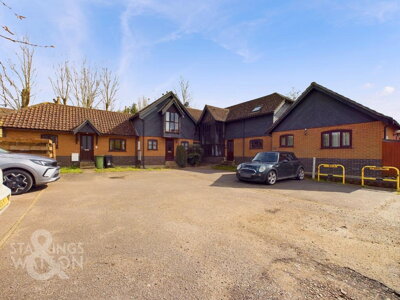
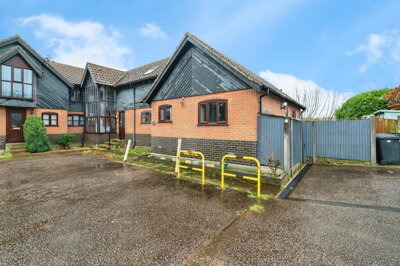
Browse 2 homes for sale in Brome and Oakley from local estate agents.
Studio apartments feature open-plan living spaces without separate bedrooms, incorporating sleeping, living, kitchen, and bathroom facilities. The Brome And Oakley studio market includes properties in modern apartment complexes, converted Victorian and Georgian buildings, and purpose-built developments.
The Alvediston property market reflects its status as an exclusive rural enclave where demand consistently outstrips supply. Our data shows that the average property price stands at £710,000, with detached properties forming the overwhelming majority of sales activity. In the twelve months leading to February 2026, only one property transaction was recorded in the village, underscoring just how rarely homes come to market in this sought-after location. This scarcity is a hallmark of prime Wiltshire countryside villages, where properties can command premium valuations precisely because opportunities to purchase are so infrequent.
Given the limited new-build activity in the postcode area, buyers interested in Alvediston should be prepared for a market dominated by characterful period properties. The village's conservation area status means that many homes date from the pre-1919 era, constructed using traditional building methods and materials that reflect the local vernacular. Roofs of slate or clay tile, walls of local stone and flint, and solid wall construction rather than modern cavity insulation are common features. These older properties offer tremendous charm and character but require careful consideration during the purchase process, particularly regarding their maintenance requirements and potential structural considerations associated with traditional building techniques.
The underlying geology of the Alvediston area plays a significant role in the local property market. The village sits on predominantly chalk geology, part of the wider Salisbury Plain and Cranborne Chase landscape, with greensand and Gault Clay formations beneath. This clay element creates a moderate to high shrink-swell risk for foundations, meaning buyers should pay particular attention to the condition of walls, floors, and any visible cracking that might indicate ground movement. Properties in the village with shallow foundations are particularly susceptible to subsidence or heave during periods of prolonged dry or wet weather, making thorough surveying essential before purchase.

Life in Alvediston offers a rare glimpse into traditional English rural living, where community bonds remain strong and the pace of life is decidedly gentler. The village sits within the Cranborne Chase and West Wiltshire Downs Area of Outstanding Natural Beauty, placing it amid some of the most spectacular countryside in southern England. Residents enjoy direct access to extensive walking routes, bridleways, and public footpaths that traverse the rolling chalk downland, making the area particularly attractive to outdoor enthusiasts, dog owners, and anyone who treasures close contact with nature. The local economy revolves primarily around agriculture, with several working farms in the surrounding area contributing to the region's agricultural heritage.
Despite its small population of just 134 residents, Alvediston maintains a surprising sense of community through local events and the shared appreciation of its outstanding natural and historical environment. The village pub serves as a focal point for social gatherings, while the historic Church of St Mary provides both spiritual comfort and a tangible link to the village's medieval origins. Many residents commute to larger market towns such as Shaftesbury, Salisbury, or Blandford Forum for employment, taking advantage of the peaceful village setting while remaining connected to broader employment opportunities. The appeal of Alvediston extends beyond full-time residents to include those seeking weekend retreats or holiday homes in one of England's most desirable rural locations.
Flood risk in Alvediston is generally very low from rivers and the sea, reflecting its elevated position on the Wiltshire chalk downs. However, some areas near watercourses and in low-lying parts of the village carry a low to medium risk of surface water flooding, particularly after heavy rainfall. Prospective buyers should investigate the specific flood risk for any property they are considering, as drainage conditions can vary significantly across even small rural villages. Properties with land or gardens adjacent to streams or drainage channels may require additional consideration during the survey process.

Families considering a move to Alvediston will find that the village's small scale means there is no primary school within the immediate locality. The nearest primary education facilities are located in surrounding villages and towns, with pupils typically travelling by school bus to reach their classrooms. Parents should research catchment areas carefully and consider the logistics of school runs when evaluating properties in the village. Despite the lack of a village school, the rural educational environment can offer benefits including smaller class sizes and strong community relationships between schools and families. Many rural schools in the surrounding area maintain excellent reputations for both academic achievement and the nurturing environment they provide for children.
Secondary education options in the wider area include well-regarded schools in the towns of Shaftesbury and Salisbury, both of which offer comprehensive curricula and sixth-form provision. For families prioritising academic excellence, the grammar school system in Wiltshire provides selective education opportunities, with schools such as those in Salisbury frequently appearing among the county's highest-performing institutions. Transport arrangements for secondary school pupils living in Alvediston typically involve longer journeys than those faced by urban families, so prospective buyers with school-age children should factor these logistics into their property search and budget calculations.
Independent schooling options are also available within reasonable driving distance, with several well-established independent schools in Salisbury and the surrounding area catering to pupils from nursery through to sixth form. These institutions often have bus services that extend into the wider Wiltshire countryside, though parents should confirm availability and routes when considering properties in more isolated villages like Alvediston. The presence of quality educational options, whether state or independent, adds to the appeal of the area for families despite the initial challenges of rural school logistics.
While Alvediston embodies the essence of rural seclusion, the village remains accessible to the major transport networks that serve southern England. The A30 provides the primary road connection, linking the village to Shaftesbury to the north and Salisbury to the south-east. This makes commuting to these larger towns entirely feasible for those who work in market towns but wish to reside in a more tranquil setting. The journey to Salisbury, where a wider range of employment opportunities and retail amenities are available, takes approximately 30 minutes by car under normal traffic conditions. Drivers should note that some rural roads leading to Alvediston can be narrow and winding, requiring careful navigation, particularly for those unfamiliar with the area.
Rail connections are accessed via the mainline stations in Salisbury, which offers direct services to London Waterloo with journey times of around 90 minutes. This connectivity makes Alvediston viable for commuters who work in the capital but wish to enjoy the considerable lifestyle benefits of countryside living. The station in Salisbury also provides connections to Bristol, Southampton, and the south coast, opening up broader travel options for residents. Locally, bus services are limited due to the village's small population, so prospective residents should consider the necessity of car ownership as essential rather than optional for daily life in this rural location.
The area is well-suited to cycling for both leisure and commuting purposes, with scenic routes through the Wiltshire downs attracting riders from across the region. Many residents combine cycling with train travel for a more sustainable commute to Salisbury or beyond. Parking within the village is generally straightforward, with properties typically offering off-street parking or garaging, a significant advantage over urban living where parking can be at a premium. For those working from home, the broadband connectivity in the village, while not as fast as urban areas, has improved significantly in recent years and is adequate for most professional work.
Understanding the construction methods typical of Alvediston properties is essential for any prospective buyer, given the village's predominantly pre-1919 housing stock. The majority of homes in the village are built from locally sourced materials, primarily chalk-derived stone and flint, often combined in the distinctive pattern known as knapped flint work. These traditional building materials were chosen for their local availability and durability, but they require different maintenance approaches than modern brick or concrete construction. Lime mortars rather than cement were traditionally used, and the preservation of these original mortars is important for the long-term health of the walls, as cement can trap moisture and cause stone decay.
The solid wall construction common in Alvediston properties means that insulation standards differ significantly from modern cavity-wall homes. Solid walls, typically 300-450mm thick, do not contain cavities that can be filled with insulation, making them inherently less thermally efficient than newer constructions. Buyers should expect higher heating costs and may wish to consider sympathetic improvements such as internal lime-based insulation systems that allow the walls to breathe. Original timber windows should be assessed for their condition and draft-proofing, as these features contribute significantly to the character of period properties while requiring appropriate maintenance.
Roofing in Alvediston properties is predominantly either natural slate or clay tile, reflecting the traditional materials of the Wiltshire countryside. These roofing materials have long lifespans when properly maintained but become increasingly susceptible to damage as they age. Our surveyors frequently find slipped or broken tiles, failing leadwork around chimneys and valleys, and timber decay in roof structures across properties of this age. The pitch of roofs in traditional Wiltshire properties is often shallower than modern standards, which can affect water runoff and increase the importance of regular maintenance. Prospective buyers should always include a thorough roof inspection in their property assessment, as replacement or major repair costs can be substantial for period properties.
Begin by understanding Alvediston's unique property landscape, including its conservation area status, listed buildings, and geological considerations such as the underlying chalk and clay geology that can affect property conditions. Spend time visiting the village at different times of day and week to get a genuine feel for life there.
Contact lenders to obtain an agreement in principle before viewing properties. Given the higher property values in this area, with average prices around £710,000, having your financing confirmed strengthens your position with sellers and demonstrates your seriousness as a buyer in this competitive market.
Work with local estate agents who understand the Alvediston market to arrange viewings. Given the scarcity of listings, viewing properties promptly when they become available is essential. Take someone experienced with you who can assess the condition of traditional construction methods and identify potential issues requiring further investigation.
Given the age of many properties in Alvediston and the prevalence of traditional construction, a comprehensive RICS Level 2 Survey is strongly recommended to identify any structural issues, damp problems, or defects common in period properties. For listed buildings, consider whether a more detailed RICS Level 3 Building Survey would be more appropriate.
Appoint a solicitor with experience in rural and listed properties to handle the legal aspects of your purchase, including any restrictions associated with the conservation area status. Your solicitor should also investigate local search results, including any planning history that might affect the property.
Once all surveys, searches, and legal work are satisfactory, proceed to exchange contracts and set a completion date that aligns with your moving plans. Given the rural nature of Alvediston, ensure you have arranged appropriate removals services well in advance, as these providers may have limited availability in the local area.
Purchasing property in Alvediston requires careful attention to several factors unique to this historic village. The conservation area designation imposes restrictions on modifications and alterations, so prospective buyers should understand what changes require planning permission from the local authority. Listed buildings carry additional obligations, with English Heritage guidelines governing how alterations must be carried out to preserve the property's historical integrity. These considerations can affect renovation plans and future resale value, making specialist advice essential when purchasing heritage properties in the village.
The local geology presents practical considerations for property buyers. The underlying chalk and Gault Clay create a moderate to high shrink-swell risk, meaning foundations can be affected by changes in soil moisture content. This can lead to subsidence or heave issues, particularly in older properties with shallow foundations. A thorough survey should examine the condition of walls, floors, and any visible cracking that might indicate movement. Additionally, the traditional construction methods common in the village, including solid walls and lime mortars, require different maintenance approaches than modern cavity wall properties. Roofs of slate or clay tile may require periodic maintenance, and timber elements are susceptible to rot and woodworm in properties of this age.
Electrical and plumbing systems in Alvediston properties often date from original construction or early retrofits, meaning they may not meet current safety standards. Our inspectors frequently find outdated consumer units, insufficient socket outlets, and wiring that does not comply with modern regulations. Similarly, original plumbing systems of galvanised steel or lead pipes are common in properties of this era and may require replacement due to corrosion or performance issues. Budget for these potential upgrades when calculating the total cost of purchasing a period property in the village.
When purchasing a property in Alvediston, buyers should budget for several costs beyond the purchase price itself. Stamp Duty Land Tax represents the most significant additional expense, with standard rates of 0% on the first £250,000, 5% on the portion between £250,001 and £925,000. For a property at the village average of £710,000, a standard buyer would pay £23,000 in SDLT. First-time buyers may benefit from enhanced relief, paying 0% on the first £425,000 and 5% on the next £200,000, bringing their SDLT liability to £10,000.
Survey costs are particularly important for Alvediston properties given the prevalence of period construction. A RICS Level 2 Survey typically costs between £500 and £800 for a three-bedroom detached property in the Wiltshire area, with larger or more complex period properties potentially requiring higher fees. For listed buildings, a more comprehensive RICS Level 3 Building Survey may be advisable despite the additional cost, as these properties often have unique construction features that require specialist assessment. Conveyancing fees for rural and heritage properties typically start from around £499, though complex transactions involving listed buildings or unusual titles may incur higher charges. Buyers should also account for Land Registry fees, search costs, and moving expenses when calculating their total budget for purchasing in Alvediston.
The average property price in Alvediston is currently £710,000 as of February 2026. This figure is heavily influenced by the predominance of detached properties, as the village has seen only one property sale in the past twelve months. Given the scarcity of listings and the village's desirable conservation area status, prices for individual properties can vary considerably depending on size, condition, and whether the property is listed. Detached family homes with land command the highest prices, while smaller cottages may be available at more accessible price points, though still reflecting the premium associated with this sought-after Wiltshire village location.
Properties in Alvediston fall under Wiltshire Council's jurisdiction. Council tax bands for individual properties depend on their valuation, but period properties in the village, particularly those with multiple bedrooms and land, are often placed in higher bands due to their character and size. The village's conservation area status and the presence of numerous listed buildings mean that many properties fall into Bands F through H. Prospective buyers should check specific bandings for properties of interest through the Wiltshire Council website or their solicitor during the conveyancing process, as the banding can affect ongoing ownership costs.
Alvediston itself does not have a primary school within the village, so children typically travel to schools in surrounding communities. The nearest primary schools are located in nearby villages accessible by school bus, with the specific school depending on your home address and the established catchment arrangements. Secondary education options include schools in Shaftesbury and Salisbury, with the latter offering grammar school places through the Wiltshire selective education system. Schools in Salisbury frequently appear among the county's highest-performing institutions for both primary and secondary education. Families should research specific school catchment areas and admission policies before committing to a property purchase, as catchment boundaries can change and competition for places in popular schools can be strong.
Public transport options in Alvediston are limited due to the village's small population and rural location. Bus services are infrequent, making car ownership practically essential for daily life in the village. The nearest mainline railway station is in Salisbury, approximately 30 minutes drive away, providing direct services to London Waterloo in approximately 90 minutes. The A30 road offers connections to nearby towns including Shaftesbury and Salisbury, while the wider A350 and A36 provide access to the regional road network. For those without a car, arranging transport with local services or car clubs may be necessary, though this should be factored into lifestyle planning when considering a move to this rural location.
Alvediston offers strong appeal as an investment location due to its unique combination of rural charm, conservation area status, and limited supply of available properties. The village attracts buyers seeking countryside lifestyles, heritage properties, and escape from urban environments. While transaction volumes are low, properties in conservation areas with listed building status have historically demonstrated resilience in value, particularly when well-maintained. The village's position within the Cranborne Chase and West Wiltshire Downs Area of Outstanding Natural Beauty ensures continued demand from buyers prioritising landscape and environment. However, prospective investors should note the restrictions on alterations and the potential maintenance costs associated with period properties, as these factors can affect both immediate returns and long-term appreciation.
Stamp Duty Land Tax rates for standard buyers start at 0% on the first £250,000 of property value, then 5% on the portion from £250,001 to £925,000. For properties at the village average of £710,000, this would result in SDLT of £23,000. First-time buyers benefit from enhanced relief on the first £425,000 at 0%, with 5% on the next £200,000, reducing their SDLT to £10,000 on a £710,000 property. Additional properties such as second homes or buy-to-let investments incur a 3% surcharge on all SDLT rates, which would increase the total SDLT on a £710,000 second home to £30,800. Buyers should consult with a financial advisor or use the HMRC SDLT calculator to determine their exact liability based on their circumstances.
Given the age and construction methods of Alvediston properties, several defects are commonly encountered. Rising damp and penetrating damp are frequent issues due to the lack of modern damp-proof courses in solid wall construction, particularly where original lime mortars have been replaced with cement. Roofing defects including slipped or broken tiles, failing lead flashing, and timber decay in roof structures are common across period properties. Subsidence or heave related to the underlying Gault Clay geology can cause cracking in walls and structural movement, especially in properties with shallow foundations. Timber defects such as rot and woodworm may affect structural elements and joinery. Outdated electrical systems and original plumbing also require careful assessment. A comprehensive RICS Level 2 Survey will identify these issues and help you budget for any necessary repairs.
From £500
Comprehensive survey ideal for most properties in Alvediston, including assessment of traditional construction methods and common defects
From £800
Detailed structural survey recommended for older, larger, or listed properties
From £80
Energy performance certificate required for sale
From £499
Expert solicitors for Alvediston property transactions
From 4.5%
Competitive rates for Alvediston property purchases
Properties for Sale In London

Properties for Sale In Plymouth

Properties for Sale In Liverpool

Properties for Sale In Glasgow

Properties for Sale In Sheffield

Properties for Sale In Edinburgh

Properties for Sale In Coventry

Properties for Sale In Bradford

Properties for Sale In Manchester

Properties for Sale In Birmingham

Properties for Sale In Bristol

Properties for Sale In Oxford

Properties for Sale In Leicester

Properties for Sale In Newcastle

Properties for Sale In Leeds

Properties for Sale In Southampton

Properties for Sale In Cardiff

Properties for Sale In Nottingham

Properties for Sale In Norwich

Properties for Sale In Brighton

Properties for Sale In Derby

Properties for Sale In Portsmouth

Properties for Sale In Northampton

Properties for Sale In Milton Keynes

Properties for Sale In Bournemouth

Properties for Sale In Bolton

Properties for Sale In Swansea

Properties for Sale In Swindon

Properties for Sale In Peterborough

Properties for Sale In Wolverhampton

Enter your details to see if this property is within your budget.
Loans, cards, car finance
Estimated property budget
Borrowing + deposit
You could borrow between
Typical borrowing
Monthly repayment
Est. at 4.5%
Loan-to-value
This is an estimate only. Your actual budget may vary depending on interest rates, credit history, and personal circumstances. For an accurate affordability assessment, speak to one of our free mortgage advisors.
This calculator provides estimates for illustrative purposes only and does not constitute financial advice. Your home may be repossessed if you do not keep up repayments on your mortgage. Estimates based on 4.5% interest rate, repayment mortgage. Actual rates depend on your circumstances.
Homemove is a trading name of HM Haus Group Ltd (Company No. 13873779, registered in England & Wales). Homemove Mortgages Ltd (Company No. 15947693) is an Appointed Representative of TMG Direct Limited, trading as TMG Mortgage Network, which is authorised and regulated by the Financial Conduct Authority (FRN 786245). Homemove Mortgages Ltd is entered on the FCA Register as an Appointed Representative (FRN 1022429). You can check registrations at NewRegister or by calling 0800 111 6768.

We use cookies to show you personalised content and improve your experience of our website. Find out more in our Privacy policy and Cookie policy.