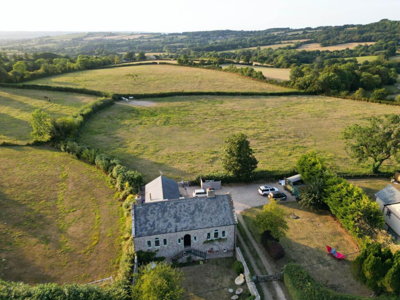
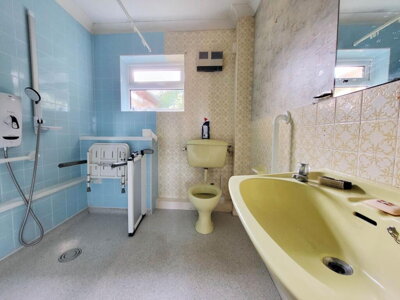
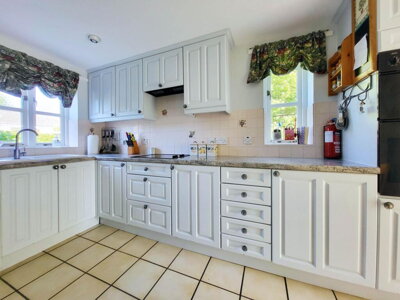
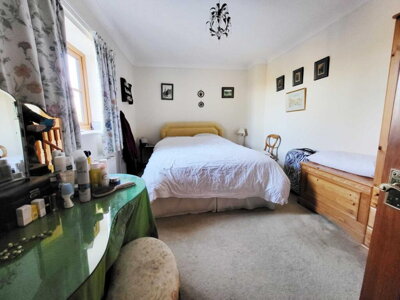
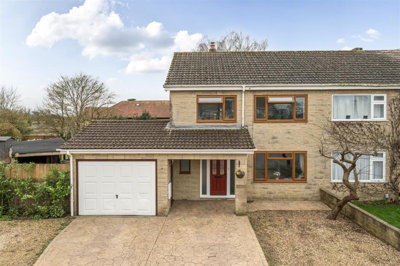
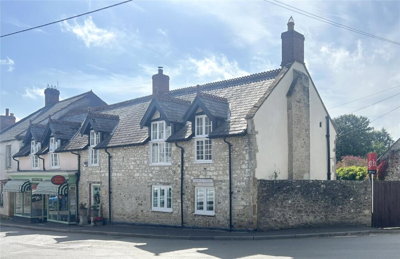
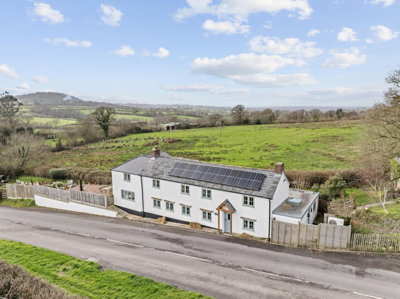
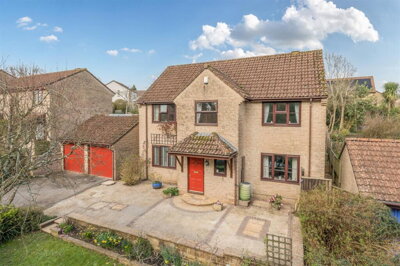
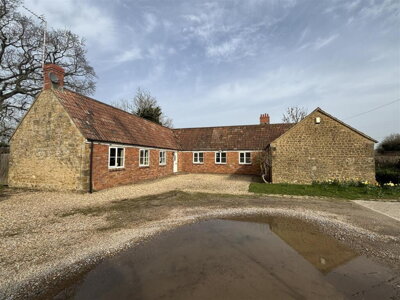
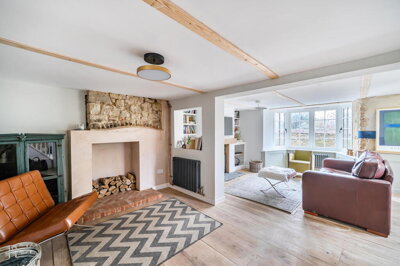
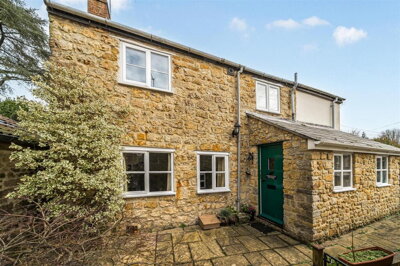
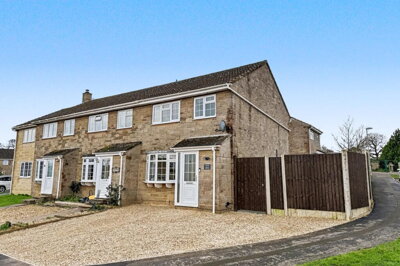
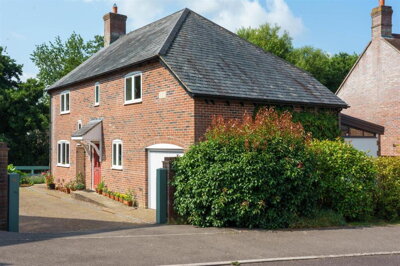
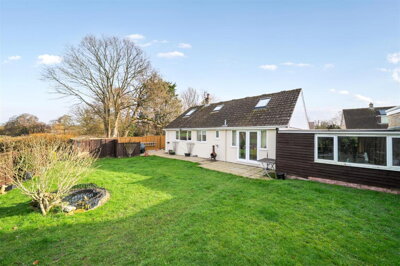
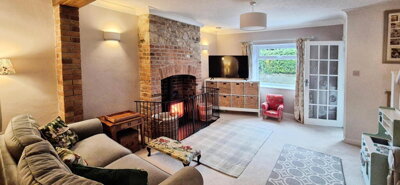
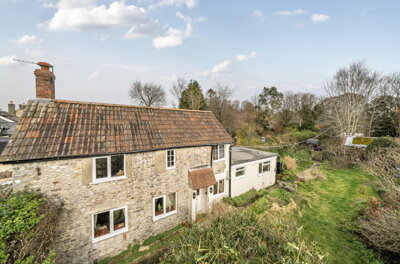
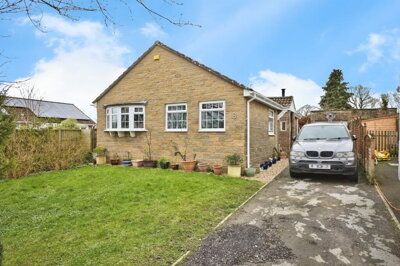
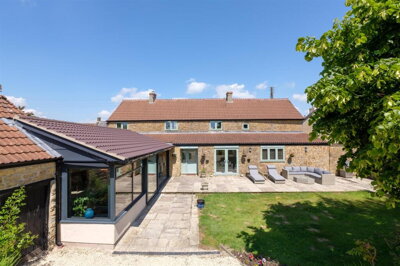
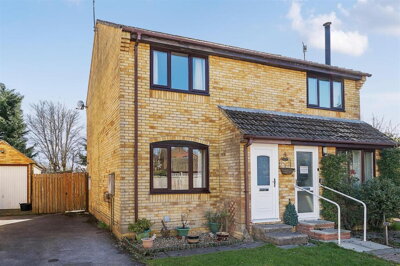
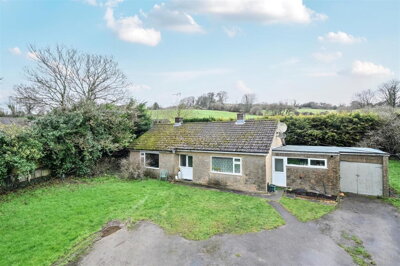
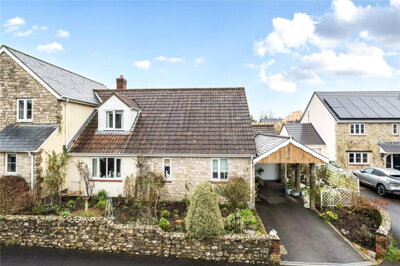
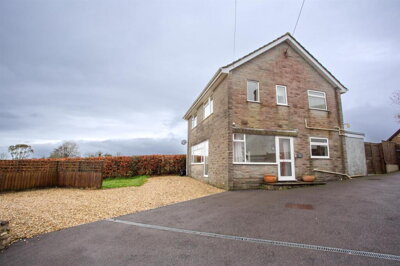
Browse 81 homes for sale in Broadwindsor, Dorset from local estate agents.
£450k
11
1
139
Source: home.co.uk
Source: home.co.uk
Detached
3 listings
Avg £1.15M
Detached Bungalow
2 listings
Avg £417,500
Cottage
1 listings
Avg £185,000
End of Terrace
1 listings
Avg £250,000
Link Detached House
1 listings
Avg £450,000
Semi-Detached
1 listings
Avg £325,000
Semi-Detached Bungalow
1 listings
Avg £425,000
Terraced
1 listings
Avg £450,000
Source: home.co.uk
Source: home.co.uk
The property market in Brinsop and Wormsley operates on a fundamentally different scale to urban areas, with only a handful of properties changing hands each year. Recent data shows house prices in Brinsop have experienced a notable correction, sitting 42% below the 2023 peak of £1,050,000. Wormsley similarly reflects a stable market, with prices approximately 4% down from the 2022 peak of £412,607. These figures illustrate the importance of understanding local market dynamics rather than relying on national trends. For Wormsley specifically, terraced properties average around £437,094 while semi-detached homes reach approximately £448,333, indicating strong demand across property types in this hamlet.
Property types in these hamlets predominantly consist of period farmhouses, traditional stone cottages, and sympathetically converted agricultural buildings. Detached family homes with generous gardens are the norm rather than the exception. Flats are exceptionally rare in this area, making it particularly attractive to buyers seeking space and privacy. Recent sales data for the HR4 postcode area serving Brinsop shows approximately 6 properties sold in the past year, with one notable sale in July 2025 achieving £610,000. Given the limited number of annual transactions, properties that do become available tend to attract interest quickly from buyers recognising the rarity of rural Herefordshire living.
For buyers considering entry to this market, the current price correction from recent peaks may present opportunities for those committed to long-term rural living. Properties with land, original character features, or listed status tend to retain their value well, even during broader market fluctuations. We have observed that period properties with intact original details command premiums from discerning buyers who appreciate the craftsmanship of earlier eras.

Life in Brinsop and Wormsley centres on the gentle pace of rural Herefordshire, where farming traditions continue alongside modern rural enterprises. The local economy is shaped primarily by agriculture, with tourism playing an increasingly important role as visitors discover the area's natural beauty. Community spirit runs strong in these hamlets, where residents gather for local events and support one another through the seasons. The population is small, likely numbering in the low hundreds across both settlements, fostering genuine neighbourly connections.
The area is characterised by properties built from local sandstone and limestone, with many homes dating from the pre-1919 period. Traditional timber framing with wattle and daub or brick nogging infill can be found in the oldest properties, while rendered exteriors are common on stone-built cottages. The underlying geology of Old Red Sandstone creates the distinctive red-brown soil and picturesque landscape that defines much of Herefordshire. Given the predominance of older properties, residents benefit from characterful homes with thick walls that provide natural temperature regulation and excellent sound insulation.
The character of the built environment reflects centuries of continuous habitation, with agricultural buildings converted into residential properties over generations. Many homes feature original fireplaces, exposed beams, and flagstone floors that require careful maintenance but offer irreplaceable character. The surrounding farmland supports mixed agriculture including livestock and arable crops, with ancient hedgerows providing wildlife corridors throughout the landscape. Walking routes across private farmland and public rights of way connect the hamlets to the wider Herefordshire countryside.

Families considering a move to Brinsop and Wormsley will find a selection of educational options within reasonable driving distance. The rural nature of the area means that primary schooling typically takes place in nearby village schools, which often serve multiple small communities and maintain strong reputations for personalised education. Children from Brinsop and Wormsley typically travel to primary schools in surrounding villages, with journeys taking 10-20 minutes by car depending on the specific location of the property.
Secondary education options include schools in the wider Herefordshire area, with many families choosing to travel to Hereford or nearby market towns for broader curriculum offerings. The journey to Hereford's secondary schools typically takes 20-30 minutes by car, and several schools offer transport arrangements from outlying villages. Parents should research specific catchment areas and school performance data when considering properties, as admissions policies can be competitive for popular rural schools due to limited places.
For families seeking private education, Hereford offers several independent schools including Hereford Cathedral School and The King's School, both with strong academic records. Boarding options are available at schools within reasonable driving distance for those requiring full weekly or termly boarding arrangements. The historic character of the area, exemplified by Brinsop Court's Grade I listed status, suggests that local schools may benefit from ties to the community's heritage, with curriculum activities sometimes incorporating the local landscape and history.
Transport connectivity from Brinsop and Wormsley reflects their rural nature, with private vehicle travel being the primary means of getting around. The A4103 and surrounding country roads connect the hamlets to Hereford, approximately 10 miles away, where comprehensive shopping, healthcare, and rail services are available. For commuters working in larger cities, the journey to Worcester takes approximately 30 miles, while Birmingham lies around 50 miles to the northeast via the A44 and M5 corridor.
Hereford railway station provides connections to major destinations including Hereford itself on the Welsh Marches line, offering direct services to Manchester, Cardiff, and Birmingham. Journey times from Hereford to Birmingham New Street typically take around 90 minutes, making day commuting feasible for those with flexible working arrangements. The station also provides connections to London Paddington via Worcester, with total journey times of approximately three hours.
Bus services in rural Herefordshire are limited compared to urban areas, with reduced frequency on weekends and during school holidays. Most residents consider car ownership essential for comfortable daily living. Cycling infrastructure is developing in the county, and the quiet country lanes of the Brinsop and Wormsley area are popular with recreational cyclists who appreciate the scenic routes through farmland and woodland. National Cycle Route 44 passes through nearby areas, offering longer-distance touring opportunities for enthusiastic cyclists.
Understanding the construction methods common in Brinsop and Wormsley helps buyers appreciate the character and maintenance requirements of local properties. The predominant building material is local sandstone and limestone, sourced from quarries that have operated in Herefordshire for centuries. These natural stones were traditionally harvested locally and dressed by hand, creating the distinctive warm tones that characterise village streetscapes throughout the area.
Traditional timber framing with various infill materials represents another common construction type found in the oldest properties. Wattle and daub, consisting of woven hazel rods covered in clay and animal hair mortar, fills the spaces between heavy oak framing in the most historic properties. Brick nogging, where handmade bricks replace organic infill materials, appears in properties dating from the Georgian and Victorian periods when brick-making became more widespread in the county.
Solid wall construction in stone or brick, typically 300-450mm thick, characterises most residential properties without cavity insulation. These walls were built with lime mortar rather than cement, allowing the structure to breathe and manage moisture naturally. Modern cement-based repairs can trap moisture within these walls, leading to deterioration of stonework and timber, which is why traditional building surveyors recommend lime-based pointing and repairs for period properties.
Given the small number of properties available, start by setting up alerts on property portals and building relationships with local estate agents who handle rural Herefordshire properties. Understanding recent sale prices and market trends will help you recognise good value when a suitable property appears. Properties in Brinsop and Wormsley may only come to market once every few years in certain locations, making patience and preparation essential.
When properties do come to market in this area, they often attract serious buyers quickly from across the region. View homes as soon as possible after listing and prepare to act decisively. Bring questions about the property's history, any planning permissions obtained, and the local community connections. We recommend viewing properties multiple times and at different times of day to assess aspects like natural light and road noise from nearby country lanes.
Secure a mortgage agreement in principle before making an offer, as this demonstrates your financial capability to sellers. For properties in the £500,000 to £600,000 range typical of this area, ensure your broker understands the full cost implications including stamp duty, solicitor fees, and survey costs. Specialist rural mortgage brokers may offer products tailored to period properties with non-standard construction.
Given the age of most properties in Brinsop and Wormsley, a thorough homebuyer survey is essential. Our inspectors frequently identify issues with period properties including damp, timber defects, and roof deterioration that may not be apparent during viewings. Budget between £400 and £900 depending on property value and size, with larger detached homes commanding higher fees due to the additional inspection time required.
Choose a conveyancing solicitor with experience in rural properties and listed buildings if applicable. They will handle local authority searches, environmental checks, and ensure all planning documentation is in order. For properties near watercourses or in areas with reactive clay soils, your solicitor may recommend additional specialist searches to investigate ground conditions and potential flood risk.
Once all surveys and searches are satisfactory, your solicitor will coordinate the exchange of contracts and set a completion date. Be prepared for the process to take longer than urban transactions due to the rural nature of the area and potential complexity of older property titles. On completion day, collect your keys from the estate agent and arrange connection of utility services if not already confirmed.
Purchasing a property in Brinsop and Wormsley requires careful attention to issues specific to rural Herefordshire homes. Properties built before 1919 may suffer from damp due to absent or failed damp-proof courses, so look for signs of moisture damage on ground floor walls and floors. Our surveyors regularly find rising damp in properties where original lime-based floors have been replaced with concrete without adequate damp-proof membranes. Check for watermarking on walls, musty odours, and lifting floor coverings that may indicate hidden moisture issues.
The roof condition on period properties should be assessed thoroughly, as slate or clay tile roofs older than 50 years frequently require attention or replacement. Look for slipped or missing tiles, sagging rooflines, and vegetation growth that may indicate prolonged moisture penetration. Lead flashings around chimneys and at roof junctions are common failure points on older roofs and should be checked for cracking or displacement. We often find that original lime mortar pointing on chimneys has been replaced with cement, which can cause moisture trapping and accelerated deterioration of adjacent stonework.
The underlying clay soils present in parts of Herefordshire create potential shrink-swell risks that could affect properties with shallow foundations. During periods of drought or heavy rainfall, clay movement can cause structural movement in older buildings. Look for diagonal cracking extending from corners of windows and doors, doors that stick or don't close properly, and uneven floor levels that may indicate foundation movement. A thorough survey will identify any signs of subsidence or heave and recommend appropriate action.
Timber-framed properties may be affected by woodworm or wet rot, particularly if maintenance has been deferred. Inspect exposed timbers for small exit holes, powdery frass, or softened wood fibres that indicate active infestation. Electrical systems in older homes frequently require upgrading to meet current safety standards, and budget accordingly for re-wiring if the consumer unit bears dates from before 2005. Asbestos-containing materials may be present in properties renovated before the year 2000, particularly in artex coatings, old floor tiles, and pipe insulation.
The average property price in Brinsop currently stands at approximately £610,000 based on recent sales data, while Wormsley shows an average of around £515,000 according to Zoopla. Prices have experienced a correction from recent peaks, with Brinsop 42% below its 2023 peak of £1,050,000 and Wormsley approximately 4% down from the 2022 peak of £412,607. Given the limited number of annual transactions, individual sales can significantly influence these averages, and buyers should research specific streets and property types for more precise comparisons.
Properties in Brinsop and Wormsley fall under Herefordshire Council's jurisdiction for council tax purposes. The specific band depends on the property's valuation, but rural period homes with higher values often fall into bands D through H given the quality of construction and generous plot sizes typical of the area. You can verify the exact band through Herefordshire Council's online property checker using the property address or council tax reference number found on previous bills.
The best schools in the area include primary schools in nearby villages serving the rural community, with secondary options in Hereford and surrounding market towns. Parents should check current Ofsted ratings and consider catchment area boundaries when selecting a property, as admissions can be competitive for popular rural schools with limited places. The journey to Hereford's secondary schools typically takes 20-30 minutes by car, and several schools operate transport services from surrounding villages.
Public transport options are limited in this rural area, with bus services running infrequently between villages and reduced frequencies during school holidays and weekends. The nearest railway station is in Hereford, approximately 10 miles away, offering connections on the Welsh Marches line to Manchester, Cardiff, and Birmingham. Most residents rely on private vehicles for daily travel, and car ownership is considered essential for comfortable living in Brinsop and Wormsley.
Brinsop and Wormsley offer strong appeal for buyers seeking a rural lifestyle rather than investment returns, as the limited market means properties are held for long periods. The correction from recent peaks may present buying opportunities for those committed to rural living and willing to take a long-term view. Properties with land, character features, or listed status tend to retain value well in this area, and demand from buyers seeking the Herefordshire countryside lifestyle remains consistent even during broader market fluctuations.
For a property priced at the current average of around £610,000, a standard buyer would pay stamp duty on the portion above £250,000, amounting to approximately £18,000 calculated at 5% on £360,000. First-time buyers paying up to £625,000 pay nothing on the first £425,000 and 5% on the balance, potentially reducing their liability significantly if the property qualifies. The nil-rate threshold returns to £125,000 from April 2025, so check current rates as these thresholds change with each budget.
Specific flood risk data for Brinsop and Wormsley should be obtained through the local authority and Environment Agency flood maps before purchasing. As a rural area with proximity to smaller watercourses, potential flood risks could include fluvial flooding during heavy rainfall and localised surface water runoff. Properties in low-lying areas or near streams require careful assessment, and your solicitor should recommend appropriate drainage and flood risk searches for the specific location.
Given the predominance of pre-1919 properties built with traditional materials, common maintenance issues include damp penetration through solid walls, deterioration of lime mortar pointing, timber decay in exposed elements, and roof covering wear. Properties with original timber-framed construction require regular inspection for woodworm and wet rot, particularly in areas where maintenance has been deferred. We recommend budgeting for ongoing maintenance costs of 1-2% of property value annually for period homes of this type.
When purchasing a property in Brinsop and Wormsley, budget carefully for all associated costs beyond the purchase price. Stamp duty on a typical property priced at £610,000 would require £18,000 from a standard buyer, calculated at 5% on the amount between £250,000 and £925,000. First-time buyers may benefit from relief on the first £425,000, reducing the stamp duty bill significantly if the property qualifies and the purchase price falls below the £625,000 threshold.
Additional costs include solicitor fees averaging £1,000 to £2,000 for conveyancing, survey costs of £400 to £900 for a RICS Level 2 survey, and mortgage arrangement fees typically ranging from £0 to £2,000 depending on the lender. Factor in search fees from Herefordshire Council, which cover local authority checks on flooding, planning history, and environmental factors. Given the age of properties in this area, your solicitor may recommend additional specialist searches for mining history, ground conditions, or water authority records.
Budget around £3,000 to £5,000 in total for these ancillary costs to ensure your purchase proceeds smoothly without financial surprises. Building insurance should be arranged from exchange of contracts, and you will need to budget for removal costs, utility connection fees, and any immediate repairs or improvements identified during survey. Setting aside a contingency fund equivalent to 5-10% of purchase price for unexpected issues discovered after moving is prudent for period property purchases.
Secure your finance with competitive rates
From 4.5% APR
Expert legal support for your purchase
From £499
Comprehensive survey by qualified inspectors
From £400
Energy performance certificate
From £80
Properties for Sale In London

Properties for Sale In Plymouth

Properties for Sale In Liverpool

Properties for Sale In Glasgow

Properties for Sale In Sheffield

Properties for Sale In Edinburgh

Properties for Sale In Coventry

Properties for Sale In Bradford

Properties for Sale In Manchester

Properties for Sale In Birmingham

Properties for Sale In Bristol

Properties for Sale In Oxford

Properties for Sale In Leicester

Properties for Sale In Newcastle

Properties for Sale In Leeds

Properties for Sale In Southampton

Properties for Sale In Cardiff

Properties for Sale In Nottingham

Properties for Sale In Norwich

Properties for Sale In Brighton

Properties for Sale In Derby

Properties for Sale In Portsmouth

Properties for Sale In Northampton

Properties for Sale In Milton Keynes

Properties for Sale In Bournemouth

Properties for Sale In Bolton

Properties for Sale In Swansea

Properties for Sale In Swindon

Properties for Sale In Peterborough

Properties for Sale In Wolverhampton

Enter your details to see if this property is within your budget.
Loans, cards, car finance
Estimated property budget
Borrowing + deposit
You could borrow between
Typical borrowing
Monthly repayment
Est. at 4.5%
Loan-to-value
This is an estimate only. Your actual budget may vary depending on interest rates, credit history, and personal circumstances. For an accurate affordability assessment, speak to one of our free mortgage advisors.
This calculator provides estimates for illustrative purposes only and does not constitute financial advice. Your home may be repossessed if you do not keep up repayments on your mortgage. Estimates based on 4.5% interest rate, repayment mortgage. Actual rates depend on your circumstances.
Homemove is a trading name of HM Haus Group Ltd (Company No. 13873779, registered in England & Wales). Homemove Mortgages Ltd (Company No. 15947693) is an Appointed Representative of TMG Direct Limited, trading as TMG Mortgage Network, which is authorised and regulated by the Financial Conduct Authority (FRN 786245). Homemove Mortgages Ltd is entered on the FCA Register as an Appointed Representative (FRN 1022429). You can check registrations at NewRegister or by calling 0800 111 6768.

We use cookies to show you personalised content and improve your experience of our website. Find out more in our Privacy policy and Cookie policy.