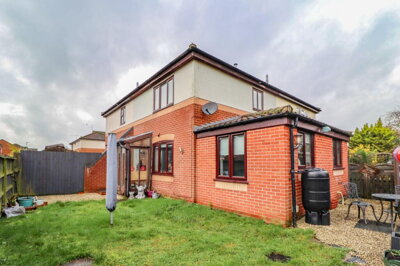
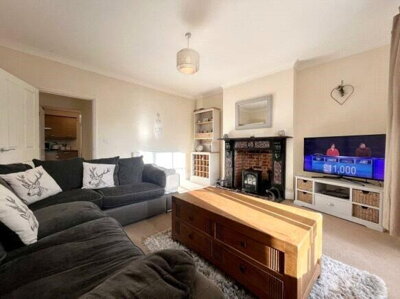
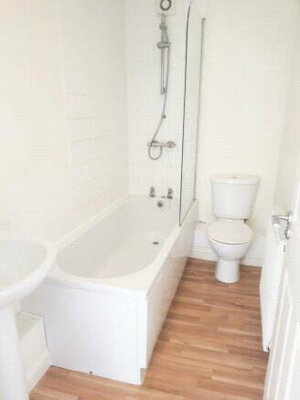
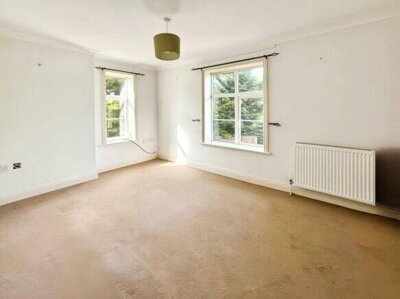
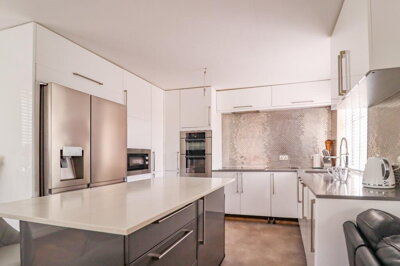
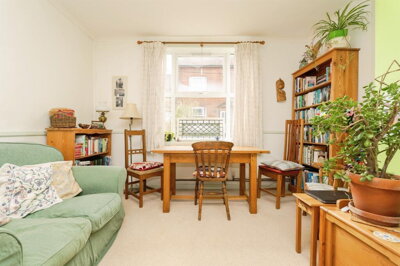
Browse 6 homes for sale in Briston, North Norfolk from local estate agents.
Studio apartments feature open-plan living spaces without separate bedrooms, incorporating sleeping, living, kitchen, and bathroom facilities. The Briston studio market includes properties in modern apartment complexes, converted Victorian and Georgian buildings, and purpose-built developments.
£85k
3
0
235
Source: home.co.uk
Showing 3 results for Studio Flats for sale in Briston, North Norfolk. The median asking price is £85,000.
Source: home.co.uk
Flat
3 listings
Avg £93,333
Source: home.co.uk
Source: home.co.uk
£337,000 - £400,162
Average Property Price
500+
Properties Listed
1,640 - 1,800
Annual Sales
+2.2%
Year-on-Year Change
The Cheltenham property market has demonstrated remarkable resilience over the past year, with the overall average house price reaching approximately £337,000 according to the latest ONS data, while other sources place the figure closer to £400,162 for the past twelve months. Property prices have shown modest growth of 2.2% year-on-year according to official figures, though some monitoring services report slight corrections of 3-6% depending on the measurement period. Despite these variations, the market remains active with approximately 1,640 to 1,800 property sales recorded in the past year, representing a healthy transaction volume for a town of this size.
Property types in Cheltenham span an impressive range to suit different budgets and preferences. Detached homes command the highest prices, with averages ranging from £605,000 to £647,000 depending on location and specification. Semi-detached properties, which form a significant portion of family housing in areas like Hesters Way and Springbank, typically sell for between £362,500 and £417,723. Terraced homes, including beautiful Victorian and Regency examples in the town centre, average around £296,000 to £342,810. Flats and maisonettes remain the most affordable entry point, with average prices between £205,000 and £236,913, making them popular among first-time buyers and those seeking lock-up-and-leave convenience.
Recent price trends show that terraced properties have performed strongest, with a 3.8% increase in the year to December 2025, while flats have remained relatively stable. The GL50 4 postcode area has shown particularly strong growth of 7.9% over the past year, suggesting continued demand in certain neighbourhoods. Detached homes, despite their premium pricing, have seen slight corrections of around 3.4% in the wider market, offering opportunities for buyers seeking larger family homes at more accessible price points than the previous year.
The market has seen approximately 1,659 property sales recorded in 2025, representing a decrease of around 10-20% compared to previous years. This reduction in transaction volumes is consistent with national trends but should be viewed in context of the strong prices maintained throughout the year. For buyers, this quieter market environment may present opportunities to negotiate favourable terms, particularly on properties that have been listed for longer periods.
Cheltenham's housing stock reflects over two centuries of architectural development, from the grand Regency terraces and villas built during the spa town's Georgian heyday through to contemporary new-build developments on the town's outskirts. Approximately 85% of properties in central Cheltenham were constructed before 1919, meaning most homes buyers encounter will be Victorian or Regency in origin. This prevalence of older construction brings unique considerations, including original features that require specialist knowledge to assess and maintain properly.
Our inspectors frequently examine properties built with the distinctive pale, creamy-coloured stucco renders that characterise Regency architecture throughout Cheltenham. This render, often applied over brickwork and painted in cream or white, requires specific maintenance approaches that differ from modern rendered properties. Understanding the construction methods used in these historic buildings helps our survey team identify potential issues with moisture penetration, render failure, and structural movement that may not be immediately apparent to buyers without professional assessment.

Cheltenham's population of approximately 116,900 residents enjoys a quality of life that consistently ranks among the best in the UK for medium-sized towns. The town was established as a fashionable spa destination in the Georgian and Regency eras, and this heritage is immediately apparent in the architectural character that defines neighbourhoods throughout the borough. Pale, creamy-coloured stucco facades line elegant tree-lined avenues, while Cotswold stone cottages add rustic charm to areas bordering the countryside. The town successfully blends its historical grandeur with modern amenities, creating an environment that appeals equally to professionals, families, and retirees.
The local economy benefits significantly from several major employers that provide stable employment for residents. GCHQ, the government's communications headquarters, is one of the largest employers in the area and attracts highly skilled professionals to the region. The education sector is another cornerstone of the local economy, with prestigious institutions including Cheltenham Ladies' College and Cheltenham College employing substantial staff and drawing students from across the UK and internationally. The tourism and hospitality sector thrives on the town's reputation as a cultural hub, while the annual festival calendar injects millions of pounds into the local economy and creates seasonal employment opportunities.
The town's setting at the western edge of the Cotswolds Area of Outstanding Natural Beauty places residents within easy reach of some of England's most beautiful countryside. The underlying geology of the area, characterised by Jurassic limestones at the surface transitioning to Lias Clays at depth, creates the distinctive landscape of limestone escarpments and clay vales. This geological transition has practical implications for property owners, as the Lias Clays underlying many residential areas exhibit shrink-swell behaviour that can affect building foundations over time. Properties with shallow foundations in these clay areas may show signs of movement, particularly during periods of drought or significant rainfall.
The River Chelt flows through the town centre before joining the River Severn downstream, and its presence has shaped both the natural and built environment. Flood risk maps from the Environment Agency identify areas adjacent to the river as having potential for river flooding, while the urbanised nature of the town means that surface water flooding can occur in low-lying areas during periods of heavy rainfall. Buyers should consult these maps and consider drainage patterns when evaluating properties in areas such as the lower High Street and properties backing onto watercourses.
Education provision in Cheltenham is one of the town's most significant advantages for families considering a move to the area. The town boasts an exceptional concentration of educational establishments, from highly regarded state primary schools to prestigious independent schools with national and international reputations. Cheltenham Ladies' College, founded in 1853, is perhaps the most celebrated of these institutions and regularly features among the top independent schools in the country for academic results at GCSE and A-Level. Cheltenham College, a co-educational boarding and day school established in 1841, offers similar academic excellence alongside a strong sporting tradition.
For state-educated families, Cheltenham offers numerous primary and secondary schools that have earned good and outstanding Ofsted ratings. Primary schools such as Christ Church Primary and Gardners Lane Primary serve their local communities with dedicated teaching staff and strong community engagement. At secondary level, schools including Balcarras School and Pates Grammar School consistently achieve above-average examination results and have substantial waiting lists due to their reputations. Pates Grammar School, which operates as an academy, is particularly sought after and operates a selective admissions process based on academic ability.
The concentration of excellent educational options significantly influences property values in specific postcodes. Properties within the catchment areas of high-performing state schools, particularly those near Balcarras School in the south-east of the town or within reasonable distance of Pates Grammar School, often command premium prices. Parents should research catchment areas carefully, as popular schools can have significant waiting lists for pupils outside their immediate geographic zone. For families prioritising independent education, the availability of multiple prestigious options within the town reduces the premium typically associated with school catchment areas in smaller towns.
Cheltenham enjoys excellent transport connections that make it particularly attractive to commuters who need to travel to larger cities while enjoying the benefits of town living. The town's railway station offers regular services to London Paddington with journey times of approximately two hours, making day trips to the capital entirely feasible. Direct services also connect Cheltenham Spa to Bristol, Birmingham, and the South West, while cross-country routes provide access to Manchester, Newcastle, and beyond. The station has undergone significant improvements in recent years, with enhanced facilities and increased parking provision making it easier for commuters to combine rail travel with other transport modes.
Road connectivity is equally strong, with the M5 motorway passing immediately to the east of the town and providing direct access to Birmingham to the north and Bristol to the south-west. Junction 10 serves the town centre and provides access to the A4019 towards Tewkesbury, while junction 11 connects to the A46 and the northern approaches to the town. The A417 and A46 trunk roads connect Cheltenham to the Cotswolds and Stratford-upon-Avon respectively, opening up recreational destinations and neighbouring market towns.
Local bus services operated by Stagecoach and other providers offer comprehensive coverage of the town and surrounding villages, with regular services connecting residential areas to the town centre and key employment sites including the GCHQ campus on Oakley Road. For cyclists, Cheltenham has invested in expanding its cycle network, with the Gloucester-Cheltenham rail trail providing a car-free route for commuting and leisure alike. Bristol Airport, located approximately 40 miles south-west, offers domestic and international flights and is accessible via the M5 motorway in approximately 45 minutes by car.
Before viewing any properties, obtain a mortgage agreement in principle from a lender to understand your budget. Cheltenham's property prices range significantly, so getting pre-approved will help you focus your search on properties within your range and demonstrate your seriousness to estate agents when making offers. With average prices between £337,000 and £400,162, securing appropriate mortgage financing is essential before beginning your property search.
Cheltenham has distinct areas offering different lifestyles. The town centre offers convenience and period architecture, while suburbs like Charlton Kings, Leckhampton, and Bishop's Cleeve provide family-friendly environments with good schools and green spaces. Consider your priorities regarding commute times, school catchments, and access to amenities when narrowing your search area.
Once you have identified suitable properties, arrange viewings through estate agents listing on Homemove. During viewings, pay attention to the property condition, nearby development potential, and any signs of damp or structural issues common in older buildings. Research the history of the street and any planning applications in the area using Cheltenham Borough Council's planning portal.
Always commission a RICS Level 2 Survey before proceeding with a purchase. Given Cheltenham's substantial older housing stock, a professional survey is essential to identify any defects in Regency or Victorian properties. Our inspectors are experienced in examining period properties throughout the town and understand the common issues affecting buildings constructed with stucco renders, Cotswold stone, and traditional brickwork. Survey costs for a typical 3-bedroom property in Cheltenham range from £400 to £800 depending on the property value and specification.
Once your offer is accepted, instruct a solicitor to handle the legal aspects of your purchase. Your solicitor will conduct searches with Cheltenham Borough Council, investigate title deeds, and manage the transfer of funds. Conveyancing costs in the area typically start from £499 for standard transactions, with more complex purchases involving leasehold properties or properties in conservation areas requiring additional fees.
After satisfactory searches and survey results, you will exchange contracts and pay a deposit, typically 10% of the purchase price. Completion usually follows two to four weeks later, at which point you will receive the keys to your new Cheltenham home. Register your ownership with the Land Registry and notify your utility providers of your change of address.
Buying property in Cheltenham requires attention to several location-specific factors that may not be immediately apparent to newcomers. Flood risk is a consideration in certain areas, particularly properties adjacent to the River Chelt that flows through the town and low-lying areas prone to surface water accumulation during heavy rainfall. The Environment Agency provides detailed flood risk maps that buyers should consult before committing to a purchase, and mortgage lenders may require specific flood risk assessments for properties in affected postcodes.
Conservation areas are extensive throughout Cheltenham, particularly in the town centre, Pittville, and Montpellier districts. If you are purchasing a period property within a conservation area, you should be aware that permitted development rights may be more restricted, requiring planning permission for extensions, dormer windows, or significant alterations that would normally be permitted elsewhere. Listed buildings, of which there are many in the town, carry additional obligations for maintenance and restoration that buyers must understand. Freehold versus leasehold tenure is an important consideration, as many flats in converted Regency buildings are leasehold with varying lengths of remaining term and service charges that can significantly affect ongoing costs.
The underlying geology presents specific considerations for property buyers. Properties built on or near the Lias Clay formations, particularly in areas to the west of the town centre, may be susceptible to ground movement as these soils shrink and swell in response to moisture changes. Our inspectors pay particular attention to crack patterns, door and window operation, and signs of previous movement when surveying properties in these geological zones. Properties with trees nearby or those that have experienced periods of drought followed by heavy rainfall may show more pronounced symptoms of clay-related movement.

The average house price in Cheltenham currently ranges from £337,000 to £400,162 depending on the data source and measurement period. Detached properties average £605,000 to £647,000, semi-detached homes around £362,500 to £417,723, terraced properties between £296,000 and £342,810, and flats approximately £205,000 to £236,913. The market has shown modest growth of around 2.2% year-on-year according to official figures, though some monitoring services report slight corrections of 3-6% over the past twelve months. Terraced properties have been the strongest performers with 3.8% growth, while flats have remained relatively stable.
Properties in Cheltenham fall under Cheltenham Borough Council, part of Gloucestershire County Council. Council tax bands range from A through to H, with most residential properties in the town centre and surrounding areas falling within bands B through E. Exact bands depend on the property's valuation, and buyers can check specific bands through the Valuation Office Agency website. Properties in prestigious areas such as Montpellier, Pittville, and the Promenade typically attract higher band ratings due to their increased values compared to properties in more affordable neighbourhoods like Hesters Way or Springbank.
Cheltenham offers exceptional educational provision, with notable independent schools including Cheltenham Ladies' College and Cheltenham College. Among state schools, Pates Grammar School and Balcarras School are highly regarded and operate selective admissions processes. Pates Grammar School consistently achieves strong examination results and draws students from across the region, while Balcarras School in the south of the town has earned an outstanding Ofsted rating. Primary schools such as Christ Church Primary and Gardners Lane Primary have earned good Ofsted ratings. Parents should research catchment areas carefully, as popular schools can have significant waiting lists and properties within their zones command premium values.
Cheltenham Spa railway station provides regular services to London Paddington (approximately 2 hours), Bristol, Birmingham, and destinations across the national rail network including cross-country routes to Manchester and Newcastle. The M5 motorway passes east of the town with junction access at junctions 10 and 11, providing road connections to Birmingham, Bristol, and the wider motorway network. Local bus services operated by Stagecoach offer comprehensive coverage of the town and surrounding villages including regular services to Bishop's Cleeve, Charlton Kings, and Leckhampton. Bristol Airport is approximately 45 minutes away by car, offering international travel options.
Cheltenham's property market benefits from several supportive factors that make it attractive to investors. The town's strong local economy, anchored by employers including GCHQ and the education sector, provides stable employment that sustains demand for both rental and purchase properties. The cultural festival calendar, beautiful architecture, and proximity to the Cotswolds ensure continued appeal to renters seeking quality of life. Average rental yields vary by property type and location, with flats typically offering higher yields than larger family homes, though gross yields across Cheltenham generally range from 4% to 6% depending on the specific neighbourhood and property condition.
Stamp Duty Land Tax rates for standard buyers start at 0% on the first £250,000 of purchase price, rising to 5% on the portion between £250,001 and £925,000, 10% up to £1.5 million, and 12% on amounts exceeding that threshold. First-time buyers benefit from relief on the first £425,000 with 0% rate, and 5% applies between £425,001 and £625,000. Properties above £625,000 do not qualify for first-time buyer relief. For a typical Cheltenham property at the current average price of around £387,000, a first-time buyer would pay approximately £0 in stamp duty, while a previous property owner would pay approximately £6,850.
Given Cheltenham's substantial pre-1919 housing stock, our inspectors frequently identify issues related to damp penetration in Regency and Victorian properties. Rising damp affects many period buildings that lack modern damp-proof courses, while penetrating damp can occur behind deteriorating stucco renders or in properties with damaged rainwater systems. Roof condition is another common concern, with slate tiles on older properties showing signs of wear and lead flashing requiring renewal. Timber defects including wet rot and dry rot are found in properties with histories of damp penetration or inadequate ventilation. Properties on shrink-swell clay may show cracking related to foundation movement, particularly during extended dry periods or following tree removal near the property.
New build activity is present in the wider Cheltenham area with developments including Redrow at Oakley Grange (GL52 9QG) and Miller Homes at Cleevelands in Bishop's Cleeve (GL52 7GB). These developments offer modern construction with the benefit of warranties and contemporary insulation standards but typically command premiums over comparable older properties. Buyers considering new build should weigh the benefits of modern construction methods and warranties against the character and often superior locations of period properties in established neighbourhoods.
Beyond the purchase price, buyers should budget for several additional costs when purchasing property in Cheltenham. Stamp Duty Land Tax represents the most significant additional expense, with rates starting at 0% for the first £250,000 of a property's value and rising through graduated bands to a maximum of 12% on amounts exceeding £1.5 million. First-time buyers benefit from increased thresholds, paying no stamp duty on the first £425,000 and a reduced 5% rate between £425,001 and £625,000. For a typical Cheltenham property at the current average price of around £387,000, a first-time buyer would pay approximately £0 in stamp duty, while a previous property owner would pay approximately £6,850.
Legal costs for conveyancing in Cheltenham typically start from £499 for standard transactions, though more complex purchases involving leasehold properties, Listed Buildings, or properties in conservation areas may incur higher fees due to additional requirements. Survey costs for a RICS Level 2 HomeBuyer Report typically range from £400 to £800 depending on property value and specification, with higher fees applying to larger or more complex period properties. Searches with Cheltenham Borough Council, including local authority searches, drainage and water searches, and environmental searches, typically total between £250 and £400 depending on the scope of enquiries required.
Additional costs include mortgage arrangement fees that are often 0-1% of the loan amount, valuation fees that typically range from £150 to £500 depending on the property value, and removals expenses that can vary widely based on distance and volume of belongings. For leasehold properties, buyers should also budget for ground rent reviews, service charge contributions, and potentially notice fees or deed certificate costs when the property changes hands. Properties in buildings with resident management companies may also involve contribution to reserve funds or special sinking fund contributions for major maintenance works.

From 4.5% APR
Compare mortgage deals and find the right finance for your Cheltenham property purchase
From £499
Expert legal services for your property purchase in Cheltenham
From £400
Comprehensive survey covering Cheltenham's period properties
From £60
Energy performance certificate for your new home
Properties for Sale In London

Properties for Sale In Plymouth

Properties for Sale In Liverpool

Properties for Sale In Glasgow

Properties for Sale In Sheffield

Properties for Sale In Edinburgh

Properties for Sale In Coventry

Properties for Sale In Bradford

Properties for Sale In Manchester

Properties for Sale In Birmingham

Properties for Sale In Bristol

Properties for Sale In Oxford

Properties for Sale In Leicester

Properties for Sale In Newcastle

Properties for Sale In Leeds

Properties for Sale In Southampton

Properties for Sale In Cardiff

Properties for Sale In Nottingham

Properties for Sale In Norwich

Properties for Sale In Brighton

Properties for Sale In Derby

Properties for Sale In Portsmouth

Properties for Sale In Northampton

Properties for Sale In Milton Keynes

Properties for Sale In Bournemouth

Properties for Sale In Bolton

Properties for Sale In Swansea

Properties for Sale In Swindon

Properties for Sale In Peterborough

Properties for Sale In Wolverhampton

Enter your details to see if this property is within your budget.
Loans, cards, car finance
Estimated property budget
Borrowing + deposit
You could borrow between
Typical borrowing
Monthly repayment
Est. at 4.5%
Loan-to-value
This is an estimate only. Your actual budget may vary depending on interest rates, credit history, and personal circumstances. For an accurate affordability assessment, speak to one of our free mortgage advisors.
This calculator provides estimates for illustrative purposes only and does not constitute financial advice. Your home may be repossessed if you do not keep up repayments on your mortgage. Estimates based on 4.5% interest rate, repayment mortgage. Actual rates depend on your circumstances.
Homemove is a trading name of HM Haus Group Ltd (Company No. 13873779, registered in England & Wales). Homemove Mortgages Ltd (Company No. 15947693) is an Appointed Representative of TMG Direct Limited, trading as TMG Mortgage Network, which is authorised and regulated by the Financial Conduct Authority (FRN 786245). Homemove Mortgages Ltd is entered on the FCA Register as an Appointed Representative (FRN 1022429). You can check registrations at NewRegister or by calling 0800 111 6768.

We use cookies to show you personalised content and improve your experience of our website. Find out more in our Privacy policy and Cookie policy.