Pick the right path and we'll point you to the next step.
I'm the homeowner
Track this property, get market updates, and list it on Home when you're ready to sell or let.
I'm an estate agent
Claim your branch on Home.co.uk, list your properties for free, and reach buyers actively searching your area.
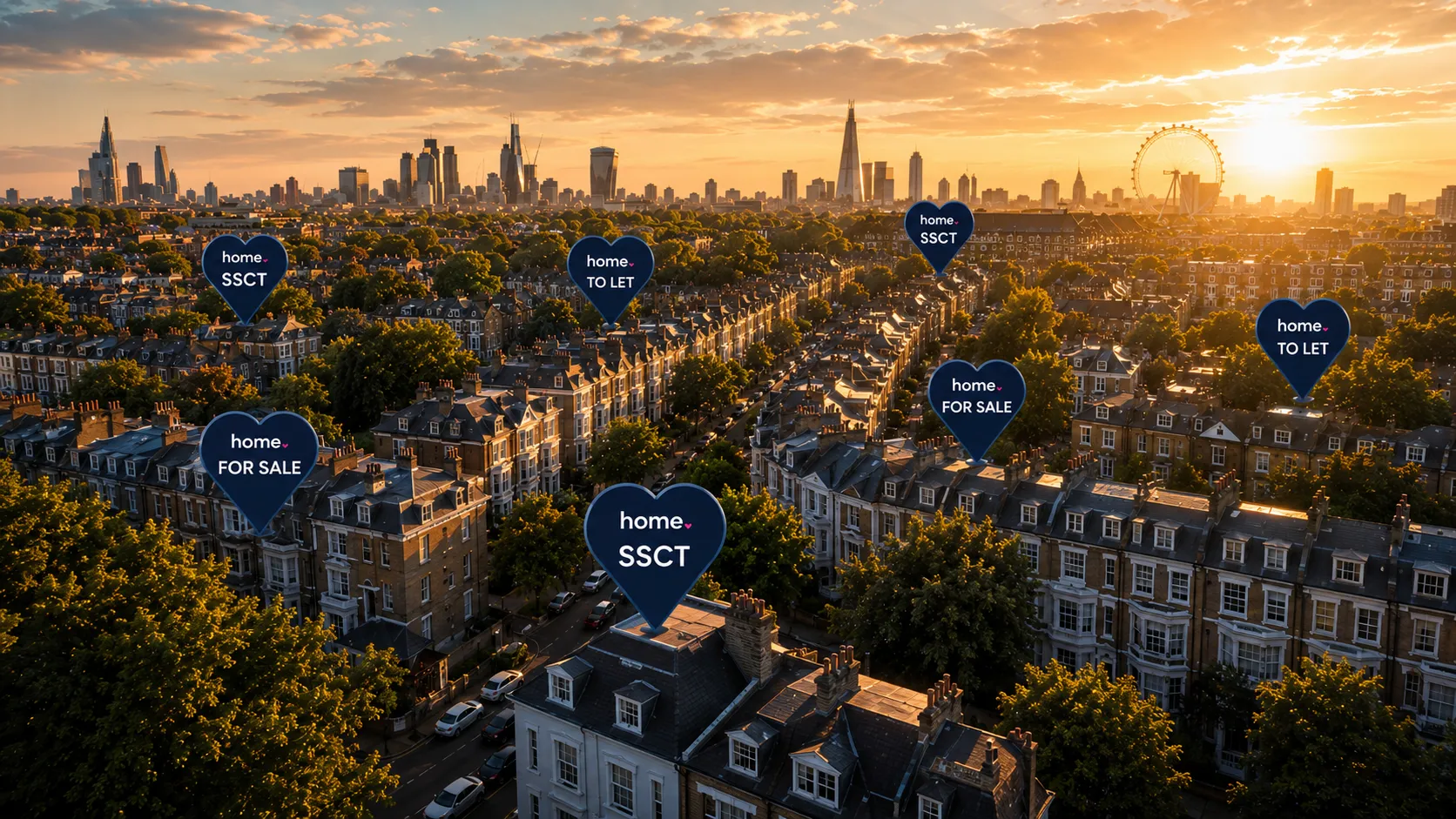
From riverside apartments to country cottages, search hundreds of thousands of properties for sale, to rent, and recently sold, all enriched with three decades of market data.
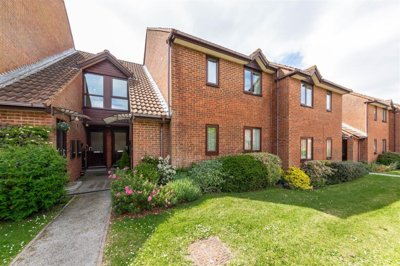
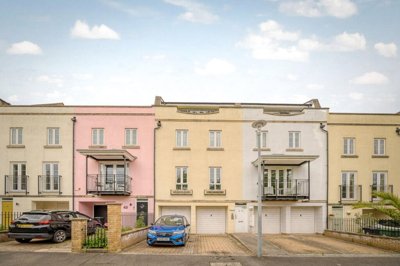
Browse 205 homes for sale in Bristol, West of England from local estate agents.
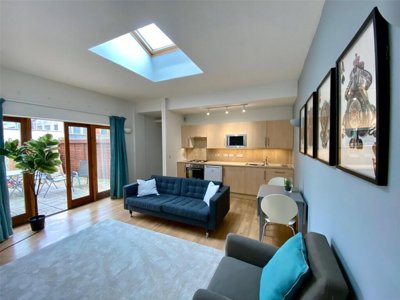
Studio apartments feature open-plan living spaces without separate bedrooms, incorporating sleeping, living, kitchen, and bathroom facilities. The Bristol studio market includes properties in modern apartment complexes, converted Victorian and Georgian buildings, and purpose-built developments.
£250k
599
17
102
Source: home.co.uk
Showing 599 results for Studio Flats for sale in Bristol, West of England. 17 new listings added this week. The median asking price is £250,000.
Source: home.co.uk
Flat
599 listings
Avg £281,515
Source: home.co.uk
Source: home.co.uk
homedata.co.uk shows Bristol has been fairly steady, with prices broadly flat across the last 12 months and a small rise of about 0.3% in the year to October 2025. Sales have eased back a touch as well, with around 6,500 property sales across Bristol city over the last year, which is 13.7% lower than the previous 12 months. That usually leaves buyers with some room to choose, even though homes on the strongest streets can still go fast. We’d keep it simple, if a place ticks the right boxes, be ready to move.
In Bristol, values split out quite sharply by property type. homedata.co.uk and related market records put detached homes at around £564,173, semi-detached homes at around £432,825, terraced houses at around £410,226, and flats at around £282,871. That gap matters in a city where the stock runs from compact flats in central postcodes to larger terraces and higher-end period houses. New-build activity is there too, with schemes including The Fosseway in Hengrove from £325,000, River Gateway in Ashton from £310,000, and The Clifton Collection, where apartments start from £285,000 and mews homes reach up to £1.5 million.
Current listings on home.co.uk show how broad the choice is, especially across central Bristol and the inner districts. Clifton still sits near the top end for apartments and period conversions, while Bedminster, Horfield, Brislington, Lockleaze and Hengrove tend to give buyers more scope on price if they want extra space without moving out of the city. A lot of Bristol’s new homes sit in regeneration areas, including the Harbourside and former industrial land, where modern layouts and lower upkeep are part of the appeal. We often find the real comparison is between an older place that needs work and a newer flat or house that is ready straight away.

Bristol has about 472,400 residents, and the population is still rising quickly. It is a young city by UK standards, with an average age of 33.4, and that comes through in the centre, in the workplace mix, and in the evening economy. Census figures also put the city at around 191,600 households, with 44.9% renting and 65% living in houses or bungalows rather than flats. Those numbers go a long way to explaining why smaller starter homes and bigger family houses both stay busy parts of the market.
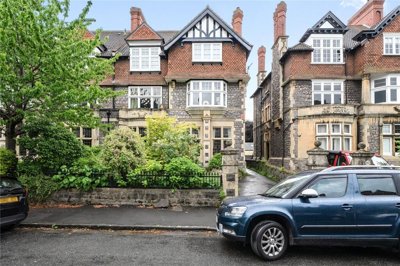
The housing stock is a big part of Bristol’s pull. Bedminster, Easton, Totterdown and Horfield are widely associated with Victorian and Edwardian terraces, while Clifton and Cotham are known for Regency and Georgian streets, with stucco, limestone dressings and other period detail. In Central ward and Hotwells and Harbourside, flats dominate far more strongly, at 93% and 80%. That suits buyers who want lower-maintenance living. Bristol also has more than 1,800 listed buildings and 33 conservation areas, so on some streets the historic fabric is still very much intact.
Ground conditions matter in Bristol. Several parts of the city sit on clay-rich ground, which can bring shrink-swell risk and occasional subsidence concerns, particularly in older homes with shallow foundations. Flood risk also needs checking, with around 27,000 homes and businesses exposed to tidal and surface water flooding, especially in lower-lying spots near the Floating Harbour. We would not treat that as a reason to rule Bristol out, but it is a good reason to look closely at the exact street, the age of the building and any past survey findings. One block can read very differently from the next.
For families, the school question often comes first. Demand can be intense in some Bristol catchments, and the city has a broad spread of primary schools, secondaries, academies, independent schools and post-16 options, so the right answer often depends on the exact address rather than the wider district. Names that come up again and again include Bristol Free School, Cotham School, Bristol Cathedral Choir School, Redmaids’ High, Clifton College and Bristol Grammar School. That gives buyers both state and independent routes, depending on admissions priorities and budget.
Catchment lines do not stand still, so a house that works this year may not line up so neatly with the next intake. That is one reason some families focus on Bristol’s inner suburbs, where day-to-day schooling can still sit alongside access to central facilities. For older pupils, sixth-form and college routes matter too, and City of Bristol College is part of that picture, along with other post-16 options. If education is driving the move, we always suggest checking the current admissions policy, the latest Ofsted report and the journey from the front door.
Buyers with younger children often look first at walkability, especially to a primary school, a park and bus routes that do not involve trams. Older pupils may care more about direct routes into central Bristol and access to the rail stations. That helps explain why Bishopston, Redland, Clifton, Southville and parts of Horfield are often high on the shortlist, though good options turn up across the city. Bristol gives you range, a period terrace near the school run, a newer apartment with less upkeep, or a larger family house with more inside space. We would match the education plan to the postcode, not just to Bristol as a whole.

Bristol remains one of the West of England cities that buyers keep returning to, and rail is a big reason why. Bristol Temple Meads connects to London Paddington in about 1 hour 30 minutes on the fastest services, with solid links to Bath, Cardiff and other regional destinations, while Bristol Parkway can make more sense for northern and cross-country journeys. On the road side, the M4, M5, A4, A37 and A38 all matter for daily travel. Taken together, that works for office-based buyers, hybrid workers and households that still need frequent national trips.
Outside the very centre, MetroBus routes and regular local buses make a noticeable difference. Peak-time journeys can still drag, but many neighbourhoods do give people workable alternatives to the car. Cycling is another Bristol staple, with a stronger short-distance bike culture than many comparable UK cities and better cycle routes than a lot of them too. For buyers trying to cut car use, that can shift the balance.
Parking is often where Bristol asks buyers to be practical. In Clifton, Redland, central Bristol and parts of Hotwells, on-street space can be tight, while some newer schemes come with allocated parking or controlled permits. We always tell buyers to check that before getting distracted by the kitchen or the view. A quick commute test, done at the right time of day, can be one of the most useful checks before an offer goes in.
We would start by lining up Bristol’s districts against each other, because Clifton, Bedminster, Horfield, Brislington and Hengrove all feel different on price, housing stock and commute. Before getting too attached to one property, check flood risk, parking, schools and access to rail or bus routes.
Get a mortgage agreement in principle sorted early. After that, work out how much room you want for legal fees, stamp duty, survey costs and moving expenses. In Bristol, where competition can pick up quickly on well-located homes, solid finances can make an offer look more convincing.
It helps to see more than one home in the same patch. That is usually how we separate a good street from a good building, and both from a good price. Watch for noise levels, natural light, parking, signs of damp and whether the updating has been done properly rather than covered with fresh decoration.
Older Bristol homes often need a closer read. Clay soil, historic fabric and flood exposure can all affect what we would want checked. A RICS Level 2 Survey is enough for many standard properties, but period homes, converted flats and anything showing visible defects can justify a more detailed inspection.
Conveyancing matters here, so we would pick a solicitor who will look closely at title, searches, lease terms and local points such as conservation area controls or flood history. For a flat in Bristol, ask early about service charges, ground rent, reserve funds and any major works planned by the freeholder or management company.
Once the searches, mortgage offer and survey results have all landed, the move to exchange and then completion becomes much more straightforward. We like to have removals, utilities and insurance lined up in good time, so the last stretch feels calm rather than rushed.
Bristol usually asks buyers to look past the room count. Clay-rich ground can lead to shrink-swell movement, so some older homes need a more careful structural check than a newer build would. Flood risk is another local issue, especially around the City Centre, Harbourside, Bedminster, Southville, Brislington, Redcliffe and other low-lying or river-side areas. A sound survey, backed up by a close read of the searches, can remove a lot of future stress.
Listed buildings and conservation areas can be a real plus, but they also come with rules. Bristol has 33 conservation areas and more than 1,800 listed buildings, so an attractive frontage may also mean tighter planning controls, specialist upkeep and extra consents for works. In Clifton, many buyers see that as part of the draw because the wider streetscape stays protected. Even so, we would check early whether sash windows, roof alterations, external paint colours or extensions need permission before costing up any improvements.
Leasehold flats need extra scrutiny in Bristol. Many apartments, especially around central areas and the Harbourside, come with service charges, ground rent, building insurance contributions and rules covering pets or letting. Older houses can hide problems too, and the city’s ageing stock means dated electrics are far from rare where a full rewire has not been done. If a property looks freshly decorated but the wiring, roof or damp proofing has not truly been modernised, it is worth pressing for clear answers before making an offer.
Over the last 12 months, homedata.co.uk records put Bristol’s average sold price at around £370,509. The headline figure only goes so far, though, because the market is heavily shaped by property type, with flats usually sitting well below detached homes. Area comparisons matter too, as the inner suburbs and central districts can price very differently from the city fringe. Before viewings start in earnest, we would usually get a mortgage agreement in principle in place.
Council tax in Bristol goes through Bristol City Council, and the band is tied to the individual address and valuation, not simply to the neighbourhood. Flats in central areas often fall into the lower bands, while bigger terraced homes and detached houses can sit higher. Even two similar properties may not match if their size, layout or original valuation differ. We would always verify the exact band before an offer is made.
School shortlists in Bristol often include Bristol Free School, Cotham School, Bristol Cathedral Choir School, Redmaids’ High, Bristol Grammar School and Clifton College, depending on whether a buyer wants state or independent education. The right fit still comes down to the child’s age, the budget and the admissions rules in the year of the move. Catchments can be very tight in some parts of the city, so one street may fall inside while the next does not. If schools are central to the move, check the latest Ofsted report and the current admissions map for each one.
For a city of this size, Bristol is very easy to work with. Temple Meads has fast trains to London Paddington in about 1 hour 30 minutes on the quickest services, along with strong links to Bath and Cardiff, and Parkway helps with broader regional travel. Within the city, buses and MetroBus routes support daily commuting, while cycling is a realistic option in many neighbourhoods. Parking can still be a sticking point in central areas and period streets, so street-by-street checks matter.
Some investors keep coming back to Bristol because demand is underpinned by jobs, universities, inward migration and limited housing supply. The local economy is one of the stronger regional ones in the UK, with major employers across aerospace, finance, digital and education, and that supports both tenant demand and buyer demand. Flats, terraces and new-build apartments serve different slices of the market, so returns vary with location and property type. For a buy-to-let purchase, we would check local licensing, management costs and the kind of tenant demand in that specific district.
For most buyers, SDLT is charged at 0% up to £250,000, then 5% from £250,000 to £925,000, 10% from £925,000 to £1.5 million, and 12% above that. First-time buyers pay 0% up to £425,000 and 5% from £425,000 to £625,000, with no relief above £625,000. So in Bristol, a home bought at the average sold price would usually bring a standard stamp duty bill, while a first-time buyer under £425,000 could pay none. The final amount depends on whether the purchase is a main home, an additional property or a higher-value home.
Yes, flood risk is part of the Bristol picture. Around 27,000 homes and businesses are exposed to tidal and surface water flooding, and places near the City Centre, Harbourside, Bedminster, Southville, Brislington and Redcliffe deserve extra scrutiny. That alone does not make those areas poor options, but it does make searches and surveys more important. We would also ask for any flood history and check likely insurance costs before committing.
They can be, although it depends on what matters most to you. The Fosseway, River Gateway and The Clifton Collection all offer newer layouts and less immediate maintenance, while older terraces may bring more space, more character and scope for renovation. Many of Bristol’s recent schemes sit in regeneration areas, which means the surrounding neighbourhood may still be changing. Period homes can ask more of an owner, but the long-term attraction can be strong if the location is right.
Stamp duty is one of the main extra costs Bristol buyers need to plan for. Under the current 2024-25 rules, standard buyers pay 0% up to £250,000, 5% between £250,000 and £925,000, 10% between £925,000 and £1.5 million, and 12% above £1.5 million. First-time buyers get 0% up to £425,000, then 5% between £425,000 and £625,000, with no relief above £625,000. In Bristol that split matters, because many flats fall under the first-time buyer threshold, whereas plenty of family houses do not.
Set those figures against Bristol prices and the tax starts to feel more real. A home bought at the city’s average sold price of about £370,509 would usually mean around £6,025 in standard SDLT, while a first-time buyer at that level would currently pay no stamp duty. A £285,000 apartment would produce a much smaller bill of £1,750, and a £525,000 Clifton property would come in at about £13,750. We use examples like that to compare a city flat with a larger period house or a new-build home, because the mortgage, survey and legal costs can quickly change what feels affordable.
Beyond stamp duty, we would keep money aside for solicitor fees, survey costs, lender fees, removals and any leasehold charges. Bristol’s older housing stock leads many buyers towards a more detailed survey as well, especially where the home is period, converted or close to flood-prone ground. If a mortgage agreement in principle is not in place yet, it is worth doing that before booking too many viewings, because it keeps the search focused and helps when the right property appears. A clear budget makes it much easier to act quickly when the better homes still attract strong interest.
Properties for Sale In London

Properties for Sale In Plymouth

Properties for Sale In Liverpool

Properties for Sale In Glasgow

Properties for Sale In Sheffield

Properties for Sale In Edinburgh

Properties for Sale In Coventry

Properties for Sale In Bradford

Properties for Sale In Manchester

Properties for Sale In Birmingham

Properties for Sale In Bristol

Properties for Sale In Oxford

Properties for Sale In Leicester

Properties for Sale In Newcastle

Properties for Sale In Leeds

Properties for Sale In Southampton

Properties for Sale In Cardiff

Properties for Sale In Nottingham

Properties for Sale In Norwich

Properties for Sale In Brighton

Properties for Sale In Derby

Properties for Sale In Portsmouth

Properties for Sale In Northampton

Properties for Sale In Milton Keynes

Properties for Sale In Bournemouth

Properties for Sale In Bolton

Properties for Sale In Swansea

Properties for Sale In Swindon

Properties for Sale In Peterborough

Properties for Sale In Wolverhampton

Enter your details to see if this property is within your budget.
Loans, cards, car finance
Estimated property budget
Borrowing + deposit
You could borrow between
Typical borrowing
Monthly repayment
Est. at 4.5%
Loan-to-value
This is an estimate only. Your actual budget may vary depending on interest rates, credit history, and personal circumstances. For an accurate affordability assessment, speak to one of our free mortgage advisors.
This calculator provides estimates for illustrative purposes only and does not constitute financial advice. Your home may be repossessed if you do not keep up repayments on your mortgage. Estimates based on 4.5% interest rate, repayment mortgage. Actual rates depend on your circumstances.
Homemove is a trading name of HM Haus Group Ltd (Company No. 13873779, registered in England & Wales). Homemove Mortgages Ltd (Company No. 15947693) is an Appointed Representative of TMG Direct Limited, trading as TMG Mortgage Network, which is authorised and regulated by the Financial Conduct Authority (FRN 786245). Homemove Mortgages Ltd is entered on the FCA Register as an Appointed Representative (FRN 1022429). You can check registrations at NewRegister or by calling 0800 111 6768.

We use cookies to show you personalised content and improve your experience of our website. Find out more in our Privacy policy and Cookie policy.