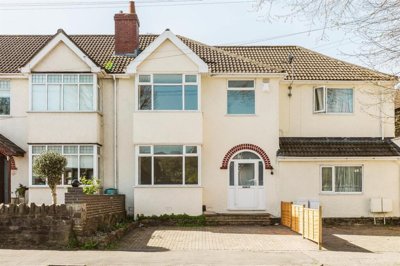
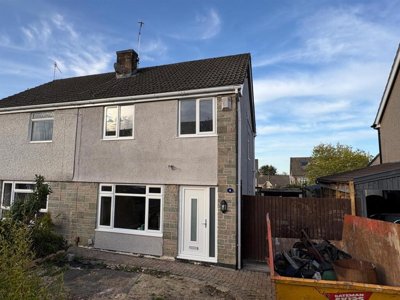
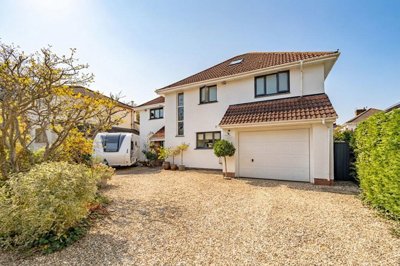
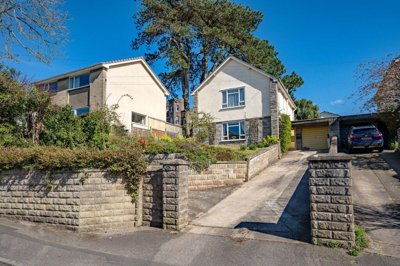
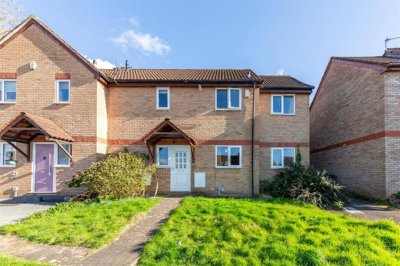
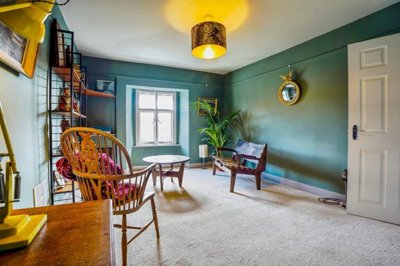
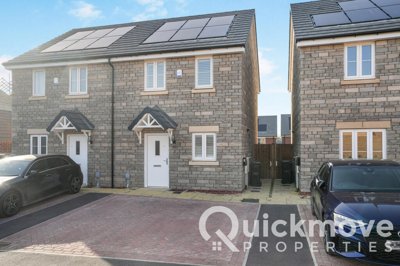
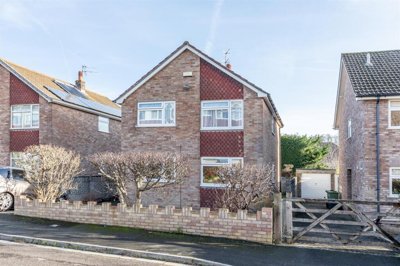
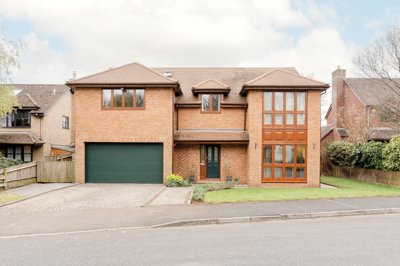
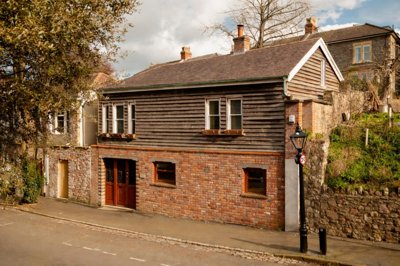
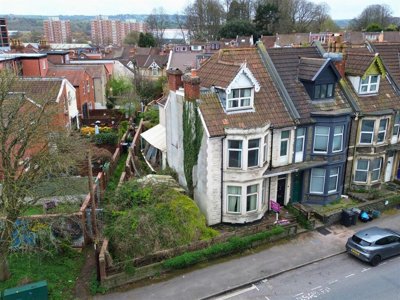
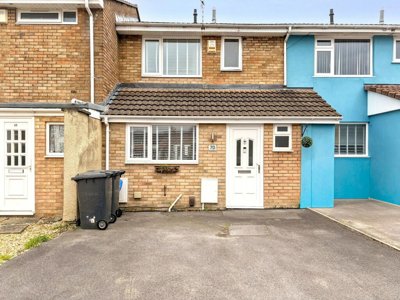
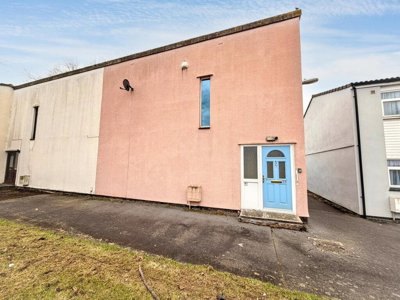
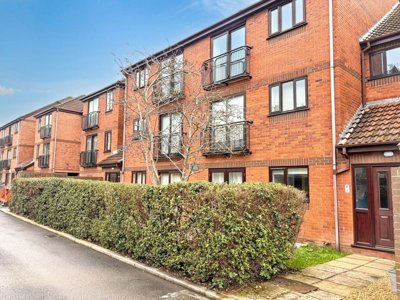
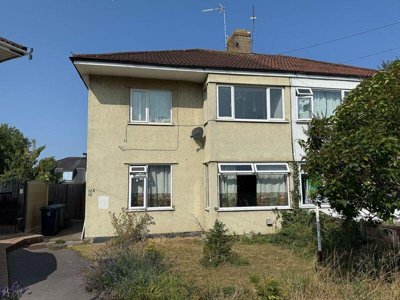
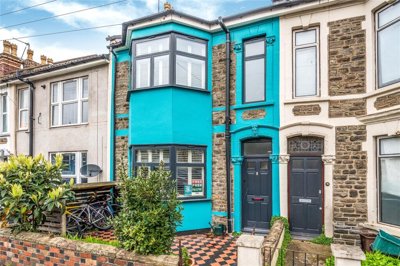
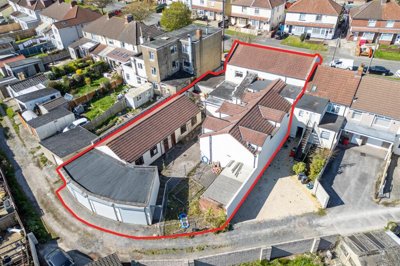
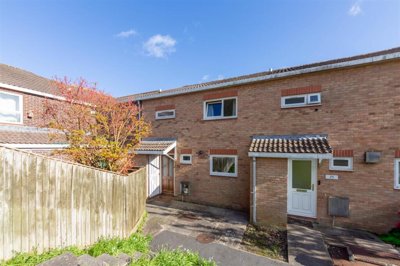
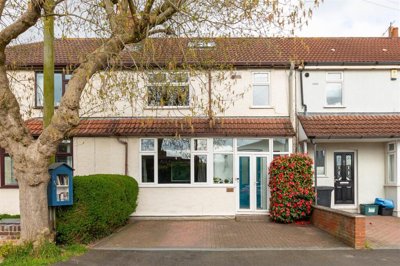
Browse 7,159 homes for sale in Bristol, West of England from local estate agents.
£340k
2,482
211
88
Source: home.co.uk
Source: home.co.uk
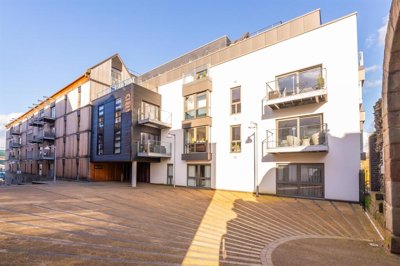
Flat
534 listings
Avg £279,942
Terraced
477 listings
Avg £429,195
Apartment
408 listings
Avg £301,236
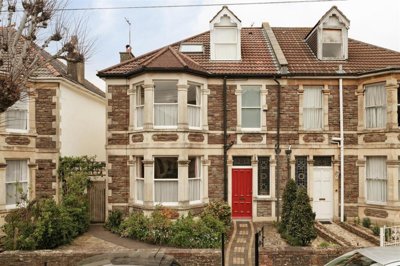
Semi-Detached
387 listings
Avg £468,525
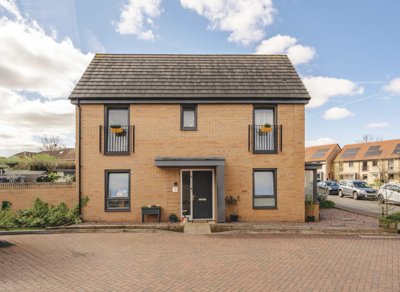
End of Terrace
175 listings
Avg £399,614
Detached
126 listings
Avg £778,150
House
99 listings
Avg £485,593
Maisonette
41 listings
Avg £330,841
Bungalow
25 listings
Avg £399,598
Ground Flat
20 listings
Avg £297,865
Source: home.co.uk
Source: home.co.uk
Bristol's property market has shown remarkable stability over recent years, with median prices hovering around £295,000 for residential properties across the city. Detached houses in sought-after areas like Clifton and Westbury-on-Trym command premium prices often exceeding £600,000, while Victorian terraces in neighbourhoods such as Totterdown and Knowle offer more accessible entry points typically between £280,000 and £380,000. The city centre apartment sector has grown significantly, with new developments along the Floating Harbour attracting young professionals seeking the convenience of city living without sacrificing the character that makes Bristol special.
First-time buyers will find particular value in areas like Bishopsworth and Hengrove, where two-bedroom terraced houses regularly appear in the £220,000 to £280,000 range. Our data shows that Bristol's rental yield averages around 5.2%, making the city attractive for property investors looking at both capital growth and rental income. New build developments continue to emerge across the city, particularly around Temple Quarter and the Western Harbour, offering contemporary living spaces with improved energy efficiency ratings compared to many older properties. The Temple Quarter regeneration project alone promises thousands of new homes over the coming decade, potentially affecting property values in surrounding areas like St Philip's and Barton Hill.
The Bristol property market experienced significant growth during the post-pandemic years, with prices rising approximately 15% between 2020 and 2023 before stabilising at current levels. This moderation has created opportunities for buyers who found themselves priced out during the peak period, particularly in traditionally expensive postcodes like BS8 covering Clifton and Redland. Semi-detached properties in areas such as Bishopston and Westbury Park continue to attract strong interest from families, with three-bedroom homes regularly achieving asking prices within weeks of listing.

Bristol divides into distinct neighbourhoods, each with its own character and community. Clifton attracts professionals and academics drawn to its elegant Georgian architecture, boutique shops along Whiteladies Road, and proximity to the University of Bristol. The area boasts Bristol's most famous landmark, the Clifton Suspension Bridge, spanning the Avon Gorge in spectacular fashion. Properties in Clifton rarely come to market and command premium prices, with Victorian flats above shops on Regent Street and terraced houses on Canynge Square particularly sought after. Redland, adjacent to Clifton, features tree-lined avenues and converted Victorian villas popular with families who appreciate the excellent primary schools and independent cafes in the area.
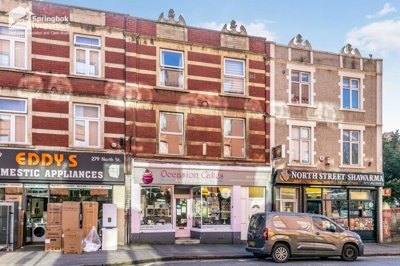
Southville and Bedminster, south of the River Avon, have undergone significant transformation over the past decade. Former industrial buildings now house creative studios, craft breweries, and artisan bakeries that give these areas their distinctive character. North Street in Bedminster has become a destination in its own right, with the acclaimed Bristolian bakery and independent restaurants drawing visitors from across the city. Properties in this area, particularly the steep terraces on roads like Herbert Street and Luckwell Road, offer excellent value compared to north Bristol while maintaining strong community credentials. The Tobacco Factory Theatre and weekly market have cemented Southville's reputation as one of Bristol's most desirable neighbourhoods for young professionals.
North Bristol around Stoke Bishop and Westbury offers a more suburban feel with spacious gardens and good primary schools, making it popular with families seeking more space without abandoning city conveniences. The area benefits from proximity to the Downs, Bristol's iconic open spaces stretching across nearly 500 acres of grassland perfect for walking, running, and family days out. The city centre continues to expand, with the Harbourside area particularly popular among young professionals who value walking to work and access to water sports and riverside walks. Properties along the Harbourside include conversions of former industrial buildings and purpose-built apartments offering views across the water to Bristol's historic waterfront.

Education options in Bristol cater to all ages and preferences, from outstanding primary schools to world-ranked universities. The city operates a comprehensive catchment area system for its secondary schools, with selective grammar schools including Bristol Grammar School and Redmaids' High School drawing students from across the region. Parents should research specific catchment boundaries carefully, as property prices can vary significantly between school admission zones. Our platform allows you to search by school catchments to find homes within your preferred school's boundary, helping you prioritise education when browsing Bristol properties.
Primary education in Bristol includes several outstanding schools, with Westbury Park Primary, Falmouth Junior School, and St John's on the Clifton Down frequently receiving excellent Ofsted ratings. Westbury-on-Trym primary schools serve families in the western suburbs, while Bishopston and Horfield offer strong community primaries popular with local families. The city also offers a good selection of faith schools and academy primaries that often outperform their local authority counterparts. St Teresa's Catholic Primary ind andSs Joseph's Catholic Primary in Portishead serve families seeking faith-based education, while Bristol Free School takes a significant number of pupils from its immediate catchment in Brislington.
For higher education, the University of Bristol ranks among the UK's top institutions and consistently attracts students from across the country and internationally. The university campus, centred around University Road in Clifton, creates significant demand for rental properties in surrounding postcodes. The University of the West of England (UWE) provides strong vocational courses at its Frenchay Campus, while Bristol's further education colleges offer practical qualifications across various trades and professions. Students attending either university frequently seek accommodation in areas like Clifton, Cotham, and Stoke Bishop, creating consistent demand for both shared houses and family homes near popular bus routes to campus.

Bristol offers excellent transport connections that make it practical for commuters while maintaining a manageable city size. Bristol Temple Meads station provides direct rail services to London Paddington in approximately one hour and 45 minutes, with Bristol Parkway offering additional routes including services to Edinburgh and Manchester. The West of England Metro Mayor has championed improved rail connections, with plans for more frequent services on key routes and potential new stations in areas currently underserved by public transport. For those working in London, the commute is entirely feasible on a regular basis, though many residents choose to work remotely for several days each week.
The city sits at the intersection of the M5 and M4 motorways, providing road access to Wales, the Midlands, and London. The M5 connects Bristol to Birmingham in approximately two hours, while the M4 bridges eastwards to Swindon, Reading, and the capital. Bristol's orbital road, the A4174, helps through-traffic avoid the city centre, though rush hour congestion on approaches to the bridges across the Avon remains a concern for residents commuting by car. Bristol Airport, located to the south of the city near Lulsgate, offers flights across Europe and transatlantic connections, making international travel straightforward. The airport has expanded significantly in recent years, with new routes to North American destinations increasing Bristol's appeal to international business travellers.
Within the city, Bristol's extensive bus network, operated primarily by First Bus, connects most residential areas to the city centre, while the metrobus service provides faster routes on dedicated bus lanes between key destinations. The metrobus M1 route connects the Brixton bus station to the city centre via Temple Meads, while the M3 serves Portway and the western suburbs. Cycling infrastructure has improved significantly, with the Bristol to Bath Cycle Path attracting thousands of commuters daily and the city investing in more protected cycle lanes throughout residential areas. The traffic-free path from Bristol to Bath makes cycling between the two cities popular at weekends, while shorter routes along the River Avon towpath and through Ashton Court Estate provide pleasant options for recreational cycling closer to home.

Before viewing any properties in Bristol, obtain a mortgage agreement in principle from a lender. Bristol's competitive market means sellers favour buyers who can demonstrate their financial position clearly and quickly. Our mortgage comparison tool helps you find the best rates available, with specialist brokers who understand the Bristol property market and can advise on borrowing against local property values.
Bristol's diverse areas offer vastly different living experiences. Spend time exploring Clifton's village atmosphere and Georgian architecture, Southville's creative community centred around North Street, and the family-friendly streets of Stoke Bishop with access to the Downs. Consider practical factors like your daily commute, proximity to schools, and whether you prioritSe a garden, parking, or easy access to waterfront amenities.
Many Bristol properties, particularly those selling quickly or at premium prices, are marketed exclusively through individual estate agents rather than appearing on public portals. Registering with agents like Clifton, Knight Frank, and Andrews Property Group lets you see new listings before they appear on aggregator sites, giving you a crucial advantage in competitive situations.
View properties in person to assess condition, noise levels, and neighbourhood character. Pay attention to factors like parking availability, nearby transport links, and the quality of neighbours. Bristol's varied geology means some areas experience flooding or uneven foundations, so take time to understand the specific challenges of each location before committing.
Once you find your ideal home in Bristol, submit an offer through your estate agent. Bristol's market moves quickly in popular areas like Clifton and Southville, so be prepared to negotiate and have your solicitor's contact details ready to move swiftly through the process. Your offer should reflect current market conditions, the property's condition, and any issues identified during viewings.
Your conveyancer will handle searches, contracts, and the Land Registry transfer. Bristol local searches typically take two to three weeks, though searches on properties near the river or in former industrial areas may require additional environmental investigations. Once all queries are resolved, you exchange contracts and pay your deposit, with completion usually following two to four weeks later.
Bristol's varied property stock means buyers should understand the specific considerations for different property types and areas. Victorian and Edwardian terraces, which form a significant portion of Bristol's housing stock, often require maintenance investment despite their charming character. Look for signs of damp in ground floor rooms, inspect the condition of the roof, and check whether original features like sash windows and fireplaces have been well maintained or restored. Many Bristol terraces were built with shallow foundations on clay soil, making subsidence a concern in some areas, particularly following periods of drought like those experienced in 2018 and 2022.
Properties in flood zones require particular attention in Bristol, given the city's relationship with the Rivers Avon and Frome and its proximity to the Severn Estuary. Check the Environment Agency's flood risk maps for any property you are considering, and verify that appropriate insurance will be available at reasonable premiums. Areas around the River Avon in Bedminster and Southville, as well as sections of the Frome valley in Bristol, carry elevated flood risk that affects both insurance costs and future saleability. Properties with basement accommodation in areas like Clifton and Cotham may also face damp and water ingress issues given Bristol's high water table.
Conservation areas in Clifton, Cotham, Kingsdown, and Redland impose restrictions on exterior alterations, which can affect renovation plans and future improvements. If you are planning to extend or alter a period property, check with Bristol City Council planning department before committing to purchase, as permitted development rights may be limited. Leasehold properties, common in city centre apartments and some converted properties, require thorough scrutiny of service charges, ground rent provisions, and the building's maintenance history before committing to purchase. We recommend instructing a RICS Level 2 survey for any property in Bristol, particularly older properties where hidden defects may not be apparent during viewings.

The median house price in Bristol currently sits around £295,000, though this varies considerably by neighbourhood and property type. Detached properties in Clifton and Westbury-on-Trym typically exceed £600,000, while terraced houses in areas like Southville and Totterdown range from £280,000 to £380,000. Flats in the city centre start from around £180,000 for older conversions in areas like Totterdown and Knowle, and rise above £350,000 for modern waterfront developments in the Harbourside district. First-time buyers often find better value in southern Bristol neighbourhoods like Hengrove and Withywood, where similar property types can cost 20-30% less than north Bristol equivalents while offering excellent community facilities and transport links.
Bristol City Council bands properties from A to H, with the majority of residential properties falling into bands A through D. A typical band C property in Bristol attracts annual council tax of approximately £1,850, while band D properties are charged around £2,100 per year. New developments and larger properties in areas like Clifton often fall into bands E through H, where annual charges can exceed £3,100. You can check the specific band for any property through the Bristol City Council website using the property address, and this information should be confirmed during the conveyancing process alongside other searches.
Bristol offers several outstanding educational options at every level, though school performance can vary significantly between different parts of the city. For primary education, Westbury Park Primary in its namesake area, Falmouth Junior School in the Westbury-on-Trym area, and St John's on the Clifton Down consistently achieve excellent Ofsted ratings and attract strong parental interest. Secondary options include the selective Bristol Grammar School for boys and Redmaids' High School for girls, along with strong comprehensives like Cotham School in the Redland area and Bristol Free School in Brislington. The University of Bristol ranks among the UK's top 15 universities and attracts significant student demand for nearby rental properties in Clifton and Cotham. Parents should always verify current catchment boundaries, as these can change and directly affect which schools children can attend from any given address.
Bristol benefits from comprehensive public transport options including rail, bus, and cycling infrastructure that make car-free living practical for many residents. Bristol Temple Meads provides direct rail services to London Paddington in approximately one hour and 45 minutes, with hourly departures throughout the day and journey times competitive with driving when considering city centre parking costs. Bristol Parkway offers additional services including routes to Birmingham, Manchester, and Scotland, with faster journey times to some destinations due to fewer stops. Within the city, the bus network operated by First Bus covers most residential areas, with popular routes including the 8 and 9 serving north Bristol suburbs and the 76 and 77 connecting south Bristol to the centre. Bristol Airport offers flights across Europe and North America, with regular bus services connecting the airport to the city centre in about 30 minutes via the A1 Airport Flyer.
Bristol consistently ranks among the best UK cities for property investment due to its strong economic fundamentals and diverse employment base. The city benefits from varied employment sectors including aerospace with Airbus and Rolls-Royce at Filton, defence contracts, financial services, and creative industries, which attract and retain residents regardless of broader economic conditions. Rental yields in Bristol average around 5.2%, which compares favourably with London and many other major cities, and the student population from both universities creates consistent demand for rental accommodation near campus areas. Property values in Bristol have shown steady long-term growth, with the city outperforming many regional cities over the past decade. The city's continued investment in infrastructure, including the Temple Quarter regeneration and improved public transport, suggests these positive trends may continue for property investors with medium to long-term horizons.
As a buyer in England, you will pay Stamp Duty Land Tax based on the purchase price of your property, with rates applying to properties in Bristol just as they do elsewhere in the country. For properties up to £250,000, the SDLT rate is 0%, meaning many flats and lower-priced terraced houses in Bristol attract no stamp duty at all. Properties between £250,001 and £925,000 attract 5% on the portion above £250,000, which for a typical £295,000 Bristol property amounts to £2,250 for non-first-time buyers. If you are a first-time buyer purchasing a property up to £625,000, you pay 0% on the first £425,000 and 5% on the remainder up to that threshold, meaning a first-time buyer purchasing a £295,000 Bristol property would pay no stamp duty whatsoever. Higher value properties above £925,000 attract progressively higher rates of 10% and 12% on amounts exceeding £1.5 million.
First-time buyers in Bristol have several areas offering excellent value compared to the city average, with southern Bristol neighbourhoods particularly worth considering for those on more modest budgets. Hengrove and Withywood offer two-bedroom terraced houses and maisonettes typically priced between £200,000 and £280,000, significantly below city average prices, while benefiting from good local schools and shopping facilities. Hartcliffe, another south Bristol area, offers even more affordable options with good bus connections to the city centre. Bedminster and Southville have become increasingly popular but retain relatively good value compared to Clifton and Redland, particularly for properties requiring some modernisation. The key for first-time buyers is to weigh purchase price against future transport costs and the potential for appreciation as regeneration schemes like those planned for Bedminster continue to improve these areas.
Like any city, buying property in Bristol involves understanding specific local risks that may not be apparent to buyers from outside the area. Flood risk affects properties near the River Avon, particularly in low-lying areas of Bedminster and Southville, and buyers should check Environment Agency maps and verify insurance availability before proceeding. Clay soil conditions in some parts of Bristol, particularly in areas with older properties, can lead to subsidence issues, especially following prolonged dry periods, and a thorough survey is essential for any Victorian or Edwardian property. Some Bristol flats, particularly those in older conversions, have short leases or unfavourable ground rent terms that can affect both mortgageability and future saleability. We always recommend a RICS Level 2 survey for properties in Bristol, and a Level 3 building survey for older properties or those showing signs of structural movement or damp.
From 4.5% APR
Expert mortgage advice tailored to Bristol property values and lending criteria
From £499
Solicitors experienced in Bristol property transactions, local searches, and leasehold matters
From £350
Detailed condition reports from our qualified Bristol surveyors, covering all common defects in local properties
From £500
Comprehensive building surveys for period properties, flats, and properties showing signs of defect
From £80
Energy performance certificates required for all Bristol property sales
Beyond the property price, buyers should budget for several additional costs when purchasing in Bristol to ensure they have sufficient funds for a complete transaction. Stamp Duty Land Tax applies to all purchases above £250,000, with rates of 5% on the portion between £250,001 and £925,000, 10% up to £1.5 million, and 12% on amounts exceeding £1.5 million. First-time buyers benefit from relief on properties up to £625,000, with zero SDLT on the first £425,000 and 5% on the remainder within that threshold, meaning many Bristol properties attract no stamp duty for first-time buyers.
Solicitors' fees for conveyancing in Bristol typically range from £499 to £1,500 depending on the property value and complexity of the transaction, with leasehold properties and new builds generally requiring more work than freehold terraced houses. Your solicitor will conduct local searches including the Bristol City Council search, land registry checks, and environmental searches, which together cost around £300 to £500 depending on the search provider used. Survey costs vary from £300 for a basic valuation to £800 or more for a comprehensive RICS Level 3 building survey, with the type of survey depending on the property age, condition, and construction type.
If you require a mortgage, arrangement fees typically range from 0% to 1.5% of the loan amount, though many lenders offer deals with no arrangement fee but slightly higher interest rates. Budget an additional 1-2% of the property price for removals, furnishment, and potential renovation work to ensure you are fully prepared for the total cost of moving to your new Bristol home. Many buyers underestimate the costs of moving, including decorator fees for properties requiring modernisation, connection charges for utilities and internet, and the cost of any immediate repairs identified during surveys. Having a contingency fund of at least £2,000 to £5,000 above your calculated moving costs will help you handle unexpected expenses without financial stress.

Properties for Sale In London

Properties for Sale In Plymouth

Properties for Sale In Liverpool

Properties for Sale In Glasgow

Properties for Sale In Sheffield

Properties for Sale In Edinburgh

Properties for Sale In Coventry

Properties for Sale In Bradford

Properties for Sale In Manchester

Properties for Sale In Birmingham

Properties for Sale In Bristol

Properties for Sale In Oxford

Properties for Sale In Leicester

Properties for Sale In Newcastle

Properties for Sale In Leeds

Properties for Sale In Southampton

Properties for Sale In Cardiff

Properties for Sale In Nottingham

Properties for Sale In Norwich

Properties for Sale In Brighton

Properties for Sale In Derby

Properties for Sale In Portsmouth

Properties for Sale In Northampton

Properties for Sale In Milton Keynes

Properties for Sale In Bournemouth

Properties for Sale In Bolton

Properties for Sale In Swansea

Properties for Sale In Swindon

Properties for Sale In Peterborough

Properties for Sale In Wolverhampton

Enter your details to see if this property is within your budget.
Loans, cards, car finance
Estimated property budget
Borrowing + deposit
You could borrow between
Typical borrowing
Monthly repayment
Est. at 4.5%
Loan-to-value
This is an estimate only. Your actual budget may vary depending on interest rates, credit history, and personal circumstances. For an accurate affordability assessment, speak to one of our free mortgage advisors.
This calculator provides estimates for illustrative purposes only and does not constitute financial advice. Your home may be repossessed if you do not keep up repayments on your mortgage. Estimates based on 4.5% interest rate, repayment mortgage. Actual rates depend on your circumstances.
Homemove is a trading name of HM Haus Group Ltd (Company No. 13873779, registered in England & Wales). Homemove Mortgages Ltd (Company No. 15947693) is an Appointed Representative of TMG Direct Limited, trading as TMG Mortgage Network, which is authorised and regulated by the Financial Conduct Authority (FRN 786245). Homemove Mortgages Ltd is entered on the FCA Register as an Appointed Representative (FRN 1022429). You can check registrations at NewRegister or by calling 0800 111 6768.

We use cookies to show you personalised content and improve your experience of our website. Find out more in our Privacy policy and Cookie policy.