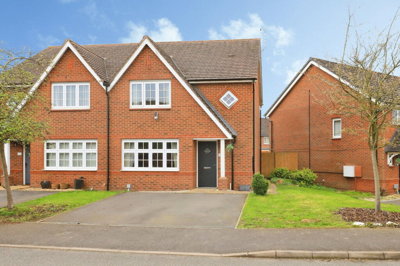
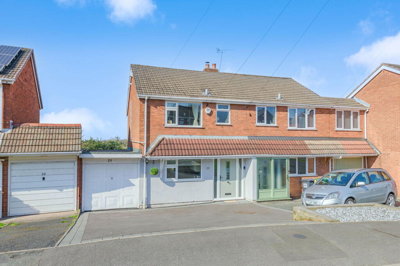
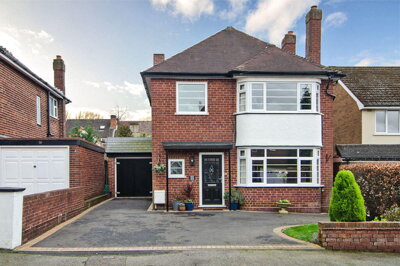
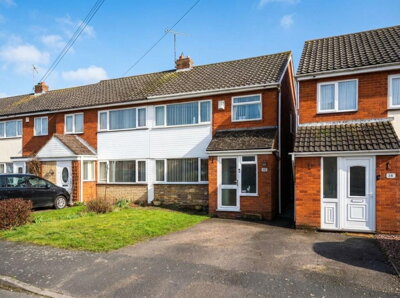
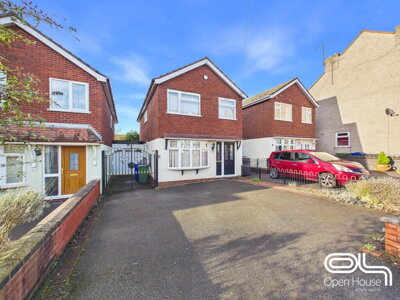
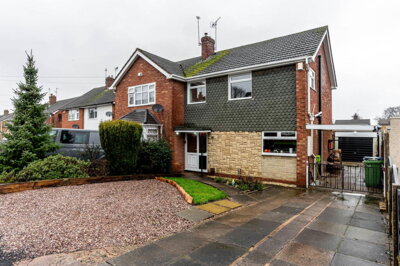
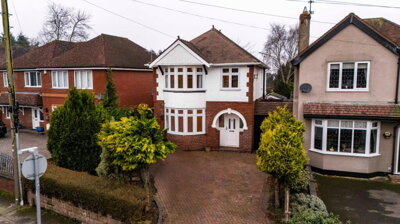
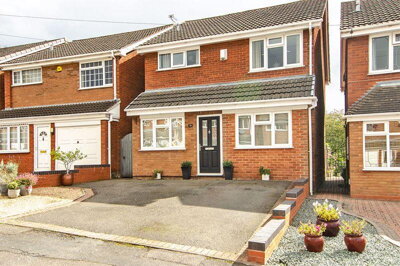
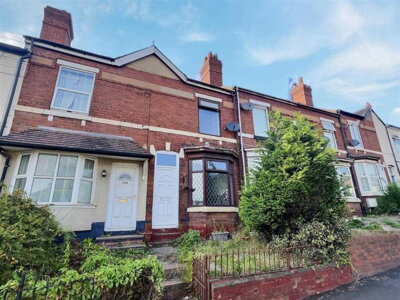
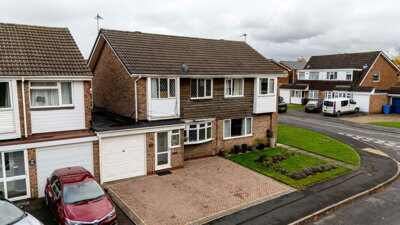
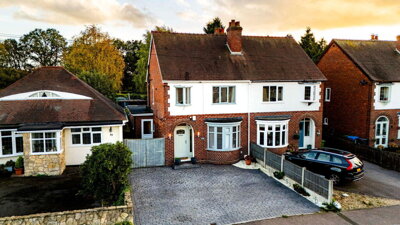
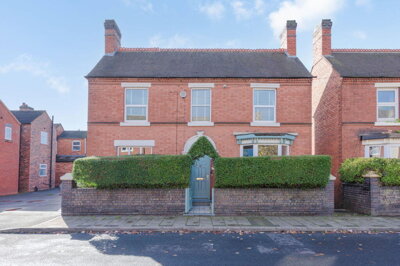
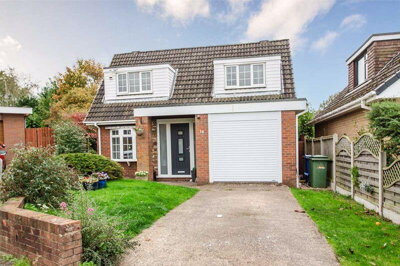
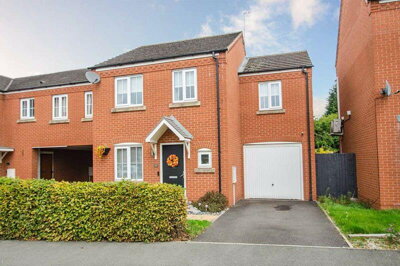
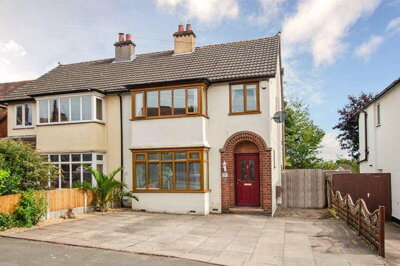
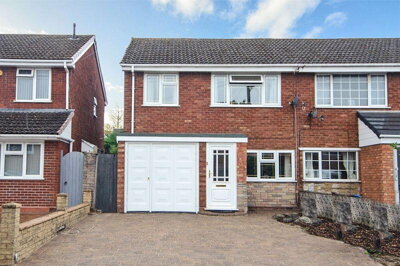
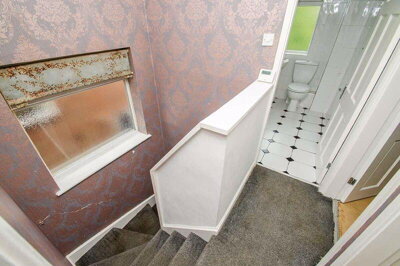
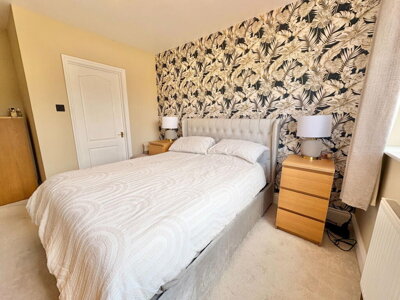
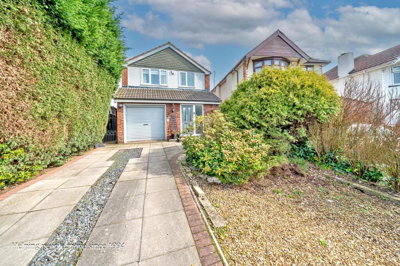
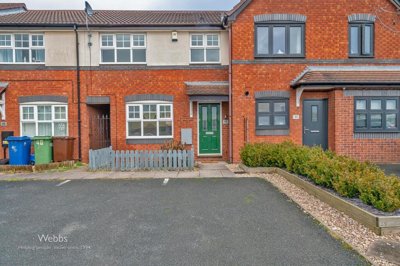
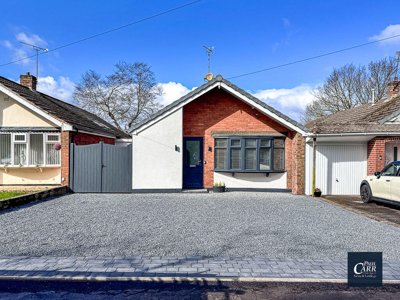
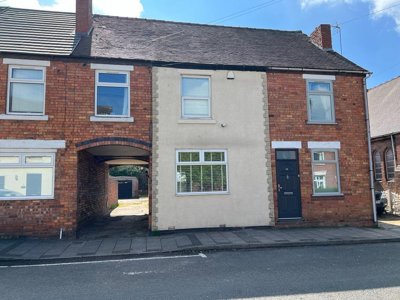
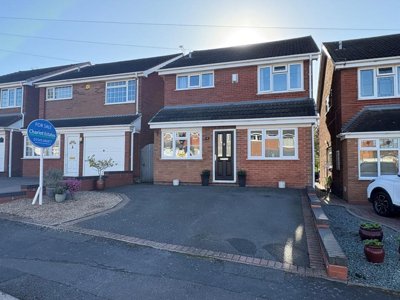
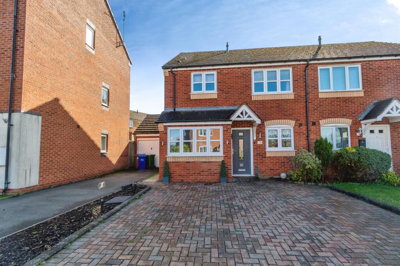
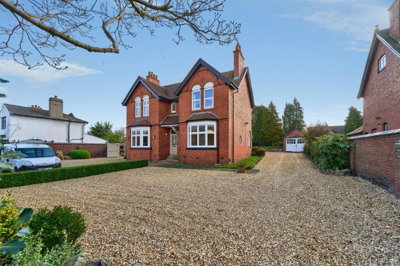
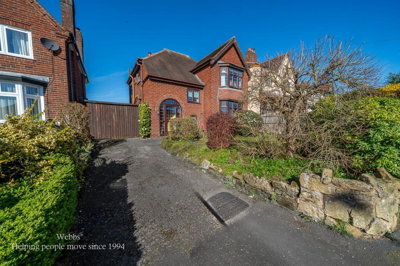
Browse 157 homes for sale in Bridgtown, Cannock Chase from local estate agents.
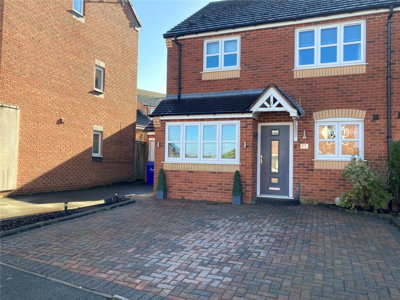
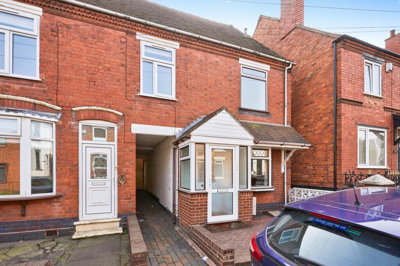
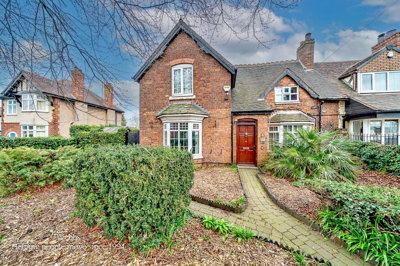
Three bedroom properties represent a significant portion of the Bridgtown housing market, offering space for families with multiple reception rooms and gardens in many cases. Browse detached, semi-detached, and terraced options ranging from period character homes to contemporary developments.
£220k
3
2
21
Source: home.co.uk
Showing 3 results for 3 Bedroom Houses for sale in Bridgtown, Cannock Chase. 2 new listings added this week. The median asking price is £220,000.
Source: home.co.uk
Terraced
3 listings
Avg £214,167
Source: home.co.uk
Source: home.co.uk
The Bridgtown property market has shown resilience despite broader national fluctuations. Overall house prices in the area were 7% down on the previous year over the last 12 months, yet they remain 4% higher than the 2023 peak of £154,440, indicating a market that has found its footing after recent volatility. Properties in the WS11 0BX postcode area within Bridgtown have performed particularly strongly, with prices rising 24% on the 2022 peak of £157,000 over the past year, suggesting sustained demand in certain parts of the village. This varied performance across different postcode sectors reflects the mix of property types and conditions available, from well-presented modern homes to character properties requiring renovation.
Semi-detached properties represent the dominant housing type in the Cannock Chase district, accounting for 46.7% of all households, and these homes command an average price of £195,000 in Bridgtown. Terraced properties average £131,250, making them the most affordable option for buyers seeking period character without the premium attached to detached homes. Flats in the area average £122,500, offering an entry-level opportunity for first-time buyers or investors. The market benefits from the district-wide demand for three-bedroom properties, which comprise 47.7% of all households, indicating strong family buyer activity. Currently, there are no active new-build developments confirmed within the WS11 postcode area, though neighbouring areas like Heath Hayes and Great Wyrley have seen recent planning applications for residential schemes.
The Cannock Chase district contains approximately 43,457 households as of March 2021, with a population of around 100,500 persons, representing a 3.1% increase from 2011. This steady growth reflects the area's increasing popularity as a place to live, driven by its affordability and strategic position near major employment centres. The district's economy has shifted from its coal mining roots towards logistics and distribution, with major employers including Amazon and DHL operating large facilities in the area, benefiting from proximity to the M6, A34, and M6 Toll road networks.

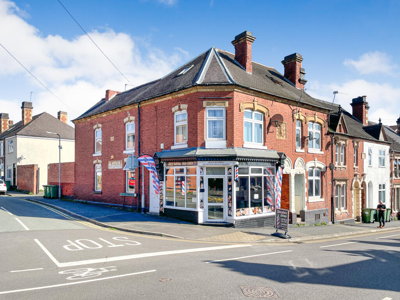
Bridgtown evolved from a small rural community into a thriving industrial settlement during the coal mining boom of the late 19th century. The village centre features a Conservation Area designated in November 1988, encompassing historic buildings along North Street, Union Street, and Church Street. These properties are predominantly constructed from locally produced dark orange and red brick, with plain red and blue clay tiles or blue slate roofs, reflecting the traditional building crafts of the Staffordshire coalfields. The local brick industry relied on Etruria marl, a distinctive clay deposit found in the area, which gave Bridgtown's buildings their characteristic appearance. The Bridgtown War Memorial stands as a listed structure within the village, serving as a poignant reminder of the community's history and the sacrifices made by local residents across generations.
The Cannock Chase district, within which Bridgtown sits, had a population of approximately 100,500 in March 2021, representing a 3.1% increase from 2011. This growth reflects the area's increasing popularity as a place to live, driven by its affordability and connectivity. The district has an aging population, with the number of residents aged 65 and over increasing by 25% over the last decade, suggesting a mature community with established social networks. The wider area offers excellent access to Cannock Chase Area of Outstanding Natural Beauty, where residents enjoy miles of footpaths, cycling trails, and wildlife habitats. Local cultural attractions include museums documenting the mining heritage, traditional pubs serving the community, and regular events that bring residents together throughout the year.
The industrial heritage of Bridgtown and the wider Cannock Chase area is evident in the built environment and local character. The last colliery in Cannock closed in 1967, while the last mine in the wider Cannock Chase area ceased operations in 1993, marking the end of over a century of coal extraction that shaped the landscape and communities of the region. Today, the former mining areas have been repurposed, with some land now occupied by modern logistics facilities and housing developments. The Cannock Chase district contains 70 listed buildings, primarily Grade II, including churches, houses, pubs, and canal bridges, many dating from the period of mining prosperity in the 19th century.
Families considering a move to Bridgtown will find a range of educational options available within the local area. The Cannock Chase district offers primary schools serving the local community, with several rated good by Ofsted within easy travelling distance of Bridgtown. Primary school admissions in Staffordshire are determined by proximity, meaning property locations within specific catchment areas directly influence school placements. Parents should research individual school performance tables and admission policies, as popular schools in the area fill quickly during the annual intake process. The presence of good primary schools in the wider district makes Bridgtown attractive to families seeking value without compromising on educational opportunities for younger children.
Secondary education is provided through schools in Cannock and the surrounding towns, with some operating as academy converters offering specialised curricula and sixth-form provision. Schools in the Cannock area serve a significant catchment area, and competition for places at the most popular establishments can be intense. The growing population of the district, with a 3.1% increase over the past decade, has prompted ongoing investment in school capacity. However, prospective buyers should verify current admission arrangements and any planned expansions in the local school network, as school quality can significantly impact property values in popular catchment zones.
For further education, students can access colleges in Cannock and nearby Lichfield, offering vocational courses and A-levels across a wide range of subjects. The College of West Anglia and South Staffordshire College provide vocational pathways, while academic sixth forms at local secondary schools offer traditional A-level routes. The University of Wolverhampton and Staffordshire University both have campuses within reasonable commuting distance, opening pathways to higher education for local residents. Transport links to educational establishments across Staffordshire and the West Midlands are well-established, with bus services connecting Bridgtown to schools and colleges throughout the region, making it practical for older students to commute to institutions further afield.
Bridgtown benefits from excellent road connections that make commuting to major employment centres straightforward. The village sits within easy reach of the M6 motorway, providing direct access to Birmingham, Wolverhampton, and the wider West Midlands conurbation. The A34 trunk road runs through nearby Cannock, offering an alternative route to Birmingham and connecting to the M6 Toll for faster access to the north. The A5 trunk road is also accessible, linking the area to Tamworth, Nuneaton, and beyond. This strategic position has attracted major logistics employers to the Cannock area, including Amazon and DHL, who operate large distribution facilities in the district. Commute times to Birmingham city centre typically range from 40 minutes to an hour by car, depending on traffic conditions.
Public transport options connect Bridgtown to surrounding towns and cities, with bus services operating routes to Cannock, Hednesford, and Stafford. Stagecoach and other regional operators provide regular services linking the village to local towns and shopping centres. Rail services are available from Hednesford and Cannock stations, offering connections to Birmingham New Street, Lichfield Trent Valley, and the national rail network. West Midlands Trains operates services on the Chase Line, providing direct links to Birmingham and beyond. For air travel, Birmingham Airport is approximately 30 miles away, accessible via the M6 motorway, providing international connections from the region.
The area has seen investment in cycling infrastructure in recent years, with new paths being developed to encourage sustainable travel for local journeys. National Cycle Route 7 passes through the nearby Cannock Chase area, offering longer-distance cycling opportunities. Parking provision in Bridgtown village centre accommodates residents and visitors, though this should be verified for specific properties, particularly those in the Conservation Area where on-street parking may be restricted due to the narrow historic street layout. For commuters working in Birmingham or other major centres, the combination of road and rail options from Bridgtown provides flexibility in choosing the most suitable travel method.
Spend time exploring Bridgtown and the surrounding Cannock Chase district before committing to a purchase. Visit at different times of day, check local amenities, and understand the specific character of different neighbourhoods within the village. The WS11 postcode area encompasses varying property conditions and price points, so understanding what represents value in each sector will inform your search. Take time to walk through the Conservation Area along North Street, Union Street, and Church Street to appreciate the historic character that defines parts of the village.
Before viewing properties, obtain a mortgage agreement in principle from a lender. This demonstrates your buying capacity to estate agents and sellers, giving you a competitive edge when making offers. With Cannock Chase affordability ratio at 6.4, local lenders are familiar with the area and can offer competitive rates for properties across the price range. Having your financing in place before making an offer signals to sellers that you are a serious and prepared buyer in a market where multiple offers are common.
Work with local estate agents to arrange viewings of properties matching your criteria. In Bridgtown, you will find properties ranging from Victorian terraced homes requiring modernisation to well-presented semi-detached family houses. When you find a suitable property, submit a competitive offer that reflects current market conditions and the property's condition. Given the varied nature of properties in the area, from character homes in the Conservation Area to modern developments, understanding local comparables is essential for making informed offers.
Given that many properties in Bridgtown date from the 19th century, commissioning a RICS Level 2 Home Survey before completing is essential. Survey costs in the Cannock area start from around £375 for a basic property, rising depending on value and size. The survey will identify defects common to older properties, including potential issues with damp, roofing, and the structural implications of the area's mining history. For a typical three-bedroom property in Bridgtown, survey costs typically range from £395 to £500 depending on the property value and the surveyor selected.
Appoint a conveyancing solicitor to handle the legal aspects of your purchase. They will conduct searches relevant to Bridgtown, including flood risk assessments for properties near Ridings Brook and checks on mining records given the area's industrial heritage. Exchange contracts and set a completion date that allows time for your mortgage to be finalized and your finances arranged. Local solicitors familiar with Cannock Chase properties can provide valuable insights into any area-specific concerns that arise during the conveyancing process.
On completion day, collect your keys and begin settling into your new Bridgtown home. Take time to understand the local community, register with local services, and address any minor property issues identified in your survey. The village offers a friendly atmosphere with established local facilities, making the transition to life in Bridgtown straightforward for new residents. Consider joining local community groups and attending village events to integrate quickly into the neighbourhood.
Buyers considering properties in Bridgtown should be aware of several area-specific factors that can affect a property's condition and value. The village's industrial heritage means that many properties date from the late 19th century, and these homes often feature traditional construction methods and materials that differ from modern standards. Dark orange and red local brick construction with clay tile or slate roofs is characteristic of the area, and while these materials are generally durable, they require different maintenance approaches than modern brick and tile alternatives. Properties constructed before the widespread adoption of cavity wall construction will have solid walls, which may have different insulation properties and moisture management characteristics than newer properties.
Flood risk is a consideration for certain properties in Bridgtown, particularly those near Ridings Brook and along parts of Walsall Road and the Longford Industrial Estate. The Environment Agency has designated parts of the village as Flood Warning Areas, and prospective buyers should check specific flood risk assessments for any property they are considering. Surface water flooding from intense rainfall is a broader concern across Southern Staffordshire, so drainage around the property should be carefully assessed. Properties in the Conservation Area along North Street, Union Street, and Church Street are subject to planning restrictions that affect what alterations and extensions are permitted, so buyers should research these constraints before committing to a purchase.
For properties in the wider Cannock Chase district, the history of coal mining means that ground stability should be considered. The solid geology of the area primarily consists of layers of sand-cemented pebble beds and sandstones from the Triassic period. While specific mining records vary by location, underground mining activities can cause ground movements that affect properties. The British Geological Survey identifies shrink-swell as one of the most damaging geohazards in Britain, and the presence of cohesive clay deposits in the region can lead to volume changes in the ground, particularly when influenced by vegetation and changing moisture levels. Our surveyors are experienced in identifying signs of past mining activity and ground movement that might affect a property's structural integrity.

The average property price in Bridgtown over the last year was £160,937. Semi-detached properties average £195,000, terraced homes £131,250, and flats around £122,500. Prices in the WS11 0BX postcode area have risen 24% on the 2022 peak, showing strong local demand. The Cannock Chase affordability ratio of 6.4 makes Bridgtown more accessible than many comparable areas in the West Midlands, where the national average ratio stands at 9.1. This affordability, combined with the area's strong transport links, explains why demand has remained robust despite broader market uncertainties.
Properties in Bridgtown fall under Cannock Chase District Council for council tax purposes. Most properties in the area are likely to be in bands A through C, reflecting the moderate property values in the village. Band A properties pay the lowest rates while band D is the midpoint. Prospective buyers should verify the specific band for any property they are considering, as this forms part of the ongoing cost of homeownership in the area. Council tax bills also fund local services including refuse collection, police, and fire services, so understanding the full annual cost is important for budgeting.
Bridgtown and the surrounding Cannock Chase district offer several primary and secondary schools that serve the local community. The area includes schools rated good by Ofsted, with catchment areas determining admissions for specific properties. Secondary options in Cannock include academy converters with sixth-form provision. Parents should research individual school performance and admission policies, as popularity means some schools fill quickly during the annual intake period. The Cannock area has seen population growth of 3.1% since 2011, which has increased demand for school places across all year groups. Further education colleges in Cannock and Lichfield provide options for older students seeking vocational or A-level courses.
Bridgtown is served by bus routes connecting to Cannock, Hednesford, and Stafford, with services operated by regional carriers including Stagecoach. Rail services are accessible from Hednesford and Cannock stations, providing direct connections to Birmingham New Street, Lichfield Trent Valley, and the national rail network via West Midlands Trains. The M6 motorway passes nearby, giving easy access to Birmingham and the wider West Midlands by road for those who prefer to drive. For air travel, Birmingham Airport is approximately 30 miles away, reachable via the M6 for international connections. The Chase Line railway provides regular services throughout the day, making rail commuting practical for those working in Birmingham.
Bridgtown offers several factors that make it attractive for property investment. The affordability ratio of 6.4 is below regional and national averages, suggesting scope for price growth as demand increases. The area's strategic position near major road networks has attracted logistics employers like Amazon and DHL, supporting local employment and underpinning rental demand. Rental demand is likely supported by commuters working in Birmingham and the surrounding area who seek more affordable housing options than the city centre. However, investors should be aware of the area's mining heritage and potential flood risks in certain locations, which may affect some properties' long-term desirability and insurability.
For standard residential purchases, stamp duty Land Tax in England starts at zero on the first £250,000 of property value. Between £250,000 and £925,000, the rate is 5%, rising to 10% up to £1.5 million and 12% above that. First-time buyers benefit from relief on the first £425,000, with 5% charged between £425,000 and £625,000. For a typical Bridgtown property averaging £160,937, most buyers would pay no stamp duty, while first-time buyers purchasing at or below £425,000 would also pay nothing. You should verify your specific position based on the property price and your buyer status, as additional properties or previous ownership can affect first-time buyer eligibility.
For most residential properties in Bridgtown, a RICS Level 2 Home Survey is recommended before completing your purchase. This is particularly important given the significant number of 19th-century properties in the area, where traditional construction methods and materials require expert assessment. Survey costs in the Cannock area start from around £375 for a basic property, rising to around £495 for a typical three-bedroom home. The survey will identify common issues in older properties including damp, roof condition, structural movement, and outdated electrics. For properties in the Conservation Area or those with more complex construction, a RICS Level 3 Building Survey may be more appropriate, providing a more detailed analysis of the property's condition.
Parts of Bridgtown are designated as Flood Warning Areas by the Environment Agency, particularly properties near Ridings Brook and along sections of Walsall Road and the Longford Industrial Estate. Surface water flooding from intense rainfall is a concern across Southern Staffordshire, and prospective buyers should check specific flood risk assessments for any property they are considering. Properties in higher-risk areas may face higher insurance premiums or restrictions on lending. During your survey, our inspectors will assess drainage conditions and any visible signs of previous flooding, helping you make an informed decision before completing your purchase.
From 4.5%
Compare mortgage rates from leading lenders
From £499
Expert property solicitors for your purchase
From £375
RICS Home Survey for Bridgtown properties
From £85
Energy Performance Certificate
Understanding the total costs of buying a property in Bridgtown helps you budget accurately for your purchase. The stamp duty Land Tax threshold for standard residential purchases in England is £250,000, meaning properties priced at this level or below attract no stamp duty. Given that the average property price in Bridgtown is £160,937, many buyers in the village will fall below this threshold and benefit from zero stamp duty costs. However, for properties priced between £250,000 and £925,000, a 5% rate applies on the portion above £250,000, so a £300,000 property would incur £2,500 in stamp duty. This calculation demonstrates why most Bridgtown properties attract no stamp duty, making the village particularly attractive for cost-conscious buyers.
First-time buyers enjoy enhanced relief, with no stamp duty payable on the first £425,000 of a property purchase. Between £425,000 and £625,000, a 5% rate applies, meaning first-time buyers purchasing a property up to £625,000 pay less than standard buyers. This relief can make a significant difference for families looking to purchase their first home in Bridgtown, where the average semi-detached price of £195,000 keeps most transactions well within the relief threshold. Beyond stamp duty, buyers should budget for solicitor conveyancing costs, typically ranging from £500 to £1,500 depending on complexity, and survey costs. For a RICS Level 2 survey in the Cannock area, expect to pay from £375 for standard properties, with costs rising for larger homes or those requiring more detailed inspection.
Additional costs to factor into your budget include mortgage arrangement fees, which can range from nothing to several hundred pounds depending on the lender and deal selected. Buildings insurance must be in place from the day of completion, while removals costs vary based on the volume of belongings and distance moved. For older properties in Bridgtown, especially those in the Conservation Area or with historical features, setting aside funds for immediate repairs or renovations identified in the survey is prudent. The Cannock Chase district has relatively modest council tax bands compared to metropolitan areas, further supporting the affordability case for buyers considering Bridgtown as their next home. Our team can provide guidance on the typical costs associated with purchasing property in the Bridgtown area, helping you plan your budget effectively.
Properties for Sale In London

Properties for Sale In Plymouth

Properties for Sale In Liverpool

Properties for Sale In Glasgow

Properties for Sale In Sheffield

Properties for Sale In Edinburgh

Properties for Sale In Coventry

Properties for Sale In Bradford

Properties for Sale In Manchester

Properties for Sale In Birmingham

Properties for Sale In Bristol

Properties for Sale In Oxford

Properties for Sale In Leicester

Properties for Sale In Newcastle

Properties for Sale In Leeds

Properties for Sale In Southampton

Properties for Sale In Cardiff

Properties for Sale In Nottingham

Properties for Sale In Norwich

Properties for Sale In Brighton

Properties for Sale In Derby

Properties for Sale In Portsmouth

Properties for Sale In Northampton

Properties for Sale In Milton Keynes

Properties for Sale In Bournemouth

Properties for Sale In Bolton

Properties for Sale In Swansea

Properties for Sale In Swindon

Properties for Sale In Peterborough

Properties for Sale In Wolverhampton

Enter your details to see if this property is within your budget.
Loans, cards, car finance
Estimated property budget
Borrowing + deposit
You could borrow between
Typical borrowing
Monthly repayment
Est. at 4.5%
Loan-to-value
This is an estimate only. Your actual budget may vary depending on interest rates, credit history, and personal circumstances. For an accurate affordability assessment, speak to one of our free mortgage advisors.
This calculator provides estimates for illustrative purposes only and does not constitute financial advice. Your home may be repossessed if you do not keep up repayments on your mortgage. Estimates based on 4.5% interest rate, repayment mortgage. Actual rates depend on your circumstances.
Homemove is a trading name of HM Haus Group Ltd (Company No. 13873779, registered in England & Wales). Homemove Mortgages Ltd (Company No. 15947693) is an Appointed Representative of TMG Direct Limited, trading as TMG Mortgage Network, which is authorised and regulated by the Financial Conduct Authority (FRN 786245). Homemove Mortgages Ltd is entered on the FCA Register as an Appointed Representative (FRN 1022429). You can check registrations at NewRegister or by calling 0800 111 6768.

We use cookies to show you personalised content and improve your experience of our website. Find out more in our Privacy policy and Cookie policy.