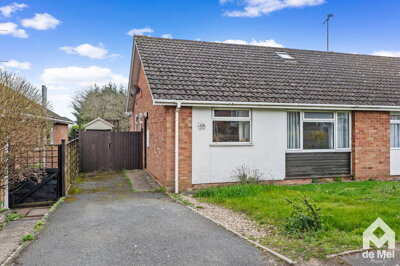
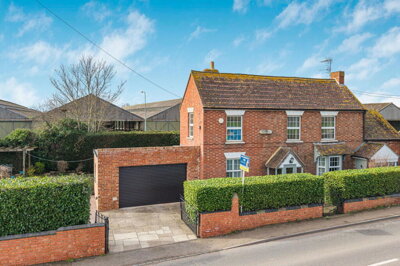
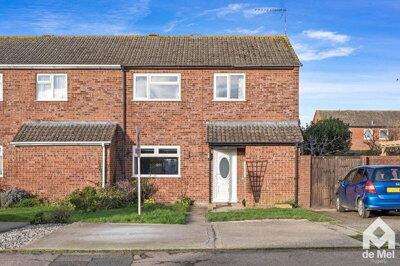
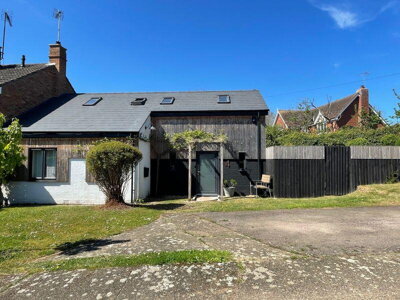
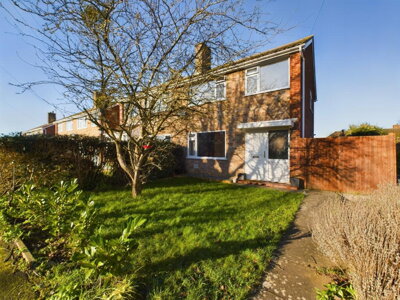
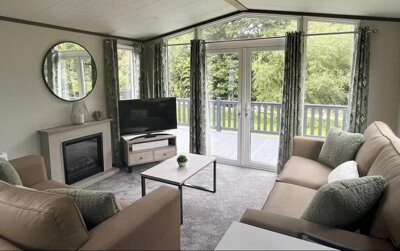
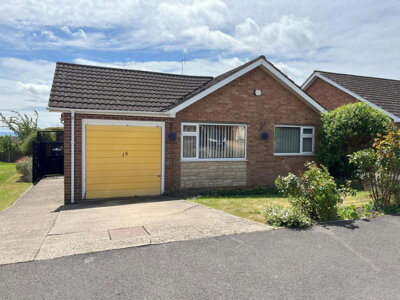
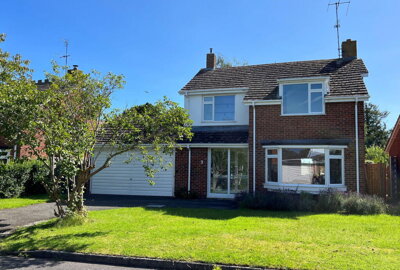
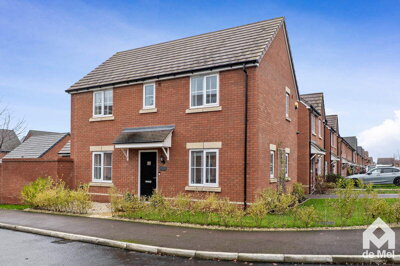
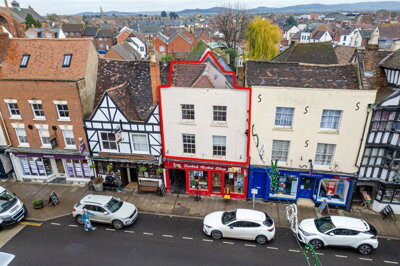
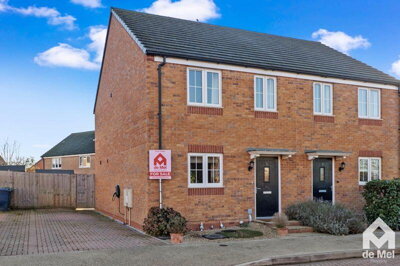
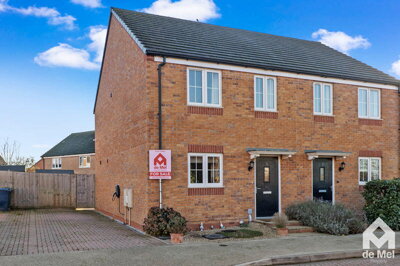
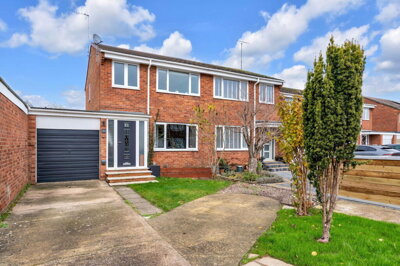
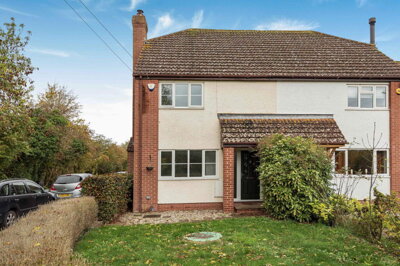
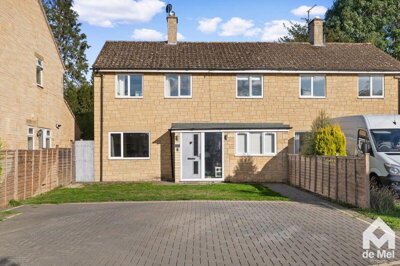
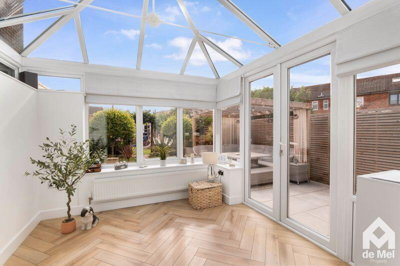
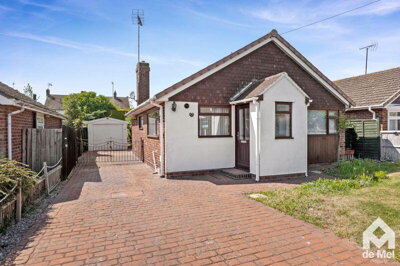
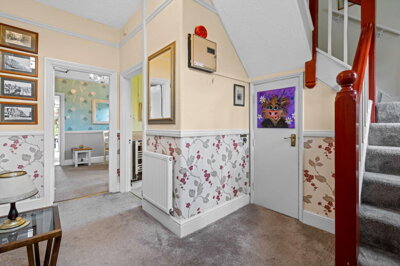
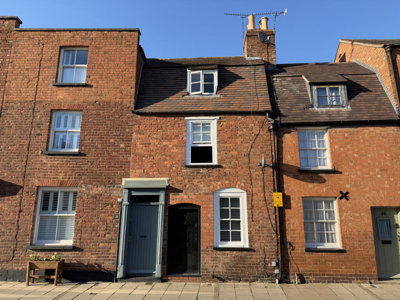
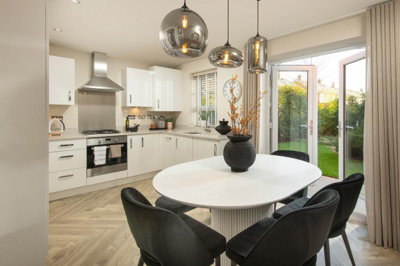
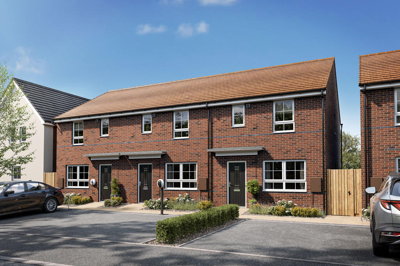
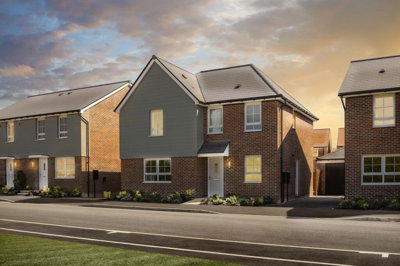
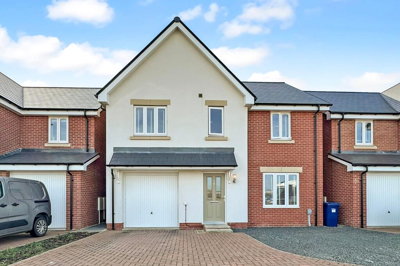
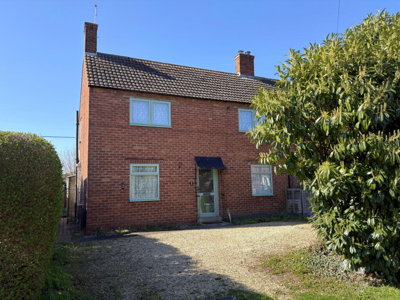
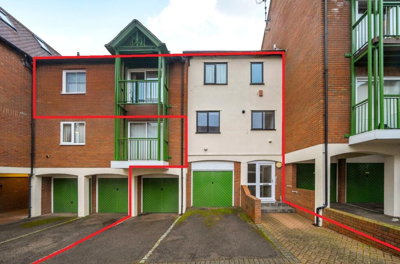
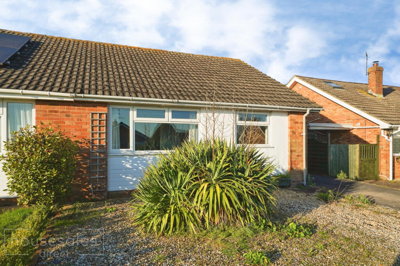
Browse 276 homes for sale in Bredon, Wychavon from local estate agents.
The Bredon property market offers detached, semi-detached, and terraced houses spanning various price ranges and neighbourhoods. Each listing includes detailed property information, photographs, and direct contact with the marketing agent.
£560k
13
0
95
Source: home.co.uk
Showing 13 results for Houses for sale in Bredon, Wychavon. The median asking price is £560,000.
Source: home.co.uk
Detached
9 listings
Avg £683,333
Semi-Detached
3 listings
Avg £330,000
Terraced
1 listings
Avg £225,000
Source: home.co.uk
Source: home.co.uk
The Tatworth and Forton property market offers a compelling mix of traditional Somerset homes and contemporary new-build options. Detached properties command the highest average prices at £414,889, reflecting strong demand for family homes with generous gardens and rural views. Semi-detached properties provide more accessible entry points at around £262,857, while terraced homes average £301,450, offering character and practicality for first-time buyers and downsizers alike. The market has demonstrated consistent growth, with prices in Tatworth Street alone surging 107% compared to the previous year, indicating heightened buyer interest in specific micro-locations within the parish.
New development activity is reshaping the area significantly. Tilia Homes is currently building at Snowdon Grange (formerly Tatworth Park) on Forton Road, offering four-bedroom family homes from £450,000. Further along Tatworth Road, Summerfield Developments is constructing 94 new homes including a mix of one-bedroom flats and two, three, and four-bedroom houses, with 19% allocated as affordable housing. Persimmon Homes South West is delivering 236 dwellings on land between Tatworth Road and Forton Road, with 35% affordable units, representing the largest current development in the area. For those seeking character properties, the brownfield Poppe Works site on Axminster Road offers four individual homes with guide prices from £225,000.
The local market benefits from ongoing investment through the Chard Eastern Development Area, which is earmarking 17 hectares of employment land to support economic growth in the region. This infrastructure investment is expected to attract new businesses and residents to the wider area, potentially supporting property values over the coming years. With 396 properties having sold over the last decade, transaction volumes demonstrate consistent buyer interest in this corner of South Somerset.

Tatworth and Forton embodies the best of Somerset village life, combining agricultural heritage with modern convenience. The population has grown steadily from 2,660 in 2011 to 2,736 by the 2021 Census, reflecting the area's growing appeal among buyers seeking rural lifestyles without complete isolation. The local economy centres on skilled trades occupations, which employ 20.2% of residents, followed by professional roles at 12.6%. The strong showing of managers and senior officials at 10.9% indicates a community of experienced professionals who have chosen to put down roots in this picturesque corner of South Somerset. Elementary occupations and process plant work each account for 11.7%, demonstrating economic diversity within the parish.
The built environment reflects centuries of Somerset tradition. Period stone-built properties date from at least the 16th century, with some structures originating around 1800, including a former corn mill that stands as testament to the village's agricultural history. Construction typically features roughcast over rubble or roughcast over rubble and cob, with thatched roofs gracing some historic buildings. Manor Farmhouse in Forton holds Grade II* listed status, while numerous properties including Dairs Barton, Chardstock House, Evenlode, and Parrock's Lodge carry Grade II designation. These heritage buildings contribute to the distinctive character that makes Tatworth and Forton such a desirable place to call home.
The parish offers essential everyday amenities including a village shop, pub, and community facilities, with more extensive shopping and services available in nearby Chard. Local clubs and societies cater to various interests, from horticulture to arts, fostering the strong community spirit that defines village life here. The surrounding countryside provides excellent walking and cycling opportunities, with footpaths crossing farmland and countryside towards nearby villages. Annual events including fetes and seasonal celebrations bring the community together, creating the kind of atmosphere that newcomers often find makes Tatworth and Forton feel like home within weeks of moving.

Families considering a move to Tatworth and Forton will find educational provision accessible within the surrounding South Somerset area. Primary-aged children typically attend schools in nearby Chard, with several good options within easy commuting distance. The local community benefits from village-focused primary education at nearby establishments, while secondary education is provided through Chard's comprehensive schools and grammar options. Parents are advised to research specific catchment areas and admission policies, as these can influence school allocation significantly and vary by property location within the parish.
For sixth form and further education, students have access to Colyton Grammar School and other sixth form colleges in the wider region. Colyton Grammar has built a strong reputation for academic achievement, regularly sending students to top universities across the country. Other nearby options include schools in Axminster and Crewkerne, providing families with flexibility in their educational choices. The presence of strong educational institutions in the surrounding area enhances Tatworth and Forton's appeal to families with children of all ages.
When purchasing period properties in the parish, particularly those near historic buildings or within proximity to listed structures, buyers should factor in potential school route considerations and transport requirements. New developments in the area are expected to increase patronage of local facilities, which may drive future improvements to educational provision in the community. For families with younger children, checking current Ofsted ratings and understanding how catchment boundaries might affect your options should be part of your property search process. Schools in the Chard area generally perform well, with several primary schools rated Good by Ofsted in recent inspections.
Tatworth and Forton benefits from its position near the A358 and B3162, providing road connections to Chard, Axminster, and the wider Somerset and Devon countryside. The A358 links the village to Taunton to the north-east, connecting with the M5 motorway for journeys to Bristol, Exeter, and beyond. Forton Road and Tatworth Road form the main internal routes through the parish, with the Persimmon development situated to deliver the first phase of Chard's eastern relief road, which should improve traffic flow as the area grows. Traffic management improvements are particularly welcome given the increased development activity in the area.
Public transport options include bus services connecting Tatworth with Chard and surrounding villages, providing essential connectivity for those without private vehicles. Bus routes serve daily travel needs for shopping, appointments, and social activities, though timing and frequency should be verified for specific routes. Rail access is available at Axminster station (approximately 8 miles distant) on the West of England Line, offering direct services to Exeter, Bristol, and London Waterloo. Crewkerne station provides another regional rail option with connections to the West Country and beyond. For commuters working in major cities, the strategic road network makes day-trips and weekly commuting feasible from this location.
Local cycling infrastructure is developing, though the hilly Somerset terrain requires reasonable fitness for recreational and utility cycling. The network of country lanes offers scenic routes for cycling enthusiasts, while dedicated cycle paths in nearby Chard provide safer options for everyday travel. For those working from home, fast broadband is increasingly available across the parish, supporting the growing trend for remote working that has made rural locations more attractive to professionals. The combination of transport options makes Tatworth and Forton practical for those who need to commute occasionally while enjoying the benefits of countryside living.
Understanding local construction methods is essential when buying property in Tatworth and Forton, where a significant proportion of housing dates from before 1919. Traditional properties in the area were typically built using roughcast over rubble or roughcast over rubble and cob construction techniques. Roughcast involves applying a mixture of lime, sand, and gravel to exterior walls, providing weather resistance while allowing the structure to breathe. Rubble and cob construction uses local stone and earth-based materials, creating thick walls with excellent thermal mass but potentially different maintenance requirements compared to modern brick-built properties.
Many historic properties feature thatched roofing, which requires specialist knowledge for maintenance and insurance purposes. Thatch can provide excellent insulation and character, but buyers should arrange surveys from contractors experienced with traditional roofing materials. The presence of thatch often indicates a property of considerable age and historical significance, potentially adding to both its charm and its maintenance responsibilities. Properties with original thatch may have been re-thatched in recent years using modern materials that replicate the traditional appearance while offering improved durability.
The local geology creates specific considerations for property buyers. The area sits on bedrock of sandstone (Upper Greensand Formation), with clay deposits beneath the greensand identified in borehole logs across the region. Upper Greensand is porous and absorbs water, while the underlying clay can be susceptible to shrink-swell movement during dry periods and swelling when saturated. These ground conditions mean that foundations on properties of all ages should be inspected carefully, particularly for any signs of cracking or movement that might indicate foundation subsidence or heave.
Properties built before the introduction of modern building regulations may have been constructed with materials now considered unsuitable, including lead pipes, galvanized steel plumbing, and early electrical systems that do not meet current standards. Lead and galvanized pipes can affect water quality and may be prone to failure, while old wiring represents both a safety concern and a potential renovation cost. Buyers budgeting for older properties should factor in the likelihood of needing to update or replace these systems within the first few years of ownership.
Flood risk is a significant consideration for property buyers in Tatworth and Forton, where flash flooding and surface water flooding have affected multiple areas. Historical flooding has occurred around Fore Street, Station Road, Factory Lane, and Lower Coombses in Tatworth, primarily from surface water running downhill across fields during heavy rainfall. Forton has also experienced flooding, with surface water runoff from neighbouring fields and some flooding from the Forton Brook causing problems in the past. The area has a network of smaller streams and drainage ditches rather than main rivers, but water can accumulate quickly during intense rainfall events.
The River Axe catchment includes the Coombses, Tatworth, and South Chard areas, meaning that water from this catchment can affect properties during significant rainfall events. Properties on lower ground or at the bottom of slopes are particularly vulnerable to surface water accumulation. Buyers should ask vendors about any known flooding history and check whether the property has been affected in previous incidents. Flood insurance costs can be higher in areas with a known flooding history, so this should be factored into the overall cost of purchase.
The parish council has taken proactive steps to manage flood risk in the community. Initiatives include creating shallow swales and leaky woody dams in Jubilee Field to slow runoff onto School Lane, demonstrating local commitment to managing water flow. However, individual properties may still be at risk during extreme weather events, and buyers should assess the specific location and topography of any property they are considering. A thorough property survey can identify potential drainage issues and suggest improvements that might reduce flood risk.
Explore current listings in Tatworth and Forton to understand available properties, price ranges, and neighbourhood characteristics. With detached homes averaging £414,889 and semi-detached properties around £262,857, knowing your budget will help narrow your search effectively. Register with local estate agents and set up property alerts to stay informed about new listings as they come to market.
Before arranging viewings, approach lenders to secure an agreement in principle. This demonstrates your purchasing capacity to sellers and estate agents, strengthening your position when making offers in what can be a competitive local market. Having your financing arranged early shows sellers that you are a serious buyer ready to proceed quickly once an offer is accepted.
Visit multiple properties to compare condition, location, and potential. Pay particular attention to the age of the property, as many homes in Tatworth and Forton date from before 1919 and may require specialist surveys or renovation work. Take notes and photographs during viewings to help compare properties later and identify any potential concerns that warrant further investigation.
Given the prevalence of period properties and local geology featuring clay deposits, a professional survey is essential before purchasing. RICS Level 2 surveys typically cost between £376 and £930 depending on property value and size, identifying defects that might not be visible during viewings. For older properties built using traditional methods, consider whether a more detailed RICS Level 3 Building Survey might be appropriate to fully assess construction and condition.
Once your offer is accepted, appoint a solicitor to handle legal work including searches, contracts, and land registry checks. Flood risk searches are particularly important in Tatworth and Forton due to surface water flooding history. Your solicitor will also conduct local authority searches through South Somerset District Council and environmental searches to identify any issues affecting the property.
After all searches are satisfactory and finances are arranged, you will exchange contracts and pay your deposit. Completion typically follows within weeks, when you receive keys and take ownership of your new Tatworth and Forton home. Budget for additional costs including stamp duty, survey fees, solicitor charges, and moving expenses when planning your purchase.
Prospective buyers should carefully consider flood risk when viewing properties in Tatworth and Forton. Historical flooding has affected areas including Fore Street, Station Road, Factory Lane, and Lower Coombses, primarily from surface water running downhill across fields. The local geology, featuring Upper Greensand over clay, creates potential for shrink-swell movement that can affect foundations over time. Parish council initiatives have created swales and leaky woody dams to manage water runoff from Jubilee Field onto School Lane, but buyers should investigate individual property flood history and consider appropriate insurance implications before committing to purchase.
The age of the housing stock requires careful scrutiny during purchase. Many properties are built using traditional methods such as roughcast over rubble or roughcast over rubble and cob, sometimes with thatched roofing. These construction types may lack modern damp-proof courses, making penetrating damp and rising damp more likely than in newer properties. Electrical and plumbing systems in period properties often require updating to current standards, representing additional costs beyond the purchase price. The presence of listed buildings in the parish means some properties will have restrictions on alterations, requiring specialist surveys and Listed Building Consent for significant works.
Energy efficiency in older properties should be assessed, as single-glazed windows and limited insulation are common in pre-1919 construction. Properties may have solid walls without cavity insulation, making them more expensive to heat than modern equivalents. However, many buyers find that the character and charm of period properties outweigh ongoing energy costs, particularly when combined with improvements such as secondary glazing or internal wall insulation that preserve the external appearance. A RICS Level 2 survey will identify areas where energy efficiency improvements might be worthwhile.
The average house price in Tatworth and Forton is £338,231 according to recent market data. Property types vary significantly in price, with detached homes averaging £414,889, terraced properties at £301,450, and semi-detached homes around £262,857. Prices have risen 10% over the past year and are currently 3% above the 2023 peak of £332,164, indicating a healthy and growing market that has shown resilience despite wider economic conditions.
Tatworth and Forton falls under South Somerset District Council for council tax purposes. Property bands depend on the assessed value of individual homes, ranging from Band A for properties valued up to £40,000 through to Band H for homes exceeding £320,000. You can check specific band details on the Valuation Office Agency website using the property address, or your solicitor can confirm the council tax band during the conveyancing process.
Primary-aged children in Tatworth and Forton typically attend schools in nearby Chard and the surrounding South Somerset area. Several good primary schools serve the local community, with secondary options including comprehensive schools in Chard and grammar schools such as Colyton Grammar in the wider region. You should verify current Ofsted ratings and admission catchment areas, as these can change and vary by property location within the parish. Schools including those in Chard generally perform well, with several rated Good by Ofsted in recent inspections.
Bus services connect Tatworth with Chard and surrounding villages, providing regular public transport options for daily travel. The nearest railway stations are at Axminster (approximately 8 miles) on the West of England Line, offering services to Exeter, Bristol, and London Waterloo, and Crewkerne station also within reasonable distance. Road connections via the A358 and B3162 provide access to the M5 motorway for regional and national travel, making this a practical location for those who need to commute occasionally while enjoying countryside living.
Tatworth and Forton offers solid investment potential given its 10% price increase over the past year and ongoing development activity. The Chard Eastern Development Area (CEDA) is bringing 17 hectares of employment land and hundreds of new homes to the area, which should support long-term demand and potentially increase property values. New builds from major developers including Tilia Homes and Persimmon are attracting buyers to the area, while period properties appeal to those seeking character homes with historical features.
Stamp Duty Land Tax (SDLT) rates from April 2025 are 0% on the first £250,000 of residential property, 5% between £250,001 and £925,000, 10% between £925,001 and £1,500,000, and 12% on any amount above £1,500,000. First-time buyers receive relief on the first £425,000, paying 5% between £425,001 and £625,000 with no relief above that threshold. Given that the average property price in Tatworth and Forton is £338,231, most buyers would pay SDLT of approximately £4,411 on a typical home.
Tatworth and Forton does experience surface water flooding during heavy rainfall, with historical problems affecting areas including Fore Street, Station Road, Factory Lane, Lower Coombses, and parts of Forton. The parish council has implemented drainage improvements including swales and dams to manage runoff, but buyers should investigate individual property flood history and obtain specialist flood risk searches. Properties in lower-lying areas or at the bottom of slopes carry higher flood risk and may face increased insurance premiums. Your solicitor should arrange a drainage and water search as part of the conveyancing process.
For most properties in Tatworth and Forton, a RICS Level 2 Survey provides thorough inspection of accessible areas and identifies defects in condition, construction, and services. Given that much of the local housing stock dates from before 1919, a more detailed RICS Level 3 Building Survey may be appropriate for period properties with traditional construction methods. Listed buildings may require specialist surveys due to their unique construction and the regulations governing their maintenance and alteration. Survey costs typically range from £376 for properties under £200,000 to £930 for homes above £600,000.
Purchasing a property in Tatworth and Forton involves several costs beyond the purchase price. Stamp Duty Land Tax (SDLT) applies based on the property value, with standard rates starting at 0% for the first £250,000, rising to 5% on the portion between £250,001 and £925,000. Given that the average property price is £338,231, most buyers would pay SDLT on the amount above £250,000, which would be approximately £4,411. First-time buyers purchasing properties up to £425,000 pay no SDLT, offering meaningful savings for those eligible.
Additional purchase costs include solicitor fees for conveyancing, typically ranging from £500 to £1,500 depending on complexity and whether the property is freehold or leasehold. Search fees through the local authority (South Somerset District Council) usually cost between £200 and £300, with additional environmental and drainage searches typically £100-£200. A mortgage arrangement fee, if applicable, can add £500 to £2,000 to costs, though many lenders now offer products without arrangement fees.
Survey costs vary significantly based on property value and type, with RICS Level 2 surveys for properties under £200,000 starting from around £376, while homes above £600,000 can cost £930 or more. For period properties with traditional construction, you may wish to budget for a more detailed RICS Level 3 Building Survey. Buyers should also budget for removal costs, potential renovation works, and the cost of setting up utilities and services in their new home. Building insurance should be in place from the date of exchange, and life insurance and contents cover should be arranged before completion.
Properties for Sale In London

Properties for Sale In Plymouth

Properties for Sale In Liverpool

Properties for Sale In Glasgow

Properties for Sale In Sheffield

Properties for Sale In Edinburgh

Properties for Sale In Coventry

Properties for Sale In Bradford

Properties for Sale In Manchester

Properties for Sale In Birmingham

Properties for Sale In Bristol

Properties for Sale In Oxford

Properties for Sale In Leicester

Properties for Sale In Newcastle

Properties for Sale In Leeds

Properties for Sale In Southampton

Properties for Sale In Cardiff

Properties for Sale In Nottingham

Properties for Sale In Norwich

Properties for Sale In Brighton

Properties for Sale In Derby

Properties for Sale In Portsmouth

Properties for Sale In Northampton

Properties for Sale In Milton Keynes

Properties for Sale In Bournemouth

Properties for Sale In Bolton

Properties for Sale In Swansea

Properties for Sale In Swindon

Properties for Sale In Peterborough

Properties for Sale In Wolverhampton

Enter your details to see if this property is within your budget.
Loans, cards, car finance
Estimated property budget
Borrowing + deposit
You could borrow between
Typical borrowing
Monthly repayment
Est. at 4.5%
Loan-to-value
This is an estimate only. Your actual budget may vary depending on interest rates, credit history, and personal circumstances. For an accurate affordability assessment, speak to one of our free mortgage advisors.
This calculator provides estimates for illustrative purposes only and does not constitute financial advice. Your home may be repossessed if you do not keep up repayments on your mortgage. Estimates based on 4.5% interest rate, repayment mortgage. Actual rates depend on your circumstances.
Homemove is a trading name of HM Haus Group Ltd (Company No. 13873779, registered in England & Wales). Homemove Mortgages Ltd (Company No. 15947693) is an Appointed Representative of TMG Direct Limited, trading as TMG Mortgage Network, which is authorised and regulated by the Financial Conduct Authority (FRN 786245). Homemove Mortgages Ltd is entered on the FCA Register as an Appointed Representative (FRN 1022429). You can check registrations at NewRegister or by calling 0800 111 6768.

We use cookies to show you personalised content and improve your experience of our website. Find out more in our Privacy policy and Cookie policy.