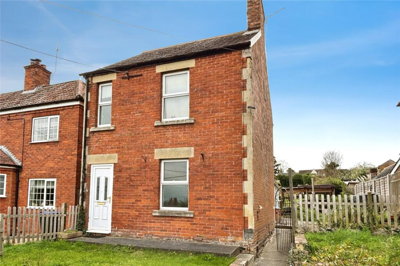
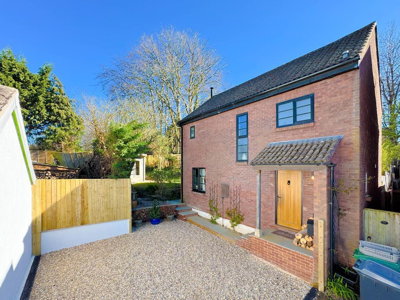
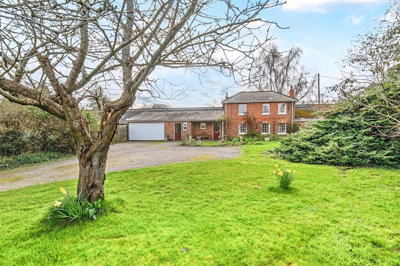
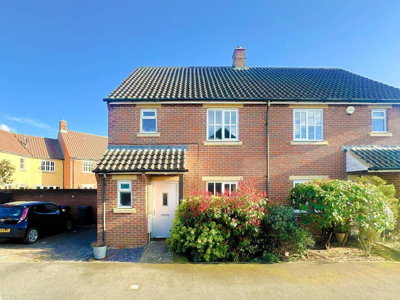
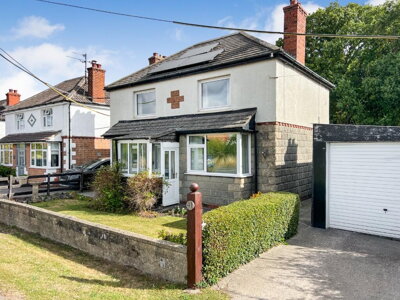
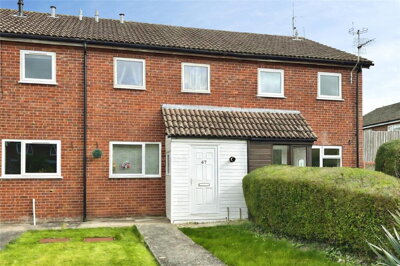
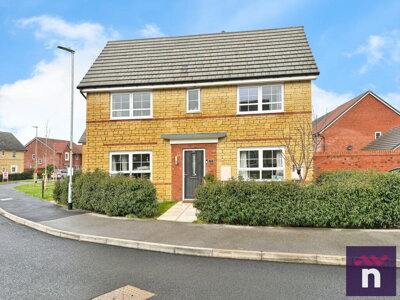
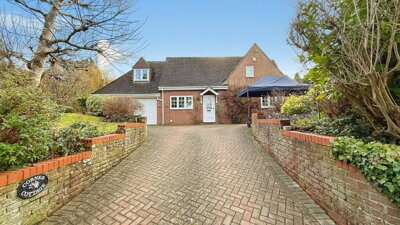
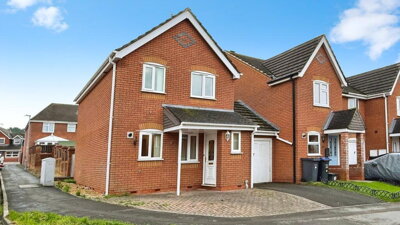
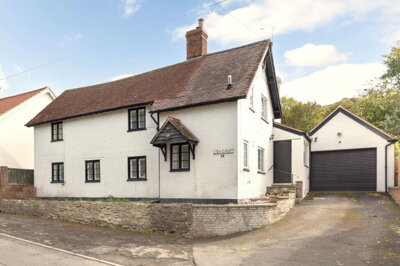
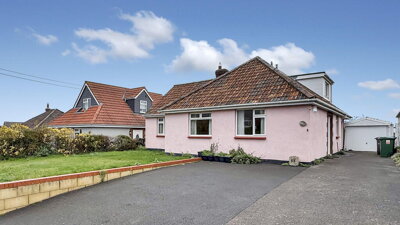
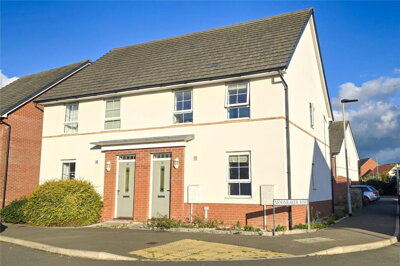
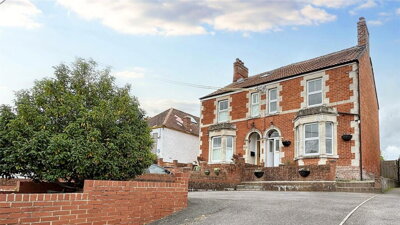
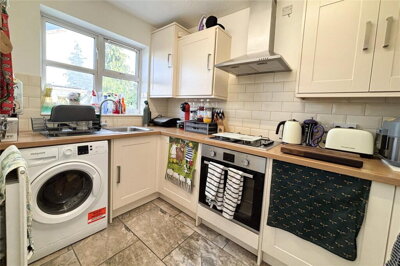
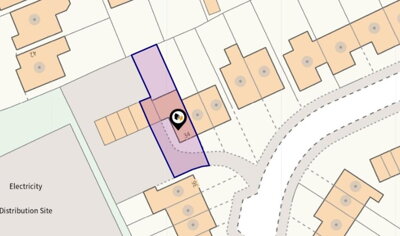
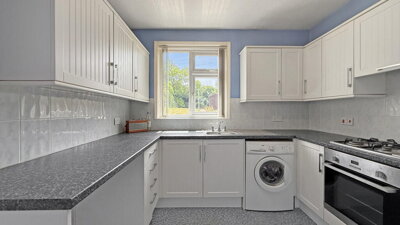
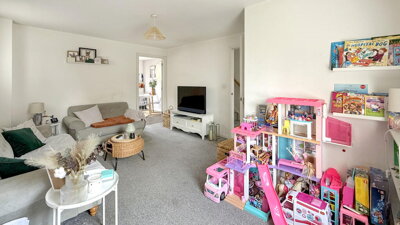
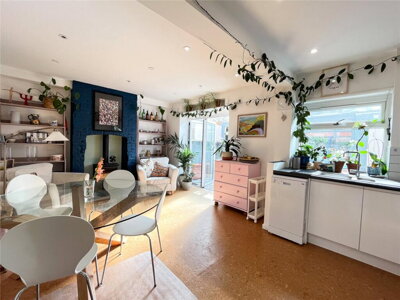
Browse 21 homes for sale in Bratton, Wiltshire from local estate agents.
Three bedroom properties represent a significant portion of the Bratton housing market, offering space for families with multiple reception rooms and gardens in many cases. Browse detached, semi-detached, and terraced options ranging from period character homes to contemporary developments.
£487k
4
2
19
Source: home.co.uk
Showing 4 results for 3 Bedroom Houses for sale in Bratton, Wiltshire. 2 new listings added this week. The median asking price is £487,000.
Source: home.co.uk
Detached
3 listings
Avg £516,333
Terraced
1 listings
Avg £395,000
Source: home.co.uk
Source: home.co.uk
The Bratton property market reflects the village's status as a desirable commuter location in Wiltshire. Our data shows current average prices of approximately £419,000, though sold prices over the past 12 months average around £309,950, indicating some correction in the market following the 2021 peak of £475,665. Property prices have softened by around 15-20% from their recent highs, which may benefit buyers looking to enter this sought-after village market. The market adjustment follows national trends but has been more pronounced in certain property types. Streets such as The Ball and Westbury Road have recorded multiple sales over the past year, demonstrating continued transaction activity despite broader market conditions.
Property types in Bratton span a diverse range to suit different buyer requirements. Detached homes command higher prices, averaging between £338,500 and £556,750 depending on size and condition, while semi-detached properties typically sell for £250,000 to £295,500. Terraced homes have averaged around £322,099, and a limited number of flats have been available at lower price points, with some recorded sales around £172,500. The 2011 Census indicates that Bratton has a high proportion of larger family homes, with over 38% of households featuring four bedrooms and only around 4% having just one bedroom. This housing profile makes the village particularly attractive to growing families seeking space.
New build activity continues to shape the local market. The White Horse Valley development offers 2, 3, and 4-bedroom homes from various developers including Barratt Homes and David Wilson Homes, with prices ranging from around £299,995 to £600,000 depending on specification and size. Ashford Homes is developing 31 houses north of Westbury Road and west of Court Orchard, including five shared ownership properties, seven affordable rent homes, and 19 open market plots. This mix of new and traditional housing stock provides options across different price points and buyer circumstances, from first-time buyers accessing shared ownership to families seeking larger detached homes.

Bratton offers an authentic Wiltshire village experience characterised by strong community spirit and beautiful natural surroundings. The village sits within the electoral division of Bratton, serving a population of approximately 1,171 residents according to the 2021 Census. The community maintains an owner-occupier character, with survey data indicating that over 91% of residents own their homes, reflecting the stability and permanence that defines village life here. The population includes a significant proportion of families and older residents, with 21.5% aged 65 and above, creating a balanced demographic that supports local services and community activities.
The village history dates back 6,000 years, with medieval structures like the 14th-century Court House and Norman-origin St James' Church standing as part of Bratton's long heritage. Historically, Bratton served as a key centre for wool production and was home to Bratton Iron Works, which operated until 1970 and represented the largest local employer during the mid-20th century. Post-World War II expansion brought housing development in the 1970s, creating the housing estates that now house several generations of families. This blend of historic and mid-20th century properties creates varied street scenes and architectural character throughout the village. The presence of Grade II listed buildings adds to the aesthetic appeal and historical significance of certain properties and locations within Bratton.
Local amenities support everyday needs without requiring travel to larger towns. The village primary school serves local families, while a village store combined with Post Office provides essential groceries and postal services. A traditional public house offers social gathering space and community events, and a doctor's surgery ensures healthcare access on the doorstep. The village geography places it on chalk downland with views across Salisbury Plain, offering excellent walking opportunities and access to the Wiltshire countryside. Bratton's position means residents can enjoy rural tranquility while remaining connected to employment centres in nearby towns including Westbury, Devizes, and beyond.

Education provision in Bratton centres on Bratton Primary School, which serves children from Reception through to Year 6. The school provides a foundation for families choosing to relocate to the village, with primary aged children able to walk to school rather than commute longer distances. For secondary education, pupils typically travel to schools in surrounding towns, with options including highly regarded comprehensive schools in the Westbury and Devizes areas. Parents should research current catchment areas and admission arrangements, as these can influence school placements and travel requirements for older children.
The village's demographic profile suggests strong family concentrations, with housing stock weighted heavily toward larger properties. Census data indicates that 38.8% of surveyed households had four bedrooms and 33.7% had three bedrooms, reflecting the family-oriented nature of the housing stock. This makes Bratton particularly attractive to families with children or those planning families, as properties typically offer sufficient space for growing households. The availability of larger homes at various price points provides flexibility for different family sizes and requirements. Properties along streets including The Butts and Westbury Road frequently feature the three and four-bedroom layouts that suit family life.
For sixth form and further education, students typically progress to institutions in nearby towns including Devizes School, which offers sixth form provision, or travel further to Salisbury, Bath, or Trowbridge for broader educational opportunities. The proximity to these larger towns means families are not limited to purely local options, although they do require planning for transport arrangements during secondary school years. Parents moving to Bratton should consider their children's educational journey across all phases when evaluating properties and planning school applications through the Wiltshire Council admissions process. Many families find that the short primary years in the village are followed by successful transitions to secondary schools in surrounding towns.
Bratton functions primarily as a commuter village, with residents working in nearby towns and cities while enjoying village-based living. The village lacks its own railway station, so commuters typically drive or bus to stations in surrounding towns. Westbury railway station, located approximately 3-4 miles from Bratton village centre, provides connections to destinations including Bath, Salisbury, Southampton, and London via the West of England Main Line. This makes Bratton viable for professionals working in major cities while maintaining a rural home base. Journey times from Westbury to London Paddington typically take around 90 minutes, making regular commuting feasible for those working in the capital.
Road connections serve daily commuting needs effectively. The A361 passes nearby, connecting Bratton to Devizes and providing routes toward Trowbridge and Frome. The village sits within reasonable driving distance of major road networks, making car travel viable for most daily requirements. However, the rural nature of Bratton means that owning a vehicle is practically essential for most residents, as local bus services serving smaller villages tend to be limited in frequency and operating hours. Families and individuals should factor in car ownership costs when budgeting for a move to the village. The Wiltshire Connect bus service provides some coverage but is designed primarily for essential journeys rather than daily commuting.
For cyclists and walkers, the surrounding Wiltshire countryside offers scenic routes through chalk downland and across Salisbury Plain. National Cycle Routes and local footpaths provide recreational opportunities and some practical routes to nearby villages. However, the distances involved in reaching employment centres mean cycling commuting is limited to those working locally rather than travelling to larger towns. The village's position on the northern escarpment of Salisbury Plain does create some challenging gradients for cycling, particularly when heading south toward the plain itself. Walking to local amenities within the village is practical for most residents, with the village store, school, and public house all accessible on foot from most residential areas.
Explore Bratton by visiting different streets and property types before committing. Visit at different times of day and speak to existing residents to understand the community atmosphere. Check local amenities, school catchments, and transport options to ensure the village matches your lifestyle requirements. Consider the character of different areas - properties near the historic centre around Court House and St James' Church offer different benefits compared to those on the newer 1970s estates or the White Horse Valley development.
Speak to a mortgage broker or lender to obtain an Agreement in Principle before viewing properties. This strengthens your position when making offers and demonstrates to sellers that you are a serious buyer with financing in place. Current rates mean many buyers can access competitive deals, so comparing options across multiple lenders is advisable. Given the price range in Bratton, most buyers will require a mortgage of between £250,000 and £500,000, and speaking to a specialist familiar with rural Wiltshire properties can help navigate any quirks with older or non-standard construction.
View multiple properties in Bratton to compare value, condition, and character. Note the differences between historic properties with period features and newer builds from developments like White Horse Valley. Ask about any planning restrictions, listed building status, or conservation area requirements that may affect your plans. Pay attention to the construction type - older properties may have solid walls lacking modern damp-proof courses, while newer homes typically offer better insulation but may have different maintenance profiles.
Before completing your purchase, arrange a RICS Level 2 Survey to assess the property condition. Given Bratton's mix of older properties including 14th-century buildings and 1970s housing estates, surveys can identify defects common to each era. For a standard 3-bedroom property in Bratton, survey costs typically range from £420-450, while larger or older homes may incur higher fees. Pre-1900 properties or those with non-standard construction often require additional specialist assessment time.
Choose a solicitor experienced in Wiltshire property transactions to handle the legal process. They will conduct local authority searches, check title deeds, and manage the transfer of ownership. For Bratton properties, searches should include Wiltshire Council records to check for any planning permissions, conservation area restrictions, or rights of way that may affect the property. Costs typically start from around £499 for standard transactions.
Once searches are satisfactory and financing is confirmed, you will exchange contracts and pay your deposit. Completion typically follows within weeks, after which you will receive the keys to your new Bratton home. Factor in Stamp Duty costs based on the purchase price and your buyer status - a typical property at £379,458 would attract SDLT of approximately £6,473 for standard buyers or £0 for qualifying first-time buyers.
Property buyers in Bratton should carefully assess several local-specific factors when evaluating properties. The village's geology places it on chalk downland and clay soils, meaning some properties may be susceptible to subsidence issues. Look for signs of cracking, uneven floors, or doors that do not close properly, which could indicate structural movement. The age of properties ranges from 14th-century buildings through 1970s estates to brand new developments, each with different construction methods and potential defect profiles. Older properties with solid walls may lack modern damp-proof courses and insulation, potentially leading to moisture issues and higher heating costs.
Listed building status affects a significant number of properties in Bratton, including St James' Church and the Court House. If purchasing a Grade II listed property, be aware that any alterations or renovations require Listed Building Consent from Wiltshire Council. This can limit renovation options and increase costs for specialist work. Factor these considerations into your offer and budget, and ensure your solicitor confirms the listed status of any property you are purchasing. Standard surveys may need to be supplemented with specialist assessments for historic properties, and budgeting an additional 20-40% for survey costs on older properties is prudent.
New build properties from developments like White Horse Valley offer modern construction standards including increased insulation, air source heat pumps, and electric car charging points. However, service charges and estate management fees may apply to some developments. When viewing newer properties, ask about leasehold versus freehold arrangements, annual service charges, and any planned development on adjacent land. Comparing new build prices against older properties on a like-for-like basis requires consideration of ongoing costs and the different maintenance profiles of new versus established homes.
Older properties across Bratton commonly present issues related to their construction era. Electrical systems in properties built before the 1970s may not meet current safety standards and could require updating. Plumbing in older homes sometimes still features lead pipework or galvanised steel pipes that should be replaced. Roof conditions on mid-20th century properties often require assessment, as original tiles and mortar have typically deteriorated over decades. Energy efficiency in older properties is generally lower than modern standards, meaning higher heating costs should be anticipated until insulation improvements are made.
Understanding the construction methods used in Bratton properties helps buyers appreciate the character and potential maintenance requirements of different homes. The village's oldest properties, dating from the medieval period through to the 19th century, typically feature traditional construction with local stone and brickwork. These solid-walled properties were built without the cavity spaces found in modern construction, meaning they require different approaches to insulation and damp proofing. The 14th-century Court House exemplifies traditional timber-framed construction with lime mortar pointing, requiring specialist maintenance approaches.
Properties built during the 20th century, particularly the housing estates developed in the 1970s, commonly feature brick external walls with cavity insulation, though this may have been added retrospectively rather than as original construction. These homes often incorporate concrete roof tiles rather than the natural slate or clay tiles used on older properties. Internal construction typically uses traditional brick or block partitions on timber joisted floors, though ground floors may feature concrete slabs. The age of these properties means that original windows, doors, and services will be approaching or past their expected lifespan.
New build properties at White Horse Valley and similar developments incorporate contemporary construction techniques designed to meet current Building Regulations standards. These typically include cavity wall insulation, modern damp-proof courses, and high-efficiency heating systems such as air source heat pumps. Many newer properties include provisions for electric vehicle charging and enhanced thermal performance standards. While these modern methods reduce ongoing maintenance compared to older properties, buyers should understand that new builds sometimes require a settling-in period during which minor defects become apparent.
The average house price in Bratton currently sits around £379,458, though our data shows current listings averaging £419,000 and recent sales averaging approximately £309,950 over the past 12 months. Prices have adjusted from the 2021 peak of £475,665, representing a decline of around 15-20%. Detached properties command the highest prices, typically ranging from £338,500 to £556,750, while semi-detached homes sell for £250,000 to £295,500 and terraced properties average around £322,099. The price correction has created opportunities for buyers who were previously priced out of this desirable village market.
Properties in Bratton fall under Wiltshire Council administration. Council tax bands vary by property based on valuation, with bands typically ranging from A through H depending on the property value. The village's mix of property types and ages means bands can vary significantly between neighbouring homes - a modest 1970s terraced home might fall in bands A or B, while a large detached period property could be band F or above. You can check the specific band for any property through the Valuation Office Agency website or your solicitor during conveyancing. Wiltshire Council sets the annual council tax rates based on these bandings, and band charges can be confirmed on the Wiltshire Council website.
Bratton Primary School serves the village and typically receives positive reviews from local families for its community-focused approach and quality teaching. The school accommodates children from Reception through Year 6, with most village children able to walk to school rather than requiring transport. For secondary education, pupils commonly travel to schools in surrounding towns, with options including Devizes School and other Wiltshire comprehensive schools. Parents should verify current admission arrangements and consider travel distances when evaluating schools, as catchment areas can influence placements. The village's housing stock with larger bedrooms makes it well-suited to families with children of various ages, and many households have multiple children attending schools in different year groups.
Public transport options in Bratton are limited due to its village location. Local bus services operate at reduced frequencies compared to urban areas, making private vehicle ownership practically essential for most residents. The Wiltshire Connect service provides some coverage but is designed primarily for essential journeys rather than daily commuting to work. The nearest railway station is Westbury, approximately 3-4 miles away, offering connections to Bath, Salisbury, Southampton, and London Paddington via the West of England Main Line. Road connections via the A361 and surrounding A-roads provide routes to Devizes, Trowbridge, and further afield. Commuters should factor in the need for car travel or car sharing when considering Bratton as a base, and those planning to commute by train regularly should check the availability of parking at Westbury station.
Bratton offers several factors that make it attractive for property investment. The village benefits from strong community bonds, attractive surroundings on Salisbury Plain, and proximity to growing towns including Westbury and Devizes. Owner-occupier rates exceed 91%, indicating stable long-term demand rather than high tenant turnover. New developments like White Horse Valley and the Ashford Homes site are adding housing stock while maintaining the village character. For long-term hold strategies, Bratton's desirable rural village status and limited housing supply suggest continued demand, though investors should note the recent 15-20% price correction from peak values. Properties in good condition within walking distance of village amenities typically hold their value well, and the limited supply of new housing in the village supports rental demand from those who cannot afford to purchase.
Stamp Duty Land Tax rates for 2024-25 apply as follows: 0% on purchases up to £250,000, 5% on the portion from £250,001 to £925,000, 10% on the portion from £925,001 to £1,500,000, and 12% on any amount above £1,500,000. First-time buyers receive relief on the first £425,000 at 0%, with 5% applying between £425,001 and £625,000. For a typical Bratton property averaging £379,458, a first-time buyer would pay no stamp duty, while a subsequent buyer would pay approximately £6,473. Your solicitor will calculate the exact amount based on your circumstances and purchase price, and the government website provides stamp duty calculators to estimate costs before making an offer.
From 4.5%
Finding the right mortgage for your Bratton purchase
From £499
Legal services for your property transaction
From £400
Professional property survey
From £85
Energy performance certificate
Understanding the full costs of purchasing property in Bratton requires careful budgeting beyond the purchase price itself. The current Stamp Duty Land Tax thresholds for 2024-25 set the zero-rate band at £250,000 for standard buyers, rising to £425,000 for first-time buyers. For a typical Bratton property priced around £379,458, first-time buyers would pay no SDLT while existing homeowners would face a bill of approximately £6,473. Properties priced above £925,000 see the higher rate bands apply, significantly increasing the SDLT burden for those purchasing premium Bratton homes.
Survey costs represent an important budget item, particularly given Bratton's diverse property age profile. A RICS Level 2 Survey typically costs between £400 and £550 for standard residential properties in the area, though larger homes, older properties, or those with non-standard construction may incur higher fees. For a typical 3-bedroom Bratton property, expect to pay around £420-450, while larger 4 or 5-bedroom homes could cost £495-559. Pre-1900 properties often require additional specialist assessment time, potentially adding 20-40% to survey costs. Given that many Bratton properties date from the 14th century through the 1970s, budgeting for thorough survey work is advisable to identify any defects before committing to purchase.
Conveyancing costs for property transactions in Bratton typically start from around £499 for standard purchases, covering legal work including local authority searches, title verification, and contract preparation. Additional costs may arise for leasehold properties, listed buildings, or transactions involving shared ownership arrangements like those available through the Ashford Homes development. Disbursements including Land Registry fees, search fees, and bankruptcy checks typically add several hundred pounds to the legal bill. Finance arrangement fees, valuation fees, and removal costs should also be factored into your total moving budget when purchasing in Bratton. Most buyers find that total buying costs, excluding Stamp Duty, typically amount to between £2,000 and £3,500 depending on property price and complexity.
Properties for Sale In London

Properties for Sale In Plymouth

Properties for Sale In Liverpool

Properties for Sale In Glasgow

Properties for Sale In Sheffield

Properties for Sale In Edinburgh

Properties for Sale In Coventry

Properties for Sale In Bradford

Properties for Sale In Manchester

Properties for Sale In Birmingham

Properties for Sale In Bristol

Properties for Sale In Oxford

Properties for Sale In Leicester

Properties for Sale In Newcastle

Properties for Sale In Leeds

Properties for Sale In Southampton

Properties for Sale In Cardiff

Properties for Sale In Nottingham

Properties for Sale In Norwich

Properties for Sale In Brighton

Properties for Sale In Derby

Properties for Sale In Portsmouth

Properties for Sale In Northampton

Properties for Sale In Milton Keynes

Properties for Sale In Bournemouth

Properties for Sale In Bolton

Properties for Sale In Swansea

Properties for Sale In Swindon

Properties for Sale In Peterborough

Properties for Sale In Wolverhampton

Enter your details to see if this property is within your budget.
Loans, cards, car finance
Estimated property budget
Borrowing + deposit
You could borrow between
Typical borrowing
Monthly repayment
Est. at 4.5%
Loan-to-value
This is an estimate only. Your actual budget may vary depending on interest rates, credit history, and personal circumstances. For an accurate affordability assessment, speak to one of our free mortgage advisors.
This calculator provides estimates for illustrative purposes only and does not constitute financial advice. Your home may be repossessed if you do not keep up repayments on your mortgage. Estimates based on 4.5% interest rate, repayment mortgage. Actual rates depend on your circumstances.
Homemove is a trading name of HM Haus Group Ltd (Company No. 13873779, registered in England & Wales). Homemove Mortgages Ltd (Company No. 15947693) is an Appointed Representative of TMG Direct Limited, trading as TMG Mortgage Network, which is authorised and regulated by the Financial Conduct Authority (FRN 786245). Homemove Mortgages Ltd is entered on the FCA Register as an Appointed Representative (FRN 1022429). You can check registrations at NewRegister or by calling 0800 111 6768.

We use cookies to show you personalised content and improve your experience of our website. Find out more in our Privacy policy and Cookie policy.