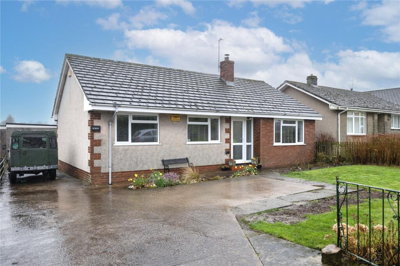
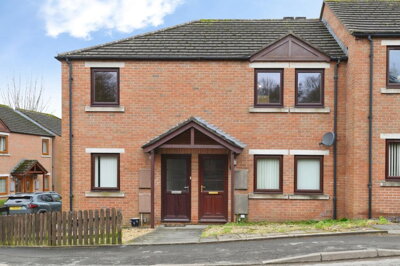
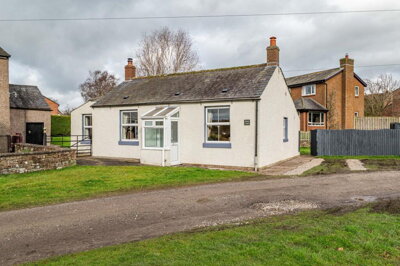
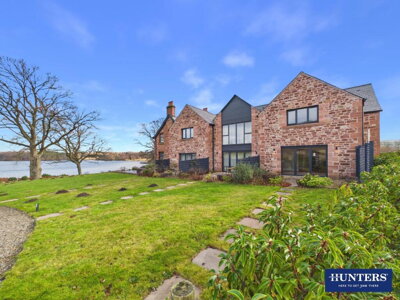
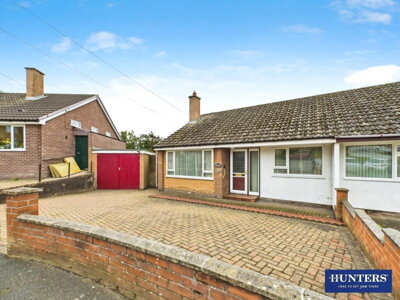
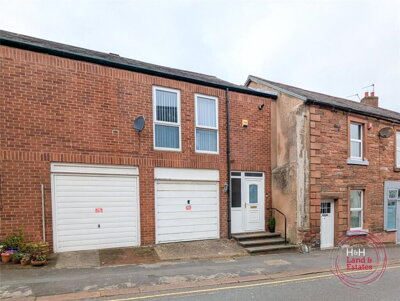
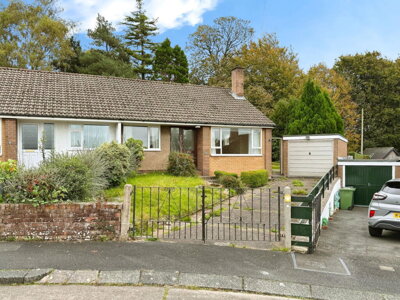
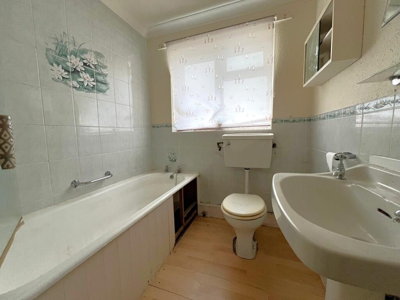
Browse 14 homes for sale in Brampton, Cumberland from local estate agents.
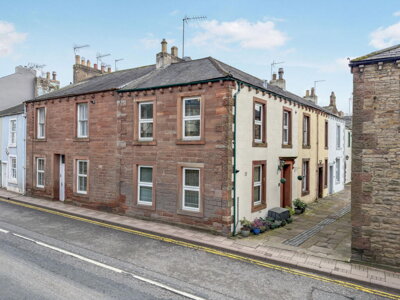
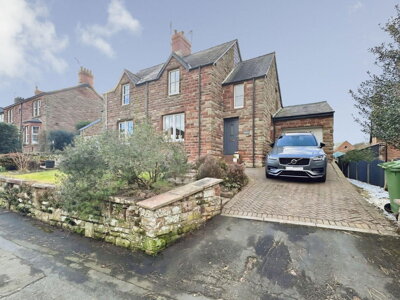
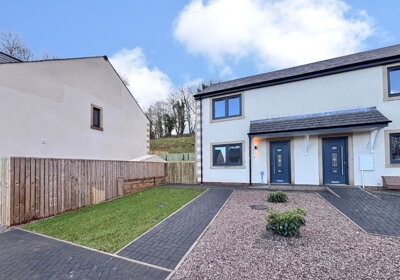
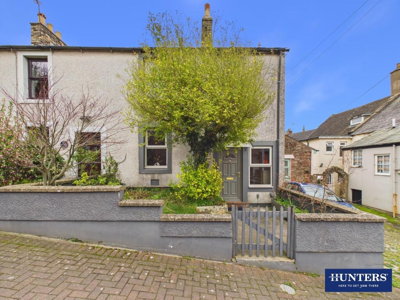
The 2 bed house market features detached, semi-detached, and terraced properties with two separate bedrooms plus living spaces. Properties in Brampton range from Victorian and Edwardian period homes to modern new builds, with pricing varying across different neighbourhoods.
£205k
1
0
13
Source: home.co.uk
Showing 1 results for 2 Bedroom Houses for sale in Brampton, Cumberland. The median asking price is £205,000.
Source: home.co.uk
Semi-Detached
1 listings
Avg £205,000
Source: home.co.uk
Source: home.co.uk
The Brampton property market has demonstrated remarkable resilience and growth in recent years. House prices in the area have risen by 24% compared to the previous year, with the overall average sale price reaching £262,163 according to recent data from Zoopla. This significant appreciation reflects increasing buyer interest in Cumbrian market towns offering excellent value compared to larger urban centres, while maintaining strong transport connections to Carlisle and beyond. Detached properties command the highest prices, averaging £379,281, making them ideal for families seeking generous living space and gardens in a semi-rural setting.
Property types in Brampton span a wide spectrum to suit various budgets and lifestyles. Semi-detached homes, which reflect the broader Cumbrian pattern where 33.8% of households live in this configuration, average around £245,813. Terraced properties, often featuring the charming sandstone construction typical of the area, offer more affordable entry points at approximately £173,542. Flats in Brampton average £92,250, representing a practical option for first-time buyers or those seeking a low-maintenance lifestyle in the town centre.
Several new build developments are shaping the future of housing in and around Brampton. Story Homes is progressing with Phase 2 of Winchester Place on the south side of Carlisle Road, proposing 219 new homes including 65 affordable units. Meanwhile, Castles and Coasts Housing Association received planning approval in October 2024 for 60 affordable homes at Greenhill, comprising bungalows and houses ranging from two to four bedrooms. These developments are expanding housing choice while maintaining the town's character through requirements for traditional materials like sandstone and Welsh slate roofing. Additionally, Citadel Homes has completed The Dell in nearby Talkin Village, offering six luxury properties including two houses and four bungalows with high specification finishes.
Beyond these major developments, Castle Vale Homes has delivered a collection of two and three-bedroom houses in Brampton village, while Citadel's bespoke Fenton development in Hayton Parish is nearing completion. These newer properties often incorporate traditional materials specified in local planning requirements, including buff stone, cream rendered walls, and Welsh slate roofs that complement the established vernacular while meeting modern standards for energy efficiency and insulation.

Life in Brampton revolves around its vibrant town centre, where independent shops, traditional pubs, and essential services create a welcoming community atmosphere. The town has long served as a market centre for the surrounding agricultural hinterland, and this heritage continues today with weekly markets and local events that bring residents together throughout the year. The conservation area, established in 1973 and expanded in 2003, protects the special architectural character of Front Street, Main Street, and Craw Hall, ensuring that new development complements rather than overwhelms the historic streetscape.
The local economy benefits from employers like WCF, a retail, logistics, and leisure company headquartered in Brampton with over 370 employees across more than 30 UK locations. This significant employer provides stable jobs across various sectors, supporting the local housing market and community services. Beyond WCF, job opportunities span logistics, healthcare, education, hospitality, and retail, with roles including school teaching assistants, care workers, chefs, and retail assistants reflecting the diverse employment landscape of a thriving Cumbrian market town. The Cumbria Education Trust also provides administrative employment locally, handling HR and payroll functions for schools across the region.
The surrounding countryside offers exceptional recreational opportunities, with proximity to Hadrian's Wall, the North Pennines Area of Outstanding Natural Beauty, and the Lake District National Park all within easy reach. Residents enjoy walking, cycling, and exploring the dramatic Border landscape, while local amenities include sports facilities, community groups, and cultural attractions that cater to all ages. The River Gelt flows to the south of Brampton, offering scenic walks and outdoor activities, while the nearby River Irthing and its surrounding farmland create attractive rural landscapes. The combination of rural tranquility and practical accessibility makes Brampton particularly attractive to families, retirees, and professionals seeking an alternative to city living without sacrificing convenience or community spirit.
Education provision in Brampton serves families with children of all ages, with primary and secondary schools within the town itself or in nearby villages. Brampton Primary School has served the community for many years, providing foundational education for young learners in a supportive environment that reflects the close-knit nature of the town. For secondary education, students typically travel to schools in Carlisle or nearby market towns, with transport links making this practical for families who choose to remain in Brampton while accessing a wider range of educational options.
The broader Cumbria Education Trust supports schools across the region, with administrative functions including HR and payroll operations handled from locations accessible to Brampton residents. Parents researching schools should consult Ofsted reports and performance data to identify the best fit for their children's needs, as ratings and provision can vary across the area. The presence of sixth form colleges and further education institutions in nearby Carlisle provides progression pathways for students completing their secondary education in the Brampton area.
For families considering property purchases in Brampton, understanding school catchment areas is essential as these can significantly influence property values and community dynamics. Properties within desirable school catchments often command premium prices, and rental demand remains consistently strong near well-performing schools. Visiting local schools, speaking with headteachers, and reviewing recent exam results and Ofsted inspections should form part of any family's due diligence when searching for a home in this area.
Brampton enjoys excellent road connections that make car travel straightforward for residents. The A69 trunk road passes close to the town, providing a direct route to Newcastle upon Tyne to the east and connecting to the M6 motorway near Carlisle to the north. This strategic position means that Newcastle can typically be reached in under an hour, while Carlisle itself is approximately 20 minutes away by car. The A6071 runs through Brampton itself, connecting towards the Scottish border region and offering access to the picturesque Borderlands.
Public transport options include bus services connecting Brampton to Carlisle and other nearby towns, though frequencies may be limited compared to urban areas. For commuters requiring rail access, the nearest railway stations are located in Carlisle, offering connections on the West Coast Main Line to London, Glasgow, Manchester, Birmingham, and numerous other destinations. Carlisle station provides intercity services and regional connections, making it practical for regular commuters to travel to major cities while enjoying the lower housing costs and quality of life offered by a Cumbrian market town.
For those who drive, parking in Brampton town centre is generally straightforward with public car parks available, though the historic street layout means that some roads can become congested during market days and peak periods. Cycling infrastructure continues to develop in the area, with the scenic countryside providing excellent opportunities for recreational cycling and longer distance routes connecting to the national cycle network. The proximity to the North Pennines also attracts mountain bikers and outdoor enthusiasts, adding to the area's appeal as a place to live for those who value active lifestyles and access to natural beauty.
Spend time exploring Brampton's different neighbourhoods, from the conservation area around Front Street to newer developments near Carlisle Road. Consider your commute requirements, school catchment areas, and proximity to amenities before narrowing your search. The area's position within the Brampton kame belt geology means different neighbourhoods may have varying ground conditions worth understanding.
Contact lenders or brokers to obtain an agreement in principle before viewing properties. This strengthens your position when making offers and demonstrates to sellers that you have financing secured. Brampton properties, with average prices around £243,756, may be accessible with smaller deposits than properties in major cities, and current interest rates make borrowing more affordable for first-time buyers entering the market.
Use Homemove to browse all available properties in Brampton and arrange viewings through listed estate agents. Take notes on property conditions, ask about construction materials (many homes feature sandstone walls and slate roofs), and note any potential concerns for follow-up surveys. Pay particular attention to the condition of stonework pointing and render which can deteriorate over time in the Cumbrian climate.
Before completing your purchase, arrange a thorough survey of the property. Given Brampton's significant stock of older properties with solid wall construction, a Level 2 survey is particularly valuable for identifying common issues including dampness, roof defects, structural concerns, and potential problems related to the area's mining history. The survey will also assess any flood risk indicators from proximity to Brampton Beck.
Choose a conveyancing solicitor with experience in Cumbrian property transactions to handle legal work including searches, contracts, and registration. Your solicitor will coordinate with the seller's legal team and manage the transfer of funds on completion. For properties in conservation areas or listed buildings, ensure your solicitor has experience with the additional considerations these designations require.
Once all searches are satisfactory and financing is confirmed, your solicitor will exchange contracts and agree a completion date. On completion day, the remaining funds are transferred and you receive the keys to your new Brampton home. Allow time for utilities transfer and any immediate repairs identified in your survey report.
Properties in Brampton require careful assessment due to the area's distinctive construction traditions and environmental factors. The majority of historic buildings use sandstone construction, often red sandstone or calciferous sandstone with slate roofing, which creates beautiful characterful homes but requires understanding of maintenance needs for solid wall construction. Prospective buyers should look for signs of dampness, particularly rising damp in older properties without modern damp-proof courses, and check the condition of stonework pointing and render which can deteriorate over time in the Cumbrian climate.
Flood risk should be carefully considered when purchasing in Brampton. While flooding in the town centre is historically rare, Brampton Beck runs partly underground through the town and has been known to cause flooding at specific locations including Hemblesgate Court, Craw Hall, Main Street, Beck Riggs, and Townfoot. The Environment Agency launched flood warning services for these areas in August 2021, and properties near the beck's course warrant thorough investigation of any past flood history and drainage systems. Dacre Road has been identified as a low point linked to Brampton Beck, requiring a watching brief for potential flood risk. A RICS Level 2 survey will assess flood risk indicators and any water damage evidence.
Brampton's mining heritage also requires consideration. The North Cumbrian Pennines around Brampton, including areas near Tindale Fell, Talkin, and Midgeholme, have a long history of coal mining dating back to medieval times, with former shallow underground workings that could potentially cause ground movement. While modern mining-related subsidence is uncommon, buyers should review mining search results and discuss any geological concerns with their surveyor. Properties on the periphery of the town near former mining areas may require additional investigation, particularly if signs of subsidence are visible.
The local geology presents additional considerations for property buyers. Brampton sits within the Brampton kame belt, characterised by ridges and flat-topped hills formed from glacial meltwater deposits overlying Permo-Triassic sandstone. Soils in sandstone areas are generally neutral, though some areas may have heavy silty clay loam to silty clay soils that carry some potential for shrink-swell movement. Properties built on ground with collapsible deposits or compressible ground may show signs of movement over time, and a thorough survey will identify any structural concerns that require professional assessment.
The average house price in Brampton, Cumbria, is approximately £243,756 based on sales over the past year, according to property market data. Zoopla reports an average sold price of £262,163 over the last 12 months. Detached properties average around £379,281, semi-detached homes approximately £245,813, terraced properties around £173,542, and flats average £92,250. House prices have risen significantly, with some sources indicating increases of up to 24% year-on-year, reflecting growing demand for properties in this attractive Cumbrian market town. The variation between different sources reflects differing methodologies and data collection periods, but all indicators show strong price growth in the area.
Properties in Brampton fall under Cumberland Council jurisdiction. Council tax bands range from A to H based on property value, with most standard family homes in Brampton falling within bands A through D. Specific bands depend on the property's valuation according to the 1991 Valuation List. Prospective buyers should check the Council Tax band for any specific property through the Valuation Office Agency website or request this information during the conveyancing process. Annual council tax charges and any applicable discounts for single occupancy or student households can be confirmed directly with Cumberland Council.
Brampton Primary School serves the local community for primary education, providing foundational learning in a supportive environment that reflects the close-knit nature of the town. For secondary education, students typically attend schools in nearby towns including Carlisle, with several secondary schools accessible via school transport. When evaluating schools, parents should consult Ofsted reports, recent examination results, and consider catchment area boundaries which can affect admissions. The Cumbria Education Trust supports educational provision across the region, and parents are encouraged to visit schools and speak directly with admissions staff when considering properties in specific catchment areas. Properties near well-performing school catchments often command premium prices and experience stronger rental demand.
Brampton has bus services connecting to Carlisle and surrounding villages, though frequencies may be limited compared to urban areas, so checking current timetables before committing to a purchase is advisable. The nearest railway stations are in Carlisle, offering West Coast Main Line services to major destinations including London, Glasgow, Manchester, and Birmingham. By car, the A69 provides direct access to Newcastle and connects to the M6 motorway near Carlisle, placing Brampton within reasonable commuting distance of major employment centres. The strategic road position makes Brampton practical for commuters willing to travel to regional centres while enjoying the benefits of market town living and significantly lower property prices compared to cities like Newcastle or Manchester.
Brampton offers several attractions for property investors. The area has experienced significant price growth of around 24% year-on-year, indicating strong demand from buyers seeking value in the Cumbrian property market. New developments including Story Homes Winchester Place Phase 2 (219 homes) and Castles and Coasts Greenhill (60 affordable homes) are expanding housing stock while the historic market town maintains its appeal and character. Rental demand likely benefits from local employers like WCF, the presence of MOD bases in the wider Cumbrian area, and the growing number of professionals working remotely who seek the quality of life that Brampton offers. The combination of relative affordability compared to national averages and strong transport links supports the case for property investment in this location.
Stamp Duty Land Tax (SDLT) rates for standard purchases from April 2025 are 0% on the first £250,000 of property value, 5% on £250,001 to £925,000, 10% on £925,001 to £1.5 million, and 12% above £1.5 million. First-time buyers benefit from relief on properties up to £625,000, paying 0% on the first £425,000 and 5% between £425,001 and £625,000. For a typical Brampton property averaging around £243,756, most buyers would pay no stamp duty, making this an attractive market for first-time purchasers. Investors and additional property purchasers should note that surcharges apply on top of standard rates, and professional advice should be sought for complex purchase scenarios.
Brampton has a significant heritage with 84 listed buildings recorded in the National Heritage List for England, including four Grade I buildings (the highest level of protection), four Grade II* buildings, and 76 Grade II structures. The Brampton Conservation Area, established in 1973 and extended in 2003, covers the historic town centre including Front Street, Main Street, and Craw Hall, aiming to preserve and enhance their special architectural and historic character. Properties within conservation areas may face restrictions on alterations and extensions, and listed building consent is required for any changes to listed structures. These protections help maintain the area's distinctive character but require careful consideration during purchase and renovation planning, and specialist surveys may be advisable for historically significant properties.
Understanding the full costs of buying property in Brampton helps you budget accurately for your purchase. For properties priced around the Brampton average of £243,756, most buyers would benefit from the standard SDLT threshold of £250,000, meaning they pay zero stamp duty on their purchase. This represents significant savings compared to properties in higher-value areas and makes Brampton particularly attractive for first-time buyers who may also qualify for first-time buyer relief if purchasing without selling an existing property.
Beyond stamp duty, buyers should budget for survey costs. A RICS Level 2 Survey typically costs between £350 and £600 depending on property size and value, with the national average around £455. For a Brampton property in the average price range, expect to pay approximately £400-500 for a comprehensive survey that will identify any issues with the property's construction, including the sandstone walls, slate roofs, and potential concerns related to the area's geology and mining history. Properties in poor condition or those with complex features may require more detailed assessment and cost more to survey.
Solicitors' fees for conveyancing typically start from around £499 for standard transactions, though complex purchases involving new builds, leaseholds, or properties in conservation areas may cost more. Additional costs include search fees (approximately £250-400 for local authority, drainage, and environmental searches), Land Registry fees for registration, and moving costs. Overall, buyers should budget an additional 2-3% of the property price to cover these ancillary costs, meaning for a £243,756 property, approximately £5,000-7,000 should be set aside for buying costs beyond the deposit and mortgage. Some buyers also choose to budget for immediate repairs or renovations identified during the survey process.

Properties for Sale In London

Properties for Sale In Plymouth

Properties for Sale In Liverpool

Properties for Sale In Glasgow

Properties for Sale In Sheffield

Properties for Sale In Edinburgh

Properties for Sale In Coventry

Properties for Sale In Bradford

Properties for Sale In Manchester

Properties for Sale In Birmingham

Properties for Sale In Bristol

Properties for Sale In Oxford

Properties for Sale In Leicester

Properties for Sale In Newcastle

Properties for Sale In Leeds

Properties for Sale In Southampton

Properties for Sale In Cardiff

Properties for Sale In Nottingham

Properties for Sale In Norwich

Properties for Sale In Brighton

Properties for Sale In Derby

Properties for Sale In Portsmouth

Properties for Sale In Northampton

Properties for Sale In Milton Keynes

Properties for Sale In Bournemouth

Properties for Sale In Bolton

Properties for Sale In Swansea

Properties for Sale In Swindon

Properties for Sale In Peterborough

Properties for Sale In Wolverhampton

Enter your details to see if this property is within your budget.
Loans, cards, car finance
Estimated property budget
Borrowing + deposit
You could borrow between
Typical borrowing
Monthly repayment
Est. at 4.5%
Loan-to-value
This is an estimate only. Your actual budget may vary depending on interest rates, credit history, and personal circumstances. For an accurate affordability assessment, speak to one of our free mortgage advisors.
This calculator provides estimates for illustrative purposes only and does not constitute financial advice. Your home may be repossessed if you do not keep up repayments on your mortgage. Estimates based on 4.5% interest rate, repayment mortgage. Actual rates depend on your circumstances.
Homemove is a trading name of HM Haus Group Ltd (Company No. 13873779, registered in England & Wales). Homemove Mortgages Ltd (Company No. 15947693) is an Appointed Representative of TMG Direct Limited, trading as TMG Mortgage Network, which is authorised and regulated by the Financial Conduct Authority (FRN 786245). Homemove Mortgages Ltd is entered on the FCA Register as an Appointed Representative (FRN 1022429). You can check registrations at NewRegister or by calling 0800 111 6768.

We use cookies to show you personalised content and improve your experience of our website. Find out more in our Privacy policy and Cookie policy.