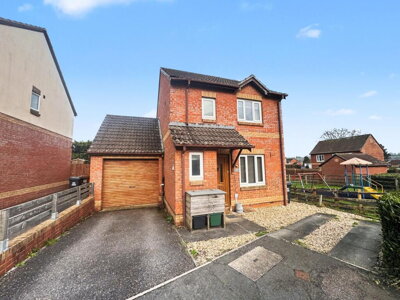
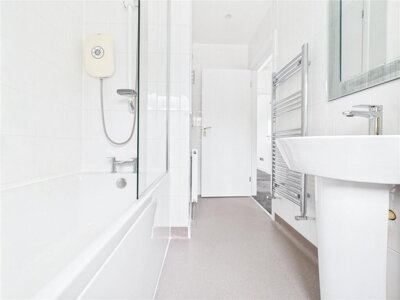
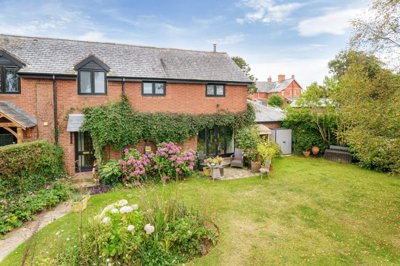
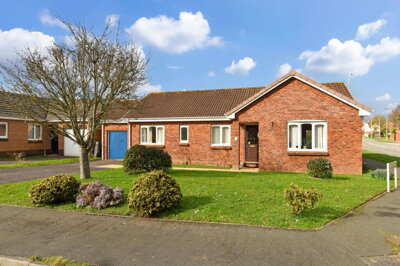
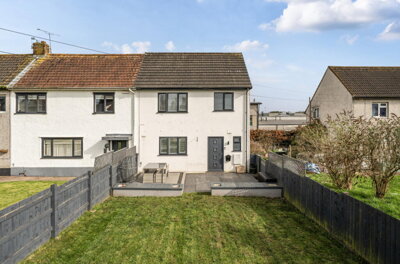
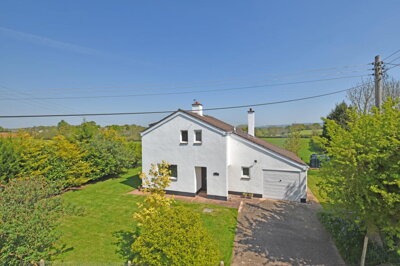
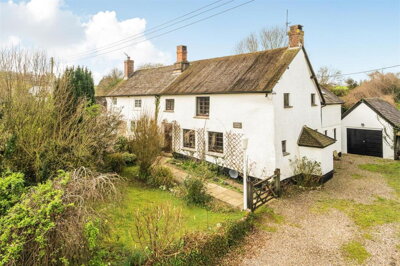
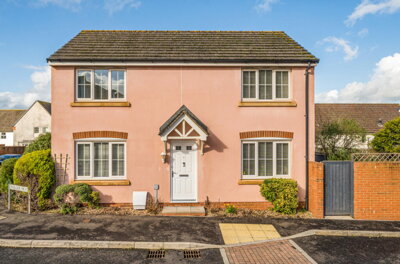
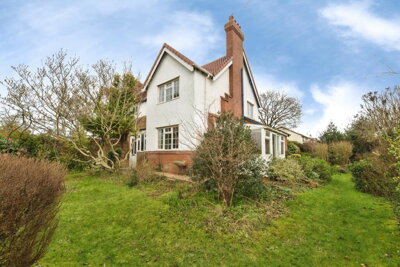
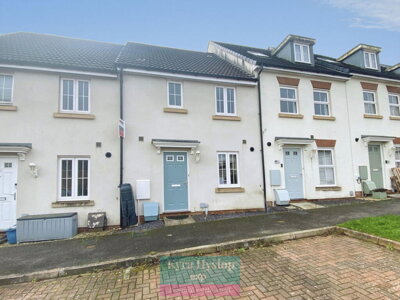
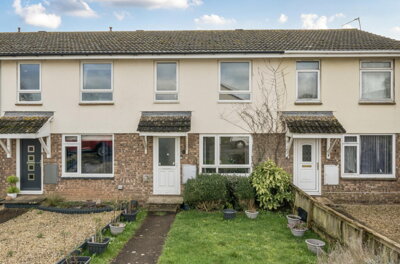
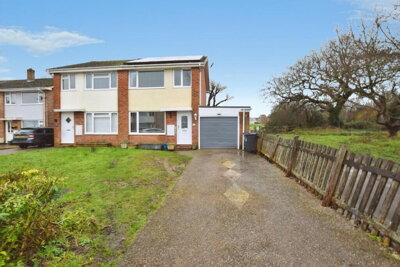
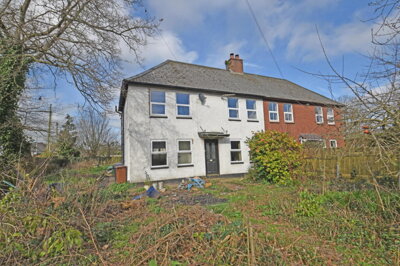
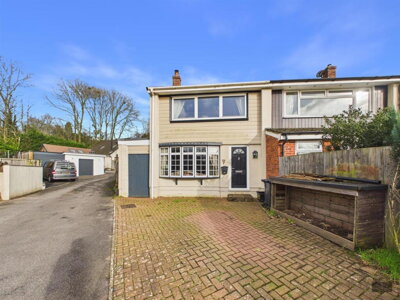
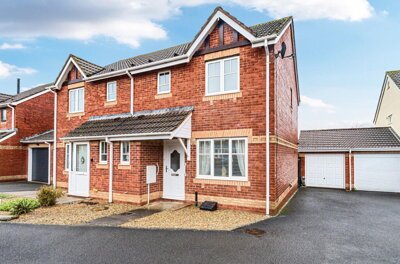
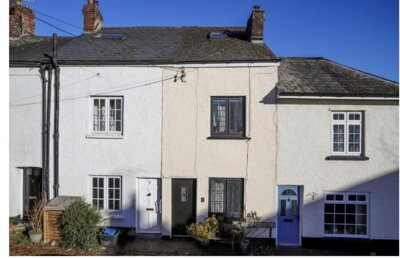
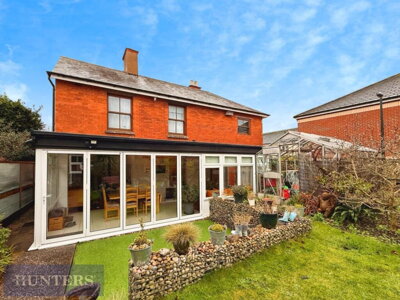
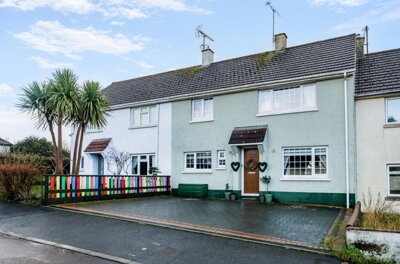
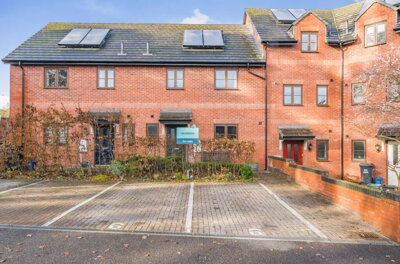
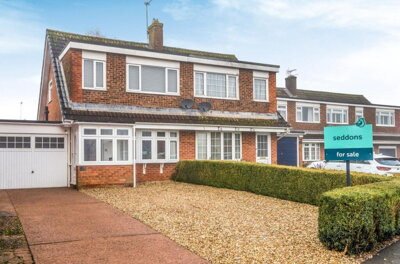
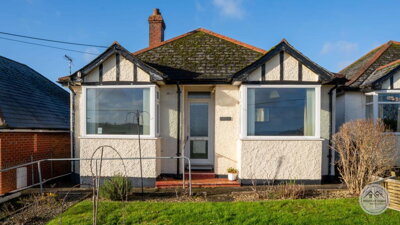
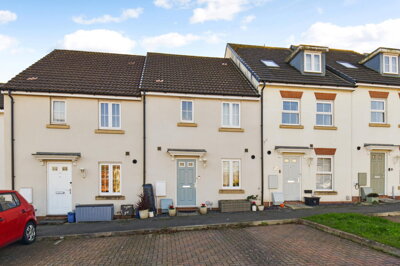
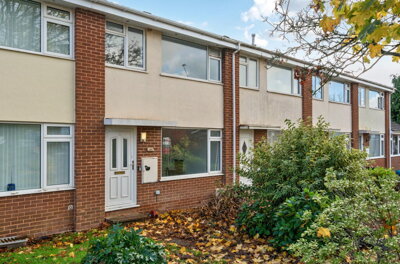
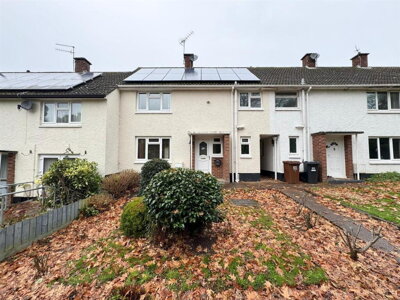
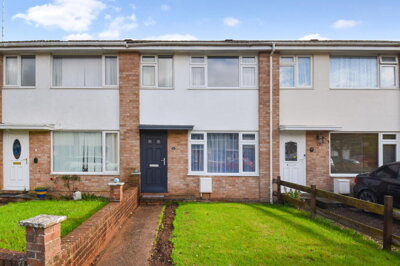
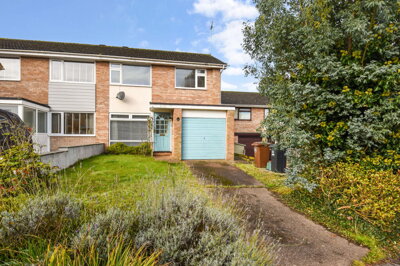
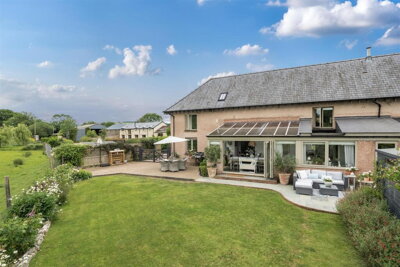
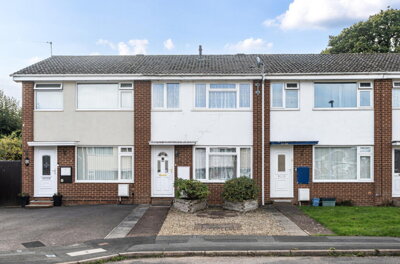
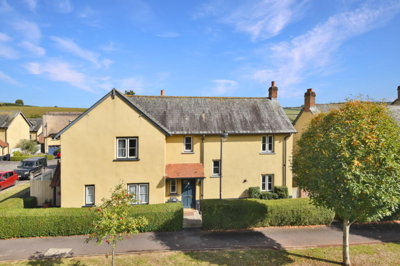
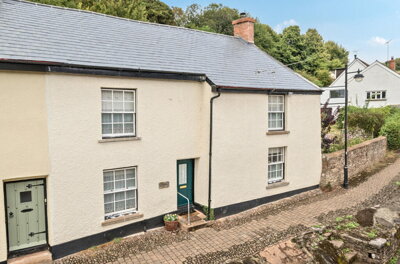
Browse 35 homes for sale in Bradninch, Mid Devon from local estate agents.
Three bedroom properties represent a significant portion of the Bradninch housing market, offering space for families with multiple reception rooms and gardens in many cases. Browse detached, semi-detached, and terraced options ranging from period character homes to contemporary developments.
£363k
4
0
165
Source: home.co.uk
Showing 4 results for 3 Bedroom Houses for sale in Bradninch, Mid Devon. The median asking price is £362,500.
Source: home.co.uk
Semi-Detached
3 listings
Avg £408,333
Terraced
1 listings
Avg £240,000
Source: home.co.uk
Source: home.co.uk
The Bradninch property market demonstrates the characteristics of a stable but gently adjusting rural Devon market. Rightmove records show average prices of £310,167 across all property types, while Zoopla reports a comparable figure of £303,625. The market shows interesting variations across property types, with detached homes averaging £340,667, semi-detached properties at £335,438, and terraced homes at £268,214. Flats in the area, though less common, typically command prices around £192,000. These figures reflect a market that has remained broadly similar to the previous year, though sitting approximately 12% below the 2022 peak of £352,544 according to Rightmove analysis.
Looking at recent price movements, OnTheMarket reports a positive 6.6% rise in sold prices over the last twelve months, suggesting renewed buyer confidence in the area. The EX5 4LA postcode area has shown particularly strong long-term growth, with prices increasing by an average of 19.5% since September 2018 and the sales market expanding by 33.1% over the past decade. Over the last ten years, PMI data indicates 253 properties have sold in Bradninch, with total transaction volumes reaching 454 across all recorded years. This consistent activity demonstrates sustainable demand driven by the area's quality of life and commuter accessibility.
Property availability spans a range of traditional Devon construction styles. Older properties often feature local stone and cob construction with rendered exteriors, reflecting the building heritage of the region. Period features such as original fireplaces, exposed beams, and sash windows characterise many homes along the town's historic streets. New build development within Bradninch itself remains limited, with most activity concentrated in nearby towns like Cullompton where developments like those on Elizabeth Road offer modern alternatives. For buyers seeking modern specifications within Bradninch, options primarily consist of quality conversions of existing buildings or recently constructed individual properties that become available periodically.

Life in Bradninch revolves around community connection and the natural beauty of Mid Devon countryside. The town developed around its main thoroughfare of Fore Street and the area near St Mary's Church, creating a concentrated village centre where essential services sit within walking distance of most residential areas. The River Culm flows nearby, contributing to the scenic character of the area and providing pleasant walking routes along its banks. Local residents enjoy an active community calendar, with events throughout the year that bring together long-standing families and newcomers alike. The modest population of 2,221 creates an intimate atmosphere where local businesses thrive on repeat customers and word-of-mouth recommendations.
The town's Conservation Area designation ensures that Bradninch maintains its historic character, with planning controls protecting the architectural heritage that makes the location so distinctive. Numerous listed buildings, including former farmhouses, townhouses, and public buildings, punctuate the streetscape with examples of traditional Devon construction. Properties built between 1800 and 1911 dominate significant portions of the postcode areas, giving many homes their characteristic appearance with thick walls, generous room sizes, and features that speak to a different era of building craft. This heritage creates an environment rich in architectural interest, though it also means that prospective buyers should understand the character and potential maintenance requirements of period properties.
Day-to-day living in Bradninch is supported by a selection of local shops, a traditional pub, and a primary school within the town itself. For more comprehensive shopping, dining, and entertainment, residents benefit from proximity to Cullompton and the regional centre of Exeter. The surrounding Mid Devon countryside offers extensive walking, cycling, and riding opportunities, with the Blackdown Hills Area of Outstanding Natural Beauty accessible within a short drive. Local employment opportunities exist in small businesses, agriculture, and service industries, while the strong transport links mean that residents can easily commute to larger employment centres without sacrificing their preference for rural living.

Education provision in Bradninch centres on Bradninch Primary School, which serves the town and surrounding villages with education for children from reception through to Year 6. The school maintains a reputation for providing solid primary education within a community setting, allowing children to develop academically and socially in familiar surroundings before transitioning to secondary education. Class sizes in smaller rural schools can offer advantages in terms of individual attention and the close relationships that develop between teachers and students. For parents evaluating local schools, visiting during open days and speaking with current families provides valuable insight into the specific culture and approach of each institution.
Secondary education options for Bradninch residents include schools in nearby Cullompton, Crediton, and Tiverton, all accessible by school transport or car. These towns offer a range of secondary schools including both community schools and academies, providing choices for families based on academic specialisms, extracurricular programmes, and admissions criteria. Parents should note that attendance at specific schools depends on catchment areas and the oversubscription criteria used when schools receive more applications than places available. Planning a move to Bradninch with school-age children requires careful research into current catchments and the admissions process for preferred schools.
For families considering private education, several independent schools operate in Devon, with some offering boarding facilities that extend options beyond daily commuting distances. Sixth form provision exists at secondary schools in nearby towns, while Exeter and other larger centres offer further education colleges with extensive vocational and academic programmes. The proximity of the University of Exeter means that older students have access to higher education without necessarily moving far from family connections. Families moving from urban areas may find that the education landscape requires some adjustment, as rural provision often operates on different scales and with more limited choices than city schooling.
Connectivity from Bradninch benefits significantly from its position within the Mid Devon road network, offering straightforward access to major transport corridors while maintaining its peaceful rural setting. The town lies within reasonable distance of the M5 motorway, which provides direct routes north to Bristol and the Midlands and south to Exeter and Plymouth. Journey times by car to Exeter city centre typically take around 25 to 30 minutes under normal traffic conditions, making day trips or regular commuting highly feasible. The A377 road connects Bradninch to Crediton and Exeter, while local roads provide access to surrounding villages and towns throughout Mid Devon.
Rail connections from nearby stations at Tiverton Parkway, Exeter St David's, and Exeter Central expand commuting and travel options significantly. Tiverton Parkway station offers fast services to London Paddington with journey times of approximately two and a half hours, while Exeter St David's provides broader national rail connections including routes to Plymouth, Bristol, and Birmingham. Exeter International Airport, located near Clyst Honiton, offers flights to destinations across the UK and Europe, adding an international dimension to the transport options available to Bradninch residents. These connections make Bradninch particularly attractive to buyers who work in Exeter or other major cities but prefer the character and value offered by a smaller town.
Local bus services operated by Stagecoach and other providers offer public transport alternatives for daily travel and access to services. However, those considering Bradninch should note that bus frequencies on less popular routes may be limited compared to urban services, making car ownership or careful route planning essential for some residents. Cycling infrastructure in rural Devon continues to develop, with quiet country lanes providing pleasant routes for confident cyclists, though the hilly terrain requires appropriate fitness levels. Parking in Bradninch itself is generally straightforward, with the small-town scale meaning that most amenities are reachable on foot from residential areas.
Before viewing properties, arrange a mortgage agreement in principle with a lender to understand your budget clearly. Bradninch's market includes period properties requiring specialist consideration, so understanding financing limits early helps focus your search appropriately. Research local schools, transport options, and flood risk information for specific properties that interest you, including checking government flood risk data for the River Culm corridor and low-lying areas near the town centre.
Register with estate agents active in Bradninch and Mid Devon to receive alerts about new listings. Our platform aggregates listings from multiple agents, giving you comprehensive visibility of available properties. Setting up saved searches and alerts means you will not miss new properties coming to market, which in a smaller community can move quickly. Given that Bradninch has limited new build development, being quick to respond to quality period properties is particularly important.
View properties in person to assess condition, character, and neighbourhood fit. For older properties, note features like damp-proofing, roof condition, and any signs of structural movement. Bradninch's Conservation Area status means exterior alterations require planning consent, so consider how this affects your plans. Ask agents about the history of specific properties and any recent works undertaken, particularly regarding listed building status and permitted development rights.
Commission a RICS Level 2 Survey (HomeBuyer Report) before purchasing any Bradninch property. Given the prevalence of period properties built between 1800 and 1911, professional surveys identify defects common to older buildings including damp, roof deterioration, timber defects, and potential structural movement. Local surveyors in Bradninch typically charge between £450 and £650 for a 3-bedroom property, though prices can range from £400 to £700 depending on property specifics. The survey also highlights flood risk and other environmental factors relevant to specific locations.
Choose a conveyancing solicitor to handle the legal transfer of ownership. Solicitors experienced with Devon properties understand local issues including flood risk, rights of way, and Conservation Area requirements. The process involves searches, contract exchange, and final registration with HM Land Registry. Budget for legal fees from around £499 for standard conveyancing alongside search fees and registration costs.
Properties in Bradninch require careful evaluation of several factors specific to the area's character and construction. The prevalence of older, period properties means that damp assessment is essential, as traditional buildings often lack modern damp-proof courses and may show signs of rising or penetrating damp. Roof conditions on older properties deserve particular attention, with slate or tile coverings and lead flashing requiring inspection by a qualified surveyor. Timber elements including floor joists, window frames, and structural beams may show evidence of woodworm or wet rot, issues that a thorough survey will identify.
The local geology around Bradninch includes Permian sandstones and breccias, with areas featuring clay-rich soils that can present moderate to high shrink-swell potential. This geological context means that properties may be susceptible to subsidence related to foundation movement, particularly during periods of drought or heavy rainfall when clay soils expand and contract. Prospective buyers should look for signs of structural movement such as cracking to walls, doors that stick, or uneven floors, and should commission appropriate investigations if any concerns arise.
Flood risk represents a genuine consideration for Bradninch property purchases. The River Culm's proximity means that some areas, particularly low-lying parts of the town, carry elevated flood risk that may affect insurance costs and future saleability. Government flood risk data shows areas around the River Culm and surface water flooding zones that buyers should understand before committing to a purchase. A RICS Level 2 Survey will flag flood risk and any historical flooding, while local knowledge from neighbours and agents provides additional context about recent weather events.
The Conservation Area designation affects permitted development rights for properties in central Bradninch. Exterior alterations, extensions, and some interior works may require planning permission or Listed Building Consent depending on the property's status. Buyers should understand these restrictions before purchasing, particularly if they have plans for renovation or modification. Service charges and maintenance obligations for any shared facilities should be clarified, while leasehold properties, though less common than in urban areas, should be reviewed for ground rent terms and remaining lease lengths.
Understanding the construction methods prevalent in Bradninch helps buyers appreciate both the character and potential maintenance requirements of local properties. The dominant housing stock comprises properties built between 1800 and 1911, with traditional construction using local stone and cob walls finished with rendered exteriors. These solid-wall constructions offer excellent thermal mass but lack the cavity insulation of modern properties, meaning that insulation upgrades may be considered during renovation works. The thick walls, typically 300-450mm thick in older properties, contribute to the generous room sizes and solid feel that characterise Bradninch period homes.
Timber construction elements feature prominently in Bradninch properties, including traditional timber-framed structures, exposed beams, and sash windows with box frames. These elements require ongoing maintenance to prevent timber decay, with wet rot and dry rot being particular concerns in properties where ventilation is limited or where water penetration has occurred. Floor constructions typically use suspended timber boards over joists, which may show signs of movement or deterioration over time. Roof structures in older properties generally comprise cut timber rafters with sarking boards beneath slate or tile coverings, with lead flashing used extensively at junctions and penetrations.
More modern properties in Bradninch, though less common, utilise brick and block construction with cavity walls, offering improved insulation and reduced maintenance requirements. Any new build elements within conversions or individual properties will meet current building regulations, though the interface between old and new construction can present challenges including thermal bridging and differential movement. For listed buildings or properties within the Conservation Area, any works must respect traditional materials and methods, with lime mortars, traditional paints, and period-appropriate fixtures being requirements rather than options.
The average house price in Bradninch stands at approximately £310,167 according to Rightmove data, with Zoopla reporting £303,625 and OnTheMarket showing £391,000 for recent sold prices. Property types vary significantly in price, with detached homes averaging £340,667, semi-detached properties at £335,438, terraced homes at £268,214, and flats around £192,000. The market has shown stability over the past year while sitting about 12% below the 2022 peak of £352,544. In specific areas like Townlands, Bradninch, prices have been 20% down on the previous year, demonstrating that local variations within the town can be significant.
Bradninch falls under Mid Devon District Council administration, and properties are assigned council tax bands from A through to H based on their assessed value. Most Bradninch properties, given their period character and mid-range values, typically fall within bands B through D. Exact bands depend on the specific property, and prospective buyers can verify current banding through the Valuation Office Agency website using the property address. Properties in Bradninch's Conservation Area with listed status may have particular banding considerations.
Bradninch Primary School serves the town for primary education, providing reception through Year 6 within a community setting. The school is supported by the tight-knit community of 2,221 residents, with parents appreciating the familiar environment for their children's early education. Secondary options in nearby towns include schools in Cullompton, Crediton, and Tiverton, accessible via school transport. Parents should research specific school catchments and admission arrangements, as oversubscription criteria prioritise proximity and other factors. The quality of individual schools varies, so reviewing Ofsted reports and visiting during open days helps inform decisions.
Public transport options from Bradninch include bus services connecting to nearby towns and Exeter, though frequencies may be limited on less popular routes. Stagecoach services provide connections to Cullompton and Exeter, but those without cars should check specific timetables carefully. Rail access is available from Tiverton Parkway and Exeter St David's, with fast trains to London Paddington from Tiverton Parkway taking approximately two and a half hours. Exeter International Airport is within easy driving distance for international travel. Most residents find car ownership essential for full convenience, though commuters without vehicles can manage with careful planning and awareness of bus schedules.
Bradninch offers potential for property investment given its proximity to Exeter, attractive rural setting, and strong transport connections. Long-term price data shows growth of 33.1% in the EX5 4LA postcode over ten years, with 19.5% increases since September 2018. Rental demand exists from commuters and those seeking rural Devon living, though the smaller population of 2,221 limits tenant pool size. Properties requiring renovation may offer value opportunities given the area's period housing stock and consistent demand. However, investors should note the limited new build supply within Bradninch itself and the planning restrictions affecting the Conservation Area.
Stamp duty (SDLT) in England applies at 0% on the first £250,000 of residential purchases, 5% on £250,001 to £925,000, 10% on £925,001 to £1.5 million, and 12% above £1.5 million. First-time buyers receive relief on the first £425,000 (0% rate), with 5% applying between £425,001 and £625,000. Given Bradninch's average prices around £310,000, most standard purchases attract no stamp duty beyond the threshold, while first-time buyers typically pay nothing on median-priced properties. For a typical £310,000 purchase, non-first-time buyers would pay approximately £3,000 in stamp duty.
Bradninch carries flood risk in areas near the River Culm and in low-lying parts of the town, with surface water flooding also a concern during heavy rainfall. The River Culm runs through the area, and government flood risk data identifies specific zones that affect insurance premiums and mortgage lender requirements. Properties outside identified flood zones present lower risk, though climate change increases uncertainty across all areas. A RICS Level 2 Survey assesses flood risk and any historical flooding affecting specific properties. Buyers should request copies of any previous flood resilience measures and check insurance availability before committing to purchase.
When viewing Bradninch properties, pay particular attention to signs of damp in walls and basements, the condition of roofs and lead flashing, and any evidence of timber decay in floors, frames, or structural elements. Check for cracking to walls, particularly around door and window openings, which may indicate foundation movement related to the clay soils found in parts of Devon. Look for evidence of previous damp-proof course installation in properties that lack modern systems. Ask about the history of any works undertaken, particularly whether permissions were obtained for listed buildings or properties in the Conservation Area. Testing light switches, sockets, and plumbing fixtures helps identify potential electrical or plumbing issues in older properties.
Calculating buying costs for a Bradninch property involves understanding both the purchase price and associated fees that together determine your total investment. The most significant ongoing cost is stamp duty land tax, which applies to all purchases above £250,000 at standard rates. For a typical Bradninch property priced around £310,000, a buyer who is not a first-time purchaser would pay stamp duty of approximately £3,000 (5% on the £60,000 portion above £250,000). First-time buyers purchasing properties up to £425,000 pay no stamp duty, making Bradninch particularly accessible for those entering the property market for the first time.
Mortgage arrangement fees typically range from £500 to £2,000 depending on the lender and product chosen, with many deals offering fee-free mortgages in exchange for slightly higher interest rates. Survey costs for a RICS Level 2 Survey on a Bradninch property range from £450 to £650 depending on property size and the surveyor appointed, with the range extending from £400 to £700 for more complex period properties. Conveyancing fees generally start from around £499 for standard transactions, though complex purchases involving listed buildings or properties with title issues may cost more. Local search fees, typically £250 to £350, cover environmental searches, drainage searches, and local authority checks specific to Mid Devon.
Additional costs to budget for include removal expenses, which vary based on distance and volume of belongings, and potential renovation costs if purchasing a period property requiring updates. Buildings insurance must be in place from the point of completion, while mortgage valuation fees, usually between £200 and £500, are charged by lenders for properties over £300,000. Understanding the full cost of purchasing in Bradninch, including these fees and any renovation requirements, ensures that buyers approach their purchase with complete financial clarity.
Arrange your Bradninch property finance
From 4.5% APR
Expert solicitors for your property purchase
From £499
Professional survey for your Bradninch home
From £450
Energy performance certificate for Bradninch
From £80
Properties for Sale In London

Properties for Sale In Plymouth

Properties for Sale In Liverpool

Properties for Sale In Glasgow

Properties for Sale In Sheffield

Properties for Sale In Edinburgh

Properties for Sale In Coventry

Properties for Sale In Bradford

Properties for Sale In Manchester

Properties for Sale In Birmingham

Properties for Sale In Bristol

Properties for Sale In Oxford

Properties for Sale In Leicester

Properties for Sale In Newcastle

Properties for Sale In Leeds

Properties for Sale In Southampton

Properties for Sale In Cardiff

Properties for Sale In Nottingham

Properties for Sale In Norwich

Properties for Sale In Brighton

Properties for Sale In Derby

Properties for Sale In Portsmouth

Properties for Sale In Northampton

Properties for Sale In Milton Keynes

Properties for Sale In Bournemouth

Properties for Sale In Bolton

Properties for Sale In Swansea

Properties for Sale In Swindon

Properties for Sale In Peterborough

Properties for Sale In Wolverhampton

Enter your details to see if this property is within your budget.
Loans, cards, car finance
Estimated property budget
Borrowing + deposit
You could borrow between
Typical borrowing
Monthly repayment
Est. at 4.5%
Loan-to-value
This is an estimate only. Your actual budget may vary depending on interest rates, credit history, and personal circumstances. For an accurate affordability assessment, speak to one of our free mortgage advisors.
This calculator provides estimates for illustrative purposes only and does not constitute financial advice. Your home may be repossessed if you do not keep up repayments on your mortgage. Estimates based on 4.5% interest rate, repayment mortgage. Actual rates depend on your circumstances.
Homemove is a trading name of HM Haus Group Ltd (Company No. 13873779, registered in England & Wales). Homemove Mortgages Ltd (Company No. 15947693) is an Appointed Representative of TMG Direct Limited, trading as TMG Mortgage Network, which is authorised and regulated by the Financial Conduct Authority (FRN 786245). Homemove Mortgages Ltd is entered on the FCA Register as an Appointed Representative (FRN 1022429). You can check registrations at NewRegister or by calling 0800 111 6768.

We use cookies to show you personalised content and improve your experience of our website. Find out more in our Privacy policy and Cookie policy.