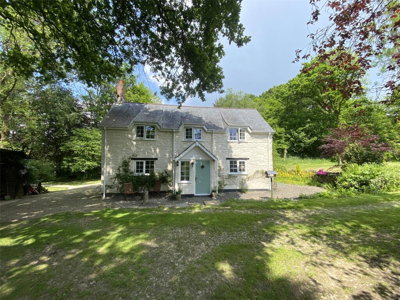
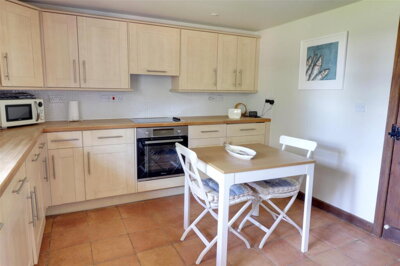
Browse 2 homes for sale in Boyton from local estate agents.
The 2 bed house market features detached, semi-detached, and terraced properties with two separate bedrooms plus living spaces. Properties in Boyton range from Victorian and Edwardian period homes to modern new builds, with pricing varying across different neighbourhoods.
The Boyton property market reflects the broader trends across North Cornwall, with detached properties commanding premium prices due to high demand from families seeking space and privacy. Recent sales data shows 4-bedroom detached homes in the PL15 area averaging approximately £494,000, while semi-detached properties in the county typically fetch around £280,000. The village street itself has recorded an average sale price of £409,134 as of January 2026, with prices showing a modest adjustment of around 3% since the previous significant sale in May 2025.
Property types available in Boyton include substantial detached houses, charming semi-detached cottages, and character conversions that showcase traditional Cornish architecture. The village has a predominantly older housing stock, with period houses built between 1800 and 1911 forming the backbone of the residential area. One particularly notable property currently or recently available includes a Grade II listed character barn conversion, highlighting the architectural heritage present in this rural community.
For buyers interested in new build opportunities, there are planning applications in the area including a small development of 8 homes near Trevoya Park, with half designated as affordable housing. Individual building plots with planning permission are also occasionally available, with guide prices around £250,000 for plots with consent for 3-bedroom dwellings on several acres of land. The Cornwall property market overall has experienced a 2.5% year-on-year decline, with approximately 7,000 sales completed across the county in the past twelve months.

Boyton embodies the classic English village charm that makes Cornwall such a desirable place to call home. The community centres around a tight-knit village atmosphere where neighbours know one another and local events create regular opportunities to socialise. The surrounding landscape comprises a beautiful mix of farmland, hedgerows, and woodland, characteristic of the upper Tamar valley region that forms part of the Cornwall and Devon border country.
The village offers essential amenities for daily life, with additional facilities readily accessible in the nearby town of Launceston, approximately 6 miles away. Launceston provides a comprehensive range of shops, supermarkets, healthcare services, and recreational facilities including leisure centres and sports clubs. For those working remotely or running small businesses from home, the peaceful setting provides an ideal environment free from the distractions of urban life.
Cultural attractions in the wider area include historic castles, National Trust properties, and stunning gardens that showcase the best of Cornish heritage. The north coast beaches of Cornwall are reachable within approximately 30 minutes by car, offering residents the opportunity to enjoy seaside days without the hassle of long commutes. The local economy benefits from agriculture, tourism, and small businesses, with many residents also commuting to larger employment centres in Cornwall and Devon. On Boyton street specifically, there are 141 houses recorded along with 8 flats and 87 other residential property types, reflecting the diverse housing stock in this established village location.

Families considering a move to Boyton will find a selection of educational options within reasonable distance of the village. Primary education is available through local village schools in the surrounding area, with several well-regarded primaries serving the communities around Boyton. These smaller schools often benefit from strong community connections and individual attention for pupils, reflecting the nurturing environment typical of rural education settings.
Secondary education is accessible in Launceston, where students can attend the local secondary school offering a comprehensive curriculum and various extracurricular activities. For families prioritising academic excellence, grammar school options exist in the wider region, with entry based on the 11-plus examination. The nearest grammar schools are typically located in larger towns and may require longer daily commutes, so parents should factor travel arrangements into their decision-making process.
Sixth form provision is available in Launceston, with additional options in nearby towns for students pursuing higher-level qualifications. Early years and childcare facilities are available in the surrounding villages and towns, providing flexibility for working parents. The quality of education in North Cornwall schools has shown positive trends, with many institutions receiving favourable Ofsted assessments. Parents are encouraged to research specific catchment areas and admission policies, as these can influence school placement decisions and may change over time. School performance data is regularly updated by Ofsted and can be viewed online for each institution serving the Boyton area.
Transport connections from Boyton reflect its rural character, with car travel remaining the primary means of getting around for most residents. The village sits approximately 6 miles from Launceston, which provides access to the A30 trunk road running across Cornwall from east to west. This main road connects to Exeter and the M5 motorway for those travelling further afield, with journey times to Exeter taking approximately 90 minutes under normal traffic conditions.
Public transport options include bus services connecting Boyton with Launceston and surrounding villages, providing essential connectivity for those without private vehicles. Train services are available at Gunnislake and other nearby stations on the Tamar Valley Line, offering connections to Plymouth and beyond. For air travel, Exeter Airport provides domestic and international flights, approximately 75 minutes from Boyton by car.
Local cycling is popular among residents, with quiet country lanes providing scenic routes for recreational cycling and short commutes. Parking in the village is generally straightforward, unlike in larger towns and cities, which adds to the practical day-to-day living experience. For commuters working in Plymouth, the journey takes approximately 45 minutes, making it feasible for those with hybrid working arrangements or less frequent office requirements. The A388 provides an alternative route for those heading towards the coast, connecting with the A39 for travel to Wadebridge and the Camel Estuary area.
Properties in Boyton reflect the traditional building methods of North Cornwall, with most homes constructed using local materials appropriate for the region's geology and climate. The predominant housing stock dates from the Georgian and Victorian periods, with many houses built between 1800 and 1911 using local stone, lime mortar, and traditional techniques that have stood the test of time. These period properties often feature solid walls rather than the cavity wall construction found in modern buildings, which affects insulation performance and moisture management.
Roof construction in older Boyton properties typically uses natural slate, which was locally sourced from quarries throughout Cornwall. The granite geology underlying much of North Cornwall influenced the availability of building materials, with many Victorian-era homes featuring granite lintels, cills, and boundary walls. Lime mortar was traditionally used for pointing and bedding, allowing the structure to breathe, though many properties have since been repointed with cement, which can cause issues with moisture retention in the fabric.
Barn conversions in the Boyton area showcase how traditional agricultural buildings have been adapted for residential use while retaining original stone walls and architectural features. When purchasing a converted property, our inspectors pay particular attention to the quality of the conversion work, including whether appropriate insulation has been installed within the walls, the condition of any flat roof sections, and whether damp-proofing measures have been properly implemented. The Grade II listed properties in Boyton require particular care, as permitted development rights are limited and any alterations may require planning permission from Cornwall Council.
Our inspectors frequently encounter damp-related issues when surveying period properties in Boyton, particularly those built before 1911. Rising damp occurs when moisture from the ground travels up through solid walls that lack a modern damp-proof course, while penetrating damp can affect walls exposed to prevailing south-westerly winds that bring moisture-laden air from the Atlantic. Our team checks for tell-tale signs including tide marks on plaster, deteriorating skirting boards, and areas of wallpaper that have bubbled or peeled away from walls.
Roof condition represents another significant area of concern in Boyton's older properties. Traditional Welsh slate roofs can suffer from slipped or missing tiles, particularly after winter storms, and the lead flashing around chimneys and in roof valleys often requires renewal after 30-40 years of service. Our inspectors examine roof void spaces for evidence of timber decay, including woodworm activity and wet rot in roof trusses and purlins. Properties with original timber windows may need renovation or replacement, as single-glazed frames can be draughty and thermally inefficient.
Given Cornwall's historical mining activity, a mining search is advisable when purchasing any property in the Boyton area. While specific mining records for Boyton may be limited, the potential for shallow mine workings or historical mineral extraction beneath a property can affect ground stability. Properties in areas with underlying clay soils may also be susceptible to subsidence if trees are planted too close to buildings or if drainage systems fail, causing the clay to shrink and swell with seasonal moisture changes. Our surveyors assess these potential issues during every inspection, providing buyers with a clear picture of any remedial work that may be required.
Before viewing properties in Boyton, take time to understand the local market by reviewing sold prices, current listings, and neighbourhood characteristics. Obtain a mortgage agreement in principle from a lender to clarify your budget and demonstrate your seriousness to sellers when making offers. The PL15 postcode area offers properties ranging from modest period cottages to substantial detached family homes, so understanding what your budget purchases in this specific market is essential before beginning viewings.
Contact estate agents in the Boyton and Launceston area to arrange viewings of properties that match your criteria. Take notes during viewings, photograph rooms for reference, and ask questions about the property age, construction materials, and any recent renovations or maintenance work undertaken. For listed buildings, also enquire about any planning permissions that have been granted and any conditions attached to the property's listing status.
Before committing to a purchase, book a RICS Level 2 Survey to assess the property condition and identify any structural issues or necessary repairs. Given Boyton's predominantly older housing stock built between 1800 and 1911, a thorough survey is particularly valuable for identifying common issues such as damp, roof condition, or timber defects in period properties. For complex or historic buildings, our team may recommend a more detailed RICS Level 3 Survey.
Once your offer is accepted, instruct a conveyancing solicitor to handle the legal aspects of your purchase. They will conduct searches, review contracts, and liaise with the seller's solicitor to ensure a smooth transaction. For properties in Cornwall, consider requesting a mining search given the county's historical mining activity. Your solicitor will also handle the Land Registry transfer and ensure all financial obligations are met before completion.
Your solicitor will guide you through the exchange of contracts, at which point your deposit becomes payable and the sale becomes legally binding. Completion typically follows within weeks, after which you will receive the keys to your new home in Boyton. Budget additional time for any leasehold properties, as managing agent information and ground rent details must be verified before the sale proceeds.
Properties in Boyton are predominantly older constructions dating from the Georgian and Victorian periods, with many homes built between 1800 and 1911. When viewing properties, pay close attention to signs of damp, which remains one of the most common issues affecting period properties in Cornwall. Look for discolouration on walls, musty odours, and condition of skirting boards, as rising damp and penetrating damp can be prevalent in older properties without modern damp-proof courses.
The roof condition is another critical area for assessment, given the traditional slate and stone construction found throughout the village. Check for slipped or missing slates, condition of lead flashing around chimneys and valleys, and any signs of timber decay in roof trusses or purlins. Properties with original timber windows may require renovation or replacement, so factor potential costs accordingly. For barn conversions, examine the quality of the conversion work and whether appropriate insulation has been installed.
If considering a listed building, be aware that permitted development rights may be limited, requiring planning permission for alterations and extensions that would normally be straightforward on unlisted properties. Verify whether the property falls within any conservation area designation, as this can affect what changes are permissible. For leasehold properties, review the terms carefully, including ground rent obligations and service charge contributions. Properties near watercourses or in lower-lying areas may have some surface water flood risk, so check the Environment Agency flood maps and consider appropriate surveys. Our inspectors can advise on whether a RICS Level 2 or Level 3 Survey would be most appropriate for the specific property you are considering.
Properties in Boyton have achieved an average sold price of approximately £466,000 over the last twelve months, according to recent market data. The PL15 postcode area, which encompasses Boyton, shows an average price around £327,000, with Boyton street averaging £409,134 as of January 2026. Detached 4-bedroom properties in the area typically command prices approaching £500,000, while smaller cottages and period conversions vary considerably based on condition and features. The wider Cornwall market has seen a 2.5% year-on-year adjustment, which has influenced pricing across the region including the Boyton area.
Properties in Boyton fall under Cornwall Council's jurisdiction for council tax purposes. Bands vary according to property value and type, with period cottages and smaller homes typically falling in bands A through D, while larger detached properties may be in bands E or F. Prospective buyers should check the specific council tax band for any property of interest through the Cornwall Council website or the property listing details. Council tax bands affect the annual running costs of a property and should be factored into your overall budget calculations when purchasing in Boyton.
Boyton is served by local primary schools in surrounding villages and towns, with several receiving positive Ofsted ratings. The nearest secondary school is located in Launceston, approximately 6 miles away, providing comprehensive education for students up to age 16. For families seeking grammar school education, options exist in the wider region with entry determined by the 11-plus examination, though these may require longer commutes from Boyton. Always verify current school performance data and catchment area boundaries through the Ofsted website, as these can change over time and directly affect your children's education options.
Public transport options from Boyton include local bus services connecting to Launceston and neighbouring villages, providing essential connectivity for daily needs. The nearest train stations are at Gunnislake and other locations on the Tamar Valley Line, offering services to Plymouth and beyond for longer journeys. For daily commuting, a car is generally essential given the rural location, though the village is well-positioned for journeys to Launceston and connections to the A30 trunk road that runs across Cornwall.
Boyton and the surrounding North Cornwall area continue to attract buyers seeking rural lifestyles, which supports property values over the long term. The village offers an authentic Cornish community experience with easy access to both countryside and coast, making it appealing to buyers relocating from urban areas. Properties in desirable rural villages with good access to amenities like Launceston typically maintain their appeal, and period properties with character features remain popular among buyers seeking traditional Cornish homes. As with any property purchase, thorough research and a long-term perspective are advisable when considering an investment in the Boyton area.
Stamp Duty Land Tax rates from April 2025 onwards are 0% on the first £250,000 of property value, 5% on £250,001 to £925,000, 10% on £925,001 to £1.5 million, and 12% above £1.5 million. First-time buyers may qualify for relief on the first £425,000, paying 5% between £425,001 and £625,000, with no relief above £625,000. For a typical property in Boyton priced around £466,000, a standard buyer would pay approximately £10,800 in stamp duty, while a first-time buyer would pay around £2,050. These costs should be budgeted alongside solicitor fees, survey costs, and removal expenses when planning your purchase.
When purchasing a property in Boyton, Cornwall, budget carefully for all associated costs beyond the purchase price. Stamp Duty Land Tax represents a significant expense, with rates currently set at 0% for the first £250,000, rising to 5% on the portion between £250,001 and £925,000. For a typical Boyton property priced around £466,000, a standard buyer would face a stamp duty bill of approximately £10,800, which should be factored into your overall financial planning.
First-time buyers may benefit from reduced rates, paying 0% on the first £425,000 and 5% on the amount between £425,001 and £625,000. This means a first-time buyer purchasing a property at £466,000 in Boyton would pay approximately £2,050 in stamp duty, representing a substantial saving. However, first-time buyer relief does not apply to properties priced above £625,000, so higher-value properties in this desirable village may not qualify for this benefit.
Additional buying costs include solicitor fees for conveyancing, typically ranging from £500 to £1,500 depending on complexity and property value. Survey costs should also be considered, with a RICS Level 2 Survey starting from around £350 for a standard property. For Boyton's older properties, a more comprehensive RICS Level 3 Building Survey may be advisable, starting from approximately £600. Removal costs, land registry fees, and mortgage arrangement fees complete the typical budget for moving home. Obtaining a mortgage agreement in principle before property hunting begins is strongly recommended, as it clarifies your budget and strengthens your position when making offers in what can be a competitive local market.
From 4.5% APR
Compare mortgage deals from leading lenders
From £499
Expert solicitors to handle your property purchase
From £350
Professional condition survey ideal for modern and older properties
From £600
Detailed structural survey for complex or period properties
Properties for Sale In London

Properties for Sale In Plymouth

Properties for Sale In Liverpool

Properties for Sale In Glasgow

Properties for Sale In Sheffield

Properties for Sale In Edinburgh

Properties for Sale In Coventry

Properties for Sale In Bradford

Properties for Sale In Manchester

Properties for Sale In Birmingham

Properties for Sale In Bristol

Properties for Sale In Oxford

Properties for Sale In Leicester

Properties for Sale In Newcastle

Properties for Sale In Leeds

Properties for Sale In Southampton

Properties for Sale In Cardiff

Properties for Sale In Nottingham

Properties for Sale In Norwich

Properties for Sale In Brighton

Properties for Sale In Derby

Properties for Sale In Portsmouth

Properties for Sale In Northampton

Properties for Sale In Milton Keynes

Properties for Sale In Bournemouth

Properties for Sale In Bolton

Properties for Sale In Swansea

Properties for Sale In Swindon

Properties for Sale In Peterborough

Properties for Sale In Wolverhampton

Enter your details to see if this property is within your budget.
Loans, cards, car finance
Estimated property budget
Borrowing + deposit
You could borrow between
Typical borrowing
Monthly repayment
Est. at 4.5%
Loan-to-value
This is an estimate only. Your actual budget may vary depending on interest rates, credit history, and personal circumstances. For an accurate affordability assessment, speak to one of our free mortgage advisors.
This calculator provides estimates for illustrative purposes only and does not constitute financial advice. Your home may be repossessed if you do not keep up repayments on your mortgage. Estimates based on 4.5% interest rate, repayment mortgage. Actual rates depend on your circumstances.
Homemove is a trading name of HM Haus Group Ltd (Company No. 13873779, registered in England & Wales). Homemove Mortgages Ltd (Company No. 15947693) is an Appointed Representative of TMG Direct Limited, trading as TMG Mortgage Network, which is authorised and regulated by the Financial Conduct Authority (FRN 786245). Homemove Mortgages Ltd is entered on the FCA Register as an Appointed Representative (FRN 1022429). You can check registrations at NewRegister or by calling 0800 111 6768.

We use cookies to show you personalised content and improve your experience of our website. Find out more in our Privacy policy and Cookie policy.