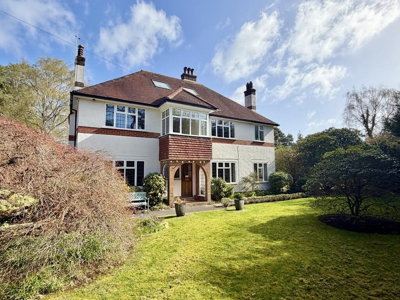
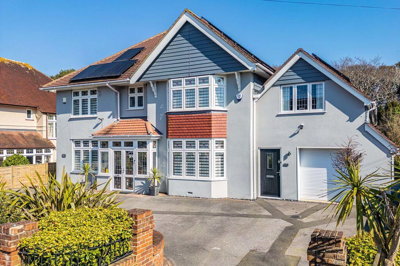
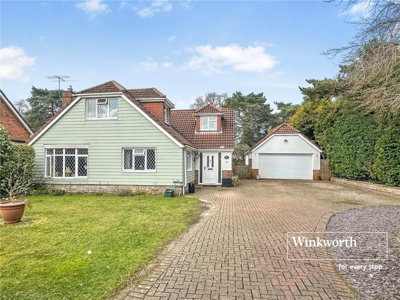
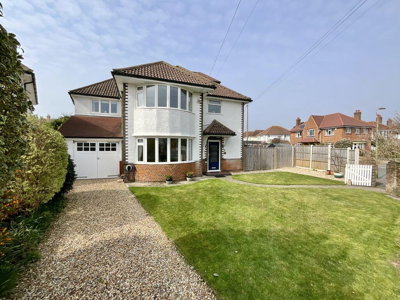
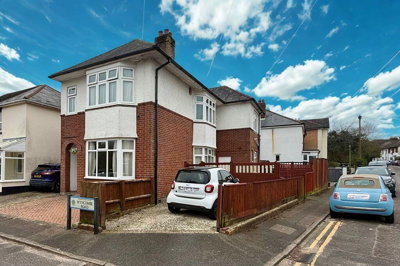
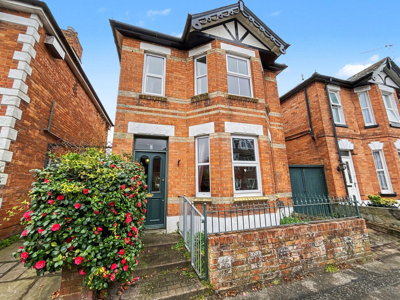
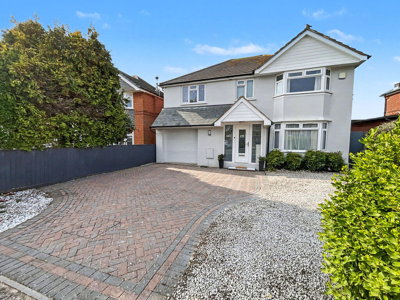
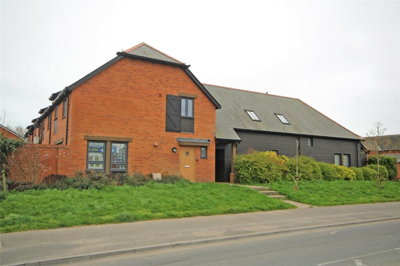
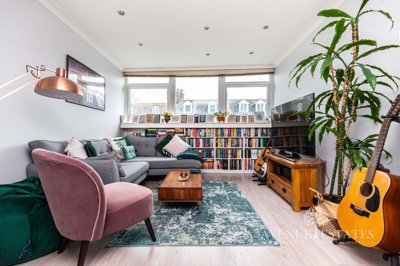
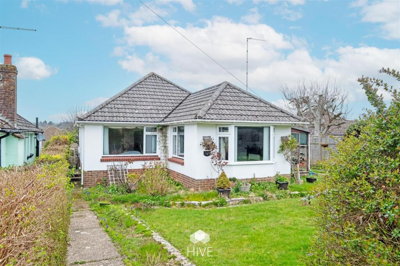
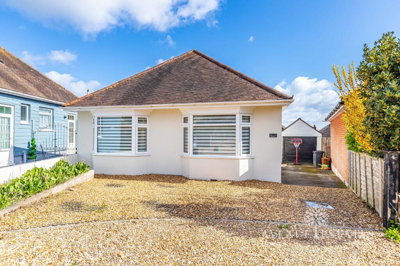
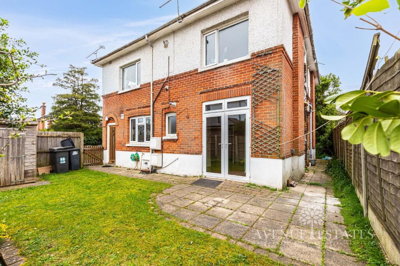
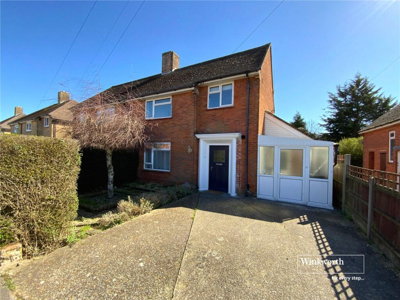
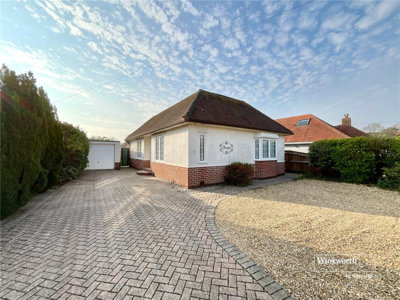
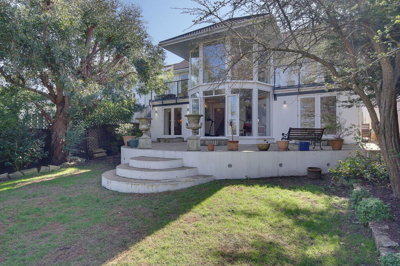
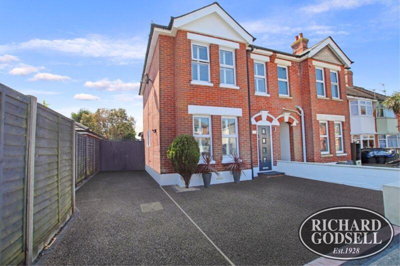
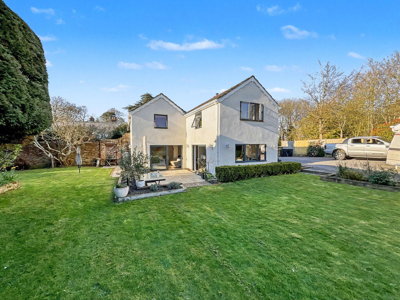
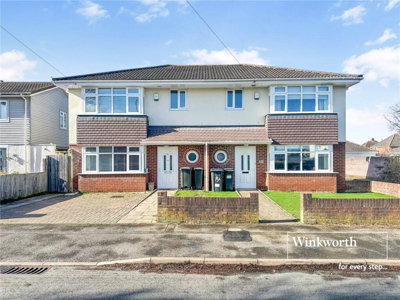
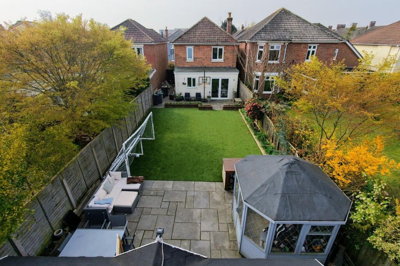
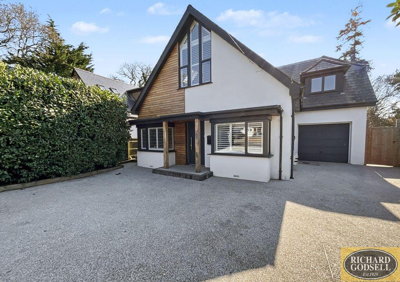
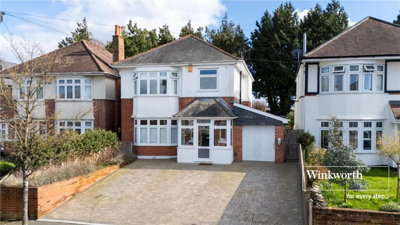
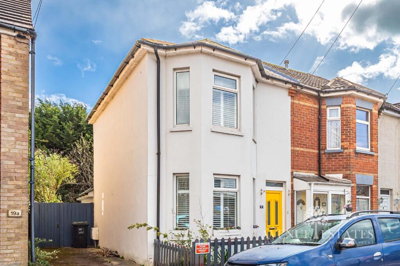
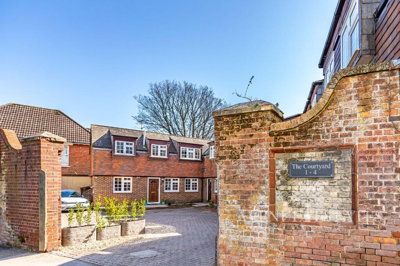
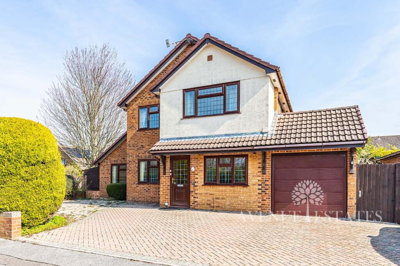
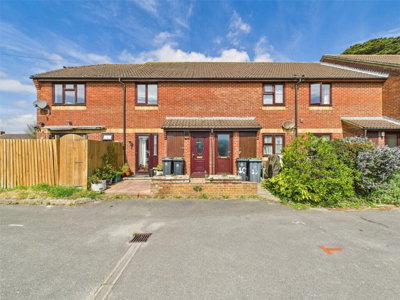
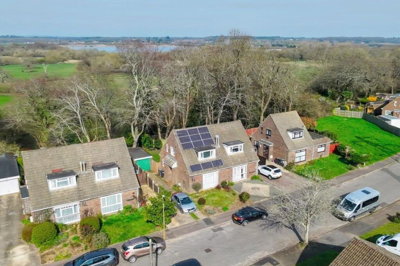
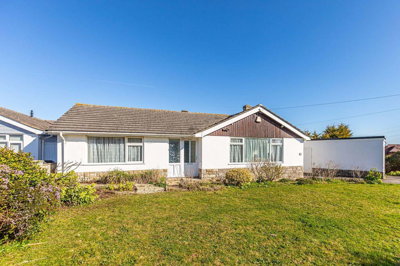
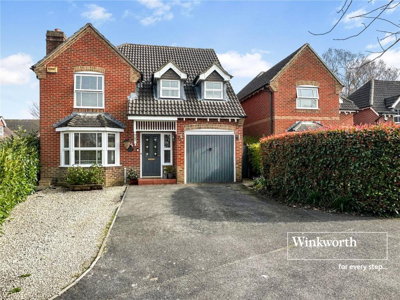
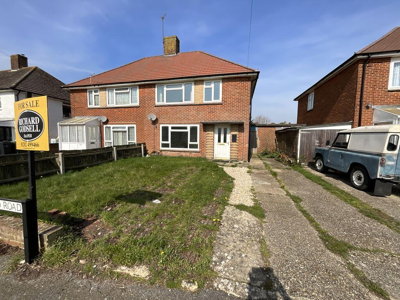
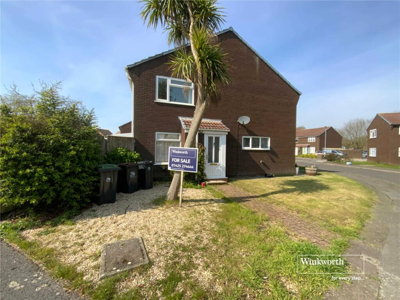
Browse 4,920 homes for sale in Bournemouth, Christchurch and Poole from local estate agents.
The Bournemouth property market offers detached, semi-detached, and terraced houses spanning various price ranges and neighbourhoods. Each listing includes detailed property information, photographs, and direct contact with the marketing agent.
The Bournemouth, Christchurch and Poole property market has experienced a notable correction over the past year, with average house prices falling by 4.5% according to the latest ONS data from December 2025. This shift has created opportunities for buyers who may have previously found the area beyond their budget, particularly in the flat and apartment segment where prices have decreased by 6.1% over the same period. The current market favours well-informed buyers who understand local values and can move quickly on properties that represent genuine value. Our listings include detailed price histories and market comparisons to help you identify properties that are priced competitively within their local context.
Property prices in the area vary significantly by type, with detached houses commanding an average price of £547,000, while semi-detached properties average £354,000 and terraced homes sit around £291,000. Flats and maisonettes remain the most accessible entry point to the local market at an average of £198,000, making them particularly attractive for first-time buyers and investors alike. The Housemetric data shows that house prices in the conurbation fell by 0.6% in the twelve months leading to February 2026, suggesting that the market may be stabilising after the correction of the previous year. With 7,400 property sales recorded in the Bournemouth postcode area over the past twelve months, transaction volumes have dropped by 14.6% compared to the previous year, indicating a more measured pace of market activity.
New build activity remains relatively modest in the area, with Plumplot data indicating that 65 properties, representing just 0.9% of total sales, were newly built in the Bournemouth postcode area over the previous twelve months. This limited supply of new homes contrasts with strong underlying demand, particularly for properties offering sea views or proximity to the beachfront areas of Sandbanks, Canford Cliffs, and Southbourne. Poole saw 1,626 residential property sales over the year ending March 2024, though this represented a decrease of 459 transactions compared to the previous year. The Bread Index reported an average house price of £311,416 as of November 2025, with a 1.2% decline in nominal terms over the preceding twelve months.
Life in Bournemouth, Christchurch and Poole revolves around the exceptional quality of the coastal environment, with seven miles of Blue Flag beaches stretching from Hengistbury Head in the east to Sandbanks in the west. The area combines the buzz of a major resort town with the character of historic fishing villages and the sophistication of one of the most desirable addresses on the south coast. Residents enjoy easy access to water sports, coastal walks along the clifftop paths, and the natural beauty of Poole Harbour and Christchurch Harbour. The mild microclimate, influenced by the Gulf Stream and the sheltered harbour waters, makes the area particularly appealing to those seeking an outdoor lifestyle throughout the year.
The local economy benefits from diverse employment sectors, with tourism and hospitality forming a significant part of the economic base alongside financial services, education, and healthcare. Bournemouth serves as a regional centre for business, with Bournemouth University and Arts University Bournemouth providing higher education opportunities and supporting a vibrant student community. Major employers include the Royal Bournemouth Hospital and Poole Hospital, alongside the marine and port industries centred around Poole Harbour. The presence of nearby military establishments also contributes to economic stability, providing skilled employment opportunities throughout the conurbation. This economic diversity helps sustain demand for housing across different buyer segments, from students seeking rental accommodation to professionals and families looking for long-term homes.
The housing stock across the conurbation reflects its varied history, from Victorian and Edwardian terraces in Bournemouth's original town centre to inter-war semi-detached properties in suburbs like Wallisdown and Westbourne, and modern apartment developments along the seafront. Many properties in established areas like Canford Cliffs, Sandbanks, and Poole Old Town were constructed using traditional methods common to the late nineteenth and early twentieth centuries, including solid brick walls, slate or clay tile roofs, and timber suspended floors. Properties built between 1919 and 1945 often feature early cavity wall construction, while post-war development from 1945 to 1980 brought cavity wall brickwork with concrete tile roofs to expanding suburbs. Understanding the construction era of a property helps buyers anticipate typical maintenance requirements and potential defect risks specific to each period.

Families considering a move to Bournemouth, Christchurch and Poole will find a comprehensive range of educational options at all levels, from nursery through to further and higher education. The area hosts numerous primary and secondary schools, with Ofsted-rated good and outstanding institutions serving communities across the conurbation. Parents should research specific catchment areas carefully, as school admissions in Dorset and Bournemouth, Christchurch and Poole Council areas can be competitive, particularly for popular schools in areas like Canford Cliffs, Sandbanks, and Southbourne. The presence of several grammar schools in the region provides additional options for academically selective education, though entry is based on the 11-plus examination.
Higher education is well-served by Bournemouth University, which offers a wide range of undergraduate and postgraduate courses and is particularly renowned for its media, communications, and hospitality programmes. Arts University Bournemouth provides specialist creative education, attracting students from across the UK and internationally. The student population contributes significantly to the local rental market, with areas like Bournemouth town centre and Richmond Park seeing substantial demand for purpose-built student accommodation and shared houses. For families with younger children, the area offers a good selection of private schools, including established institutions with strong academic records and excellent facilities.
The quality of local schooling has a measurable impact on property values in surrounding areas. Properties within the catchment areas of highly-rated primary schools in neighbourhoods like Parkstone, Branksome, and Westbourne often command a premium compared to similar properties in adjacent areas with lower-rated schools. For secondary education, the grammar schools in Bournemouth and Poole serve academically selected students from across a wide geographic area, meaning that proximity to bus routes and transport links can be as important as physical distance when considering access to these schools. Families should factor school quality into their property search criteria alongside considerations such as commute times, beach access, and local amenities.

Transport connectivity is a significant strength of Bournemouth, Christchurch and Poole, with frequent rail services linking the area to major destinations across the South of England. Bournemouth railway station provides regular services to London Waterloo, with journey times of approximately two hours, making the area viable for commuters who work in the capital but wish to enjoy coastal living. Southampton Airport is readily accessible for domestic and international travel, while the ferry services from Poole to the Continent connect the area to European destinations. The area benefits from excellent road connections via the A338 and the M27 motorway to the east, providing straightforward access to Portsmouth, Southampton, and beyond.
Local public transport within the conurbation includes comprehensive bus services operated by Yellow Buses and other operators, connecting residential areas with town centres, employment hubs, and beach destinations. The Poole Bridge andport causesway provide connections to the Isle of Purbeck and the Jurassic Coast beyond, while the Sandbanks ferry offers a scenic crossing to Swanage and the eastern Purbeck villages. For cyclists and pedestrians, the area features an expanding network of dedicated paths, including the promenade along the seafront and the routes through the areas of outstanding natural beauty that surround the conurbation. Many residents choose to commute by bike, particularly for shorter journeys to local employment centres and town centres.
For property buyers, transport accessibility can significantly influence both daily convenience and long-term property values. Properties within walking distance of Bournemouth or Poole railway stations typically appeal to commuters and often retain their value well, particularly when combined with other desirable features such as sea views or proximity to town centre amenities. The A338 corridor through to Ringwood and the New Forest provides access for those working further afield, while the proximity to Southampton Airport makes the area attractive for buyers who travel frequently for business or leisure. The recently completed improvements to local road infrastructure have enhanced connectivity between different parts of the conurbation, reducing journey times between residential areas and employment centres.
Before you start property viewings, explore different neighbourhoods within the conurbation to understand what each offers. Consider factors like proximity to schools, beach access, and commuting requirements. Get a mortgage agreement in principle from a lender to understand your borrowing capacity and strengthen your position when making offers.
Use Homemove to browse all available properties in Bournemouth, Christchurch and Poole, filtering by price, property type, and number of bedrooms. Once you have identified properties of interest, contact the listing estate agent to arrange viewings. Take notes and photographs during each viewing to help compare properties later.
When you find a property you wish to purchase, submit an offer through the estate agent with your agreed terms. Be prepared to negotiate on price or conditions based on market conditions and the property's circumstances. Your offer should be realistic given current market data, including the recent 4.5% price reduction seen across the area.
Before exchanging contracts, arrange a RICS Level 2 Survey to assess the condition of the property. Given the age of much of the housing stock in Bournemouth, Christchurch and Poole, including numerous Victorian and Edwardian properties, a thorough survey is essential to identify any structural issues, damp problems, or roof defects before you commit to purchase. Our inspectors frequently encounter rising damp, timber defects, and outdated electrical systems in properties built before 1950, particularly those in coastal areas where salt-laden air accelerates the deterioration of external render and joinery.
Your solicitor will handle the legal aspects of the purchase, including conducting searches, reviewing contracts, and registering the property transfer with HM Land Registry. Local conveyancing specialists familiar with Bournemouth, Christchurch and Poole properties can efficiently handle matters including conservation area restrictions, listed building consent requirements, and flood risk assessments for properties near Poole Harbour or Christchurch Harbour. The local geology, characterised by sands, clays, and the distinctive Bournemouth Formation, means that solicitors should also arrange appropriate environmental and mining searches.
Once all legal searches are satisfactory and finances are arranged, you will exchange contracts and pay a deposit, typically 10% of the purchase price. Completion usually follows within 2-4 weeks, at which point you will receive the keys and take ownership of your new home in Bournemouth, Christchurch and Poole.
Properties in Bournemouth, Christchurch and Poole require careful consideration of several area-specific factors that can significantly impact your ownership experience and investment. Flood risk is a particular consideration given the coastal location, with properties in low-lying areas near Poole Harbour, Christchurch Harbour, and along the seafront requiring thorough assessment. Your solicitor should conduct appropriate flood risk searches and Environmental Agency checks before you commit to purchase. Properties on or near the cliffs, particularly in areas where coastal erosion is a concern, may require specialist structural surveys and ongoing maintenance considerations. The River Stour and River Avon also create flood risk zones in their respective floodplains, affecting properties in areas such as Throop and Muscliff on the northern edges of the conurbation.
Conservation areas and listed buildings are concentrated in historic parts of the conurbation, including Bournemouth Town Centre, Christchurch Town Centre, Poole Old Town, Canford Cliffs, Sandbanks, and Southbourne. If you are considering a period property, verify whether it is listed or within a conservation area, as this will affect what alterations and extensions you can undertake. Many Victorian and Edwardian properties in these areas feature traditional construction methods including solid brick walls, lath and plaster internals, and timber suspended floors, which may require different maintenance approaches compared to modern construction. The presence of asbestos-containing materials in properties built before 2000 is also common and should be assessed as part of any survey. Properties within conservation areas often have restrictions on external alterations, which can affect plans for extensions, dormer windows, or even replacement windows.
The geology of Bournemouth, Christchurch and Poole presents specific challenges for property owners. The area sits on a foundation of sands, clays, and gravels, including the distinctive Bournemouth Formation which comprises sands, silts, and clays. Properties with significant clay content are subject to shrink-swell movement, particularly during periods of extreme weather when prolonged dry spells followed by heavy rainfall can cause ground movement. This is especially relevant for properties with large trees close to the building, where root action combined with clay shrinkage can lead to subsidence issues. Our inspectors regularly identify signs of historic subsidence movement in properties across the conurbation, including cracked walls, distorted door frames, and uneven floor levels. A RICS Level 2 Survey can assess the extent of any movement and advise on necessary remedial works or underpinning requirements.
For flat purchases, pay close attention to lease terms, ground rent arrangements, and service charges. These costs can vary significantly between developments and have a material impact on the overall cost of ownership. Flats represent excellent value at an average of £198,000, but ongoing costs must be factored into your budget calculations. Given the coastal climate, prospective flat buyers should also consider the condition of communal elements such as roofs, external render, and window frames, as deterioration in these elements can result in significant service charge demands. The age of communal heating systems in older blocks is also a consideration, with some developments facing substantial upgrade costs for aging infrastructure.
Understanding the full costs of purchasing property in Bournemouth, Christchurch and Poole is essential for budgeting effectively and avoiding surprises during the transaction process. In addition to the property price, buyers must account for Stamp Duty Land Tax, solicitor fees, survey costs, and various other expenses that can add several thousand pounds to the total outlay. The good news for many buyers is that the area's average property price of £310,000 falls within a reasonable threshold for first-time buyer relief, potentially eliminating stamp duty costs entirely for those eligible. For standard buyers, stamp duty on a £310,000 property would be £3,000, calculated at 0% on the first £250,000 and 5% on the remaining £60,000.
Solicitor and conveyancing costs typically range from £500 to £2,000 depending on the complexity of the transaction and whether the property is freehold or leasehold. Additional costs include search fees, which cover local authority, drainage, and environmental searches, typically adding £250 to £400 to your legal costs. Property surveys are strongly recommended in Bournemouth, Christchurch and Poole given the age of much of the housing stock, with RICS Level 2 Surveys costing between £400 and £800 depending on property size and value. For a typical three-bedroom semi-detached property in the area, expect to pay around £500 to £700 for a comprehensive survey. Mortgage arrangement fees, if applicable, typically range from 0% to 1.5% of the loan amount and should be factored into your overall cost calculations.
Other costs to budget for include mortgage valuation fees, which are charged by lenders to assess the property as security for the loan and typically range from £150 to £500 depending on the property value. Buildings insurance must be in place from the point of exchange, and buyers should obtain quotes before committing to purchase. For leasehold properties, ground rent and service charge payments will commence from completion, and buyers should obtain a copy of the most recent service charge budget to understand planned expenditure and any major works in the pipeline. Electronic money transfer fees, typically around £30 to £50, are charged by solicitors for processing the deposit payment. Setting aside a contingency of around 5% of the purchase price for unexpected costs is advisable, particularly for older properties where survey reports may reveal maintenance requirements.
The average house price in Bournemouth, Christchurch and Poole was £310,000 as of December 2025 according to Office for National Statistics data, representing a 4.5% fall from the previous year. Property prices vary significantly by type, with detached properties averaging £547,000, semi-detached homes at £354,000, terraced properties around £291,000, and flats at approximately £198,000. The market has seen a reduction in transaction volumes, with 7,400 sales in the Bournemouth postcode area, down 14.6% year-on-year. The Bread Index reported an average of £311,416 in November 2025, with a 1.2% nominal decline over the preceding twelve months.
Council tax bands in Bournemouth, Christchurch and Poole are set by Bournemouth, Christchurch and Poole Council and range from Band A through to Band H, with most residential properties falling within bands A through E. The specific band depends on the property's assessed value as of April 1991, and you can verify the exact band through the Council Tax records or your solicitor during conveyancing. Council tax payments fund local services including education, waste collection, road maintenance, and local policing across the conurbation. Properties in premium areas like Sandbanks and Canford Cliffs typically fall into higher bands due to their higher property values.
The area offers strong educational provision at all levels, with numerous primary and secondary schools rated good or outstanding by Ofsted including institutions in popular residential areas such as Canford Cliffs, Sandbanks, and the surrounding neighbourhoods. Bournemouth and Poole Grammar Schools serve secondary-aged students through academic selection via the 11-plus examination. For higher education, Bournemouth University and Arts University Bournemouth provide undergraduate and postgraduate programmes across a range of disciplines. Parents should check individual school performance data and admission policies, as catchment areas can be competitive in sought-after neighbourhoods and proximity to highly-rated primary schools can influence property premiums by several thousand pounds.
The area enjoys excellent transport connectivity, with Bournemouth railway station offering regular services to London Waterloo in approximately two hours, making it viable for commuters to work in the capital while enjoying coastal living. Southampton Airport provides domestic and international flights within easy reach of the conurbation. Local bus services operated by Yellow Buses and others connect all parts of the conurbation, including direct routes to beach areas and the Sandbanks ferry terminus. The ferry from Poole provides access to the Isle of Purbeck and the UNESCO-listed Jurassic Coast, while the proximity to the M27 and A338 provides straightforward road access to Southampton, Portsmouth, and the wider motorway network.
Bournemouth, Christchurch and Poole has historically been a strong performer for property investment, driven by demand from retirees, second-home buyers, and those seeking coastal lifestyle options. The recent market correction, with prices falling 4.5%, has created potential opportunities for medium to long-term investors seeking to enter the market at more accessible price points. The flat market at £198,000 average offers accessible entry points, while the strong rental market supported by universities, hospitals, and tourism ensures consistent tenant demand across the year. Properties in desirable postcodes like Sandbanks, Canford Cliffs, and Poole Old Town tend to maintain value well, though these command premium prices. As with any investment, thorough research on specific locations, property types, and rental yields is advisable before committing.
Stamp Duty Land Tax rates for standard buyers in England start at 0% on the first £250,000 of property value, then 5% on the portion from £250,001 to £925,000, 10% up to £1.5 million, and 12% above that threshold. First-time buyers benefit from relief on the first £425,000, with 5% charged between £425,001 and £625,000. Given the average property price of £310,000, a standard buyer would pay £3,000 in stamp duty, while first-time buyers would pay £0 on most properties within this price range. Your solicitor will calculate the exact amount due based on your circumstances, residency status, and whether the property is residential or additional.
Given the coastal location and the age of much of the housing stock, our inspectors frequently identify several recurring issues during surveys in Bournemouth, Christchurch and Poole. Rising damp and penetrating damp are particularly common in Victorian and Edwardian properties, where the original damp-proof courses may have deteriorated or been bridged over time. The salt-laden coastal air accelerates weathering of external render and brickwork, leading to spalling and erosion that requires ongoing maintenance. Timber defects including woodworm infestation and both wet and dry rot are found regularly in properties with suspended timber floors or poorly ventilated roof spaces. Outdated electrical systems with older consumer units, cloth-covered wiring, and insufficient socket provision are common in properties that have not been rewired in the past thirty years. Properties on the clay soils prevalent across the conurbation may show signs of subsidence or heave movement, particularly those with large trees nearby.
We strongly recommend arranging a RICS Level 2 Survey for any property you are considering purchasing in Bournemouth, Christchurch and Poole, regardless of the property age or apparent condition. The conurbation contains a high proportion of older properties, with substantial Victorian, Edwardian, and inter-war housing stock where traditional construction methods may hide defects that are not visible during a standard mortgage valuation. Our inspectors have extensive experience surveying properties across the area and are familiar with the common defect patterns found in local housing, from the solid brick construction of period terraces to the cavity wall systems of post-war properties. A thorough survey can identify issues requiring negotiation with the seller before exchange of contracts, potentially saving you thousands of pounds in unexpected repair costs after purchase.
From £400
Expert visual survey identifying defects in the property's condition
From £600
Comprehensive structural survey for older or complex properties
From £85
Energy performance certificate required for sale
From £499
Property solicitors handling your legal transfer
Properties for Sale In London

Properties for Sale In Plymouth

Properties for Sale In Liverpool

Properties for Sale In Glasgow

Properties for Sale In Sheffield

Properties for Sale In Edinburgh

Properties for Sale In Coventry

Properties for Sale In Bradford

Properties for Sale In Manchester

Properties for Sale In Birmingham

Properties for Sale In Bristol

Properties for Sale In Oxford

Properties for Sale In Leicester

Properties for Sale In Newcastle

Properties for Sale In Leeds

Properties for Sale In Southampton

Properties for Sale In Cardiff

Properties for Sale In Nottingham

Properties for Sale In Norwich

Properties for Sale In Brighton

Properties for Sale In Derby

Properties for Sale In Portsmouth

Properties for Sale In Northampton

Properties for Sale In Milton Keynes

Properties for Sale In Bournemouth

Properties for Sale In Bolton

Properties for Sale In Swansea

Properties for Sale In Swindon

Properties for Sale In Peterborough

Properties for Sale In Wolverhampton

Enter your details to see if this property is within your budget.
Loans, cards, car finance
Estimated property budget
Borrowing + deposit
You could borrow between
Typical borrowing
Monthly repayment
Est. at 4.5%
Loan-to-value
This is an estimate only. Your actual budget may vary depending on interest rates, credit history, and personal circumstances. For an accurate affordability assessment, speak to one of our free mortgage advisors.
This calculator provides estimates for illustrative purposes only and does not constitute financial advice. Your home may be repossessed if you do not keep up repayments on your mortgage. Estimates based on 4.5% interest rate, repayment mortgage. Actual rates depend on your circumstances.
Homemove is a trading name of HM Haus Group Ltd (Company No. 13873779, registered in England & Wales). Homemove Mortgages Ltd (Company No. 15947693) is an Appointed Representative of TMG Direct Limited, trading as TMG Mortgage Network, which is authorised and regulated by the Financial Conduct Authority (FRN 786245). Homemove Mortgages Ltd is entered on the FCA Register as an Appointed Representative (FRN 1022429). You can check registrations at NewRegister or by calling 0800 111 6768.

We use cookies to show you personalised content and improve your experience of our website. Find out more in our Privacy policy and Cookie policy.