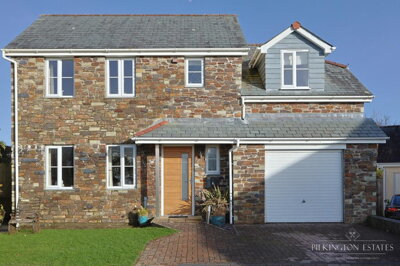
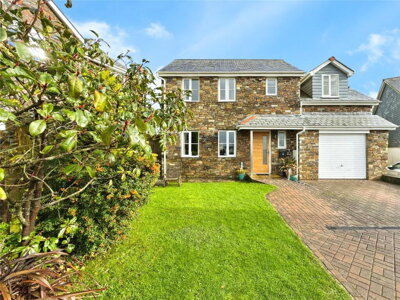
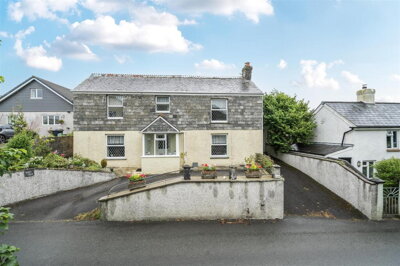
Browse 3 homes for sale in Boconnoc, Cornwall from local estate agents.
Three bedroom properties represent a significant portion of the Boconnoc housing market, offering space for families with multiple reception rooms and gardens in many cases. Browse detached, semi-detached, and terraced options ranging from period character homes to contemporary developments.
£0k
0
0
0
Source: home.co.uk
Showing 0 results for 3 Bedroom Houses for sale in Boconnoc, Cornwall.
The property market in Boconnoc is characterised by its exclusivity and limited supply. As an exceptionally small parish with only around 100 residents, the number of properties changing hands is correspondingly modest, with activity often captured within the broader PL22 postcode statistics that include nearby Lostwithiel. The housing stock here reflects the estate heritage of the area, predominantly consisting of detached and semi-detached properties, converted farm buildings, and traditional stone cottages that date largely from the pre-1919 period. Purpose-built flats are virtually nonexistent within the parish itself, with any apartment options typically located in nearby towns.
Average property values in the surrounding PL22 area hover around £525,000 to £547,000, though individual properties in Boconnoc can command significant premiums given their historical significance, traditional construction, and proximity to the celebrated estate grounds. Boconnoc Avenue in the nearby Callington area (PL17) shows semi-detached properties averaging £246,250 and detached properties averaging £298,000, though these figures represent different submarkets. No active new-build developments exist within the Boconnoc parish itself, which speaks to both the protected nature of the area and the limited development opportunities in this historic estate village.
The village's estate heritage has shaped the property landscape for centuries. The parish was largely owned by a single landlord in the 1800s, which was unusual for Cornwall and contributed to the cohesive character that persists today. Properties within the hamlets of Couch's Mill and Brooks, scattered throughout the parish, represent traditional estate workers' cottages and converted agricultural buildings that form the backbone of local residential stock. These historic homes, built using local rubble stone and covered with slate roofs, require specific knowledge of traditional construction methods when considering purchase or renovation.
For buyers seeking homes for sale in Boconnoc, understanding the local market dynamics is essential. The most recent comparable sale visible on Rightmove was Lower Trebarret on the road from Horsepool Lodge to Trecangate, which completed in September 2020 at £525,000. Given the limited transaction volumes and the desirability of this Cornish village, properties that do come to market attract serious interest from buyers seeking authentic rural living within easy reach of Cornwall's amenities.
Life in Boconnoc offers an authentic taste of rural Cornwall that has remained largely unchanged for generations. The parish sits above the River Lerryn, a tributary of the beautiful Fowey estuary, placing it within a landscape of winding lanes, hedgerows, and traditional farmland that defines the Cornish countryside. With hamlets including Couch's Mill and Brooks scattered throughout the parish, the community maintains a dispersed character that rewards those who appreciate space, privacy, and a genuine connection to the land. The 2024 population estimate of just 104 residents ensures that Boconnoc remains one of Cornwall's most intimate and unspoiled villages.
The Boconnoc Estate itself serves as the spiritual and economic heart of the parish, operating as a prestigious venue for weddings, events, and cottage stays throughout the year. This historic estate, with its registered historic park and garden, provides not only a stunning backdrop for village life but also employment opportunities that have sustained local families for generations. Historically, in the 1800s, the parish was largely owned by a single landlord, which was unusual for Cornwall and contributed to the cohesive character that persists today. Tourism and agriculture remain the primary economic drivers, with visitors drawn to the area's natural beauty, heritage buildings, and the sense of timelessness that makes Boconnoc so special.
The local economy reflects the agricultural heritage of the parish, with farming having historically provided the primary source of employment. In the 1850s, a fifth of household heads were farmers, with half working as farm or garden labourers, a pattern that shaped both the landscape and the community structure we see today. The converted farm buildings and estate cottages that now serve as family homes represent this working past, with many properties at Hill Farm and other estate buildings having been sensitively converted to residential use while retaining their original character and traditional construction methods.
Community life in Boconnoc revolves around the parish church and the estate, with residents coming together for village events and gatherings that maintain the strong social bonds typical of small rural communities. The proximity to Lostwithiel, just four miles west, provides access to everyday amenities including shops, schools, and railway connections, while the A390 road ensures that the wider Cornish road network remains accessible. For those seeking a peaceful existence away from the pressures of urban life, living in Boconnoc offers a rare combination of seclusion and community spirit.

Families considering a move to Boconnoc will find that primary education is available in nearby villages and towns, with the nearest primary schools typically located within a short drive in communities such as Lostwithiel, which lies approximately four miles west of the parish. These village primary schools provide a solid educational foundation within a traditional Cornish setting, often benefiting from close community ties and smaller class sizes that allow for individual attention. The rural setting means children benefit from outdoor learning opportunities and a connection to the natural landscape that enhances the curriculum.
Secondary education options are found in the larger towns of Cornwall, with pupils typically travelling to schools in towns such as Lostwithiel Community College or other nearby secondary schools. For families seeking further education, the colleges of Truro and Plymouth offer comprehensive sixth form and further education programmes accessible by public transport or car. The proximity of Boconnoc to Lostwithiel and the A390 road provides reasonable access to educational facilities, though parents should factor in travel arrangements when considering the practicalities of schooling from this rural location.
The 2021 Census recorded 102 residents in Boconnoc, a figure that has remained relatively stable over the past decade, reflecting the tight-knit nature of the community and the limited housing turnover in the parish. For families with school-age children, this small population means that school transport arrangements and journey times become important practical considerations when evaluating properties for sale in Boconnoc. Many families choose to reside in the village while children attend schools in nearby Lostwithiel, benefiting from the village's peaceful environment while maintaining access to educational facilities.
Prospective buyers with school-age children should verify current catchment areas and admission policies directly with Cornwall Council, as these can change and may affect school allocations for families moving to the area. School performance data and inspection reports are available through Ofsted's website, allowing parents to research options thoroughly before committing to a property purchase. The colleges of Truro and Plymouth provide comprehensive further education pathways for older students, with transport links via Lostwithiel station making these centres accessible for daily commuting or weekly boarding arrangements.
Boconnoc sits within a network of Cornish country lanes that connect the village to the surrounding towns and villages. The A390, which runs through nearby Lostwithiel, provides the main arterial route connecting the area to the wider road network of Cornwall. From the A390, residents can access the A38 main road that links Plymouth and Exeter to the east, while the coastal routes offer connections to the surfing beaches of the north coast and the maritime towns of the south. The rural lanes surrounding Boconnoc are generally well-maintained but can be narrow in places, reflecting the historic character of the parish.
Public transport options are limited, as one would expect from such a small village, with the nearest railway stations located in Lostwithiel and Bodmin Parkway. Lostwithiel station offers connections along the mainline to Plymouth, Exeter, and London Paddington, while Bodmin Parkway provides additional routes and greater frequency of services. Bus services connecting Boconnoc to nearby towns operate on a reduced schedule compared to urban areas, making car ownership practically essential for residents. However, for those working remotely or valuing the peaceful lifestyle that Boconnoc offers, the relative isolation from major congestion and the beauty of the surrounding countryside more than compensate for the travel considerations.
The location of Boconnoc above the River Lerryn and its tributaries creates a natural landscape of winding lanes that require careful navigation, particularly during winter months when rural roads may be affected by weather conditions. Couch's Mill, located near a minor road leading east from the A390 to the historic mill, exemplifies the dispersed nature of the parish settlement pattern. Residents accustomed to urban transport links should consider these practical realities when evaluating the suitability of Boconnoc for their lifestyle, though the exceptional natural beauty and heritage of the area more than compensate for the additional travel requirements.
For commuters working in Plymouth, Truro, or beyond, the rail connections from Lostwithiel station provide a viable alternative to daily driving. The journey to London Paddington via the mainline takes approximately three to four hours, placing the capital within reach for occasional business travel. Many residents of Boconnoc combine remote working flexibility with periodic commuting trips, enjoying the best of both worlds in this peaceful Cornish village while maintaining professional connections to larger employment centres.

Purchasing a property in Boconnoc requires careful consideration of several area-specific factors that differ from standard urban property searches. The village's concentration of listed buildings means that many properties will be subject to listed building consent requirements for alterations or improvements, which can add complexity and cost to renovation projects. Boconnoc Parish Church holds Grade I listing, while Boconnoc House is Grade II* listed, and numerous estate buildings throughout the parish carry Grade II status, including the bathing pool, bath house, bridge, chest tomb, gatepiers, dovecote, and even the smithy. Buyers should verify the listed status of any property they are considering and budget accordingly for the additional requirements of owning heritage property.
The traditional construction of properties in Boconnoc predominantly uses local rubble stone and slate, materials that reflect the geological character of Cornwall and the practical building traditions of the region. Boconnoc House, the principal historic building, exemplifies this approach with its rubble stone construction under slate roofs, a pattern replicated throughout the estate's residential buildings. Hill Farm, an 18th-century property on the estate, follows the same traditional stone-building methods that have served Cornish properties for centuries. These construction techniques, while durable, require ongoing maintenance and specialist knowledge when repairs or alterations are needed.
Flood risk assessment is another critical consideration for Boconnoc properties. The parish sits above the River Lerryn and its tributaries, with low-lying areas near water features potentially at risk from river or surface water flooding. Properties in hamlets such as Couch's Mill, located near the mill and minor roads, warrant particular attention to flood risk. We recommend requesting an Environment Agency flood risk report and ensuring buildings have appropriate flood resilience measures in place. The traditional construction of Boconnoc properties, typically featuring rubble stone walls and slate roofs, also requires consideration of maintenance schedules and potential issues with damp, roof decay, and timber defects that are common in older Cornish buildings.
Common defects found in Cornish properties of this age include penetrating damp through traditional stone walls, deterioration of lime mortar pointing, and roof covering failures that allow water ingress. Our inspectors frequently identify timber defects in floor structures and roof frameworks, particularly where ventilation has been compromised by modern alterations. The Cornish climate, with its high rainfall and salt-laden winds, accelerates weathering of traditional materials, making regular maintenance essential for preserving the structural integrity of these historic buildings. Before purchasing any property in Boconnoc, we strongly recommend commissioning a detailed survey that accounts for the specific construction methods and materials used in traditional Cornish estate properties.
Begin by exploring available properties in Boconnoc and the broader PL22 area through Homemove. Understand that property availability is limited in this small parish, so set realistic expectations and be prepared to act quickly when suitable properties become available. Consider the heritage aspects of local properties, including listed building status and traditional construction methods, and factor in the additional requirements that come with owning historic estate property.
Once you have identified properties of interest, arrange viewings through the listed estate agents. Given the rural nature of Boconnoc, viewings may require advance notice and coordination. Take time to assess the property condition, noting the traditional stone construction and age of buildings, and consider how these factors might affect renovation or maintenance plans. Pay particular attention to the condition of slate roofs, stone walls, and any evidence of damp or timber issues that are common in properties of this age.
Before making a formal offer, secure a mortgage agreement in principle from a lender. This demonstrates your financial readiness to sellers and their agents. For properties in Boconnoc with values typically above £500,000, ensure your mortgage arrangements can accommodate higher loan amounts and consider the additional costs associated with traditional and heritage properties. Specialist lenders may be required for listed buildings or non-standard construction.
Given the age and traditional construction of properties in Boconnoc, we strongly recommend commissioning a RICS Level 2 HomeBuyer Survey before completing your purchase. Survey costs in Cornwall typically range from £400 to £700, with rural and remote locations potentially attracting slightly higher fees. This survey will identify any structural issues, damp, roof condition, or other defects common in older Cornish properties. Our inspectors have specific experience with rubble stone construction, slate roofs, and the heritage considerations relevant to listed buildings in this area.
Appoint a conveyancing solicitor with experience in rural and heritage properties in Cornwall. They will handle legal searches, including flood risk assessments given the proximity to the River Lerryn, and ensure all listed building and planning matters are properly documented. Exchange contracts and complete your purchase with the guidance of your legal representative, who should understand the specific requirements of owning property within a historic estate setting.
Specific average house prices for the Boconnoc parish itself are not publicly aggregated due to the village's small size and limited transaction volumes. However, properties within the broader PL22 postcode district that encompasses Boconnoc have estimated average values between £525,240 and £547,418. Individual properties in Boconnoc can vary significantly based on their position within the historic estate, their listed building status, and whether they are traditional stone cottages, converted farm buildings, or estate worker cottages. Properties with significant heritage credentials or exceptional positions within the parish can command substantial premiums over these postcode averages. The most recent comparable sale on Rightmove was Lower Trebarret on the Trecangate road, which sold for £525,000 in September 2020, indicating the price point for quality estate properties in the area.
Properties in Boconnoc fall under the jurisdiction of Cornwall Council, which sets council tax bands based on property valuations. The historic and often substantial nature of properties in the parish means that many homes fall into higher council tax bands, particularly given that traditional stone houses and estate cottages frequently have higher rateable values than modern equivalents. Properties such as converted farm buildings at Hill Farm or estate cottages within the hamlets of Couch's Mill and Brooks often reflect their heritage status in their council tax banding. Prospective buyers should check specific properties on the Cornwall Council tax band records, which are publicly available, to understand the ongoing annual cost of council tax in addition to property purchase costs.
Boconnoc itself does not have schools within the parish due to its tiny population of just over 100 residents. The nearest primary schools are located in nearby villages and towns, with Lostwithiel approximately four miles away offering primary education options. For secondary education, pupils typically attend schools such as Lostwithiel Community College or other nearby secondary schools, with further and sixth form education available at colleges in Truro and Plymouth. Parents should verify current catchment areas and admission policies with Cornwall Council, as these can change and may affect school allocations for families moving to the area. The journey times from Boconnoc to schools in Lostwithiel typically involve travel along the A390, with school transport arrangements being an important practical consideration for families purchasing property in this rural parish.
Public transport connections from Boconnoc are limited, reflecting the rural character of the village and its small population. The nearest railway stations are Lostwithiel and Bodmin Parkway, both offering mainline services to Plymouth, Exeter, and London Paddington. Lostwithiel station provides direct connections to the mainline network, making it the primary railway option for residents. Bus services operate in the area but on reduced schedules compared to urban locations, making car ownership practically essential for most residents. The A390 provides road access to the wider Cornish road network, with the A38 offering connections to Devon and beyond. For commuters or those relying on public transport, the reduced frequency of services should be factored into lifestyle and travel planning.
Boconnoc presents a compelling investment case for buyers seeking something truly special in the Cornish property market. The village's extraordinary heritage, with its concentration of listed buildings and connection to the historic Boconnoc Estate, ensures continued interest from buyers seeking authentic rural Cornwall. Property availability is extremely limited, which helps maintain values in the broader PL22 area. The estate's operation as a wedding and events venue, combined with Cornwall's enduring appeal as a tourist destination, supports rental income potential for holiday lets or long-term lettings. However, buyers should recognise that the small population and rural nature mean capital growth may be slower than in more active markets, and liquidity is lower given the limited transaction volumes. Properties within the estate hamlets of Couch's Mill and Brooks may offer particular rental potential given their traditional character and proximity to the Fowey estuary.
Stamp Duty Land Tax (SDLT) rates for 2024-25 apply as follows: 0% on the first £250,000 of property value, 5% on the portion from £250,001 to £925,000, 10% on £925,001 to £1.5 million, and 12% on any amount above £1.5 million. For first-time buyers, the nil-rate threshold is increased to £425,000, with 5% applying between £425,001 and £625,000. Given that properties in Boconnoc and the surrounding PL22 area typically exceed £500,000, most purchases will attract SDLT at the 5% rate on the amount exceeding £250,000. For example, a property valued at £530,000 would incur SDLT of approximately £14,000. We recommend consulting the HMRC SDLT calculator with your specific purchase price to determine your exact liability, as reliefs and exemptions may apply in certain circumstances.
Given the age and traditional construction of properties in Boconnoc, our inspectors frequently identify several recurring issues during surveys. Damp penetration through traditional rubble stone walls is common, particularly where original lime mortar has been replaced with cement-based products that trap moisture. Roof condition is another frequent concern, with slate coverings showing signs of weathering and occasional failure, especially on north-facing slopes exposed to the prevailing winds from the Atlantic. Timber defects in floor structures and roof frameworks occur where ventilation has been compromised or where wet rot has developed over time. The proximity to the River Lerryn means that properties in lower-lying areas may show evidence of past flooding or elevated damp levels related to water table fluctuations. We recommend a thorough RICS Level 2 survey for any property in Boconnoc to identify these issues before purchase.
Understanding the full costs of purchasing property in Boconnoc requires careful budgeting beyond the purchase price itself. Stamp Duty Land Tax represents a significant additional cost, and with properties in this area typically valued between £525,000 and £550,000 or more, buyers should budget for SDLT at the 5% rate on the amount exceeding £250,000. For a property valued at £530,000, this would mean SDLT of approximately £14,000. First-time buyers may benefit from the increased nil-rate threshold of £425,000, reducing SDLT liability to 5% on the amount between £425,001 and £530,000, though this relief is not available for purchases exceeding £625,000 or for those who have previously owned property.
Beyond stamp duty, buyers should budget for solicitor conveyancing costs, which typically start from around £500 to £1,500 for a standard transaction but may be higher for properties involving heritage considerations such as listed building status. Additional legal searches required for properties in this rural area include flood risk assessments given the proximity to the River Lerryn and its tributaries, and specialist heritage property searches that may be necessary for properties within the historic estate setting. A RICS Level 2 survey, strongly recommended given the traditional construction and age of properties in Boconnoc, will cost approximately £400 to £700 in this Cornwall region. Surveyors may charge slightly more for rural and remote locations, and additional fees may apply for complex or non-standard construction including listed buildings.
Land Registry registration fees, bank transfer costs, and removals expenses should also be factored into your overall moving budget to ensure a smooth and stress-free purchase of your new Boconnoc home. For properties with agricultural land or outbuildings, additional costs may arise for specialist surveys or valuations of these elements. The exceptional heritage of Boconnoc properties may also require budget allocation for specialist building conservation work, as traditional materials such as local stone and slate require craftspeople with specific skills in heritage repair techniques. Careful financial planning, guided by the specifics of your chosen property, will ensure that the purchase of your Boconnoc home proceeds without unexpected financial surprises.
Properties for Sale In London

Properties for Sale In Plymouth

Properties for Sale In Liverpool

Properties for Sale In Glasgow

Properties for Sale In Sheffield

Properties for Sale In Edinburgh

Properties for Sale In Coventry

Properties for Sale In Bradford

Properties for Sale In Manchester

Properties for Sale In Birmingham

Properties for Sale In Bristol

Properties for Sale In Oxford

Properties for Sale In Leicester

Properties for Sale In Newcastle

Properties for Sale In Leeds

Properties for Sale In Southampton

Properties for Sale In Cardiff

Properties for Sale In Nottingham

Properties for Sale In Norwich

Properties for Sale In Brighton

Properties for Sale In Derby

Properties for Sale In Portsmouth

Properties for Sale In Northampton

Properties for Sale In Milton Keynes

Properties for Sale In Bournemouth

Properties for Sale In Bolton

Properties for Sale In Swansea

Properties for Sale In Swindon

Properties for Sale In Peterborough

Properties for Sale In Wolverhampton

Enter your details to see if this property is within your budget.
Loans, cards, car finance
Estimated property budget
Borrowing + deposit
You could borrow between
Typical borrowing
Monthly repayment
Est. at 4.5%
Loan-to-value
This is an estimate only. Your actual budget may vary depending on interest rates, credit history, and personal circumstances. For an accurate affordability assessment, speak to one of our free mortgage advisors.
This calculator provides estimates for illustrative purposes only and does not constitute financial advice. Your home may be repossessed if you do not keep up repayments on your mortgage. Estimates based on 4.5% interest rate, repayment mortgage. Actual rates depend on your circumstances.
Homemove is a trading name of HM Haus Group Ltd (Company No. 13873779, registered in England & Wales). Homemove Mortgages Ltd (Company No. 15947693) is an Appointed Representative of TMG Direct Limited, trading as TMG Mortgage Network, which is authorised and regulated by the Financial Conduct Authority (FRN 786245). Homemove Mortgages Ltd is entered on the FCA Register as an Appointed Representative (FRN 1022429). You can check registrations at NewRegister or by calling 0800 111 6768.

We use cookies to show you personalised content and improve your experience of our website. Find out more in our Privacy policy and Cookie policy.