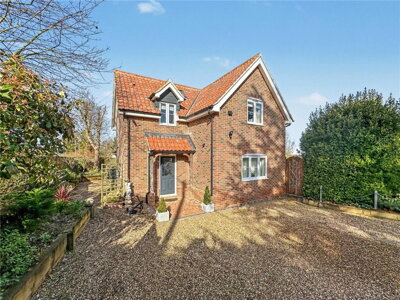
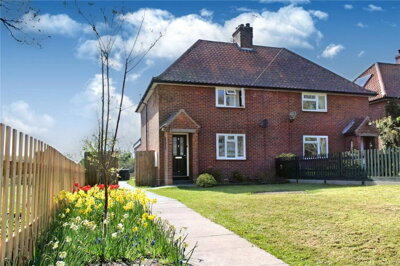
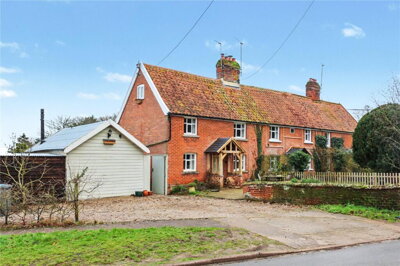
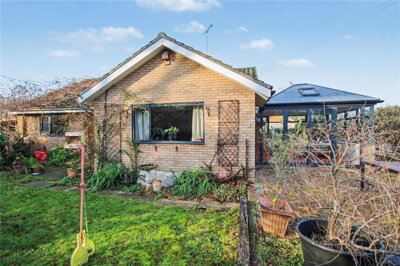
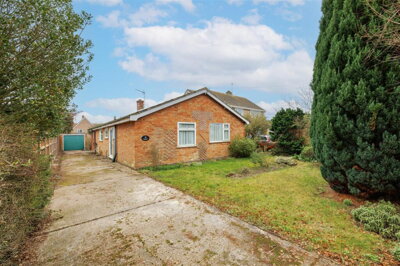
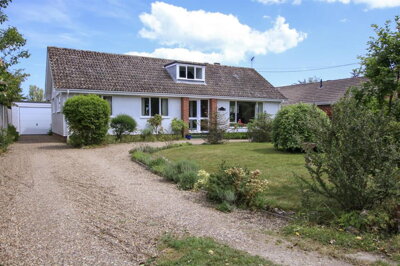
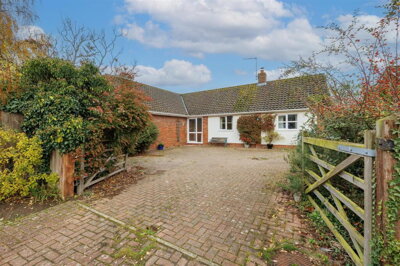
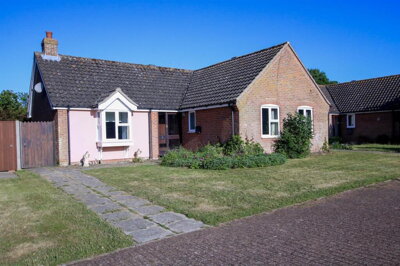
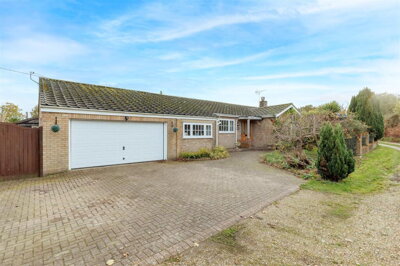
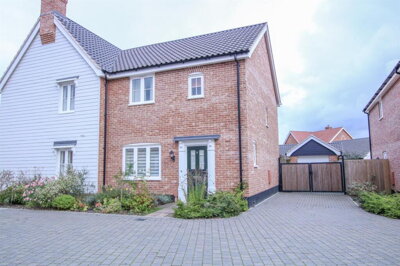
Browse 18 homes for sale in Blythburgh, East Suffolk from local estate agents.
Three bedroom properties represent a significant portion of the Blythburgh housing market, offering space for families with multiple reception rooms and gardens in many cases. Browse detached, semi-detached, and terraced options ranging from period character homes to contemporary developments.
£575k
1
0
29
Source: home.co.uk
Showing 1 results for 3 Bedroom Houses for sale in Blythburgh, East Suffolk. The median asking price is £575,000.
Source: home.co.uk
Detached
1 listings
Avg £575,000
Source: home.co.uk
Source: home.co.uk
The Blythburgh property market presents attractive opportunities for buyers seeking coastal and rural living without the premium prices found in nearby Southwold or Aldeburgh. Our data shows detached properties in the village command around £246,500 on average, while semi-detached homes reach approximately £375,000. Flats in Blythburgh average £227,500, offering an affordable option for first-time buyers or those looking for a manageable lock-and-leave property in this tranquil setting. The market has experienced modest adjustments over the past year, with overall prices declining around 2% according to most sources, creating potential negotiating opportunities for motivated buyers. According to OnTheMarket, prices fell 6.1% over the twelve months to early 2026, though this followed a period of stronger growth.
Property sales volumes in Blythburgh reflect the nature of a small village, with transaction numbers naturally lower than in larger towns. Across Suffolk county more broadly, approximately 9,700 properties changed hands in the past twelve months, though this represented a reduction of about 14% compared to the previous year. The wider county trend shows prices increasing by approximately 1% annually, suggesting underlying stability in the regional market. Blyth View, a residential area within the locality, has bucked the wider trend with prices rising 17% year-on-year, indicating strong demand for certain property types or locations within the broader Blythburgh area.
Rightmove data indicates that the majority of properties sold in Blythburgh during the last year were flats, contrasting with the Suffolk county pattern where detached properties account for the largest sales share at 35.8%. This difference likely reflects the village's particular mix of housing types, with smaller properties perhaps representing better value for money in an area where buyers prioritise location and lifestyle over square footage. Given the village's position within the Suffolk Coast and Heaths Area of Outstanding Natural Beauty and proximity to popular coastal destinations, the market benefits from consistent demand despite broader national fluctuations.

Life in Blythburgh revolves around the rhythms of rural Suffolk, with the village offering a peaceful retreat from busier urban centres while remaining connected to essential amenities. The village sits within the Suffolk Coast and Heaths Area of Outstanding Natural Beauty, placing it in one of England's most scenic rural landscapes. The Holy Trinity Church dominates the local skyline, a handsome medieval building that anchors the community and serves as a focal point for village events and gatherings. A traditional pub provides a welcoming space for socialising, while the surrounding farmland and river walks offer daily opportunities for outdoor recreation and wildlife observation.
The local economy draws from agriculture and tourism, with visitors attracted to Blythburgh's position on the Suffolk Coast Path and its proximity to renowned beaches at Southwold and Walberswick. Birdwatchers flock to the area throughout the year, with the nearby coast and marshes providing habitat for diverse species. The village forms part of an important ecological network, with local wetlands attracting migrating birds and supporting populations of species that draw ornithologists from across the country. Cycling is popular in the area, with quiet lanes connecting Blythburgh to neighbouring villages and the wider Suffolk countryside.
The Blythburgh Festival, held annually in the village, showcases local arts and crafts and draws visitors from across the region. The village hall hosts community events throughout the year, from quiz nights to craft fairs, while the playing fields provide facilities for outdoor activities. For sporting pursuits, golf courses are available in the surrounding area, and sailing opportunities exist at coastal locations in Southwold and nearby coastal towns. Healthcare facilities are accessible in Halesworth, approximately five miles away, where you will find a doctors surgery, pharmacy, and other essential services. Families appreciate the strong community spirit, excellent local walks, and the balance between peaceful village life and access to cultural attractions along the heritage coast.
Blythburgh's housing stock reflects centuries of continuous habitation, with many properties dating from the Victorian era or earlier periods of construction. The village's traditional buildings often feature timber framing, lime mortar pointing, and original period details that require sympathetic maintenance and understanding. These older constructions developed over generations to suit the local climate and available materials, resulting in homes with character and solid construction that has stood the test of time. However, buyers considering period properties should understand that such buildings require different maintenance approaches compared to modern construction, with traditional materials often needing specialist repair techniques.
Properties in rural Suffolk were historically built using materials sourced locally, including handmade bricks, lime-based mortars, and timber from nearby woodlands. Roof coverings typically feature clay tiles or slate, with some older properties sporting thatch in the surrounding area. The combination of traditional construction and age means that properties may exhibit characteristics such as uneven floors, solid walls without modern cavity insulation, and original windows that require careful restoration rather than replacement. Our platform displays a range of property types and ages, allowing buyers to identify properties that match their preferences for traditional character or more recent construction.
Flint and brick construction appears in some local buildings, a feature common across Suffolk where flint was readily available from the chalk geology underlying much of East Anglia. This combination creates attractive exterior finishes but requires specific repair techniques that differ from standard brickwork. For buyers considering renovation projects, understanding local building traditions helps inform decisions about what improvements are feasible and how to approach maintenance of period features. Listed buildings in the village, which are protected for their architectural and historical significance, require consent from East Suffolk Council for alterations, ensuring that their character is preserved for future generations.

Families considering a move to Blythburgh will find educational options within the village and the surrounding area, though availability varies by age group and specific location. Blythburgh Primary School serves younger children from the village and neighbouring communities, providing education for Reception through to Year 6 in a setting that reflects the village's close-knit community character. The school welcomes children from surrounding villages, with transport arrangements in place for families living further afield. For the most current Ofsted ratings and school performance data, we recommend consulting the Ofsted website directly, as inspection outcomes and academic results change over time and vary between institutions.
Secondary education options in the area include schools in Halesworth and surrounding market towns, with bus services providing daily transport for students travelling from Blythburgh. The nearest secondary schools offer a range of academic and vocational pathways, with Sixth Form provision available at larger schools for those pursuing higher education locally. Parents should verify catchment area boundaries with East Suffolk Council, as school places are allocated according to residency and oversubscription criteria that can affect which school your child would attend. For families prioritising selective education, grammar schools in Ipswich and other larger towns may be accessible, though this typically requires passing the 11-plus examination and meeting distance criteria.
Early years provision includes childminders and nurseries in nearby villages, with options expanding in the nearby towns. The village benefits from several active parent and toddler groups, reflecting the community's support for young families. Higher education options include the University of East Anglia and University of Suffolk in Norwich and Ipswich respectively, both accessible by road or public transport for older students. We recommend visiting schools directly and speaking with existing parents to gain practical insights into the educational landscape around Blythburgh, including the realities of the daily school run and extracurricular activities available.
Transport connections from Blythburgh reflect its status as a small rural village, with residents relying on a combination of road travel and limited public transport options. The village sits off the B1123, with the A12 accessible via nearby roads, connecting Blythburgh to Lowestoft, Ipswich, and the wider Suffolk road network. For commuters working in Norwich, the A146 provides a direct route, with typical journey times of around 45 minutes to an hour depending on traffic conditions. The A14 trunk road, connecting Felixstowe port to the Midlands, becomes accessible via Ipswich for those whose work involves logistics or international trade.
Public transport options are limited but available for those planning travel without a car. Bus services operated by local providers connect Blythburgh to Halesworth, Southwold, and surrounding villages, though frequencies are typically geared toward occasional journeys rather than daily commuting. The nearest mainline railway stations are at Halesworth and Beccles, offering connections to Norwich and eventually London Liverpool Street via the Bittern Line. Norwich railway station provides direct services to London, Cambridge, Birmingham, and other major destinations, with journey times to the capital taking approximately two hours.
Broadband speeds in rural Suffolk villages vary considerably, and prospective residents should verify the available internet services at specific properties before committing to a purchase. Mobile phone coverage similarly varies across the village, with some operators offering stronger signals than others depending on local mast coverage. Many residents working remotely have addressed connectivity challenges through mobile broadband solutions or by positioning themselves near windows for better signal reception. Driving remains the most practical option for most residents, with parking available at village locations and easy access to the coastal road network.
Start your property search on Homemove by exploring current listings in Blythburgh and the surrounding East Suffolk villages. Understanding price trends and available property types helps you set realistic expectations before beginning your search. Given the village's position within the Suffolk Coast and Heaths Area of Outstanding Natural Beauty, properties in Blythburgh may attract premium interest from buyers seeking coastal and rural lifestyles, making early research valuable.
Contact estate agents listing properties in Blythburgh to arrange viewings at times that suit you. Take time to explore the village, check nearby amenities, and get a feel for the neighbourhood before making an offer on any property. We recommend visiting at different times of day and, if possible, speaking with existing residents about their experience of living in the village.
Speak to a mortgage broker or lender to secure an Agreement in Principle before making an offer. This demonstrates your financial readiness to sellers and estate agents when bidding on properties in competitive market conditions. Given average property prices in Blythburgh ranging from around £227,500 for flats to £375,000 for semi-detached homes, understanding your borrowing capacity helps you focus your search on properties within budget.
Once your offer is accepted, arrange a Level 2 Survey for the property, particularly important given Blythburgh's older housing stock. A qualified surveyor will identify structural issues, damp, roof conditions, and other defects that may affect your purchase decision or negotiating position. For listed buildings or those of unusual construction, a more detailed RICS Level 3 Building Survey may be more appropriate.
Your solicitor will handle the legal aspects of the purchase, including searches, contracts, and registration with HM Land Registry. Local knowledge of East Suffolk properties and common issues helps ensure a smooth transaction through to completion. Searches should include environmental checks relevant to the village's proximity to the River Blyth and local authority records covering the specific property.
Once all searches are satisfactory and legal preparations are complete, you will exchange contracts and pay your deposit. Completion follows, typically within weeks, when you receive the keys to your new Blythburgh home. We recommend arranging buildings insurance from the point of contract exchange to protect your investment.
Purchasing a property in Blythburgh requires careful consideration of factors specific to this coastal Suffolk location, where proximity to water and the age of local housing stock create particular considerations for buyers. The village sits near the River Blyth and the Suffolk coast, which means flood risk should be thoroughly investigated before committing to any purchase. We recommend consulting the Environment Agency's flood maps for detailed information about surface water, river, and coastal flood risk affecting specific properties or areas within the village. Properties in low-lying positions or those with gardens extending toward the river require particular scrutiny, and appropriate insurance arrangements should be factored into your ongoing costs.
Given Blythburgh's rural character and historical settlement patterns, many properties in the village are likely to be older constructions, potentially dating from the Victorian era or earlier. Older properties often exhibit characteristics such as traditional timber framing, original plaster finishes, and period features that require sympathetic maintenance. A thorough RICS Level 2 Survey becomes especially valuable for identifying issues common to older Suffolk properties, including damp arising from inadequate damp-proofing, timber defects such as rot or woodworm, roof covering deterioration, and outdated electrical wiring that may not meet current safety standards. Properties within or adjacent to conservation areas may carry planning restrictions affecting alterations and extensions, so buyers should clarify the position with East Suffolk Council before proceeding.
The local geology of the Blythburgh area warrants investigation, particularly regarding soils that can affect property foundations in certain conditions. Subsidence risk varies across Suffolk depending on local soil composition, and any signs of movement or previous foundation work should be professionally assessed. For buyers considering flats or leasehold properties, careful review of service charges, ground rent arrangements, and the remaining lease term becomes essential, as these ongoing costs vary significantly between developments. Taking time to understand these local-specific factors helps ensure your Blythburgh purchase meets your long-term expectations and financial plans.
The average house price in Blythburgh over the past year was approximately £269,125 according to Rightmove and Zoopla data, with OnTheMarket reporting a slightly higher figure of £311,000 as of early 2026. Property prices in the village vary considerably by type, with flats averaging around £227,500, detached properties at approximately £246,500, and semi-detached homes reaching around £375,000. Overall prices have shown modest adjustment over the past year, declining approximately 2% compared to the previous year according to most sources, though certain areas within the locality have performed differently, with Blyth View showing prices rising 17% year-on-year. Given the village's position within the Suffolk Coast and Heaths Area of Outstanding Natural Beauty and proximity to popular destinations like Southwold, the market benefits from consistent demand from buyers seeking rural and coastal lifestyles.
Properties in Blythburgh fall under East Suffolk Council's jurisdiction for council tax purposes, with specific band allocations depending on the property's assessed value at the 1991 valuation point. Bands range from A through to H, and this information will be provided during the conveyancing process through local authority searches. You can check the Valuation Office Agency's council tax band records online for any specific property before making an offer, and prospective buyers should factor these annual costs into their overall budget alongside mortgage payments and other running costs.
Blythburgh Primary School serves younger children from the village and surrounding area, providing education from Reception through to Year 6 in a setting that reflects the village's close-knit community character. For secondary education, students typically travel to schools in Halesworth, where bus services provide daily transport, and older pupils may attend schools in other nearby market towns with Sixth Form provision for those continuing their education locally. We recommend checking current Ofsted ratings directly and verifying catchment area boundaries with East Suffolk Council, as these details change over time and affect admission priorities for families moving to the area.
Public transport options from Blythburgh are limited, reflecting its status as a small rural village, with local bus services connecting the village to Halesworth, Southwold, and surrounding communities on a timetable geared toward occasional rather than daily commuting needs. The nearest mainline railway stations at Halesworth and Beccles provide access to the Bittern Line, connecting to Norwich and onward services to London Liverpool Street, with typical journey times to the capital of around two to two and a half hours depending on connections. Most residents rely on private car travel for daily commuting and essential journeys, with the A12 accessible via local roads for journeys to larger towns and cities, and the A146 providing a direct route to Norwich with journey times of approximately 45 minutes to an hour.
Blythburgh offers potential for property investment, particularly given its position within the Suffolk Coast and Heaths Area of Outstanding Natural Beauty and proximity to popular destinations like Southwold and Walberswick. The village attracts buyers seeking rural lifestyles, coastal access, and access to excellent walking routes, creating consistent demand from both owner-occupiers and those seeking holiday let opportunities, though the latter requires planning permission for short-term rentals. Price trends show modest adjustment recently, which may present buying opportunities ahead of anticipated market recovery, but buyers should consider factors including limited local employment, reliance on road transport, and potential flood risk from proximity to the River Blyth when evaluating investment potential.
Stamp Duty Land Tax rates for residential purchases in England are 0% on the first £250,000 of property value, rising to 5% on the portion between £250,001 and £925,000, then 10% up to £1.5 million, and 12% on any value exceeding £1.5 million. First-time buyers benefit from increased thresholds, paying 0% up to £425,000 and 5% between £425,001 and £625,000, though this relief does not apply above £625,000. Given the average property price in Blythburgh of approximately £269,125, most purchases would attract no stamp duty, while higher-value properties may incur charges according to these standard rates. We recommend using HMRC's online calculator or consulting your solicitor for precise calculations based on your specific situation and any applicable reliefs.
Older properties in Blythburgh, which likely constitute a significant portion of the local housing stock, require careful inspection and consideration before purchase due to their age and traditional construction methods. Common issues include damp arising from age or proximity to water, timber defects such as rot or woodworm affecting structural elements, roof covering deterioration, and electrical systems that may not meet current safety standards. The village's proximity to the River Blyth and the Suffolk coast means flood risk and potential foundation movement should be assessed, with particular attention to properties in low-lying positions or with gardens extending toward water. We strongly recommend commissioning a RICS Level 2 Survey for any older property, and for listed buildings or those of unusual construction, a more detailed RICS Level 3 Building Survey may be appropriate to fully understand the property's condition and any maintenance requirements.
Our current listings show no active new-build developments specifically within the Blythburgh postcode area, reflecting the village's established character and limited development opportunities. Buyers seeking brand new properties may wish to explore neighbouring towns and villages in East Suffolk where larger developments occasionally become available. However, the village's period properties and traditional housing stock offer their own appeal, with older buildings often featuring character and solid construction that newer properties cannot replicate. We update our listings regularly as the market changes, so checking back frequently may reveal new opportunities as they come to market.
Understanding the costs involved in purchasing property in Blythburgh helps you budget accurately and avoid surprises during the transaction process. Stamp Duty Land Tax represents a significant consideration for most buyers, though properties in Blythburgh at the current average price of £269,125 typically fall below the standard threshold where no SDLT is payable. For first-time buyers purchasing properties up to £425,000, no stamp duty applies, meaning many Blythburgh purchases could attract zero SDLT under current relief provisions. Given that flats in the village average £227,500, most flat purchases would fall entirely below the standard nil-rate band.
Beyond stamp duty, buyers should budget for solicitor conveyancing costs, which typically start from around £499 for standard transactions but vary based on property value and complexity. Search fees through the local authority, typically a few hundred pounds, cover environmental searches, planning history, and other local authority enquiries relevant to the Blythburgh area. Our platform offers access to conveyancing services with experience handling properties in the East Suffolk region, ensuring smooth progress through the legal process. An EPC assessment is mandatory for all sales and costs from around £60, while a RICS Level 2 Survey starts from approximately £350 depending on property size and the surveyor selected.
Mortgage arrangement fees, valuation fees, and broker charges add further costs to your budget, and buyers should also account for removal expenses, buildings insurance from exchange of contracts, and any immediate repairs or furnishing requirements. Speaking with a mortgage broker early in your search helps clarify your budget and financing options before committing to a purchase. We recommend obtaining quotes for all services early in the process, as this helps ensure your total budget covers all anticipated costs and avoids last-minute shortfalls that could delay or derail your purchase.
Properties for Sale In London

Properties for Sale In Plymouth

Properties for Sale In Liverpool

Properties for Sale In Glasgow

Properties for Sale In Sheffield

Properties for Sale In Edinburgh

Properties for Sale In Coventry

Properties for Sale In Bradford

Properties for Sale In Manchester

Properties for Sale In Birmingham

Properties for Sale In Bristol

Properties for Sale In Oxford

Properties for Sale In Leicester

Properties for Sale In Newcastle

Properties for Sale In Leeds

Properties for Sale In Southampton

Properties for Sale In Cardiff

Properties for Sale In Nottingham

Properties for Sale In Norwich

Properties for Sale In Brighton

Properties for Sale In Derby

Properties for Sale In Portsmouth

Properties for Sale In Northampton

Properties for Sale In Milton Keynes

Properties for Sale In Bournemouth

Properties for Sale In Bolton

Properties for Sale In Swansea

Properties for Sale In Swindon

Properties for Sale In Peterborough

Properties for Sale In Wolverhampton

Enter your details to see if this property is within your budget.
Loans, cards, car finance
Estimated property budget
Borrowing + deposit
You could borrow between
Typical borrowing
Monthly repayment
Est. at 4.5%
Loan-to-value
This is an estimate only. Your actual budget may vary depending on interest rates, credit history, and personal circumstances. For an accurate affordability assessment, speak to one of our free mortgage advisors.
This calculator provides estimates for illustrative purposes only and does not constitute financial advice. Your home may be repossessed if you do not keep up repayments on your mortgage. Estimates based on 4.5% interest rate, repayment mortgage. Actual rates depend on your circumstances.
Homemove is a trading name of HM Haus Group Ltd (Company No. 13873779, registered in England & Wales). Homemove Mortgages Ltd (Company No. 15947693) is an Appointed Representative of TMG Direct Limited, trading as TMG Mortgage Network, which is authorised and regulated by the Financial Conduct Authority (FRN 786245). Homemove Mortgages Ltd is entered on the FCA Register as an Appointed Representative (FRN 1022429). You can check registrations at NewRegister or by calling 0800 111 6768.

We use cookies to show you personalised content and improve your experience of our website. Find out more in our Privacy policy and Cookie policy.