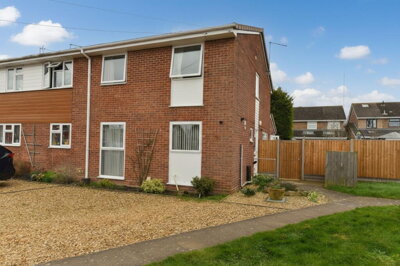
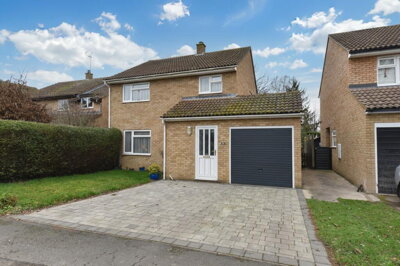
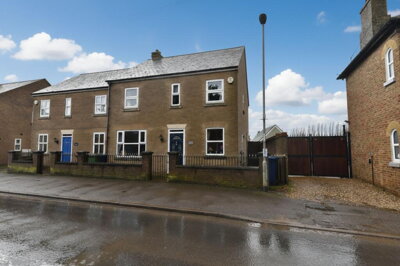
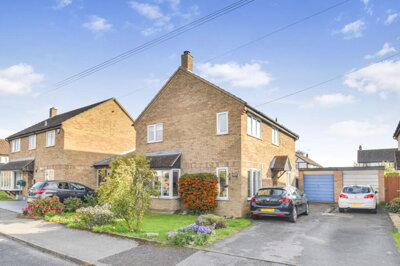
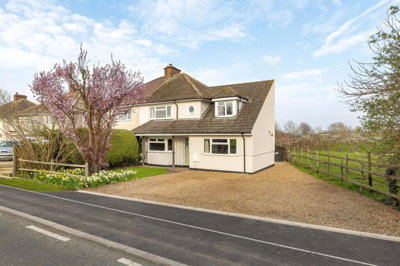
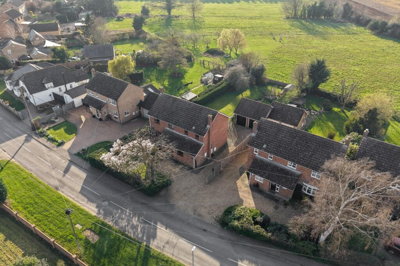
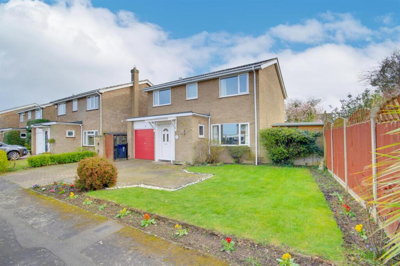
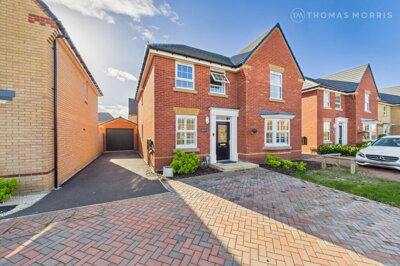
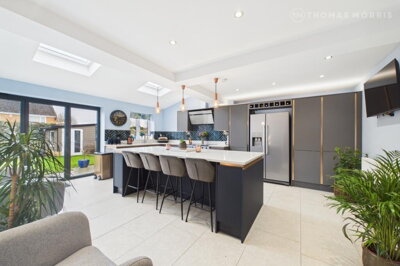
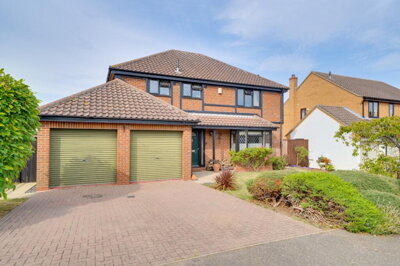
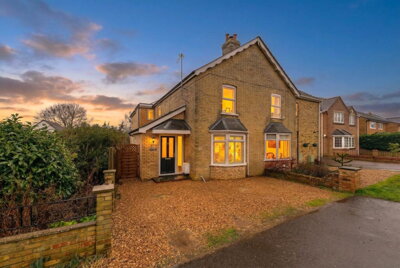
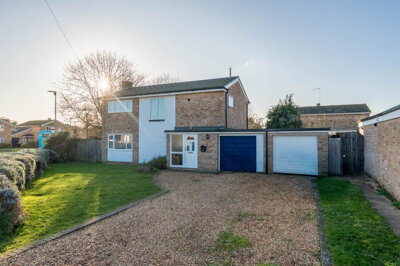
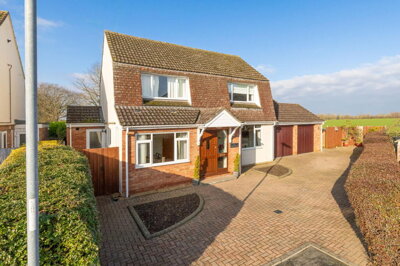
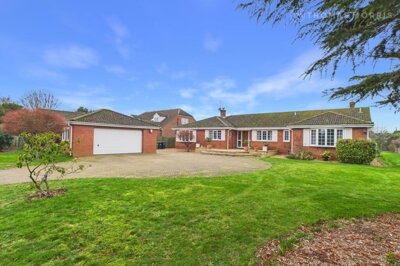
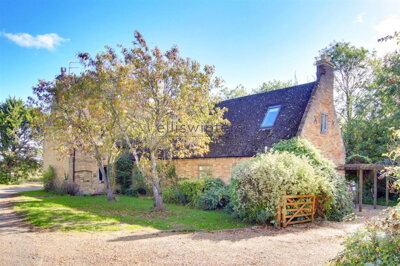
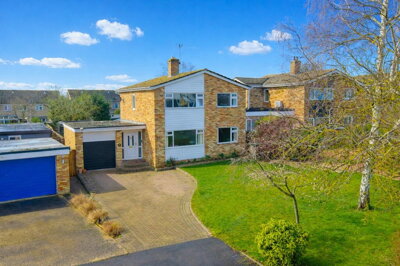
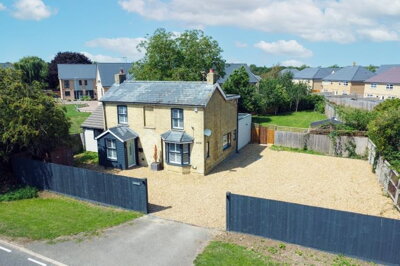
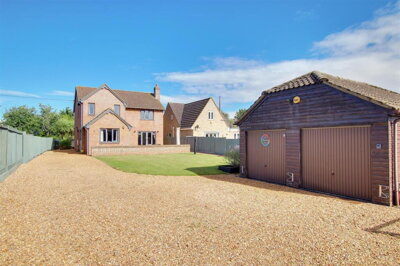
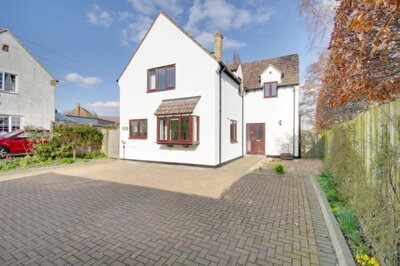
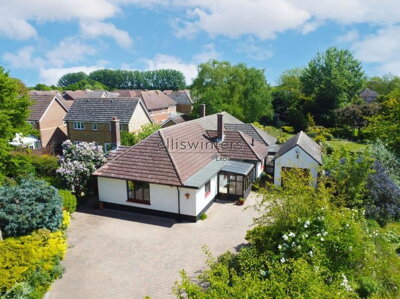
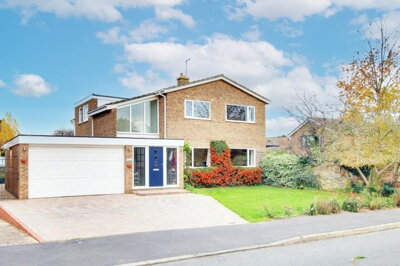
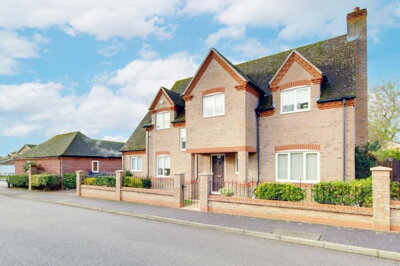
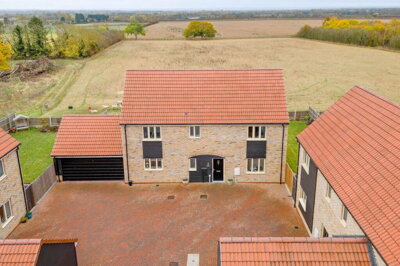
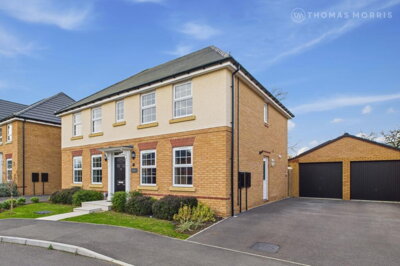
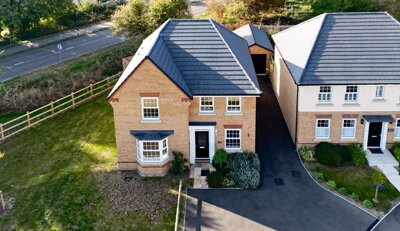
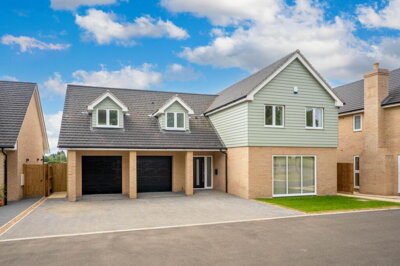
Browse 36 homes for sale in Bluntisham, Huntingdonshire from local estate agents.
The larger property sector typically features multiple bathrooms, substantial reception space, and private gardens or off-street parking. Four bedroom houses in Bluntisham span detached, semi-detached, and occasionally terraced configurations, with styles ranging from period properties to modern executive homes.
£650k
5
0
140
Source: home.co.uk
Showing 5 results for 4 Bedroom Houses for sale in Bluntisham, Huntingdonshire. The median asking price is £650,000.
Source: home.co.uk
Detached
5 listings
Avg £680,000
Source: home.co.uk
Source: home.co.uk
The Bluntisham property market has demonstrated resilience despite broader national fluctuations. House prices in the village are currently 5% up on the previous year, though they remain 21% below the 2022 peak of £469,722. This correction from the pandemic-era highs has created opportunities for buyers seeking value in this attractive Cambridgeshire village. Rightmove records an overall average price of £371,538, while Zoopla reports £381,923, reflecting the diverse range of properties available. For buyers who missed the peak market conditions of 2022, current prices represent a more accessible entry point into this sought-after village location.
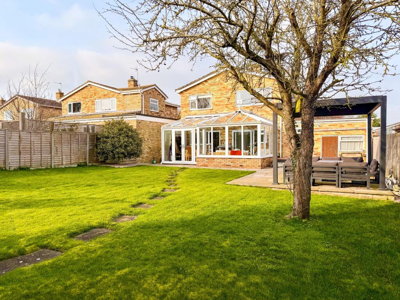
Property types in Bluntisham span a wide spectrum to suit varying requirements. Detached properties command an average price of £422,500, offering generous space and gardens that appeal to families. Semi-detached homes average £298,750, providing an accessible option for first-time buyers or those seeking a balance between space and affordability. Terraced properties average £255,000 and represent the most affordable route into homeownership in the village. Flats are less common in this predominantly village setting, though some may be available within converted properties or newer developments. The ONS Census 2021 data shows that almost 8 in 10 households nationally live in houses or bungalows, a pattern reflected in Bluntisham's predominantly low-density residential character.
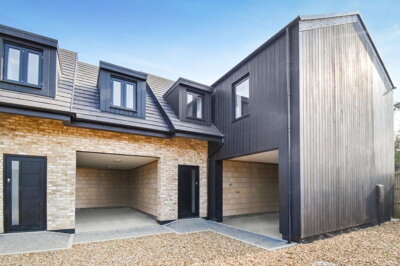
New build activity has been particularly vibrant in Bluntisham recently. Orchard View on Station Road (PE28 3LL), a development of 26 homes delivered by Accent Housing in partnership with Minster Property Group and Seagate Homes, was completed in October 2025. This development offers seven affordable rent properties including bungalows with wet rooms for accessibility, alongside 19 shared ownership homes available from just 10% initial share. Mill Gardens on Mill Lane features four-bedroom detached houses priced between £800,000 and £825,000, representing the premium end of the local market. A new barn-style end terrace at White Towers on Wood End is available for offers over £295,000. Looking ahead, outline planning has been submitted by Barratt Redrow PLC for up to 140 homes on land north of Station Road, while a separate application for 90 homes on Colne Road is pending determination by Huntingdonshire District Council.

Bluntisham's character is deeply rooted in its agricultural heritage and distinctive architecture. The village sits within a predominantly agricultural area of Huntingdonshire, where arable crops including winter-sown wheat and oil seed rape dominate the surrounding farmland. Historically, large orchards provided seasonal employment for village residents, though farming practices have evolved over time. The village name itself derives from Old English, reflecting its long history as a settled community in the Fens fringe landscape. Our local knowledge confirms that the agricultural setting remains central to Bluntisham's identity, with farmland visible from virtually every street in the village.
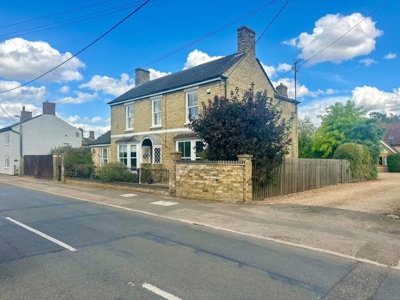
The Bluntisham Conservation Area, designated by Huntingdonshire District Council on 13 October 1980, preserves the village's historic character. The conservation area has a linear form following the High Street and includes historic farmhouses on the western side. Traditional building materials throughout the village include gault brick, plain tiles, slates, and clay pantiles. Several thatched cottages with whitewashed render add to the rural charm, particularly along East Street and Colne Road where four buildings, including Horseshoe Cottage and The Gables, retain their original thatched roofs. These heritage assets contribute significantly to the village's distinctive appearance and sense of place, making the conservation area one of Bluntisham's most attractive features for those seeking character properties.
Day-to-day life in Bluntisham is well-served by local amenities. The village supports a petrol station, convenience supermarket, local gym, fish and chip shop, and hairdresser. Social life centres around the village hall, playing fields, and two churches including St Mary's Church, which dates from the 14th and 15th centuries, and the Baptist church. Local pubs provide dining options and community gathering spaces. The village also has a car repair workshop, ensuring basic motoring needs are met locally. For cultural attractions and greater retail choice, residents typically travel to nearby St Ives or the larger centre of Huntingdon, both of which offer comprehensive shopping centres, restaurants, and entertainment facilities within easy reach.

Education provision in Bluntisham centres on the village primary school, which serves families with children of early years and Key Stage 1 and 2 age groups. The school provides a local education option, avoiding the need for young families to travel to larger towns for primary schooling. For secondary education, pupils typically travel to schools in nearby towns, with St Ives and Huntingdon offering a range of options including grammar schools for academically selective families. Cambridgeshire's selective education system means families should research grammar school entry requirements and admission arrangements carefully when considering properties in Bluntisham, as competition for places can be strong.
The presence of quality schools significantly influences the Bluntisham property market, with families often prioritising access to good education when choosing where to live. Parents considering properties in Bluntisham should research current school performance data and admission arrangements directly with Cambridgeshire County Council, as catchment areas and school capacities can affect placement decisions. The village's position within Cambridgeshire places it within a county generally regarded for its educational standards, though specific school ratings and performance vary year by year. House hunters with school-age children should factor school travel times and transport arrangements into their property search, as secondary school journeys may involve bus services or parental transport to nearby towns.
For families with older children, further and higher education opportunities in Cambridgeshire are excellent, with Cambridge offering world-renowned universities and further education colleges. The proximity of Bluntisham to Cambridge makes it feasible for older students to commute from the family home in some circumstances, though many choose to board or rent near their place of study. St Ives School offers secondary education within reasonable travelling distance, while Huntingdon provides additional options including Hinchingbrooke School and St Peter's School. Families should plan their education requirements carefully when house hunting in the village, particularly regarding secondary school selection and transport arrangements.
Transport connectivity from Bluntisham combines the quiet charm of village living with practical access to major road and rail networks. The village sits near the A1123 and is well-connected to the A14, which runs through Huntingdonshire providing access to Cambridge to the south and the East Coast ports to the east. The A14 is a key arterial route for commuters working in Cambridge, Peterborough, or those travelling further afield for work. Motorway access to the M11 is available via Cambridge, connecting Bluntisham residents to London and the motorway network. Journey times to Cambridge city centre by car typically take around 35-40 minutes, making day commuting feasible for those working in the university city or its surrounding business parks.
Rail services from nearby stations provide commuting options for those working in larger cities. Stations at Huntingdon and St Ives offer connections to the national rail network, with direct services to Cambridge and Peterborough available. From Huntingdon station, trains to London King's Cross take approximately 50 minutes, making Bluntisham a viable location for commuters working in the capital but seeking more affordable village living. Residents without private vehicles should carefully check bus timetables and routes when considering a move to Bluntisham, as daily commuting by public transport may require careful planning and longer journey times than road-based alternatives.
Within the village itself, most residents rely on private vehicles for daily transportation, with parking generally adequate in this low-density rural setting. Cycling is popular for local journeys, with the flat Cambridgeshire terrain making cycling accessible for most fitness levels. National Cycle Routes pass through the region, offering options for recreational cycling and longer journeys. For international travel, London Stansted Airport and London Luton Airport provide accessible air connections within approximately 90 minutes' drive, while Cambridge Airport offers limited commercial flights. Bluntisham's position offers a balance between rural tranquility and connectivity that appeals to buyers seeking village life without sacrificing access to employment and transport hubs.
Before searching for properties in Bluntisham, research local house prices, neighbourhoods, and your mortgage affordability. With average prices around £381,923, understand what you can borrow and factor in additional costs including stamp duty, solicitor fees, and surveys. Getting a mortgage agreement in principle before viewings strengthens your position as a serious buyer and helps you set realistic parameters for your property search in this Cambridgeshire village.
Contact estate agents listing properties in Bluntisham to arrange viewings at homes that match your requirements. Consider viewing properties across different price brackets to understand what is available at each level. Pay attention to the property's condition, age, and any signs of maintenance issues, particularly in older properties where defects may be more prevalent. View properties in different weather conditions if possible to assess heating efficiency and any damp concerns common in older village properties.
Once your offer is accepted, commission a RICS Level 2 Survey before proceeding to exchange contracts. Given Bluntisham's mix of historic properties and new builds, a professional survey identifies any defects or structural issues that might affect your purchase. Properties in the Conservation Area or listed buildings may require the more detailed RICS Level 3 Building Survey due to their unique construction and heritage considerations. Survey costs for a typical three-bedroom property average around £420 nationally, though prices vary based on property value and accessibility.
Appoint a solicitor to handle the legal aspects of your purchase. Your solicitor will conduct searches with Huntingdonshire District Council, verify ownership, and manage the transfer of funds. Conveyancing costs typically start from £499 for standard purchases, though costs increase for leasehold properties, shared ownership schemes, or transactions involving listed buildings. Allow 8-12 weeks for the conveyancing process, though sales involving complications can take longer.
Once all searches are satisfactory and mortgage offers are in place, you will exchange contracts with the seller and pay a deposit, typically 10% of the purchase price. Completion usually follows within 1-2 weeks, when the remaining funds are transferred and you receive the keys to your new Bluntisham home. Register ownership with HM Land Registry promptly after completion to ensure your legal title is properly recorded.
Flood risk is a significant consideration when purchasing property in Bluntisham. The village is covered by flood alerts and warnings for the River Great Ouse, particularly affecting properties near Needingworth Road where annual flood risk exceeds 1%. Bluntisham Parish Council has documented numerous flooding locations throughout the village, with residents reporting flash floods and drainage issues during heavy rainfall events. Properties on Rectory Road have suffered significant flooding in recent years, and surface water flooding presents additional risk in low-lying areas. A RICS Level 2 Survey will assess flood risk and any evidence of water damage to the property structure, allowing you to make an informed decision before committing to purchase.
The presence of clay soils in Bluntisham creates a potential shrink-swell subsidence risk, as clay-rich soils change volume with moisture content. The village's historic brick-making industry, using local clay deposits during the 17th century, confirms the presence of these soils in the local geology. Properties with large trees nearby, or those with inadequate drainage, may be susceptible to ground movement affecting foundations over time. If considering a property with significant vegetation or on clay soils, a specialist foundation assessment may be advisable before purchase. Newer properties should have been built to modern standards accounting for these conditions, but older properties with shallower foundations warrant closer inspection by our qualified surveyors.
Properties within the Bluntisham Conservation Area are subject to planning restrictions requiring planning permission for certain alterations and extensions. The conservation area designation preserves the village's historic character but imposes obligations on homeowners considering renovations or modifications. Listed buildings, including Grade II* Bluntisham House on Rectory Road and numerous Grade II listed cottages, require Listed Building Consent for any works that might affect their character or fabric. Purchasing a listed property brings both the privilege of living in a heritage asset and the responsibility of maintaining its historic features to approved standards. Factor these considerations into your purchasing decision and budget, as specialist surveys and heritage-compliant renovations can increase overall costs.
The average sold price for properties in Bluntisham over the past twelve months is £381,923 according to Land Registry data, with Rightmove recording £371,538. Detached properties average £422,500, semi-detached homes £298,750, and terraced properties £255,000. House prices have risen 5% year-on-year but remain 21% below the 2022 peak of £469,722, creating an opportunity for buyers who missed the pandemic-era market. For the PE28 3LQ postcode specifically, prices have fallen by 1.2% over the past year, reflecting local variation within the broader village market.
Properties in Bluntisham fall under Huntingdonshire District Council's jurisdiction, with council tax bands ranging from A through to H assigned based on property value as assessed in 1991. Specific band information for individual properties is available through the Valuation Office Agency website or your solicitor during conveyancing searches. Contacting Huntingdonshire District Council directly provides current banding information and estimated costs for any specific property you are considering purchasing. Council tax bands affect ongoing costs of homeownership and should be factored into your budget calculations alongside mortgage payments and utility bills.
Bluntisham has a primary school serving the local community for early years and Key Stage 1 and 2 education. For secondary education, families typically access schools in nearby St Ives and Huntingdon, with Cambridgeshire's grammar school system providing selective options for academically able pupils at schools including St Ives School and Hinchingbrooke School in Huntingdon. Research current Ofsted ratings and admission policies directly with the schools or Cambridgeshire County Council, as performance data and catchment boundaries change over time and can significantly impact your children's educational journey.
Bluntisham is served by local bus routes connecting to neighbouring towns including St Ives and Huntingdon, though service frequencies are more limited than urban areas. Rail services are accessible via Huntingdon and St Ives stations, with trains to Cambridge and Peterborough and connections to London King's Cross taking approximately 50 minutes from Huntingdon. The A1123 and A14 provide road connections, with the A14 being a key route for commuters to Cambridge and beyond. Daily commuters relying entirely on public transport should verify service frequencies and journey times before purchasing, as village bus services may not match urban frequencies.
Bluntisham offers several factors that may appeal to property investors seeking long-term returns. House prices have recovered some ground with 5% annual growth, while significant new housing developments including Orchard View (completed October 2025) and planned developments for 140 and 90 homes suggest continued investment in local infrastructure. The village's rural character and proximity to Cambridge make it attractive for commuters seeking more affordable housing than the city centre. However, flood risk and the limited rental market in small villages should be considered carefully, and first-time buyers may find shared ownership properties at Orchard View a more accessible entry route than outright purchase.
As of 2024-25, stamp duty land tax on residential purchases is charged at 0% on the first £250,000 of property value, 5% on £250,001 to £925,000, 10% on £925,001 to £1.5 million, and 12% above £1.5 million. First-time buyers purchasing under £625,000 qualify for relief on the first £425,000, paying 5% between £425,001 and £625,000 with no relief above that threshold. For a typical Bluntisham property at £381,923, a standard buyer would pay no stamp duty on the first £250,000 and 5% on the remaining £131,923, totalling £6,596.15 in stamp duty costs.
Given Bluntisham's mix of older and newer properties, our surveyors commonly identify dampness, roof damage, structural movement, and drainage problems during property surveys. Older properties may lack modern damp-proof courses and adequate waterproofing, particularly given the village's history of flash flooding and drainage issues. Roof condition is especially important in listed properties with traditional clay tiles or thatch, as replacement materials must match original specifications for heritage compliance. Properties with large trees nearby may be susceptible to subsidence given the clay soils present in the area, and electrical systems in pre-1980s properties may require updating to meet current safety standards.
Bluntisham has a notable heritage stock including Grade II* Bluntisham House (formerly The Rectory) on Rectory Road, built circa 1720 with later 18th and 19th-century additions. The Bluntisham Meeting House and Sunday School is Grade II listed and situated within a large graveyard with red brick construction. Four properties in the north-east corner of the Conservation Area have thatched roofs, including Horseshoe Cottage and The Gables on East Street and Colne Road. Numerous other Grade II listed buildings dot the village, including properties at 6 Rectory Road, 18 and 38 High Street, and 59 and 59a Woodend. Purchasing a listed property requires Listed Building Consent for alterations and brings obligations to maintain historic features to approved standards.
From 4.5%
Compare competitive mortgage rates from leading lenders
From £499
Expert legal services for your property purchase
From £400
Professional property survey for standard homes
From £600
Comprehensive survey for older or complex properties
Understanding the full costs of purchasing property in Bluntisham is essential for budgeting effectively. Beyond the purchase price, buyers must budget for stamp duty land tax, solicitor fees, survey costs, and potential mortgage arrangement fees. For a typical Bluntisham property at the current average price of £381,923, a standard buyer without first-time buyer relief would pay £6,596.15 in stamp duty. This comprises nil duty on the first £250,000 and 5% on the remaining £131,923. First-time buyers purchasing under £625,000 qualify for relief on the first £425,000, potentially reducing their stamp duty to nil on this transaction and making homeownership more accessible in this Cambridgeshire village.
Solicitor fees for conveyancing typically start from £499 for standard purchases, though costs increase for leasehold properties, shared ownership schemes, or transactions involving complications such as a chain or listed building considerations. Additional disbursements include local authority searches with Huntingdonshire District Council, Land Registry fees, and electronic transfer fees, typically totalling £300-500. Survey costs for a RICS Level 2 Survey on a three-bedroom property average around £420 nationally, rising to £437 for four-bedroom homes. Listed buildings or non-standard construction properties with thatch or timber frames require the more comprehensive RICS Level 3 Building Survey, which costs from £600 upwards due to the additional specialist expertise required.
Mortgage arrangement fees vary significantly between lenders, ranging from zero to £2,000 or more, and are often added to the mortgage amount rather than paid upfront. Valuation fees, which assess the property as security for the lender, are typically £200-400 depending on property value. Life insurance and buildings insurance must be in place from completion, with buildings insurance for Bluntisham homes typically costing £150-400 annually depending on property value, construction type, and flood risk considerations. Setting aside approximately 5-10% of the purchase price for additional costs ensures buyers are not caught out by these expenses during the transaction process and can proceed to completion with confidence in their financial planning.
Properties for Sale In London

Properties for Sale In Plymouth

Properties for Sale In Liverpool

Properties for Sale In Glasgow

Properties for Sale In Sheffield

Properties for Sale In Edinburgh

Properties for Sale In Coventry

Properties for Sale In Bradford

Properties for Sale In Manchester

Properties for Sale In Birmingham

Properties for Sale In Bristol

Properties for Sale In Oxford

Properties for Sale In Leicester

Properties for Sale In Newcastle

Properties for Sale In Leeds

Properties for Sale In Southampton

Properties for Sale In Cardiff

Properties for Sale In Nottingham

Properties for Sale In Norwich

Properties for Sale In Brighton

Properties for Sale In Derby

Properties for Sale In Portsmouth

Properties for Sale In Northampton

Properties for Sale In Milton Keynes

Properties for Sale In Bournemouth

Properties for Sale In Bolton

Properties for Sale In Swansea

Properties for Sale In Swindon

Properties for Sale In Peterborough

Properties for Sale In Wolverhampton

Enter your details to see if this property is within your budget.
Loans, cards, car finance
Estimated property budget
Borrowing + deposit
You could borrow between
Typical borrowing
Monthly repayment
Est. at 4.5%
Loan-to-value
This is an estimate only. Your actual budget may vary depending on interest rates, credit history, and personal circumstances. For an accurate affordability assessment, speak to one of our free mortgage advisors.
This calculator provides estimates for illustrative purposes only and does not constitute financial advice. Your home may be repossessed if you do not keep up repayments on your mortgage. Estimates based on 4.5% interest rate, repayment mortgage. Actual rates depend on your circumstances.
Homemove is a trading name of HM Haus Group Ltd (Company No. 13873779, registered in England & Wales). Homemove Mortgages Ltd (Company No. 15947693) is an Appointed Representative of TMG Direct Limited, trading as TMG Mortgage Network, which is authorised and regulated by the Financial Conduct Authority (FRN 786245). Homemove Mortgages Ltd is entered on the FCA Register as an Appointed Representative (FRN 1022429). You can check registrations at NewRegister or by calling 0800 111 6768.

We use cookies to show you personalised content and improve your experience of our website. Find out more in our Privacy policy and Cookie policy.