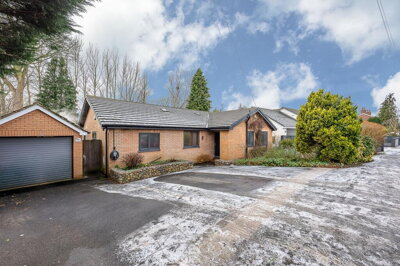
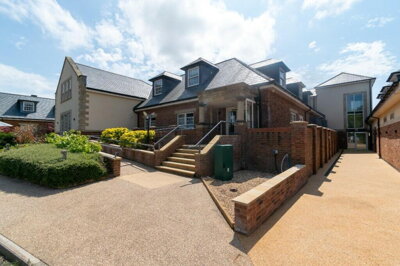
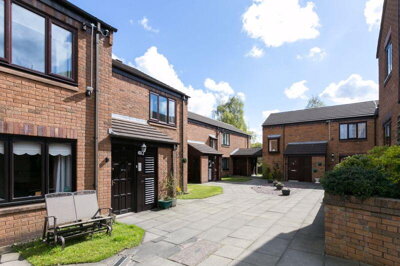
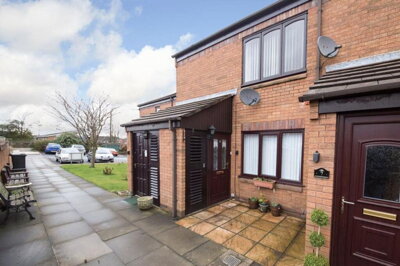
Browse 4 homes for sale in Bispham, West Lancashire from local estate agents.
Studio apartments feature open-plan living spaces without separate bedrooms, incorporating sleeping, living, kitchen, and bathroom facilities. The Bispham studio market includes properties in modern apartment complexes, converted Victorian and Georgian buildings, and purpose-built developments.
£0k
0
0
0
Source: home.co.uk
Showing 0 results for Studio Flats for sale in Bispham, West Lancashire.
The property market in Chillingham operates as a niche segment within the broader Northumberland housing landscape. Unlike the busier urban markets found in towns such as Newcastle or Morpeth, the village experiences limited turnover, with only a handful of properties coming to market each year. This scarcity creates a unique dynamic where demand consistently outstrips supply, particularly from buyers seeking the authentic rural lifestyle that Chillingham represents. Properties here tend to be older, with a significant proportion built using traditional Northumberland stone construction, reflecting the village's historical development dating back centuries. The absence of modern housing developments within the village boundary means buyers are typically acquiring period properties that require varying degrees of modernisation.
Northumberland county data shows that detached properties average £378,000, with semi-detached homes at around £208,000 and terraced properties at £173,000. Flats in the county average £107,000, though the flat market in Chillingham itself is essentially non-existent given the village's overwhelmingly residential and agricultural character. Property prices in Chillingham have demonstrated resilience and steady growth, with the county experiencing a 10.8% increase in average prices over the twelve months to December 2025. Semi-detached properties led the county-wide growth at 12.2%, indicating strong demand for family-sized homes in desirable locations. For buyers considering Chillingham, the investment thesis is compelling: historic villages with genuine character and limited supply tend to outperform broader market trends during periods of both growth and stability.
The sales history for Chillingham properties provides useful context for understanding local values. West House and Bridge House, both situated within the Castle Grounds off the NE66 5NN postcode, have achieved prices of £250,000 and £280,000 respectively in previous transactions. These semi-detached stone homes demonstrate the premium that properties associated with the castle estate can command. The terraced cottage at 10 The Square, on the road approaching St Peter's Church (NE66 5NH), sold for £171,000, illustrating the more accessible price point for compact village centre properties. Transaction volumes remain low due to the village's small scale, but each sale reinforces the consistent demand for homes in this exceptional location.

Life in Chillingham centres around the extraordinary legacy of Chillingham Castle, one of Britain's oldest fortified castles and home to the world-famous Chillingham Wild Cattle. These represent a herd that has roamed the castle grounds for centuries, virtually unchanged since prehistoric times. The castle and its grounds attract visitors from across the globe, creating a tourism economy that supports local businesses and events throughout the year. The village itself comprises a small cluster of stone cottages and farmhouses arranged around the historic village green, with the church of Saint Peter standing as a focal point for the community. The landscape surrounding Chillingham consists of rolling farmland, ancient woodland, and open moorland that forms part of the wider Northumberland National Park catchment area.
The economic character of Chillingham remains rooted in agriculture and tourism, with the castle estate being a significant local employer and landowner. Many residents combine rural occupations with commuting to nearby towns such as Alnwick, which lies approximately 8 miles to the south and offers comprehensive shopping, schooling, and healthcare facilities. The village maintains a strong sense of community despite its small size, with regular events, a traditional public house, and local interest groups bringing residents together. The absence of large-scale commercial development preserves the village's character and tranquility, making it particularly attractive to buyers seeking an escape from urban pressures.
One of Chillingham's most distinctive features is its designation as part of an International Dark Sky Park, offering extraordinary stargazing opportunities that urban dwellers rarely experience. The absence of light pollution across the Northumberland uplands means residents enjoy views of the Milky Way and meteor showers from their own gardens. This astronomical heritage complements the village's natural beauty, with ancient woodland walks, heather-covered moorlands, and the dramatic landscape of the Northumberland National Park accessible directly from the village. The quality of life here combines tangible historical connection with the restorative power of an unspoiled natural environment.

Education provision for Chillingham residents centres on primary schooling in nearby villages, with secondary education available in the market town of Alnwick. The primary school in Chillingham itself serves the immediate village community, providing education for children from Reception through to Year 6. For secondary education, pupils typically travel to the Duke's Secondary School in Alnwick, a comprehensive school that serves a wide catchment area spanning the rural communities of north Northumberland. The wider Alnwick area also offers independent schooling options, with several well-regarded private schools accepting pupils from the Chillingham area. Parents considering a move to Chillingham should note that school transport arrangements are essential given the rural nature of the location.
The county of Northumberland has consistently demonstrated strong educational outcomes, with schools in the area benefiting from dedicated teaching staff and excellent facilities that have received investment in recent years. Several primary schools in the surrounding villages have achieved good or outstanding Ofsted ratings, reflecting the high quality of early years education available to local families. For families prioritising academic excellence, the grammar schools in Berwick-upon-Tweed and Alnwick provide selective education for pupils who pass the entrance examinations. Sixth form provision is available at the Duchess's Community High School in Alnwick, offering a broad range of A-level subjects and vocational courses. Further education college provision exists in Newcastle and Berwick-upon-Tweed, accessible via good transport links for students pursuing higher-level qualifications.
Beyond formal education, Chillingham offers rich opportunities for informal learning tied to its unique heritage. Children growing up in the village have unparalleled access to nature education, learning about wildlife, conservation, and the countryside at first hand. The castle grounds provide an extraordinary outdoor classroom, while the surrounding farmland and moorland offer endless opportunities for environmental study. Local community groups and the castle estate occasionally organise educational events and workshops that bring together residents of all ages, fostering a love of learning that extends beyond the classroom.
Transport connectivity from Chillingham relies primarily on road networks, with the village situated off the B6346 providing access to the wider Northumberland road network. The A1 trunk road passes to the east of Chillingham, offering direct connections to Newcastle upon Tyne to the south and Edinburgh to the north. Journey times to Newcastle typically take around one hour by car, making day trips and weekend visits to the city entirely feasible for Chillingham residents. The coastal route via the A1068 provides access to the stunning Northumberland coastline, including the historic towns of Bamburgh, with its magnificent castle, and the Holy Island of Lindisfarne. For those who love the outdoors, the proximity to the Northumberland National Park offers immediate access to outstanding walking, cycling, and outdoor recreation opportunities.
Public transport options are more limited, reflecting the rural nature of the location, with bus services connecting Chillingham to Alnwick and other nearby villages. The nearest railway stations are located in Alnwick and Berwick-upon-Tweed, with regular services to Newcastle and Edinburgh respectively. Berwick-upon-Tweed station provides access to the East Coast Main Line, with fast trains to Edinburgh taking approximately 45 minutes and London reached in under four hours. Alnwick station, situated on the PO Metro line, offers a more leisurely connection to Newcastle. For commuters considering Chillingham as a base, the practical reality is that car ownership is essential for daily convenience, though the excellent road connections make regional travel straightforward for those working flexibly or occasionally commuting to urban centres.
The strategic position of Chillingham between two major cities gives residents access to employment opportunities in Edinburgh, Newcastle, and the wider North East region without requiring daily commuting. Many residents work remotely or maintain flexible arrangements with employers based in urban centres, taking advantage of fast rail connections from Berwick-upon-Tweed when face-to-face attendance is required. The village's excellent broadband infrastructure supports this way of working, enabling residents to enjoy the benefits of countryside living while remaining professionally connected.
Spend time exploring Chillingham at different times of day and week to understand the community atmosphere. Visit the local pub, speak with residents, and attend any village events. Check the condition of available properties and understand the maintenance requirements typical for period stone buildings in this part of Northumberland. The limited property supply means timing your search carefully can make a significant difference to your chances of securing the right home.
Speak with a mortgage broker before viewing properties to understand your borrowing capacity. Properties in rural Northumberland may have unique considerations such as septic tanks, private water supplies, and off-mains drainage systems that affect mortgage eligibility. Having an agreement in principle strengthens your position when making offers on sought-after village properties where vendors expect motivated buyers.
View multiple properties in Chillingham to compare the varying conditions and characteristics of historic village homes. Pay attention to construction materials, signs of damp or structural movement, and the maintenance history of each property. Consider commissioning a preliminary assessment before committing to a full survey, particularly for properties that have been vacant for some time or that show signs of limited recent maintenance.
Given the age of properties in Chillingham, a thorough RICS Level 2 Survey is essential before purchasing. This surveyor report will identify any defects common to traditional stone construction, including damp, structural movement, and roof condition. For properties of significant historical interest or those showing signs of structural concern, a more detailed RICS Level 3 Survey may be appropriate to provide the comprehensive assessment such buildings require.
Appoint a solicitor with experience in rural Northumberland property transactions. They will conduct local authority searches, check for any planning restrictions or rights of way, and ensure all legal matters relating to the property are properly addressed. Given Chillingham's connection to the castle estate, title issues may require careful investigation, and searches should include checks with the Coal Authority given Northumberland's mining history.
Once all searches and surveys are satisfactory and your mortgage offer is confirmed, your solicitor will arrange the exchange of contracts. A deposit typically of 10% is paid at this stage, with the balance and completion following shortly afterwards. Register your ownership with the Land Registry following completion and notify the local authority of your change of address.
Purchasing a property in Chillingham requires attention to several considerations specific to historic rural properties in Northumberland. The predominant stone construction of village homes means that walls may be thicker than modern properties and constructed using traditional methods that predate modern building regulations. Buyers should look for signs of penetrating damp, particularly in properties that have not been recently modernised, and check the condition of traditional timber windows and external joinery. The age of the housing stock means that electrical wiring, plumbing, and heating systems may require updating, so a thorough survey is essential before committing to purchase. Many properties in the village may also be connected to private water supplies or septic tanks rather than mains services, which carries implications for maintenance costs and regulatory compliance.
Common defects found in traditional Northumberland properties include roof covering deterioration with slipped or missing slates, deterioration of lead flashing at junctions, and timber decay in roof structures and window frames. Wall construction using solid masonry (rather than modern cavity walls) means that these properties require different maintenance approaches, with attention to repointing, render condition, and the effectiveness of any applied damp-proof courses. Chimney stacks on period properties often show signs of weathering and may require repointing or rebuilding, while the condition of any open fires or flues should be assessed before use. Given that most properties in Chillingham predate the 1919 housing stock by a significant margin, a comprehensive survey is particularly valuable for identifying issues that might not be apparent during a standard viewing.
Planning considerations in Chillingham are shaped by the village's historic character and proximity to the Chillingham Castle estate. Buyers should investigate whether the property falls within a conservation area or is affected by any Article 4 directions that restrict permitted development rights. Listed building status may apply to some properties, requiring Listed Building Consent for alterations and imposing obligations on owners to maintain the property's historic character. The surrounding farmland means that agricultural activities can occasionally generate noise and traffic, which represents part of the authentic rural experience rather than a nuisance. Flood risk in the immediate Chillingham area appears limited, though buyers should conduct appropriate searches given the variability of local drainage conditions in rural Northumberland.
The construction of properties in Chillingham typically features local sandstone or brick masonry with slate or tile roofing, reflecting the traditional building practices of north Northumberland. Solid wall construction provides excellent thermal mass but requires consideration of insulation solutions that respect the building's historic character. Many properties incorporate original features such as exposed beams, stone fireplaces, and traditional floorboards that contribute to their character but may require ongoing maintenance. Understanding these construction characteristics helps buyers appreciate both the qualities and the responsibilities that come with owning a historic rural property in Chillingham.
Specific average price data for Chillingham itself is limited due to the small number of annual transactions in this small village. However, property sales in the village have included stone semi-detached homes in the Castle Grounds achieving prices between £220,000 and £280,000, with terraced cottages in the village centre selling for around £171,000. The wider Northumberland county shows an overall average house price of £215,000, with detached properties averaging £378,000, semi-detached at £208,000, and terraced homes at £173,000. Properties in established village locations like Chillingham typically command premiums reflecting their character, history, and limited supply. The most reliable approach is to research comparable sales within the NE66 postcode area and consult with a local estate agent familiar with village property values.
Properties in Chillingham fall under the jurisdiction of Northumberland County Council. Council tax bands are assigned based on property valuation, and most period properties in the village would typically fall within Bands B through D, reflecting their historic character and traditional construction. Exact bands vary by individual property, and prospective buyers should verify the specific band with the local authority or on the property listing details. Northumberland County Council sets its council tax rates annually, with the precise amount depending on the property band and any applicable discounts or premiums. Band D properties in Northumberland face council tax charges set by the county council, with additional levies from local parish councils where applicable.
Primary education is available through the local village school, with several good and outstanding Ofsted-rated primary schools in nearby villages serving the wider catchment area. Secondary education is typically provided at the Duchess's Community High School in Alnwick, a comprehensive school with strong academic results and excellent facilities. For families seeking selective education, the Alnwick Academy provides grammar school places for pupils who pass the entrance assessment. The surrounding area also offers access to independent schools in Northumberland, with several well-regarded options for families seeking private education including boarding facilities. School transport arrangements are important considerations given the rural location, and parents should confirm bus routes and timings before committing to a purchase.
Public transport connections from Chillingham are limited, reflecting the village's rural character and small population. Bus services operate between Chillingham and Alnwick, providing essential connections for those without private vehicles. The nearest railway stations are in Alnwick and Berwick-upon-Tweed, with Berwick offering fast East Coast Main Line services to Edinburgh (45 minutes) and London (under 4 hours). For daily commuting or regular travel, car ownership is effectively essential for Chillingham residents. The excellent A1 trunk road, accessed via the nearby junction, provides reliable road connections to Newcastle and the wider north-east region, with the journey to Newcastle city centre taking approximately one hour under normal traffic conditions.
Chillingham offers several characteristics that make it attractive for property investment. The village's national and international fame through Chillingham Castle and its wild cattle ensures consistent tourism interest in the area, which can support short-term rental opportunities for property owners. The limited supply of properties coming to market, combined with persistent demand from buyers seeking authentic rural living, suggests strong potential for capital appreciation over the medium to long term. Properties in Northumberland have shown price growth, with the county experiencing a 10.8% increase over the twelve months to December 2025, with semi-detached properties leading at 12.2% growth. The authentic village atmosphere and proximity to outstanding natural landscapes also support strong rental demand from those seeking countryside retreats or holiday accommodation, making both long-term lets and holiday cottage conversions viable investment strategies.
Stamp Duty Land Tax (SDLT) rates for 2024-25 apply as follows: no SDLT is charged on purchases up to £250,000, with 5% charged on the portion between £250,001 and £925,000, 10% on the portion between £925,001 and £1.5 million, and 12% on any amount above £1.5 million. First-time buyers benefit from relief, paying no SDLT on the first £425,000 and 5% on the portion between £425,001 and £625,000. Given that most Chillingham properties fall below the £425,000 threshold, first-time buyers may benefit from reduced or zero SDLT liability. Buyers purchasing as investments or second homes will pay an additional 3% surcharge on each band, which significantly affects the economics of buy-to-let purchases and holiday home acquisitions in the village.
No active new-build developments specifically within the Chillingham village boundary could be verified through our research. The village operates under strict planning policies that preserve its historic character, meaning modern housing developments within the village itself are unlikely to be approved. New build properties are available in the wider Northumberland area, but buyers seeking a property in Chillingham itself should expect to purchase from the existing period housing stock. This reality reinforces the importance of a thorough survey given the age and construction type of available properties, as renovation and modernisation of historic homes represents the primary path to acquiring a property in the village.
Given that virtually all properties in Chillingham predate modern construction standards, a RICS Level 2 Survey is strongly recommended for any purchase in the village. The survey will identify defects common to traditional stone construction, including damp penetration through solid walls, roof covering condition, timber decay in structural elements, and the effectiveness of any damp-proof courses or other remedial works. For properties of historical significance or those showing signs of structural movement, a more comprehensive RICS Level 3 Survey provides the detailed analysis needed to understand the full scope of any issues. Survey costs for a typical village property typically range from £350 to £600 depending on size, with larger detached homes commanding higher fees. The investment in a thorough survey typically represents excellent value given the potential cost of unexpected repairs in period properties.
From 4.5%
Finding the right mortgage for your Chillingham purchase
From £499
Legal services for your property purchase
From £350
Essential survey for period properties
From £60
Energy performance certificate
Understanding the full cost of purchasing property in Chillingham extends beyond the purchase price to encompass SDLT, solicitor fees, survey costs, and ongoing commitments. For a typical property in Chillingham priced between £200,000 and £300,000, SDLT liability under standard rates would be minimal or zero on the first £250,000, with a small amount potentially due on any amount above this threshold. First-time buyers purchasing properties up to £425,000 would pay no SDLT, making Chillingham an accessible option for those taking their first step onto the property ladder. Buy-to-let investors should budget for the additional 3% SDLT surcharge applicable to second home purchases, which increases the upfront cost significantly.
Solicitor conveyancing fees for rural property transactions in Northumberland typically range from £500 to £1,500 depending on the complexity of the transaction and the property's history. Searches specific to rural properties may include additional enquiries regarding rights of way, agricultural drainage, and connections to private water or drainage systems. Given the historic nature of Chillingham properties and their connection to the castle estate, title investigations may require additional work that affects overall costs. A RICS Level 2 Survey for a traditional stone property in Chillingham typically costs between £350 and £600 depending on the property size, with larger detached homes or those of historical interest potentially requiring the more comprehensive RICS Level 3 Survey at higher cost. Removal expenses, redecoration budgets, and potential modernisation costs for period properties should also be factored into the overall buying budget.
Beyond the immediate purchase costs, new Chillingham residents should budget for ongoing expenses that differ from urban living. Properties with private water supplies or septic tanks incur maintenance responsibilities and regulatory compliance costs that do not apply to standard mains-connected properties. Buildings insurance for period properties may cost more than modern equivalents due to the higher rebuild costs associated with traditional construction. Council tax banding (typically B to D for village properties) represents a regular annual commitment, while heating costs for stone-built homes with solid walls may be higher than for modern properties unless effective insulation measures have been implemented.
Properties for Sale In London

Properties for Sale In Plymouth

Properties for Sale In Liverpool

Properties for Sale In Glasgow

Properties for Sale In Sheffield

Properties for Sale In Edinburgh

Properties for Sale In Coventry

Properties for Sale In Bradford

Properties for Sale In Manchester

Properties for Sale In Birmingham

Properties for Sale In Bristol

Properties for Sale In Oxford

Properties for Sale In Leicester

Properties for Sale In Newcastle

Properties for Sale In Leeds

Properties for Sale In Southampton

Properties for Sale In Cardiff

Properties for Sale In Nottingham

Properties for Sale In Norwich

Properties for Sale In Brighton

Properties for Sale In Derby

Properties for Sale In Portsmouth

Properties for Sale In Northampton

Properties for Sale In Milton Keynes

Properties for Sale In Bournemouth

Properties for Sale In Bolton

Properties for Sale In Swansea

Properties for Sale In Swindon

Properties for Sale In Peterborough

Properties for Sale In Wolverhampton

Enter your details to see if this property is within your budget.
Loans, cards, car finance
Estimated property budget
Borrowing + deposit
You could borrow between
Typical borrowing
Monthly repayment
Est. at 4.5%
Loan-to-value
This is an estimate only. Your actual budget may vary depending on interest rates, credit history, and personal circumstances. For an accurate affordability assessment, speak to one of our free mortgage advisors.
This calculator provides estimates for illustrative purposes only and does not constitute financial advice. Your home may be repossessed if you do not keep up repayments on your mortgage. Estimates based on 4.5% interest rate, repayment mortgage. Actual rates depend on your circumstances.
Homemove is a trading name of HM Haus Group Ltd (Company No. 13873779, registered in England & Wales). Homemove Mortgages Ltd (Company No. 15947693) is an Appointed Representative of TMG Direct Limited, trading as TMG Mortgage Network, which is authorised and regulated by the Financial Conduct Authority (FRN 786245). Homemove Mortgages Ltd is entered on the FCA Register as an Appointed Representative (FRN 1022429). You can check registrations at NewRegister or by calling 0800 111 6768.

We use cookies to show you personalised content and improve your experience of our website. Find out more in our Privacy policy and Cookie policy.