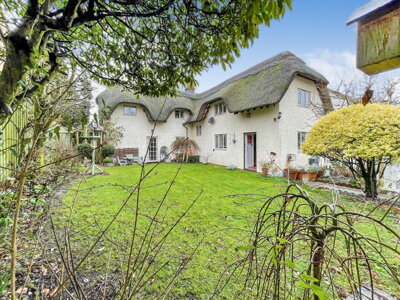
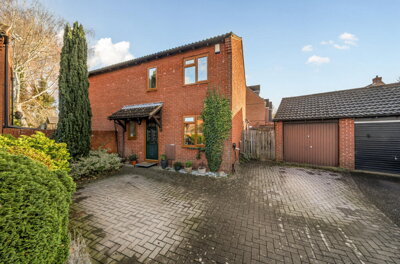
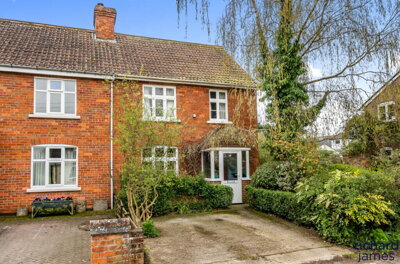
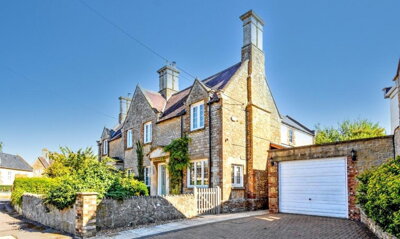
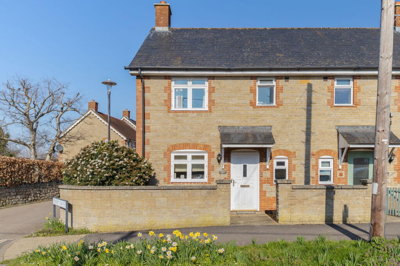
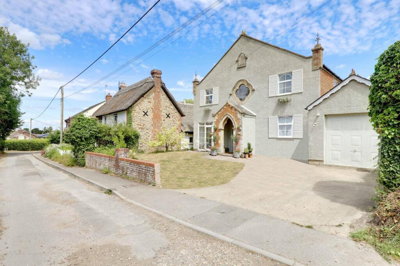
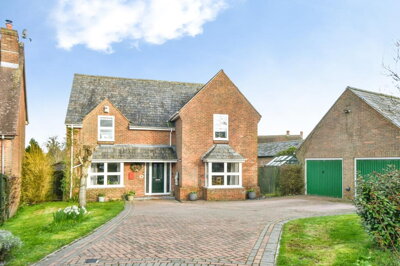
Browse 66 homes for sale in Bishopstone from local estate agents.
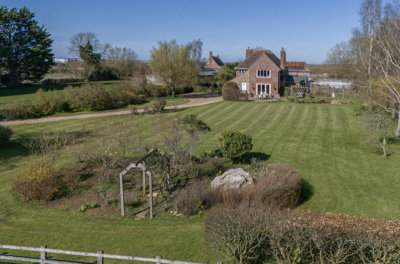
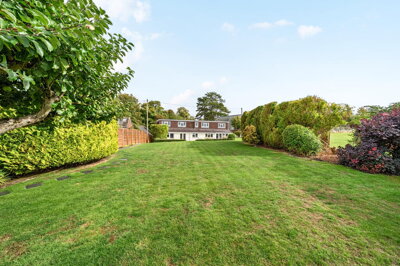
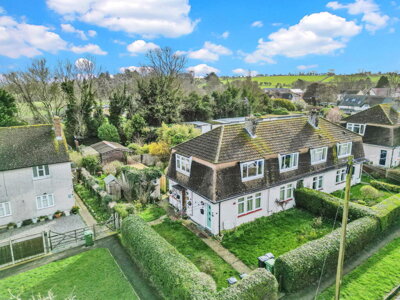
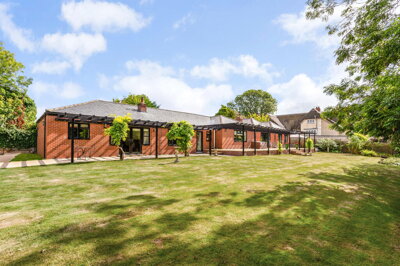
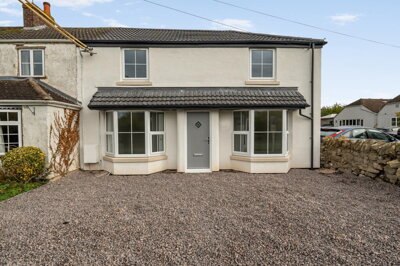
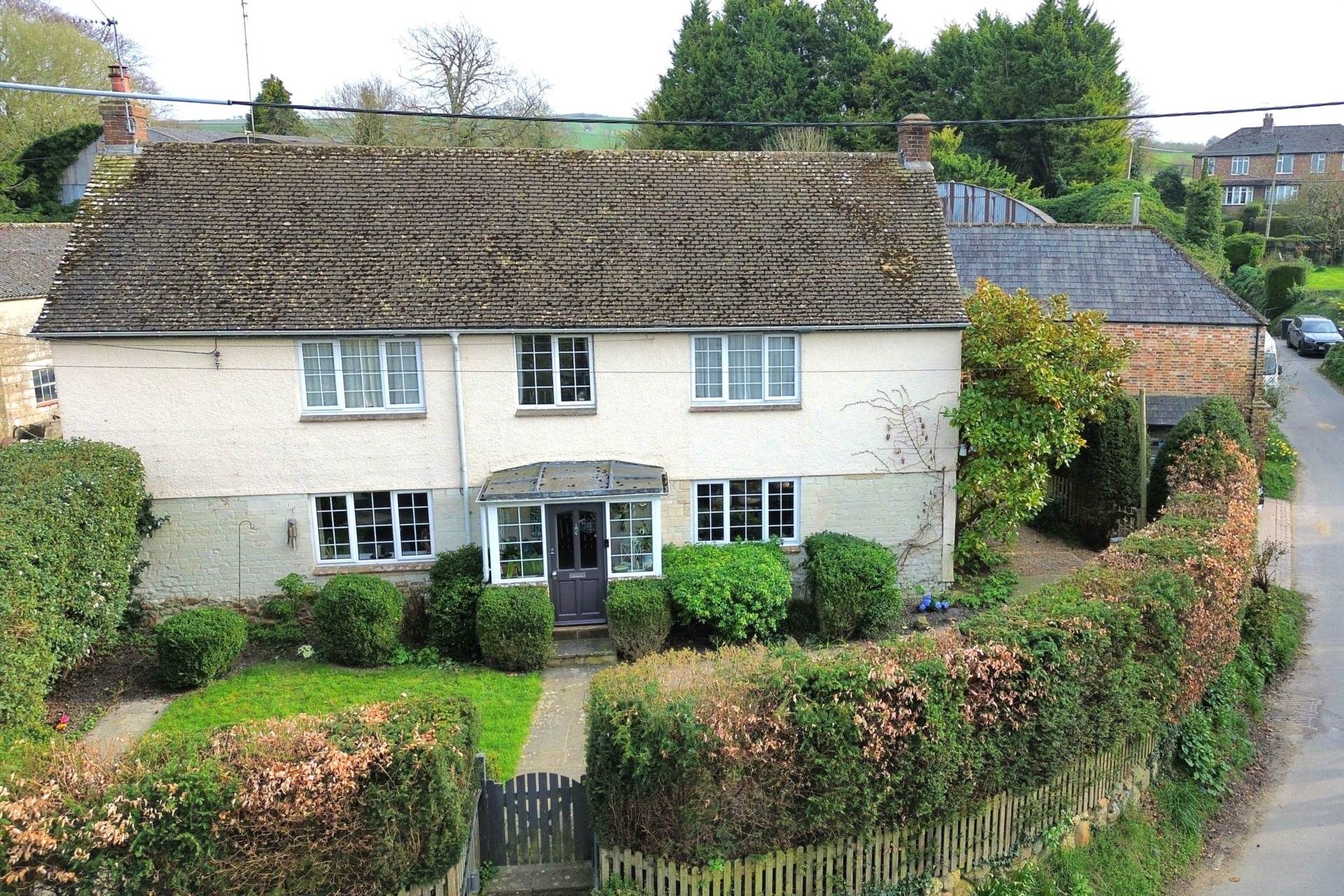
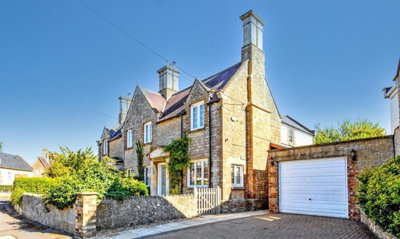
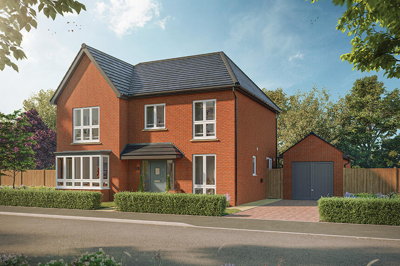
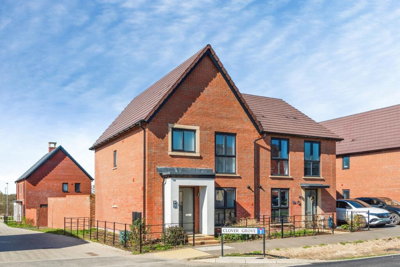
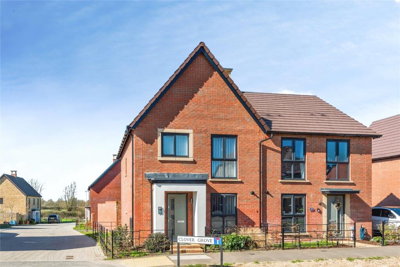
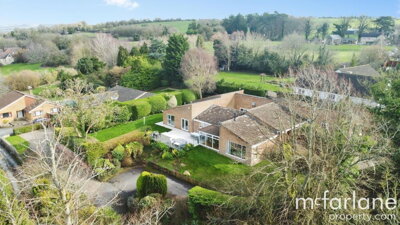
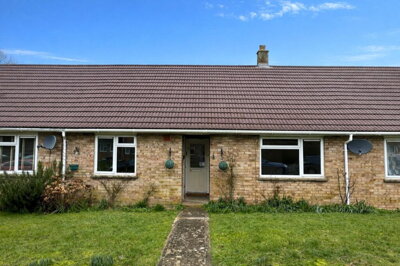
The Bishopstone property market presents a picture of a tight-knit rural community where homes change hands infrequently, creating opportunities for buyers who act decisively. Our listings currently feature properties across the main price brackets, with semi-detached homes typically ranging from £350,000 to £420,000, while larger detached properties command anywhere from £500,000 to £650,000 depending on their size, condition, and garden grounds. The housing stock is predominantly detached, with 55.6% of all properties falling into this category, followed by semi-detached homes at 22.2% and terraced properties at 11.1%. Notably, flats are virtually non-existent in Bishopstone itself, reflecting the village's entirely residential, low-density character that prioritises space and privacy.
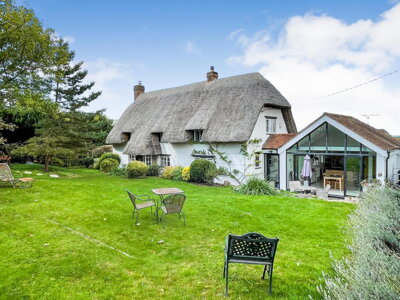
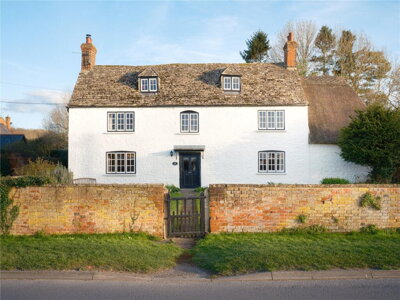
Recent market data indicates that prices in Bishopstone have experienced a modest 12-month decline of approximately 1.0%, which represents a healthier position than many urban markets that have seen more significant corrections. This relative stability suggests that the village's appeal as a residential destination remains strong despite broader economic uncertainties. Properties in Bishopstone tend to be older, with many homes dating from the pre-1919 period given the village's historic status and Conservation Area designation. This means buyers can expect traditional construction methods including solid brick and stone walls, original timber floors, and pitched roofs covered with slate or clay tiles. New build development activity is absent from the village itself, with any new housing concentrated in the wider Swindon area.
The limited transaction volume in Bishopstone means that comparable sales data can be harder to establish than in busier markets, making professional valuations particularly important. When mortgages are involved, lenders will require formal valuations that account for the unique characteristics of conservation village properties. Our listings reflect the current available stock, but serious buyers should understand that waiting for the right property to appear is often part of the process when buying in a village where supply is naturally constrained by planning policy that limits new development.

Life in Bishopstone revolves around the rhythms of a traditional English village, where community spirit thrives despite the small population. The village centres around its historic church and a small collection of local businesses that serve both residents and visitors from the surrounding countryside. Residents appreciate the pace of life here, away from the busier urban centres yet within easy reach of comprehensive shopping, healthcare, and recreational facilities in nearby Swindon. The village's position near the River Cole adds to its picturesque character, with countryside walks and cycling routes connecting Bishopstone to neighbouring villages and the wider Wiltshire landscape. The proximity to the Cotswolds Area of Outstanding Natural Beauty means that stunning rolling hills, quintessentially English villages, and excellent gastro pubs are all within a short drive.
The demographic profile of Bishopstone reflects its appeal to families and professionals seeking a balance between rural tranquility and urban accessibility. With 88 households and a population of 215, the village maintains an intimate scale where neighbours tend to know one another and community events draw good attendance. The majority of residents work in Swindon, which offers major employment sectors including railway engineering, advanced manufacturing, logistics distribution, and professional services. Swindon town centre provides comprehensive retail therapy with the Regent Circus and the mc Orchard Shopping Centre, while the Great Western Hospital serves as a major employer and healthcare facility for the wider area. For cultural pursuits, Swindon offers museums, theatres, and regular markets, meaning village residents never feel disconnected from urban amenities.
Daily life in Bishopstone requires an acceptance of the practicalities that come with village living. The nearest convenience shopping is available in surrounding villages or requires a short journey to Swindon's supermarkets on the edge of town. Home delivery services from major supermarkets reach Bishopstone without difficulty, meaning there is no need to compromise on convenience for those who prefer online grocery shopping. Village social life tends to centre on the local pub when one is available, church events, and informal community gatherings that bring residents together throughout the year. For buyers accustomed to urban conveniences, the adjustment involves some planning, but most residents find the benefits of village life far outweigh the minor logistical considerations.

Families considering Bishopstone will find educational provision primarily available through primary schools in the surrounding villages and the excellent secondary schools in nearby Swindon. The village's small size means there are no primary schools within Bishopstone itself, but several well-regarded primary schools serve the local cluster of villages, many of which have received Good or Outstanding Ofsted ratings. Parents should check specific catchment areas and admissions policies, as rural school catchment boundaries can be complex and competitive. Secondary education options in Swindon include highly regarded grammar schools for academically selective students, comprehensive schools with strong reputations, and further education colleges offering A-levels and vocational qualifications.
The nearest primary schools to Bishopstone include facilities in surrounding villages that serve the rural community, with many operating small class sizes that some parents find advantageous for their children's education. Schools such as Holy Trinity Church of England Primary Academy in Ridgeway and others within a reasonable driving distance have built strong reputations among local families. Transport arrangements typically involve driving children to bus stops where school services collect students, or parents may choose to drive directly to schools in surrounding villages or Swindon. Given the village's small scale, families with children should specifically research current school allocations and transport provisions before committing to a purchase, as these practical considerations can significantly impact daily family life.
For families seeking private education, several independent schools operate in the Swindon area and Wiltshire, providing alternatives to the state system. The proximity of Bishopstone to excellent grammar schools in nearby towns makes the area particularly attractive for families who value academic achievement and are willing to participate in the 11-plus selection process. St Joseph's Catholic College in Swindon offers faith-based education with strong academic results, while The Dorcan Academy provides comprehensive secondary education with a broad curriculum. For older students, Swindon College and New College Swindon offer further education opportunities including A-levels, vocational qualifications, and apprenticeships that serve the local employment market.
Bishopstone enjoys a strategic position for commuters, offering convenient access to major transport links while maintaining its village character. The village sits southeast of Swindon town centre, with the M4 motorway accessible within approximately 15-20 minutes by car, providing a direct route to Bristol, Reading, and London. Swindon railway station offers regular services to major destinations including London Paddington with journey times of around 70 minutes, making Bishopstone practical for professionals who need to commute to the capital. For international travel, Bristol Airport and London Heathrow are both reachable within 90 minutes by car, while Southampton Airport offers additional options for domestic and European flights.
Local bus services connect Bishopstone with Swindon town centre and surrounding villages, though frequencies are limited compared to urban routes, making car ownership practically essential for most residents. The 67 bus service provides connections to Swindon town centre, though passengers should check current timetables as rural bus provision can vary. Swindon itself offers good local bus networks for those working in the town without requiring parking, making it possible to commute by public transport for those based in the town itself. For cycling enthusiasts, the surrounding Wiltshire countryside provides scenic routes, though hilly terrain and rural roads require appropriate experience and equipment. The Sustrans National Cycle Network passes through the region, offering safer options for recreational cycling and some commuter routes.
The village's position near the A419 provides additional route options to the south and east, connecting with the Cotswold towns of Cirencester and Swindon's eastern expansion areas. The A419 links directly with the M4 at Junction 15, providing straightforward access to the motorway network without routing through Swindon town centre. For airport travel, Bristol Airport offers the widest range of international destinations with flights across Europe and beyond, while London Heathrow provides global connectivity for business and leisure travellers. Commuters choosing Bishopstone should factor in the practical realities of rural transport provision and ensure their working arrangements accommodate the village's character.
Explore Bishopstone thoroughly before committing to a purchase. Visit at different times of day and week to understand traffic patterns and noise levels, speak with existing residents about their experience of living here, and understand the practical realities of village life including transport options, nearest amenities, and community dynamics. Given the rarity of properties for sale, building relationships with local estate agents before you see the right listing can give you a crucial head start.
Before viewing properties, obtain a mortgage agreement in principle from a lender to understand your budget and demonstrate your seriousness to sellers. Given Bishopstone's premium property prices averaging £492,500, with detached homes reaching £575,000, ensuring your financing is secured will help you move quickly when the right property appears. First-time buyers should check their eligibility for the enhanced first-time buyer relief, which can significantly reduce stamp duty costs on properties up to £625,000.
Contact local estate agents to arrange viewings of properties matching your criteria. Given the limited supply in Bishopstone, with typically only 4 sales per year, acting quickly when new properties are listed is essential. View properties with a checklist covering condition, garden size, parking, and any renovation requirements. Ask specifically about the property's history of maintenance, any planning permissions granted, and whether the property is within the Conservation Area or has listed building status.
For older properties in Bishopstone's Conservation Area, a RICS Level 2 Survey is essential to identify potential defects. Given the prevalence of pre-1919 properties with traditional construction, issues such as damp, roof condition, timber defects, and potential subsidence from local clay soils should be professionally assessed before purchase. Properties built on shallow foundations with inadequate consideration for ground conditions may show signs of movement, particularly during periods of extreme weather.
Once your offer is accepted, instruct a conveyancing solicitor to handle the legal aspects of your purchase. They will conduct local authority searches, check the property's title, and manage the complex paperwork involved in transferring ownership of a property in a Conservation Area. Your solicitor should also check for any planning conditions that may affect the property and verify that all relevant permissions for previous works are in place.
After all searches are satisfactory and finances are confirmed, your solicitor will arrange for contracts to be exchanged and completion to take place. Bishopstone's small village community means that completions often happen quickly, with keys typically released at midday on the agreed date. On completion day, ensure you have buildings insurance in place and have arranged your move carefully, as removal companies may not be familiar with the village's narrow lanes and limited turning space.
Properties in Bishopstone require careful inspection due to their typically advanced age and the village's Conservation Area status. The Jurassic geology of the surrounding area includes Gault Clay and Kimmeridge Clay formations, which are susceptible to shrink-swell behaviour that can affect property foundations, particularly for older buildings with shallow footings. Before purchasing, commission a professional assessment of the property's foundation condition and any signs of cracking or movement that might indicate ground instability. The proximity to the River Cole also means that flood risk assessments should be obtained, with particular attention paid to any history of flooding in the property or surrounding land. Surface water flooding during heavy rainfall can affect low-lying areas, so understanding the drainage characteristics of the specific plot is important.
Local construction methods in Bishopstone reflect the village's historic character and proximity to Cotswold stone quarries. Many properties feature local limestone construction with solid brick and stone walls that were built to last centuries rather than decades. Original features often include sash windows, timber floors, and period fireplaces that contribute to the property's character but may require ongoing maintenance. Lime-based renders and mortars were traditionally used throughout the village, allowing walls to breathe and manage moisture naturally. Modern cement-based alternatives can cause problems in historic properties by trapping moisture within solid walls, leading to damp issues that may not be immediately apparent.
The Conservation Area designation brings both benefits and obligations for buyers. Properties benefit from protection against unsympathetic development that might diminish the village's character, but owners must accept stricter planning controls for any alterations, extensions, or even external paint colours. Listed buildings require additional specialist advice from conservation-accredited surveyors and contractors, as works to historic structures require specific materials and techniques that comply with heritage protection requirements. When viewing properties, check the condition of original features such as timber windows, stone walls, and period fireplaces, as replacing these with modern alternatives may require listed building consent. Service charges and maintenance obligations for any shared facilities should be clearly established, and the age of any electrical, plumbing, and heating systems should be assessed to budget for potential upgrading costs.
Common defects in Bishopstone's older properties include damp issues that arise from traditional solid wall construction lacking modern damp-proof courses. Rising damp, penetrating damp, and condensation affect many period properties, particularly those with solid floors that may no longer meet current standards. Roof condition requires careful inspection, with older roofs featuring original timber structures that may show signs of deterioration, slipped tiles, or inadequate insulation. Electrical systems in older properties often require complete rewiring to meet current regulations, as original installations may be inadequate for modern demands. Similarly, plumbing systems featuring galvanized steel pipes or lead supply pipes should be assessed for replacement.
The average house price in Bishopstone currently stands at approximately £492,500, with detached properties averaging £575,000 and semi-detached homes around £385,000. Prices have shown a modest 12-month decline of approximately 1.0%, suggesting a stable market despite broader economic pressures. Given the village's rural character, limited property supply with only 4 sales recorded in the past year, and Conservation Area status, prices tend to hold firm for well-presented properties in desirable condition. First-time buyers should note that properties at the lower end of the market are scarce, and mortgage lending criteria should be confirmed before viewing.
Properties in Bishopstone fall under Swindon Borough Council's jurisdiction for council tax purposes. Specific banding depends on the property's valuation, but most period homes in the village typically fall within bands D through G given their character, size, and location in a desirable Conservation Area. Properties with larger gardens or extensive original features may be valued higher, while smaller cottages might fall into lower bands. Prospective buyers should check the Valuation Office Agency website for specific banding details on individual properties, and Swindon Borough Council's website provides current annual charges for each band. Payments are typically made in monthly instalments directly to the council.
Bishopstone itself has no primary school, with local primaries serving the cluster of surrounding villages. Several well-regarded primary schools operate within a reasonable drive, many rated Good or Outstanding by Ofsted, including facilities in nearby villages such as Holy Trinity Church of England Primary Academy. For secondary education, Swindon offers excellent options including grammar schools for academically selective students, with The Dorcan Academy and St Joseph's Catholic College among the notable providers. Further education is available at Swindon College and New College Swindon, offering A-levels, vocational qualifications, and apprenticeships. Parents should verify current catchment areas and admissions criteria as these can change annually and may be competitive for popular schools.
Public transport options in Bishopstone are limited, reflecting its rural village character. Local bus services connect the village with Swindon town centre and surrounding villages, though frequencies are lower than urban routes, with the 67 service providing one of the main connections. Swindon railway station, accessible by car or bus, provides regular services to London Paddington in approximately 70 minutes and Bristol in around 45 minutes. The M4 motorway junction is approximately 15-20 minutes from the village by car, providing access to the broader motorway network. Most residents consider car ownership essential for daily living in Bishopstone, and any buyer without private transport should carefully assess whether the bus services meet their practical needs, particularly for commuting to work.
Bishopstone offers strong investment potential for buyers seeking long-term capital growth in a desirable rural location within easy reach of Swindon and the M4 corridor. The village's limited property supply, with just 4 sales recorded in the past year, creates inherent scarcity that tends to support values over time. Properties in Conservation Areas with good access to major employment centres typically maintain their values well, and the village's protected character ensures continued demand from buyers seeking the village lifestyle. However, the limited rental market in such a small village means that capital appreciation rather than rental income is likely to be the primary investment return. Any renovation work must respect Conservation Area controls, which can limit scope for value-add improvements but also protects the character that makes the village desirable.
For standard residential purchases, stamp duty land tax applies at 0% on the first £250,000 of the purchase price, 5% on the portion from £250,001 to £925,000, and 10% on the portion from £925,001 to £1,500,000. First-time buyers benefit from relief on the first £425,000, with 5% applied between £425,001 and £625,000. Given Bishopstone's average price of £492,500, a typical first-time buyer property would attract no stamp duty on the first £425,000, with the remaining £67,500 subject to 5% duty, totalling £3,375. Buyers purchasing above £625,000 as their first home receive no relief on amounts above this threshold. Your solicitor will calculate the exact liability based on your specific circumstances and any additional properties you own, including the 3% surcharge for additional residential properties.
Properties near the River Cole require careful flood risk consideration, as areas adjacent to the river and its tributaries may be at risk of fluvial flooding during periods of heavy rainfall. Surface water flooding can also affect low-lying areas or properties with inadequate drainage, particularly during intense storms that overwhelm local drainage systems. Before purchasing, buyers should consult the Environment Agency's flood risk maps and request a flooding search as part of the conveyancing process. Properties in identified flood risk areas may face higher insurance premiums and could be subject to mortgage conditions requiring flood resilience measures. Understanding the property's flood history and any existing flood prevention measures is essential for budgeting and risk assessment.
From 4.5% APR
Compare competitive mortgage rates from trusted lenders to secure your Bishopstone property purchase
From £499
Expert legal services for your property purchase including Conservation Area searches
From £400
Professional survey for Bishopstone's older properties to identify defects before purchase
From £80
Energy Performance Certificate required for all property sales
Understanding the full costs of purchasing property in Bishopstone requires careful budgeting beyond the purchase price itself. The Stamp Duty Land Tax rates for 2024-25 set the nil-rate threshold at £250,000 for standard buyers, rising to 5% on the portion between £250,001 and £925,000. At Bishopstone's average price of £492,500, a buyer purchasing without first-time buyer relief would pay stamp duty of £12,125. First-time buyers can benefit from the enhanced threshold of £425,000 with 5% relief up to £625,000, reducing their liability to £3,375 on a typical Bishopstone property. Buyers purchasing higher-value detached homes at £575,000 or above should budget accordingly, as prices above £625,000 receive no first-time buyer relief. There is also a 3% surcharge on stamp duty for buyers who already own another residential property.
Additional purchase costs include solicitor fees typically ranging from £500 to £1,500 depending on complexity, plus disbursements for local authority searches, drainage and water searches, and environmental reports which can add another £300 to £500. A RICS Level 2 Survey costs between £400 and £900 depending on property size and value, while an Energy Performance Certificate costs from £80 to £150. Survey costs are particularly important in Bishopstone given the age of properties and potential for defects related to traditional construction, local clay soils, and the village's riverside position. Removal costs, mortgage arrangement fees, and valuation fees should also be factored in, with lenders typically charging £300 to £500 for property valuations on higher-value homes. Building insurance must be in place from the point of completion, and any renovation or restoration works will require separate budgeting that accounts for the additional costs of traditional materials and specialist contractors required for Conservation Area properties.
Budgeting for ongoing costs after purchase should account for the maintenance requirements of older properties. Properties built with traditional materials often require more frequent maintenance than modern equivalents, with repainting, gutter clearance, and roof inspections forming part of regular upkeep. Energy costs for period properties may be higher due to less effective insulation, though improvements can be made without compromising the property's character. Council tax bands D through G mean annual charges that should be factored into the household budget, and rural properties may have higher water and drainage costs depending on the individual property's connection to mains services.
Properties for Sale In London

Properties for Sale In Plymouth

Properties for Sale In Liverpool

Properties for Sale In Glasgow

Properties for Sale In Sheffield

Properties for Sale In Edinburgh

Properties for Sale In Coventry

Properties for Sale In Bradford

Properties for Sale In Manchester

Properties for Sale In Birmingham

Properties for Sale In Bristol

Properties for Sale In Oxford

Properties for Sale In Leicester

Properties for Sale In Newcastle

Properties for Sale In Leeds

Properties for Sale In Southampton

Properties for Sale In Cardiff

Properties for Sale In Nottingham

Properties for Sale In Norwich

Properties for Sale In Brighton

Properties for Sale In Derby

Properties for Sale In Portsmouth

Properties for Sale In Northampton

Properties for Sale In Milton Keynes

Properties for Sale In Bournemouth

Properties for Sale In Bolton

Properties for Sale In Swansea

Properties for Sale In Swindon

Properties for Sale In Peterborough

Properties for Sale In Wolverhampton

Enter your details to see if this property is within your budget.
Loans, cards, car finance
Estimated property budget
Borrowing + deposit
You could borrow between
Typical borrowing
Monthly repayment
Est. at 4.5%
Loan-to-value
This is an estimate only. Your actual budget may vary depending on interest rates, credit history, and personal circumstances. For an accurate affordability assessment, speak to one of our free mortgage advisors.
This calculator provides estimates for illustrative purposes only and does not constitute financial advice. Your home may be repossessed if you do not keep up repayments on your mortgage. Estimates based on 4.5% interest rate, repayment mortgage. Actual rates depend on your circumstances.
Homemove is a trading name of HM Haus Group Ltd (Company No. 13873779, registered in England & Wales). Homemove Mortgages Ltd (Company No. 15947693) is an Appointed Representative of TMG Direct Limited, trading as TMG Mortgage Network, which is authorised and regulated by the Financial Conduct Authority (FRN 786245). Homemove Mortgages Ltd is entered on the FCA Register as an Appointed Representative (FRN 1022429). You can check registrations at NewRegister or by calling 0800 111 6768.

We use cookies to show you personalised content and improve your experience of our website. Find out more in our Privacy policy and Cookie policy.