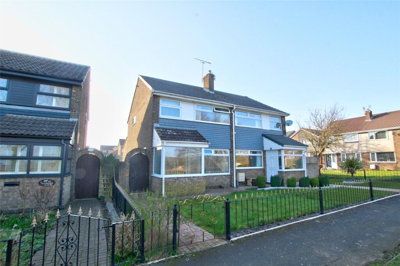
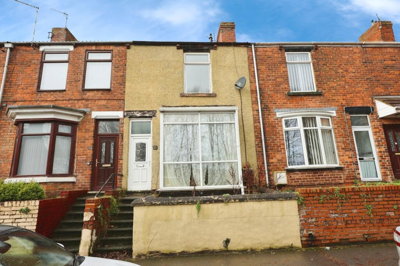
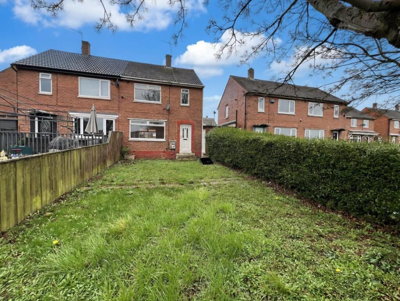
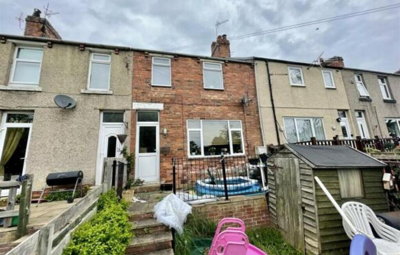
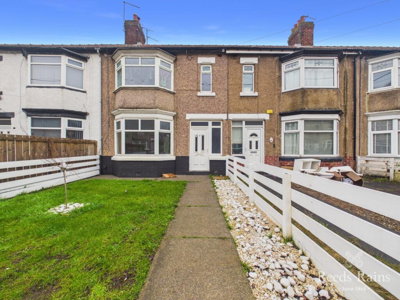
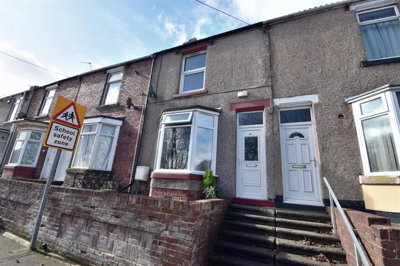
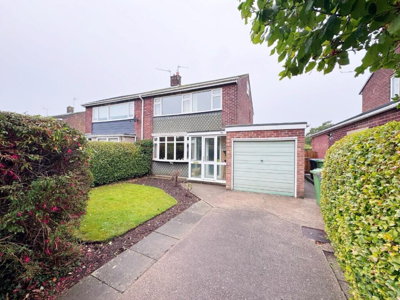
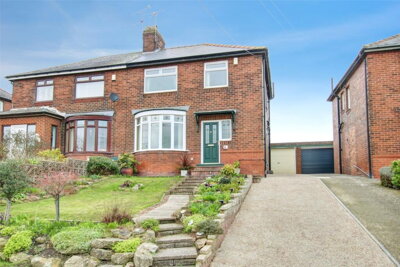
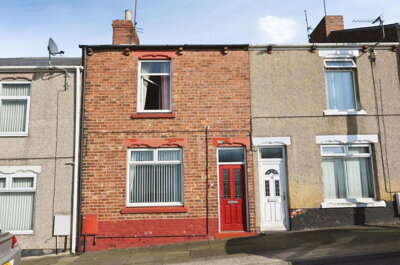
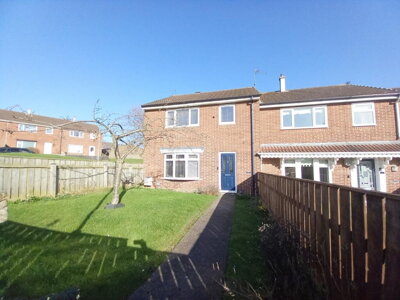
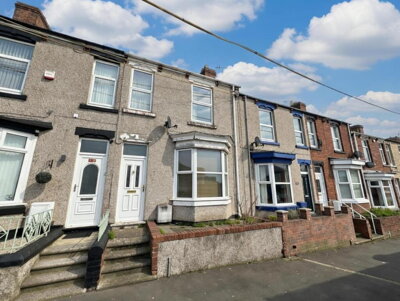
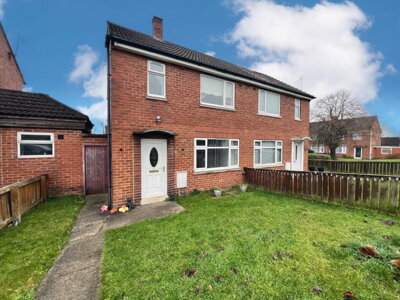
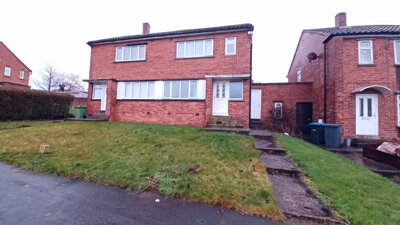
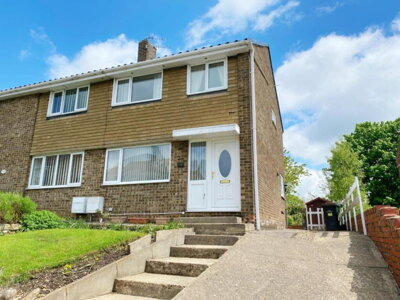
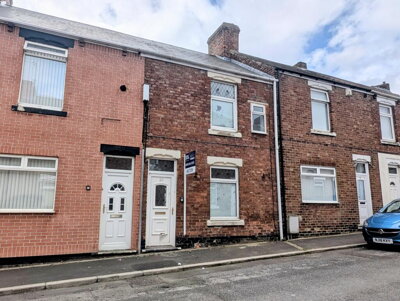
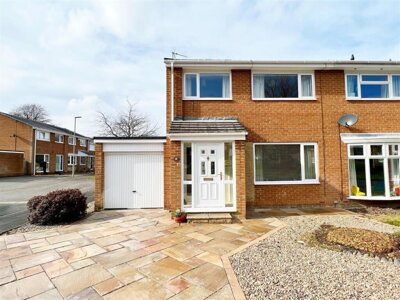
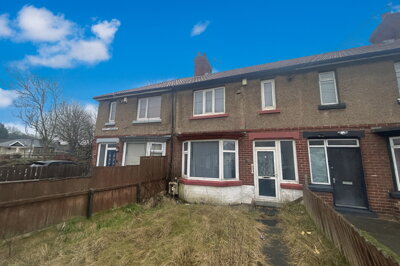
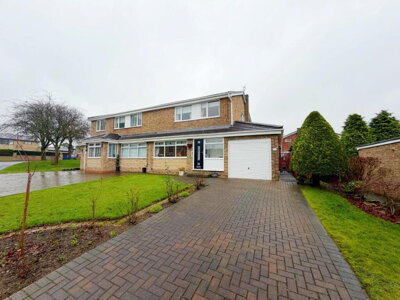
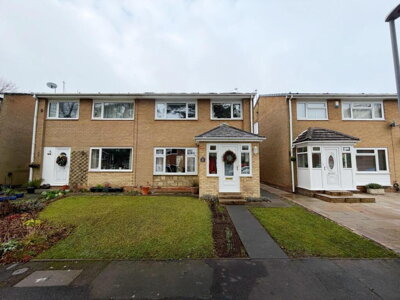
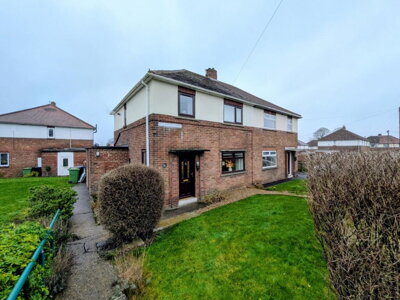
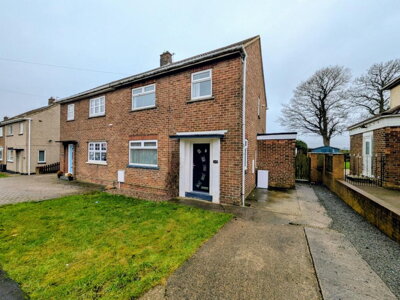
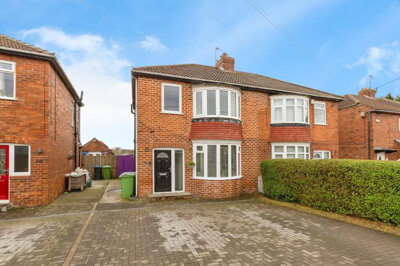
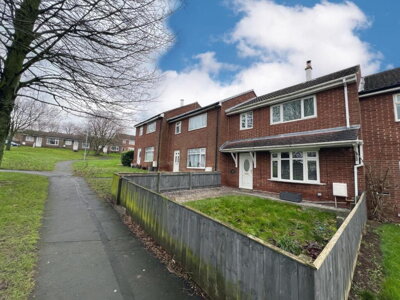
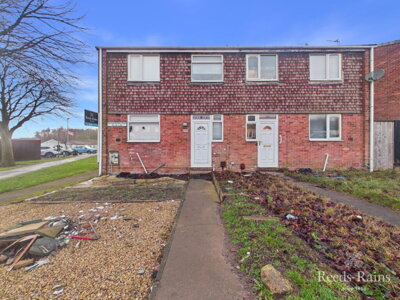
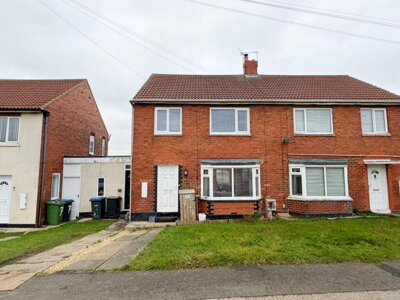
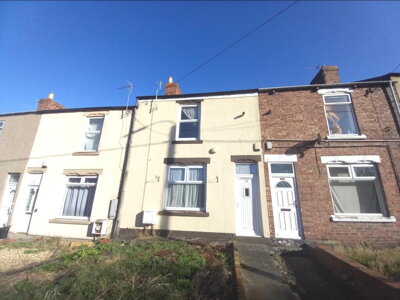
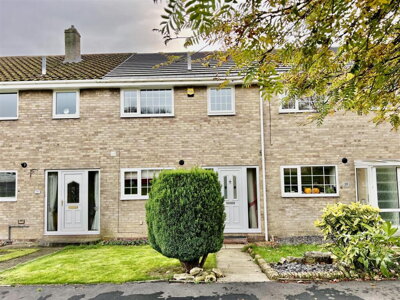
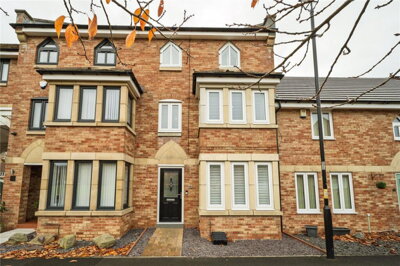
Browse 40 homes for sale in Bishop Middleham from local estate agents.
Three bedroom properties represent a significant portion of the Bishop Middleham housing market, offering space for families with multiple reception rooms and gardens in many cases. Browse detached, semi-detached, and terraced options ranging from period character homes to contemporary developments.
The Bishop Middleham property market offers a diverse range of housing types set against the backdrop of a picturesque Durham village. Detached properties command the highest prices, averaging £298,333, reflecting the generous space and privacy these homes provide. Semi-detached properties average £185,000, making them an attractive option for families seeking more affordable accommodation without sacrificing the benefits of village life. Terraced properties in Bishop Middleham average £150,000, representing excellent entry-level opportunities for first-time buyers or those looking to downsize to a smaller property.
Over the past year, sold prices in Bishop Middleham have decreased by 15% compared to the previous year, bringing the market back to levels 1% below the 2021 peak of £232,250. This correction offers prospective buyers favourable conditions for entering the market. Only 6 properties have changed hands in the last twelve months, indicating a relatively tight supply that nonetheless provides genuine variety for serious buyers. The village's Conservation Area status helps preserve property values by maintaining the historic character that makes Bishop Middleham so desirable to buyers seeking a traditional North East village atmosphere.
No active new build developments exist within the DL17 postcode area, so buyers seeking modern specifications will need to consider the quality of existing stock or look to nearby towns. This scarcity of new build supply means that the character of the village remains largely unchanged, with properties often dating from the pre-1919 period or mid-twentieth century. For buyers who appreciate traditional construction methods and historic features, this lack of new development preserves the authentic village character that many buyers find so appealing about Bishop Middleham.

Life in Bishop Middleham revolves around the warm community spirit that defines rural Durham villages. The village centre centres on the historic church and village green, where community events and gatherings create regular opportunities for neighbours to connect. Local amenities include a traditional pub, village shop, and essential services, while the surrounding countryside offers extensive walking and cycling routes through farmland and along the nearby River Skerne valley. The population of 1,170 creates a genuine sense of community where faces become familiar and local events draw enthusiastic participation from residents of all ages.
The economy of Bishop Middleham reflects its agricultural heritage, with farms and rural businesses forming the traditional economic base. However, the village's strategic position near the A1(M) has made it increasingly popular with commuters who work in the larger towns and cities of the North East. Durham city centre lies approximately 10 miles to the north, offering comprehensive shopping, dining, and cultural attractions. Sedgefield, Spennymoor, and Newton Aycliffe provide nearer options for everyday shopping, healthcare, and employment opportunities. The proximity to the wider North East ensures residents enjoy both the tranquility of village life and access to urban conveniences within easy reach.
We often speak with buyers who are drawn to Bishop Middleham specifically because of its position as a rural village with excellent transport connections. Many of our survey clients tell us they appreciate being able to reach Durham in around 25 minutes or Newcastle in approximately 40 minutes, while returning each evening to a peaceful village setting. This combination of rural charm and practical accessibility makes Bishop Middleham particularly attractive to families and professionals who want the best of both worlds.

Families considering a move to Bishop Middleham will find educational provision available at primary level within the village and surrounding area. The local primary school serves the immediate community, providing education for children from Reception through to Year 6. For secondary education, pupils typically travel to nearby towns where a wider selection of schools offers diverse curricula and extracurricular programmes. Parents are advised to check current catchment areas and admission policies, as these can influence school placement for families moving into the village.
Several secondary schools in the wider County Durham area have earned strong reputations for academic achievement and pastoral care. Grammar schools in nearby towns provide selective education options for academically capable students, with entry based on the 11-plus examination. Post-16 education is available at sixth forms attached to secondary schools and further education colleges in Durham and surrounding towns, offering A-levels, vocational qualifications, and apprenticeship pathways. The presence of Durham University in the city also provides higher education opportunities within reasonable commuting distance for older students considering their options.
When viewing properties in Bishop Middleham with school-age children, we recommend discussing catchment arrangements with the local education authority before committing to a purchase. School transport provision and journey times can significantly affect daily routines, particularly during winter months when rural roads may present additional challenges. Many families we work with specifically ask us to identify properties within walking distance of primary schools, as this adds considerable convenience to daily family life.
Transport connectivity ranks among Bishop Middleham's strongest assets for residents who need to commute or access urban amenities. The A1(M) motorway passes nearby, providing direct routes north to Newcastle and south toward Middlesbrough and Leeds. The village sits comfortably within the North East's motorway network, making car travel to major employment centres straightforward and efficient. Journey times to Durham city centre typically take around 25 minutes by car, while Newcastle city centre is approximately 40 minutes away under normal traffic conditions.
Public transport options connect Bishop Middleham to surrounding towns through bus services operating on routes between nearby villages and market towns. Railway stations in Durham and Darlington offer mainline rail connections, with East Coast Main Line services providing access to London, Edinburgh, and destinations across the UK. Teesport and Newcastle International Airport are both accessible within approximately an hour's drive, supporting business and leisure travel further afield. For daily commuting, the practical combination of rural village living with excellent road access makes Bishop Middleham particularly attractive to workers in Durham, Newcastle, Teesside, and the surrounding business parks.
We regularly survey properties for commuters who work in Durham's hospitals, Newcastle's business districts, or the various industrial estates across Teesside. These buyers often tell us that the journey times from Bishop Middleham compare favourably with much more expensive properties closer to the city centres. Our inspectors have noted that many properties in the village feature dedicated home office spaces or have room for conversion, reflecting the growing trend toward flexible working arrangements that make rural living even more practical.
Understanding the construction methods used in Bishop Middleham properties helps buyers appreciate both the character and potential maintenance requirements of homes in this village. The predominant building material is traditional brick, often the distinctive red brick common throughout the North East of England. Stone construction also appears in older properties, particularly those dating from the Victorian era or earlier. Rendered finishes can be seen on some properties, offering an alternative aesthetic that requires different maintenance considerations to exposed brickwork.
Properties in Bishop Middleham span several construction periods, each with characteristic features and potential issues. Pre-1919 properties will typically feature solid wall construction without cavity insulation, traditional timber sash windows, and potentially original plumbing and electrical systems that may require updating. Mid-century properties built between 1945 and 1980 often incorporate cavity wall construction, though original flat roofs, if present, frequently require replacement. Post-1980 properties generally benefit from modern building standards but may lack the character and solid construction of older properties.
Roof construction in Bishop Middleham predominantly features pitched roofs with slate or clay tile coverings, consistent with traditional North East building practice. Our inspectors regularly check roof conditions on properties here, as the age of many roofs means that slipped tiles, deteriorating mortar, and aging leadwork are common findings during surveys. Understanding these construction characteristics helps buyers budget appropriately for maintenance and renovation work that older properties in the village may require.
Given the mix of older and newer properties in Bishop Middleham, our inspectors frequently encounter specific defect types that buyers should understand before purchasing. For pre-1919 properties, damp issues represent one of the most common findings, whether rising damp affecting ground floor walls, penetrating damp from aging roof coverings, or condensation related to inadequate ventilation in heated spaces. Timber defects also feature regularly, including wood rot in window frames, door frames, and structural timbers, along with potential woodworm activity in older roof structures and floor joists.
Properties built during the mid-twentieth century present their own characteristic issues that our inspectors routinely identify. Cavity wall tie corrosion can affect properties where the original ties were not adequately protected against moisture ingress. Asbestos-containing materials may be present in properties built before the 1980s, commonly found in garage roofs, soffits, and various building components. Original flat roofs on extensions or garages frequently show signs of deterioration, with ponding water and membrane failure common complaints during our inspections.
Ground movement represents an area-specific concern in Bishop Middleham that our inspectors always investigate thoroughly. The presence of clay-rich soils in County Durham creates potential for shrink-swell ground movement, particularly affecting properties with large trees nearby or shallow foundations. This type of movement can manifest as cracks in walls, sticking doors or windows, and other signs of structural stress that require professional assessment. We strongly recommend including foundation condition checks in any survey of properties in this village.
Explore Bishop Middleham thoroughly before committing to a purchase. Visit at different times of day, speak with residents, and check local amenities. Our platform provides detailed property listings alongside local market data to support your research, including sold prices, property types available, and current market trends that affect buying decisions in this village.
Before viewing properties seriously, obtain a mortgage agreement in principle from a lender. This demonstrates your readiness to proceed and strengthens your position when making offers on homes in Bishop Middleham. Having your financing arranged also helps you understand your true budget and avoid disappointment when viewing properties above your affordable range.
Schedule viewings of properties matching your requirements through our platform. Take notes on condition, space, and any potential issues during viewings. Consider returning for a second viewing before deciding, particularly for properties that show any signs of maintenance issues or where you have questions about the property condition.
For most properties, particularly older homes common in this village, a RICS Level 2 Survey (HomeBuyer Report) provides essential inspection findings. Given Bishop Middleham's mix of historic and modern properties, this survey identifies defects before you commit. Our inspectors understand local construction methods and know what to look for in North East properties, from mining-related subsidence to traditional building defects.
Choose a conveyancing solicitor to handle the legal transfer of ownership. They will conduct searches, review contracts, and manage the completion process on your behalf. For properties in Bishop Middleham, your solicitor should specifically arrange a Con29M mining search given the local coal mining heritage and check for any Conservation Area restrictions.
Once all searches are satisfactory and contracts are signed, your solicitor will coordinate exchange of contracts and set a completion date. On completion day, keys are released and ownership transfers. We recommend arranging buildings insurance from this date and scheduling any planned renovations or maintenance work identified during your survey.
Properties within Bishop Middleham's designated Conservation Area require careful consideration before purchase. Any significant alterations, extensions, or exterior changes typically require Conservation Area consent from Durham County Council. If your future plans include modifying a period property, investigating these restrictions early prevents costly disappointments later. The village's Conservation Area status, encompassing the historic church and village green, also means that permitted development rights may be more limited than in non-designated areas.
Given County Durham's coal mining heritage, obtaining a mining report is strongly recommended for any property in Bishop Middleham. Historical mining activity can cause ground instability, and properties built over former mine workings may be subject to subsidence risks. Your solicitor should arrange a Con29M mining search as part of the standard conveyancing process. Additionally, the underlying geology featuring clay soils means shrink-swell ground movement presents a potential risk, particularly for properties with large trees or shallow foundations. A thorough RICS Level 2 Survey will check for signs of movement or subsidence that might indicate foundation issues.
Flood risk assessment deserves attention given the proximity of the River Skerne. Surface water flooding can affect low-lying areas during heavy rainfall, so checking the government's long-term flood risk map for specific properties is essential. Older properties constructed before modern building regulations may have outdated electrical wiring, plumbing systems, and insulation that require updating. Properties with original features such as timber windows, stone walls, or traditional roof coverings offer character but may need ongoing maintenance investment. Understanding these factors helps buyers budget appropriately for any work required after purchase.
The average property price in Bishop Middleham currently stands at £230,000 according to recent market data. Detached properties average £298,333, semi-detached properties average £185,000, and terraced properties average £150,000. Prices have decreased by 15% over the past year, offering buyers potentially favourable conditions compared to the 2021 peak of £232,250. This price adjustment has brought values back to levels broadly comparable with pre-pandemic activity in the village.
Properties in Bishop Middleham fall under Durham County Council's jurisdiction for council tax purposes. Specific bands depend on property valuation and range from Band A for lower-valued homes through to Band H for the most expensive properties in the village. You can verify the council tax band for any specific property through the Valuation Office Agency website or your solicitor during the conveyancing process. Most terraced and smaller semi-detached properties in Bishop Middleham typically fall into Bands A or B, while larger detached homes may be in higher bands.
Bishop Middleham has a local primary school serving the immediate community for children aged 5-11, providing education close to home for families living in the village. Secondary school options in the wider County Durham area include various schools with different specialisms and reputations, with many families travelling to schools in nearby towns such as Sedgefield or Spennymoor. Grammar schools in nearby towns provide selective education pathways for academically capable students, with entry based on the 11-plus examination. Parents should check current admission criteria and catchment areas, as these can affect placement for families moving to the village.
Bus services operate routes connecting Bishop Middleham to nearby towns and villages, providing local public transport options for those without cars or preferring not to drive. For rail travel, Durham and Darlington stations offer mainline connections to destinations nationwide including London, Edinburgh, and Birmingham via the East Coast Main Line. The village's proximity to the A1(M) makes car travel to surrounding cities straightforward, with Durham approximately 25 minutes away and Newcastle around 40 minutes by road. Many residents find that a combination of occasional public transport and regular car usage covers most commuting and leisure needs effectively.
Bishop Middleham offers appealing investment potential for certain buyer profiles seeking rural village property with good transport connections. The rural village setting combined with excellent road connectivity attracts commuters seeking more affordable housing than nearby cities provide. Recent price reductions of 15% may present buying opportunities for investors anticipating long-term value retention as the market stabilises. The limited supply of approximately 6 annual sales suggests a relatively stable market, while the Conservation Area designation helps preserve property values by maintaining the village's historic character that attracts buyers to the area.
Stamp Duty Land Tax (SDLT) rates for 2024-25 apply as follows: 0% on the first £250,000 of property value, 5% on the portion from £250,001 to £925,000, 10% on the portion from £925,001 to £1.5 million, and 12% on any amount above £1.5 million. First-time buyers receive relief paying 0% on the first £425,000 and 5% between £425,001 and £625,000. For most properties in Bishop Middleham averaging £230,000, first-time buyers would pay no stamp duty while other buyers would pay nothing on the first £250,000, making purchase costs particularly manageable for buyers of typical village properties.
Several area-specific risks deserve investigation before committing to a purchase in Bishop Middleham. A mining report (Con29M) is strongly recommended due to County Durham's coal mining heritage and the potential for ground instability from historical mine workings. Flood risk from the River Skerne and surface water should be checked using the government's flood risk maps for the specific property location. Properties on clay soils may face shrink-swell ground movement affecting foundations, particularly where large trees are present. Properties in the Conservation Area have restrictions on alterations and improvements that require consent from Durham County Council. A RICS Level 2 Survey helps identify these issues and provides professional guidance on any remedial work needed.
From 4.5%
Find competitive mortgage deals for Bishop Middleham properties
From £499
Expert legal services for your property purchase
From £400
Professional survey for Bishop Middleham homes
From £60
Energy performance certificate for your property
Understanding the full costs of buying property in Bishop Middleham helps you budget accurately and avoid surprises during the transaction. The stamp duty land tax represents a significant upfront cost, though the current SDLT nil-rate threshold of £250,000 means many properties in this village attract no duty at all. For a typical Bishop Middleham property priced at the village average of £230,000, standard buyers would pay no SDLT while first-time buyers would benefit from the relief applicable up to £425,000. Properties priced above £250,000 incur 5% duty on the amount exceeding that threshold, making the overall purchase cost still manageable for most buyers in this price range.
Beyond stamp duty, buyers should budget for solicitor conveyancing fees which typically start from £499 for standard transactions, rising depending on property price and complexity. Search fees, land registry fees, and teleport charges add several hundred pounds to legal costs. A RICS Level 2 Survey costs between £400 and £900 nationally depending on property size and value, with higher-value detached homes commanding fees toward the upper end of this range reflecting the additional inspection time required. An Energy Performance Certificate (EPC) is a legal requirement and costs from approximately £60-120 depending on property size.
Moving costs including removal services, valuation fees for mortgage purposes, and potential mortgage arrangement fees should also be factored into your budget. Buildings insurance must be in place from the point of completion, while mortgage arrangement fees typically range from free to around £2,000 depending on lender and product selected. For properties in Bishop Middleham with historic features, older construction, or Conservation Area restrictions, additional survey costs for specialist inspections may be warranted to assess the condition of period features, listed building elements, or older building fabric properly. We always recommend budgeting a contingency fund for unexpected works identified during survey or for items requiring attention soon after purchase.
Properties for Sale In London

Properties for Sale In Plymouth

Properties for Sale In Liverpool

Properties for Sale In Glasgow

Properties for Sale In Sheffield

Properties for Sale In Edinburgh

Properties for Sale In Coventry

Properties for Sale In Bradford

Properties for Sale In Manchester

Properties for Sale In Birmingham

Properties for Sale In Bristol

Properties for Sale In Oxford

Properties for Sale In Leicester

Properties for Sale In Newcastle

Properties for Sale In Leeds

Properties for Sale In Southampton

Properties for Sale In Cardiff

Properties for Sale In Nottingham

Properties for Sale In Norwich

Properties for Sale In Brighton

Properties for Sale In Derby

Properties for Sale In Portsmouth

Properties for Sale In Northampton

Properties for Sale In Milton Keynes

Properties for Sale In Bournemouth

Properties for Sale In Bolton

Properties for Sale In Swansea

Properties for Sale In Swindon

Properties for Sale In Peterborough

Properties for Sale In Wolverhampton

Enter your details to see if this property is within your budget.
Loans, cards, car finance
Estimated property budget
Borrowing + deposit
You could borrow between
Typical borrowing
Monthly repayment
Est. at 4.5%
Loan-to-value
This is an estimate only. Your actual budget may vary depending on interest rates, credit history, and personal circumstances. For an accurate affordability assessment, speak to one of our free mortgage advisors.
This calculator provides estimates for illustrative purposes only and does not constitute financial advice. Your home may be repossessed if you do not keep up repayments on your mortgage. Estimates based on 4.5% interest rate, repayment mortgage. Actual rates depend on your circumstances.
Homemove is a trading name of HM Haus Group Ltd (Company No. 13873779, registered in England & Wales). Homemove Mortgages Ltd (Company No. 15947693) is an Appointed Representative of TMG Direct Limited, trading as TMG Mortgage Network, which is authorised and regulated by the Financial Conduct Authority (FRN 786245). Homemove Mortgages Ltd is entered on the FCA Register as an Appointed Representative (FRN 1022429). You can check registrations at NewRegister or by calling 0800 111 6768.

We use cookies to show you personalised content and improve your experience of our website. Find out more in our Privacy policy and Cookie policy.