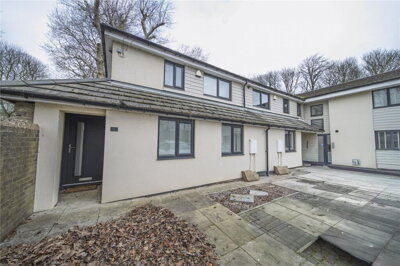
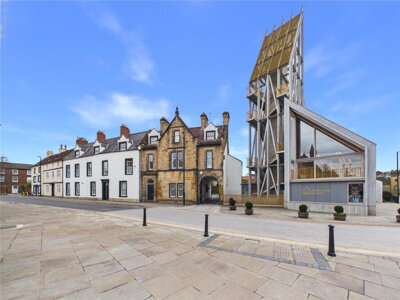
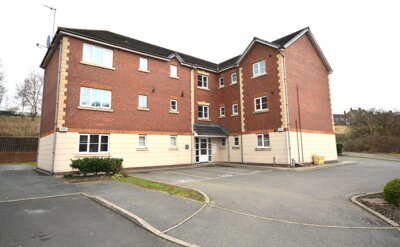
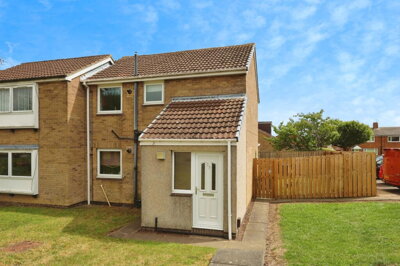
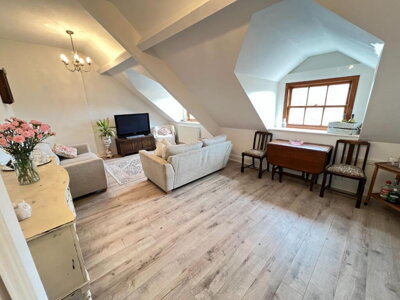
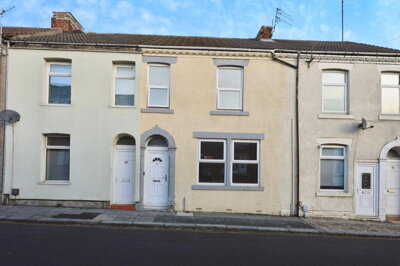
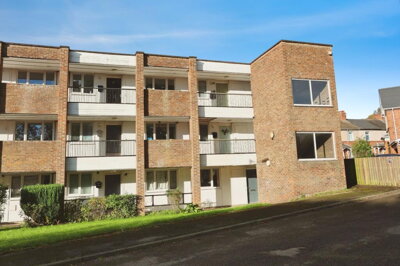
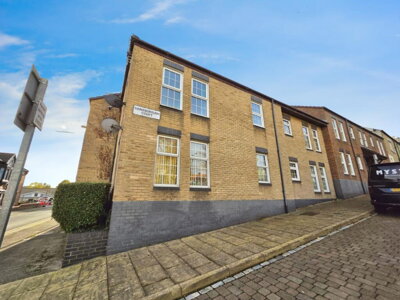
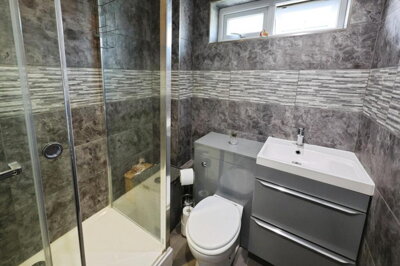
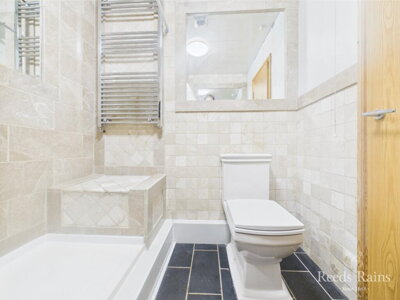
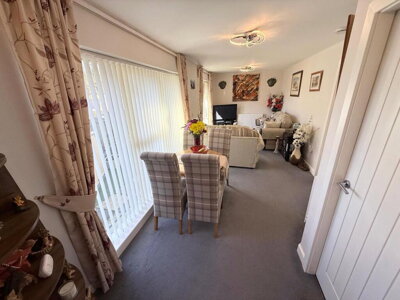
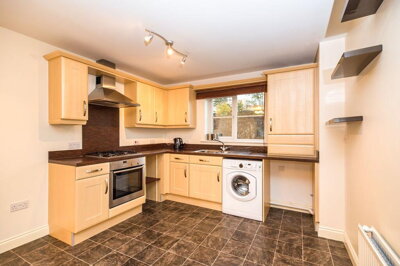
Browse 12 homes for sale in Bishop Auckland from local estate agents.
Studio apartments feature open-plan living spaces without separate bedrooms, incorporating sleeping, living, kitchen, and bathroom facilities. The Bishop Auckland studio market includes properties in modern apartment complexes, converted Victorian and Georgian buildings, and purpose-built developments.
£152,433
Average Property Price
12
Properties Sold (12 months)
-1.6%
Annual Price Change
3,006
Population
1,304
Households
The Cwm Clydach property market is characterised by its strong representation of traditional Welsh housing stock, with terraced properties comprising 39.1% of the local housing mix according to census data. Semi-detached houses account for a further 34.6%, while detached properties represent 16.2% and flats make up the remaining 9.8%. This breakdown reflects the industrial heritage of the South Wales Valleys, where workers' cottages and larger family homes were built to serve the mining communities that once dominated the local economy. The market offers good value compared to many other parts of Wales and the UK, with the median price point sitting comfortably below the national average.
Property prices in Cwm Clydach vary significantly across different housing types, providing options across several budget ranges. Detached properties command the highest prices at an average of £233,667, offering generous living space and gardens that appeal to families seeking more room. Semi-detached homes average £156,000, presenting a popular choice for families upgrading from terraced properties or downsizing from larger homes. Terraced properties average around £120,000, making them particularly attractive to first-time buyers seeking an affordable route onto the property ladder. Flats average £70,000, offering the most accessible entry point for those prioritising location and convenience over outdoor space.
Our inspectors have surveyed hundreds of properties across the South Wales Valleys, and we regularly encounter the same characteristics in Cwm Clydach homes. The majority of properties here date from periods when construction standards differed significantly from today's building regulations, which means that issues such as outdated wiring, inadequate insulation, and original features requiring maintenance are commonly found during surveys. Approximately 79% of homes in the area were built before 1980, making professional survey reports particularly valuable for buyers who need an independent assessment of condition before committing to a purchase.
The area has experienced a modest 1.6% decrease in property values over the past twelve months, which buyers may interpret as a favourable buying opportunity in a market that has proven resilient over time. No active new-build developments were identified within the immediate Cwm Clydach postcode area, meaning that properties here are predominantly pre-loved homes with genuine character and history. The limited new supply also means that demand for quality period properties remains consistent, particularly those that have been well-maintained or thoughtfully modernised. For buyers seeking a property with original features and authentic Welsh heritage, Cwm Clydach delivers in abundance.
Cwm Clydach embodies the authentic character of a South Wales valley community, where the dramatic landscape of the Clydach valley has shaped both the built environment and the lives of residents for generations. The village takes its name from the River Clydach, which flows through the valley floor as a tributary of the larger River Tawe. Housing in the area climbs the valley sides in traditional terraced formations, with brick, render, and stone construction reflecting the materials available from local quarries and the industrial heritage of the region. The surrounding hillsides, once scarred by mining activity, have been transformed through years of regeneration and environmental improvement programmes, now offering attractive green spaces for residents to enjoy.
The demographic profile of Cwm Clydach reflects a balanced community with families, working-age adults, and older residents all contributing to the neighbourhood's vibrant social fabric. With 1,304 households calling the area home, the village maintains a scale where neighbours recognise one another and community spirit thrives. The local economy benefits from its proximity to Swansea, with many residents commuting to the city for work in sectors including public administration, education, healthcare, and retail. The industrial legacy of coal mining has left an indelible mark on the area's history, with some properties bearing the characteristics of mining-era construction that require careful consideration during purchase and renovation.
We have helped many buyers find their dream home in Cwm Clydach, and a common theme among those who settle here is the sense of belonging they quickly develop. The community hosts various local events and gatherings throughout the year, fostering connections between long-established families and newer arrivals to the area. The valley setting provides natural beauty and a sense of enclosure that residents often find welcoming, though it also means that properties near watercourses should be carefully assessed for flood risk during heavy rainfall.

Several factors make Cwm Clydach an attractive option for property buyers in South Wales. The relatively affordable average house price of £152,433 positions the area well for first-time buyers who may find neighbouring Swansea postcode areas considerably more expensive. Families are drawn to the village's community atmosphere, good school provision, and the balance between peaceful valley living and easy access to urban employment centres. The presence of the SA6 postcode means that buyers benefit from Swansea city postcodes without paying Swansea city prices, making Cwm Clydach a practical choice for those who work in the city but prefer to live in a smaller community.
The geological characteristics of the area have shaped both the natural landscape and the properties built upon it. The Carboniferous rocks underlying Cwm Clydach, including coal measures, sandstones, and shales, have influenced construction methods over many decades. Clay soils present in parts of the region can pose shrink-swell risks for property foundations, particularly for older buildings with potentially shallower footings that were constructed before modern building standards were introduced. Our surveyors pay close attention to signs of movement or cracking in properties here, as the combination of clay soils and historical mining activity can create conditions where ground stability becomes a concern.
The proximity to Swansea makes Cwm Clydach particularly appealing to commuters who want to maintain access to a major employment hub while enjoying more affordable housing costs. The journey by car to central Swansea typically takes 20-30 minutes outside peak hours, while public transport options via bus provide additional flexibility for those without private vehicles. Swansea railway station offers connections to major UK destinations including London Paddington, Bristol, and Birmingham, making regional and national travel practical for both work and leisure purposes.
Our inspectors have extensive experience surveying properties across the South Wales Valleys, and we have identified several defect patterns that occur frequently in Cwm Clydach homes. Given that approximately 79% of properties were built before 1980, the housing stock contains a high proportion of older buildings where construction methods and materials differ significantly from modern standards. Damp problems are among the most common issues we encounter, particularly rising damp in solid-walled properties and penetrating damp in areas where original renders have deteriorated over time. The valley location can also contribute to condensation issues, especially in properties with inadequate ventilation.
Roof condition is another area of concern in many local properties. Older roofs may feature slipped or broken tiles, deteriorating felt underlays, or corroded leadwork that allows water ingress into the property below. Our surveyors carefully inspect roof spaces during inspections, looking for evidence of leaks, woodworm activity, and structural timbers that may have been affected by prolonged exposure to moisture. Properties with flat roof extensions or conversions often present additional concerns where original flat roof membranes have exceeded their expected lifespan.
Electrical and plumbing systems in older Cwm Clydach properties frequently require updating to meet current safety standards and accommodate modern household demands. Properties constructed before the 1980s typically feature fuse boxes rather than modern consumer units, and wiring may be of the older rubber or fabric insulated variety that should be replaced. Similarly, lead or galvanised steel plumbing, common in properties from certain eras, should be assessed for condition and likelihood of future failure. A thorough survey will identify these issues and allow buyers to budget for necessary upgrades.
Families considering a move to Cwm Clydach will find educational provision available at primary level within the immediate area and wider locality, with secondary options accessible in nearby towns. The local school estate reflects the community's commitment to serving young people and families who choose to settle in the valley. Primary schools in the surrounding area cater to children from reception through to Year 6, providing the foundational education that prepares pupils for the transition to secondary schooling. Many of these schools benefit from supportive parent communities and active engagement with local events, creating nurturing environments for children to develop both academically and socially.
Secondary education in the region is typically delivered through local comprehensive schools, with pupils progressing from primary schools across the catchment area to their designated secondary institution. The curriculum offered covers the full range of National Curriculum subjects, with additional provision for Welsh language education reflecting the bilingual nature of education in Wales. Sixth form provision may be available at larger secondary schools or through further education colleges in nearby towns, offering post-16 students pathways to higher education or vocational qualifications. Parents are advised to confirm current catchment area arrangements and admission policies with Rhondda Cynon Taf Council, as these can be subject to change and may influence school placement.
The broader Swansea Bay City Region, accessible via the valley road networks, offers additional educational opportunities at university level through institutions including Swansea University. Families with older children considering higher education will appreciate the proximity to a university ranked among the best in Wales, providing undergraduate and postgraduate programmes across diverse subject areas. Extra-curricular activities, sports clubs, and community youth groups operate throughout the local area, offering children and teenagers opportunities to develop interests and friendships beyond the classroom. The investment in education and youth provision across Rhondda Cynon Taf demonstrates a commitment to supporting families and ensuring that young people have access to the opportunities they need to succeed.

Transport connectivity from Cwm Clydach centres on the road networks that link the valley community to surrounding towns and employment centres. The main routes through the area connect residents to Morriston and Swansea to the west, while the wider A4067 and A48 corridors provide access to the motorway network and beyond. For commuters working in Swansea, the journey by car typically takes around 20-30 minutes depending on traffic conditions, though morning and evening rush hours can extend travel times on the valley roads. Local bus services operate along the main routes, providing public transport options for those without access to private vehicles or preferring not to drive.
Swansea railway station, located in the city centre, provides connections to major UK destinations including Cardiff, Bristol, London Paddington, and Birmingham. Services from Swansea offer regular intervals throughout the day, with journey times to Cardiff Central typically around one hour, making day trips and commuting to the capital practical for those working in government, finance, or professional services. The station also connects to the West Wales line, serving coastal communities and supporting leisure travel to popular destinations along the Gower Peninsula and beyond. For international travel, Cardiff Airport provides scheduled flights to European destinations and is accessible via the M4 motorway.
Cycling infrastructure in the area has been improved in recent years, with off-road paths and lanes making cycling a viable option for shorter journeys and recreational purposes. The valley terrain presents challenges for casual cyclists, with gradients steep in places, but electric bikes have expanded the accessibility of cycling for residents of all fitness levels. Walking remains a popular way to navigate within the village itself, with local shops and amenities accessible on foot from most residential areas. For those considering commuting to work, the combination of road access, nearby rail connections, and reasonable travel times to Swansea makes Cwm Clydach a practical base for professionals working across the South Wales region.
Begin by exploring current property listings in Cwm Clydach and surrounding areas. Understanding the price ranges for different property types helps you establish a realistic budget and identify which areas of the village offer the best fit for your needs. Our team can provide guidance on typical prices and property characteristics across different parts of the village.
Before arranging viewings, approach a lender to secure an agreement in principle. This demonstrates to sellers that you are a serious buyer with financing in place, strengthening your position when making an offer on a property. First-time buyers will find the relatively affordable prices in Cwm Clydach make mortgage requirements more achievable than in pricier areas.
Visit properties that match your criteria and assess their condition, location within the village, and proximity to local amenities. Take notes and photographs to help compare properties later in the decision-making process. We recommend viewing several properties before making any decisions, as the market offers variety across different price points and property types.
Given that approximately 79% of properties in Cwm Clydach were built before 1980, a thorough survey is essential. A Level 2 Survey will identify defects such as damp, roof issues, and any concerns related to the mining legacy of the area. Our inspectors have detailed knowledge of common defects in local properties and will provide a comprehensive assessment of condition.
Choose a conveyancing specialist to handle the legal aspects of your purchase. They will conduct searches, review contracts, and coordinate with the seller's legal team to ensure a smooth transaction. We work with recommended conveyancing providers who have experience handling property purchases in the SA6 postcode area.
Once all searches are satisfactory and financing is confirmed, you will exchange contracts and pay your deposit. Completion typically follows within weeks, at which point you will receive the keys to your new home. Our team remains available to answer questions throughout the process.
Properties in Cwm Clydach span several distinct construction periods, each presenting its own characteristics and potential concerns that buyers should understand before committing to a purchase. Approximately 25.1% of the housing stock was built before 1919, meaning these properties may feature solid wall construction, original sash windows, and period details that require ongoing maintenance. A further 15.6% of homes date from the inter-war period, while 38.3% were constructed between 1945 and 1980, representing the largest segment of the housing stock. Properties from these eras commonly feature traditional construction methods that differ significantly from modern building standards, making professional surveys particularly valuable.
The historical mining activity in the Cwm Clydach area means that buyers should pay special attention to potential ground stability issues. Properties constructed over former mine workings may be susceptible to subsidence if underground workings collapse over time. While not all properties will be affected, obtaining a mining report from The Coal Authority provides crucial information about historical mining activity beneath a specific property and the associated risks. This is particularly important for properties with visible signs of movement, cracking, or doors and windows that stick or do not close properly. The additional cost of a mining report is modest compared to the potential expense of addressing subsidence damage.
Flood risk awareness is essential for properties located near the River Clydach, particularly those on the valley floor or with gardens extending toward the watercourse. While not all properties in the village are at risk, areas adjacent to the river may experience fluvial flooding during periods of heavy rainfall and high water levels. Surface water flooding can also occur in areas with inadequate drainage, sometimes affecting properties located some distance from the main river channel. A thorough survey will assess the property's history of flooding and any existing damp or water damage that may indicate previous problems. Buyers should also review any available flood risk data from Natural Resources Wales before proceeding with a purchase.
The average house price in Cwm Clydach was £152,433 as of February 2024, according to Land Registry data. This figure reflects all property types sold in the SA6 postcode area over the preceding twelve months. Prices vary considerably by property type, with detached properties averaging £233,667, semi-detached homes around £156,000, terraced properties at approximately £120,000, and flats at around £70,000. The market has experienced a modest 1.6% decrease over the past year, suggesting relatively stable conditions that may favour buyers in negotiation situations.
Properties in Cwm Clydach fall under Rhondda Cynon Taf Council's jurisdiction for council tax purposes. Bands are assigned based on property valuation as of April 1991 and can be confirmed through the Valuation Office Agency website or by contacting the council directly. Properties in the area typically span bands A through D, with the majority of terraced and semi-detached homes falling within the lower bands. First-time buyers and those purchasing lower-value properties may benefit from reduced council tax obligations compared to areas with higher property values. Council tax bands affect the ongoing cost of homeownership, so confirming this information during the purchase process is advisable.
Cwm Clydach and the surrounding area offer primary education provision through local schools serving children from reception through to Year 6. Secondary education is delivered through catchment-area comprehensive schools in nearby towns, with pupils typically progressing from their primary school to a designated secondary institution. Parents should consult current admission criteria and catchment area maps published by Rhondda Cynon Taf Council, as arrangements can be reviewed and updated. The region also benefits from Welsh-medium education options for families seeking bilingual schooling for their children, reflecting the Welsh language heritage of the local community.
Bus services operate along the main routes through Cwm Clydach, connecting residents to Morriston, Swansea, and other nearby towns. The nearest railway station is Swansea, which offers regular services to destinations across the UK including Cardiff, Bristol, London Paddington, and Birmingham. Journey times by train to Cardiff Central are approximately one hour, making day commuting practical for many workers. For international travel, Cardiff Airport provides scheduled flights to European destinations and is accessible via the M4 motorway. The valley road networks provide car access to surrounding communities, though journey times can be affected by traffic during peak hours.
Cwm Clydach offers several characteristics that may appeal to property investors, including relatively affordable purchase prices compared to many other parts of Wales and the UK. The proximity to Swansea and the presence of the SA6 postcode mean that rental demand exists from tenants seeking more affordable accommodation while maintaining access to employment and amenities in the city. Property prices have shown relative stability with only a modest 1.6% decrease over the past twelve months. However, investors should consider factors including the age of the housing stock, potential maintenance requirements, and the mining legacy when evaluating rental yields and capital growth prospects.
Stamp Duty Land Tax rates for residential property purchases in Wales are calculated on a sliding scale. For standard purchases, no tax is due on the first £225,000 of the purchase price, with rates of 6% on the portion from £225,001 to £400,000, and higher rates for more expensive properties. First-time buyers in Wales may benefit from the Land Transaction Tax relief scheme, which provides relief on purchases up to £300,000 for properties intended as a main residence. Above £300,000, the relief phases out, with no relief available for purchases exceeding £500,000. You should calculate your specific liability based on the purchase price and your buyer status.
Several area-specific factors merit attention when purchasing property in Cwm Clydach. The historical mining legacy means that some properties may be built over former coal workings, with potential risks of ground movement and subsidence. Obtaining a mining report from The Coal Authority is strongly recommended. Properties near the River Clydach may face flood risk during periods of heavy rainfall, so understanding the property's flood history and drainage condition is important. The age of much of the housing stock, with approximately 79% built before 1980, means that issues such as damp, outdated electrics, and roof deterioration are more common than in newer developments. A comprehensive RICS Level 2 Survey will identify these concerns before you commit to a purchase.
We strongly recommend commissioning a professional survey for any property purchase in Cwm Clydach, particularly given the age of the local housing stock. With approximately 79% of properties built before 1980, the likelihood of encountering defects such as damp, roof issues, outdated electrics, or plumbing problems is higher than in newer developments. A RICS Level 2 Survey typically costs between £400 and £700 depending on property size and value, and this investment can save buyers significant expense by identifying problems before completion. For older properties or those showing signs of structural movement, a more detailed RICS Level 3 Building Survey may be appropriate.
Understanding the full costs of purchasing property in Cwm Clydach extends beyond the purchase price to include various taxes, fees, and professional services that together can amount to several thousand pounds. The primary tax consideration for property purchases in Wales is Land Transaction Tax, which replaced Stamp Duty Land Tax in Wales from April 2018. The standard rates for residential purchases require no tax on the first £225,000 of the purchase price, with 6% payable on the portion between £225,001 and £400,000. Properties priced above £400,000 attract progressively higher rates, reaching 12% on portions above £1.5 million.
First-time buyers purchasing properties intended as their main residence in Wales can benefit from Land Transaction Tax relief, which provides relief on purchases up to £300,000. This means a first-time buyer purchasing a typical terraced property in Cwm Clydach at around £120,000 would pay no LTT at all. The relief scales down between £300,000 and £500,000, and does not apply to purchases above £500,000. Buyers who have previously owned property anywhere in the world will not qualify for first-time buyer relief, even if they have not owned property in Wales before.
Additional costs to budget for include solicitor or conveyancer fees, typically ranging from £500 to £2,000 depending on the complexity of the transaction and the property value. Search fees, including local authority searches, drainage and water searches, and environmental searches, can add several hundred pounds to the legal costs. A RICS Level 2 Survey costs from approximately £400 to £700 depending on property size, while a mortgage arrangement fee if applicable may be added to your loan. Buildings insurance should be in place from the point of exchange, and you will need to factor in removal costs and any immediate repairs or renovations you plan to undertake once you move in.
Properties for Sale In London

Properties for Sale In Plymouth

Properties for Sale In Liverpool

Properties for Sale In Glasgow

Properties for Sale In Sheffield

Properties for Sale In Edinburgh

Properties for Sale In Coventry

Properties for Sale In Bradford

Properties for Sale In Manchester

Properties for Sale In Birmingham

Properties for Sale In Bristol

Properties for Sale In Oxford

Properties for Sale In Leicester

Properties for Sale In Newcastle

Properties for Sale In Leeds

Properties for Sale In Southampton

Properties for Sale In Cardiff

Properties for Sale In Nottingham

Properties for Sale In Norwich

Properties for Sale In Brighton

Properties for Sale In Derby

Properties for Sale In Portsmouth

Properties for Sale In Northampton

Properties for Sale In Milton Keynes

Properties for Sale In Bournemouth

Properties for Sale In Bolton

Properties for Sale In Swansea

Properties for Sale In Swindon

Properties for Sale In Peterborough

Properties for Sale In Wolverhampton

Enter your details to see if this property is within your budget.
Loans, cards, car finance
Estimated property budget
Borrowing + deposit
You could borrow between
Typical borrowing
Monthly repayment
Est. at 4.5%
Loan-to-value
This is an estimate only. Your actual budget may vary depending on interest rates, credit history, and personal circumstances. For an accurate affordability assessment, speak to one of our free mortgage advisors.
This calculator provides estimates for illustrative purposes only and does not constitute financial advice. Your home may be repossessed if you do not keep up repayments on your mortgage. Estimates based on 4.5% interest rate, repayment mortgage. Actual rates depend on your circumstances.
Homemove is a trading name of HM Haus Group Ltd (Company No. 13873779, registered in England & Wales). Homemove Mortgages Ltd (Company No. 15947693) is an Appointed Representative of TMG Direct Limited, trading as TMG Mortgage Network, which is authorised and regulated by the Financial Conduct Authority (FRN 786245). Homemove Mortgages Ltd is entered on the FCA Register as an Appointed Representative (FRN 1022429). You can check registrations at NewRegister or by calling 0800 111 6768.

We use cookies to show you personalised content and improve your experience of our website. Find out more in our Privacy policy and Cookie policy.