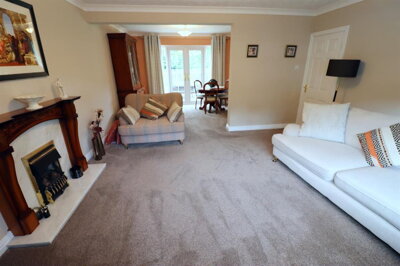
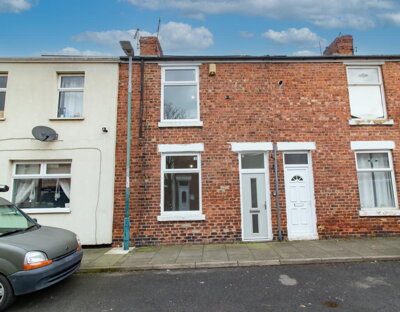
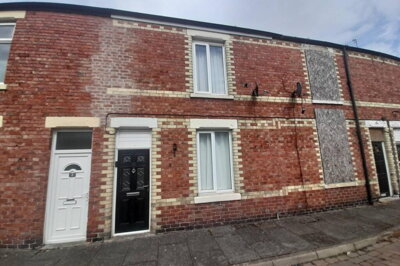
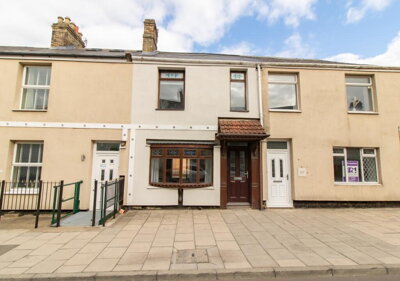
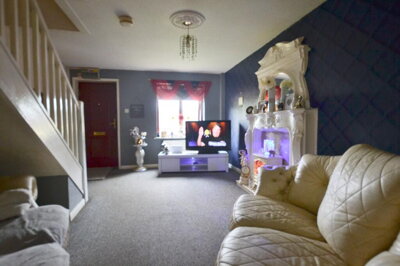
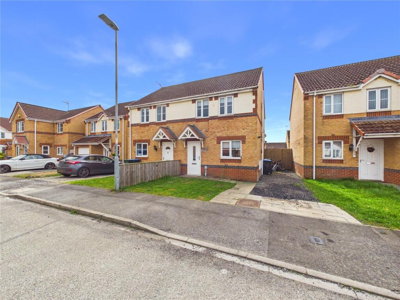
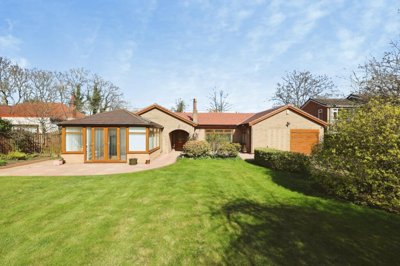
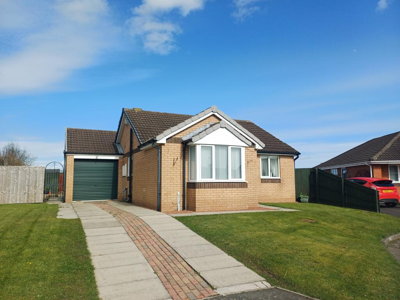
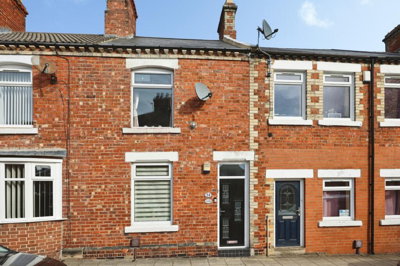
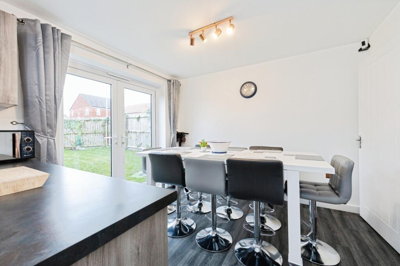
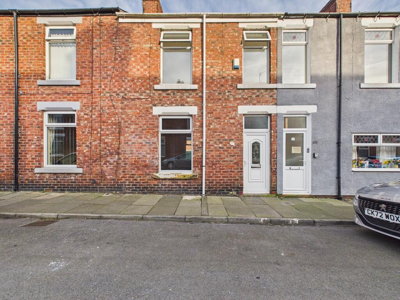
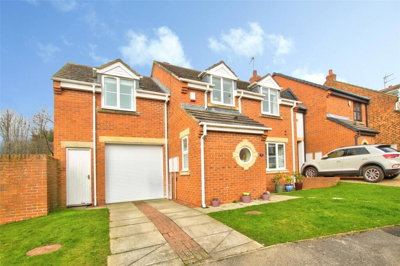
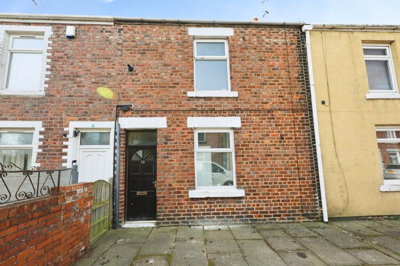
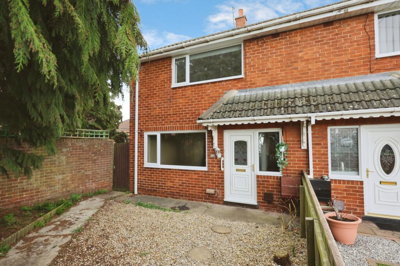
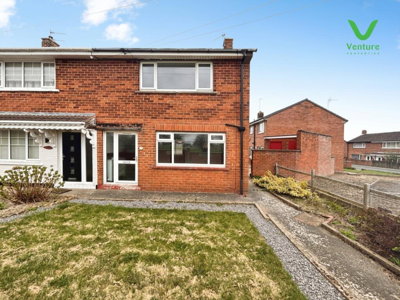
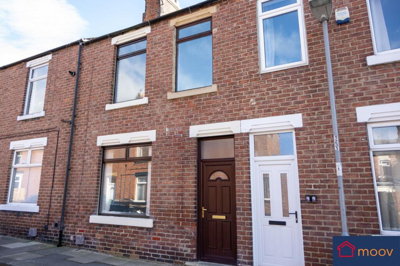
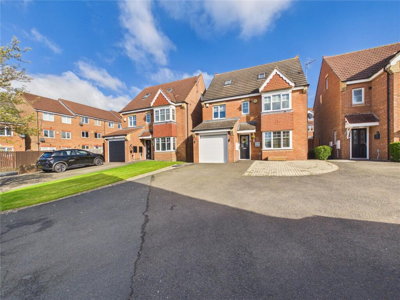
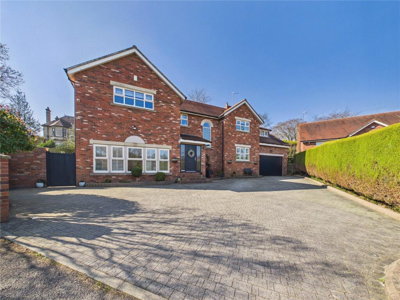
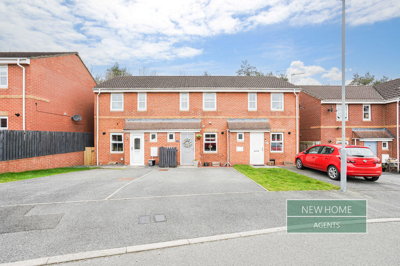
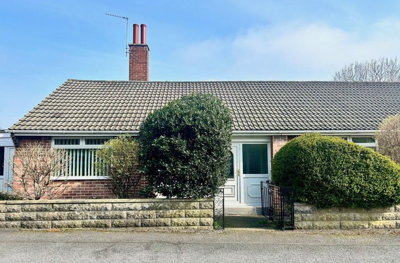
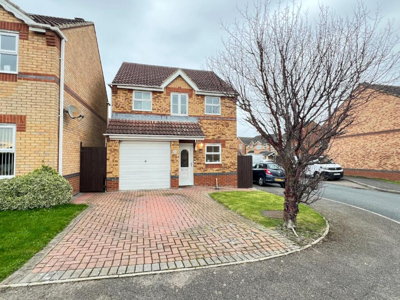
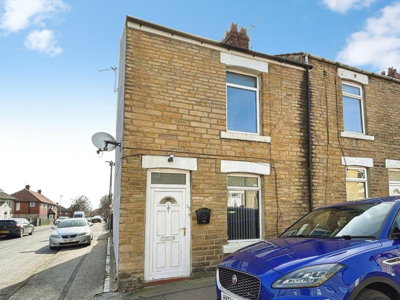
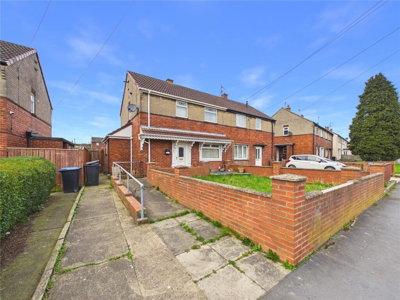
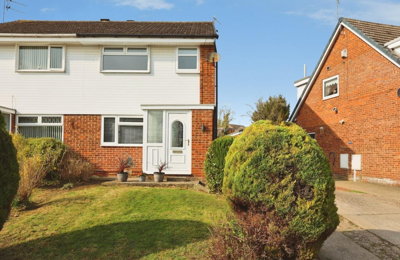
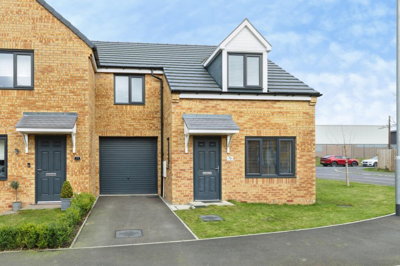
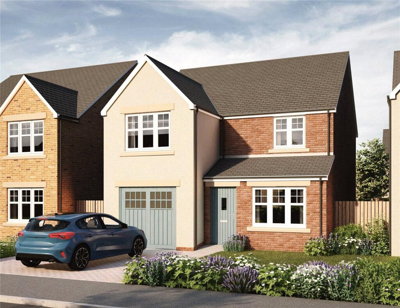
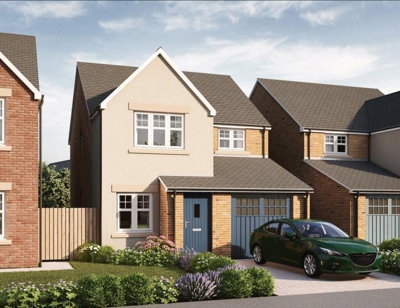
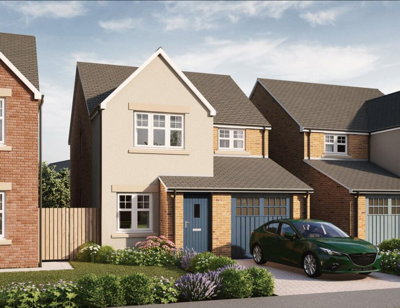
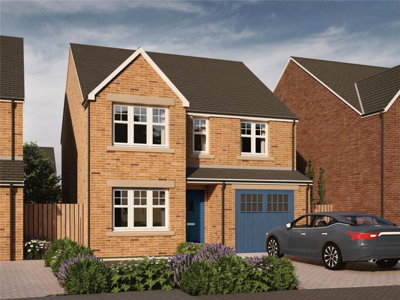
Browse 352 homes for sale in Bishop Auckland from local estate agents.
The Bishop Auckland property market offers detached, semi-detached, and terraced houses spanning various price ranges and neighbourhoods. Each listing includes detailed property information, photographs, and direct contact with the marketing agent.
Bishop Auckland's property market has demonstrated consistent and encouraging growth, with overall prices rising by 2.06% over the past twelve months as of February 2026. This steady appreciation reflects increasing buyer interest in the town, driven by its relative affordability compared to nearby Durham and the availability of properties that offer genuine space for money. The current overall average stands at £136,177, positioning Bishop Auckland as accessible for first-time buyers while still delivering properties with real character and substance that would cost significantly more in surrounding larger towns.
Property types in Bishop Auckland span a comprehensive spectrum to suit varied requirements and budgets. Detached homes command an average price of £227,330, offering generous proportions and gardens ideal for families requiring additional space. Semi-detached properties average £132,668, representing excellent value for three-bedroom family homes on established residential streets. Terraced properties average £99,394, providing an affordable entry point into the market with many dating from the pre-1919 era featuring original features and sturdy brick or stone construction. Flats average £70,591, suitable for first-time buyers, investors, or those seeking low-maintenance living in a convenient town-centre location. The local housing stock reflects the town's evolution from a prosperous market town and mining centre into a diverse residential community.
Three significant new-build developments currently add fresh options to the market, all located off South Church Road in the DL14 7NB postcode area. Bellway's Auckland Fields offers two, three, and four-bedroom homes from £169,995 to £299,995. Keepmoat Homes presents Auckland Gate with properties from £159,995 to £249,995 across the same bedroom configurations. Persimmon Homes' Auckland Walk ranges from £169,950 to £299,950 and includes five-bedroom options for larger families. These developments provide modern specifications and energy efficiency, complementing the charm of the existing older housing stock that dominates the town centre and established residential areas.
The housing stock breakdown reveals the character of the local market. Terraced properties account for 39.2% of homes, while semi-detached houses represent 34.2%. Detached properties make up 16.7% of the stock, and flats, maisonettes, or apartments comprise 9.6%. This dominance of terraced and semi-detached housing reflects Bishop Auckland's historical development as a Victorian and Edwardian industrial town, where robust red brick construction remains the hallmark of the most affordable properties on streets like Newgate Street, Waterson Road, and the residential areas surrounding the town centre.

Bishop Auckland serves as the retail and service hub for an extensive rural catchment area, providing employment, shopping, and leisure facilities for communities across South West Durham. The town centre features a mix of independent retailers, high street names, and convenience stores along Newgate Street and the surrounding commercial district, ensuring residents can access daily necessities without travelling to larger centres. A weekly market has operated in the town for centuries, and while the traditional street market has evolved, the commercial centre maintains its importance to the surrounding agricultural communities and villages.
The town's heritage defines much of its character and local pride. Auckland Castle has dominated the skyline for over nine centuries, originally serving as the summer palace of the Prince Bishops of Durham. The Auckland Project, a major heritage regeneration initiative, has transformed the castle grounds and surrounding areas into a cultural destination featuring gardens, galleries, and community spaces. This investment has brought increased tourism, local employment, and a renewed sense of civic optimism that permeates daily life in the town. Weekend visitors exploring the castle and its grounds contribute to a vibrant atmosphere with cafes, pubs, and restaurants catering to residents and tourists alike in the conservation area around the castle.
Bishop Auckland is home to approximately 16,276 residents across roughly 7,400 households, according to 2021 Census data. The population profile combines established families who have lived in the town for generations with newcomers attracted by affordability and quality of life. The community hosts various events throughout the year, from food festivals to historical re-enactments, fostering the strong neighbourly atmosphere that many buyers cite as a primary reason for choosing the area. Parks and open spaces, including the grounds around Auckland Castle and the river corridors along the River Wear, provide recreational opportunities for families and individuals seeking outdoor activity within easy walking distance of residential areas.
Education provision in Bishop Auckland encompasses a full range from early years through secondary education, serving families considering relocation to the area. Several primary schools operate within the town and immediate surroundings, including St Mary's Catholic Primary School, Timothy Hackworth Primary School, and several academy primaries serving defined catchment areas. Parents should verify which school their prospective property falls within before committing to a purchase, as school admissions can significantly impact daily family life and future property values in areas where catchment schools perform well.
Secondary education options include Bishop Auckland College and schools offering GCSE programmes and sixth-form provision for students continuing their education beyond age 16. The presence of secondary schools within the town means families can avoid the need for lengthy bus journeys to reach educational establishments, with several schools offering strong academic records and extensive extracurricular programmes. Sixth-form students have access to A-level courses locally, while further education colleges in the wider County Durham area provide vocational alternatives for those pursuing specific career paths in engineering, healthcare, or business.
For families prioritising academic selective education, grammar school options exist in neighbouring towns including Durham, where examination entry requirements apply. Several schools in the Bishop Auckland area have established reputations for academic excellence and strong GCSE results. School performance data, including Ofsted inspection results, should form part of any property search for families with children, as educational provision can vary across different neighbourhoods within Bishop Auckland and surrounding villages. The local education authority can provide definitive information on catchment areas and admissions criteria for all schools serving the town.
Bishop Auckland offers practical transport connections that serve both daily commuters and those seeking occasional access to larger urban centres. The town sits on the Tees Valley Line, with Bishop Auckland railway station providing direct services to the regional centre of Darlington. From Darlington, connections are available to major destinations including Newcastle, York, and Edinburgh on the East Coast Main Line. The rail journey to Darlington typically takes around 15 minutes, placing Bishop Auckland within reasonable reach of the wider national rail network for those who commute or travel regularly for business or leisure.
Road connectivity serves residents with access to the A688 running through the town, connecting to the A1(M) motorway at Newton Aycliffe approximately five miles distant. This motorway access positions Bishop Auckland conveniently for those working in towns across County Durham and Teesside, including employers in manufacturing, logistics, and the public sector. Daily commuters to Durham city typically find the journey takes around 30-40 minutes by car, while Newcastle is accessible within approximately one hour via the A690. This makes Bishop Auckland particularly attractive for buyers working in the wider region who seek more affordable housing than cities like Durham or Newcastle.
Local bus services operate throughout Bishop Auckland and connect the town to surrounding villages and market towns across South West Durham. These services are particularly valuable for residents without private vehicles, elderly residents, and families where teenagers may need independent mobility. For those cycling, the local topography includes some challenging hills given the valley location, though flatter routes exist along the river corridors and through the town centre. Parking availability in the town centre accommodates those driving for shopping and leisure, while residential streets generally offer on-street parking for households without driveways.
Explore the different residential areas within Bishop Auckland to find locations matching your lifestyle needs. Consider proximity to schools if you have children, transport links including the railway station if you commute, and amenities in the town centre. Property prices can vary between neighbourhoods, with Victorian terraces on streets near the town centre typically priced differently from modern new-builds on the southern outskirts around South Church Road. Understanding these differences helps narrow your search effectively.
Once you have identified suitable properties, contact estate agents to arrange viewings. Consider visiting at different times of day to assess noise levels, traffic, and the general atmosphere of each neighbourhood. Take measurements and photos to help remember each property after viewings, particularly useful when comparing multiple homes across different streets and price ranges. Evening and weekend viewings allow you to experience how communities come alive outside working hours.
Before making offers, secure a mortgage agreement in principle from a lender. This demonstrates your financial credibility to sellers and estate agents when competing against other buyers. Having this in place strengthens your position when negotiating and speeds up the formal mortgage application once your offer is accepted. For properties in Bishop Auckland averaging around £136,177, most lenders offer competitive rates for properties well within their criteria.
Given Bishop Auckland's significant older housing stock, with over 70% of properties likely over 50 years old, a thorough survey is essential. Properties may have issues including damp in solid-wall construction, outdated electrics from pre-1980s wiring, or mining-related concerns from the area's coal mining history. A Level 2 HomeBuyer Report typically costs between £400 and £700 depending on property size and provides detailed assessment before committing to purchase.
Choose a solicitor experienced in County Durham property transactions to handle the legal work. They will conduct searches including the Coal Authority Mining Report to identify any specific risks associated with the property's location over former mine workings, investigate title deeds, and manage the exchange of contracts. Their expertise ensures all local considerations including flood risk along the River Wear are properly addressed for properties in vulnerable areas.
Once all searches are satisfactory and mortgages are approved, you will exchange contracts and pay your deposit. Completion typically follows within 28 days, when the remaining funds are transferred and you receive the keys to your new Bishop Auckland home. Your solicitor will notify Land Registry and arrange the final registration of your ownership.
Bishop Auckland's rich industrial heritage, particularly its history as a coal mining centre, requires specific attention during the property buying process. The town sits over former mining areas, and properties may be susceptible to ground movement or subsidence related to historical mining activity. A Coal Authority Mining Report should be commissioned as part of your conveyancing to identify any specific risks associated with the property's location. This search is relatively inexpensive but provides crucial information about potential issues that could affect structural integrity, insurance premiums, or mortgage availability for certain properties.
The local geology presents additional considerations for prospective buyers. The area sits on Carboniferous rocks including sandstones, shales, and coal seams, with superficial deposits of glacial till and boulder clay. Clay-rich soils carry a shrink-swell risk, meaning ground movement can occur as moisture levels change, potentially affecting foundations. Properties with large trees nearby, or those built before modern foundation standards, deserve particular scrutiny. A thorough building survey can identify signs of foundation movement, cracking, or previous remedial work that may indicate underlying issues with the structure.
Flood risk requires investigation before purchasing in Bishop Auckland. The River Wear and River Gaunless flow through or near the town, and specific areas along riverbanks face higher flood risk from fluvial flooding. Surface water flooding can also occur during heavy rainfall, particularly in areas with older drainage systems in the town centre and lower-lying residential streets. Property listings should be checked against flood risk maps, and potential buyers should review the history of any flooding at the property or neighbouring properties. Buildings insurance costs may be higher in flood-prone areas, and mortgage lenders may impose conditions on properties in significant flood risk zones.
Bishop Auckland's conservation area and numerous listed buildings require careful consideration for buyers purchasing period properties. Properties within the conservation area, particularly those near Auckland Castle and along the historic approaches to the town centre, face planning restrictions on alterations and extensions designed to preserve character. Listed buildings ranging from Grade II to Grade I, including Auckland Castle itself, require Listed Building Consent for most works, and maintenance must often use traditional materials and methods. These requirements can add complexity and cost to renovation projects but also help preserve the character and value of the historic housing stock that makes many Bishop Auckland properties so distinctive.
The average house price in Bishop Auckland stands at £136,177 as of February 2026, based on recent transaction data covering 555 property sales. Property prices have increased by 2.06% over the past twelve months, indicating a stable and growing market. Detached properties average £227,330 with 2.22% annual growth, semi-detached homes average £132,668, terraced properties average £99,394, and flats average £70,591. This pricing makes Bishop Auckland significantly more affordable than nearby Durham or Newcastle while still offering properties with genuine character and space across diverse housing types from Victorian terraces to modern new-builds.
Council tax bands in Bishop Auckland follow County Durham Council's valuation system, with properties placed in bands A through H based on their assessed value at 1991 prices. Most terraced properties and smaller homes fall into bands A to C, which includes many of the pre-1919 Victorian terraces on streets like Newgate Street and surrounding the town centre. Larger detached properties and family homes in areas like the South Church Road developments may be in bands D to F. You can check the specific band for any property through the County Durham Council website or on property listing details. The actual council tax amount depends on the band and current charge set by the local authority for each financial year.
Bishop Auckland offers education provision across all age ranges, with several primary schools serving local catchment areas including St Mary's Catholic Primary School and Timothy Hackworth Primary School, alongside academy primaries serving surrounding villages. Secondary schools within the town provide GCSE and A-level programmes, with some schools in the wider area maintaining strong academic reputations. Parents should consult current Ofsted reports and school performance tables when evaluating options for their children. Grammar school access exists through selective schools in neighbouring towns including Durham, where entrance examinations apply. The best school for your family depends on your children's ages, learning styles, and specific requirements, so detailed research into individual school performance is advisable before committing to a property purchase in a particular neighbourhood.
Bishop Auckland railway station provides access to the Tees Valley Line, offering direct connections to Darlington where onward travel to Newcastle, York, and Edinburgh is available via the East Coast Main Line. Road connections include the A688 through the town linking to the A1(M) motorway at Newton Aycliffe, approximately five miles away, providing access to the wider North East road network. Bus services operate throughout the town and connect to surrounding villages and market towns across South West Durham. Daily commuting to Durham city centre takes approximately 30-40 minutes by car, while Newcastle is accessible within one hour via the A690 and A1(M). For those without vehicles, the public transport network provides reasonable connectivity to employment centres and amenities.
Bishop Auckland offers several factors that appeal to property investors seeking rental yields or capital growth. House prices have shown consistent growth of around 2% annually, and the average price remains significantly below regional averages in Durham and Newcastle, suggesting potential for continued appreciation as the area attracts more buyers priced out of larger cities. The private rental sector benefits from demand from young professionals, families, and those unable to afford purchase, with rental yields potentially attractive for terraced properties priced around £99,394. The ongoing heritage investment through the Auckland Project may further enhance the area's appeal and property values over time. However, investors should consider the mining legacy and ensure appropriate due diligence, including Coal Authority Mining Reports, before purchasing in this former coal mining town.
Stamp Duty Land Tax rates from April 2025 require no SDLT on purchases up to £250,000, with 5% charged between £250,001 and £925,000. First-time buyers benefit from relief on the first £425,000 of their purchase, paying 5% between £425,001 and £625,000. For a typical Bishop Auckland property averaging £136,177, most buyers would pay no stamp duty whatsoever, while first-time buyers qualify for full relief on purchases within the threshold. Properties priced above £625,000 do not receive first-time buyer relief under any circumstances. Given the average property price remains well below the standard nil-rate band, stamp duty costs are unlikely to be a significant factor for most buyers in this market.
Yes, Bishop Auckland sits directly over former coal mining areas from the area's industrial heritage, and properties may be affected by mining legacy issues including potential ground movement, subsidence, and mine water discharge. All buyers should commission a Coal Authority Mining Report as part of their conveyancing process to identify any specific risks associated with the property's location. Properties with a history of mining-related issues may face higher insurance premiums, typically ranging from modest increases to significant surcharges depending on the assessed risk level, or difficulty obtaining mortgages without specialist structural assessment. However, many properties have stood successfully for decades without problems, and a thorough building survey by a RICS qualified surveyor can identify any structural concerns before purchase.
Given that over 70% of properties in Bishop Auckland are likely over 50 years old, a comprehensive survey is particularly important for this housing stock. A RICS Level 2 HomeBuyer Report, costing typically between £400 and £700 depending on property size and type, suits most conventional properties in reasonable condition including Victorian terraces and inter-war semi-detached homes. For older properties, larger homes, listed buildings in the conservation area, or those with visible defects, a RICS Level 3 Building Survey provides more detailed analysis of construction and condition. All buyers should request the Coal Authority Mining Report as standard due diligence in this mining area, and properties in flood-risk areas along the River Wear may warrant specific flood risk assessments and insurance cost reviews before committing to purchase.
From 3.5%
Compare competitive mortgage rates and find the right financing for your Bishop Auckland property purchase.
From £499
Expert solicitors handling your Bishop Auckland property transaction including Coal Authority searches.
From £400
Thorough property survey ideal for Bishop Auckland's older housing stock including mining risk assessment.
From £60
Energy Performance Certificate required for all Bishop Auckland property sales.
Purchasing property in Bishop Auckland involves several costs beyond the purchase price, and understanding these from the outset helps buyers budget accurately and avoid delays during the transaction. The most significant additional cost is Stamp Duty Land Tax, though for properties in Bishop Auckland with average prices around £136,177, many buyers will pay nothing or very little. First-time buyers purchasing properties within the £425,000 threshold receive full relief, making this an attractive market for those taking their first step onto the property ladder in an area where average prices remain well below the threshold.
For standard buyers, the current SDLT regime from April 2025 applies no tax on the first £250,000 of residential purchases. This means a property at the Bishop Auckland average of £136,177 falls entirely within the zero-rate band, resulting in zero SDLT liability. Between £250,001 and £925,000, the rate is 5% on the portion within that range. For a £300,000 purchase, for example, SDLT would be £2,500, calculated as 5% of the £50,000 above the £250,000 threshold. Properties priced above £625,000 do not qualify for first-time buyer relief under any circumstances, though such prices are rare in the Bishop Auckland market where detached homes average £227,330.
Beyond stamp duty, buyers should budget for solicitor conveyancing fees typically ranging from £499 to £1,500 depending on the complexity of the transaction and property value. A RICS Level 2 Survey costs between £400 and £700 depending on property size, with smaller flats and terraced properties at the lower end and larger detached properties at the upper range. An Energy Performance Certificate adds around £60 to £120. The Coal Authority Mining Report, essential for all Bishop Auckland properties due to the mining legacy, costs approximately £20 to £30. Mortgage arrangement fees vary by lender but typically range from zero to £2,000, and buyers should also factor in surveys, removals, and potential renovation costs when setting their total budget for the property purchase.
Properties for Sale In London

Properties for Sale In Plymouth

Properties for Sale In Liverpool

Properties for Sale In Glasgow

Properties for Sale In Sheffield

Properties for Sale In Edinburgh

Properties for Sale In Coventry

Properties for Sale In Bradford

Properties for Sale In Manchester

Properties for Sale In Birmingham

Properties for Sale In Bristol

Properties for Sale In Oxford

Properties for Sale In Leicester

Properties for Sale In Newcastle

Properties for Sale In Leeds

Properties for Sale In Southampton

Properties for Sale In Cardiff

Properties for Sale In Nottingham

Properties for Sale In Norwich

Properties for Sale In Brighton

Properties for Sale In Derby

Properties for Sale In Portsmouth

Properties for Sale In Northampton

Properties for Sale In Milton Keynes

Properties for Sale In Bournemouth

Properties for Sale In Bolton

Properties for Sale In Swansea

Properties for Sale In Swindon

Properties for Sale In Peterborough

Properties for Sale In Wolverhampton

Enter your details to see if this property is within your budget.
Loans, cards, car finance
Estimated property budget
Borrowing + deposit
You could borrow between
Typical borrowing
Monthly repayment
Est. at 4.5%
Loan-to-value
This is an estimate only. Your actual budget may vary depending on interest rates, credit history, and personal circumstances. For an accurate affordability assessment, speak to one of our free mortgage advisors.
This calculator provides estimates for illustrative purposes only and does not constitute financial advice. Your home may be repossessed if you do not keep up repayments on your mortgage. Estimates based on 4.5% interest rate, repayment mortgage. Actual rates depend on your circumstances.
Homemove is a trading name of HM Haus Group Ltd (Company No. 13873779, registered in England & Wales). Homemove Mortgages Ltd (Company No. 15947693) is an Appointed Representative of TMG Direct Limited, trading as TMG Mortgage Network, which is authorised and regulated by the Financial Conduct Authority (FRN 786245). Homemove Mortgages Ltd is entered on the FCA Register as an Appointed Representative (FRN 1022429). You can check registrations at NewRegister or by calling 0800 111 6768.

We use cookies to show you personalised content and improve your experience of our website. Find out more in our Privacy policy and Cookie policy.