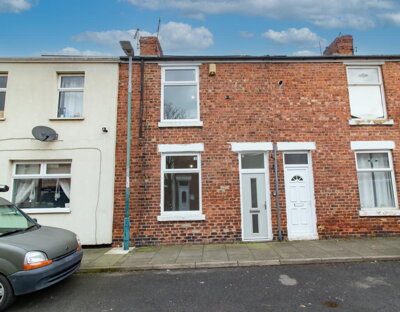
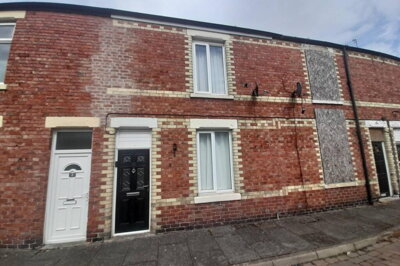
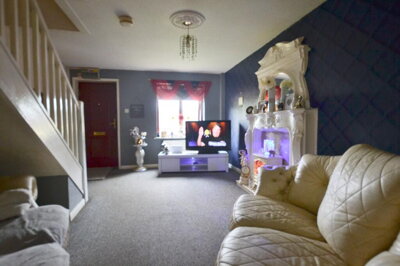
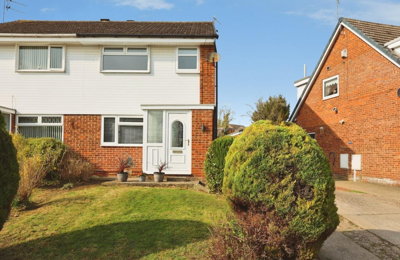
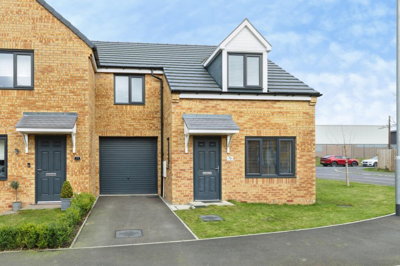
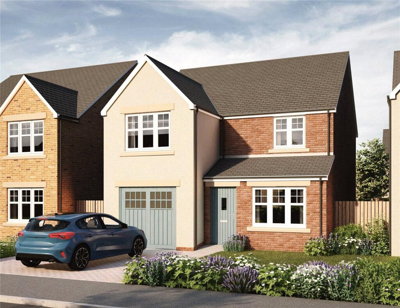
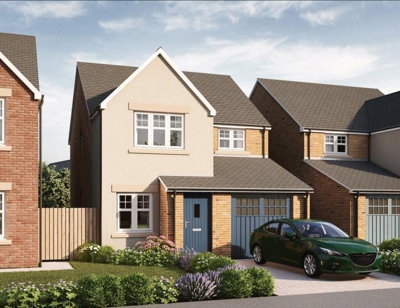
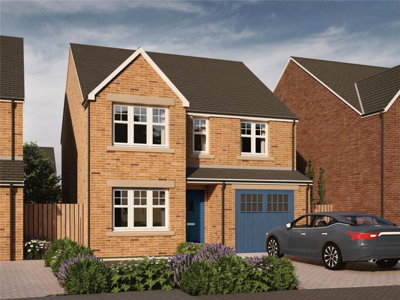
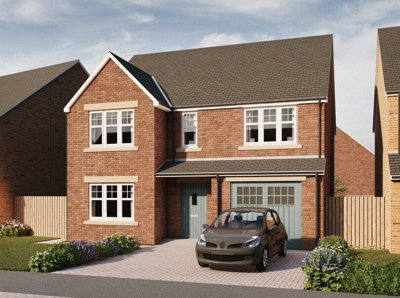
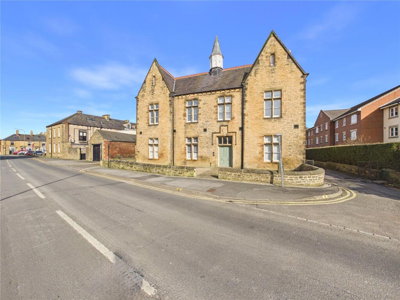
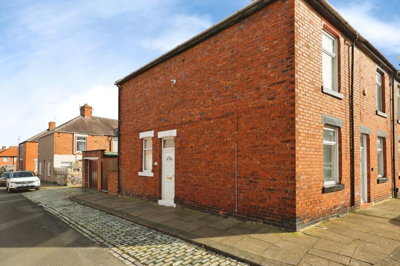
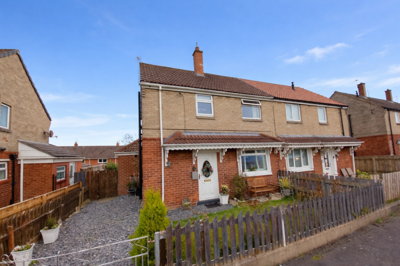
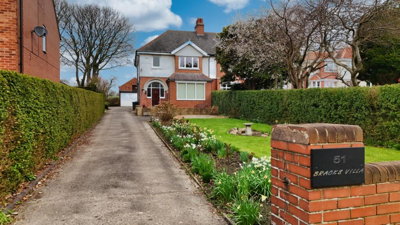
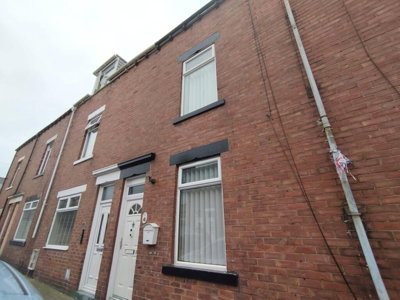
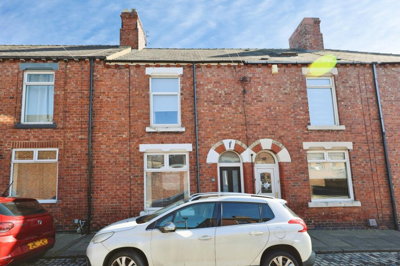
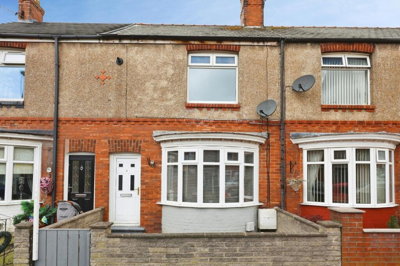
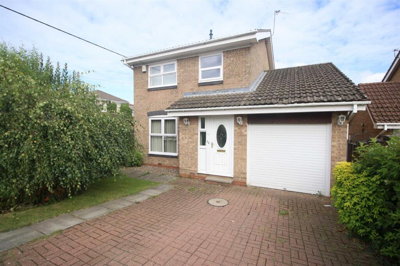
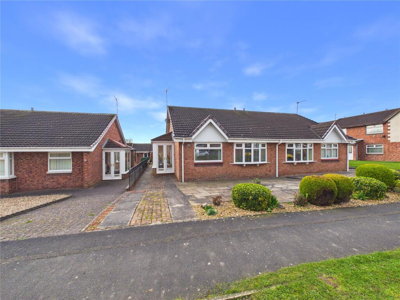
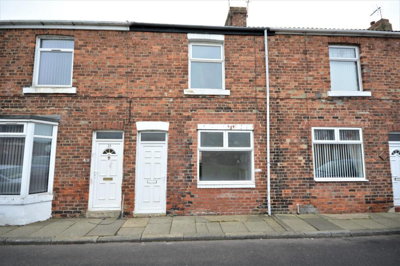
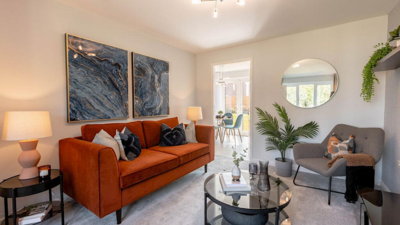
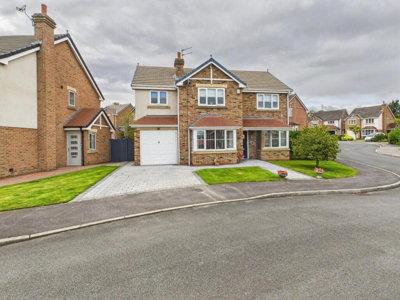
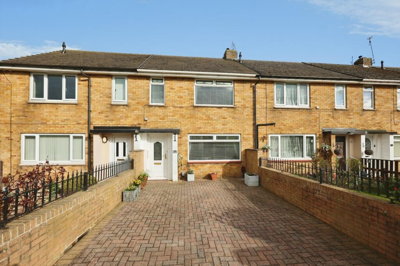
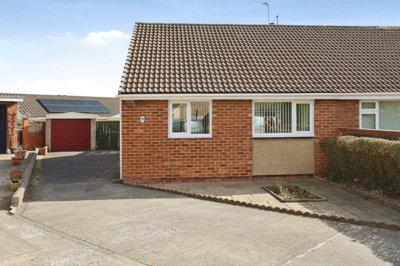
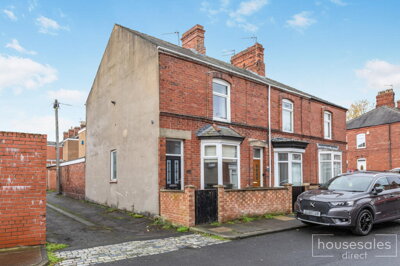
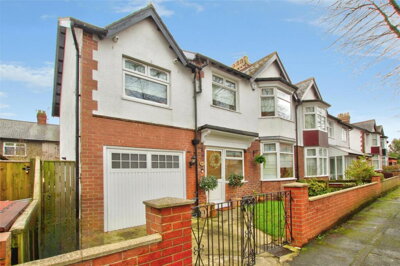
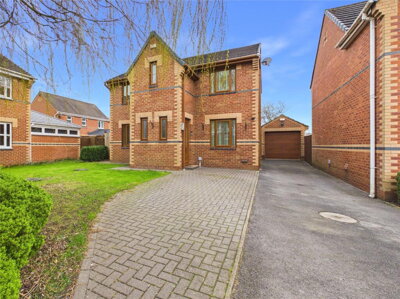
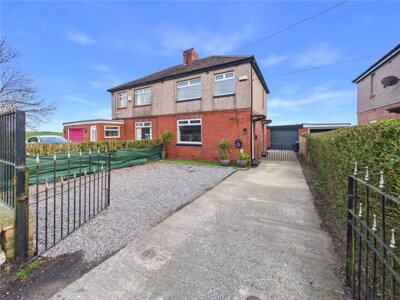
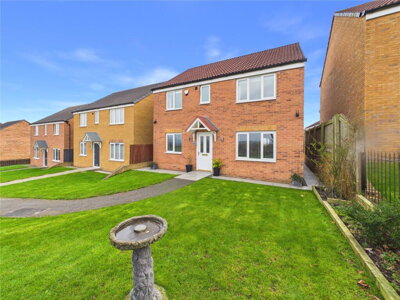
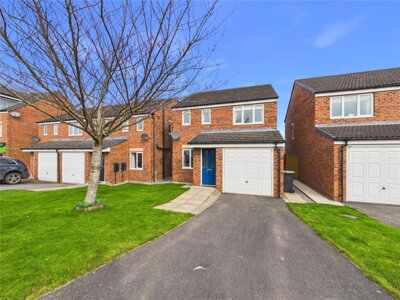
Browse 359 homes for sale in Bishop Auckland from local estate agents.
The Cwm Clydach property market offers diversity across all major housing types, making it suitable for buyers with different budgets and requirements. Detached properties command the highest prices, averaging £233,667, while semi-detached homes provide a more affordable alternative at around £156,000. Terraced properties, which form the largest segment of the local housing stock at 39.1%, typically sell for approximately £120,000, making them particularly attractive to first-time buyers and young families entering the property market.
Flats and maisonettes represent the most affordable entry point, with average prices around £70,000, though these properties comprise only 9.8% of the local housing stock. The market has shown resilience despite the recent 1.6% price decrease, with consistent transaction volumes indicating sustained demand. No active new-build developments have been confirmed within the SA6 postcode area itself, meaning buyers in Cwm Clydach primarily purchase from the established second-hand property market, where character-rich homes built across several eras await discovery.
When we assess properties in this area, we find that the semi-detached sector often represents the best value for families seeking more space without premium detached prices. The terraced housing stock, predominantly built during the Victorian and Edwardian periods, offers particularly good value given the solid construction and generous room sizes typical of that era. Investment buyers frequently target the lower end of the market, where flats at around £70,000 can generate rental yields given the area's proximity to Swansea employment centres.

Cwm Clydach is home to approximately 3,006 residents across 1,304 households, creating a compact community where neighbours often know one another. The ward's historical roots trace back to the coal mining era, with approximately 25.1% of properties built before 1919, giving many streets a distinctive character through their Victorian and Edwardian architecture. The remaining housing stock spans the interwar and post-war periods, with 38.3% of homes constructed between 1945 and 1980, reflecting the area's development through the mid-twentieth century.
The local landscape is shaped by the valley geography, with properties often positioned along terraced hillsides offering views across the surrounding countryside. The River Clydach flows through the area, providing green spaces and walking routes for residents to enjoy. Cwm Clydach's proximity to Swansea means residents benefit from access to major shopping centres, healthcare facilities, and cultural attractions while returning to a quieter residential environment. The area's economy benefits from its position within the Swansea Bay City Region, where public administration, education, health, retail, and manufacturing sectors provide employment opportunities for local residents.
We have found that many buyers are drawn to Cwm Clydach for its genuine community feel, which has been eroded in more urbanised parts of Swansea. Local events, independent shops, and traditional pubs remain part of daily life here, contrasting with the chain-store dominated experience of larger towns. The valley setting also offers practical benefits, with surrounding hillsides providing natural drainage and reducing the surface water flooding risk that affects some lower-lying areas of South Wales.
Properties in Cwm Clydach reflect the construction traditions of South Wales, with the local housing stock predominantly built using materials sourced from the surrounding landscape. The area's geology, characterised by Carboniferous rocks including coal measures, sandstones, and shales, has directly influenced building practices over the past century and a half. Many Victorian and Edwardian properties feature solid masonry walls constructed from locally-quarried sandstone or Pennant coal measures stone, typically finished with traditional render that requires periodic maintenance.
The older properties in Cwm Clydach, particularly those built before 1945, feature solid wall construction without cavity insulation. This construction type can lead to higher heating costs and increased risk of condensation and penetrating damp, especially in north-facing elevations that receive less direct sunlight. Our inspectors frequently identify damp issues in these properties that, while often manageable with proper ventilation and maintenance, require careful assessment before purchase. The render finishes common across the area can also mask underlying structural issues, making professional surveys particularly valuable for pre-1919 properties.
Post-war properties built between 1945 and 1980 typically incorporate cavity wall construction, though the quality of original insulation in these homes is often minimal by modern standards. Roof construction throughout the area predominantly features pitched roofs with slate or tile coverings, with many original Victorian and Edwardian roofs still in place despite their age. We have inspected properties where original clay tiles or Welsh slate have been replaced with modern concrete alternatives, which can affect both the appearance and weather resistance of the roof structure.
Cwm Clydach sits within a region historically defined by coal mining, and this legacy continues to influence property conditions and ground stability today. The Carboniferous coal measures underlying the area include multiple seams that were extensively worked during the industrial revolution, leaving a network of underground voids that can gradually collapse over time. Properties in areas with historical mining activity may experience ground movement that manifests as subsidence, structural cracking, or uneven floors, particularly during periods of drought or heavy rainfall.
Our surveyors recommend that all buyers in Cwm Clydach obtain a mining search report as part of the conveyancing process, regardless of whether obvious signs of movement are visible. The Coal Authority maintains records of historical mine workings, and properties within certain distance parameters of former mineshafts or adits may require additional consideration. We have assessed properties in similar South Wales valleys where subsidence damage has required underpinning or other structural works, making advance investigation essential for informed purchasing decisions.
The clay soils present in parts of the Cwm Clydach area introduce additional ground stability considerations beyond mining legacy. Clay soils are susceptible to shrink-swell movement in response to moisture changes, potentially affecting properties with shallow foundations during periods of prolonged dry weather or heavy rainfall. This type of ground movement typically affects older properties with original strip foundations more than modern constructions, and buyers should look for evidence of cracking, sticking doors, or uneven floors that may indicate foundation movement.
Families considering a move to Cwm Clydach will find educational options within the local area and the surrounding Rhondda Cynon Taf region. Primary education is available through several local schools serving the community, with many institutions offering wraparound care facilities to support working parents. Secondary education is provided by schools in the wider catchment area, with established reputations for academic achievement and extracurricular programmes.
The area's housing stock, with 79% of properties built before 1980, means that many schools in the locality have similarly historic buildings, though ongoing investment has ensured facilities meet modern educational standards. Parents should research specific catchment areas when considering properties, as school admissions policies in Rhondda Cynon Taf operate on geographic proximity criteria. For families requiring further education, colleges and training providers in Swansea and the surrounding area offer a wide range of vocational and academic courses accessible via the local road network.
We have helped many families find properties in Cwm Clydach that balance educational requirements with budget constraints, and our team can advise on current catchment area boundaries and recent school performance data. The proximity to Swansea means that pupils in Cwm Clydach can access a wider range of secondary school options than isolated valley communities, including specialist language colleges and faith schools operating their own admissions criteria.

Cwm Clydach benefits from its strategic position within the Swansea Bay City Region, offering residents multiple transport options for commuting and leisure travel. The area is well-connected by road, with the A4067 providing direct links to Swansea city centre, approximately 6 miles away, where major employment opportunities, retail centres, and healthcare facilities await. Bus services operate throughout the local area, connecting Cwm Clydach with surrounding villages and the nearby town centres of Pontardawe and Swansea.
For rail travel, Swansea railway station offers connections to major UK destinations including Cardiff, London Paddington, and Manchester Piccadilly. The M4 motorway, accessible via the A483, provides a direct route eastwards to Bridgend, Cardiff, and Newport, while the coast road offers alternative routes westwards. Cyclists will find the local topography challenging due to the valley terrain, though recreational cycling remains popular along designated routes. Parking availability varies across the area, with on-street parking common in residential streets and local facilities serving those who drive to work or shopping destinations.
Many Cwm Clydach residents commute daily to employment in Swansea, with typical journey times of 20-30 minutes by car outside peak hours. Traffic congestion on the A4067 during morning and evening rush hours can extend journey times significantly, and buyers should factor this into their commute planning. The First Cymru bus network provides regular services connecting Cwm Clydach to Morriston and Swansea city centre, offering a practical alternative for those wishing to avoid driving costs and parking fees in central Swansea.
Before viewing properties, obtain a mortgage agreement in principle from a lender to understand your borrowing capacity. In Cwm Clydach, with average prices ranging from £70,000 for flats to £233,667 for detached homes, knowing your budget helps narrow your search effectively. We recommend speaking to an independent mortgage broker who can compare products across multiple lenders, as rates and criteria vary significantly between providers.
Browse listings on Homemove to discover homes for sale in Cwm Clydach that match your requirements. Consider property types across terraced, semi-detached, and detached categories, and set up alerts for new listings in the SA6 postcode area. Given that only 12 sales have occurred in the past year, new listings can generate significant interest, so acting promptly when a suitable property becomes available is advisable.
Contact local estate agents to arrange viewings of properties that interest you. Given the limited number of sales in the area, acting promptly when a suitable property becomes available can be advantageous in a competitive market. We recommend viewing properties at different times of day and in various weather conditions to assess lighting, drainage, and any noise considerations.
With 79% of properties in Cwm Clydach built before 1980 and potential mining legacy concerns, a thorough survey is essential. RICS Level 2 Surveys in the region typically cost between £400 and £700, depending on property size and value. Our team can arrange a surveyor with specific experience in valley properties and mining-affected areas of South Wales.
Appoint a conveyancing solicitor to handle the legal aspects of your purchase, including local searches, contract review, and registration with HM Land Registry. Property searches in Cwm Clydach should include flood risk assessments given proximity to the River Clydach, and we strongly recommend including a mining search given the area's industrial heritage.
Once all checks are satisfactory and your mortgage offer is confirmed, your solicitor will arrange the exchange of contracts and set a completion date. On completion day, ownership transfers to you and you receive the keys to your new Cwm Clydach home. We recommend arranging building insurance from the moment contracts are exchanged, as this is when responsibility for the property transfers to you.
Properties in Cwm Clydach require careful inspection due to the age of much of the local housing stock and specific environmental factors affecting the area. With approximately 79% of homes built before 1980, common defects include damp (rising, penetrating, and condensation-related), roof deterioration with slipped tiles or failing felt, and outdated electrical systems that may not meet current regulations. A RICS Level 2 Survey provides essential assessment of these potential issues before you commit to purchase.
The historical coal mining activity in the Cwm Clydach area introduces additional considerations for prospective buyers. Properties may be susceptible to ground instability from collapsing mine workings, and a mining report is often recommended as part of the conveyancing process. Flood risk also warrants attention, particularly for properties located near the River Clydach, where fluvial flooding and surface water accumulation during heavy rainfall can affect homes. Prospective buyers should review Environment Agency flood maps and consider the property's position relative to watercourses and drainage systems.
Building materials in the area typically feature traditional brick, render, and stone construction, with solid masonry walls common in older properties and cavity wall construction in post-war homes. The local geology includes Carboniferous rocks with clay soils that can experience shrink-swell movement, potentially affecting foundations. When viewing properties, look for signs of subsidence such as cracks in walls, uneven floors, or doors and windows that stick. Properties with rendered exteriors may hide underlying structural issues, making professional surveys particularly valuable in this area.
The average house price in Cwm Clydach was £152,433 as of February 2024, according to Land Registry data. Property prices vary significantly by type, with detached homes averaging £233,667, semi-detached properties at £156,000, terraced houses around £120,000, and flats at approximately £70,000. The market has experienced a modest 1.6% decrease over the past twelve months, with 12 property sales recorded in that period, indicating a stable but relatively quiet market compared to more active areas of South Wales.
Properties in Cwm Clydach fall under Rhondda Cynon Taf County Borough Council jurisdiction, with bands ranging from A to H based on property valuation. Band A properties attract the lowest charges, typically applicable to properties valued below £44,000, while Band H covers homes valued above £324,000. You can check specific bands through the Valuations Office Agency website or by contacting Rhondda Cynon Taf council directly, and this information is usually included in property listing details.
Cwm Clydach is served by primary schools within the local area and secondary schools in the wider Rhondda Cynon Taf catchment. Parents should research individual school performance through Estyn reports and consider catchment area boundaries when purchasing property, as these can significantly affect which schools your child can attend. Schools in the Swansea Bay City Region generally maintain good standards, with several primary and secondary options accessible to Cwm Clydach residents, including faith schools and specialist institutions in nearby Swansea.
Cwm Clydach has bus services connecting the area to Swansea city centre, Pontardawe, and surrounding communities via the First Cymru network. The nearest railway station is in Swansea, offering direct services to Cardiff, London Paddington, and regional destinations. The A4067 provides direct road access to Swansea in approximately 20-30 minutes depending on traffic, while the M4 motorway accessible via the A483 connects to eastern destinations including Bridgend, Cardiff, and Newport. Transport links are adequate for commuters working locally or travelling to larger employment centres in the Swansea Bay region.
Cwm Clydach offers an affordable property market with terraced and semi-detached homes available at competitive prices compared to nearby Swansea. The area benefits from proximity to major employment hubs in the Swansea Bay City Region, supporting tenant demand for rental properties. With average prices around £152,433 and modest market activity, the area may appeal to investors seeking lower entry costs while maintaining access to the broader South Wales economy. Rental yields in the SA6 area typically outperform some more expensive Swansea postcodes due to the lower purchase prices relative to rental income.
Stamp duty land tax applies to purchases in Cwm Clydach, and for properties at the average price of £152,433, a standard buyer would pay zero duty on the first £250,000. First-time buyers benefit from increased relief with 0% on the first £425,000 and 5% on amounts between £425,001 and £625,000. Given that most properties in Cwm Clydach fall below the £250,000 threshold, many buyers will incur no SDLT liability at all, preserving more of their savings for moving costs and property improvements.
Prospective buyers should be aware of several area-specific factors that our surveyors routinely assess. The historical mining activity in the region means properties may be at risk of subsidence from old mine workings, and we strongly recommend obtaining a mining search report as part of your conveyancing. Properties near the River Clydach face potential flood risk during periods of heavy rainfall, and you should check Environment Agency flood maps before proceeding. The age of much of the housing stock, with 79% built before 1980, means electrical wiring, plumbing, and structural elements may require updating, making a thorough RICS Level 2 Survey essential before purchase.
Flood risk in Cwm Clydach is primarily associated with proximity to the River Clydach, a tributary of the River Tawe that flows through the valley floor. Properties located immediately adjacent to the river or in low-lying areas may face fluvial flooding during periods of heavy rainfall, and surface water flooding can occur where drainage systems are inadequate. We recommend checking Environment Agency flood maps and viewing properties after significant rainfall events if possible. Properties at higher elevations on the valley sides generally face lower flood risk and often offer better views across the surrounding countryside.
Understanding the additional costs of purchasing property in Cwm Clydach helps you budget accurately for your new home. Stamp duty land tax applies to all purchases in Wales, with current thresholds matching those in England for the 2024-25 tax year. For properties purchased at the average Cwm Clydach price of £152,433, a standard buyer would pay no stamp duty on the first £250,000, resulting in zero SDLT liability. This favourable threshold makes the area particularly attractive to first-time buyers and those purchasing modestly-priced properties.
First-time buyers purchasing residential property benefit from increased relief, with 0% stamp duty applying to the first £425,000 of their purchase. For properties up to £625,000, first-time buyers pay just 5% on the amount between £425,001 and £625,000. Given that the average terraced property in Cwm Clydach costs around £120,000 and most homes fall well below £425,000, many first-time buyers in this area will pay no stamp duty at all, preserving more of their savings for moving costs and property improvements.
Beyond stamp duty, buyers should budget for solicitor conveyancing fees, which typically range from £500 to £1,500 depending on complexity and property value. Local searches, including water and drainage searches and the optional mining search recommended for this area, add approximately £200 to £300. A RICS Level 2 Survey costs between £400 and £700 for properties in the Cwm Clydach area, while mortgage arrangement fees, if applicable, vary by lender but often range from £500 to £1,500. Factor in removal costs, potential stamp duty on any additional property purchases, and a contingency fund of around 10% for unexpected expenses when setting your overall moving budget.
From 4.5%
Specialist mortgage advice for Cwm Clydach buyers
From £499
Expert conveyancing solicitors familiar with SA6 properties
From £400
Comprehensive survey for Cwm Clydach properties
From £25
Essential for mining legacy properties in South Wales
Properties for Sale In London

Properties for Sale In Plymouth

Properties for Sale In Liverpool

Properties for Sale In Glasgow

Properties for Sale In Sheffield

Properties for Sale In Edinburgh

Properties for Sale In Coventry

Properties for Sale In Bradford

Properties for Sale In Manchester

Properties for Sale In Birmingham

Properties for Sale In Bristol

Properties for Sale In Oxford

Properties for Sale In Leicester

Properties for Sale In Newcastle

Properties for Sale In Leeds

Properties for Sale In Southampton

Properties for Sale In Cardiff

Properties for Sale In Nottingham

Properties for Sale In Norwich

Properties for Sale In Brighton

Properties for Sale In Derby

Properties for Sale In Portsmouth

Properties for Sale In Northampton

Properties for Sale In Milton Keynes

Properties for Sale In Bournemouth

Properties for Sale In Bolton

Properties for Sale In Swansea

Properties for Sale In Swindon

Properties for Sale In Peterborough

Properties for Sale In Wolverhampton

Enter your details to see if this property is within your budget.
Loans, cards, car finance
Estimated property budget
Borrowing + deposit
You could borrow between
Typical borrowing
Monthly repayment
Est. at 4.5%
Loan-to-value
This is an estimate only. Your actual budget may vary depending on interest rates, credit history, and personal circumstances. For an accurate affordability assessment, speak to one of our free mortgage advisors.
This calculator provides estimates for illustrative purposes only and does not constitute financial advice. Your home may be repossessed if you do not keep up repayments on your mortgage. Estimates based on 4.5% interest rate, repayment mortgage. Actual rates depend on your circumstances.
Homemove is a trading name of HM Haus Group Ltd (Company No. 13873779, registered in England & Wales). Homemove Mortgages Ltd (Company No. 15947693) is an Appointed Representative of TMG Direct Limited, trading as TMG Mortgage Network, which is authorised and regulated by the Financial Conduct Authority (FRN 786245). Homemove Mortgages Ltd is entered on the FCA Register as an Appointed Representative (FRN 1022429). You can check registrations at NewRegister or by calling 0800 111 6768.

We use cookies to show you personalised content and improve your experience of our website. Find out more in our Privacy policy and Cookie policy.