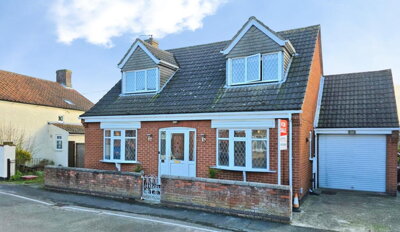
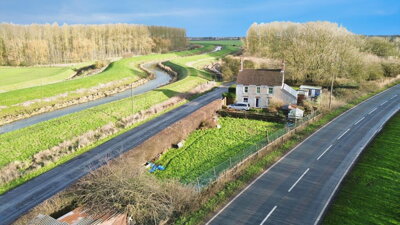
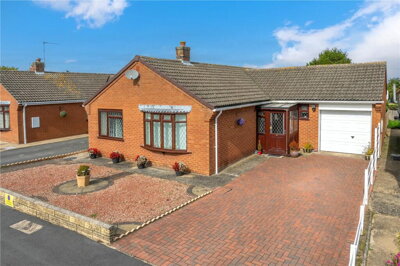
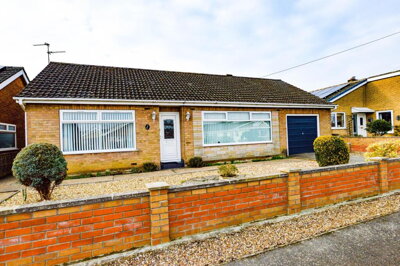
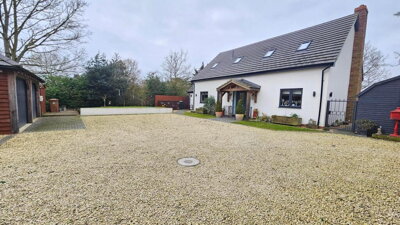
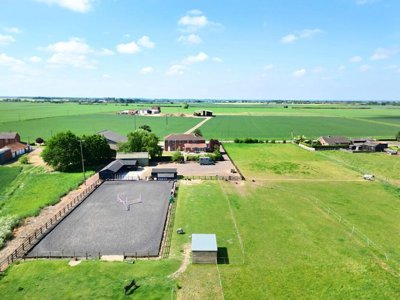
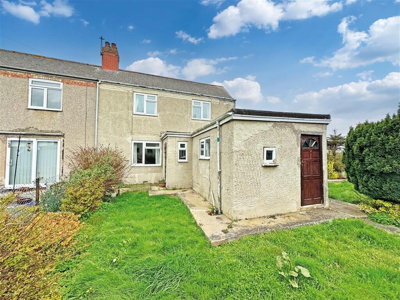
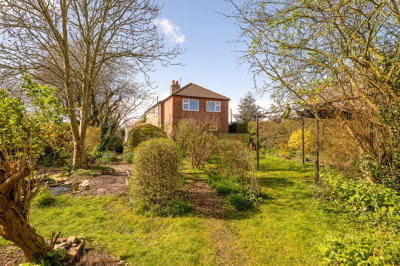
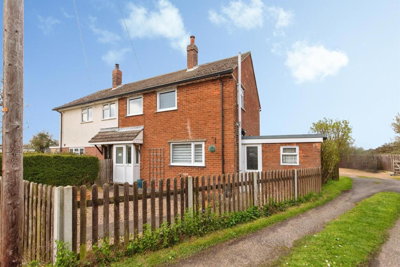
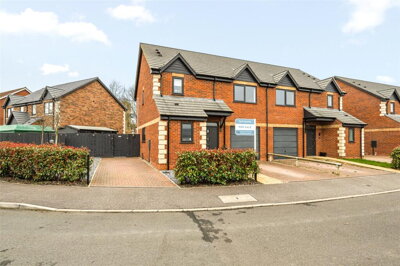
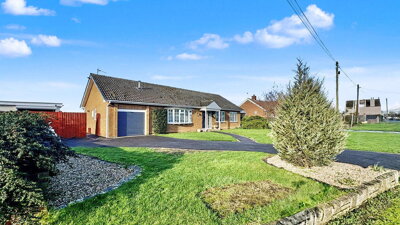
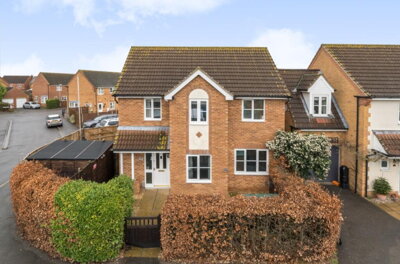
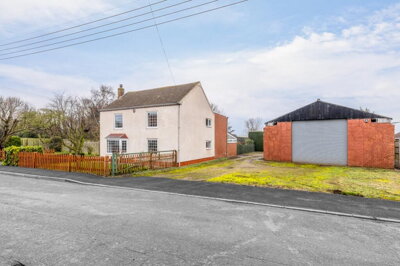
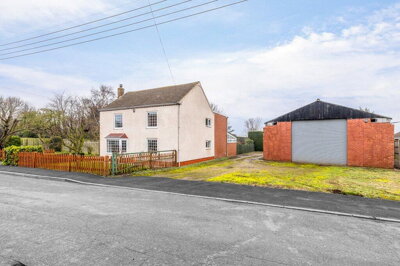
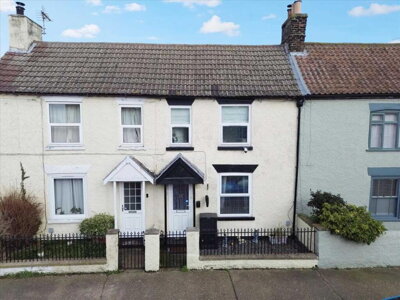
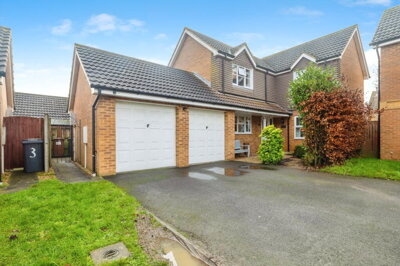
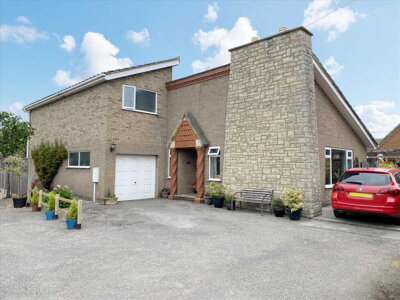
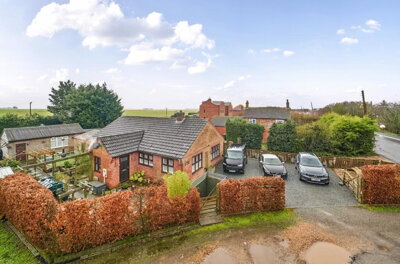
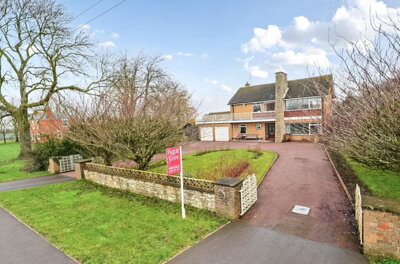
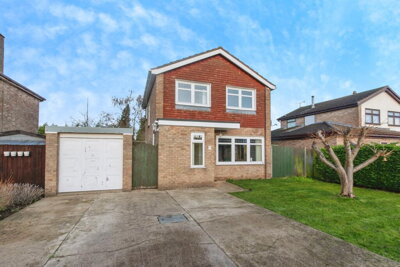
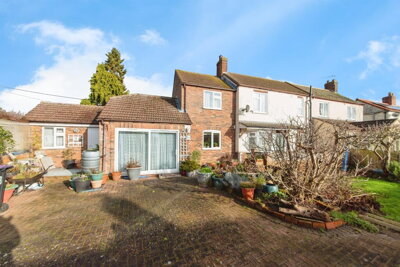
Browse 63 homes for sale in Billinghay, North Kesteven from local estate agents.
£230k
27
1
153
Source: home.co.uk
Source: home.co.uk
Detached
15 listings
Avg £285,323
Semi-Detached
5 listings
Avg £157,990
Bungalow
3 listings
Avg £243,333
Detached Bungalow
2 listings
Avg £215,000
Chalet
1 listings
Avg £380,000
Terraced
1 listings
Avg £164,000
Source: home.co.uk
Source: home.co.uk
£215,833
Average Property Price
30
Properties Sold (12 months)
£289,333
Detached Average
£192,500
Semi-Detached Average
The Billinghay property market reflects the character of rural Lincolnshire, offering properties that cater to various budgets and lifestyles. Detached homes dominate the upper end of the market, averaging around £289,333, while semi-detached properties provide excellent value at approximately £192,500. Terraced properties in the village offer the most accessible entry point at around £145,000, making them particularly attractive to first-time buyers and those seeking a more compact living arrangement. The market has shown slight stability over the past 12 months, with overall prices experiencing a modest decline of 1.0%, suggesting a balanced market without the extreme volatility seen in larger urban areas.
Property types in Billinghay follow the pattern typical of North Kesteven, with detached properties accounting for a significant portion of available housing. The village has seen continued interest from buyers seeking more space and rural surroundings, with families particularly drawn to the area for its community feel and educational provision. New build activity within the village itself remains limited, with most housing stock comprising established properties that reflect the architectural heritage of Lincolnshire. This means buyers can find character properties with traditional brick construction and tile roofs, often featuring the red brick that defines so many Lincolnshire villages. The limited new build supply means that demand for existing properties remains steady, particularly those offering modern layouts within period facades.
Recent sales data shows that detached properties accounted for 12 of the 30 total transactions in the past year, with semi-detached homes matching this figure at another 12 sales. Terraced properties comprised the remaining 6 sales, while flats have seen no recorded transactions in the area. This distribution reflects the predominantly family-oriented nature of the village housing stock, where larger properties continue to attract strong demand from buyers seeking the space and privacy that village life in North Kesteven can provide. The balance between property types available means that buyers across all budget brackets can find suitable options within the community.

Life in Billinghay centres around community spirit and the practical amenities that serve daily life in a thriving village setting. The village maintains a Co-op convenience store for everyday shopping needs, while the surrounding countryside provides endless opportunities for walking, cycling, and enjoying the Lincolnshire landscape. The historic core of the village, centred around High Street and Church Street, features properties dating back centuries, many of which fall within the designated Conservation Area that preserves the character of this traditional settlement. St Michael and All Angels Church stands as a focal point of the community, its Grade II Listed status reflecting the deep historical roots of the village.
The local economy in Billinghay has strong connections to agriculture, reflecting the productive farmland that surrounds the village. Many residents work within the village itself, employed by local businesses, the primary school, healthcare services, and retail establishments. However, the village's position means that excellent commuting options are available to larger employment centres. Residents regularly travel to Sleaford, Lincoln, and Boston for work, shopping, and entertainment, enjoying the best of both worlds: peaceful village living during the week and easy access to urban amenities when needed. The population of 2,059 creates a community that feels connected without being crowded, where neighbours know each other and local events bring people together throughout the year.
The Billinghay Skirth watercourse adds to the village's rural charm while also serving as a reminder of the area's relationship with water management in Lincolnshire. Walking routes through the village and surrounding countryside take advantage of the flat terrain characteristic of this part of the Fens, making cycling and walking popular pastimes for residents of all ages. The proximity to the wider Lincolnshire Wolds AONB, accessible via the A15 corridor, provides additional recreational opportunities for those seeking to explore the region's natural beauty. Weekend trips to the coast at Skegness or inland to the historic city of Lincoln are straightforward day excursions from the village.

Education provision in Billinghay serves families with children of all ages, with the village primary school serving as a cornerstone of the local community. Billinghay Primary School provides education for children from Reception through to Year 6, serving the immediate village and surrounding hamlets within the PE22 postcode area. Families with secondary age children typically access schools in nearby towns, with Sleaford offering several options including St George's Academy which has a strong reputation in the region for both academic and vocational pathways. The village maintains its educational heritage, with school buildings often reflecting the traditional architecture found throughout the Conservation Area. Parents moving to Billinghay should research specific catchment areas and admission policies for their chosen schools, as these can influence which properties prove most suitable for family needs.
For those seeking further education, the nearby town of Sleaford provides access to Further Education colleges and training providers, while Lincoln offers expanded options including the University of Lincoln. The practical focus of education in the region serves the agricultural and engineering sectors that characterise much of Lincolnshire's economy. Sleaford's location on the A15 road makes it accessible for daily travel from Billinghay, enabling students to pursue a wide range of vocational and academic courses without relocating to larger cities. Families moving to Billinghay will find the educational landscape supportive and community-oriented, with smaller class sizes and strong parental engagement typical of village schools.
The proximity to larger towns means that additional educational choices, including grammar schools and specialist institutions, are within reasonable daily commuting distance for older children. Private education options exist in Lincoln and Grantham for families seeking alternative educational paths, with several independent schools serving the region offering transport arrangements from outlying villages. Transport links to these schools typically involve journeys of 30-45 minutes by car, making them feasible options for secondary-age children who can manage longer journeys.
Transport connectivity from Billinghay combines the peaceful environment of rural Lincolnshire with practical access to major road networks and rail connections. The village sits within reasonable distance of the A15 and A16 roads, providing direct routes to Lincoln to the north and Sleaford to the east. For commuters working in larger cities, the road network connects to the A1 motorway further east, enabling travel to Peterborough and London. The strategic position of Billinghay means that residents can choose between working locally, in nearby towns, or commuting longer distances while returning to the peace of village life each evening.
Public transport options include bus services connecting Billinghay to surrounding villages and towns, though the frequency means that residents with regular commuting requirements often rely on private vehicles. The bus routes serving the village provide essential connections for those without cars, linking to Sleaford where additional onward connections become available. Rail travel is accessible from stations in Sleaford and Lincoln, with direct services to major destinations including London King's Cross available from Grantham. Grantham station, located on the East Coast Main Line, offers journey times to London of approximately one hour, making it practical for regular commuters who need to travel to the capital.
The cycling infrastructure in the area continues to develop, with quiet country lanes popular among recreational cyclists and commuters alike. The flat terrain of the Lincolnshire Fens makes cycling an attractive option for shorter journeys, particularly to nearby towns like Ruskington or Sleaford. For air travel, East Midlands Airport and Robin Hood Doncaster Sheffield Airport provide international connections within reasonable driving distance, making overseas travel straightforward for Billinghay residents. East Midlands Airport, accessible via the A46 and M1 motorway, offers a broad range of European destinations and charter flights, while Robin Hood Doncaster Sheffield provides additional options including some international routes.
Before viewing properties in Billinghay, take time to understand the local market. Review current listings to understand price ranges for different property types, from terraced cottages around £145,000 to detached family homes approaching £290,000. Getting a mortgage agreement in principle before viewings will strengthen your position when making offers. Consider using our platform to compare available properties across different estate agents operating in the PE22 postcode area.
Arrange viewings to assess properties in person. Pay attention to factors specific to Billinghay such as proximity to the River Witham and potential flood risk areas, the condition of older properties in the Conservation Area, and the proximity of Listed Buildings. Consider visiting at different times of day to understand traffic, noise levels, and community atmosphere. The village's Conservation Area designation along High Street and Church Street means that some properties will have specific planning considerations worth investigating before purchase.
Once you have an offer accepted, arrange a RICS Level 2 Survey to assess the property condition thoroughly. For properties in Billinghay, pay particular attention to potential issues including damp in older properties, roof condition, and the shrink-swell clay risks that can affect foundations. A thorough survey typically costs £450-700 for a standard semi-detached property. Given the significant proportion of older properties in the village, a thorough survey is particularly valuable for identifying defects that may not be apparent during viewings.
Choose a conveyancing solicitor to handle the legal aspects of your purchase. They will conduct searches specific to the Lincolnshire area, including local authority searches with North Kesteven District Council, drainage and water searches, and environmental searches that may reveal information about flooding risk or ground conditions in the Billinghay area. Your solicitor will also check for any planning permissions or listed building consents that may affect the property.
Once all searches are satisfactory and your mortgage is in place, you will exchange contracts and pay your deposit. Completion typically follows within weeks, after which you will receive the keys to your new Billinghay home. Factor in stamp duty costs based on the purchase price and your buyer status, and budget for additional costs including survey fees, solicitor fees, and moving expenses.
Properties in Billinghay present unique considerations that buyers should understand before committing to a purchase. The presence of alluvium clay deposits in the local geology creates potential for shrink-swell movement that can affect foundations, particularly where large trees are present or drainage conditions are poor. A thorough structural survey by a qualified RICS surveyor is essential for any property, especially those with older foundations or extensive mature vegetation in the grounds. Properties in areas identified as having flood risk from the River Witham or associated watercourses may require additional consideration regarding insurance costs and potential flood resilience measures.
The Conservation Area designation covering parts of High Street, Church Street, and the historic village core brings specific planning considerations that affect permitted development rights and renovation options. Properties within this area are subject to additional controls over external alterations, which means that plans for extensions, dormer windows, or significant changes to the exterior will require consent from North Kesteven District Council. Buyers considering properties within the Conservation Area should consult with the planning department before committing to any purchase involving significant alterations. The added administrative requirements can affect both the timeline and cost of any renovation project.
Listed Buildings, including St Michael and All Angels Church and The Old Rectory, require listed building consent for many alterations, adding complexity and potential cost to any renovation project. Understanding these constraints before purchasing ensures that your plans for the property remain feasible and legally compliant. For Grade II Listed Buildings, even minor works such as replacing windows or doors may require consent, and the materials used must often match the original specifications. Specialist advice from conservation architects or surveyors experienced with historic properties is recommended for anyone considering purchasing a Listed Building in the village.
Understanding the construction methods used in Billinghay properties helps buyers appreciate the characteristics and potential maintenance needs of different property types. The village features a predominance of traditional brick construction, with red brick being particularly common on properties built during the Victorian and Edwardian periods. These properties typically feature cavity wall construction for those built after the early 20th century, while older properties may have solid brick or stone walls constructed with lime mortar rather than modern cement-based products.
Tile roofs, using either clay or concrete tiles, dominate the roofing across Billinghay's housing stock. The age of these roofs varies considerably, with some properties featuring original clay tiles that have proven incredibly durable over many decades. However, older roofs may show signs of wear including slipped tiles, degraded pointing, or felt that has deteriorated over time. When viewing properties, examining the roof from ground level and checking for any obvious gaps or moss accumulation can give an initial indication of roof condition, though a professional survey will provide a thorough assessment.
Many properties in Billinghay, particularly those along the historic streets of High Street and Church Street, date from the pre-1919 period and feature construction methods typical of that era. Solid walls, often with thick sections providing good thermal mass, characterise these older properties. The lime mortar used in traditional construction allows the walls to breathe, which helps manage moisture levels in the building. Modern cement-based repairs or inappropriate insulation can disrupt this balance, potentially causing damp issues in properties that would otherwise perform well with traditional maintenance approaches.
The average house price in Billinghay stands at approximately £215,833 based on recent market data for the PE22 postcode area. Detached properties average around £289,333, while semi-detached homes typically sell for approximately £192,500. Terraced properties in the village offer more affordable options at around £145,000. The market has remained relatively stable over the past 12 months with a modest 1.0% price adjustment, suggesting balanced conditions between buyer and seller interest in this rural Lincolnshire village. Recent sales figures show 30 completed transactions in the area, with detached and semi-detached properties each accounting for 12 sales.
Properties in Billinghay fall under North Kesteven District Council for council tax purposes. Most residential properties in the village fall within bands A through D, which is consistent with the property values in the area. Band A properties typically attract the lowest council tax charges while band D properties pay moderate amounts that reflect the balance between rural property values and urban service provision. Exact bandings depend on the assessed value of individual properties and can be verified through the North Kesteven District Council website or your solicitor during the conveyancing process. The council provides various support schemes for eligible residents including those on low incomes or certain benefits.
Billinghay Primary School serves the village directly, providing education for children up to Year 6 and serving families across the PE22 postcode area. For secondary education, families typically access schools in nearby Sleaford, including St George's Academy which has a strong reputation in the region for both academic achievement and extracurricular activities. The selection of school will depend on your specific postcode and the admission criteria in place, so parents should research catchment areas and admission arrangements carefully before finalising a property purchase. Private education options exist in Lincoln and Grantham for families seeking alternative educational paths, with several independent schools serving the region and offering transport arrangements from outlying villages.
Public transport in Billinghay includes bus services connecting the village to surrounding towns and villages, though service frequencies mean that private transport remains important for daily commuting needs. The bus routes provide essential connectivity for those without vehicles, linking to Sleaford where additional onward connections become available. The nearest railway stations are in Sleaford and Lincoln, with direct services to London available from Grantham on the East Coast Main Line, offering journey times of approximately one hour to the capital. The village sits within easy reach of the A15 and A16 road networks, providing straightforward access by car to Lincoln, Sleaford, and connections to the wider national road network including the A1 motorway.
Billinghay offers several factors that appeal to property investors, including relatively accessible entry prices compared to larger towns and consistent demand from buyers seeking rural village lifestyles. The village maintains essential amenities including a convenience store, primary school, and community facilities, supporting long-term desirability for residents at various life stages. Properties in the Conservation Area and Listed Buildings may appeal to buyers seeking character properties with historical significance, though these require specialist understanding of planning constraints. However, investors should consider factors including flood risk in certain areas and the limited public transport options when assessing rental demand and tenant profiles. The steady demand from families and commuters suggests a stable market for both long-term letting and eventual resale.
Stamp duty Land Tax for properties in England is calculated on the purchase price with thresholds that apply across the country. There is no duty on the first £250,000 of the purchase price, meaning a typical semi-detached property in Billinghay at the £192,500 average would typically attract no stamp duty liability at all. Duty then applies at 5% on the portion from £250,001 to £925,000, 10% from £925,001 to £1.5 million, and 12% above £1.5 million for higher value properties. First-time buyers may qualify for relief on the first £425,000 of a property valued up to £625,000, reducing costs significantly for those meeting the eligibility criteria. Your solicitor will calculate the exact amount due based on your circumstances and the purchase price at the time of completion.
Several area-specific factors affect properties in Billinghay that buyers should investigate thoroughly before completing a purchase. The presence of clay soils in the superficial alluvium deposits creates potential for shrink-swell foundation movement, particularly relevant for properties with large trees or poor drainage conditions that can cause the clay to contract or expand. Parts of the village sit within flood risk zones due to proximity to the River Witham and associated watercourses including the Billinghay Skirth, which can affect insurance costs and property values in affected areas. Older properties may have traditional construction features including solid walls and lime mortar that require specialist maintenance knowledge rather than standard modern building approaches. A RICS Level 2 Survey will identify any existing or potential issues specific to the property you are considering and provide recommendations for addressing defects discovered during the inspection.
From 3.5%
Specialist mortgage advice for Billinghay properties
From £499
Solicitor services for your property purchase
From £450
Professional survey for your new home
From £80
Energy performance certificate
Understanding the full costs of buying a property in Billinghay helps you budget accurately and avoid surprises during the transaction. The purchase price represents the largest cost, but additional expenses including stamp duty, solicitor fees, survey costs, and moving expenses can add significantly to the total budget. For a typical semi-detached property in Billinghay priced around the £192,500 average, the stamp duty calculation depends on your buyer status. Standard buyers would pay no stamp duty on the first £250,000, meaning such a property would typically attract no stamp duty liability at all. First-time buyers purchasing properties up to £425,000 may benefit from relief on the first £425,000 of the purchase price, making their position even more favourable for properties at this price point.
Solicitor conveyancing costs for properties in Lincolnshire typically range from £499 for basic transactions to higher amounts for more complex purchases involving Listed Buildings or properties in the Conservation Area. Your solicitor will conduct essential searches including local authority searches with North Kesteven District Council, drainage and water searches, and environmental searches that may reveal information about flooding risk or ground conditions specific to the Billinghay area. These searches are crucial for identifying any issues that might affect your decision or require negotiation with the seller before completion. Environmental searches particularly relevant to Billinghay include checks for flood risk from the River Witham and its tributaries, as well as ground stability assessments given the clay geology in the area.
A RICS Level 2 Survey for a standard three-bedroom property in Billinghay typically costs between £450 and £700, depending on the property size and specific features. Larger detached properties or those with complex characteristics may incur higher survey fees, potentially reaching £900 or more for extensive properties. Additional costs to budget for include mortgage arrangement fees, which can range from nothing to 1% of the loan amount depending on the lender, plus removal costs and any immediate repairs or improvements you plan to undertake once you move in. For Listed Buildings or properties requiring specialist conservation work, additional costs should be anticipated for listed building consent applications and the use of appropriate materials and contractors.
Properties for Sale In London

Properties for Sale In Plymouth

Properties for Sale In Liverpool

Properties for Sale In Glasgow

Properties for Sale In Sheffield

Properties for Sale In Edinburgh

Properties for Sale In Coventry

Properties for Sale In Bradford

Properties for Sale In Manchester

Properties for Sale In Birmingham

Properties for Sale In Bristol

Properties for Sale In Oxford

Properties for Sale In Leicester

Properties for Sale In Newcastle

Properties for Sale In Leeds

Properties for Sale In Southampton

Properties for Sale In Cardiff

Properties for Sale In Nottingham

Properties for Sale In Norwich

Properties for Sale In Brighton

Properties for Sale In Derby

Properties for Sale In Portsmouth

Properties for Sale In Northampton

Properties for Sale In Milton Keynes

Properties for Sale In Bournemouth

Properties for Sale In Bolton

Properties for Sale In Swansea

Properties for Sale In Swindon

Properties for Sale In Peterborough

Properties for Sale In Wolverhampton

Enter your details to see if this property is within your budget.
Loans, cards, car finance
Estimated property budget
Borrowing + deposit
You could borrow between
Typical borrowing
Monthly repayment
Est. at 4.5%
Loan-to-value
This is an estimate only. Your actual budget may vary depending on interest rates, credit history, and personal circumstances. For an accurate affordability assessment, speak to one of our free mortgage advisors.
This calculator provides estimates for illustrative purposes only and does not constitute financial advice. Your home may be repossessed if you do not keep up repayments on your mortgage. Estimates based on 4.5% interest rate, repayment mortgage. Actual rates depend on your circumstances.
Homemove is a trading name of HM Haus Group Ltd (Company No. 13873779, registered in England & Wales). Homemove Mortgages Ltd (Company No. 15947693) is an Appointed Representative of TMG Direct Limited, trading as TMG Mortgage Network, which is authorised and regulated by the Financial Conduct Authority (FRN 786245). Homemove Mortgages Ltd is entered on the FCA Register as an Appointed Representative (FRN 1022429). You can check registrations at NewRegister or by calling 0800 111 6768.

We use cookies to show you personalised content and improve your experience of our website. Find out more in our Privacy policy and Cookie policy.