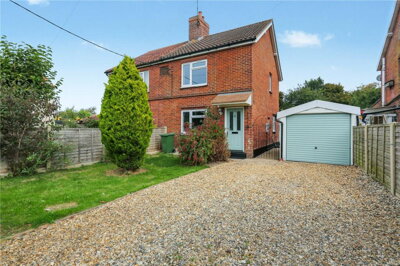
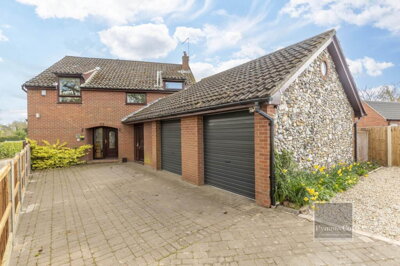
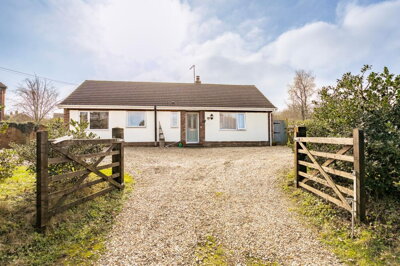
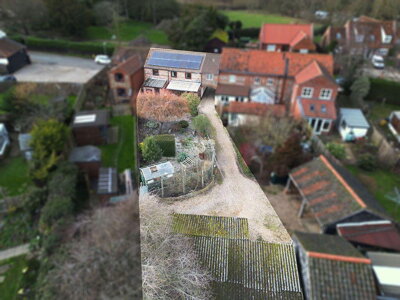
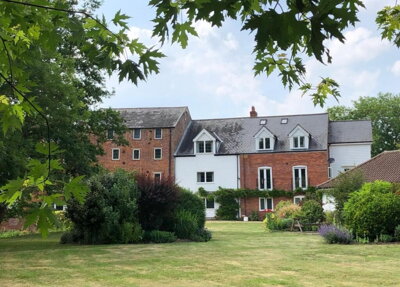
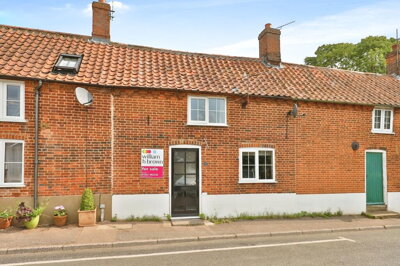
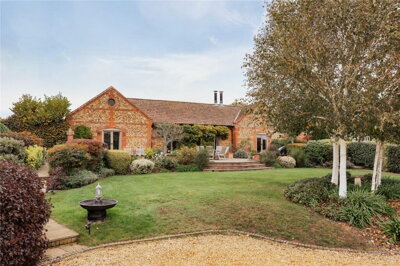
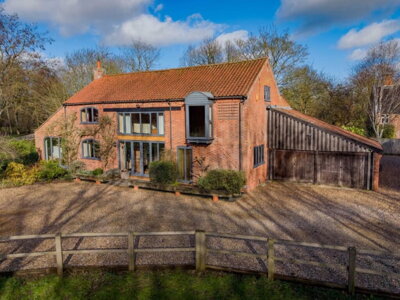
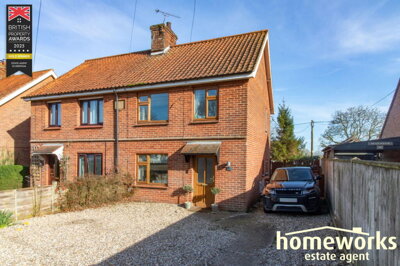
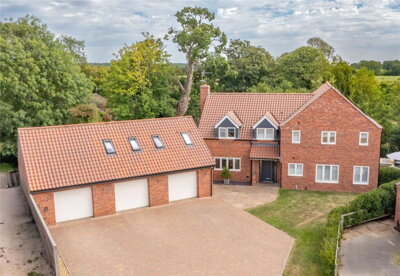
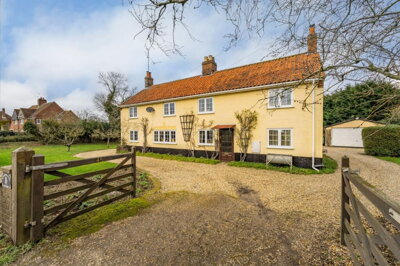
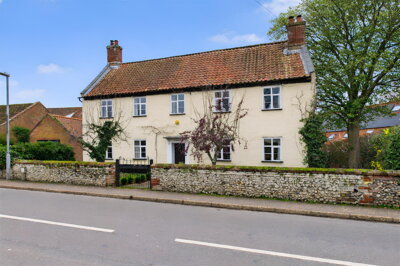
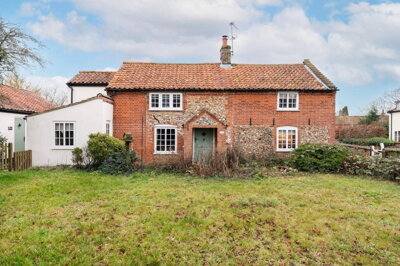
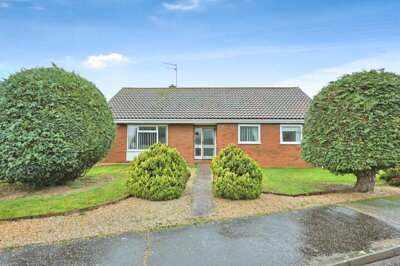
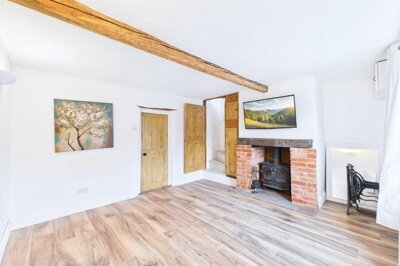
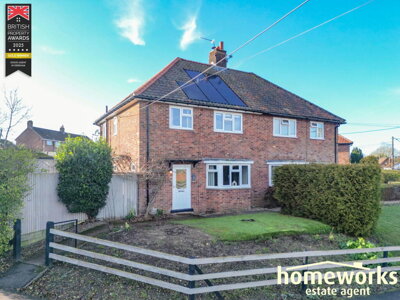
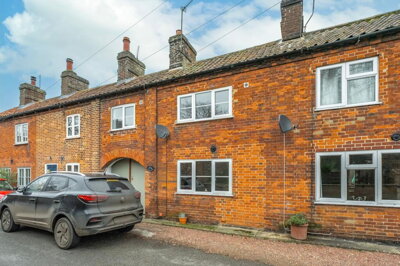
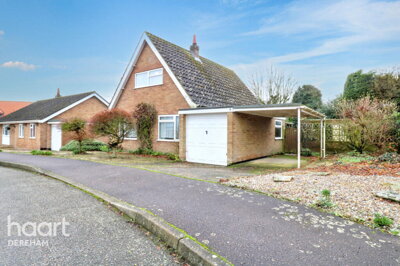
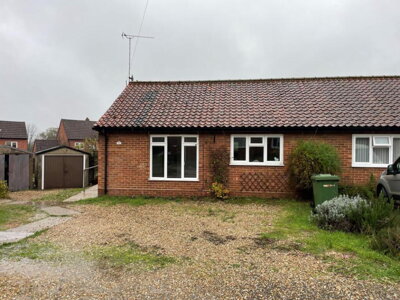
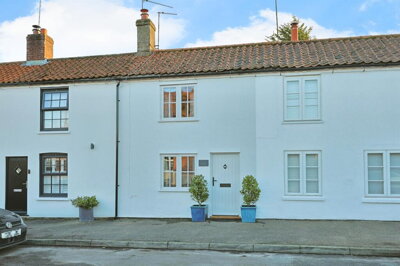
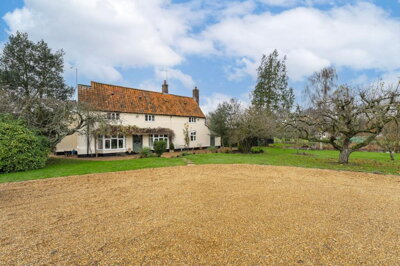
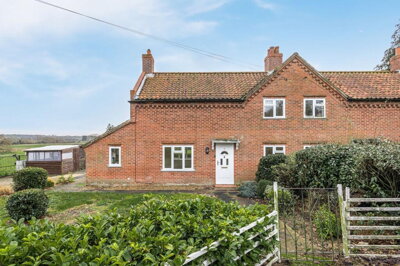
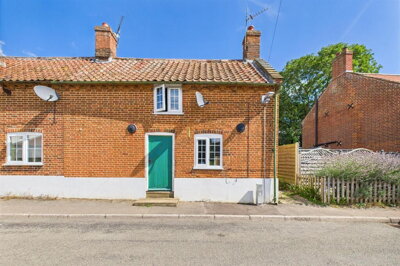
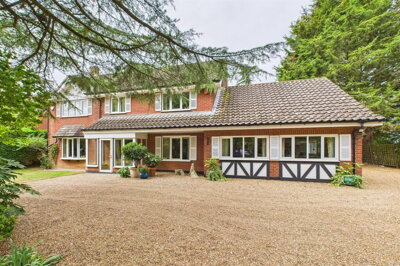
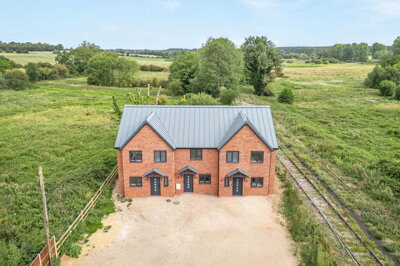
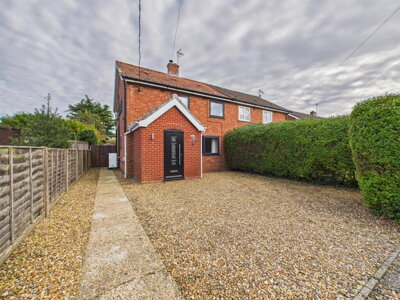
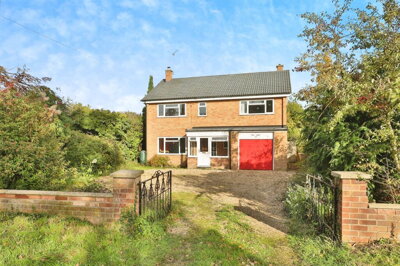
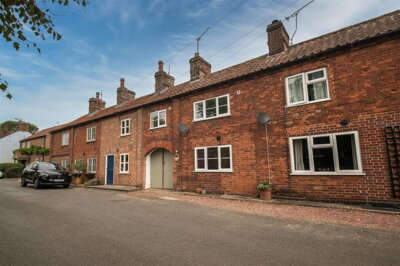
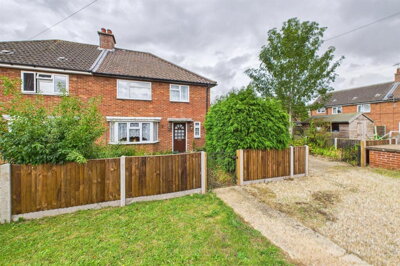
Browse 47 homes for sale in Billingford, Breckland from local estate agents.
£0k
0
0
0
Source: home.co.uk
The Lincolnshire property market demonstrates steady growth and resilience, with the average house price reaching £226,177 according to recent Zoopla data, and Rightmove reporting a slightly higher figure of £236,596 based on HM Land Registry records. Property prices have increased by approximately £1,900 over the past twelve months, representing a 1% rise that reflects the broader national trend of modest but consistent growth. The county has seen around 14,000 property transactions completed in the past year, though this represents a 12% decrease from previous periods, indicating a market adjusting to economic conditions and changing interest rates. Notably, 778 of these sales involved newly built properties, accounting for 5.5% of all transactions and showing continued investment in new housing developments across the region.
Property types in Lincolnshire span an impressive range, with detached homes averaging £307,241 and semi-detached properties at approximately £190,803. Those seeking more affordable options will find terraced properties averaging £141,821 and flats at around £116,559, offering excellent entry points to the county's property market. Towns like Lincoln continue to show particularly strong performance, with the city recording an average house price of £187,000 in December 2025, up 4% from the previous year. North East Lincolnshire follows a similar trajectory with average prices of £148,000, reflecting the area's ongoing regeneration and improved transport connections.
New build developments from major developers including Allison Homes and Broadgate Homes continue to bring modern properties to market across Lincolnshire. Allison Homes has several active sites, including Chapel Gate at Moulton Chapel near Spalding (Roman Road, PE12 0XQ) with 3 and 4-bedroom homes from £240,000, and Frampton Gate in Boston (Middlegate Road, PE20 1BZ) where 2 to 4-bedroom homes start from just £107,500. For buyers looking closer to Grantham, The Orchards development at Corby Glen (Bourne Road, NG33 4NR) offers 3 and 4-bedroom properties from £122,500, while Manthorpe Chase on Belton Lane (NG31 8NA) provides 2 to 4-bedroom homes from £230,000. The Beaufort Gardens development at Market Deeping features larger 3 and 4-bedroom family homes from £350,000, appealing to buyers seeking premium specifications and modern construction methods.

Lincolnshire rewards its residents with an exceptional quality of life that combines rural tranquility with practical urban amenities. The county spans approximately 2,700 square miles, making it one of the largest in England, yet it maintains a population of just over 700,000 people, resulting in some of the most unspoiled countryside in the country. The landscape transitions dramatically from the rolling hills and dry valleys of the Lincolnshire Wolds, an Area of Outstanding Natural Beauty, to the flat fenland that stretches toward Cambridge. This variety means residents can enjoy coastal walks along the beaches of Skegness and Ingoldmells in the morning and be hiking through ancient woodland or visiting traditional pubs in picturesque villages by afternoon.
The county's market towns each possess distinct characters that cater to different lifestyles. Lincoln, the historic county town, dominates the north with its magnificent cathedral, castle, and thriving cultural scene including theatres, galleries, and regular markets. Grantham to the south serves as an important transport hub with excellent rail connections to London. Boston, though smaller than its American namesake, has a fascinating maritime heritage and serves as a commercial centre for the fenland communities. Towns like Spalding, famous for its tulip festival and food processing industry, Sleaford with its modern retail offerings, and Gainsborough on the River Trent each offer comprehensive shopping facilities, schools, and community amenities without the congestion of larger cities.
The local economy benefits from diverse sectors including agriculture, food processing, manufacturing, and growing logistics operations, providing stable employment opportunities that attract workers seeking to relocate from more expensive areas. The Port of Boston handles significant cargo traffic, while Spalding hosts major food processing facilities including Albert Bartlett and various frozen food operations. Manufacturing remains strong in Scunthorpe with steel production and engineering, while Grantham has attracted distribution centres due to its strategic location on the A1. These employment bases support healthy rental demand and provide career progression opportunities for residents, making Lincolnshire an attractive proposition for those balancing career and lifestyle considerations.

Education provision across Lincolnshire serves students of all ages and abilities, with the county offering a mix of excellent state schools and independent options. Lincolnshire maintains several highly regarded grammar schools, particularly in towns like Grantham, where King's School has educated students for over 500 years and regularly appears in national rankings for academic achievement. Selective education remains an important feature of the county's secondary provision, with grammar school places highly sought after by parents who value academic rigour. Comprehensive schools across the county have undergone significant investment in recent years, with many benefiting from new facilities and expanded curriculum offerings that prepare students for further education and employment.
Primary education in Lincolnshire benefits from numerous schools that achieve good or outstanding Ofsted ratings, ensuring young families have access to quality education close to home. The county's rural nature means many villages maintain their own primary schools, providing community-focused education without the need for long journeys. In towns like Woodhall Spa and Horncastle, small community primaries serve local families well, while larger towns offer greater choice and specialisation. Parents should verify current Ofsted ratings and consider school catchment areas carefully, as these can significantly influence which properties attract family buyers and maintain their value over time.
For higher education, the University of Lincoln has transformed the city into a regional educational hub, attracting students from across the country with its range of undergraduate and postgraduate programmes across business, arts, engineering, and health sciences. The Bishop Burton College near Beverley and the Grantham College provide further education and vocational training opportunities, supporting the county's workforce development in sectors like agriculture, hospitality, and trades. The Lincoln College group offers further education courses across multiple sites, providing pathways from basic skills to professional qualifications. Families researching properties will find that school catchment areas significantly influence property values and demand in specific neighbourhoods, making this information crucial for family house hunters seeking the best education options for their children.

Lincolnshire offers surprisingly convenient transport connections considering its predominantly rural character, with the East Coast Main Line providing crucial rail links through key towns. Grantham station sits on this major intercity route, offering journey times of approximately 1 hour 15 minutes to London King's Cross, making the town popular with commuters seeking more affordable housing while maintaining capital access. Lincoln station provides direct services to Nottingham, Sheffield, and London, with journey times to the capital taking around 2 hours. Smaller stations throughout the county, including those in Sleaford, Boston, and Spalding, connect local communities to broader rail networks, though service frequencies may be less frequent than on major routes.
Road infrastructure in Lincolnshire centres on the north-south A1 trunk road, which passes through Grantham and provides connections to Newcastle, Leeds, and London. The A46 provides an important east-west link connecting Lincoln to Newark and the Midlands, while the A158 runs through the Lincolnshire Wolds toward the coast, popular with tourists and residents alike during summer months. The A17 serves the fenland areas, connecting Spalding to King's Lynn, while the A52 provides access to the coastal resorts of Skegness and Mablethorpe. For air travel, Humberside Airport in North Lincolnshire offers domestic and limited international flights, while East Midlands Airport near Derby provides a broader range of destinations including European holiday hotspots.
Bus services operated by Stagecoach and local providers connect towns and villages throughout the county, though rural routes may operate on reduced frequencies, particularly on evenings and weekends. The Connect Lincolnshire scheme has improved some inter-urban routes, but many residents accept that car ownership is a practical necessity for those living outside major towns. Property searches often prioritise locations with good parking provision and easy access to major roads, and this consideration should feature prominently when evaluating properties in villages or smaller towns. Commuters working in Nottingham or Sheffield will find that towns like Sleaford, Newark, or Lincoln offer manageable drive times while providing more affordable housing options than the cities themselves.

Lincolnshire spans a vast area, so narrow down your search to specific towns or villages based on your priorities. Consider commute times to work, school catchment areas, and the character of different neighbourhoods. Towns like Lincoln offer cultural amenities and transport links, while villages provide peace and space at lower prices. The choice between coastal locations like Skegness, market towns like Grantham or Spalding, and rural villages will significantly impact your lifestyle and property budget.
Before viewing properties, obtain a mortgage agreement in principle from a lender. This demonstrates your financial readiness to estate agents and sellers, strengthening your position when making offers. With average prices around £226,000, most buyers will need mortgages of £150,000 to £250,000, though requirements vary significantly by property type and location. First-time buyers may qualify for government schemes including Help to Buy, though these are now largely restricted to new build properties from registered developers.
Lincolnshire has estate agents throughout its market towns, from national chains to local independents. Register your property requirements with multiple agents to access the widest range of listings. Many properties, particularly in smaller communities, may never appear on major portals and are only marketed directly by local agents who serve tight-knit local markets. Building relationships with agents in towns like Louth, Horncastle, or Market Rasen can reveal opportunities before they reach wider circulation.
Arrange viewings of shortlisted properties, paying attention to the specific factors that affect Lincolnshire homes, including flood risk in fenland areas, property conditions in older buildings, and any planning restrictions in conservation zones. Consider commissioning a survey before proceeding with any purchase, particularly for older properties that may have hidden defects or those in areas with known ground conditions.
When you find your ideal property, make an offer through the estate agent with your agreed conditions. In Lincolnshire's market, there may be room for negotiation on price, particularly for properties that have been listed for some time or where the vendor has a pressing need to sell. Properties requiring modernisation or those with unfavourable features like busy roads or flood risk may offer additional negotiating leverage.
Appoint a conveyancing solicitor to handle the legal aspects of your purchase. They will conduct searches with Lincolnshire County Council and district authorities, handle contracts, and coordinate your mortgage lender's requirements. Average completion times in the county run between 8 and 12 weeks, though complex transactions involving Listed Buildings, conservation areas, or unusual title arrangements may take longer.
Property purchases in Lincolnshire require careful consideration of several county-specific factors that may not affect buyers in other regions. Flood risk remains an important consideration, particularly for properties in the fenland areas south of Lincoln and properties near the county's numerous waterways and drains. The Environment Agency publishes detailed flood maps that potential buyers should consult before committing to a purchase. While modern flood defences have reduced risks significantly, climate change means flood resilience should remain a priority consideration, and properties in high-risk areas may face higher insurance premiums or difficulties obtaining coverage.
The age and construction type of Lincolnshire properties varies considerably across the county, influencing maintenance requirements and potential renovation costs. Historic properties in towns like Lincoln, Grantham, and Louth may feature traditional brickwork, timber frames, or even cob construction, requiring specialist knowledge during surveys and potential Listed Building consents for alterations. Many properties in conservation areas throughout Lincolnshire's market towns carry restrictions on external alterations, so prospective buyers should obtain the relevant documentation from the local planning authority before finalising their purchase decision.
Rural properties sometimes sit on agricultural land with complex boundary arrangements, and farm buildings converted to residential use may have planning conditions attached that limit permitted uses or require ongoing compliance. The county's geology includes areas of shrinkable clay soils in the Wolds region, which can cause subsidence issues for trees and foundations, while the fenland areas feature peat deposits that may have experienced historical shrinkage. Understanding these ground conditions through appropriate surveys helps prevent unexpected costs and ensures informed purchasing decisions. Conservation areas exist in many towns and villages, restricting permitted development rights and requiring planning approval for certain external alterations. Understanding these constraints before purchase prevents costly surprises and ensures your plans for the property align with local planning requirements.

The average house price in Lincolnshire currently stands at approximately £226,177 according to Zoopla data, with Rightmove reporting a similar figure of £236,596 based on HM Land Registry records. Property prices vary significantly by type and location, with detached homes averaging around £307,000 while flats average approximately £116,500. Towns like Lincoln command higher prices than rural villages, and coastal properties in areas like Skegness may fall below the county average due to specific local market conditions and holiday home activity.
Council tax bands in Lincolnshire vary by property and district, with bands A through H represented across the county. Lincoln City Council, North Lincolnshire Council, and the various district councils including South Holland, South Kesteven, East Lindsey, and West Lindsey each set their own council tax rates based on the band valuation of your property. You can check the specific band for any property through the Valuation Office Agency website before purchasing, and factor in these annual costs when calculating the true affordability of any property.
Lincolnshire offers excellent educational options at all levels, with grammar schools in Grantham including King's School and The King's School Witham consistently performing well in GCSE and A-level results. Primary schools across the county include many that achieve good or outstanding Ofsted ratings, particularly in towns with growing populations like Spalding and Sleaford where school expansions have accommodated new housing developments. The University of Lincoln provides higher education opportunities within the county, while colleges like Grantham College and Bishop Burton College offer vocational pathways for students seeking practical qualifications.
Lincolnshire's public transport centres on rail connections from Grantham and Lincoln to London and major northern cities, with journey times to London King's Cross from Grantham taking around 1 hour 15 minutes. Bus services operated by Stagecoach connect towns throughout the county, including the popular route 7 between Lincoln and Sleaford, though rural routes operate less frequently. Towns like Spalding, Boston, and Sleaford have train stations with connections to Peterborough and the broader rail network, while smaller stations serve intermediate communities.
Lincolnshire offers several advantages for property investors, including lower average prices compared to national levels, consistent demand from buyers seeking affordability, and growing rental markets in towns like Lincoln and Grantham. The county's regeneration projects, improved transport links, and expanding employment sectors in logistics and food processing contribute to long-term property value prospects. Rental yields in Lincolnshire can exceed those in more expensive regions, particularly for properties suitable for families or commuters seeking rental accommodation, with three-bedroom semis in towns like Gainsborough and Boston offering attractive gross yields.
Stamp Duty Land Tax rates for standard purchases start at 0% on the first £250,000 of property value, rising to 5% on the portion between £250,001 and £925,000. For properties priced above £925,000, rates increase to 10% up to £1.5 million and 12% above that threshold. First-time buyers benefit from relief on the first £425,000, paying 5% on values between £425,001 and £625,000, with no relief on amounts above £625,000. At current average prices around £226,000, most Lincolnshire purchases fall entirely within the zero-rate threshold for standard buyers.
From 3.99%
Get competitive mortgage rates from trusted lenders
From £499
Expert solicitors to handle your Lincolnshire property purchase
From £350
Professional property survey by qualified inspectors
From £80
Energy performance certificate for your Lincolnshire property
Understanding the full costs of buying property in Lincolnshire helps you budget accurately and avoids last-minute surprises that could derail your purchase. Beyond the property price, buyers must account for Stamp Duty Land Tax, which for properties at the county's average price of £226,177 would incur no SDLT for standard buyers purchasing with a mortgage. First-time buyers purchasing properties up to £425,000 also pay no stamp duty, making Lincolnshire particularly accessible for those entering the property market. Properties priced above £625,000 do not qualify for first-time buyer relief, and those above £925,000 enter higher SDLT brackets that significantly increase acquisition costs.
Solicitors' fees for conveyancing in Lincolnshire typically range from £500 to £1,500 depending on the complexity of the transaction and whether the property is freehold or leasehold. Searches conducted with Lincolnshire County Council and the relevant district authority usually cost between £200 and £400, with additional Land Registry fees for registering your ownership. If the property is leasehold, you should budget for notice fees and potentially the freeholder's consent charges. Survey costs vary from £300 for a basic valuation to £1,500 or more for comprehensive building surveys on older or complex properties.
Moving costs, including removals and potential temporary storage, should also factor into your overall budget, particularly if relocating from a distance. Factor in mortgage arrangement fees, which many lenders charge at between £500 and £2,000, though some offer fee-free mortgages that may offset this cost. For new build purchases from developers like Allison Homes at sites such as Chapel Gate or Frampton Gate, buyers should budget for any additional costs including reservation fees, developer legal fees, and potentially higher buildings insurance premiums during the initial warranty period. Obtaining a comprehensive breakdown of all costs before committing to a purchase ensures you have sufficient funds available to complete the transaction without financial strain.

Properties for Sale In London

Properties for Sale In Plymouth

Properties for Sale In Liverpool

Properties for Sale In Glasgow

Properties for Sale In Sheffield

Properties for Sale In Edinburgh

Properties for Sale In Coventry

Properties for Sale In Bradford

Properties for Sale In Manchester

Properties for Sale In Birmingham

Properties for Sale In Bristol

Properties for Sale In Oxford

Properties for Sale In Leicester

Properties for Sale In Newcastle

Properties for Sale In Leeds

Properties for Sale In Southampton

Properties for Sale In Cardiff

Properties for Sale In Nottingham

Properties for Sale In Norwich

Properties for Sale In Brighton

Properties for Sale In Derby

Properties for Sale In Portsmouth

Properties for Sale In Northampton

Properties for Sale In Milton Keynes

Properties for Sale In Bournemouth

Properties for Sale In Bolton

Properties for Sale In Swansea

Properties for Sale In Swindon

Properties for Sale In Peterborough

Properties for Sale In Wolverhampton

Enter your details to see if this property is within your budget.
Loans, cards, car finance
Estimated property budget
Borrowing + deposit
You could borrow between
Typical borrowing
Monthly repayment
Est. at 4.5%
Loan-to-value
This is an estimate only. Your actual budget may vary depending on interest rates, credit history, and personal circumstances. For an accurate affordability assessment, speak to one of our free mortgage advisors.
This calculator provides estimates for illustrative purposes only and does not constitute financial advice. Your home may be repossessed if you do not keep up repayments on your mortgage. Estimates based on 4.5% interest rate, repayment mortgage. Actual rates depend on your circumstances.
Homemove is a trading name of HM Haus Group Ltd (Company No. 13873779, registered in England & Wales). Homemove Mortgages Ltd (Company No. 15947693) is an Appointed Representative of TMG Direct Limited, trading as TMG Mortgage Network, which is authorised and regulated by the Financial Conduct Authority (FRN 786245). Homemove Mortgages Ltd is entered on the FCA Register as an Appointed Representative (FRN 1022429). You can check registrations at NewRegister or by calling 0800 111 6768.

We use cookies to show you personalised content and improve your experience of our website. Find out more in our Privacy policy and Cookie policy.