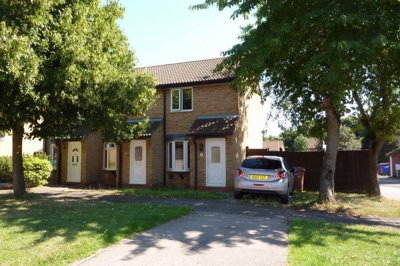
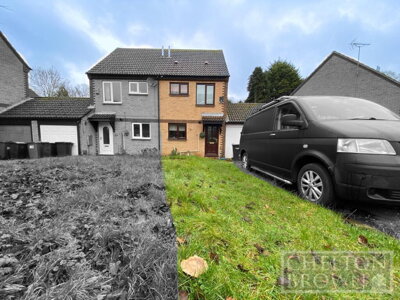
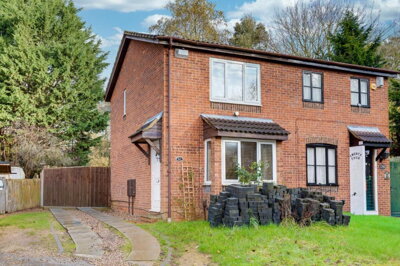
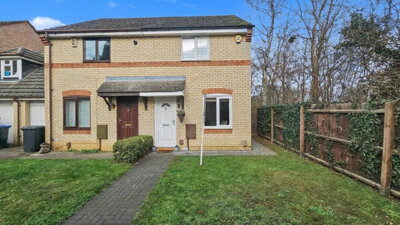
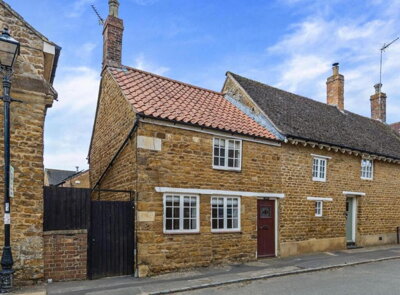
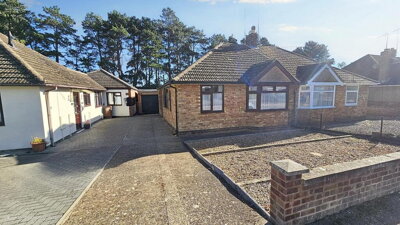
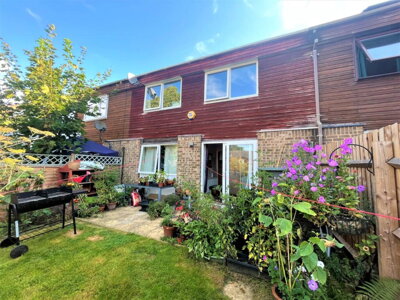
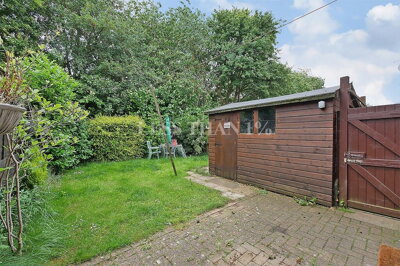
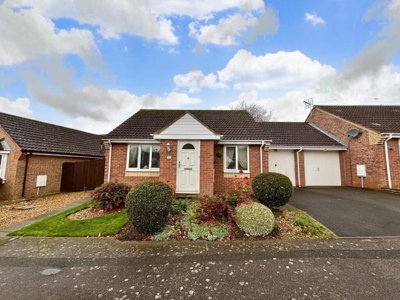
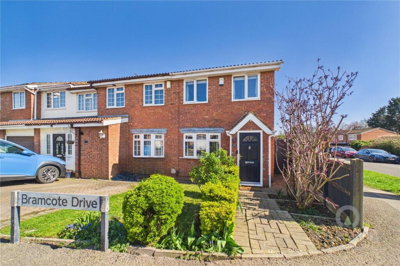
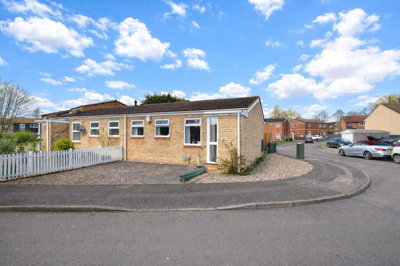
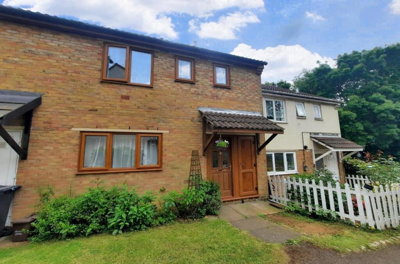
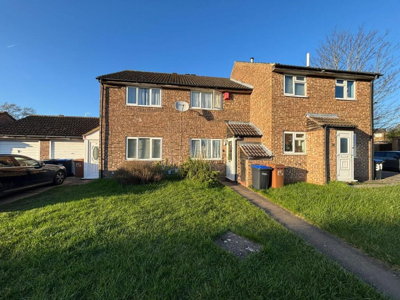
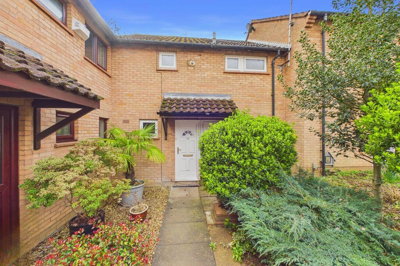
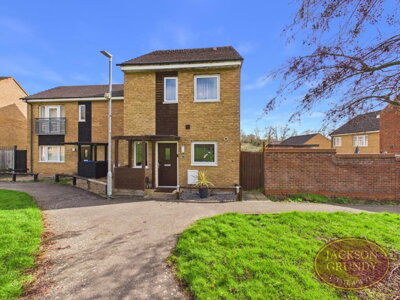
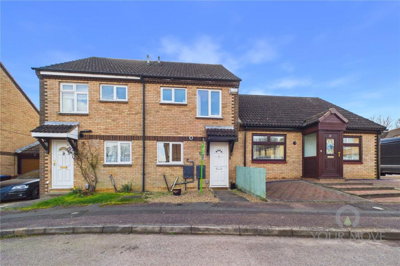
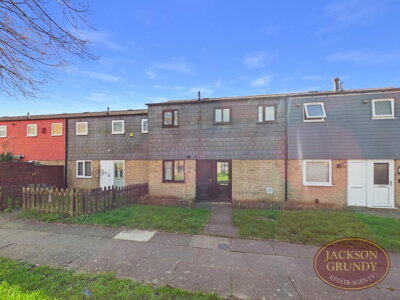
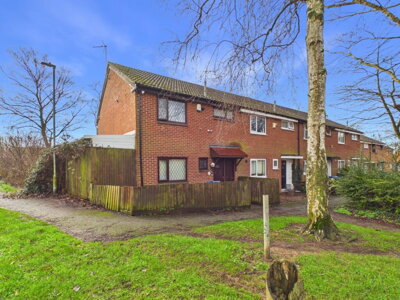
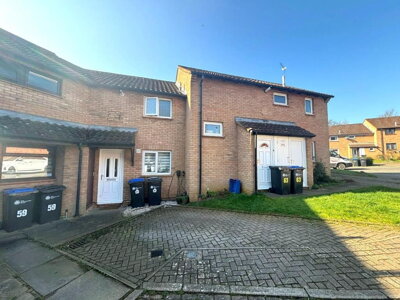
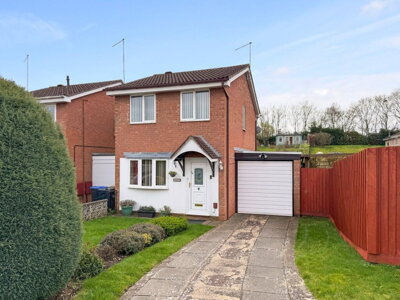
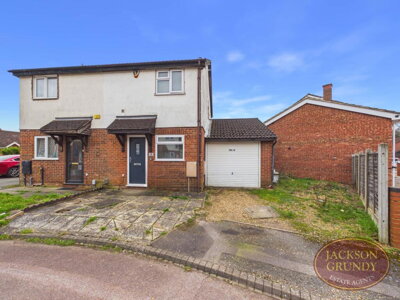
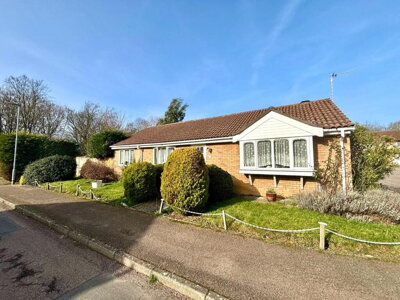
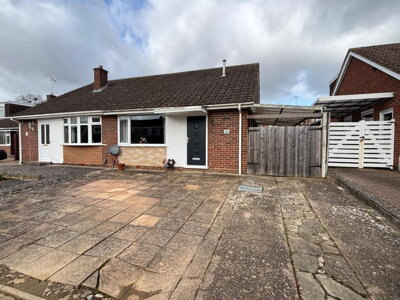
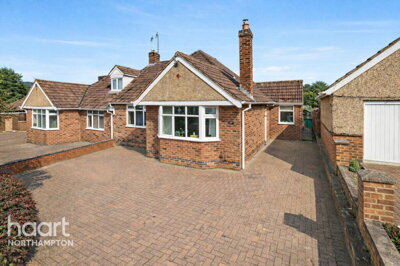
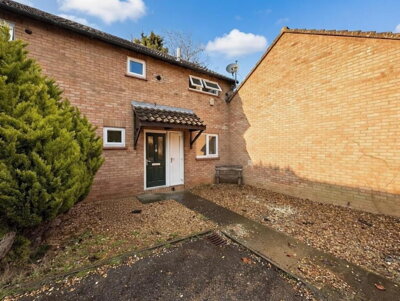
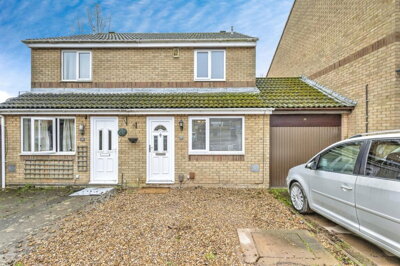
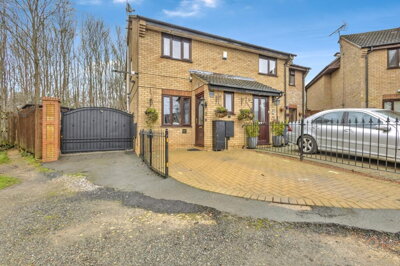
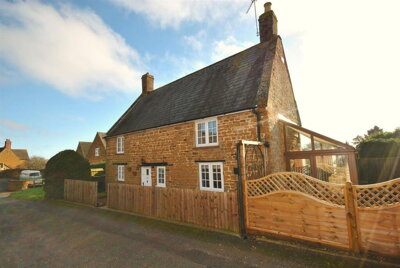
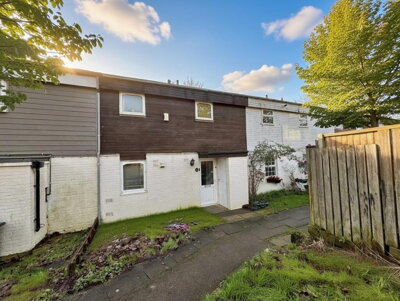
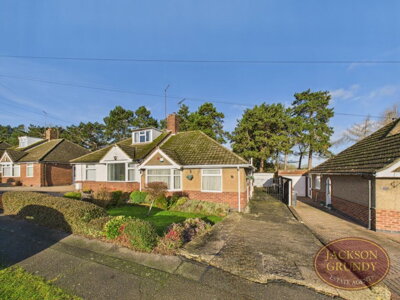
Browse 53 homes for sale in Billing, West Northamptonshire from local estate agents.
The 2 bed house market features detached, semi-detached, and terraced properties with two separate bedrooms plus living spaces. Properties in Billing range from Victorian and Edwardian period homes to modern new builds, with pricing varying across different neighbourhoods.
£205k
3
0
21
Source: home.co.uk
Showing 3 results for 2 Bedroom Houses for sale in Billing, West Northamptonshire. The median asking price is £205,000.
Source: home.co.uk
Terraced
2 listings
Avg £200,000
Semi-Detached
1 listings
Avg £205,000
Source: home.co.uk
Source: home.co.uk
The Billing property market presents opportunities for buyers across various price points and property types. Great Billing recorded an overall average property price of £364,841 over the last year, with detached properties commanding an average of £516,700 reflecting the premium nature of these larger family homes in this sought-after village location. Semi-detached properties in Great Billing averaged £290,200, while flats offered more accessible entry at around £164,625, making them suitable for first-time buyers or investors seeking rental opportunities in the area. Zoopla reports a slightly higher average sold price of £440,571 in Great Billing over the trailing twelve months, indicating strong transaction values in this desirable village setting.
Little Billing offers slightly different pricing dynamics, with detached properties averaging £345,786, terraced homes at £202,809, and semi-detached properties at £256,500. These prices represent a diverse market where buyers can find value across different property types. Recent market data shows Great Billing prices increased by 11% compared to the previous year, though they remain approximately 14% below the 2022 peak of £422,861, suggesting potential for future price recovery as market conditions improve. Across West Northamptonshire, the broader market showed more modest growth of 2.9% year-on-year as of December 2025, with semi-detached properties leading gains at 4.1%. The Northampton postcode area (NN1-NN7) recorded 9,600 property sales in the twelve months to December 2025, a decrease of 13% compared to the previous year.
Housing stock analysis for the broader Northampton area reveals the types of properties available across the region, with semi-detached homes comprising 32.7% of sales, detached properties at 30.7%, terraced homes at 28.2%, and flats accounting for 8.3% of transactions. This distribution reflects the balanced mix of housing types that characterises the Billing area, where traditional village properties sit alongside modern residential developments. Price bands show most sales concentrated in the £300,000-£400,000 range (20.7%) and the £200,000-£250,000 range (20.5%), indicating strong demand across different market segments.

The Billing area offers residents a balanced mix of rural charm and urban convenience that makes it particularly appealing to families and commuters. Great Billing village centre features historic architecture including the Grade II listed St Andrew's Church and Great Billing Hall, creating an attractive village atmosphere with period properties arranged around traditional village greens and lanes. The conservation area status in parts of Great Billing helps preserve this historic character, maintaining tree-lined streets and traditional building styles that date back centuries. Little Billing provides a more contemporary residential environment with modern housing developments built on the outskirts, offering newer properties for buyers who prefer contemporary construction and layouts.
The local community benefits from several green spaces and recreational facilities, with Billing Aquadrome serving as a popular destination for watersports, camping, and family days out. This lakeside attraction sits near the River Nene and provides opportunities for fishing, sailing, and walking along scenic trails. The Billing Aquadrome area is particularly popular during summer months, though buyers should be aware that proximity to the River Nene means certain properties in this vicinity carry flood risk that requires careful consideration before purchase. Local amenities include convenience stores, pubs, and village shops within the Billing villages themselves, with the nearby town of Northampton offering comprehensive retail, dining, and entertainment options just a short drive away.
The demographics of the area reflect a mix of established families, young couples, and older residents, creating a stable and friendly community atmosphere typical of Northamptonshire villages. Traditional brick construction, common throughout the area, gives properties a distinctive local character, with many homes featuring the warm red brick associated with Northamptonshire building traditions. The village centres of Great Billing and Little Billing retain their historic character through a mix of period cottages, Victorian terraces, and Edwardian properties, many of which retain original features such as fireplaces, timber floors, and sash windows. Community events and local pubs provide social hubs for residents, while the proximity to Northampton ensures access to broader cultural amenities including theatres, restaurants, and sports facilities.

Education provision in Billing serves families with children of all ages, with several well-regarded schools located within easy reach of the area. Primary education is available through local schools in the Billing villages and surrounding areas, providing convenient options for families with younger children. The broader Northampton area offers numerous primary schools with good Ofsted ratings, giving parents a range of options when selecting the right school for their family. Many primary schools in the area feature Victorian-era buildings that reflect the historic development of the villages, with modern extensions and facilities added over the years to accommodate contemporary educational requirements. Parents should research specific catchment areas, as school admission policies can significantly influence which schools children can access.
Secondary education in the area includes schools serving the Billing catchment, with several options within reasonable travelling distance. Parents should research specific catchment areas and admission policies when considering properties in Billing, as school places can be competitive in popular areas. The nearby town of Northampton provides additional options including grammar schools for academically selective students, sixth form colleges, and further education establishments serving students progressing from GCSE. For families considering property purchases, the quality of local schooling often represents a significant factor in property values and desirability, with good school catchment areas commanding premium prices in the Billing market. This connection between school quality and property values means that investing in a property with access to well-regarded schools can provide both lifestyle benefits and potential capital appreciation.
Higher education options are readily accessible from Billing, with universities in Northampton itself plus easy access to institutions in Coventry, Leicester, Milton Keynes, and Cambridge via the excellent transport connections. This makes Billing particularly attractive to families planning for the longer term, as children can commute to university from the family home rather than requiring expensive accommodation away from home. The presence of good schools at all levels contributes to the stability of the Billing property market, as families are drawn to the area knowing their children can access quality education throughout their school years.
Transport connectivity ranks among Billing's strongest attributes, making it particularly attractive to commuters working in Northampton or travelling further afield. The M1 motorway runs nearby, providing direct access to Milton Keynes, Leicester, and London, with the M1 junction approximately 15 minutes drive from the Billing area. This motorway connection makes Billing popular with workers who need to commute to major employment centres while enjoying village-style living. The A45 road provides an alternative route into Northampton town centre and connects to the A14 for travel east towards Cambridge and Peterborough. These road connections position Billing residents within easy reach of major employment hubs across the Midlands and into London.
Public transport options include bus services connecting Billing with Northampton town centre, offering regular services for those who prefer not to drive. Northampton railway station provides mainline services with journey times of approximately 50 minutes to London Euston, making the capital accessible for commuters who work in the city but wish to live in a more affordable area. The station also offers connections to Birmingham, Coventry, and other regional centres, supporting those who work in the wider West Midlands economy. For cyclists, the area features various local routes and connections to the wider Northamptonshire cycle network, while pedestrian infrastructure within the villages allows for comfortable local travel on foot. The Sustrans National Cycle Network routes through Northamptonshire provide opportunities for scenic cycling commutes and leisure rides along traffic-free paths.
Northampton itself is a significant commercial and industrial centre with key sectors including distribution, logistics, finance, and manufacturing. Large employers in the town provide employment opportunities for local residents, reducing the need to commute long distances for work. The presence of major distribution centres and logistics companies reflects Northampton's strategic position within the UK's transport network, with excellent motorway connections supporting this economic activity. For Billing residents, this means employment options are available both locally in Northampton and further afield in major cities accessible via the M1, providing flexibility in career choices while maintaining an attractive home environment.
Start by exploring current listings in Billing, Great Billing, and Little Billing to understand what your budget buys in each village. Average prices range from around £165,000 for flats to over £516,000 for detached properties in Great Billing, so knowing your price ceiling helps narrow your search effectively. Consider both the historic village cores with their period properties and the modern developments on the outskirts, as each offers different advantages in terms of character, maintenance requirements, and potential for appreciation.
Before arranging viewings, obtain a mortgage agreement in principle from a lender. This demonstrates your purchasing capability to sellers and estate agents, strengthening your position in a competitive market where the average property price exceeds £290,000. Given that West Northamptonshire property prices have shown steady growth of around 2.9% year-on-year, securing finance early helps you act quickly when you find the right property. First-time buyers should explore government schemes available for new purchases, while those moving from rental properties may need to factor in notice periods and potential overlap costs.
Visit properties that match your criteria, paying attention to the condition of older properties, proximity to flood risk areas near the River Nene, and any conservation area restrictions in Great Billing that may affect future modifications or improvements. When viewing period properties, look beyond cosmetic decoration to assess the condition of original features, roof structures, and potential signs of damp or subsidence. Properties near Billing Aquadrome or the River Nene floodplain warrant particularly careful inspection and insurance verification.
Once your offer is accepted, commission a RICS Level 2 Survey to assess the property condition thoroughly. Given the prevalence of older properties in the Billing villages, this survey helps identify potential issues with traditional brick construction, clay soil subsidence risks, and any maintenance concerns. For listed buildings or properties in conservation areas, a more detailed RICS Level 3 Survey may be appropriate to assess the full implications of ownership and any specialist requirements for future works. Survey costs typically start from around £350 depending on property size and value.
Appoint a solicitor to handle the legal aspects of your purchase, including searches related to local planning, flood risk, and any environmental factors specific to the Billing and Northampton area. Local searches will reveal any planning applications nearby, adopted road status, and environmental factors including flood risk assessments for properties near watercourses. Given the flood risk in certain parts of Billing, your solicitor should obtain detailed flood risk information and confirm adequate building insurance will be available before you commit to the purchase.
Finalize your mortgage, pay your deposit, and complete your purchase. On completion day, you receive the keys to your new Billing home and can begin enjoying everything this attractive Northamptonshire area has to offer. Budget for additional costs including stamp duty (which on an average £364,841 property for a standard buyer amounts to approximately £5,742), solicitor fees, survey costs, and moving expenses. These additional costs typically total around 3-5% of the property price on top of your deposit and mortgage.
Prospective buyers considering properties in Billing should be aware of several area-specific factors that could affect their purchase decision and future ownership experience. Properties in Great Billing village may fall within conservation areas, which impose restrictions on permitted development rights, external alterations, and visible changes to properties. Buyers purchasing listed buildings, such as those around St Andrew's Church or Great Billing Hall, should understand that Listed Building Consent is required for many modifications, and maintenance obligations may be more stringent than for standard properties. These restrictions can affect everything from adding double glazing to building extensions, so understanding the implications before purchase is essential.
The proximity of certain areas to the River Nene means flood risk requires careful consideration. Billing Aquadrome and surrounding areas have known flood risk, and anyone purchasing property in these locations should verify flood history, check for appropriate insurance, and consider any flood resilience measures installed. Surface water flooding can also affect localized areas, particularly after heavy rainfall. Properties in older housing stock should be surveyed for common issues associated with traditional Northamptonshire brick construction, including potential damp problems, aging roof structures, and outdated electrical systems. The underlying clay soils prevalent in Northamptonshire can cause subsidence or heave issues, particularly in properties with mature trees or during periods of extreme weather.
Construction materials in the Billing area reflect the regional tradition of using local red brick, which gives properties their distinctive warm character but may require maintenance over time. Older properties built before modern building standards may have inadequate insulation, single-glazed windows, or dated heating systems that will require upgrading. Electrical rewiring is a common requirement in properties over 30 years old, as original wiring often does not meet current safety regulations. When budgeting for a purchase, factor in the potential costs of bringing an older property up to modern standards, which can add significantly to the overall investment required.
Properties in Billing reflect the diverse architectural history of Northamptonshire, with construction methods varying significantly between historic village centres and modern developments. Traditional properties in Great Billing and Little Billing typically feature solid brick walls constructed with local red brick, a material that has been quarried and used in the region for centuries. These solid wall constructions typically lack cavity insulation and may have fewer damp-proofing measures than modern properties, making them susceptible to rising damp and condensation issues, particularly in older buildings where original lime mortar has deteriorated over time.
Victorian and Edwardian properties, common in the village centres, often feature timber frame construction hidden behind decorative brick facades, with original sash windows, high ceilings, and period fireplaces that form part of their character. These features require careful maintenance and may need specialist repair or restoration rather than straightforward replacement. Roof construction in older properties typically uses traditional cut timber rafter layouts rather than modern trussed rafters, which can provide more loft space but may require structural assessment as timbers age and timber shrinkage occurs over decades of service.
Modern housing developments in the Billing area use contemporary construction methods including cavity wall insulation, concrete foundations, and a mix of brick and render external finishes. While these newer properties benefit from modern building standards and better thermal performance, they may still have snagging issues common to new builds that buyers should investigate carefully. Properties built in the post-war period through to the 1980s often feature brick and block construction with flat roofs or low-pitched tiled roofs that can be prone to leaking and may require more frequent maintenance than traditional pitched roof designs.
The average property price in Great Billing stands at approximately £364,841, based on recent sales data. Little Billing offers terraced properties averaging £202,809 and semi-detached homes around £256,500. Detached properties in Great Billing command higher prices averaging £516,700, while flats provide more affordable options at around £164,625. Across West Northamptonshire, the broader average was £294,000 as of December 2025, with prices showing modest annual growth of around 2.9% in the wider region, though Great Billing itself has shown stronger 11% growth over the same period.
Council tax bands in Billing are set by West Northamptonshire Council, with specific bands depending on property valuation. Buyers should check with the local council or use the Valuation Office Agency website to confirm the exact band for any specific property. Generally, smaller flats and terraced properties fall into lower bands, while larger detached family homes occupy higher bands. Council tax payments fund local services including education, waste collection, and road maintenance. The council provides online search facilities where you can check the banding for any address, which is useful when comparing ongoing costs between different properties.
Billing and the surrounding Northampton area offer several well-regarded schools for children of all ages. Local primary schools serve the Billing villages and surrounding areas, with good Ofsted ratings available for families to research. Secondary education options include schools within comfortable travelling distance, and the Northampton area provides additional choices including grammar schools for academically selective students. Parents should verify current catchment areas and admission criteria, as these can influence school placement eligibility. The proximity of Billing to Northampton's grammar schools, which require passing the 11-plus examination for entry, makes this an important consideration for families with primary-age children.
Billing offers good transport connectivity despite its village character. Local bus services connect the Billing area with Northampton town centre, providing regular options for commuters and shoppers. Northampton railway station, approximately 15-20 minutes from Billing, offers direct mainline services to London Euston with journey times around 50 minutes. The nearby M1 motorway provides road connections to Milton Keynes, Leicester, and London, while the A45 and A14 offer routes across the region. This combination of road and rail options makes Billing particularly attractive to commuters who work in major cities but wish to enjoy more affordable village living.
Billing presents several attractive features for property investors. The area offers relatively accessible price points compared to nearby Milton Keynes or London, with terraced properties available from around £200,000. Rental demand benefits from the area's transport connections and proximity to Northampton employment hubs. New build properties across Northamptonshire have shown strong price growth, up 14-16% in recent periods, suggesting potential for capital appreciation. However, investors should consider flood risk in certain areas near the River Nene and factor in maintenance costs for older period properties. The student rental market near Northampton's educational establishments also provides investment opportunities for those seeking higher rental yields.
Stamp duty rates for 2024-25 apply as follows: no stamp duty on properties up to £250,000, 5% on the portion from £250,001 to £925,000, 10% from £925,001 to £1.5 million, and 12% above £1.5 million. First-time buyers receive relief on properties up to £425,000, paying 5% on the portion between £425,001 and £625,000, with no relief above £625,000. Given average Billing property prices of around £290,000-£365,000, many buyers fall within the lower tax brackets. A first-time buyer purchasing an average Great Billing property at £364,841 would pay no stamp duty at all under current first-time buyer relief thresholds.
Flood risk is a significant consideration for parts of Billing, particularly properties near the River Nene and around Billing Aquadrome. The lakeside nature of Billing Aquadrome means that properties in its vicinity may be affected by river flooding, and surface water flooding can occur in low-lying areas after heavy rainfall. Before purchasing any property in Billing, you should check the Environment Agency flood risk maps, review any flood history for the specific property, and confirm that adequate buildings insurance will be available at reasonable cost. Properties with previous flood damage may require specialist insurance and flood resilience measures.
The Billing area offers a diverse range of property types to suit different buyers and budgets. The broader Northampton area shows a balanced mix with semi-detached homes comprising around 33% of sales, detached properties at 31%, terraced homes at 28%, and flats at 8%. Great Billing's historic village centre features period properties including Victorian and Edwardian terraces, thatched cottages, and larger detached family homes, many dating from the 19th century. Little Billing and the outskirts offer more modern housing developments built from the 1970s onwards, providing contemporary layouts and construction that may suit buyers seeking move-in ready homes.
Understanding the full costs of purchasing property in Billing helps buyers budget accurately and avoid unexpected expenses during the transaction process. Stamp duty represents a significant cost for most buyers, with current thresholds offering relief for properties up to £250,000 at zero percent. For the average Billing property priced at £364,841, a standard buyer would pay stamp duty on the amount exceeding £250,000, calculating to approximately £5,742 at the 5% rate on £114,841. First-time buyers purchasing properties up to £425,000 benefit from additional relief, potentially reducing their stamp duty liability significantly.
Beyond stamp duty, buyers should budget for solicitor fees typically ranging from £499 to £1,500 depending on complexity, plus disbursements for searches which can add several hundred pounds. Local searches in the West Northamptonshire area include drainage and water searches, local authority searches, and environmental searches that reveal flood risk, contamination history, and planning information. A RICS Level 2 Survey costs from £350 depending on property size and value, with more comprehensive surveys available for period properties or those in conservation areas. For listed buildings or properties with complex defects, a full RICS Level 3 Building Survey may be more appropriate despite the higher cost.
Mortgage arrangement fees vary by lender but commonly range from zero to £2,000, while valuation fees add further costs. Buildings insurance must be in place from exchange of contracts, and removals costs complete the budget picture. Altogether, buyers should anticipate additional costs of approximately 3-5% of the property price on top of their mortgage and deposit. For a typical £364,841 property, this means budget an additional £10,945 to £18,242 for buying costs beyond the deposit and mortgage amount. First-time buyers who do not already own property should also budget for potential furniture and decoration costs, as rented properties may not have provided storage space for larger items.
Properties for Sale In London

Properties for Sale In Plymouth

Properties for Sale In Liverpool

Properties for Sale In Glasgow

Properties for Sale In Sheffield

Properties for Sale In Edinburgh

Properties for Sale In Coventry

Properties for Sale In Bradford

Properties for Sale In Manchester

Properties for Sale In Birmingham

Properties for Sale In Bristol

Properties for Sale In Oxford

Properties for Sale In Leicester

Properties for Sale In Newcastle

Properties for Sale In Leeds

Properties for Sale In Southampton

Properties for Sale In Cardiff

Properties for Sale In Nottingham

Properties for Sale In Norwich

Properties for Sale In Brighton

Properties for Sale In Derby

Properties for Sale In Portsmouth

Properties for Sale In Northampton

Properties for Sale In Milton Keynes

Properties for Sale In Bournemouth

Properties for Sale In Bolton

Properties for Sale In Swansea

Properties for Sale In Swindon

Properties for Sale In Peterborough

Properties for Sale In Wolverhampton

Enter your details to see if this property is within your budget.
Loans, cards, car finance
Estimated property budget
Borrowing + deposit
You could borrow between
Typical borrowing
Monthly repayment
Est. at 4.5%
Loan-to-value
This is an estimate only. Your actual budget may vary depending on interest rates, credit history, and personal circumstances. For an accurate affordability assessment, speak to one of our free mortgage advisors.
This calculator provides estimates for illustrative purposes only and does not constitute financial advice. Your home may be repossessed if you do not keep up repayments on your mortgage. Estimates based on 4.5% interest rate, repayment mortgage. Actual rates depend on your circumstances.
Homemove is a trading name of HM Haus Group Ltd (Company No. 13873779, registered in England & Wales). Homemove Mortgages Ltd (Company No. 15947693) is an Appointed Representative of TMG Direct Limited, trading as TMG Mortgage Network, which is authorised and regulated by the Financial Conduct Authority (FRN 786245). Homemove Mortgages Ltd is entered on the FCA Register as an Appointed Representative (FRN 1022429). You can check registrations at NewRegister or by calling 0800 111 6768.

We use cookies to show you personalised content and improve your experience of our website. Find out more in our Privacy policy and Cookie policy.