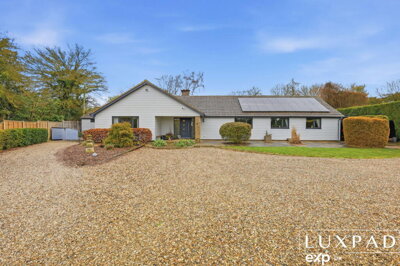
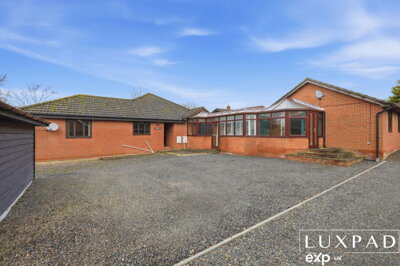
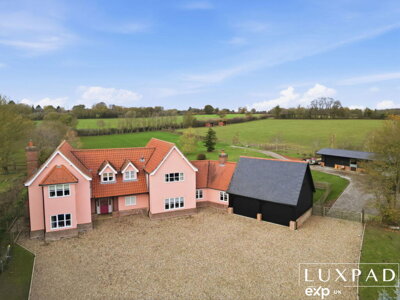
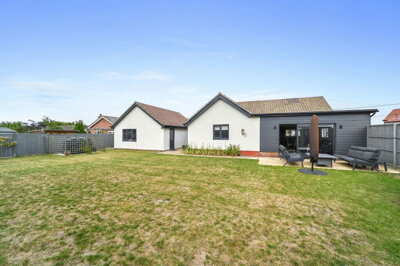
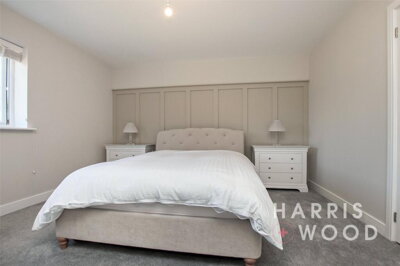
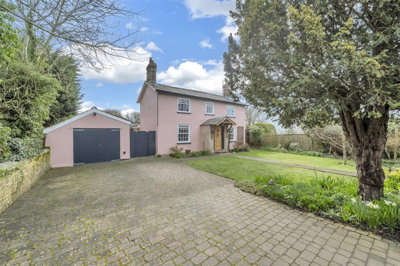
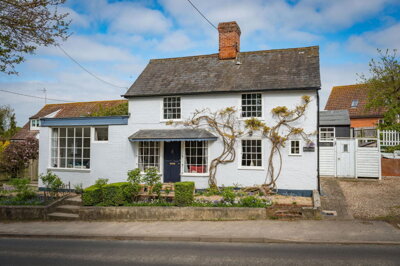
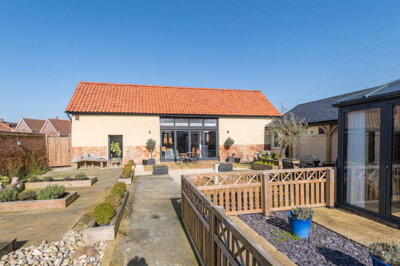
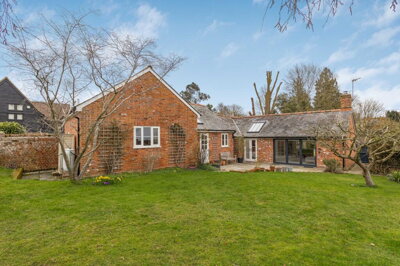
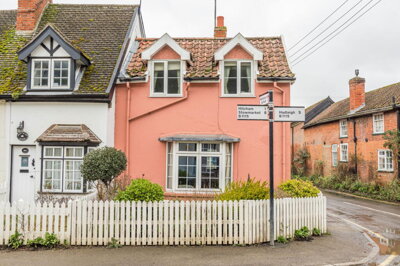
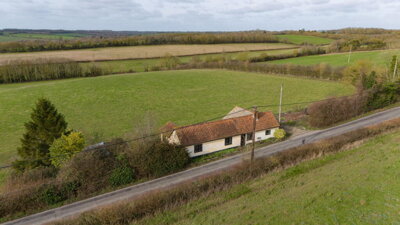
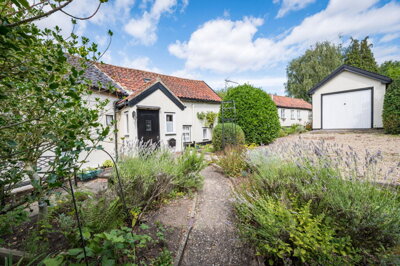
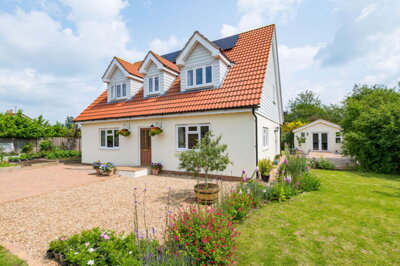
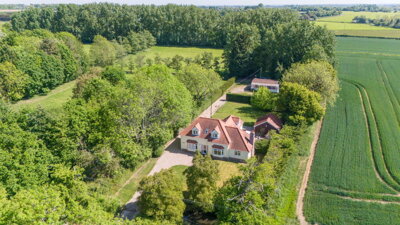
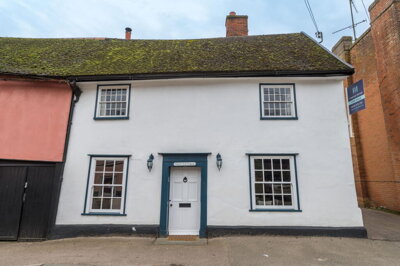
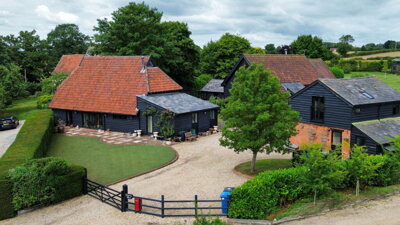
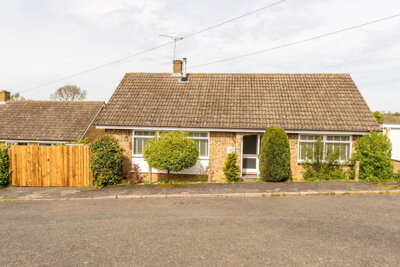
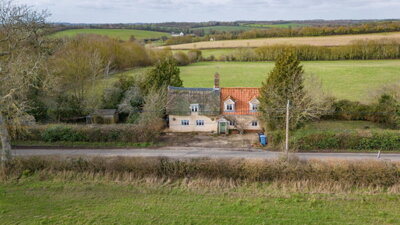
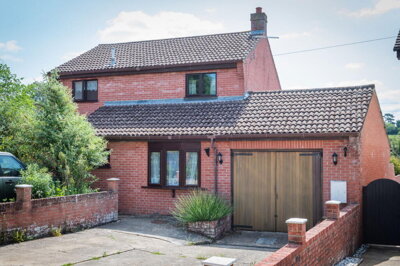
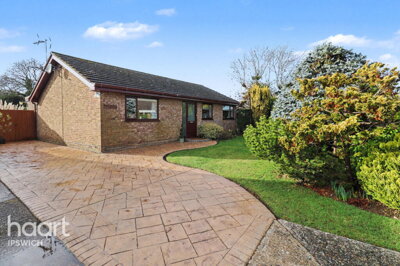
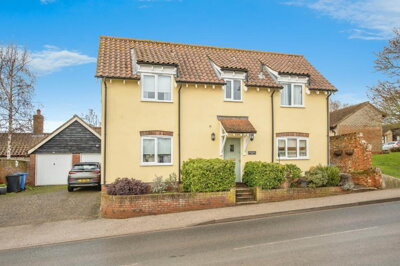
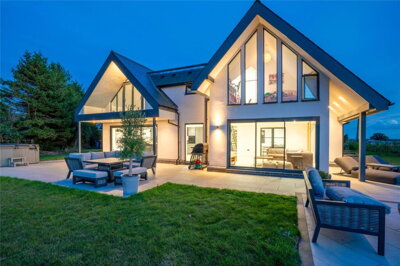
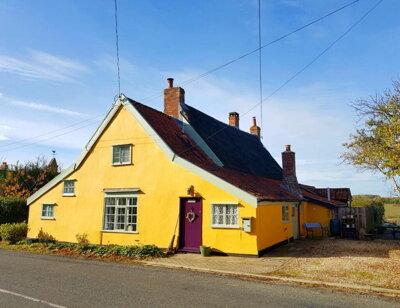
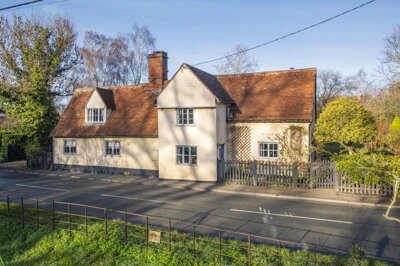
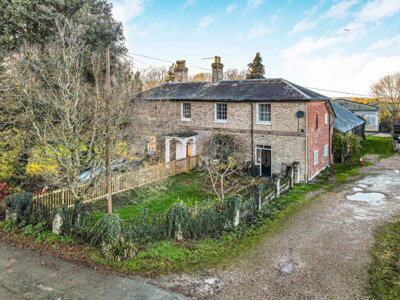
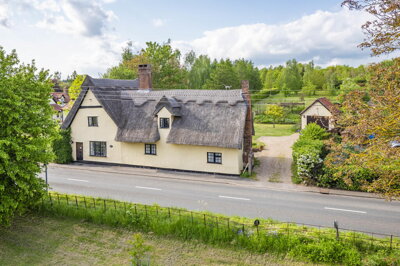
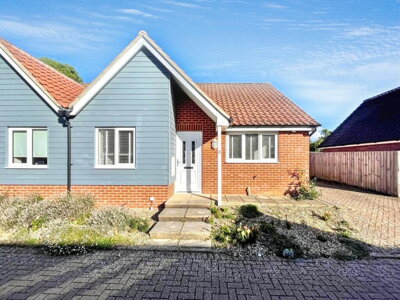
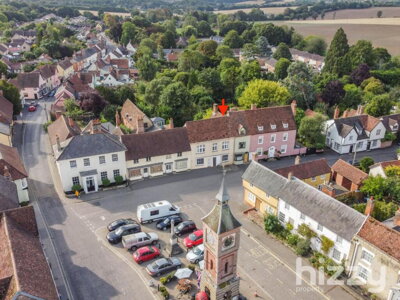
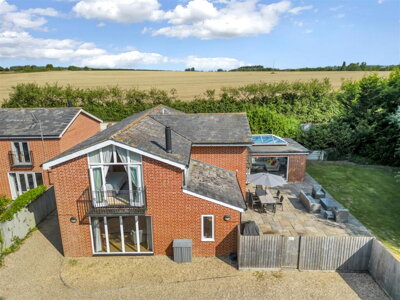
Browse 36 homes for sale in Bildeston, Babergh from local estate agents.
The Bildeston property market offers detached, semi-detached, and terraced houses spanning various price ranges and neighbourhoods. Each listing includes detailed property information, photographs, and direct contact with the marketing agent.
£450k
2
0
149
Source: home.co.uk
Showing 2 results for Houses for sale in Bildeston, Babergh. The median asking price is £450,000.
Source: home.co.uk
Detached
2 listings
Avg £450,000
Source: home.co.uk
Source: home.co.uk
The Monk Soham property market reflects the broader trends of rural Suffolk, where limited supply and consistent demand create stable conditions for sellers. Recent sales data shows properties on Monk Soham street ranging from £337,366 for three-bedroom freehold houses to £1,275,657 for substantial five-bedroom freehold homes, demonstrating the range of property sizes available. The village has seen 1 recorded sale on Monk Soham street in the past twelve months, with 5 sales in the wider IP13 7EY postcode area over the past 19 years, indicating how rarely properties become available in this sought-after location.
Despite recent market fluctuations, with prices on Monk Soham street down an average of 3.7% since March 2025, the long-term picture remains positive. The Monk Soham sales market has increased by 31.8% over the last decade, and the broader IP13 postcode area offers properties with an average price of £359,971. Detached properties command the highest prices at an average of £503,636, while semi-detached homes average £304,643 and terraced properties £297,250. First-time buyers and families should note that the village's period properties often require careful surveying due to their age and construction methods.
The limited new build activity in Monk Soham itself means that buyers seeking modern homes may need to consider surrounding villages such as Framlingham, Eye, or Worlingworth, where developments like Castleton Grange in Eye and properties on Langshaw Close in Framlingham offer newer alternatives. However, for buyers specifically seeking the character and charm of an historic Suffolk village, Monk Soham remains unparalleled despite its quiet market activity.

Monk Soham embodies the timeless charm of rural Suffolk, with its historic buildings, winding country lanes, and strong agricultural heritage shaping daily life in the village. The dominant housing stock consists of period houses built between 1800 and 1911, many constructed using traditional methods with timber-framing, plaster infill, and local materials including flint rubble and red brick. The village is particularly notable for its concentration of listed buildings, including the Grade I listed Church of St Peter, which dates from the medieval period and features flint rubble construction with stone dressings and a nave heightened in red brick. This architectural heritage creates a distinctive streetscape that has been carefully preserved over generations.
As a rural village in Mid Suffolk, Monk Soham's local economy has traditionally been tied to agriculture and small local businesses, with residents often commuting to larger towns for employment. The village setting offers excellent opportunities for countryside walks, wildlife observation, and enjoying Suffolk's natural beauty, while the absence of through traffic creates a peaceful environment for families and retirees alike. Local amenities in surrounding villages include village shops, traditional pubs, and community facilities, with more comprehensive shopping and services available in nearby Framlingham and Eye, both within easy driving distance.
The village community remains active with seasonal events and local traditions that bring residents together throughout the year. The historic pub in the village provides a focal point for social activities, while the Church of St Peter hosts community gatherings and events. For those seeking a property in Monk Soham, the sense of community and the preservation of village character are significant factors that contribute to the area's enduring appeal among buyers seeking an authentic rural Suffolk experience.
Understanding the traditional construction methods used in Monk Soham properties is essential for any prospective buyer, as these techniques influence both the character and maintenance requirements of period homes. The village's historic properties predominantly feature timber-framed construction, with oak frames supporting the structure and infill panels of plastered wattle and daub or brick nogging. This traditional method, dating back centuries, creates homes with distinctive structural behaviour that differs significantly from modern cavity wall construction, requiring specialist knowledge for maintenance and renovation work.
Local building materials in Monk Soham and the surrounding Suffolk countryside include flint rubble, which features prominently in the Church of St Peter and many boundary walls throughout the village. Red brick is used for detailing and extensions, often produced by local brickworks that have served the area for generations. Traditional lime-based mortars and renders are typically found on historic properties, and the use of these breathable materials is essential for maintaining the structural integrity of timber-framed buildings. Modern cement-based products can trap moisture and cause accelerated deterioration of historic fabric, making specialist conservation advice valuable for property owners.
Thatched roofing remains a distinctive feature of several historic farmhouses in Monk Soham, including Primrose Farmhouse and Grove Farmhouse, where traditional reed or straw thatch provides exceptional insulation but requires specialist contractors for maintenance and eventual replacement. Buyers considering properties with thatched roofs should budget for the additional costs of specialist insurance and periodic re-thatching, which represents a significant but worthwhile investment in preserving these irreplaceable historic structures. The combination of traditional construction methods and historic materials makes Monk Soham properties particularly suitable for buyers who appreciate craftsmanship and are willing to invest in proper maintenance of historic buildings.
Families considering a move to Monk Soham will find a selection of primary and secondary schools within reasonable driving distance in the surrounding Mid Suffolk area. Primary education is available at village schools in nearby communities, with several outstanding and good-rated primary schools serving the wider catchment area. Parents should research specific catchment areas and admissions policies, as rural school catchments can vary significantly depending on exact location within the parish boundaries. The nearest primary schools are located in surrounding villages, with distances and travel times varying depending on the specific property location within Monk Soham.
Secondary education options include schools in nearby market towns, with many families travelling to access grammar schools in towns such as Ipswich or choosing from the comprehensive schools available in the surrounding area. For older students, sixth form provision and further education colleges are available in larger towns including Bury St Edmunds and Ipswich. Given the limited number of schools in the immediate vicinity, families should prioritise school catchment areas when selecting a property in Monk Soham, as distances to educational establishments can influence daily routines and travel times considerably.
Transport arrangements for school-age children typically require parental provision of private transport, as school bus services in rural areas can be limited. Many families in Monk Soham factor school commute times into their daily routines, with journeys to secondary schools often involving travel of 20-30 minutes by car. The availability of school transport subsidies varies by local authority, and families should enquire with Mid Suffolk District Council about current provision before committing to a property purchase in this rural village location.
Transport connections from Monk Soham reflect its rural village character, with residents typically relying on private vehicles for the majority of journeys while benefiting from reasonable access to major road networks. The village is situated within easy reach of the A140, which provides connections to Norwich and Ipswich, while the A14 trunk road offers routes to Cambridge, Felixstowe, and the wider motorway network. For those working in Cambridge or Ipswich, the journey by car typically takes around 45 minutes to an hour depending on traffic conditions. The strategic position of Monk Soham between these major destinations makes it practical for commuters who need occasional access to larger employment centres.
Public transport options are limited but available, with local bus services connecting Monk Soham to surrounding villages and market towns for essential amenities and shopping. The nearest railway stations are located in Diss and Ipswich, providing access to Greater Anglia services connecting to London Liverpool Street, with journey times to the capital of approximately 90 minutes to two hours. For residents working from home or seeking a quieter lifestyle away from the pressures of daily commuting, Monk Soham offers an enviable position within beautiful Suffolk countryside while remaining connected enough for occasional travel requirements.
The village's location off main through-routes means that traffic levels remain low throughout the day, contributing to the peaceful character that attracts buyers to the area. However, this also means that residents benefit from understanding the local road network and planning journeys accordingly, particularly during winter months when rural roads may require additional time for travel. Many residents find that the minor adjustments required to rural living are more than compensated for by the quality of life that Monk Soham provides.
Spend time exploring Monk Soham at different times of day and week to understand the community, local amenities, and traffic patterns. Given the limited property supply in this rural village, understanding your priorities and being prepared to act quickly when suitable properties become available is essential. Register with local estate agents and set up property alerts to ensure you are among the first to hear about new listings.
Before viewing properties, obtain a mortgage agreement in principle from a lender to confirm your budget and demonstrate your seriousness to sellers. This step is particularly important in villages like Monk Soham where competition for properties can be strong. Having your financing arranged in advance allows you to move quickly when you find the right property and strengthens your position with sellers.
Work with local estate agents who know the Monk Soham area intimately to arrange viewings of suitable properties. Be prepared to travel to viewings and consider the property's condition, potential, and any renovation requirements carefully. Take notes during viewings and photograph properties to help with comparisons between different homes you visit.
Given the prevalence of period and timber-framed properties in Monk Soham, we strongly recommend booking a RICS Level 2 Survey before proceeding. This will identify any structural issues, damp, timber defects, or other concerns common in older properties. For listed buildings or more complex properties, consider a Level 3 Building Survey instead. Survey costs for Monk Soham properties typically start from around £350 for homes under £200,000 and can reach £930 for properties over £600,000.
Once your offer is accepted, instruct a conveyancing solicitor to handle the legal aspects of your purchase, including local searches, title checks, and coordination with your mortgage lender. For properties in Monk Soham, searches will include drainage and water searches, local authority inquiries, and environmental searches appropriate for rural locations. Budget for legal fees starting from approximately £499 for standard purchases.
Work closely with your solicitor and estate agent to complete the transaction, arrange building insurance, and prepare for your move into your new Monk Soham home. Building insurance should be arranged before completion, particularly for period properties where specialist insurers may offer better coverage for traditional construction methods. Allow time for utility transfers and register with local services in advance of your move.
Purchasing a property in Monk Soham requires careful consideration of several factors unique to this historic Suffolk village and its period housing stock. With many properties dating from the Georgian, Victorian, and earlier periods, buyers should expect construction methods and materials that differ significantly from modern standards. Timber-framed properties, such as the historic farmhouses like Primrose Farmhouse and Grove Farmhouse with their thatched roofs, require ongoing maintenance and specialist knowledge. A thorough RICS Level 2 Survey is essential to identify any issues with damp, structural movement, timber defects, or outdated electrical and plumbing systems that commonly affect properties of this age.
The village's concentration of listed buildings means that many properties carry additional responsibilities and restrictions under listed building consent requirements. Prospective buyers should verify the listed status of any property and understand that planning permission may be required for alterations, extensions, or even certain repairs. Conservation area considerations may also apply in parts of the village, restricting external changes to preserve character. The extensive list of Grade II listed buildings in Monk Soham includes notable properties such as Abbey House, Broadway Farmhouse, Hill Farmhouse, Monk Soham Hall, The Firs, The Long Farmhouse, The Oak, and Woodcroft Hall, indicating the significant heritage value of the village's built environment.
Flood risk in Monk Soham should be investigated through standard conveyancing searches, as specific data was not verified in available records, though rural clay soils may present shrink-swell considerations for property foundations in common with much of Suffolk. Common defects to watch for in Monk Soham properties include rising damp in solid floor constructions, timber decay in floor joists and wall frames, roof covering wear on older properties, and the condition of traditional lime mortar pointing. A RICS Level 2 Survey provides a comprehensive assessment of these issues and helps buyers budget appropriately for any remedial work required.

The average sold house price in Monk Soham is £537,500 according to recent records, with a more recent figure of £413,350 over the past year for the Monk Soham Green area. Detached properties average £503,636, semi-detached homes £304,643, and terraced properties £297,250. Prices for specific properties on Monk Soham street range from £337,366 for three-bedroom homes to over £1.2 million for substantial five-bedroom houses. The property market has shown 31.8% growth over the past decade despite recent modest corrections, making Monk Soham a stable investment location for property buyers.
Council tax bands in Monk Soham fall under Mid Suffolk District Council jurisdiction, with bands ranging from A through to H depending on property value and size. Rural period properties and smaller cottages typically fall into bands A to C, while larger detached houses and farmhouses may be categorised in higher bands. Prospective buyers should check specific bandings with Mid Suffolk District Council or via the government council tax lookup service, as bands affect ongoing running costs and should be factored into budget calculations. The band for your chosen property will impact monthly outgoings and should be verified during the conveyancing process.
Monk Soham itself is a small rural village without its own school, but families have access to primary schools in surrounding villages, several of which have good or outstanding Ofsted ratings. Secondary education options include schools in nearby market towns, with parents advised to research specific catchment areas as these can be extensive in rural locations. Grammar schools in Ipswich and other towns provide additional options for families willing to travel. School catchment areas should be verified before committing to a property purchase, as they can significantly impact daily family life and transport arrangements.
Public transport options from Monk Soham are limited, reflecting its rural village character. Local bus services connect the village to surrounding communities and market towns for essential shopping and amenities. The nearest railway stations are in Diss and Ipswich, providing Greater Anglia services to London Liverpool Street with journey times of approximately 90 minutes to two hours. Most residents rely on private vehicles for daily commuting and activities, with the A140 and A14 providing road connections to Norwich, Cambridge, Ipswich, and Felixstowe.
Monk Soham offers strong appeal for property investment given its rural character, architectural heritage, and limited supply of available homes. The long-term sales market has shown 31.8% growth over ten years, demonstrating sustained demand for properties in this sought-after village location. Rental demand may be more limited due to the rural location and lack of local employment, making capital appreciation the more likely investment return. Properties requiring renovation, listed buildings with development potential, and homes with land represent particularly interesting opportunities for investors with appropriate budgets and timelines.
Stamp Duty Land Tax on a Monk Soham property follows standard UK thresholds: 0% on the first £250,000, 5% on £250,001 to £925,000, 10% on £925,001 to £1.5 million, and 12% on any amount above £1.5 million. First-time buyers receive relief on the first £425,000 at 0%, with 5% applied between £425,001 and £625,000, with no relief above £625,000. For example, a first-time buyer purchasing a typical Monk Soham cottage at £350,000 would pay no stamp duty, while a buyer purchasing a £500,000 family home would pay £3,750.
Monk Soham has an exceptional concentration of listed buildings, reflecting its historic importance as a medieval settlement. The village includes the Grade I listed Church of St Peter, a medieval structure built of flint rubble with stone dressings. There are numerous Grade II listed buildings including Abbey House, Broadway Farmhouse, Grove Farmhouse, Hill Farmhouse, Monk Soham Hall, Primrose Farmhouse, The Firs, The Long Farmhouse, The Oak, and Woodcroft Hall, among many others. Buyers considering purchasing listed properties should be aware of the additional responsibilities and planning restrictions that apply, including the requirement for listed building consent for many alterations and repairs.
The dominant property type in Monk Soham is period houses built between 1800 and 1911, constructed using traditional timber-framed methods with plaster infill and local materials. Many properties feature flint rubble and red brick detailing, with some historic farmhouses having thatched roofs. The village has no significant new build development within its boundaries, meaning most available properties are historic homes requiring varying degrees of maintenance and renovation. Detached properties are the most common type sold in the village, commanding premium prices averaging £503,636.
Understanding the full costs of purchasing property in Monk Soham extends beyond the property price itself to include stamp duty, legal fees, surveys, and other associated charges. Standard Stamp Duty Land Tax rates for 2024-25 apply no preferential rates for Monk Soham specifically: 0% on the first £250,000, rising to 5% on the portion between £250,001 and £925,000, 10% on amounts between £925,001 and £1.5 million, and 12% on anything above £1.5 million. Given that the average property price in Monk Soham falls within the lower price bands, most buyers will pay stamp duty only on amounts above £250,000.
First-time buyers purchasing in Monk Soham benefit from increased thresholds, paying 0% on the first £425,000 and 5% on the amount between £425,001 and £625,000, providing meaningful savings on typical village properties. A first-time buyer purchasing a three-bedroom period cottage at £350,000 would pay no stamp duty whatsoever. Beyond stamp duty, buyers should budget for RICS Level 2 Survey costs starting from approximately £350 for properties under £200,000, rising to £930 for homes over £600,000, with period and listed properties potentially requiring specialist surveys at higher rates. Conveyancing fees typically start from £499 for standard purchases, while mortgage arrangement fees, broker charges, and moving costs complete the budget picture for your Monk Soham property purchase.
From 4.5%
Expert mortgage advice and competitive rates for your Monk Soham property purchase
From £499
Conveyancing solicitors to handle your property purchase legal work
From £350
Professional survey to identify defects in Monk Soham properties
From £60
Energy performance certificate for your new home
Properties for Sale In London

Properties for Sale In Plymouth

Properties for Sale In Liverpool

Properties for Sale In Glasgow

Properties for Sale In Sheffield

Properties for Sale In Edinburgh

Properties for Sale In Coventry

Properties for Sale In Bradford

Properties for Sale In Manchester

Properties for Sale In Birmingham

Properties for Sale In Bristol

Properties for Sale In Oxford

Properties for Sale In Leicester

Properties for Sale In Newcastle

Properties for Sale In Leeds

Properties for Sale In Southampton

Properties for Sale In Cardiff

Properties for Sale In Nottingham

Properties for Sale In Norwich

Properties for Sale In Brighton

Properties for Sale In Derby

Properties for Sale In Portsmouth

Properties for Sale In Northampton

Properties for Sale In Milton Keynes

Properties for Sale In Bournemouth

Properties for Sale In Bolton

Properties for Sale In Swansea

Properties for Sale In Swindon

Properties for Sale In Peterborough

Properties for Sale In Wolverhampton

Enter your details to see if this property is within your budget.
Loans, cards, car finance
Estimated property budget
Borrowing + deposit
You could borrow between
Typical borrowing
Monthly repayment
Est. at 4.5%
Loan-to-value
This is an estimate only. Your actual budget may vary depending on interest rates, credit history, and personal circumstances. For an accurate affordability assessment, speak to one of our free mortgage advisors.
This calculator provides estimates for illustrative purposes only and does not constitute financial advice. Your home may be repossessed if you do not keep up repayments on your mortgage. Estimates based on 4.5% interest rate, repayment mortgage. Actual rates depend on your circumstances.
Homemove is a trading name of HM Haus Group Ltd (Company No. 13873779, registered in England & Wales). Homemove Mortgages Ltd (Company No. 15947693) is an Appointed Representative of TMG Direct Limited, trading as TMG Mortgage Network, which is authorised and regulated by the Financial Conduct Authority (FRN 786245). Homemove Mortgages Ltd is entered on the FCA Register as an Appointed Representative (FRN 1022429). You can check registrations at NewRegister or by calling 0800 111 6768.

We use cookies to show you personalised content and improve your experience of our website. Find out more in our Privacy policy and Cookie policy.