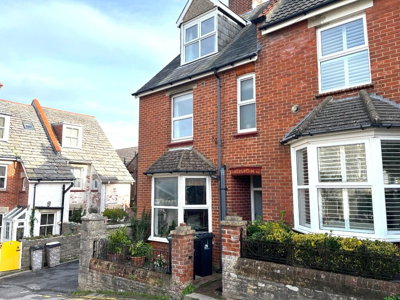
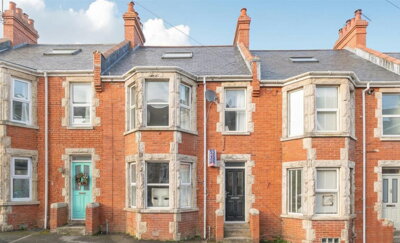
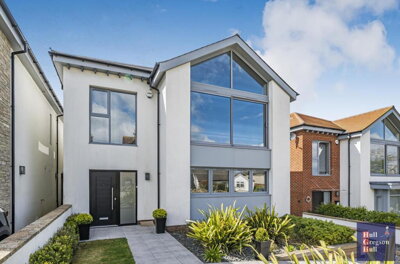
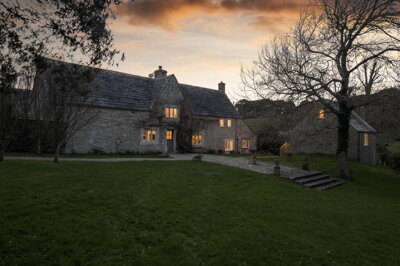
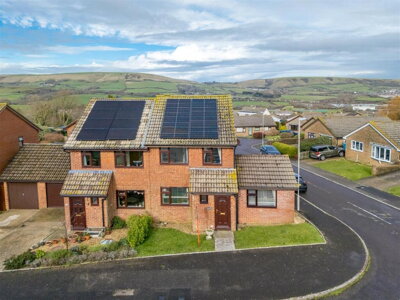
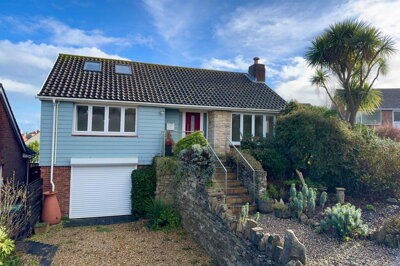
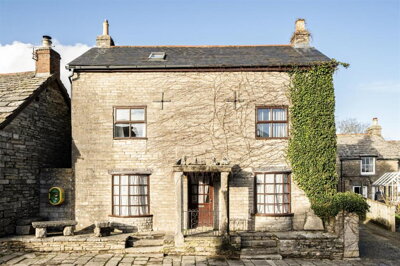
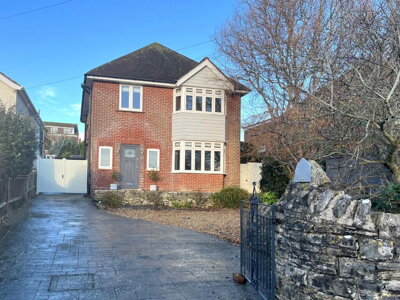
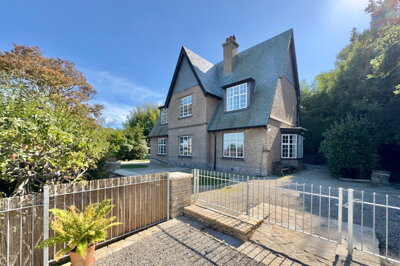
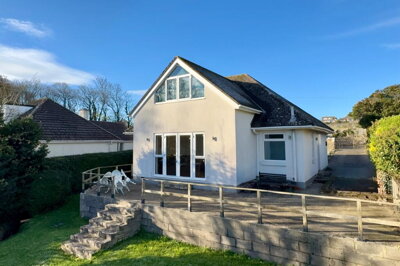
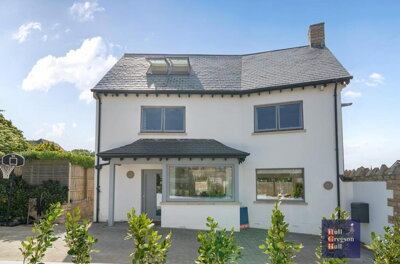
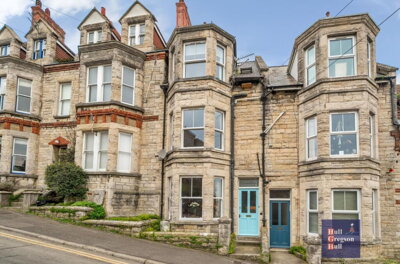
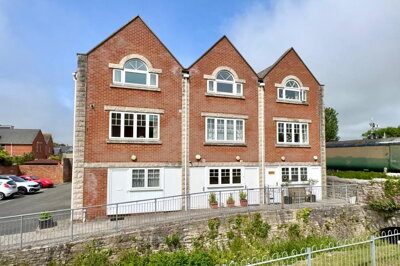
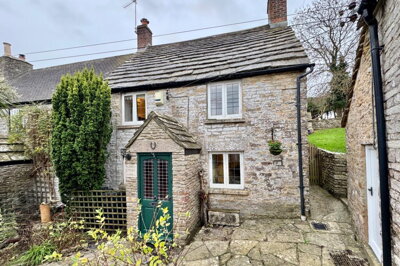
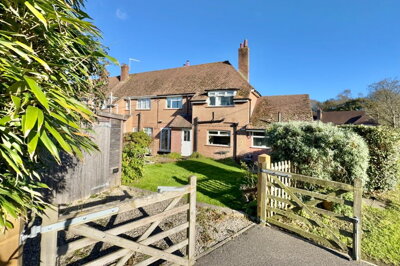
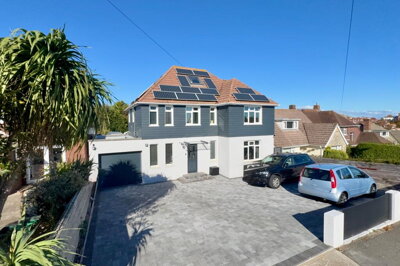
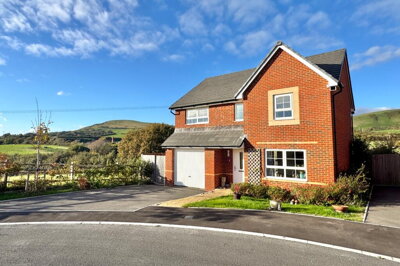
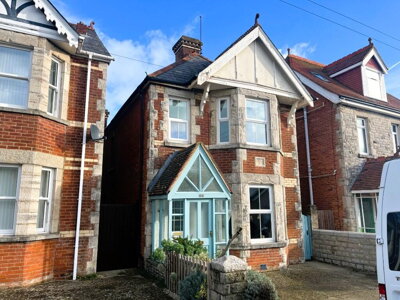
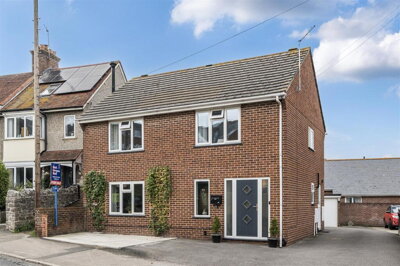
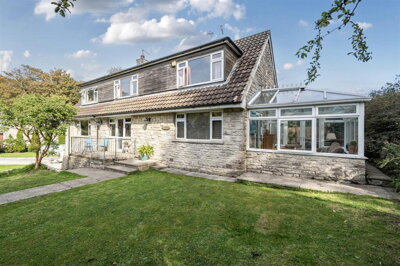
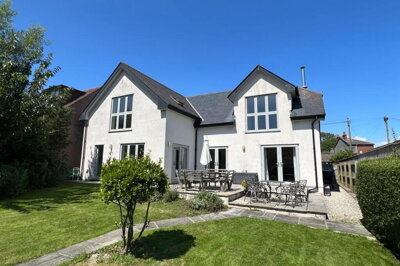
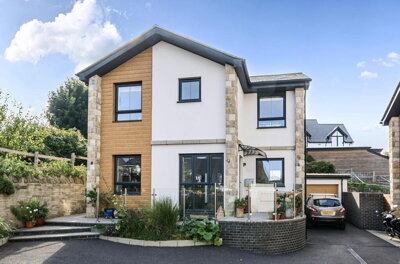
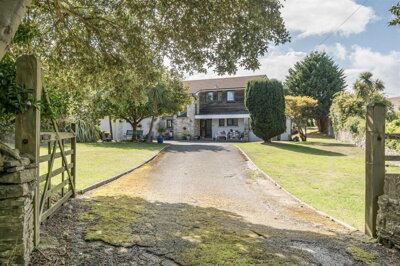
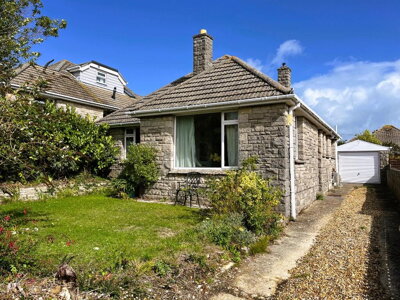
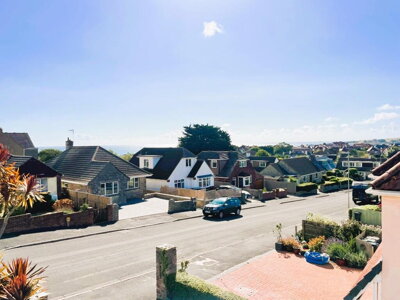
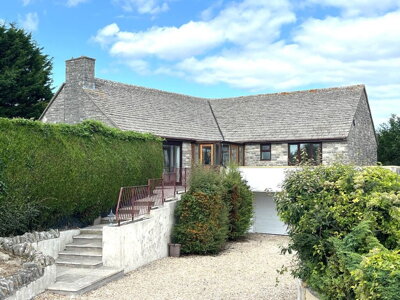
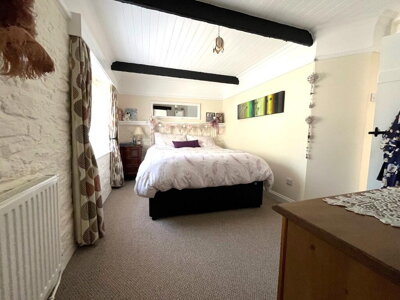
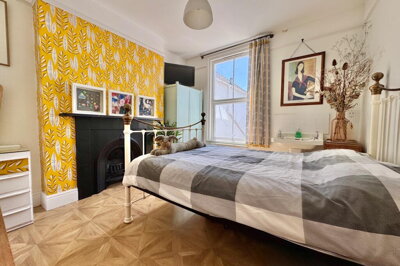
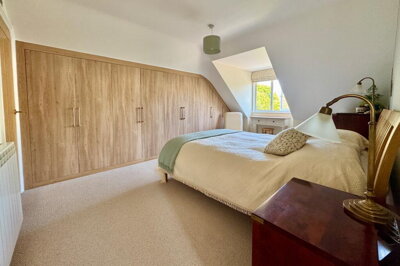
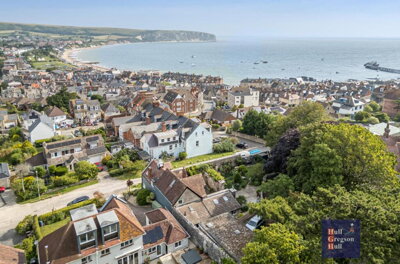
Browse 65 homes for sale in BH19 from local estate agents.
The larger property sector typically features multiple bathrooms, substantial reception space, and private gardens or off-street parking. Four bedroom houses in BH19 span detached, semi-detached, and occasionally terraced configurations, with styles ranging from period properties to modern executive homes.
£880k
28
1
204
Source: home.co.uk
Showing 28 results for 4 Bedroom Houses for sale in BH19. 1 new listing added this week. The median asking price is £880,000.
Source: home.co.uk
Detached
25 listings
Avg £1.12M
Semi-Detached
3 listings
Avg £499,983
Source: home.co.uk
Source: home.co.uk
The Swanage property market in BH19 has experienced notable price adjustments over the past year, with overall average prices around £387,101 according to Rightmove data. Property Solvers records show 154 residential sales in the last twelve months, representing a decrease of 33 transactions compared to the previous year. While prices have corrected from the 2023 peak of £504,566, falling approximately 23% according to Rightmove, this normalisation creates opportunities for buyers seeking better value in this sought-after coastal location. The market shows mixed signals with some sectors experiencing 2% growth while others see 4-6% declines depending on location and property type.
Property types in Swanage span a wide range to suit different budgets and preferences. Detached properties command the highest prices, averaging around £620,456, while semi-detached homes typically sell for approximately £359,752 to £399,895. Terraced properties offer more affordable options at around £366,831, and flats provide the most accessible entry point to the local market at approximately £266,019. New build options are limited but include the exclusive Ammonite development on De Moulham Road, featuring four luxury homes with bay views priced from £625,000 with anticipated completions in Easter 2026.
The postcode sectors within BH19 show divergent trends, with the BH19 1 sector experiencing a 4.1% price fall over the past year according to Housemetric data, while the BH19 2 sector saw a steeper 6.1% decline. These variations reflect different neighbourhood characteristics and property types within each sector. Our listings cover both sectors comprehensively, allowing buyers to understand the full range of opportunities across Swanage's diverse neighbourhoods.

Swanage is home to approximately 11,168 residents according to Census data, creating a close-knit community that combines the best of coastal living with excellent local amenities. The town centre features a good selection of independent shops, restaurants, and cafes along the historic High Street, while weekly markets bring fresh local produce and artisan goods to the heart of the community. The Purbeck stone buildings that line the streets create an unmistakably picturesque environment, with the town's Victorian and Edwardian heritage evident in architectural details throughout the conservation areas. This heritage has been carefully preserved, with 72 Grade II Listed Buildings in the historic urban character area alone.
The demographic profile of Swanage shows a slightly older population compared to the Dorset average, with over 30% of residents aged 65 and above according to recent data. This influences the local character and services, with strong community networks and excellent healthcare facilities serving residents of all ages. The town has a notably high proportion of vacant properties and holiday homes, almost 23% of the total housing stock, reflecting both the attractiveness of Swanage as a second home destination and the importance of tourism to the local economy. This creates a vibrant seasonal atmosphere during summer months while maintaining a peaceful character during quieter periods.
The natural environment surrounding Swanage is exceptional, with the town sitting on a varied geology that ranges from chalk at Nine Barrow Down to limestone at Swanage Plateau. The underlying Wealden clays and Purbeck limestone create the distinctive landscape that makes this area so visually appealing. Walking routes including the South West Coast Path provide stunning coastal walks, while Durlston Country Park offers 280 acres of wildlife-rich downland, limestone cliffs, and meadows just a short stroll from the town centre. The blend of natural beauty, historical architecture, and community spirit makes Swanage a genuinely special place to live.

Understanding the local economy helps buyers appreciate the sustainability of the Swanage property market and the types of employment supporting the resident population. Tourism remains the dominant economic driver, with thousands of visitors flocking to the town during peak summer months. This seasonal demand influences the high proportion of holiday homes and rental properties, with approximately 23% of housing stock serving non-permanent residents according to Census data.
Local employment extends beyond tourism, with several significant employers operating in and around Swanage. The care sector is well-represented, with companies like Agincare Group advertising regular positions for care assistants in the BH19 1LQ area, reflecting the town's older demographic profile. Healthcare roles through NHS Jobs also feature prominently in local employment listings, serving the town's GP surgeries and community health services.
The Purbeck area maintains its historical connection to quarrying and construction materials production. Suttle Stone Quarries operates Swanworth Quarry in Worth Matravers, producing limestone aggregates essential for local building and construction work. Similarly, Ibstock PLC operates a brick manufacturing facility at Godlingston, using locally sourced Wealden clay to produce the distinctive red bricks that feature prominently in many Victorian and Edwardian properties throughout Swanage. This local production means that repair and renovation work can often source matching materials more easily than in other areas.
Families considering a move to Swanage will find a good selection of educational establishments serving the local community. The town is served by several primary schools, with Swanage Primary School providing education for children from Reception through to Year 6. This community school serves the immediate town area and provides a solid foundation for young learners in a supportive environment. Parents should research individual school performance data and Ofsted ratings to find the best fit for their children, as school quality can vary and catchment areas may influence placement.
For secondary education, Swanage students typically attend schools in the surrounding Purbeck area, with transport arrangements connecting the town to secondary schools in nearby towns. The nearest secondary schools include those in Wareham and other Purbeck locations, with school transport provided for students living within reasonable distances. Parents should check current admission arrangements and catchment area boundaries, as these can change and may significantly impact school placement. Sixth form provision may require travel to larger towns in Dorset, so families with older children should factor this into their decision-making process.
Early years childcare and preschool facilities are well represented in Swanage, with several settings providing care for children before they reach primary school age. The town also hosts various after-school activities and clubs, contributing to the family-friendly character of the community. For families prioritising education in their property search, researching specific school performance, class sizes, and admission criteria before committing to a purchase is essential. The mix of state and independent options, combined with the strong community values that characterise Swanage, creates a supportive environment for children's education and development.
Transport connections from Swanage have improved significantly in recent years, with the Swanage Railway heritage line now offering regular passenger services connecting the town to Wareham and the mainline rail network. This scenic journey through the Purbeck countryside provides both residents and visitors with a charming alternative to road travel, with connections at Wareham to services heading to London, Southampton, and other major destinations. The heritage railway operates year-round with increased frequency during summer months, making it a popular attraction and practical transport option for residents without cars.
Road access to Swanage is via the A351, which connects the town to Wareham and the A35 main road through the Purbeck hills. This single-carriageway route can experience congestion during peak summer season when tourist traffic increases significantly. Journey times to Poole and Bournemouth typically take around 30-40 minutes under normal traffic conditions, though this can extend considerably during holiday weekends. For commuters working in larger towns, the need for a car is generally essential given the limited public transport options, though remote working has become increasingly common in the area.
Local bus services operated by More Bus and other providers connect Swanage with surrounding villages and towns, providing essential links for those without private vehicles. Services run to Wareham, Poole, and other destinations, though frequency may be limited compared to urban areas. The nearest major airports are Bournemouth and Southampton, both offering flights to various UK and European destinations with approximately 45-60 minutes driving time from Swanage. The Purbeck area has seen investment in cycling infrastructure in recent years, with improved paths making cycling a viable option for shorter journeys and recreational purposes.
Start by exploring our listings to understand the types of properties available, current price ranges, and neighbourhood characteristics. Swanage offers diverse housing options from period cottages to modern developments, so understanding what represents value in different parts of town will help you make informed decisions. Consider how the various postcode sectors have performed differently recently, with BH19 1 and BH19 2 showing divergent price trends.
Before viewing properties, arrange a mortgage agreement in principle with a lender. This demonstrates your financial credibility to estate agents and sellers, and helps you understand your realistic budget. Given the range of property values in Swanage from flats around £266,000 to detached homes exceeding £620,000, understanding your borrowing capacity is essential before beginning serious property searches.
Contact local estate agents to arrange viewings of properties that match your requirements. Take time to visit at different times of day to understand light, noise levels, and the neighbourhood atmosphere. Properties near the seafront offer stunning views but may experience seasonal tourist activity, while those in quieter residential areas like Herston offer a different character.
Once your offer is accepted, book a RICS Level 2 Survey to assess the property condition thoroughly. Given Swanage's many older Victorian, Edwardian, and stone-built properties, this survey will identify any structural concerns, damp issues, or renovation requirements that could affect your investment. Our team can connect you with qualified local surveyors experienced in assessing Purbeck stone construction and historic buildings.
Appoint a solicitor to handle the legal aspects of your purchase, including searches, contracts, and land registry documentation. Our recommended conveyancers have experience with Swanage properties and understand local considerations including conservation areas and listed building regulations. Local searches will reveal any planning history, flood risk details, and environmental constraints specific to Swanage.
Your solicitor will coordinate with the seller's representatives to exchange contracts once all checks are complete. On completion day, you will receive the keys to your new Swanage home and can begin enjoying everything this beautiful coastal town has to offer. Remember to budget for Stamp Duty, survey costs, and any immediate repairs identified during your property inspection.
Properties in Swanage present unique considerations for buyers, particularly given the high proportion of older buildings constructed from traditional materials. The predominance of Purbeck stone and Victorian brick construction means that solid walls without modern cavity insulation are common, and many properties were built before contemporary damp-proof courses. A thorough survey is essential for any property, with particular attention to signs of penetrating damp, rising damp, and the condition of original timber windows and doors. The coastal environment accelerates weathering, so roof conditions, render state, and external joinery require careful inspection.
Flood risk awareness is important when considering properties in Swanage, particularly those in lower-lying areas near Station Road which sits on the former floodplain of Swanage Brook. Historical flooding events, including significant incidents in 1990, have prompted flood alleviation schemes, but buyers should check Environment Agency flood maps and consider the proximity to watercourses. Coastal erosion affects properties along North Swanage cliffs, where weak Wealden Beds create ongoing ground movement concerns. Land instability has been documented in areas like Sandpit Field and Weather Station Field, so professional surveys are strongly recommended for properties in these locations.
Conservation Area and Listed Building status affects a significant proportion of Swanage properties, bringing both character and responsibilities. Properties within the central Conservation Area or those that are Grade II Listed face restrictions on alterations, extensions, and exterior modifications that may require Listed Building Consent from Purbeck District Council. These properties often feature traditional Purbeck stone construction, lime mortar pointing, and original architectural details that contribute to the town's character but require specialist maintenance knowledge. Buyers should factor in the additional costs and commitments associated with heritage property ownership, though the unique character these homes provide often makes them highly desirable.
Understanding the construction methods common in Swanage helps buyers appreciate the characteristics of local properties and identify potential issues during inspection. The predominant building material is Purbeck stone, used extensively in 19th-century and earlier buildings including the Town Hall, churches, and vernacular cottages throughout the historic core. This locally quarried limestone provides excellent durability but requires specialist maintenance using lime-based mortars rather than modern cement products that can trap moisture and cause stone deterioration.
Victorian and Edwardian properties built after the railway arrived in 1885 frequently feature local Wealden clay red bricks, often with Purbeck stone or yellow brick dressings in Flemish bond patterns. The local brickworks at Godlingston still produces bricks using traditional methods, meaning matching materials are available for repairs to period properties. Many of these brick-built homes have solid walls predating cavity construction, which affects insulation options and damp resistance compared to modern properties. Our surveyors are experienced in assessing these traditional construction methods and can identify issues specific to each building type.
Roofing across Swanage predominantly uses slate imported from Wales or Cornwall, though Purbeck stone tiles cover some older properties and some buildings feature clay tiles. The weight of stone and slate roofs can exceed what older roof structures were designed for, and we often see evidence of roof spread in Victorian properties that have been re-covered with heavier modern materials. Hidden guttering behind parapet walls, common in period properties, can be difficult to inspect and may conceal long-term water ingress issues that affect wall timbers and structural elements.
The age and construction of properties in Swanage make professional surveys particularly valuable for buyers. The majority of housing stock was built before 1970, with significant proportions dating to the Victorian and Edwardian periods when construction techniques differed substantially from modern standards. Solid wall construction, lime mortar pointing, and pre-1900 building methods create different failure modes than modern cavity wall properties, requiring experienced surveyors who understand traditional building pathology.
Our inspectors frequently identify issues specific to Swanage's coastal environment, including accelerated weathering of exposed elevations, salt contamination in rendered walls, and corrosion of original ironwork. The proximity to the sea increases wind-driven rain exposure, making properties on cliff tops and elevated positions particularly susceptible to penetrating damp through aging brickwork and mortar joints. We check all vulnerable areas including parapet gutters, chimney flashings, and window openings where water can enter unseen.
The geological conditions around Swanage create additional considerations that standard surveys should address. Properties built on or near the Wealden clay deposits require assessment for any evidence of ground movement or subsidence, particularly those near the cliffs in North Swanage where engineering reports have documented ongoing slope instability. Land movement in areas like Sandpit Field and Weather Station Field has required engineering intervention in recent years, making thorough ground floor and foundation inspection essential for properties in these locations.
The average house price in Swanage (BH19) is currently around £387,101 according to Rightmove data, though figures from different sources range from £343,000 to £406,805 depending on aggregation methods. Detached properties average approximately £620,456, while semi-detached homes sell for around £359,752 to £399,895. Terraced properties typically cost £366,831 and flats around £266,019. Prices have corrected approximately 23% from the 2023 peak of £504,566, creating potential opportunities for buyers in this sought-after coastal location. The postcode sectors show different trends, with BH19 1 falling 4.1% and BH19 2 dropping 6.1% in the most recent year according to Housemetric data.
Council tax bands in Swanage (BH19) follow Purbeck District Council's banding system, with properties assessed by the Valuation Office Agency based on their estimated value as of April 1991. Most properties in Swanage fall within Bands A through D, with Victorian and Edwardian terraced homes often in Band B or C, and larger detached properties or period homes in higher bands. Flats and smaller cottages typically occupy lower bands, while the substantial Edwardian villas along the coastal road may be in Band D or above. Buyers should check the specific band for any property through the Valuation Office Agency website or their solicitor during conveyancing, as bands affect ongoing running costs.
Swanage offers good educational options with Swanage Primary School serving the local community from Reception through Year 6. The town has several early years and preschool settings for younger children, with some operating from the same buildings used by community organisations. For secondary education, students typically attend schools in the wider Purbeck area, with transport arrangements available via dedicated school bus services. Parents should research current Ofsted ratings and admission criteria, as school performance and catchment boundaries can influence placement. The strong community values in Swanage create a supportive educational environment for children of all ages.
Swanage is connected by the Swanage Railway heritage line, providing services to Wareham where connections to the mainline network enable travel to London, Southampton, and beyond. The heritage railway has become increasingly practical as a commuting option, with improved frequency and reliability in recent years. Local bus services operated by More Bus connect Swanage with surrounding villages and towns, though frequencies are more limited than urban areas. The A351 road provides access to Wareham and the A35, with journey times to Poole taking approximately 35 minutes under normal conditions. A car is generally necessary for most commuters given the rural nature of the area, though remote working has reduced the need for daily commuting for many residents.
Swanage offers several investment considerations given its status as a popular tourist destination and coastal location. The high proportion of holiday homes and second properties (approximately 23% of housing stock) reflects strong demand for holiday lets and short-term rentals, particularly during summer months when visitor numbers peak. However, buyers should consider seasonal tourism fluctuations affecting rental income consistency, potential for rental voids during quieter periods, and any local regulations affecting holiday let arrangements. Capital growth prospects depend on broader property market conditions, though the town's protected Jurassic Coast setting and limited development land help maintain property values over the longer term. New build supply remains extremely limited, which supports existing property values.
Stamp Duty Land Tax rates for residential properties purchased in England from April 2025 are 0% on the first £250,000, 5% on £250,001 to £925,000, 10% on £925,001 to £1.5 million, and 12% above £1.5 million. First-time buyers receive relief on the first £425,000 (0% rate) with 5% on £425,001 to £625,000. For example, a first-time buyer purchasing a typical Swanage flat at £266,019 would pay no stamp duty, while someone buying a detached property at £620,456 would pay approximately £9,773 in SDLT. Our team can provide detailed calculations based on your specific circumstances and property price.
Period properties in Swanage, particularly those constructed from Purbeck stone or local red bricks, require careful inspection of several key areas. Check the condition of lime mortar pointing, as modern cement repairs can trap moisture and accelerate stone or brick decay. Assess solid wall insulation possibilities, as properties without cavity construction face different thermal performance considerations. Look for signs of damp in solid walls, especially at ground floor level where rising damp is more common without modern damp-proof courses. Properties near the seafront should be inspected for salt contamination in external walls and corrosion of iron fixings. Conservation Area and Listed Building status will restrict future modifications, so verify the property's heritage status before purchasing.
Understanding the full costs of purchasing property in Swanage is essential for budgeting effectively. Beyond the property price, buyers should budget for Stamp Duty Land Tax (SDLT), which applies to purchases above £250,000 for standard buyers. At current rates, a property priced at £387,101 (the average for Swanage) would incur approximately £6,855 in SDLT. First-time buyers purchasing properties up to £625,000 benefit from relief, potentially reducing or eliminating SDLT on typical Swanage properties. Your solicitor will calculate the exact SDLT due based on your circumstances and property details.
Legal costs for conveyancing typically range from £500 to £2,000 depending on the complexity of the transaction and property type. Swanage properties may involve additional searches related to local planning, conservation areas, and listed building status that can add to standard search costs. Survey costs should be factored in, with RICS Level 2 Surveys typically costing between £400 and £800 depending on property size and value. For older Swanage properties with complex construction, a more detailed RICS Level 3 Building Survey might be advisable at additional cost. Listed Building status can add £150-400 to survey costs due to the additional expertise required.
Ongoing costs after purchase include council tax, utility bills, building insurance, and potential service charges for leasehold properties. Swanage properties in prime seafront locations or within new developments may have higher service charges than average. Buildings insurance costs may be higher for older properties or those in flood risk areas given the town's history of flooding events and proximity to coastal erosion risks. Budgeting for regular maintenance is important, particularly for period properties where traditional building materials and methods require specialist care. Our recommended solicitors and surveyors can provide detailed cost estimates tailored to your specific property purchase in Swanage.
From 4.5%
Competitive mortgage rates for Swanage properties
From £499
Solicitors experienced in Swanage property transactions
From £400
Thorough condition surveys for Swanage properties
From £85
Energy performance certificates for all properties
Properties for Sale In London

Properties for Sale In Plymouth

Properties for Sale In Liverpool

Properties for Sale In Glasgow

Properties for Sale In Sheffield

Properties for Sale In Edinburgh

Properties for Sale In Coventry

Properties for Sale In Bradford

Properties for Sale In Manchester

Properties for Sale In Birmingham

Properties for Sale In Bristol

Properties for Sale In Oxford

Properties for Sale In Leicester

Properties for Sale In Newcastle

Properties for Sale In Leeds

Properties for Sale In Southampton

Properties for Sale In Cardiff

Properties for Sale In Nottingham

Properties for Sale In Norwich

Properties for Sale In Brighton

Properties for Sale In Derby

Properties for Sale In Portsmouth

Properties for Sale In Northampton

Properties for Sale In Milton Keynes

Properties for Sale In Bournemouth

Properties for Sale In Bolton

Properties for Sale In Swansea

Properties for Sale In Swindon

Properties for Sale In Peterborough

Properties for Sale In Wolverhampton

Enter your details to see if this property is within your budget.
Loans, cards, car finance
Estimated property budget
Borrowing + deposit
You could borrow between
Typical borrowing
Monthly repayment
Est. at 4.5%
Loan-to-value
This is an estimate only. Your actual budget may vary depending on interest rates, credit history, and personal circumstances. For an accurate affordability assessment, speak to one of our free mortgage advisors.
This calculator provides estimates for illustrative purposes only and does not constitute financial advice. Your home may be repossessed if you do not keep up repayments on your mortgage. Estimates based on 4.5% interest rate, repayment mortgage. Actual rates depend on your circumstances.
Homemove is a trading name of HM Haus Group Ltd (Company No. 13873779, registered in England & Wales). Homemove Mortgages Ltd (Company No. 15947693) is an Appointed Representative of TMG Direct Limited, trading as TMG Mortgage Network, which is authorised and regulated by the Financial Conduct Authority (FRN 786245). Homemove Mortgages Ltd is entered on the FCA Register as an Appointed Representative (FRN 1022429). You can check registrations at NewRegister or by calling 0800 111 6768.

We use cookies to show you personalised content and improve your experience of our website. Find out more in our Privacy policy and Cookie policy.