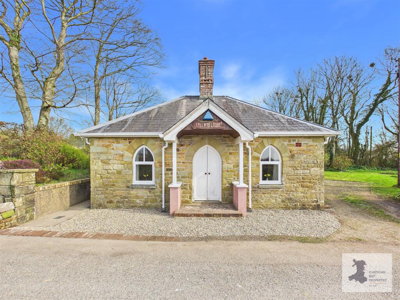
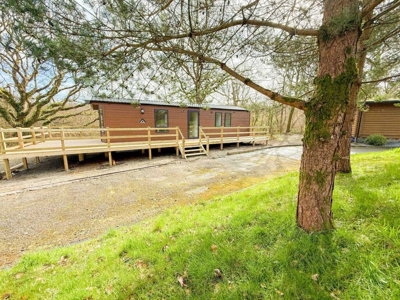
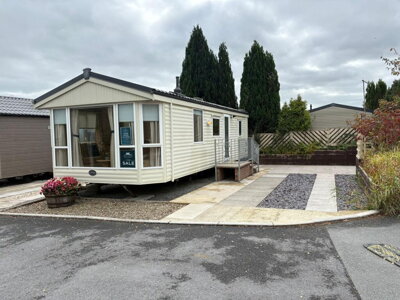
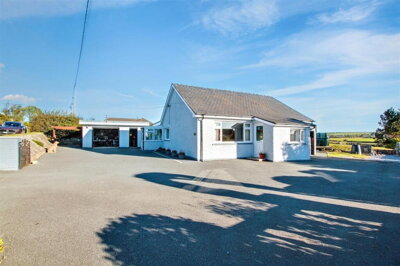
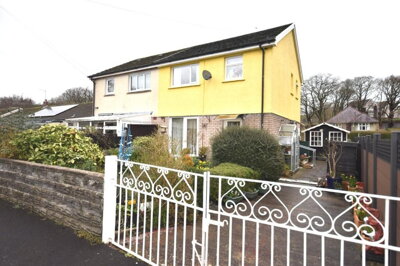
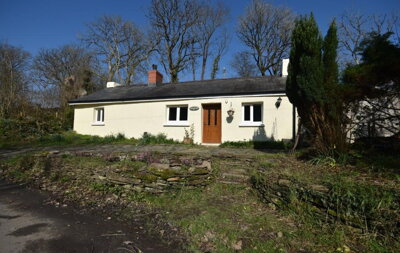
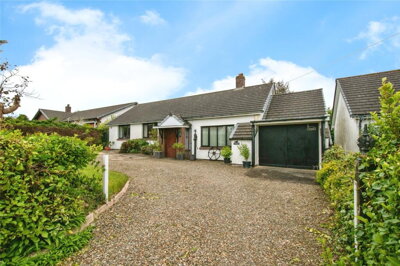
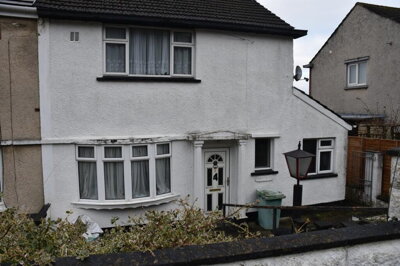
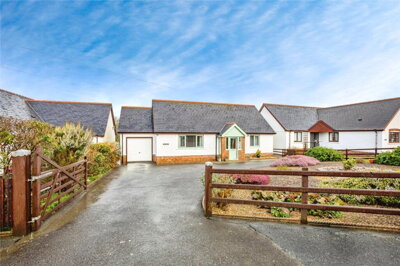
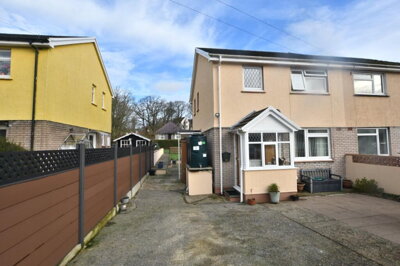
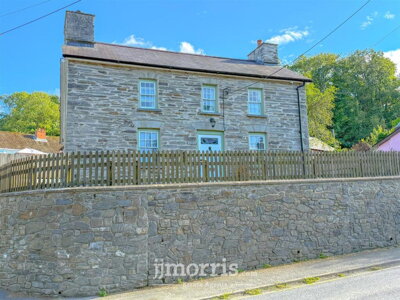
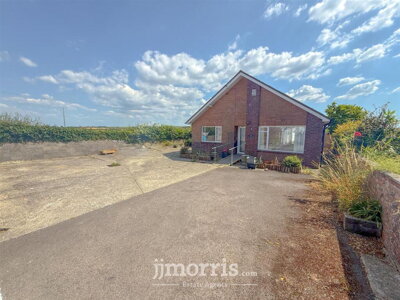
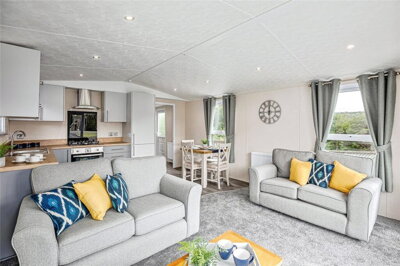
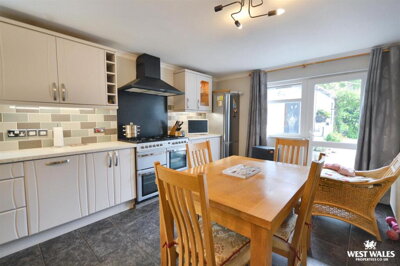
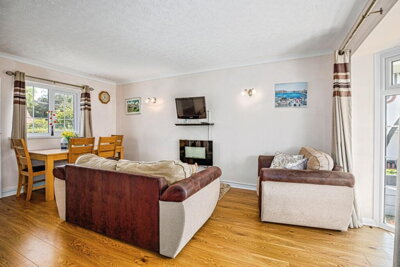
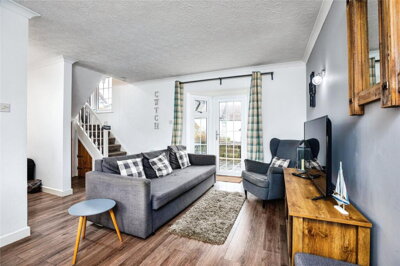
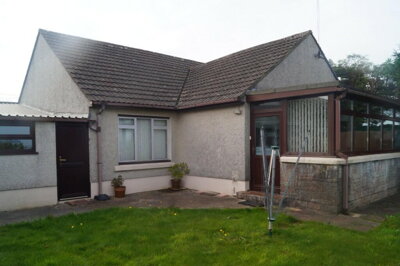
Browse 21 homes for sale in Beulah, Ceredigion from local estate agents.
The 2 bed house market features detached, semi-detached, and terraced properties with two separate bedrooms plus living spaces. Properties in Beulah range from Victorian and Edwardian period homes to modern new builds, with pricing varying across different neighbourhoods.
£186k
2
0
41
Source: home.co.uk
Showing 2 results for 2 Bedroom Houses for sale in Beulah, Ceredigion. The median asking price is £185,750.
Source: home.co.uk
Semi-Detached
2 listings
Avg £185,750
Source: home.co.uk
Source: home.co.uk
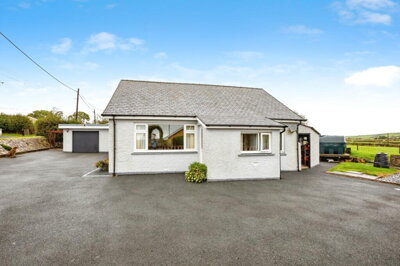
The property market in Beulah reflects the characteristics of rural mid Wales, where demand consistently outstrips supply in this price bracket. Detached properties command the highest prices, averaging £295,000, and represent the predominant housing type in the village accounting for approximately 45-50% of available stock according to housing data for the broader Ceredigion area. These homes typically sit on generous plots, offering families the outdoor space that proves difficult to find in urban settings. The premium placed on detached homes in Beulah stems from their versatility, providing multiple bedrooms, off-road parking, and gardens that appeal to families and those working from home who require dedicated office space away from the main living areas.
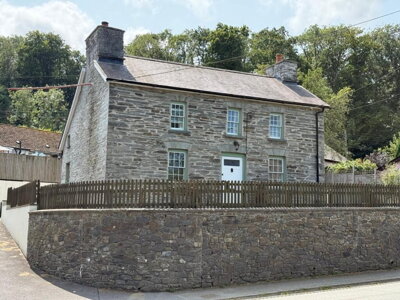
Semi-detached properties in Beulah average £195,000, offering an accessible entry point for first-time buyers and growing families seeking more space than terraced alternatives provide. These homes often feature the traditional Welsh construction methods that define the area, with local stone walls, Welsh slate roofing, and the charming proportions that characterise period properties in Ceredigion. Terraced properties average £160,000 and typically include the historic workers' cottages and farmworker accommodation that formed the backbone of village housing stock in previous centuries. These homes frequently benefit from mature gardens and the character features that only time can create, including original fireplaces, exposed beams, and thick stone walls that provide natural insulation against the Welsh weather.
Property prices in Beulah have demonstrated consistent growth, with the overall market increasing by approximately 3% over the past twelve months. Detached homes led this growth at 3.5%, reflecting strong demand from buyers seeking the space and privacy these properties offer. The modest new build activity in the village means that most available properties are established homes with character and history, creating a market where buyers pay a premium for proven construction quality rather than modern specification. The lack of large-scale development in Beulah helps preserve property values while maintaining the village character that attracts buyers in the first instance. This stability makes the location attractive for long-term investments, particularly for families planning to put down roots in the community.
Flats represent the smallest segment of the Beulah market, averaging around £120,000 and accounting for less than 10% of available properties. These rare listings typically appear as conversions within larger period buildings, offering an alternative for buyers seeking character accommodation at a lower price point. The scarcity of flat options reflects the predominantly houses-based development pattern that has shaped the village over centuries. Investors looking for rental opportunities in Beulah may find this limited supply supporting rental values for the few available units.

Beulah sits within a community area encompassing approximately 1,500-1,600 residents spread across 600-700 households, creating the intimate scale that defines Welsh village life. The population includes families who have lived in the area for generations alongside newcomers drawn by the quality of life that rural Ceredigion provides. This demographic mix creates a community that values its heritage while remaining open to fresh perspectives and new residents who contribute to village life. The 2021 Census data for the Beulah community area provides the most accurate picture of population distribution, showing a balanced age profile that includes young families, established households, and older residents who have spent decades in the village.
The character of Beulah reflects its agricultural heritage, with traditional farms dotting the surrounding landscape and properties built from locally sourced materials that have stood for centuries. The underlying geology of Ceredigion, featuring Silurian and Ordovician sedimentary rocks including shales, mudstones, and grits, has shaped both the landscape and the construction methods employed by builders throughout history. Traditional building materials in Beulah include local stone, often rendered in cream or white, and Welsh slate roofing that has protected homes from coastal weather systems for generations. These construction methods create properties with excellent thermal mass, helping regulate indoor temperatures throughout the year while connecting residents to the geological foundations beneath their feet.
Agriculture remains significant in the surrounding area, with farming operations producing sheep, cattle, and arable crops that contribute to the rural economy. Tourism complements agricultural employment, with visitors drawn to the Teifi valley for its natural beauty, walking routes, and the distinctive landscape that characterises this part of Wales. Local amenities in Beulah itself include a village hall serving community events and gatherings, while nearby market towns provide access to supermarkets, medical services, and the broader range of facilities that village residents rely upon for daily needs. The pace of life in Beulah differs markedly from urban areas, with residents describing a sense of space and freedom that proves difficult to quantify but impossible to ignore once experienced.
The River Teifi flows through the valley near Beulah, providing residents with opportunities for salmon and trout fishing that attract enthusiasts from across the UK. The river valley also offers excellent walking routes, with footpaths following the watercourse through rolling countryside that changes dramatically with the seasons. Wildlife in the area includes red kites, otters, and diverse bird species that thrive in the protected habitats along the river corridor. These natural amenities contribute significantly to the quality of life that Beulah residents enjoy, providing recreation on their doorstep without requiring travel to dedicated nature reserves or country parks.
Families considering a move to Beulah will find educational provision centred on primary schools serving the village and surrounding rural communities. The village itself historically served as an educational hub for the local farming community, with primary schools in similar Ceredigion villages providing the foundation phase education that prepares children for secondary education in nearby towns. Parents should investigate current school provision, catchment areas, and any planned changes to school organization in the area, as rural school provision can evolve in response to changing demographics and funding arrangements that affect small communities across Wales.
Secondary education in Ceredigion typically involves travel to market towns where larger schools offer comprehensive curricula and specialist facilities. These secondary schools serve as community hubs, providing not just academic education but also extracurricular activities, sports facilities, and the social environment that helps teenagers develop into well-rounded individuals. The distance involved in reaching secondary schools means that families should consider transportation arrangements carefully when evaluating properties in Beulah, ensuring that school commutes fit within family routines and that children can participate fully in school activities and social events.
Further education opportunities in Ceredigion include colleges in larger towns offering vocational qualifications and A-levels, providing progression routes for students completing secondary education. Young people from Beulah have historically accessed further education through a combination of daily commuting where feasible and residential arrangements for courses requiring more intensive attendance. The Welsh-medium education option exists throughout Ceredigion, with schools providing instruction through the medium of Welsh alongside English, reflecting the bilingual character of the county. Parents seeking Welsh-medium education for their children will find provision available, though specific arrangements and availability should be confirmed directly with local education authorities.
The travel distance to secondary schools means that many Beulah families factor school transport arrangements into their property search, potentially prioritising homes on village edges or along established bus routes. Some families choose to relocate temporarily during the secondary school years, while others adjust their working patterns to accommodate school runs. Understanding these practical considerations helps buyers make informed decisions about property locations within the village and ensures that family circumstances align with the realities of rural education provision.
Transport connectivity from Beulah reflects the reality of rural mid Wales, where private vehicles remain essential for most daily activities despite improvements to public transport in recent years. The village sits within reach of the A484 and A475 roads that connect communities across Ceredigion, providing access to market towns and larger settlements where employment, shopping, and services concentrate. Residents should expect to travel by car for supermarket visits, medical appointments, and many social activities, a reality that shapes daily routines and weekly planning in ways that differ significantly from urban living where amenities sit within walking distance.
Public transport options serving Beulah include bus routes connecting the village to nearby towns, though service frequency reflects the rural nature of the area with limited evening and weekend provision. These bus services provide valuable connectivity for residents without access to private vehicles, including older residents, young people, and those who prefer not to drive. Planning daily activities around bus timetables requires flexibility, and residents typically build public transport constraints into their routines rather than treating them as obstacles to overcome. For those working in towns with regular hours, commuting by public transport from Beulah may prove challenging, making car ownership effectively mandatory for most working households.
The nearest railway stations are located in larger towns across Ceredigion and Powys, providing connections to the broader Welsh rail network for journeys to Cardiff, Birmingham, and other major destinations. These station facilities vary in their parking provision, accessibility, and service frequency, with some routes offering regular connections while others provide a more limited service reflecting passenger demand. For residents working remotely or running home-based businesses, the transport limitations of Beulah matter less than for those requiring daily office attendance, making the village particularly attractive to the growing number of workers whose employment does not tie them to specific locations.
The A484 road provides a key route south through Ceredigion, connecting Beulah to coastal towns and the A487 that runs along the Cardigan Bay coastline. Northward, the A475 offers access to Powys and the Cambrian Mountains, opening routes towards Aberystwyth and the central highlands. For air travel, Cardiff Airport represents the nearest major airport, approximately two and a half hours drive from Beulah, while Bristol Airport offers an alternative for those in the eastern parts of the county.
Explore online listings to understand what properties are available in Beulah and surrounding Ceredigion villages. Note the average prices for different property types and consider whether you need to expand your search to nearby communities if specific requirements cannot be met locally. Understanding the market before committing time to viewings helps buyers focus their efforts on properties that match their budget and requirements.
Contact lenders or mortgage brokers to obtain an agreement in principle before viewing properties. This strengthens your position when making offers and demonstrates to sellers that you have the financial foundations in place to proceed. Current rates make borrowing attractive for buyers with solid deposit foundations, though rural properties sometimes require specialist mortgage arrangements that standard lenders cannot provide.
Schedule viewings of properties matching your criteria, taking time to explore the village and surrounding area beyond the property itself. Consider factors like school journeys, shopping convenience, and how the community feels when you visit at different times of day and week. Visiting Beulah at various times helps prospective buyers understand the full picture of village life before making purchase decisions.
Once your offer is accepted, instruct a qualified surveyor to assess the property condition. Given the age of many properties in Beulah, a thorough survey identifies any structural concerns, renovation requirements, or maintenance issues that affect value or future costs. The traditional construction methods used in local properties make professional surveys particularly valuable for identifying hidden defects.
Choose a conveyancing specialist familiar with Welsh property transactions to handle the legal aspects of your purchase. They will conduct searches, handle land registry documentation, and manage the transfer process from offer acceptance through to completion. Solicitors with experience in Ceredigion property transactions understand local issues that may arise during conveyancing.
Your solicitor will exchange contracts once all searches are satisfactory and finances are confirmed, committing both parties to the transaction. Completion typically follows within weeks, at which point you receive the keys and take ownership of your new Beulah home. At this stage, arrange buildings insurance and coordinate your moving date with removal firms familiar with rural Welsh roads.
Properties in Beulah span a wide age range, with a significant proportion built before 1919 according to estimates for similar rural Welsh villages. These historic properties bring character and solid construction but require understanding of traditional building methods and the maintenance approaches they demand. Original features such as stone walls, timber frames, and period fireplaces form part of the property's appeal but may require specialist care that differs from modern maintenance approaches. Prospective buyers should research the specific property type and age, understanding what maintenance routines protect historic fabric and what alterations might require specialist approval given the listed building status of many properties in the area.
Flood risk requires careful consideration for properties near the River Teifi catchment area, where fluvial flooding can affect properties adjacent to waterways during periods of heavy rainfall. Surface water flooding also presents concerns in low-lying areas where drainage infrastructure may prove inadequate during intense weather events. Property buyers should request flood risk assessments and consider the potential impact on insurance costs and property values when evaluating homes in areas with any flood history or risk indicators. Properties on higher ground within the village may offer lower flood risk, though comprehensive investigation remains essential before committing to any purchase.
The predominance of stone construction in Beulah properties connects to the underlying geology of Ceredigion, where clay-rich mudstones and shales create moderate to high shrink-swell potential in certain areas. These ground conditions can affect property foundations over time, particularly for older structures that may have been built before modern foundation standards existed. A detailed site-specific survey provides essential information about ground conditions and any signs of movement or subsidence that might affect the property. Specialist structural engineers experienced with traditional Welsh construction can assess these properties most effectively, providing that the property remains sound despite its age and construction type.
Many properties in Beulah benefit from solid wall construction rather than cavity walls, which affects insulation performance and heating costs. Buyers should consider the energy efficiency implications of traditional construction, which may include solid stone walls with minimal insulation, single-glazed windows, and solid floor constructions. These features contribute to the character of the property but may increase ongoing energy costs compared to modern equivalents. Understanding current energy performance certificate ratings helps buyers budget for potential improvements that might be required to achieve comfortable living standards.

Understanding the full costs of buying property in Beulah requires consideration of stamp duty alongside solicitor fees, survey costs, and moving expenses that together add significantly to the purchase price. For most buyers purchasing properties at the Beulah average price of £265,000, stamp duty costs remain minimal under current thresholds. First-time buyers purchasing at this price point would typically pay no stamp duty at all, thanks to relief on purchases up to £425,000. This relief makes rural Welsh property particularly attractive to first-time buyers who might find equivalent properties in English cities subject to considerably higher duty charges.
Solicitor fees for conveyancing typically start from around £499 for standard transactions, though complex purchases involving listed buildings or unusual title arrangements may require additional work that increases costs. Survey fees vary depending on property type and the level of inspection required, with RICS Level 2 surveys starting from approximately £350 for homes in this price range. The age and construction type of many Beulah properties makes a thorough survey particularly valuable, identifying any structural concerns or maintenance requirements before purchase commitments become binding. Additional costs include land registry fees, search fees from Ceredigion County Council, and potential mortgage arrangement fees that buyers should budget for alongside the deposit and purchase price.
Moving costs from anywhere in the UK to Beulah will vary based on distance and volume of belongings, with removal firms quoting based on cubic footage and access considerations at both ends. Many buyers moving to rural Wales from urban areas discover they have accumulated possessions that do not fit their new lifestyle, leading to disposal costs or storage requirements that add to moving budgets. Building insurance must be in place from the moment of completion, and contents insurance follows shortly after as new homeowners settle into their properties. By budgeting comprehensively for all these costs, buyers avoid financial surprises that could complicate an already complex transaction and ensure they can complete their Beulah purchase smoothly.
The average house price in Beulah stands at approximately £265,000 based on recent market data. Detached properties average £295,000, semi-detached homes £195,000, terraced properties £160,000, and flats around £120,000. Property prices have increased by approximately 3% over the past twelve months, with detached properties showing the strongest growth at 3.5%. This price data reflects the rural nature of Beulah, where property values differ significantly from urban centres in Wales and across the UK, offering relatively affordable access to property ownership compared to many English counterparts.
Properties in Beulah fall under Ceredigion County Council jurisdiction, with council tax bands ranging from A to H depending on property value and type. Rural properties with historical character may fall into bands appropriate to their assessed value, and buyers should check specific bandings with the Land Registry or through the local council website. Council tax contributions fund essential local services including education, road maintenance, and community facilities that benefit village residents throughout the year. Band D properties in Ceredigion currently pay around £1,700-£1,800 annually, though this varies by band.
Primary education in Beulah typically serves younger children within the village community, while secondary education requires travel to nearby towns where larger schools offer comprehensive curricula. Ceredigion offers Welsh-medium education options throughout the county, reflecting the bilingual character of the area. Parents should research current school provision, Ofsted ratings, and catchment area boundaries when evaluating properties for family purchase, as school admissions depend on residency and catchment considerations. The nearest secondary schools are located in the market towns that serve the surrounding rural communities, with school transport arrangements available for qualifying families.
Beulah is served by limited bus services connecting the village to nearby market towns, though service frequency reflects the rural nature of the area with reduced evening and weekend provision. Private vehicle ownership is effectively essential for most daily activities including shopping, medical appointments, and employment commuting. The nearest railway stations are located in larger towns across Ceredigion and Powys, providing connections to the broader Welsh and UK rail networks for longer-distance travel. For residents working from home or running online businesses, the limited public transport options matter far less than for those with traditional office-based employment requiring daily commutes.
Property in Beulah offers stable values with consistent annual growth of around 3% demonstrating sustained demand for homes in this rural Welsh location. The limited supply of properties for sale, combined with ongoing demand from buyers seeking rural lifestyles, supports prices for existing properties. New build activity remains minimal in the village, meaning established properties with character and history continue attracting buyers willing to pay premiums for the village lifestyle that Beulah provides. Long-term investment prospects benefit from the broader trend of buyers seeking urban centres for improved quality of life.
Stamp duty on your Beulah property depends on purchase price and your buyer status. Standard rates for 2024-25 apply 0% duty on the first £250,000, 5% on the portion between £250,001 and £925,000, 10% on £925,001 to £1.5 million, and 12% above £1.5 million. First-time buyers benefit from relief on the first £425,000 with 5% applied to £425,001-£625,000, though no relief applies above £625,000. Given average prices in Beulah around £265,000, most buyers would pay minimal or no stamp duty on purchases in this village, making it an attractive option for first-time buyers specifically.
Properties near the River Teifi catchment area face potential fluvial flood risk during periods of heavy rainfall and high water levels. Surface water flooding can affect low-lying areas where drainage infrastructure proves inadequate during intense weather events. Buyers should request flood risk information for specific properties and consider the implications for insurance costs and future saleability when evaluating homes in areas with any flood history or elevation concerns. Properties sitting on higher ground within Beulah may offer reduced flood exposure, though no property in the village should be assumed completely risk-free given the regional weather patterns affecting mid Wales.
From 4.5%
Find competitive mortgage rates for your Beulah purchase
From £499
Specialist solicitors for Welsh property transactions
From £350
Comprehensive property inspection for Beulah homes
From £80
Energy performance certificate for your new property
Properties for Sale In London

Properties for Sale In Plymouth

Properties for Sale In Liverpool

Properties for Sale In Glasgow

Properties for Sale In Sheffield

Properties for Sale In Edinburgh

Properties for Sale In Coventry

Properties for Sale In Bradford

Properties for Sale In Manchester

Properties for Sale In Birmingham

Properties for Sale In Bristol

Properties for Sale In Oxford

Properties for Sale In Leicester

Properties for Sale In Newcastle

Properties for Sale In Leeds

Properties for Sale In Southampton

Properties for Sale In Cardiff

Properties for Sale In Nottingham

Properties for Sale In Norwich

Properties for Sale In Brighton

Properties for Sale In Derby

Properties for Sale In Portsmouth

Properties for Sale In Northampton

Properties for Sale In Milton Keynes

Properties for Sale In Bournemouth

Properties for Sale In Bolton

Properties for Sale In Swansea

Properties for Sale In Swindon

Properties for Sale In Peterborough

Properties for Sale In Wolverhampton

Enter your details to see if this property is within your budget.
Loans, cards, car finance
Estimated property budget
Borrowing + deposit
You could borrow between
Typical borrowing
Monthly repayment
Est. at 4.5%
Loan-to-value
This is an estimate only. Your actual budget may vary depending on interest rates, credit history, and personal circumstances. For an accurate affordability assessment, speak to one of our free mortgage advisors.
This calculator provides estimates for illustrative purposes only and does not constitute financial advice. Your home may be repossessed if you do not keep up repayments on your mortgage. Estimates based on 4.5% interest rate, repayment mortgage. Actual rates depend on your circumstances.
Homemove is a trading name of HM Haus Group Ltd (Company No. 13873779, registered in England & Wales). Homemove Mortgages Ltd (Company No. 15947693) is an Appointed Representative of TMG Direct Limited, trading as TMG Mortgage Network, which is authorised and regulated by the Financial Conduct Authority (FRN 786245). Homemove Mortgages Ltd is entered on the FCA Register as an Appointed Representative (FRN 1022429). You can check registrations at NewRegister or by calling 0800 111 6768.

We use cookies to show you personalised content and improve your experience of our website. Find out more in our Privacy policy and Cookie policy.