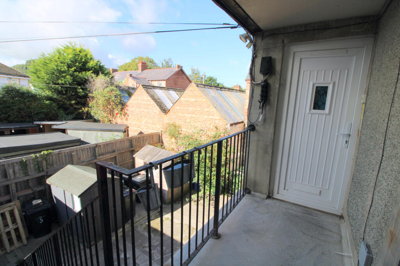
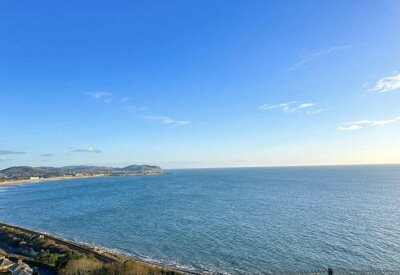
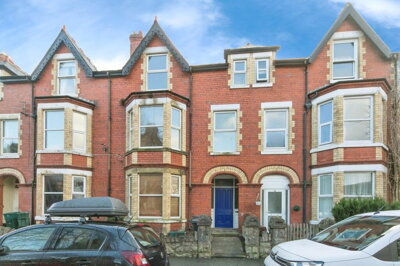
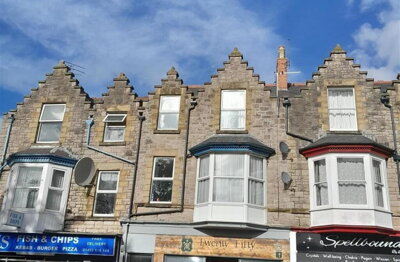
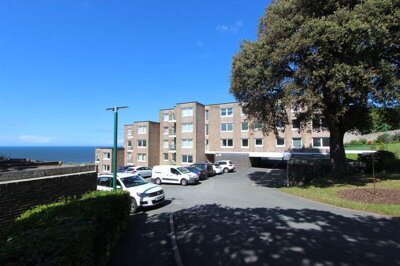
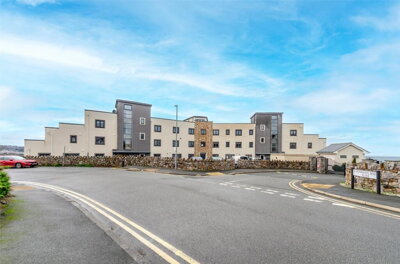
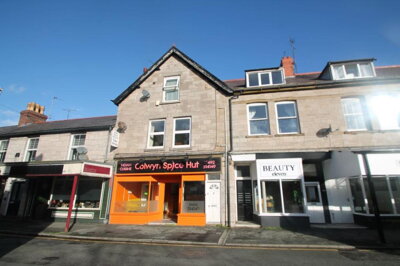
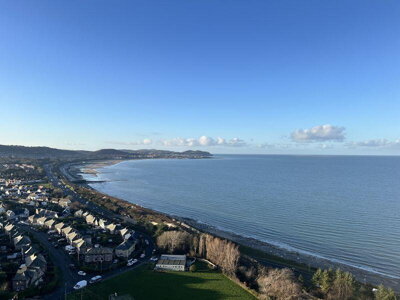
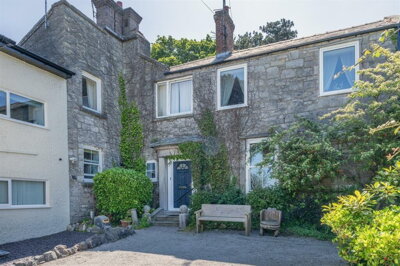
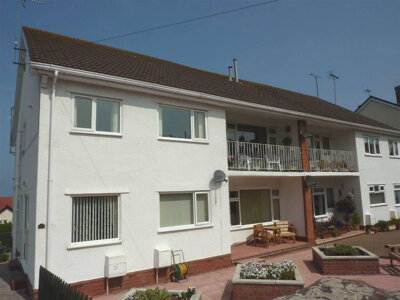
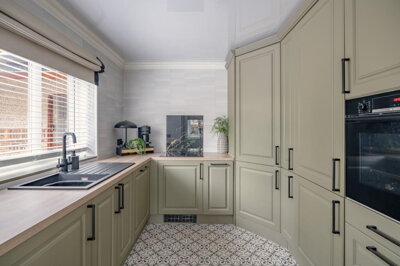
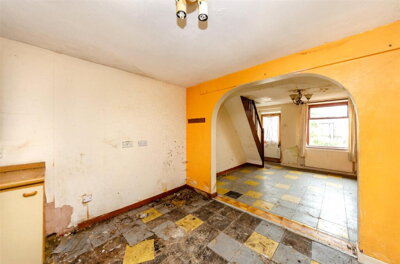
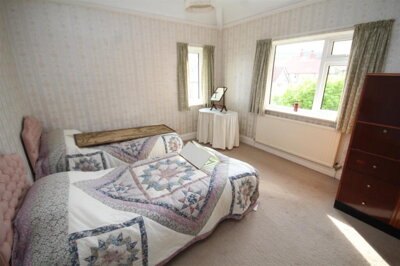
Browse 13 homes for sale in Betws yn Rhos from local estate agents.
Studio apartments feature open-plan living spaces without separate bedrooms, incorporating sleeping, living, kitchen, and bathroom facilities. The Betws Yn Rhos studio market includes properties in modern apartment complexes, converted Victorian and Georgian buildings, and purpose-built developments.
The Wheathill property market reflects the character of this small rural community, with terraced properties averaging £225,000 according to recent sold price data. While this figure represents a specific subset of the local market, it provides useful context for buyers budgeting their search. The wider Shropshire county recorded an average house price of £281,000 in December 2025, representing a 4.3% annual increase that demonstrates steady market growth across the region. These trends suggest that Wheathill properties offer relative value compared to the county average while benefiting from broader market momentum.
Given the village's historical significance and the prevalence of period properties dating back to medieval times, buyers can expect a housing stock dominated by traditional construction. Many homes feature local stone, timber framing, and solid brickwork that reflects centuries of building heritage. New build developments within Wheathill itself are limited, which means buyers seeking modern specifications may need to look at properties with renovation potential or consider the wider postcode area for newer options. The market here moves at a measured pace befitting rural village life, where properties are valued not only for their physical attributes but also for their setting and historical pedigree.
For investors and buy-to-let buyers, the rural Shropshire market presents particular opportunities in properties suitable for holiday lets or long-term rental to local agricultural workers. The area's sparse population and agricultural economy mean rental demand tends to be steady rather than explosive, but properties in good condition within charming villages like Wheathill can attract premium rents from those seeking countryside living. Our team regularly assists buyers exploring the investment potential of rural Shropshire properties, helping them identify opportunities that align with their financial objectives.

Wheathill embodies the essence of rural English village life, offering residents a rare opportunity to own property in an area of outstanding natural beauty with genuine historical significance. The village sits under the slopes of Clee Hill, one of Shropshire's most distinctive landmarks, which provides not only dramatic scenery but also excellent walking country for residents who enjoy outdoor pursuits. The landscape is characterised by rolling farmland, traditional hedgerows, and the kind of unspoiled countryside that has made Shropshire increasingly popular with buyers seeking respite from urban life.
The local economy centres on sustainable farming practices and small agricultural businesses that reflect the area's heritage as a working countryside. Residents describe the community as close-knit and welcoming, where neighbours know one another and local events bring the village together throughout the year. The population of 183 represents a decline from 229 in 2011, which is typical for small rural parishes as younger residents sometimes relocate to larger towns for work and amenities. This tight-knit character means newcomers are often warmly welcomed into community activities and local traditions.
The presence of 14 listed buildings including the Church of the Holy Trinity and Wheathill Court demonstrates the architectural significance of the village, with many properties dating back to the medieval period. Living in Wheathill means being part of a community that values its heritage and maintains the character that makes rural villages so appealing. Day-to-day amenities in Wheathill itself are limited due to the village's small scale, but the civil parish including Loughton and Silvington ensures a sense of community cohesion. For major shopping, dining, and entertainment, residents typically travel to nearby market towns where a full range of facilities is available.
The trade-off for this limited local provision is the extraordinary peace and quiet that village living provides, along with dark skies ideal for stargazing and a pace of life that many urban dwellers find impossible to replicate. Our inspectors frequently comment on the remarkable tranquility of the area when conducting surveys on properties here, noting how the absence of traffic noise and light pollution creates a genuinely restorative environment.
Families considering a move to Wheathill will find educational provision concentrated in surrounding villages and market towns within reasonable driving distance. The civil parish does not include primary schools within its own boundaries, meaning younger children typically attend schools in nearby settlements that serve the wider rural area. Parents should research specific catchment areas and admission policies for their preferred schools, as these can vary significantly depending on proximity and siblings already enrolled.
Secondary education options in the region include schools in surrounding market towns, with Shropshire's selective education system meaning some pupils may be eligible for grammar school places depending on their academic abilities and the availability of selective schools within travelling distance. For families prioritising education in their property search, visiting potential schools and understanding admission criteria should be a key part of the decision-making process before committing to a purchase in the area.
Further and higher education provision is available in Shrewsbury, Telford, and other larger towns in the county. Sixth form colleges and further education colleges offer a broad range of A-level and vocational courses, ensuring that secondary school leavers have access to continued educational opportunities without necessarily needing to relocate away from the family home. The proximity of Shrewsbury, approximately 21 miles away, provides particular advantages for families with older children seeking higher education or vocational training.
Transport connectivity from Wheathill reflects its rural village status, with residents primarily relying on private vehicles for everyday travel. The village sits within easy reach of the A49 and A5 trunk roads that provide routes towards Shrewsbury, Telford, and beyond. For commuters working in regional centres, the car remains essential for most journeys, though the scenic nature of the surrounding countryside makes even routine trips pleasant. Parking provision in the village is typically adequate for resident needs, with properties generally offering off-street parking or garages.
Public transport options are limited but exist for residents without vehicles. Bus services connect Wheathill with surrounding villages and market towns on a reduced schedule appropriate for rural provision. For longer-distance travel, the railway station at Shrewsbury provides connections to major destinations including Birmingham, Manchester, and London. The journey from Shrewsbury to London Euston takes approximately two hours, making day commuting feasible for those with flexible working arrangements or hybrid arrangements.
Cycling is increasingly popular in the area, with the quiet country lanes and beautiful scenery making cycling a pleasurable rather than stressful experience. Some residents use cycling for local journeys and commute purposes, particularly as electric bikes make hilly terrain more manageable. Walking is another practical option for reaching local destinations within the civil parish, with footpaths and bridleways providing access to the surrounding countryside for both practical journeys and recreational purposes.
Properties in Wheathill require careful consideration given the prevalence of historic buildings dating back to medieval times. The village's 14 listed buildings reflect centuries of architectural heritage, with construction typically using local materials that were readily available in the Shropshire countryside. Local stone, timber framing, and solid brickwork characterise many properties, representing traditional building methods that have served the area well for generations. Our inspectors have extensive experience examining these traditional construction types and understand the specific issues that can affect properties built using historic building methods.
The local geology presents particular considerations for property buyers, as Wheathill features light clay soil over a subsoil of limestone and freestone. Clay soils are susceptible to shrink-swell movement depending on moisture content, which can affect foundations and lead to structural movement in properties over time. This geological characteristic means that our inspectors pay particular attention to signs of subsidence, cracking, or movement that may indicate foundation issues related to the underlying clay substrate.
Given the mining history associated with the nearby Clee Hills, some localised ground instability risk exists in specific areas of Wheathill and the surrounding parish. Historically, the Clee Hills area of Shropshire has been associated with coal, ironstone, and lead mining, which could pose a risk of ground instability or subsidence in some localised areas. Buyers should investigate the property's precise location and any mining reports that may be relevant, particularly for properties on or near the lower slopes of Clee Hill.
Our inspectors regularly identify specific defect patterns in Wheathill properties that buyers should understand before completing a purchase. The age of much of the housing stock means that issues such as rising damp, penetrating damp, and condensation are frequently encountered during surveys. Traditional solid walls in period properties lack the cavity insulation found in modern construction, making them more susceptible to moisture penetration and requiring careful maintenance of gutters, downpipes, and external rendering.
Roof condition issues represent another common finding in Wheathill properties, including slipped tiles, timber decay in rafters and battens, and deterioration of traditional lime mortar pointing. The age of many properties means that original roof structures may have experienced decades of weathering and may require partial or complete re-roofing within the medium term. Our inspectors thoroughly assess roof condition and provide detailed recommendations for any remedial work identified.
Timber defects including rot and woodworm are prevalent in older properties throughout Wheathill, particularly in ground floor joists, window frames, and external joinery. These issues can be exacerbated by the clay soil conditions that may cause subtle movement affecting timber elements in contact with masonry. Electrical and plumbing systems in older properties frequently require updating to meet modern standards, and this should be factored into renovation budgets alongside any cosmetic improvements planned. Given the prevalence of listed buildings in the village, buyers should also budget for the potentially higher costs of specialist materials and contractors required for heritage properties.
Spend time visiting Wheathill at different times of day and week to understand the community atmosphere. Review recent sold prices on the Land Registry and speak to local estate agents about available properties and typical time on market. Consider how the village's amenities, transport links, and community character align with your lifestyle requirements and long-term plans.
Speak to a mortgage broker or lender to obtain an agreement in principle before viewing properties. This strengthens your position when making offers and demonstrates to sellers that you are a serious buyer with financing in place. At the Wheathill average price point of £225,000, most buyers will benefit from the nil-rate SDLT threshold, making the overall purchase costs more manageable than in higher-priced areas.
View properties that match your criteria and requirements. When you find the right property, make a competitive offer that reflects market conditions and the seller's circumstances. Given the limited supply of properties in this small rural village, being prepared to move quickly on suitable homes can be advantageous in a market where opportunities arise infrequently.
Commission a RICS Level 2 Survey before proceeding to purchase, particularly given Wheathill's prevalence of older period properties. A thorough survey will identify any structural issues, defects, or renovation requirements that may affect your decision or negotiating position. Our inspectors understand the specific construction types and potential defects found in historic rural properties throughout the Shropshire countryside.
Appoint a conveyancing solicitor to handle the legal aspects of your purchase, including searches, contracts, and registration. Your solicitor will coordinate with the seller's legal team and the mortgage lender throughout the transaction. For listed properties, additional due diligence regarding listed building status and any planning conditions will be required.
Once all legal searches are satisfactory and mortgage finances are confirmed, both parties sign contracts and typically pay a deposit. On the agreed completion date, the remaining funds are transferred and you receive the keys to your new Wheathill home. Our team can recommend local conveyancing specialists familiar with rural Shropshire transactions.
The average sold house price for terraced properties in Wheathill is currently around £225,000 according to Land Registry data. The wider Shropshire county average sits at approximately £281,000 as of December 2025, representing a 4.3% annual increase in property values. Individual properties may vary significantly based on their type, condition, size, and specific location within the village. First-time buyers and those with smaller budgets may wish to consider properties requiring renovation, which can sometimes be found at more accessible price points in this price range.
Council tax bands in Wheathill are set by Shropshire Council, the local authority for this area. Bands range from A through to H, with the specific band for a property depending on its assessed value. Rural properties with period features, larger gardens, or listed status may fall into higher bands, while smaller cottages might be in lower bands. Prospective buyers should check the council tax band for any specific property through the Valuation Office Agency website before purchasing, as this forms part of the ongoing cost of ownership alongside utilities and maintenance.
Primary and secondary education in the Wheathill area is provided through schools in surrounding villages and market towns. Parents should research specific catchment areas, Ofsted ratings, and admission policies for schools they are considering. Secondary options include schools in nearby towns, with Shropshire's selective education system providing grammar school opportunities for academically able pupils. Visiting schools and understanding admission criteria should form part of the property search process for families with school-age children, as catchment boundaries can significantly affect school placement.
Public transport connectivity in Wheathill is limited, reflecting its status as a small rural village. Bus services connect the village with surrounding communities on a reduced rural timetable, while the nearest railway stations are located in nearby market towns with services to Shrewsbury, Birmingham, and beyond. Most residents rely on private vehicles for everyday transport, and this should be factored into any decision to purchase property in the area. Those working from home or with flexible schedules may find the limited public transport less restrictive than commuters requiring daily travel to fixed workplace locations.
Wheathill and the surrounding rural Shropshire area offer particular investment opportunities for buyers seeking stable, long-term returns rather than rapid capital growth. The village's charming character, historical significance with 14 listed buildings, and limited property supply mean that demand from buyers seeking rural lifestyles tends to remain consistent. Properties suitable for holiday lets may perform well given the area's tourism appeal and proximity to Clee Hill's walking routes, while traditional cottages and period homes can attract tenants seeking countryside living. As with any investment, buyers should carefully consider their objectives and conduct thorough research before committing funds.
Stamp Duty Land Tax applies to all property purchases in England, including Wheathill. For residential purchases, no SDLT is due on the first £250,000 of the purchase price. Between £250,000 and £925,000, the rate is 5%. For prices between £925,000 and £1.5 million, the rate increases to 10%, with 12% applying above £1.5 million. First-time buyers benefit from increased thresholds, paying no SDLT on the first £425,000 and 5% between £425,000 and £625,000. At the typical Wheathill price point of £225,000, most buyers would pay no stamp duty at all, making this an attractive entry point to the rural Shropshire property market.
Flood risk in Wheathill is generally low given its inland location away from major rivers, though surface water flooding from local watercourses should be considered for properties in lower-lying areas of the village. The local geology featuring light clay soil over limestone and freestone presents a potential shrink-swell risk that can affect foundations, particularly in older properties with shallower footings. Additionally, given Wheathill's position beneath Clee Hill and the historical mining activity in the wider Clee Hills area, localised ground instability from former mining operations represents a risk factor that buyers should investigate through appropriate mining searches before completing a purchase.
From 4.5%
Finding the right mortgage for your Wheathill purchase
From £499
Expert legal services for your property purchase
From £350
Thorough survey ideal for Wheathill period properties
From £60
Energy performance certificate for your new home
For buyers considering a property purchase in Wheathill, understanding the full cost of buying is essential for budgeting effectively. At the village's average price point of £225,000, most buyers purchasing with a mortgage will benefit from the nil-rate threshold on the first £250,000 of residential property purchases. This means that many Wheathill buyers pay zero Stamp Duty Land Tax, making the purchase more affordable than in higher-priced areas where SDLT would apply. However, buyers should budget for other costs including solicitor fees, survey fees, and moving expenses.
Solicitor fees for conveyancing typically range from £500 to £2,000 depending on the complexity of the transaction and whether the property is freehold or leasehold. For properties with listed building status, additional legal work may be required, which can increase costs. A RICS Level 2 Survey, particularly important given Wheathill's prevalence of historic properties with potential defects, typically costs from £350 depending on the property's size and value. This investment can identify defects that might otherwise prove costly after purchase.
Mortgage arrangement fees typically range from zero to £2,000 depending on the lender and product chosen. Many buyers choose to add these fees to their mortgage rather than pay upfront. Land Registry fees for registering the transfer of ownership are typically around £200 to £500 depending on the property value. On a £225,000 purchase, buyers should budget for total buying costs of approximately £2,000 to £3,500 on top of their deposit and mortgage, though this figure can vary based on individual circumstances and whether the property requires any specialist surveys related to its listed status or construction type.

Properties for Sale In London

Properties for Sale In Plymouth

Properties for Sale In Liverpool

Properties for Sale In Glasgow

Properties for Sale In Sheffield

Properties for Sale In Edinburgh

Properties for Sale In Coventry

Properties for Sale In Bradford

Properties for Sale In Manchester

Properties for Sale In Birmingham

Properties for Sale In Bristol

Properties for Sale In Oxford

Properties for Sale In Leicester

Properties for Sale In Newcastle

Properties for Sale In Leeds

Properties for Sale In Southampton

Properties for Sale In Cardiff

Properties for Sale In Nottingham

Properties for Sale In Norwich

Properties for Sale In Brighton

Properties for Sale In Derby

Properties for Sale In Portsmouth

Properties for Sale In Northampton

Properties for Sale In Milton Keynes

Properties for Sale In Bournemouth

Properties for Sale In Bolton

Properties for Sale In Swansea

Properties for Sale In Swindon

Properties for Sale In Peterborough

Properties for Sale In Wolverhampton

Enter your details to see if this property is within your budget.
Loans, cards, car finance
Estimated property budget
Borrowing + deposit
You could borrow between
Typical borrowing
Monthly repayment
Est. at 4.5%
Loan-to-value
This is an estimate only. Your actual budget may vary depending on interest rates, credit history, and personal circumstances. For an accurate affordability assessment, speak to one of our free mortgage advisors.
This calculator provides estimates for illustrative purposes only and does not constitute financial advice. Your home may be repossessed if you do not keep up repayments on your mortgage. Estimates based on 4.5% interest rate, repayment mortgage. Actual rates depend on your circumstances.
Homemove is a trading name of HM Haus Group Ltd (Company No. 13873779, registered in England & Wales). Homemove Mortgages Ltd (Company No. 15947693) is an Appointed Representative of TMG Direct Limited, trading as TMG Mortgage Network, which is authorised and regulated by the Financial Conduct Authority (FRN 786245). Homemove Mortgages Ltd is entered on the FCA Register as an Appointed Representative (FRN 1022429). You can check registrations at NewRegister or by calling 0800 111 6768.

We use cookies to show you personalised content and improve your experience of our website. Find out more in our Privacy policy and Cookie policy.