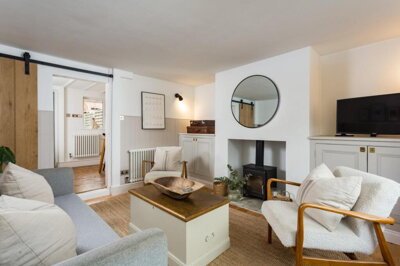
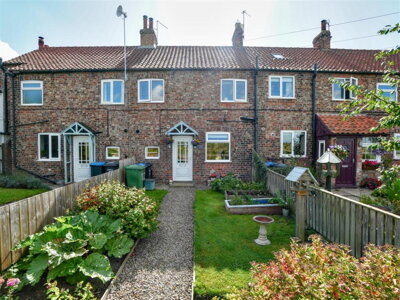
Browse 2 homes for sale in Beningbrough, North Yorkshire from local estate agents.
The 2 bed house market features detached, semi-detached, and terraced properties with two separate bedrooms plus living spaces. Properties in Beningbrough range from Victorian and Edwardian period homes to modern new builds, with pricing varying across different neighbourhoods.
£0k
0
0
0
Source: home.co.uk
Showing 0 results for 2 Bedroom Houses for sale in Beningbrough, North Yorkshire.
£595,475
Average Price
£870,000
Detached Average
£320,950
Terraced Average
+39%
Price Change (12 months)
The property market in Beningbrough and the surrounding area of Shipton by Beningbrough reflects the premium nature of this desirable North Yorkshire location. Our data shows that the average house price in the wider Shipton by Beningbrough area stands at approximately £595,475 over the last year, with prices having increased by 39% compared to the previous year. This significant growth demonstrates strong buyer demand for properties in this sought-after location, with prices also sitting 13% above the 2022 peak of £526,244. The market here attracts buyers who appreciate the combination of rural character, proximity to York, and the quality of life that North Yorkshire living provides.
Property types in Beningbrough and nearby Shipton by Beningbrough cater to various buyer requirements, from substantial detached family homes to charming terraced cottages. Detached properties in the area command the highest prices, with average values around £870,000, reflecting the premium associated with larger homes with generous gardens in this attractive setting. Terraced properties offer more accessible entry points to the local market at approximately £320,950, making them popular among first-time buyers and those seeking a smaller footprint. Historical sales data for Beningbrough Lane addresses shows strong long-term price growth, with properties like Poplar Barn selling for £663,000 in 2012, having previously sold for £414,000 in 2001, demonstrating consistent capital appreciation in this desirable location.
New build activity specifically within Beningbrough remains limited, as the village's conservation character and heritage considerations restrict major development. This scarcity of new housing supply helps maintain property values and ensures that the area retains its distinctive rural charm. Buyers seeking modern specifications may need to consider properties in nearby York or the surrounding villages, where new developments occasionally become available. The absence of significant new build stock in Beningbrough itself reinforces the value of character properties and period homes that define this exceptional village.

Life in Beningbrough offers residents a quintessential North Yorkshire village experience characterised by scenic landscapes, strong community bonds, and a pace of life that feels worlds apart from busy urban centres. The village sits within the Vale of York, a fertile plain bordered by the Yorkshire Wolds to the east and the Pennines to the west, providing residents with beautiful countryside walks and cycling routes right on their doorstep. The proximity to the River Ouse adds to the area's natural beauty, though it also means that flood risk is a consideration for some properties located near the river. The wider area is characterised by traditional red brick properties, stone walls, and hedgerows that frame the country lanes, creating an unmistakably English rural atmosphere.
The local economy in Beningbrough is influenced by several key factors that shape the character and services available to residents. Beningbrough Hall, operated by the National Trust, serves as a significant employer and cultural venue, attracting visitors throughout the year and contributing to the local tourism economy. The hall's gardens, tearooms, and gallery spaces provide residents with cultural amenities close to home, while also supporting local employment opportunities. Agriculture remains important to the local economy, with the fertile vale supporting farming operations that have shaped the landscape for generations. The proximity to York also means that residents benefit from access to the broader job market, retail offerings, and entertainment options that the historic city provides.
The village community in Beningbrough is active and welcoming, with local events and gatherings bringing residents together throughout the year. The nearby village of Shipton by Beningbrough provides additional local services including a village pub and community facilities, while the market town of Easingwold offers further amenities including shops, restaurants, and healthcare services. For larger shopping trips and entertainment, the historic city of York is easily accessible, providing access to department stores, independent boutiques, cinemas, theatres, and restaurants. The combination of village tranquility and city accessibility makes Beningbrough an ideal location for those who want the best of both worlds.

Properties in Beningbrough reflect the traditional building methods prevalent throughout North Yorkshire's Vale of York area. The predominant construction material for older properties is red brick, with examples including the historic Beningbrough Hall itself, which showcases the quality of craftsmanship associated with early 18th century building. Many homes in the village feature solid wall construction rather than modern cavity wall insulation, which has implications for thermal performance and renovation projects. Timber roof structures with slate or clay tile coverings are common, often requiring specialist knowledge for repairs and maintenance.
The local geology presents specific considerations for property owners and buyers in the Beningbrough area. The Vale of York is characterised by Quaternary deposits including glacial tills, sands, gravels, and alluvial deposits from the River Ouse. Clay-rich deposits in the subsoil create potential shrink-swell risk, particularly during periods of drought or heavy rainfall. This geological condition can affect properties with shallow foundations or those with nearby trees, potentially causing structural movement over time. Our inspectors pay particular attention to signs of subsidence or ground movement when surveying properties in this area.
Understanding the construction methods used in local properties helps buyers appreciate the maintenance requirements and potential issues they may encounter. Properties built before 1919 often feature traditional lime mortar pointing rather than modern cement, which allows the structure to breathe but requires specific repair techniques. Later properties built between 1945 and 1980 may incorporate different construction standards and materials that reflect post-war building practices. Whether you are considering a charming period cottage or a more recent addition to the village, our inspectors have the expertise to identify construction-related concerns specific to North Yorkshire properties.
Properties in Beningbrough, given their typically advanced age and traditional construction, frequently present defects that our surveyors identify during RICS Level 2 inspections. Rising damp is one of the most common issues found in period properties, caused by the failure or absence of physical damp-proof courses in older structures. Penetrating damp can also affect properties with degraded brickwork, damaged pointing, or deteriorated lead flashing around chimneys and roof junctions. Our inspectors carefully examine all damp-prone areas, including ground floor walls, bay windows, and areas behind fitted furniture.
Roofing defects represent another significant category of issues in Beningbrough properties. Slipped or missing tiles, deteriorated roofing felt, and failing lead flashings can all lead to water ingress and associated damage to timber structures. Properties with older timber roof structures may show signs of woodworm activity or fungal decay, particularly in roof voids where ventilation has been inadequate over the years. Our survey reports document all roofing concerns and provide guidance on appropriate remediation measures.
Electrical and plumbing systems in older Beningbrough properties frequently require updating to meet modern standards and safety requirements. Original wiring and pipework, while may appear functional, often falls short of current regulations and cannot support the demands of contemporary household appliances. Outdated consumer units, insufficient socket outlets, and older plumbing materials all represent areas where our inspectors recommend professional assessment and potential replacement. Budgeting for these updates is an important consideration when purchasing a period property in Beningbrough.
Education provision in and around Beningbrough serves families well, with a range of options available for children of all ages. Primary education is available at several village schools in the surrounding area, with schools in nearby settlements providing education for children from reception through to Year 6. These primary schools typically serve the local community and benefit from strong relationships with families in the surrounding hamlets and villages. Parents choosing to move to Beningbrough can expect their children to receive a good standard of education with the benefit of small class sizes and dedicated teaching staff who know their pupils well.
Secondary education options for Beningbrough residents include schools in York and the surrounding market towns, with many families choosing to send their children to schools in the city where a wider range of specialist subjects and extracurricular activities are available. The quality of secondary schools in York is well documented, with several institutions consistently achieving strong results in public examinations and offering comprehensive extracurricular programmes. Families moving to Beningbrough from larger cities often find that the quality of education available locally compares favourably, while the smaller class sizes and individual attention provide clear advantages for many children.
For families with older children, York provides excellent further and higher education opportunities, with colleges offering A-level courses and vocational qualifications across a wide range of subjects. The University of York is located within easy reach, providing higher education options for students who wish to remain close to home while pursuing undergraduate or postgraduate degrees. The presence of the university contributes to the cultural vitality of the wider York area and provides employment opportunities for local residents. Families considering schools should always verify current catchment areas and admission arrangements with North Yorkshire County Council, as these can change and may affect which schools children can access.
Transport connections from Beningbrough are excellent for a rural location, with the village benefiting from proximity to major transport routes while maintaining its peaceful character. The village sits just off the A19, one of Yorkshire's principal north-south roads, providing direct access to York to the south and Thirsk, Northallerton, and the A1(M) to the north. This road connection makes Beningbrough an ideal location for commuters who work in York but prefer rural living, with the journey to York city centre typically taking around 15-20 minutes by car. The A64 provides east-west connectivity, linking York to Leeds and the M1 motorway network beyond.
Rail services from nearby York station offer exceptional connectivity for commuters and leisure travellers alike. York railway station provides regular services to major destinations including London King's Cross, with journey times of around two hours to the capital. Edinburgh is accessible via the East Coast Main Line, while Manchester, Leeds, Newcastle, and Birmingham are all reachable with direct services. For residents of Beningbrough, York station is the nearest mainline facility, typically accessed by car or bus in around 20-30 minutes. The station has undergone significant redevelopment in recent years, providing modern facilities including retail units, cafes, and improved passenger amenities.
Local bus services connect Beningbrough with surrounding villages and York city centre, providing an alternative to car travel for those who prefer not to drive. Bus routes serving the area are designed to meet commuter needs, with services running throughout the day and into the evening. Cycling is popular in the area, with quiet country lanes providing pleasant routes for recreational cycling and commuting alike. Many residents choose to combine cycling with rail travel, parking bikes at York station before continuing their journey by train. For international travel, Leeds Bradford Airport and Robin Hood Airport Doncaster Sheffield provide connections to destinations across Europe and beyond.
Before you begin viewing properties in Beningbrough, arrange a mortgage agreement in principle with a lender. This documents how much you can borrow and demonstrates to sellers that you are a serious, financially prepared buyer.
Spend time exploring Beningbrough and the surrounding villages to understand the neighbourhood character, local amenities, and property types available. Visit at different times of day and week to get a genuine feel for the community.
Search the Homemove platform for properties for sale in Beningbrough and register with local estate agents. Set up alerts for new listings as properties in this desirable village sell quickly.
Visit properties that meet your criteria and consider a RICS Level 2 Survey for any property you seriously consider, particularly given the age of many properties in the area and potential issues like damp or subsidence.
Once you find the right property, make an offer through the estate agent. Be prepared to negotiate on price, particularly for properties that have been on the market for some time.
Appoint a conveyancing solicitor to handle the legal aspects of your purchase, conduct searches, and manage the transfer of ownership through to completion and key handover.
Properties in Beningbrough require careful consideration of several local-specific factors that may affect your purchase decision and future ownership experience. The village's proximity to the River Ouse means that flood risk should be thoroughly investigated before committing to any property, particularly those located at lower elevations or with direct river access. A RICS Level 2 Survey will assess the property's condition and can identify any signs of previous water damage or flood resilience measures that have been installed. Buyers should also check the Environment Agency flood maps and discuss flood insurance implications with their mortgage lender.
Given Beningbrough's conservation character and the presence of listed buildings in the vicinity, understanding any planning restrictions or conservation area controls is essential before purchasing. Properties within designated conservation areas may be subject to additional planning requirements for alterations, extensions, or external changes. The village's historical properties, many of which predate the twentieth century, may have traditional construction methods and materials that require specialist knowledge to maintain and repair. Buyers should budget for potential maintenance costs associated with period properties, including roof repairs, timber treatment, and updates to electrical and plumbing systems.
Building materials in Beningbrough properties typically reflect traditional North Yorkshire construction, with red brick being common for older properties alongside stone detailing and slate or tile roofing. The local geology, characterised by clay-rich soils in the Vale of York, means that properties may be susceptible to subsidence and ground movement, particularly those with shallow foundations or trees nearby. A thorough building survey will identify any signs of structural movement, cracks, or other issues that may require remediation. Energy efficiency is another consideration, as older properties may lack modern insulation standards, potentially resulting in higher heating costs and lower Energy Performance Certificate ratings.
Understanding the full costs of buying property in Beningbrough is essential for budgeting effectively and avoiding surprises during the purchase process. The primary government cost is stamp duty land tax, which applies to all property purchases above £250,000 at the standard rate. For a typical Beningbrough property priced at the area average of £595,475, a buyer would pay zero stamp duty on the first £250,000, then 5% on the remaining £345,475, totalling approximately £17,274 in stamp duty. First-time buyers may benefit from relief if the property is their first purchase, potentially reducing this cost significantly.
Beyond stamp duty, buyers should budget for solicitor conveyancing fees, which typically range from £500 to £1,500 depending on the complexity of the transaction and the property value. Local searches with North Yorkshire County Council and Ryedale District Council usually cost between £200 and £300, while optional extras such as flood risk reports or planning history searches add further modest costs. Survey costs are a crucial budget item, particularly for older properties in Beningbrough where a RICS Level 2 Survey at around £350-600 can identify defects that might not be visible during a viewing. Bank transfer fees and moving costs complete the picture of additional expenses to factor into your overall budget.
Mortgage arrangement fees should also be considered when calculating purchase costs, as lenders often charge upfront fees of 0.5-1.5% of the loan amount. Some buyers choose to add these fees to their mortgage, though this means paying interest on the fee over the life of the loan. Buildings insurance must be in place from the day of completion, and life insurance or critical illness cover is worth considering to protect your investment. By understanding all these costs upfront, buyers can approach their Beningbrough property purchase with confidence and avoid the stress of unexpected expenses during the transaction.
Average house prices in the surrounding Shipton by Beningbrough area stand at approximately £595,475 over the last year, according to property sales data. Detached properties command premium prices averaging around £870,000, while terraced properties are more accessible at approximately £320,950. Historical sales within Beningbrough itself show strong long-term price growth, with properties on Beningbrough Lane selling for significantly higher amounts than their original purchase prices. For example, Poplar Barn on Beningbrough Lane sold for £663,000 in 2012, having previously changed hands for £414,000 in 2001, demonstrating consistent capital appreciation in this desirable village location.
Properties in Beningbrough fall under Ryedale District Council, with the village also being served by North Yorkshire County Council for administrative purposes. Council tax bands range from A to H depending on the property value, with most residential properties in the village typically falling within bands C to E. Prospective buyers should check the specific band for any property they are considering, as bands affect ongoing running costs. The banding system directly influences annual council tax bills, so understanding this cost before completing a purchase helps with accurate budgeting for the total cost of homeownership in Beningbrough.
Primary schools in the surrounding villages provide education for younger children, with several good Ofsted-rated schools within easy reach of Beningbrough. Secondary education options include schools in nearby York and the market town of Easingwold, where students can access a wider range of specialist subjects and extracurricular activities. The quality of education available locally attracts many families to the area, with smaller class sizes often providing individual attention that may not be available in larger urban schools. For older students, colleges in York offer comprehensive A-level and vocational programmes, while the University of York provides higher education opportunities within reasonable commuting distance.
Beningbrough benefits from regular bus services connecting the village with York city centre and surrounding villages, making car ownership optional for some residents. York railway station, accessible by car or bus in around 20-30 minutes, provides excellent rail connections including direct services to London, Edinburgh, Manchester, and Leeds. The village's location near the A19 also provides straightforward road access to York and the wider motorway network, with the journey to York city centre typically taking just 15-20 minutes. This combination of transport options makes Beningbrough practical for commuters while maintaining its rural character.
Property in Beningbrough has demonstrated consistent capital growth, with prices in the wider area rising 39% over the past year and sitting 13% above the previous 2022 peak. The village's proximity to York, attractive rural character, and limited new housing supply support continued demand from buyers seeking character properties in a peaceful setting. Properties in conservation areas and period homes in good condition typically hold their value well, while the scarcity of available homes for sale in Beningbrough means that well-presented properties can command strong prices. The National Trust presence at Beningbrough Hall also ensures the village maintains its appeal as a desirable place to live.
Stamp duty land tax rates for 2024-25 apply 0% duty on properties up to £250,000, 5% on the portion from £250,001 to £925,000, 10% from £925,001 to £1.5 million, and 12% above £1.5 million. First-time buyers enjoy relief on properties up to £425,000, paying 5% only on amounts between £425,001 and £625,000. Given the premium prices in Beningbrough, with the average property at £595,475, most buyers should budget for stamp duty costs in the region of £17,274 at standard rates. First-time buyers purchasing at the average price point could benefit from reduced liability under the first-time buyer relief scheme.
From 4.5%
Expert mortgage advice and competitive rates for your Beningbrough property purchase
From £499
Specialist solicitors handling your property transfer in Beningbrough
From £350
Thorough property survey for homes for sale in Beningbrough
From £60
Energy performance certificate for your Beningbrough property
Properties for Sale In London

Properties for Sale In Plymouth

Properties for Sale In Liverpool

Properties for Sale In Glasgow

Properties for Sale In Sheffield

Properties for Sale In Edinburgh

Properties for Sale In Coventry

Properties for Sale In Bradford

Properties for Sale In Manchester

Properties for Sale In Birmingham

Properties for Sale In Bristol

Properties for Sale In Oxford

Properties for Sale In Leicester

Properties for Sale In Newcastle

Properties for Sale In Leeds

Properties for Sale In Southampton

Properties for Sale In Cardiff

Properties for Sale In Nottingham

Properties for Sale In Norwich

Properties for Sale In Brighton

Properties for Sale In Derby

Properties for Sale In Portsmouth

Properties for Sale In Northampton

Properties for Sale In Milton Keynes

Properties for Sale In Bournemouth

Properties for Sale In Bolton

Properties for Sale In Swansea

Properties for Sale In Swindon

Properties for Sale In Peterborough

Properties for Sale In Wolverhampton

Enter your details to see if this property is within your budget.
Loans, cards, car finance
Estimated property budget
Borrowing + deposit
You could borrow between
Typical borrowing
Monthly repayment
Est. at 4.5%
Loan-to-value
This is an estimate only. Your actual budget may vary depending on interest rates, credit history, and personal circumstances. For an accurate affordability assessment, speak to one of our free mortgage advisors.
This calculator provides estimates for illustrative purposes only and does not constitute financial advice. Your home may be repossessed if you do not keep up repayments on your mortgage. Estimates based on 4.5% interest rate, repayment mortgage. Actual rates depend on your circumstances.
Homemove is a trading name of HM Haus Group Ltd (Company No. 13873779, registered in England & Wales). Homemove Mortgages Ltd (Company No. 15947693) is an Appointed Representative of TMG Direct Limited, trading as TMG Mortgage Network, which is authorised and regulated by the Financial Conduct Authority (FRN 786245). Homemove Mortgages Ltd is entered on the FCA Register as an Appointed Representative (FRN 1022429). You can check registrations at NewRegister or by calling 0800 111 6768.

We use cookies to show you personalised content and improve your experience of our website. Find out more in our Privacy policy and Cookie policy.