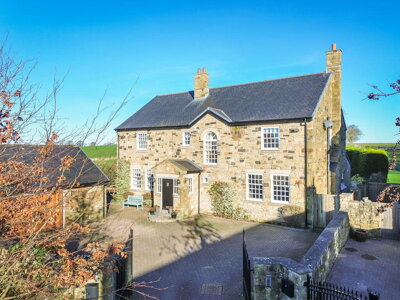
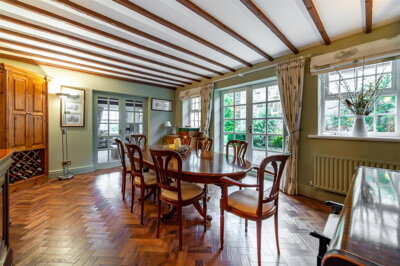
Browse 2 homes for sale in Belsay, Northumberland from local estate agents.
The larger property sector typically features multiple bathrooms, substantial reception space, and private gardens or off-street parking. Four bedroom houses in Belsay span detached, semi-detached, and occasionally terraced configurations, with styles ranging from period properties to modern executive homes.
£0k
0
0
0
Source: home.co.uk
Showing 0 results for 4 Bedroom Houses for sale in Belsay, Northumberland.
The Belsay property market is characterised by its exclusivity and limited availability, with just 53 recorded sales across recent years reflecting the village's status as a desirable but rare address. Detached properties dominate the market here, commanding an average price of £598,750 based on recent transactions, while semi-detached homes have shown remarkable strength with an 87.2% increase in median price from 2021 to 2023. The terraced sector, though smaller in volume, demonstrated healthy growth with a 25.2% increase in 2025 compared to the previous year, reaching a median price of £485,000.
New build activity in Belsay remains limited, preserving the village's historical character while creating rare opportunities for buyers seeking modern construction. The Belsay Bridge Homes development by Countylife represents an exclusive collection of just nine properties, offering 3 and 4 bedroom homes in a variety of styles including detached, semi-detached, and cottage terrace forms. These properties feature traditional materials including cut and random natural stone with natural slate roofs, blending seamlessly with the established architectural vernacular of the village while incorporating modern insulation and energy efficiency standards. We frequently advise buyers considering these new homes to arrange a snagging inspection even though the properties come with standard warranties, as catching minor defects early prevents future disputes with developers.
The market has shown resilient growth despite its small scale, with the 2025 median sale price of £485,000 representing an 8.1% increase compared to 2024. This upward trajectory reflects sustained demand for rural Northumberland property with excellent connectivity, as buyers recognise the value of combining heritage-rich surroundings with practical access to Newcastle and the wider North East economic region. We see buyers travelling from Newcastle, Durham, and even further afield to secure properties here, drawn by the combination of outstanding natural beauty and the village's unique architectural heritage centred on Belsay Hall's Greek Revival grandeur.

Belsay is a village that wears its history proudly, with architecture defined by the distinctive mellow buff sandstone that dominates its buildings and surrounding landscape. The village itself was relocated and rebuilt in the 1830s by Sir Charles Monck in a neoclassical style, creating a planned settlement of considerable architectural cohesion. This deliberate design, combined with the presence of Belsay Hall and Gardens just a short walk from the village centre, means residents live surrounded by Grade I listed heritage at every turn, from the Greek Revival grandeur of the Hall to the medieval fortifications of the Castle.
The local landscape is characterised by the fertile agricultural land of the Belsay parish, where Grade 3 soils have shaped centuries of farming activity. These fertile, acidic loams with some clay content are predominantly seasonally wet, creating the lush pastures that define the Northumbrian countryside around the village. Field boundaries throughout the area are marked by traditional stone walls constructed from locally quarried sandstone, creating the classic Northumbrian pastoral scene that has remained largely unchanged for generations. The parish encompasses approximately 518 residents according to the 2011 Census, and this tight-knit rural community maintains strong connections to traditional land management practices while embracing contemporary rural life.
The Belsay estate, spanning thousands of acres, has shaped not just the village architecture but the entire character of the surrounding countryside. Walking routes through the estate connect residents with ancient woodlands, farmland, and the remarkable formal gardens surrounding Belsay Hall, which feature grand terraces, a historic quarry garden, and an outstanding collection of plants and shrubs. The estate's history of coal, limestone, and sandstone extraction has left its mark on the landscape, with disused quarries and remnants of mining activity visible to the observant walker, adding layers of industrial heritage to the predominantly agricultural setting. Belsay Colliery operated until 1930, and the remnants of small coal seams and numerous bell pits are scattered throughout the parish, particularly north-west of Bolam Hall, providing a tangible link to the area's industrial past.
The wider parish contains several other notable historical structures beyond Belsay's famous castle and hall. Bitchfield Tower and Shortflatt Tower, both 15th-century pele towers, stand as testament to the area's medieval defensive architecture and the turbulent Border history that shaped Northumberland. These structures, together with the Grade I listed gardens at Belsay Hall, form part of an exceptional concentration of heritage assets that ensure the area's long-term preservation and desirability as a residential location.
Education provision for Belsay families centres primarily on the nearby town of Ponteland, approximately 6 miles distant, where a range of primary and secondary schools serve the wider area. Ponteland Primary School provides early years and Key Stage 1 education for younger children from Belsay and surrounding villages, while Ponteland Community Primary School offers a broader primary education in a supportive community setting. The town's secondary education needs are served by Ponteland Community High School, which provides comprehensive secondary education and has developed particular strengths in STEM subjects and creative arts. Parents should verify current catchment arrangements directly with the school, as these can change and may be particularly important for families moving to Belsay from outside the immediate area.
For families seeking alternative educational approaches, the surrounding Northumberland area offers several options including faith schools and independently operated establishments. The county's tradition of academic excellence is reflected in its grammar school provision, with schools in nearby Newcastle and Morpeth accessible to secondary-age pupils through the selective entrance process. We often speak with families relocating to Belsay who are unfamiliar with the catchment arrangements and travel distances involved, and we strongly recommend visiting schools and understanding the daily logistics before committing to a property purchase in this rural location.
Higher and further education facilities are readily accessible from Belsay, with Newcastle city centre offering the full range of university courses including those at the prestigious Newcastle University and Northumbria University. For students preferring to study closer to home, Northumberland College provides further education opportunities in nearby Kirkley Hall, offering vocational courses and apprenticeships that serve the rural economy while providing clear progression routes to higher education if desired. The practical reality for Belsay families is that secondary and sixth-form education typically involves daily travel to Ponteland or Newcastle, making this an important factor in the overall household logistics and one that families should factor into their decision-making process.
Belsay enjoys excellent strategic positioning within Northumberland, with the A696 providing direct north-south connectivity through the village connecting to the A1 trunk road at Otterburn to the north. This main road also links directly to Ponteland, approximately 6 miles south, where additional local services and amenities are available. The journey to Newcastle city centre covers approximately 14 miles, typically taking around 30 minutes by car depending on traffic conditions, making regular commuting a realistic prospect for those working in the regional capital. We find that many buyers relocating to Belsay are commuters who have calculated the door-to-door journey time and discovered it compares favourably with many suburban locations closer to Newcastle but with worse traffic congestion.
Public transport options for Belsay reflect its rural village status, with bus services providing connections to Ponteland, Newcastle, and surrounding villages. The nearest railway stations are located at Newcastle Central and Newcastle Manors, offering East Coast Main Line services to Edinburgh, London, and destinations throughout the UK. Newcastle Airport, situated approximately 15 miles from Belsay, provides international connectivity and domestic flights, while the Tyne and Wear Metro system offers rapid transit access within the Newcastle metropolitan area for those working or socialising in the city. We recommend prospective residents check current bus timetables carefully, as rural services can be infrequent and may not align with standard working hours.
For cycling enthusiasts, the rural lanes surrounding Belsay offer excellent opportunities for recreational and utility cycling, though the undulating Northumbrian landscape requires reasonable fitness for longer routes. National Cycle Network routes pass through the region, connecting Belsay to the wider cycling infrastructure of the North East. Parking provision within the village is generally adequate for residents, with property purchases typically including off-street parking, though the historic nature of some properties may impose limitations that prospective buyers should investigate during the viewing process. The historic planned village layout means that older properties sometimes have restricted parking, and this is certainly worth noting when viewing properties along the main village street.
Begin by exploring current property listings in Belsay through Homemove, reviewing available homes against your requirements and budget. Given the village's limited property availability, understanding what represents value in this specific market will help you act quickly when suitable properties become available. The average price of £440,000 provides a useful benchmark, though individual properties may vary significantly based on condition, size, and historical features. We monitor listings across all major portals and can provide alerts when new properties come to market, which is invaluable in a market with such limited supply.
Before arranging viewings, obtain a mortgage agreement in principle from a lender to confirm your borrowing capacity. Properties in Belsay range from traditional cottages to substantial period homes, and lenders will assess properties individually based on their construction, condition, and heritage status. Having your mortgage finances confirmed removes uncertainty from the buying process and positions you favourably when making offers on desirable village properties. We work with mortgage brokers who understand the rural Northumberland market and can advise on products suitable for heritage properties.
Visit properties that meet your criteria, paying particular attention to the condition of older stone-built properties and the presence of any period features. Belsay's heritage properties may require specialist surveys given their age and construction materials. Take time to explore the village, speak with residents, and assess the practical realities of daily life in this rural Northumberland location. We recommend viewing properties at different times of day and in varying weather conditions, as the character of the village and the practicalities of access can change significantly.
Given the age of many properties in Belsay, a thorough survey is essential before committing to purchase. Our inspectors frequently identify issues specific to the local construction methods, including damp in properties built from the local sandstone, deterioration of natural slate roofs, and in some cases evidence of movement related to the clay soils and historical mining activity in the parish. A RICS Level 2 Homebuyer Report will identify any structural concerns, roofing issues, damp problems, or other defects common in older properties constructed from local sandstone and featuring slate roofs. This investment from around £350 provides valuable negotiating leverage if issues are identified.
Once your offer is accepted, instruct a solicitor experienced in rural Northumberland property transactions to handle the legal work. Your solicitor will conduct searches including mining records given Belsay's history of coal extraction and numerous bell pits scattered throughout the parish, check planning permissions, and manage the transfer of ownership through to completion. We can recommend conveyancing solicitors who have experience with heritage properties and the specific issues that can arise in transactions involving Grade I listed buildings and properties within the Belsay estate context.
After satisfactory survey results and completed searches, your solicitor will arrange for contracts to be exchanged, committing you to the purchase. On completion day, the remaining funds are transferred and you receive the keys to your new Belsay home. Our team stays in touch throughout the process and can provide guidance on practical matters including utility connections, local services, and any post-completion requirements related to your specific property.
Properties in Belsay present unique considerations for prospective buyers, beginning with the prevalence of traditional construction methods and materials throughout the village. The local sandstone, distinguished by its mellow buff tone and marked ferrous deposits, defines the architectural character but requires understanding in terms of maintenance expectations. Older properties may show signs of weathering and natural movement that reflect their age and construction era, and distinguishing between acceptable patina and genuine structural concerns requires careful attention during viewings and survey assessments. Our surveyors are experienced in assessing local sandstone construction and can distinguish between the natural characteristics of the material and genuine defects requiring attention.
The geological conditions in the Belsay parish warrant particular attention given the presence of clay soils and historical mining activity. The Grade 3 fertile soils contain significant clay content and are predominantly seasonally wet, meaning properties may require particular attention to drainage and damp-proofing. Small seams of coal and numerous disused bell pits are scattered throughout the parish, particularly north-west of Bolam Hall, meaning your solicitor should commission thorough mining searches as part of the conveyancing process. Belsay Colliery operated until 1930, and properties in areas with historical extraction activity may be subject to ground movement, so a RICS Level 2 survey should carefully assess foundations and any signs of subsidence or settlement.
Planning restrictions in Belsay deserve careful investigation before purchase. The village's extraordinary concentration of Grade I listed buildings, including Belsay Castle and Belsay Hall, and its neoclassical 1830s rebuilding mean that permitted development rights may be limited or absent in certain areas. Any plans for extensions, alterations, or outbuilding development should be discussed with Northumberland County Council planning department before committing to purchase. Properties within the estate village context may also carry obligations or covenants relating to maintenance standards and use restrictions that buyers should understand fully. We always recommend asking the vendor's solicitor about any title restrictions or covenants during the conveyancing process.
Heritage considerations extend beyond planning restrictions to encompass the practical realities of owning a property within a designated heritage context. Belsay Hall recently underwent a two-year conservation project including a new roof, with the building having previously suffered from dry rot issues in the 1970s that required extensive remedial work. These historical issues demonstrate the importance of understanding the maintenance history of heritage properties in the village. If you are considering a property with significant historical features or proximity to listed structures, we recommend commissioning a specialist building survey alongside the standard RICS Level 2 report to ensure you have a complete picture of the property's condition and any heritage obligations.

The average house price in Belsay stands at approximately £440,000 based on recent transactions, with detached properties commanding higher prices averaging £598,750 and terraced homes sold at around £485,000. The market is relatively active given the village's desirability, with the 2025 median sale price of £485,000 representing an 8.1% increase compared to 2024, indicating sustained demand for this rural Northumberland address with its exceptional heritage assets and proximity to Newcastle. Given the limited supply of properties in the village, we typically see competitive situations when quality homes come to market, and buyers should be prepared to act decisively when they find suitable property.
Properties in Belsay fall under Northumberland County Council's jurisdiction for council tax purposes. Specific bands depend on individual property valuations, but typical residential properties in the village, including period stone cottages and larger detached homes, generally fall within bands D through G. The neoclassical village properties built in the 1830s by Sir Charles Monck, along with later additions using the characteristic local sandstone, tend to be valued at higher bands given their size and character. Prospective buyers should check specific properties against the Valuation Office Agency's council tax band records, which are publicly accessible and provide definitive banding information for any address in England.
Belsay itself has limited schooling provision, with primary-age children typically attending schools in nearby Ponteland approximately 6 miles away. Ponteland Primary School and Ponteland Community Primary School serve the local area at primary level, while Ponteland Community High School provides secondary education and has developed strong reputations particularly in STEM subjects and creative arts. For families seeking grammar school education, selective schools in Newcastle and Morpeth are accessible to secondary-age pupils through the selective entrance process. The daily journey to secondary school involves approximately 30 minutes each way by car, which is worth considering when evaluating the practical implications of school age children in the household.
Public transport connectivity from Belsay reflects its rural village status, with bus services providing connections to Ponteland, Newcastle, and surrounding villages on varying frequencies that may not suit regular commuting patterns. The nearest railway stations are located in Newcastle at Central and Manors, offering East Coast Main Line services to Edinburgh, London, and major UK destinations. Newcastle Airport provides international and domestic flights approximately 15 miles from the village. For daily commuting to Newcastle, car travel is the most practical option for most residents, with the journey to the city centre taking approximately 30 minutes via the A696 and A1, a route that is generally reliable outside peak holiday periods.
Belsay offers several characteristics that make it attractive for property investment, including its exceptional heritage setting centred on Grade I listed Belsay Hall and Gardens, proximity to Newcastle, and limited property supply that supports values. The village's concentration of historic properties and English Heritage management of major heritage assets ensure the area's long-term preservation and desirability. New build supply remains tightly restricted, which supports the value of existing properties. However, buyers should recognise that the rural location and limited local employment mean rental demand may be more constrained than in urban areas, and any investment should be evaluated against specific circumstances and objectives with realistic expectations about liquidity and rental yield.
Stamp Duty Land Tax applies to property purchases in England including Belsay at standard rates. You pay 0% on the first £250,000, 5% on £250,001 to £925,000, and 10% on £925,001 to £1.5 million. First-time buyers benefit from relief on the first £425,000, paying 5% between £425,001 and £625,000. Given Belsay's average price of £440,000, a typical buyer without first-time buyer status would pay approximately £9,500 in SDLT, while a first-time buyer would pay around £750 under the current relief provisions. These calculations can be complex where properties are purchased above the standard thresholds, and we recommend using the HMRC online calculator or consulting a financial adviser for precise figures on specific properties.
Yes, mining risks are a genuine consideration for property buyers in Belsay given the area's industrial heritage. Belsay Colliery operated until 1930, and small seams of coal with numerous disused bell pits are scattered throughout the parish, particularly north-west of Bolam Hall. The presence of clay soils that can shrink and swell adds to the potential for ground movement. Your solicitor should commission a mining search as part of the conveyancing process, and any survey report should carefully assess foundations and look for signs of subsidence or settlement. Properties with historical mining activity nearby may require specific insurance or warranties, and this is an area where specialist advice from a surveyor experienced in the Northumberland coalfields is particularly valuable.
When viewing properties in Belsay, pay particular attention to the condition of the local sandstone construction, which can show weathering and natural erosion that is usually cosmetic but can sometimes indicate more significant issues. Check the condition of natural slate roofs, which are common in the village and can be expensive to repair or replace. Look for signs of damp, particularly in properties where the clay soils and seasonally wet ground conditions may affect the base of walls. We recommend taking a torch and a moisture meter to viewings, and noting any musty smells or visible damp patches that might indicate moisture penetration. Given the heritage context, also check for any obvious alterations or extensions that might require planning permission or listed building consent.
From 4.5% APR
Compare mortgage rates from leading lenders
From £499
Expert property solicitors for Belsay purchases
From £350
Comprehensive homebuyer report for Belsay properties
From £80
Energy performance certificate for your new home
Purchasing a property in Belsay involves several costs beyond the purchase price, with Stamp Duty Land Tax representing the most significant additional expense for most buyers. At current 2024-25 rates, buyers pay no SDLT on the first £250,000 of a residential property purchase, 5% on the portion between £250,001 and £925,000, 10% on the next £575,000, and 12% on any amount exceeding £1.5 million. For a typical Belsay property at the village average of £440,000, a standard buyer without first-time buyer relief would pay SDLT of approximately £9,500. These thresholds and rates are subject to change, and buyers should verify current rates at the time of their purchase as the government can adjust SDLT bands at short notice.
First-time buyers enjoy enhanced SDLT relief that can significantly reduce purchase costs. The first-time buyer nil-rate threshold extends to £425,000, with 5% charged between £425,001 and £625,000. This means a first-time buyer purchasing a typical Belsay property at £440,000 would pay SDLT of just £750, representing substantial savings compared to standard rates. However, this relief is only available to buyers who have never previously owned property anywhere in the world, and the property must be your main residence. There are also restrictions on buy-to-let purchases and second homes, which attract a higher rate of SDLT including an additional 3% surcharge.
Beyond stamp duty, buyers should budget for survey costs, with a RICS Level 2 Homebuyer Report typically costing from £350 depending on property size and complexity. Given Belsay's prevalence of older stone properties with potential mining history, this survey investment is particularly valuable for identifying any structural concerns before commitment. Legal fees for conveyancing generally start from around £499 for standard transactions, though complex purchases involving planning conditions or heritage restrictions may cost more. Land Registry search fees, SDLT submissions, and removal costs complete the typical purchase budget, meaning buyers should ensure they have additional funds available beyond their mortgage deposit and purchase price. We always recommend budgeting for at least an additional 3-5% of the purchase price to cover these ancillary costs and any unexpected issues that arise during the transaction.
Properties for Sale In London

Properties for Sale In Plymouth

Properties for Sale In Liverpool

Properties for Sale In Glasgow

Properties for Sale In Sheffield

Properties for Sale In Edinburgh

Properties for Sale In Coventry

Properties for Sale In Bradford

Properties for Sale In Manchester

Properties for Sale In Birmingham

Properties for Sale In Bristol

Properties for Sale In Oxford

Properties for Sale In Leicester

Properties for Sale In Newcastle

Properties for Sale In Leeds

Properties for Sale In Southampton

Properties for Sale In Cardiff

Properties for Sale In Nottingham

Properties for Sale In Norwich

Properties for Sale In Brighton

Properties for Sale In Derby

Properties for Sale In Portsmouth

Properties for Sale In Northampton

Properties for Sale In Milton Keynes

Properties for Sale In Bournemouth

Properties for Sale In Bolton

Properties for Sale In Swansea

Properties for Sale In Swindon

Properties for Sale In Peterborough

Properties for Sale In Wolverhampton

Enter your details to see if this property is within your budget.
Loans, cards, car finance
Estimated property budget
Borrowing + deposit
You could borrow between
Typical borrowing
Monthly repayment
Est. at 4.5%
Loan-to-value
This is an estimate only. Your actual budget may vary depending on interest rates, credit history, and personal circumstances. For an accurate affordability assessment, speak to one of our free mortgage advisors.
This calculator provides estimates for illustrative purposes only and does not constitute financial advice. Your home may be repossessed if you do not keep up repayments on your mortgage. Estimates based on 4.5% interest rate, repayment mortgage. Actual rates depend on your circumstances.
Homemove is a trading name of HM Haus Group Ltd (Company No. 13873779, registered in England & Wales). Homemove Mortgages Ltd (Company No. 15947693) is an Appointed Representative of TMG Direct Limited, trading as TMG Mortgage Network, which is authorised and regulated by the Financial Conduct Authority (FRN 786245). Homemove Mortgages Ltd is entered on the FCA Register as an Appointed Representative (FRN 1022429). You can check registrations at NewRegister or by calling 0800 111 6768.

We use cookies to show you personalised content and improve your experience of our website. Find out more in our Privacy policy and Cookie policy.