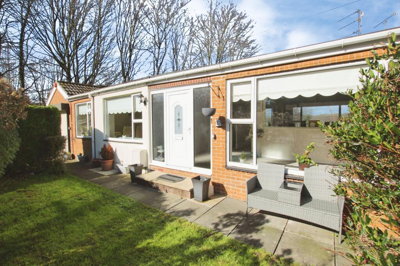
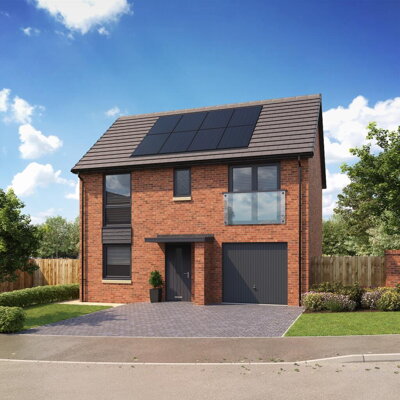
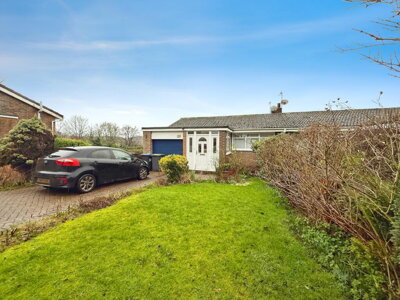
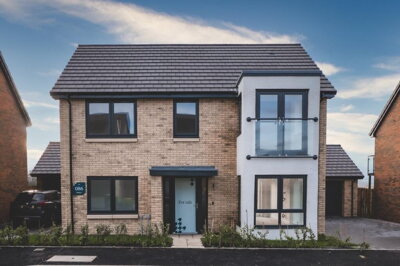
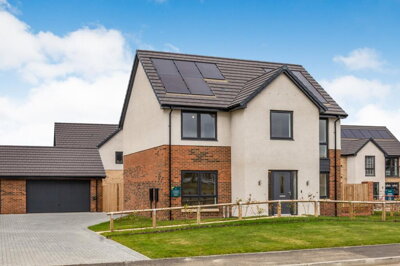
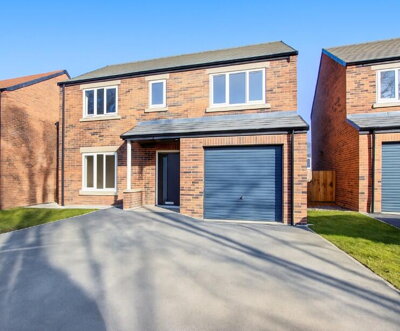
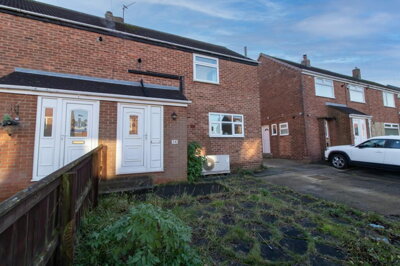
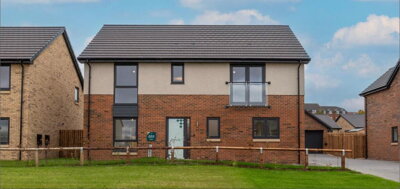
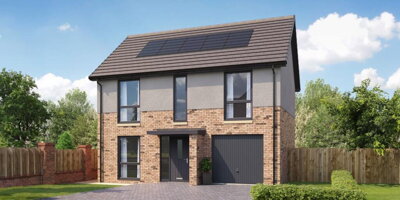
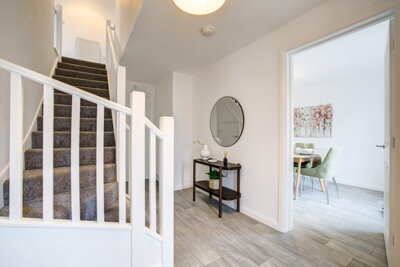
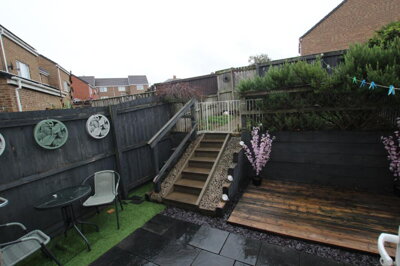
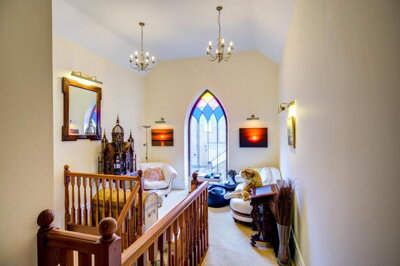
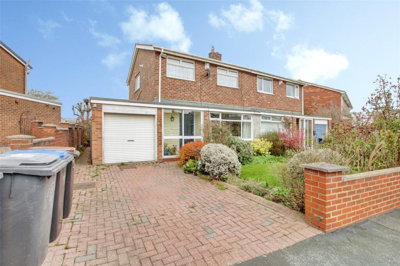
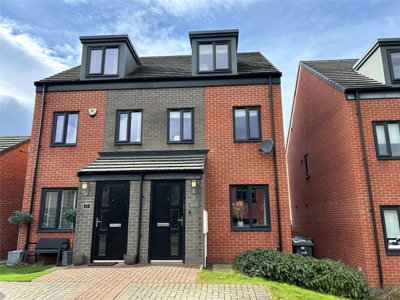
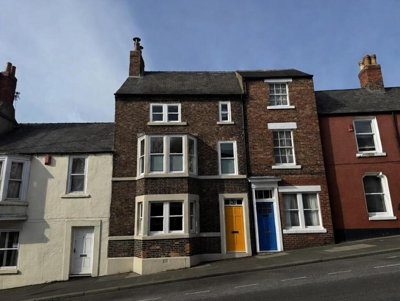
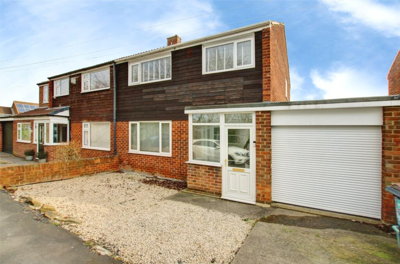
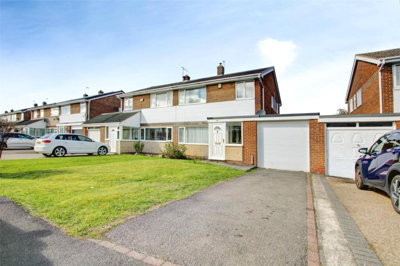
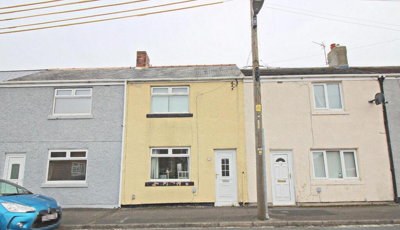
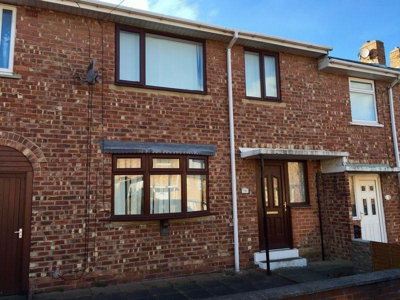
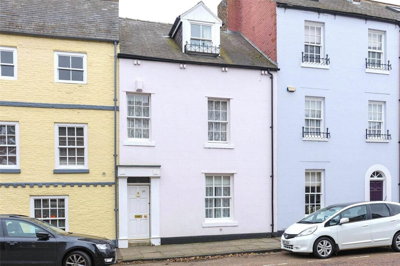
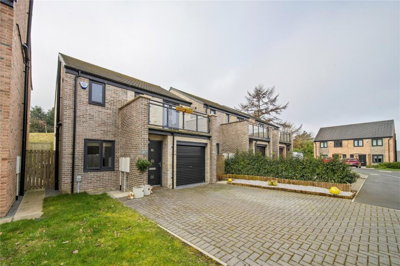
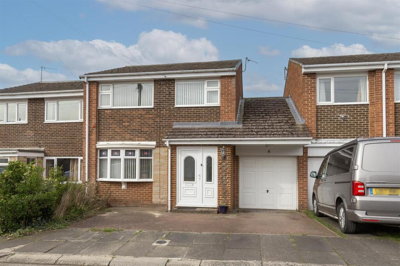
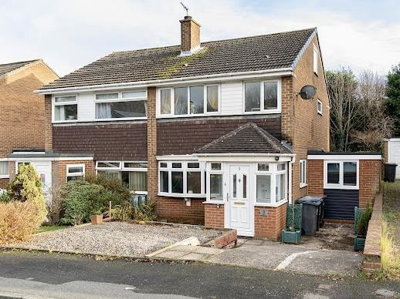
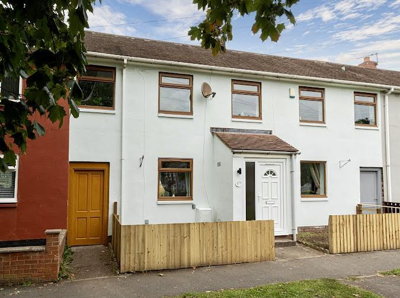
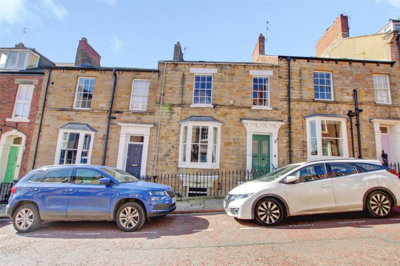
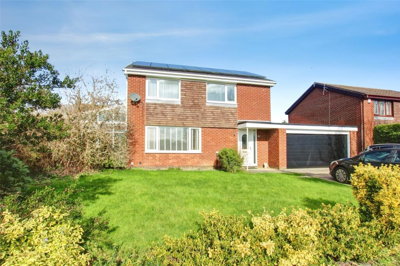
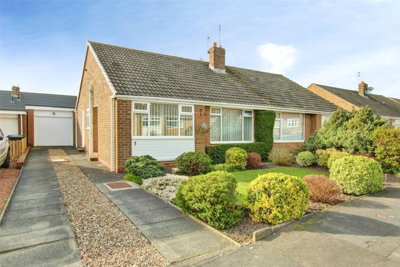
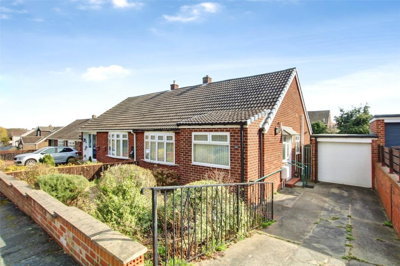
Browse 298 homes for sale in Belmont, County Durham from local estate agents.
The Belmont property market offers detached, semi-detached, and terraced houses spanning various price ranges and neighbourhoods. Each listing includes detailed property information, photographs, and direct contact with the marketing agent.
£250k
42
4
89
Source: home.co.uk
Showing 42 results for Houses for sale in Belmont, County Durham. 4 new listings added this week. The median asking price is £249,998.
Source: home.co.uk
Semi-Detached
25 listings
Avg £238,910
Detached
13 listings
Avg £602,611
Terraced
4 listings
Avg £125,000
Source: home.co.uk
Source: home.co.uk
The Belmont property market within the DH1 postcode area has demonstrated steady activity, with approximately 860 properties recorded across the area on property listings platforms. The average sold price of £191,997 positions Belmont competitively within the North East regional market, offering buyers access to properties at a notably lower average cost than comparable suburban locations in neighbouring areas. This price point makes Belmont particularly attractive to first-time buyers and those seeking more space for their money compared to urban centres.
Property types in Belmont and surrounding County Durham typically include a mix of traditional terraced houses, semi-detached family homes, and detached properties, with occasional bungalows providing options for those seeking single-level accommodation. The housing stock reflects the area's evolution from a traditional village into an established residential suburb, with properties ranging from older terraced housing built during the early-to-mid twentieth century expansion periods to more contemporary developments. Buyers will find that many properties along the village's established roads offer generous plot sizes compared to newer urban developments, providing outdoor space that appeals to families and gardeners alike.
The relative affordability of Belmont within the DH1 postcode makes it stand out when compared to surrounding areas. While Durham city centre commands significantly higher prices for comparable property types, Belmont offers similar access to urban amenities at a fraction of the cost. This price differential has driven sustained demand from buyers who work in Durham but prefer the lifestyle benefits of village living, creating a stable market that tends to attract both owner-occupiers and investors seeking tenants drawn to the area's commuting connectivity.
For buyers considering investment opportunities, the Belmont market presents particular appeal due to its tenant demographic. Professionals working in Durham city, NHS staff from the University Hospital, and university employees consistently seek rental accommodation in areas like Belmont where transport connections make commuting straightforward. The village's position near the A1(M) also attracts renters working across the wider North East region, supporting demand for quality rental properties throughout the year.

Belmont, County Durham, occupies a distinctive position as a village that has retained its community identity while benefiting from excellent connectivity to the wider region. The settlement forms part of the fringe of Greater Durham, offering residents a quieter lifestyle than the city centre while maintaining easy access to urban amenities. Local facilities include convenience shops, traditional pubs serving food, and recreational areas where residents gather throughout the year for community events and seasonal celebrations.
The demographic profile of Belmont reflects the broader appeal of the North East for families, professionals, and retirees alike. The area attracts those who appreciate the combination of rural village charm with the security of being within a short distance of a major city. Residents enjoy access to Durham's cultural attractions including its UNESCO World Heritage Site cathedral and castle, regular markets, and vibrant independent food and drink scene. The city centre hosts regular events throughout the year, from the Durham Miners Gala to Christmas markets, providing entertainment options that draw residents from surrounding villages including Belmont.
Weekend activities are well catered for, with countryside walks in the surrounding County Durham landscape, visits to nearby Beamish Museum, and easy journeys to the coast at Durham's seaside connections. The area benefits from excellent access to public rights of way and scenic routes through the Durham countryside, making it popular with walkers and outdoor enthusiasts. For family days out, the wider County Durham area offers attractions ranging from historic castles and gardens to modern leisure facilities, ensuring that residents of Belmont never run out of options for recreation and exploration.
Community life in Belmont centres on local facilities including the village hall, churches, and playing fields that host regular activities for all ages. The sense of belonging that comes with village living remains strong in Belmont, with many residents having lived in the area for decades and new arrivals quickly integrated into community networks. This welcoming atmosphere contributes significantly to the quality of life in Belmont, making it a destination that buyers consistently rank highly when considering relocation to the Durham area.
Education provision in Belmont and the surrounding Durham area serves students across all age groups, with primary schools in the locality feeding into secondary schools serving the broader catchment area. Parents considering a move to Belmont will find several established educational establishments within easy commuting distance, making the area particularly popular with families seeking a village environment without compromising on schooling options. The presence of Durham University in the nearby city centre also provides further and higher education opportunities for older students.
Primary education in Belmont itself and the immediate surrounding area includes several schools that have built strong reputations for academic achievement and pastoral care. These schools typically serve catchments that include the village of Belmont, with many children walking or cycling to school thanks to the compact nature of the settlement. Parents value the community atmosphere found in local primary schools, where staff know families personally and older pupils often mentor younger children through buddy systems and collaborative projects.
Secondary education in the Belmont area is complemented by the excellent grammar school system operating in County Durham, with selective schools available for academically able students. These institutions consistently achieve strong examination results and attract students from across the wider area. Admission to grammar schools requires passing the Durham entrance assessment, which children typically sit in their final year of primary school, and preparation for this assessment is available through local tuition centres and resources accessible to Belmont families.
For families prioritising educational outcomes, Belmont's position within the Durham school catchment provides access to some of the region's most sought-after educational establishments, with reasonable journey times from the village to various options across the authority area. The comprehensive transport links serving Belmont mean that parents have genuine choice between schools, rather than being limited to their immediate vicinity. This flexibility is particularly valued by families who may have specific requirements or preferences regarding school ethos, curriculum emphasis, or extracurricular activities.
Transport connectivity ranks among Belmont's strongest attributes, with the village benefiting from proximity to the A1(M) motorway that provides direct access to Newcastle to the north and York and Leeds to the south. This strategic road position makes Belmont particularly attractive to commuters who work across the North East region or travel regularly to destinations further afield. The journey time to Newcastle city centre is typically under 30 minutes by car, opening up employment opportunities across the region.
Public transport options from Belmont include regular bus services connecting the village to Durham city centre, where passengers can access Durham railway station. The station offers direct rail connections to major destinations including London King's Cross, Edinburgh, Birmingham, and Bristol, with journey times to London taking approximately three hours. This combination of road and rail connectivity positions Belmont as an excellent base for commuters who need access to multiple employment centres while preferring the lifestyle benefits of village living. Local bus services also provide connections to surrounding towns including Chester-le-Street and Stanley.
For residents who work in Durham city centre, the commute from Belmont is straightforward with multiple bus routes operating throughout the day. Many commuters choose to drive to one of the park and ride sites on the outskirts of Durham, where they can leave their vehicles and complete their journey into the city centre by bus. This approach avoids city centre parking costs while maintaining the convenience of door-to-door travel from Belmont. The nearby University Hospital of Durham is also easily accessible from Belmont, making the area popular with NHS staff seeking more affordable housing than Durham city centre offers.
Those travelling further afield for work will appreciate the excellent motorway access provided by the nearby A1(M). This major arterial route connects Belmont to the wider national road network, facilitating travel to major employment centres in the North East and beyond. The port of Tyneside and Newcastle Airport are both accessible within approximately 45 minutes drive, making international travel feasible for business commuters and holidaymakers alike.
Spend time exploring Belmont and surrounding villages to understand the local property market, available amenities, and neighbourhood characteristics. Visit at different times of day and speak to residents to gain authentic insight into daily life in the area. Use online resources to explore the DH1 postcode, check local school performance data, and familiarise yourself with typical property prices for different types of homes in Belmont.
Before viewing properties, obtain a mortgage agreement in principle from a lender. This demonstrates your purchasing capability to estate agents and sellers, strengthening your position when making offers on properties in Belmont. Having your finances arranged also helps you set realistic budgets and act quickly when you find a suitable property in this competitive market.
Use Homemove to browse available properties in Belmont, County Durham. Schedule viewings of homes that match your requirements and budget, taking notes on condition, location within the village, and any questions about tenure or history. Take photographs during viewings to help compare properties later, and don't hesitate to attend second viewings of properties that particularly appeal to you.
Once you find your ideal property, submit an offer through the estate agent. Be prepared to negotiate on price and terms, particularly for properties that have been on the market for some time or where similar properties are available. Your offer should reflect current market conditions in the DH1 postcode area, recent comparable sales in Belmont, and any issues identified during your viewing.
Instruct a RICS Level 2 survey to assess the property's condition and identify any defects that may require attention or negotiation before completing the purchase. Given the age profile of much of Belmont's housing stock, including properties built during the twentieth century expansion periods, a professional survey can reveal issues that might not be apparent during a standard viewing. The survey cost represents a worthwhile investment that can save significant money by identifying problems before you commit to purchase.
Appoint a conveyancing solicitor to handle the legal aspects of your purchase, including searches, contracts, and registration of ownership with the Land Registry. Your solicitor will also deal with the mortgage lender's requirements and ensure that all documentation is in order before you proceed to completion. For properties in the DH1 postcode area, local solicitors often have valuable knowledge of Belmont and the surrounding County Durham area.
Finalise your mortgage, pay stamp duty, and arrange building insurance before completing your purchase and receiving the keys to your new Belmont home. On completion day, your solicitor will transfer the remaining purchase funds to the seller's solicitor, and you can collect your keys from the estate agent. Congratulations on your new home in Belmont.
Property buyers considering Belmont should investigate the tenure of any property under offer, as residential properties in County Durham include both freehold houses and leasehold flats. Understanding the terms of any lease, including remaining duration, ground rent obligations, and service charge costs, is essential for making an informed purchasing decision. Freehold properties typically offer fewer ongoing financial obligations beyond council tax and utility costs, though some properties may have shared ownership arrangements that require careful consideration.
Given that much of the housing stock in the Belmont area dates from the twentieth century expansion periods, buyers should pay particular attention to the condition of roofs, windows, and building foundations when viewing properties. Older properties may require updating of electrical systems, plumbing, or insulation standards. Look for signs of damp, particularly in properties with solid walls rather than cavity construction, and check the condition of any outbuildings or garages that form part of the sale.
Properties in the DH1 postcode area may have been affected by past mining activity in County Durham, and buyers should investigate whether any searches are recommended for their specific property. While Belmont itself is not in a designated coal mining risk area, thorough surveys can identify any subsidence issues or other concerns related to the underlying geology of the region. Your solicitor can advise on which local authority searches are appropriate for properties in this area.
Commissioning a thorough RICS Level 2 survey before completing any purchase provides professional assessment of the property's condition and helps identify issues that might require remediation or price negotiation. The survey report will flag any defects discovered during the inspection, ranging from minor maintenance issues to more significant structural concerns. This information proves invaluable when negotiating the final purchase price or arranging for repairs before completion, protecting your investment in your new Belmont home.
The average sold price for properties in Belmont, County Durham, is £191,997 based on recent sales data in the DH1 postcode area. This figure reflects a diverse range of property types and sizes, with terraced houses and smaller semis typically selling below this average while larger detached properties command higher prices. The relatively affordable average price compared to national figures makes Belmont an attractive option for buyers seeking value in the North East. Properties in Belmont generally offer more square footage per pound than comparable homes in nearby Durham city or major regional centres, which explains the sustained demand from buyers at various price points.
Properties in Belmont fall under Durham County Council's jurisdiction for council tax purposes. Bands range from A through to H, with the majority of standard residential properties in the area falling within bands A to C, reflecting typical property values in the DH1 postcode area. Prospective buyers can verify the specific band of any property through the Valuation Office Agency website or by requesting this information during the conveyancing process. Council tax bills in County Durham remain competitive compared to many other parts of the country, contributing to the overall affordability of living in Belmont. Monthly payments for a band B property in the DH1 area are typically significantly lower than equivalent properties in the south of England.
Belmont and the surrounding Durham area offer good educational provision across all levels. Primary schools in the locality serve younger children, with secondary schools in the wider catchment area providing strong academic and vocational pathways. County Durham operates a selective grammar school system, and students from Belmont can access these schools with appropriate assessment results. The nearby Durham University also provides higher education opportunities for older students remaining in the area. Parents should research individual school performance data through government league tables and consider visiting schools directly when deciding on a property purchase, as school catchments can influence property values and long-term desirability in residential areas like Belmont.
Belmont benefits from regular bus services connecting the village to Durham city centre, with additional routes serving surrounding towns including Chester-le-Street and Stanley. Durham railway station provides mainline rail connections to London, Edinburgh, and major UK cities, with Belmont residents typically accessing the station via the regular bus services or by car. The nearby A1(M) motorway offers direct road connections to Newcastle, Sunderland, and points south. For commuters working in Durham city, the bus journey from Belmont typically takes 20-30 minutes depending on traffic conditions, while those driving can reach the city centre in under 15 minutes. The excellent connectivity makes Belmont particularly suitable for buyers who work in the city but prefer residential conditions away from urban density.
Belmont offers several characteristics that appeal to property investors, including its relative affordability compared to nearby Durham city and major employment centres. The village's transport connectivity supports strong rental demand from commuters and professionals working across the North East region. The presence of major employers including Durham University, the University Hospital, and various businesses in the surrounding area creates a consistent pool of potential tenants seeking quality rental accommodation. First-time buyer activity in the DH1 postcode area also suggests healthy demand from purchasers who may eventually become landlords, providing potential for capital growth as properties appreciate over time.
Stamp duty land tax applies to purchases in Belmont according to standard UK thresholds. Properties up to £250,000 attract zero stamp duty, with purchases between £250,001 and £925,000 charged at 5 percent on the portion above £250,000. Higher value properties incur 10 percent on amounts between £925,001 and £1.5 million, and 12 percent on any portion exceeding £1.5 million. First-time buyers may benefit from relief on purchases up to £425,000. For a property at the Belmont average price of £191,997, both first-time buyers and those purchasing additional properties will pay no stamp duty, making the purchase exceptionally cost-effective from a tax perspective compared to properties in higher value areas.
The Belmont property market offers a variety of housing types to suit different buyer requirements and budgets. Traditional terraced houses represent a significant portion of the housing stock, particularly in the older parts of the village established during the early twentieth century. Semi-detached properties, often built with generous gardens and driveways, provide popular family accommodation that appeals to buyers seeking more space than terraced housing offers. Detached homes in Belmont range from modest bungalows to larger executive properties, with prices varying considerably based on size, condition, and specific location within the village. Newer developments in and around the DH1 postcode area have added contemporary options including modern apartments and newly built houses for buyers preferring modern construction standards and energy efficiency.
From 4.5%
Compare mortgage rates from leading lenders to find the best deal for your Belmont property purchase
From £499
Expert conveyancing solicitors to handle your legal work from offer through to completion
From £350
Professional property survey to identify defects before you buy in Belmont
From £60
Energy performance certificate required for all property sales
Beyond your mortgage deposit, budgeting for additional purchase costs is essential when buying property in Belmont. These costs typically include stamp duty land tax, solicitor and conveyancing fees, survey costs, and various administrative charges including land registry fees and search fees. For a property at the Belmont average price of £191,997, a first-time buyer would pay no stamp duty under current thresholds, while a subsequent buyer would also benefit from the zero-rate band up to £250,000, making the purchase exceptionally cost-effective from a stamp duty perspective.
Solicitor fees for conveyancing in the Belmont area typically start from around £499 for standard transactions, with more complex purchases involving leasehold properties or additional searches attracting higher charges. Additional legal costs may include bankruptcy searches, Land Registry fees for registering your ownership, andTelegraphic transfer fees charged by banks for moving funds. Your solicitor will provide a detailed quote before commencing work, allowing you to budget accurately for these essential costs.
A RICS Level 2 survey typically costs from £350 depending on the property size, providing valuable protection against discovering significant defects after purchase. Given the age of many properties in Belmont, particularly those built during the twentieth century expansion of the village, a professional survey can identify issues with roofing, damp penetration, electrical systems, or structural elements that might not be apparent during a standard viewing. The investment in a survey can save thousands of pounds by highlighting problems before you commit to purchase, and the survey report provides useful leverage when negotiating the final price.
Building insurance must be in place from the point of completion, and buyers should also budget for moving costs and any immediate repairs or furnishings needed for their new home. Additional costs to consider include mortgage arrangement fees, valuation fees charged by your lender, and removals expenses. Planning your budget thoroughly before starting your property search helps ensure that you have funds available for all associated costs when you find your ideal home in Belmont.
Properties for Sale In London

Properties for Sale In Plymouth

Properties for Sale In Liverpool

Properties for Sale In Glasgow

Properties for Sale In Sheffield

Properties for Sale In Edinburgh

Properties for Sale In Coventry

Properties for Sale In Bradford

Properties for Sale In Manchester

Properties for Sale In Birmingham

Properties for Sale In Bristol

Properties for Sale In Oxford

Properties for Sale In Leicester

Properties for Sale In Newcastle

Properties for Sale In Leeds

Properties for Sale In Southampton

Properties for Sale In Cardiff

Properties for Sale In Nottingham

Properties for Sale In Norwich

Properties for Sale In Brighton

Properties for Sale In Derby

Properties for Sale In Portsmouth

Properties for Sale In Northampton

Properties for Sale In Milton Keynes

Properties for Sale In Bournemouth

Properties for Sale In Bolton

Properties for Sale In Swansea

Properties for Sale In Swindon

Properties for Sale In Peterborough

Properties for Sale In Wolverhampton

Enter your details to see if this property is within your budget.
Loans, cards, car finance
Estimated property budget
Borrowing + deposit
You could borrow between
Typical borrowing
Monthly repayment
Est. at 4.5%
Loan-to-value
This is an estimate only. Your actual budget may vary depending on interest rates, credit history, and personal circumstances. For an accurate affordability assessment, speak to one of our free mortgage advisors.
This calculator provides estimates for illustrative purposes only and does not constitute financial advice. Your home may be repossessed if you do not keep up repayments on your mortgage. Estimates based on 4.5% interest rate, repayment mortgage. Actual rates depend on your circumstances.
Homemove is a trading name of HM Haus Group Ltd (Company No. 13873779, registered in England & Wales). Homemove Mortgages Ltd (Company No. 15947693) is an Appointed Representative of TMG Direct Limited, trading as TMG Mortgage Network, which is authorised and regulated by the Financial Conduct Authority (FRN 786245). Homemove Mortgages Ltd is entered on the FCA Register as an Appointed Representative (FRN 1022429). You can check registrations at NewRegister or by calling 0800 111 6768.

We use cookies to show you personalised content and improve your experience of our website. Find out more in our Privacy policy and Cookie policy.