Browse 1 home for sale in Belford, Northumberland from local estate agents.
The 2 bed flat sector typically includes two separate bedrooms, dedicated living areas, and bathroom facilities. Properties in Belford span purpose-built blocks, converted period houses, and modern apartment complexes on various floors.
£0k
0
0
0
Source: home.co.uk
Showing 0 results for 2 Bedroom Flats for sale in Belford, Northumberland.
The Belford property market presents compelling opportunities for buyers at various price points. Current data shows an overall average house price of approximately £222,444, according to Rightmove, with Zoopla recording figures around £233,000 to £235,000 for the NE70 postcode area. These figures represent a notable market correction, with prices falling 26% from the previous year and 29% down from the 2008 peak of £312,094. For buyers entering the market now, this adjustment creates potential value opportunities that haven't existed in over a decade. The village has experienced price volatility on certain streets, with West Street showing a 31% year-on-year decline from its 2023 peak of £350,000, while South Road properties have proven more resilient with just a 7% decline from their 2012 peak of £270,000.
Property types in Belford cater to diverse requirements and budgets. Detached properties average around £260,000, offering generous space for families who need room to grow and often benefiting from larger gardens that take advantage of the village's semi-rural setting. Semi-detached homes present excellent value at approximately £176,500, making them popular among first-time buyers and those downsizing from larger properties. Terraced properties, including the charming stone cottages that line the village's historic streets such as Church Street and West Street, average £201,667. The market also includes premium properties, such as individual sales like East Pavilion at Belford Hall which sold for £550,000 in June 2022, demonstrating that character properties with heritage appeal command significant premiums in this desirable village location.
The housing stock in Belford reflects its rich history, with many buildings dating from the post-medieval period, particularly the mid-18th century when the village prospered from woollen factories, tanneries, collieries, and lime kilns. This historical legacy means that a significant proportion of properties in the conservation area are over 200 years old, constructed using traditional methods with thick sandstone walls and solid construction techniques that have stood the test of time. Buyers should understand that older properties may require more maintenance than modern equivalents, but they also offer character and solidity that newer homes often cannot match.

New build development has brought fresh options to the Belford housing market in recent years. South Meadows, developed by Ida Homes, represents one of the most significant new communities in the area. Located just a five-minute walk from Belford High Street, this development offers 2, 3, 4, and 5-bedroom houses and bungalows with prices ranging from £380,000 to £615,000. Properties at South Meadows feature contemporary construction methods including timber frames, energy-saving technology, solar panels, and air source heat pumps. These homes appeal to buyers seeking modern comfort combined with easy access to village amenities, and the development has been positioned between Sunnyhills Farm Shop and South Meadows Caravan Park to take advantage of the village's existing infrastructure.
The NB Clark development added 90 new build homes to the village heart, offering additional houses and bungalows in the old coaching village centre. This substantial addition to the local housing stock has helped meet what Ida Homes describes as "a proven need for more high-quality homes in Northumberland." For those drawn to conversions and character properties, North Farm Steading at nearby Warenford offers six stone-built cottages from £360,000. These properties demonstrate the continued interest in quality housing in the Belford area, with developers responding to demand from buyers who appreciate the blend of traditional aesthetics with modern specifications. The proximity of Warenford to Belford means residents can enjoy the hamlet's peaceful character while still having easy access to Belford's village centre amenities.
When considering new build properties in Belford, buyers should factor in the premium for modern specifications and energy efficiency against the character of older village properties. New homes at South Meadows benefit from contemporary insulation standards and renewable energy systems that can significantly reduce ongoing utility costs. However, traditional sandstone properties, while potentially requiring more maintenance, offer the solid construction quality that was standard before modern building regulations, with thick walls providing natural thermal mass and excellent durability. Your choice will depend on whether you prioritise modern convenience or traditional character in your new home.

Life in Belford centres around its conservation area, where the historic village unfolds around stone-fronted buildings and traditional architecture that reflect its coaching village heritage. The village maintains a sustainable character with excellent local amenities despite its modest size of around 1,314 residents. Belford's historic prosperity emerged in the mid-18th century when woollen factories, tanneries, collieries, and a large lime kiln drove the local economy. Today, the village has reinvented itself as a thriving community that attracts professionals, families, and retirees drawn to its quality of life and strategic position halfway between Alnwick and Berwick-upon-Tweed. The local economy benefits significantly from tourism, with visitors exploring the nearby attractions of Bamburgh Castle, Holy Island, and the stunning Northumberland coast that lies just four kilometres east of the village.
The village offers practical everyday amenities including a selection of shops, pubs, and essential services. Sunnyhills Farm Shop provides locally sourced produce, reinforcing the area's agricultural heritage and commitment to quality food that appeals to residents who value knowing where their food comes from. The surrounding Northumbrian landscape offers exceptional outdoor opportunities, with coastal walks along the nearby beaches, country lanes perfect for cycling, and rolling farmland creating an enviable backdrop for daily life. The village's position near the A1 ensures easy connectivity to larger towns while maintaining its peaceful village atmosphere that residents cherish. Community events and local traditions help foster the strong sense of belonging that residents frequently cite as a reason for choosing Belford as their home.
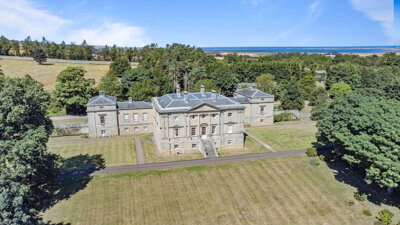
Belford's architectural heritage is evident throughout the conservation area, where approximately 48 listed buildings create a built environment of significant historical interest. Belford Hall, a Grade I listed building within Grade II registered parkland, stands as the village's most significant heritage asset. The Post Office on Church Street exemplifies the quality of traditional Northumbrian architecture, built in mid-19th century limestone ashlar with a Welsh slate roof and brick chimneys. Properties throughout the main streets, including High Street, Church Street, West Street, and those near St Mary's churchyard, reflect the village's historical importance and create the attractive streetscape that makes Belford such a desirable place to live. The Watch House near St Mary's churchyard is among the Grade II listed buildings that contribute to the village's protected character.
Education provision in Belford serves families with children of all ages, with the village home to a well-regarded primary school. Belford Primary School provides education for children from reception through to Year 6, giving families the convenience of local schooling without the need to travel to larger towns. The school benefits from its small class sizes and dedicated teaching staff who know each pupil individually, creating an environment where children can receive personal attention that may be harder to achieve in larger urban schools. Parents frequently cite the nurturing environment and strong community ties at Belford Primary as major factors in their decision to move to the village. The intimate scale of the school means that teachers can adapt their teaching approaches to suit each child's learning style and developmental needs.
For secondary education, pupils typically travel to schools in nearby towns such as Alnwick or Berwick-upon-Tweed, both of which offer a selection of secondary schools and sixth form colleges. The journey times to these schools are manageable from Belford, with the A1 providing a direct route to both towns. Alnwick Academy provides secondary education with strong academic and vocational programmes, while The King's School in Berwick-upon-Tweed offers secondary education through to A-levels. Parents should research specific school admissions criteria and catchment areas, as these can influence property values and availability significantly in this popular village. The travel involved in secondary education is considered worthwhile by many families who appreciate the primary school provision within the village itself.
Several independent schools in the region provide additional educational options for families seeking alternative approaches. The area attracts families specifically for its educational environment, with the combination of good local schools and the broader cultural offerings of Northumberland creating a well-rounded upbringing for children. Further education opportunities are readily accessible in the nearby market towns, with colleges and training providers offering diverse vocational and academic courses. When purchasing property in Belford, families should verify current school Ofsted ratings and admissions policies, as these details can impact both educational outcomes and the long-term value of your investment in the property. The investment in a Belford home often proves worthwhile given the quality of life the village offers alongside its educational provision.
Belford enjoys excellent connectivity despite its village setting, making it practical for commuters and those who need to travel regularly. The village sits directly on the A1 trunk road, providing a direct route north to Edinburgh and south towards Newcastle upon Tyne. This main road connection transforms what might seem like a remote location into a surprisingly accessible place to live. The journey to Newcastle takes approximately one hour by car, while Edinburgh is reachable in around 90 minutes. The A1 also connects Belford to the nearby towns of Alnwick (20 minutes) and Berwick-upon-Tweed (25 minutes), ensuring that everyday amenities and services are never far away. The strategic position of Belford on this major arterial route has been a key factor in the village's sustained popularity with buyers who need to commute but want to enjoy rural living.
Rail connections add another dimension to Belford's accessibility. The East Coast mainline railway passes nearby, with Berwick-upon-Tweed station offering regular services to major cities including London, Edinburgh, and Newcastle. From Berwick station, London King's Cross is reachable in under four hours, making day trips to the capital entirely feasible for business or leisure. The station also provides connections to Newcastle Central station, opening up the full range of services available in the regional capital. Local bus services connect Belford with surrounding villages and towns, providing essential transport for those without cars and enabling residents to access services without relying solely on private vehicles. The bus routes linking Belford to Alnwick and Berwick-upon-Tweed complement the rail services from Berwick station.
For cycling enthusiasts, the quiet country lanes and coastal routes offer exceptional opportunities for recreational cycling and commuting by bike. The flat terrain around Belford makes cycling accessible for most abilities, while the coastal routes provide stunning scenery as you cycle towards Bamburgh or Holy Island. Newcastle International Airport, reachable in approximately one hour, provides domestic and international flights for business and leisure travel further afield. The combination of road, rail, and air connectivity makes Belford a practical choice for those who need to maintain connections with larger cities while enjoying the benefits of village life. Many residents find that the relatively short journey times to major cities compare favourably with the commute times experienced by those living in the outer suburbs of those same cities.
Before viewing any properties, obtain a mortgage agreement in principle from a lender. This confirms your budget and demonstrates to sellers that you are a serious buyer. In Belford's competitive market, having your finances arranged gives you a significant advantage when you find the right property. Speak to a mortgage broker who understands the local market, as they can often find competitive deals suitable for properties in rural Northumberland. The average property price in Belford of around £222,444 means that many buyers will be looking at properties below the current stamp duty threshold, potentially saving thousands in purchase costs.
Spend time exploring Belford at different times of day and on various days of the week. Visit the village centre, check local amenities, and understand the specific characteristics of different neighbourhoods within the village. Consider factors such as proximity to the A1 and associated traffic noise, flood risk areas near the Belford Burn, and the implications of living within the conservation area with its 48 listed buildings. Explore the local geology south of the village where Carboniferous sandstones and shales predominate, and understand how this might affect property foundations. The village's position four kilometres inland also means some areas may have coastal exposure to consider.
Work with local estate agents to arrange viewings of properties that match your criteria. In Belford, properties range from traditional sandstone cottages on streets like Church Street and West Street to modern new builds at South Meadows and conversions like North Farm Steading. Take notes during viewings and don't hesitate to revisit properties before making an offer. Pay particular attention to the construction materials used, as older properties will typically feature sandstone or limestone walls with traditional lime mortar pointing, while newer properties may use different construction methods.
Once your offer is accepted, commission a RICS Level 2 survey before completion. Given Belford's wealth of older and listed properties, a thorough survey is essential to identify any structural issues, damp problems, or needed repairs. Common defects in local properties include dampness caused by inappropriate modern materials, roof deterioration on older slate-covered structures, and potential issues with drainage systems. Survey costs typically range from £400 to £1,000 depending on property value and complexity. For the many listed buildings in the village, a more detailed Level 3 survey may be appropriate given the specialist requirements for heritage properties.
Choose a conveyancing solicitor to handle the legal aspects of your purchase. They will conduct local searches, check flood risk and drainage, and ensure the property's title is clean. In Belford, searches should specifically investigate the village's Natural Flood Management Scheme, any historical mining activity in the area south of the village, and planning constraints related to the conservation area designation. Properties near the Belford Burn may have specific drainage considerations that your solicitor should investigate thoroughly. Your solicitor should also verify compliance with any planning conditions that may affect the property.
Your solicitor will guide you through the exchange of contracts, after which you are legally committed to the purchase. On completion day, you will receive the keys to your new Belford home. Ensure you have buildings insurance in place from the moment of exchange, as this protects your investment from that point forward. For properties in the conservation area or listed buildings, ensure you understand the implications for any future alterations you might want to make.
Purchasing property in Belford requires careful consideration of several location-specific factors that may not be apparent during a standard viewing. Flood risk represents a significant consideration, as Belford has a documented history of flooding from the Belford Burn, a small stream running through its centre. The village experienced flooding on 10 separate occasions between 1997 and 2007, though a Natural Flood Management Scheme has since significantly reduced this risk through the construction of 35 Run-off Attenuation Features (RAFs). When viewing properties, ask about any past flooding incidents and verify the property's position relative to the flood plain. Your survey should specifically address drainage and any residual flood risk, particularly for properties near the stream course.
The conservation area designation affects many properties in Belford's centre, with approximately 48 listed buildings creating strict planning controls over alterations and extensions. If you are considering any future modifications to a property, investigate whether it is listed and what restrictions apply. Grade I listed Belford Hall sits within Grade II registered parkland, and properties nearby may face additional heritage considerations. Always commission a specialist survey for listed buildings, as standard surveys may not adequately assess the unique construction methods and materials used in historic properties. The predominant use of sandstone and limestone in local buildings means that specialist assessors should understand traditional building materials and appropriate repair techniques.
The local geology presents additional considerations for property buyers in Belford. Carboniferous sandstones, shales, and limestones predominate to the south and south-west of the village, with outcrops of coal that have been worked historically. Whinstone outcrops to the north and north-east, notably at Craigmill Quarry and Chapel Crag. Properties built on clay-rich soils may be subject to shrink-swell movement, which can affect foundations and cause structural issues over time. Older properties with shallow foundations are particularly vulnerable to ground movement, and your survey should investigate the foundations and any signs of past movement. The presence of old coal workings in some areas means that local authority searches should include mining records to identify any potential risk.
Building materials in Belford reflect the local geology and traditional construction methods. Sandstone is the predominant building material, with properties like Belford Hall using ashlar stonework with slate roofs, while the Post Office on Church Street features limestone ashlar with Welsh slate roofing and brick chimneys. When inspecting properties, look for signs of weathering and deterioration in stonework, as well as the condition of pointing and any signs of water penetration. Traditional properties built with solid walls and lime mortar require different maintenance approaches than modern cavity wall construction, and understanding these differences will help you budget appropriately for ongoing maintenance.
The average house price in Belford currently stands at approximately £222,444 according to Rightmove data, with Zoopla recording similar figures around £233,000 to £235,000 for the NE70 postcode. Property prices have experienced a correction recently, down 26% year-on-year and 29% from the 2008 peak of £312,094. Detached properties average around £260,000, semi-detached homes cost approximately £176,500, and terraced properties average £201,667. New build properties at developments like South Meadows command higher prices, ranging from £380,000 to £615,000 depending on size and specification. Individual premium sales, such as East Pavilion at Belford Hall which sold for £550,000 in June 2022, demonstrate the premium that heritage properties can achieve in this village.
Properties in Belford fall under Northumberland County Council's jurisdiction and are subject to council tax bands ranging from A through to H. Most traditional stone cottages and terraced properties on streets like Church Street and West Street typically fall in bands A to C, reflecting their relatively modest valuations. Newer properties at developments like South Meadows and larger detached homes often occupy higher bands due to their contemporary specifications and larger floor areas. Exact banding depends on the property's valuation by the Valuation Office Agency, and buyers should check the specific band for any property they are considering through the VOA website or their solicitor during the conveyancing process.
Belford Primary School serves the village and provides education from reception through Year 6, offering families the convenience of local schooling with the benefit of small class sizes where teachers can give individual attention to each pupil. The school is well-regarded within the local community and benefits from strong parental engagement. For secondary education, pupils typically travel to schools in Alnwick or Berwick-upon-Tweed, with Alnwick Academy and The King's School in Berwick offering good academic and vocational programmes. Parents should verify current school performance data and admissions criteria through Ofsted reports, as catchment areas can influence placements significantly and may affect which properties are most suitable for families with school-age children.
Belford benefits from regular bus services connecting the village to nearby towns including Alnwick and Berwick-upon-Tweed, providing essential access for residents without private vehicles. The A1 trunk road passes through the village, providing direct road connections to Newcastle (approximately one hour) and Edinburgh (approximately 90 minutes), making day commuting feasible for those working in major cities. Berwick-upon-Tweed railway station, approximately 25 minutes away by car, offers access to the East Coast mainline with services to London, Edinburgh, and Newcastle, with London King's Cross reachable in under four hours. Newcastle International Airport is reachable within one hour by car, providing domestic and international flights for business and leisure travel. The combination of road and rail connections makes Belford more accessible than its rural appearance might suggest.
Belford presents several factors that make it attractive for property investment, including strong rental potential given its popularity with tourists visiting nearby Bamburgh Castle, Holy Island, and the Northumberland coast. Property prices have corrected from recent peaks, potentially creating value opportunities for long-term investors who recognize that the village's desirable character and limited housing supply suggest resilience in values over time. The ongoing development at South Meadows and continued interest in quality housing indicate sustained demand. However, investors should carefully consider factors including conservation area restrictions on certain properties, potential flood risk in specific locations near the Belford Burn, and the modest population size which limits some aspects of rental demand. Properties suitable for holiday letting may perform better than standard residential rentals given the tourism draw of the area.
Stamp Duty Land Tax applies to all property purchases in England, including Belford, with thresholds for 2024-25 set at 0% for the first £250,000 of a property's purchase price. Given that the average property price in Belford is approximately £222,444, many properties would attract no stamp duty for standard buyers purchasing at or below this level. For properties priced between £250,000 and £925,000, the rate is 5% on the portion above £250,000, while purchases above £1.5 million are subject to 12% on amounts exceeding this threshold. First-time buyers benefit from enhanced relief, paying 0% on the first £425,000 and 5% on amounts between £425,000 and £625,000, meaning first-time buyers purchasing at the village average price would pay no stamp duty at all. Your solicitor will calculate the exact amount due based on your specific circumstances and purchase price.
Given that Belford has approximately 48 listed buildings and many properties dating from the mid-18th century, buyers of older properties should be aware of several potential risks. Dampness is common in historic buildings, often caused by inappropriate modern materials such as impermeable paints or cement-based renders that disrupt the natural breathability of traditional stone walls built with lime mortar. Roof condition is another frequent concern, with slate tiles and traditional flashings requiring regular maintenance. The local geology, including areas of clay-rich soil south of the village, can contribute to subsidence issues in properties with shallow foundations, particularly those built before modern building regulations. Your survey should specifically investigate these areas, and for listed buildings, a specialist historic building survey is recommended to properly assess construction methods and identify any defects specific to traditional building techniques.
From 3.84%
Compare mortgage deals from leading lenders
From £499
Expert solicitors to handle your property purchase
From £438
Professional property survey by qualified inspectors
From £60
Energy performance certificate for your property
Understanding the full costs of purchasing property in Belford extends beyond the advertised sale price. Stamp Duty Land Tax represents one of the most significant additional costs, and the thresholds for 2024-25 have been set at 0% for the first £250,000 of a property's purchase price. This means many properties in Belford at or below the current average price of £222,444 would attract no stamp duty at all for standard buyers. For properties priced between £250,000 and £925,000, the rate increases to 5% on the portion above £250,000. Higher value properties attract progressively higher rates, with purchases above £1.5 million subject to 12% on amounts exceeding this threshold.
First-time buyers purchasing in Belford benefit from enhanced relief, paying 0% on the first £425,000 and 5% on amounts between £425,000 and £625,000. This relief can make a significant difference for first-time buyers considering properties at the village average price or below, potentially saving thousands of pounds compared to standard buyers. For those purchasing above £625,000, first-time buyer relief does not apply and standard rates must be paid. Beyond stamp duty, buyers should budget for solicitor conveyancing fees typically ranging from £500 to £1,500 depending on complexity, with more complex transactions such as listed buildings or properties with unusual titles incurring higher fees.
Survey costs for a RICS Level 2 Home Survey range from £400 to £1,000 depending on property value and size. Larger homes and those with higher values attract higher survey fees, while properties valued under £200,000 may cost as little as £384. For older Belford properties, particularly those in the conservation area or listed buildings, additional specialist surveys may be required at extra cost, as these properties often need assessment by surveyors with expertise in historic building construction and materials. The timber frame construction common in new builds at South Meadows and the traditional sandstone construction of older village properties require different survey approaches. Removal costs, mortgage arrangement fees, and buildings insurance should also be factored into your overall budget when calculating what you can afford to spend on your new Belford home.
Properties for Sale In London

Properties for Sale In Plymouth

Properties for Sale In Liverpool

Properties for Sale In Glasgow

Properties for Sale In Sheffield

Properties for Sale In Edinburgh

Properties for Sale In Coventry

Properties for Sale In Bradford

Properties for Sale In Manchester

Properties for Sale In Birmingham

Properties for Sale In Bristol

Properties for Sale In Oxford

Properties for Sale In Leicester

Properties for Sale In Newcastle

Properties for Sale In Leeds

Properties for Sale In Southampton

Properties for Sale In Cardiff

Properties for Sale In Nottingham

Properties for Sale In Norwich

Properties for Sale In Brighton

Properties for Sale In Derby

Properties for Sale In Portsmouth

Properties for Sale In Northampton

Properties for Sale In Milton Keynes

Properties for Sale In Bournemouth

Properties for Sale In Bolton

Properties for Sale In Swansea

Properties for Sale In Swindon

Properties for Sale In Peterborough

Properties for Sale In Wolverhampton

Enter your details to see if this property is within your budget.
Loans, cards, car finance
Estimated property budget
Borrowing + deposit
You could borrow between
Typical borrowing
Monthly repayment
Est. at 4.5%
Loan-to-value
This is an estimate only. Your actual budget may vary depending on interest rates, credit history, and personal circumstances. For an accurate affordability assessment, speak to one of our free mortgage advisors.
This calculator provides estimates for illustrative purposes only and does not constitute financial advice. Your home may be repossessed if you do not keep up repayments on your mortgage. Estimates based on 4.5% interest rate, repayment mortgage. Actual rates depend on your circumstances.
Homemove is a trading name of HM Haus Group Ltd (Company No. 13873779, registered in England & Wales). Homemove Mortgages Ltd (Company No. 15947693) is an Appointed Representative of TMG Direct Limited, trading as TMG Mortgage Network, which is authorised and regulated by the Financial Conduct Authority (FRN 786245). Homemove Mortgages Ltd is entered on the FCA Register as an Appointed Representative (FRN 1022429). You can check registrations at NewRegister or by calling 0800 111 6768.

We use cookies to show you personalised content and improve your experience of our website. Find out more in our Privacy policy and Cookie policy.