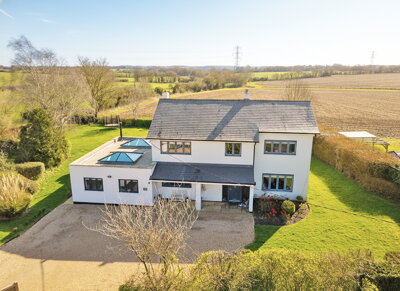
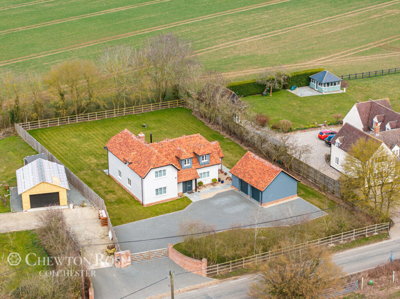
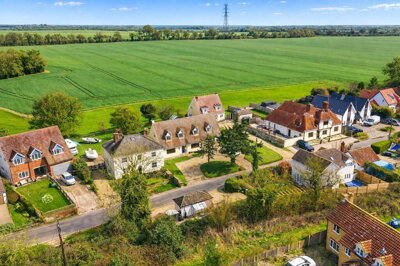
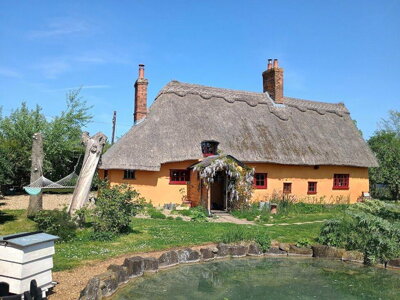
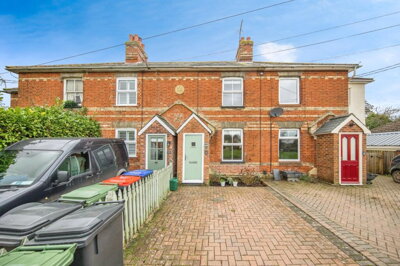
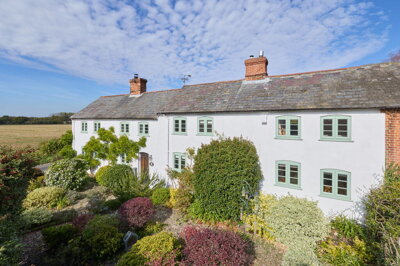
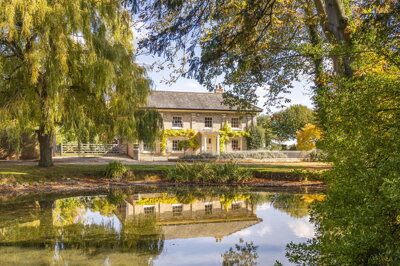
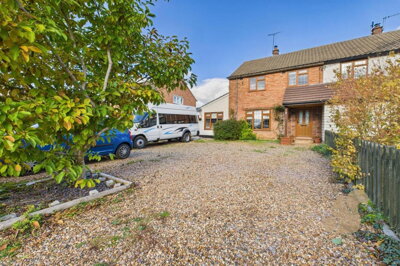
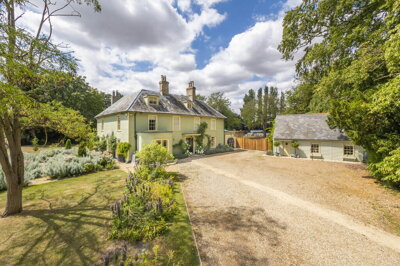
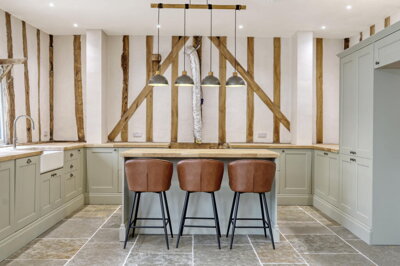
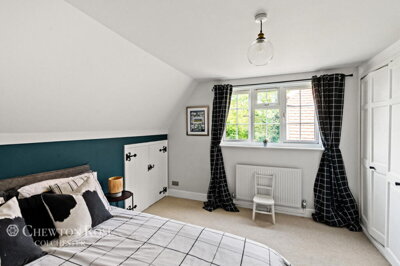
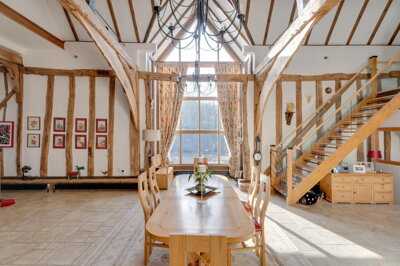
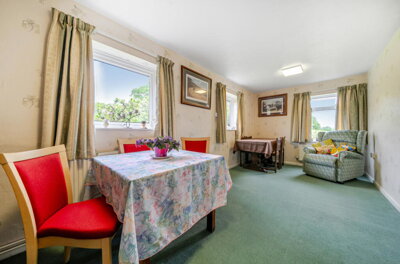
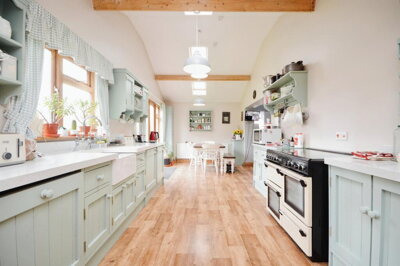
Browse 14 homes for sale in Belchamp Otten from local estate agents.
The Belchamp Otten property market offers detached, semi-detached, and terraced houses spanning various price ranges and neighbourhoods. Each listing includes detailed property information, photographs, and direct contact with the marketing agent.
The Bampton property market has demonstrated remarkable strength over the past year, with average prices climbing to approximately £532,917 according to Rightmove data, representing a 21% increase compared to the previous year. This surge places Bampton ahead of the broader West Oxfordshire average of £422,000, indicating strong demand for properties within this particular village. The market has also surpassed the previous 2022 peak of £460,712 by a significant margin, suggesting sustained confidence among buyers in this part of Oxfordshire. Zoopla reports a slightly lower average sold price of £479,893 for the last twelve months, reflecting the mix of properties that have actually completed during this period.
Property types in Bampton cater to various buyer requirements, with detached homes commanding the highest prices at an average of £736,742. Semi-detached properties average around £443,390, while terraced houses offer more accessible entry points at approximately £335,000. The village's housing stock predominantly features period properties, including 16th-century oak-beamed houses, Victorian cottages, and Georgian fronted homes dating back to the 1850s. Many properties carry listed building status, particularly the charming stone cottages that define the village's architectural character. This heritage-rich stock means buyers should expect features such as original fireplaces, exposed beams, and thick stone walls that require specialist maintenance knowledge.
The limited supply of new properties coming to market has contributed to the competitive conditions buyers experience in Bampton. Unlike larger towns with regular new-build developments, Bampton's character as a conservation-minded village means that opportunities to purchase modern homes are rare. Most transactions involve the sale of existing period properties, which naturally attracts buyers specifically seeking historic character. In Bampton and the neighbouring village of Clanfield, 666 properties have sold over the past decade, indicating a steady but limited flow of opportunities for prospective purchasers.

Life in Bampton revolves around a strong sense of community that brings together residents of all ages in a shared appreciation for village life. The high street hosts a traditional butcher, a village store supplying daily essentials, and a popular bakery where locals gather for morning coffee and fresh bread. Two historic pubs provide focal points for evening entertainment and Sunday lunches, while the monthly farmers market showcases produce from surrounding Oxfordshire farms. The village hall organises regular events throughout the year, from quiz nights to craft fairs, creating opportunities for newcomers to integrate quickly into community life.
For those who enjoy outdoor activities, Bampton sits at the gateway to some of Oxfordshire's most beautiful countryside, with extensive footpaths and bridleways winding through rolling farmland and ancient woodland. The River Thames flows nearby, offering opportunities for riverside walks and fishing, while the Cotswolds Area of Outstanding Natural Beauty lies within easy reach for weekend adventures. The village's proximity to Witney, approximately six miles away, provides access to larger supermarkets, high street banks, and healthcare facilities that complement the local amenities. Families appreciate the range of clubs and societies available, from gardening groups to art classes, ensuring that residents can pursue hobbies and interests without travelling far from home.
The village's churches, particularly the beautifully preserved medieval St Mary's Church, serve as cultural landmarks and community gathering points beyond their religious function. The church square often hosts seasonal events, from summer fetes to Christmas markets, that draw residents from across the surrounding area. Bampton's library provides a valuable community resource, offering not just books but also computer access and local information services for residents of all ages.

Education provision in Bampton centres on St Mary's Church of England Primary School, a well-established village school that serves families with children from reception through to Year 6. The school occupies a prominent position within the village and maintains strong links with the historic church that gives it its name. Parents frequently cite the nurturing environment and community feel as key advantages, with class sizes remaining manageable compared to larger town schools. For secondary education, pupils typically travel to nearby Witney to attend comprehensive schools, with bus services providing reliable transport for the short journey.
Several independent schools in the wider Oxfordshire area attract families willing to travel for private education, with schools in Oxford and Burford accessible within reasonable driving times. The independent school in Burford, situated approximately eight miles from Bampton, has earned a strong reputation for academic excellence and traditional values. Oxford's numerous private schools, including those in Summertown and Headington, offer extensive options but require families to factor in significant travel time. The area also offers good options for sixth form education, with colleges in Witney and Oxford providing a wide range of A-level subjects and vocational courses.
For families considering property purchases in Bampton, the availability of quality primary education within the village itself represents a significant advantage, reducing the need for daily school runs and allowing children to build friendships within their local community from an early age. The school also benefits from active parental involvement through its friends group, which organises fundraising events and social activities that help new families feel welcome in the village community.
While Bampton is fundamentally a car-dependent village, its position within West Oxfordshire provides reasonable access to major transport routes for those who need to commute or travel further afield. The A40 trunk road passes nearby, connecting the village to Oxford approximately fifteen miles to the east and providing a direct route to the M40 motorway at Witney. This junction offers connections to London, Birmingham, and the national motorway network, making Bampton viable for commuters who work in larger cities but wish to enjoy village living. The journey time to Oxford city centre typically takes around thirty to forty minutes by car, depending on traffic conditions.
Public transport options for Bampton residents include bus services connecting the village to nearby towns, though frequencies are limited compared to urban areas. The Stagecoach service connecting Witney to Oxford provides the main bus route, though Bampton's position slightly off the main road means checking precise timetables is advisable before relying on public transport for daily commuting. The nearest railway station with regular services is in Oxford, providing direct trains to London Paddington in approximately one hour. Oxford station has undergone significant redevelopment in recent years, offering improved facilities and more frequent services.
For air travel, Birmingham Airport and London Heathrow are both accessible within around ninety minutes by car, offering international connections for business and leisure travellers. Many residents who work in Oxford choose to cycle during warmer months, taking advantage of the relatively flat terrain and country lanes that make for pleasant journeys when weather permits. The National Cycle Route 5 passes through the area, providing safer options for cyclists comfortable with mixed traffic routes.
Before viewing properties, spend time exploring Bampton at different times of day and week to understand the community atmosphere. Visit the village at various times including market day and weekend mornings to experience how the village feels at different periods. Obtain a mortgage agreement in principle from a lender to clarify your budget and demonstrate your seriousness to sellers when making offers. In Bampton's competitive market, having your financing arranged early provides a significant advantage when making offers on sought-after period properties.
Contact local estate agents to arrange viewings of properties that match your criteria. In Bampton's competitive market, be prepared to move quickly on properties that meet your requirements, as well-presented homes often sell rapidly given the limited supply. Consider registering with multiple agents operating in the village and surrounding West Oxfordshire area to ensure you receive early notification of new properties coming to market. Many homes in Bampton sell from private Viewings rather than going through full marketing campaigns, so maintaining good relationships with local agents can uncover off-market opportunities.
When you find your ideal property, submit an offer through the selling agent with details of your position, including whether you have a property to sell and your mortgage arrangements. Be prepared for negotiation on price and terms, particularly for period properties where survey findings may affect final agreements. For listed buildings, factor in the additional time and potential costs associated with obtaining any necessary consents before completing your purchase. Sellers in Bampton often have strong attachments to their historic homes, so approach negotiations with an appreciation for what makes these properties special.
Given Bampton's prevalence of older properties with traditional stone construction and timber framing, we strongly recommend a professional survey before completing your purchase. A RICS Level 2 survey will identify common issues in period properties including damp in solid stone walls, condition of historic roofing materials, and any signs of structural movement in timber-framed elements. For listed buildings or very old properties, consider the more comprehensive RICS Level 3 survey to assess structural condition thoroughly and provide detailed guidance on maintenance requirements specific to historic construction.
Your solicitor will handle all legal aspects of the purchase, including searches, contracts, and registration with the Land Registry. They will liaise with your mortgage lender and coordinate with the seller's representatives to progress toward completion. For properties with listed building status, your solicitor will advise on any planning conditions or restrictions that affect the property. Search queries should include checks with West Oxfordshire District Council regarding any planning permissions, conservation area designations, and local highway information that may affect your use of the property.
Once all surveys, searches, and mortgage arrangements are satisfactory, both parties will sign contracts and typically pay a deposit to exchange. On the agreed completion date, the remaining funds are transferred and you receive the keys to your new Bampton home. Before completion, arrange for utility transfers and notify the council of your change of address. For period properties, consider commissioning a detailed inventory of fixtures and fittings included in the sale, as these can be valuable in historic homes where original features may have significant worth.
Properties in Bampton require careful scrutiny due to the prevalence of historic building methods and materials that differ significantly from modern construction. Stone walls, common throughout the village, may lack proper damp-proof courses and require attention to ventilation to prevent moisture problems. Timber-framed elements, including the famous oak beams, can harbour woodworm or show signs of structural movement over centuries of use. Prospective buyers should look for evidence of damp staining on walls and ceilings, particularly in ground floor rooms and basements where moisture issues most commonly manifest.
The construction of many Bampton properties uses traditional lime mortar rather than modern cement, which provides important breathability for historic stone walls but requires different maintenance approaches. Roofs often feature traditional slate or clay tile coverings that can be centuries old, with individual tiles requiring replacement using reclaimed materials to match existing finishes. Electrical wiring in older properties frequently dates from the mid-20th century or earlier, necessitating complete rewire before modern appliances can be safely used. Similarly, plumbing systems may use lead, iron, or early plastic piping that requires renewal to meet current standards and ensure reliable water pressure.
The listed building status affecting many Bampton properties brings additional considerations for buyers, as any modifications require consent from the local planning authority. renovation costs for period properties can exceed those for modern homes, and insurance premiums may be higher due to the cost of specialist repairs. Buyers should also investigate service charges and maintenance contributions for shared facilities, while checking whether properties are freehold or leasehold, as this affects ongoing costs and future saleability. A thorough review of the property's condition report, combined with a professional survey, will help identify any issues requiring attention before purchase.
Properties along the village's lower-lying areas near watercourses warrant particular attention regarding potential flood risk, as surface water flooding can affect even properties with no direct river frontage. Checking the Environment Agency flood maps and discussing any historic flooding with neighbours provides valuable context for assessing this risk. Buildings insurance costs can vary significantly between properties based on flood risk assessment and the age and construction of the property, so obtaining insurance quotes before finalising your purchase is advisable.
Current data shows the average house price in Bampton at approximately £592,000 according to recent market reports, with Rightmove reporting £532,917 for the past year. This represents a significant 20.4% increase over twelve months, placing Bampton above the wider West Oxfordshire average of £422,000. Detached properties command the highest prices at around £736,742, while terraced homes offer more accessible entry at approximately £335,000. The strong price growth reflects sustained demand from buyers prioritising village living in an area with limited housing supply and a high proportion of desirable period properties.
Properties in Bampton fall under West Oxfordshire District Council for council tax purposes. Bands range from A to H based on property value, with most period cottages and village homes typically falling in bands C to E. A typical Victorian terrace in Bampton might fall into band C or D, while larger Georgian fronted properties or substantial detached homes could be in bands E or F. Prospective buyers should verify the specific band with the selling agent or through the local authority website, as this affects ongoing annual costs which typically range from around £1,500 to £2,500 per year depending on the band and any applicable discounts.
St Mary's Church of England Primary School serves the village and is well-regarded for its community atmosphere and quality of education, with Ofsted ratings reflecting good overall effectiveness. Secondary school pupils typically travel to schools in nearby Witney, with The Henry Box School and King Edward VII Primary School both serving the area and accessible by dedicated school bus services. Several independent schools in Oxford and Burford provide private education options within reasonable travelling distance for families seeking alternatives, with schools in Burford offering particularly strong reputations for academic achievement in the local area.
Bampton has limited public transport options, with bus services providing connections to nearby towns including Witney and Carterton, though frequencies typically mean a car is necessary for daily convenience. The nearest railway station with regular services is in Oxford, offering direct trains to London Paddington in approximately one hour and regular services to Birmingham and the north. Most residents rely on private cars for daily commuting, though the village's position near the A40 provides reasonable access to Oxford and the M40 motorway network. For those working in Oxford, the journey takes approximately 30-40 minutes outside peak hours, though this extends during busy periods on the A40.
Bampton's property market has shown consistent growth, with prices rising over 20% in the past year and surpassing previous peaks, indicating strong underlying demand for village properties in this part of Oxfordshire. The village's appeal, limited housing stock, and proximity to Oxford continue attracting buyers seeking village living, suggesting continued demand for the foreseeable future. However, the prevalence of period properties and listed buildings means maintenance costs can be higher, and liquidity may be lower than in urban areas. Those seeking strong rental yields may find better returns in larger towns, while buyers prioritising lifestyle and long-term capital growth will find Bampton attractive given its consistent performance relative to the broader Oxfordshire market.
Stamp Duty Land Tax applies to purchases above £250,000 for most buyers, with rates of 5% on the portion between £250,001 and £925,000. First-time buyers benefit from relief on purchases up to £625,000, paying 0% on the first £425,000. For properties over £925,000, higher rates of 10% apply on the portion between £925,001 and £1.5 million. On a typical Bampton property priced around £532,917, a standard buyer would pay approximately £14,146 in stamp duty after the £250,000 threshold. First-time buyers would benefit from relief, reducing this to approximately £5,396 on the same property value.
Many properties in Bampton carry listed building status, typically Grade II, which provides legal protection against unauthorised alterations and ensures that significant architectural features are preserved. Buildings listed in Bampton include the historic stone cottages along Church Street and the village's medieval church, reflecting the village's heritage significance within West Oxfordshire. Buyers should budget for higher renovation costs when purchasing period properties, as specialist contractors and materials may be required for repairs using appropriate traditional techniques. Any plans to modify a listed property, including extensions, window replacements, or structural changes, require consent from West Oxfordshire District Council conservation officers, and this process can extend project timelines significantly.
Given Bampton's predominantly older housing stock featuring traditional stone construction and timber-framed elements, several defect patterns commonly appear during property surveys. Rising damp affects many solid stone walls that lack modern damp-proof courses, particularly noticeable at ground floor level and in cellars where ventilation is poor. Timber defects including woodworm and wet rot can compromise structural beams and floor joists, requiring specialist treatment by preservation experts. Roof coverings often show age-related wear with slipped tiles, degraded pointing, and deterioration of lead flashings around chimneys. Electrical systems in older properties frequently fall below current standards, requiring complete rewiring before the property can accommodate modern electrical demands safely.
From 4.5%
Expert mortgage advice for Bampton properties
From £499
Specialist conveyancing solicitors for Oxfordshire
From £350
Detailed inspection for Bampton's period properties
From £600
Comprehensive building survey for older properties
Purchasing property in Bampton involves several costs beyond the purchase price, with stamp duty representing one of the largest additional expenses. For a property priced at the current average of around £532,917, a buyer who has previously owned property would pay stamp duty calculated at 5% on the amount between £250,001 and £532,917, totalling approximately £14,146. First-time buyers benefit from more favourable rates, with relief applying to purchases up to £625,000, reducing their stamp duty liability on properties within this range. Properties exceeding £925,000 attract higher rates of 10% on the portion between £925,001 and £1.5 million.
Legal fees for conveyancing typically start from around £499 for straightforward purchases, though costs increase for leasehold properties or those with complex title issues including rights of way or easements that commonly affect historic properties. Survey costs warrant particular attention in Bampton given the prevalence of older properties, with a RICS Level 2 survey costing from £350 and a more comprehensive Level 3 survey from £600. Search fees, land registry fees, and mortgage arrangement fees add further costs of approximately £300 to £500 in total. For listed buildings, additional searches and specialist advice may increase legal costs by several hundred pounds.
Buyers should budget for removal costs, potential renovation expenses for period properties, and ongoing costs including council tax, buildings insurance, and maintenance contributions. Buildings insurance for period properties can cost more than for modern homes due to higher rebuild costs and specialist repair requirements, so obtaining insurance quotes before purchase is advisable. Setting aside around 10 to 15 percent of the property price for these additional costs ensures a smooth purchase without financial surprises. For a property at the village average of £532,917, this means budgeting approximately £53,000 to £80,000 beyond the purchase price for all associated costs and contingencies.
Properties for Sale In London

Properties for Sale In Plymouth

Properties for Sale In Liverpool

Properties for Sale In Glasgow

Properties for Sale In Sheffield

Properties for Sale In Edinburgh

Properties for Sale In Coventry

Properties for Sale In Bradford

Properties for Sale In Manchester

Properties for Sale In Birmingham

Properties for Sale In Bristol

Properties for Sale In Oxford

Properties for Sale In Leicester

Properties for Sale In Newcastle

Properties for Sale In Leeds

Properties for Sale In Southampton

Properties for Sale In Cardiff

Properties for Sale In Nottingham

Properties for Sale In Norwich

Properties for Sale In Brighton

Properties for Sale In Derby

Properties for Sale In Portsmouth

Properties for Sale In Northampton

Properties for Sale In Milton Keynes

Properties for Sale In Bournemouth

Properties for Sale In Bolton

Properties for Sale In Swansea

Properties for Sale In Swindon

Properties for Sale In Peterborough

Properties for Sale In Wolverhampton

Enter your details to see if this property is within your budget.
Loans, cards, car finance
Estimated property budget
Borrowing + deposit
You could borrow between
Typical borrowing
Monthly repayment
Est. at 4.5%
Loan-to-value
This is an estimate only. Your actual budget may vary depending on interest rates, credit history, and personal circumstances. For an accurate affordability assessment, speak to one of our free mortgage advisors.
This calculator provides estimates for illustrative purposes only and does not constitute financial advice. Your home may be repossessed if you do not keep up repayments on your mortgage. Estimates based on 4.5% interest rate, repayment mortgage. Actual rates depend on your circumstances.
Homemove is a trading name of HM Haus Group Ltd (Company No. 13873779, registered in England & Wales). Homemove Mortgages Ltd (Company No. 15947693) is an Appointed Representative of TMG Direct Limited, trading as TMG Mortgage Network, which is authorised and regulated by the Financial Conduct Authority (FRN 786245). Homemove Mortgages Ltd is entered on the FCA Register as an Appointed Representative (FRN 1022429). You can check registrations at NewRegister or by calling 0800 111 6768.

We use cookies to show you personalised content and improve your experience of our website. Find out more in our Privacy policy and Cookie policy.