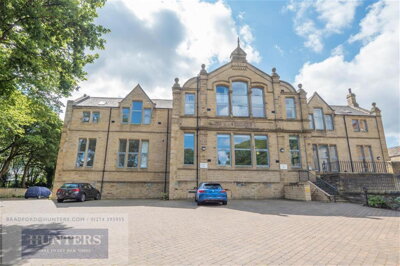
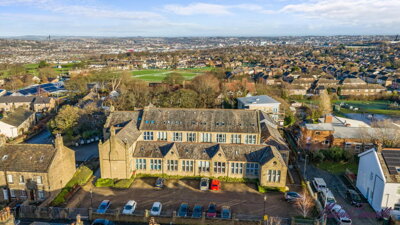
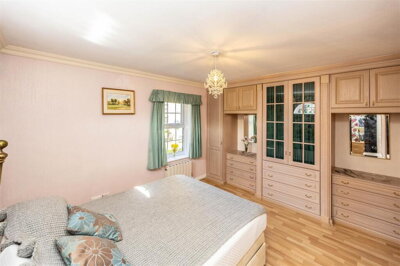
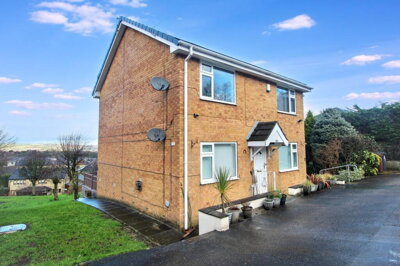
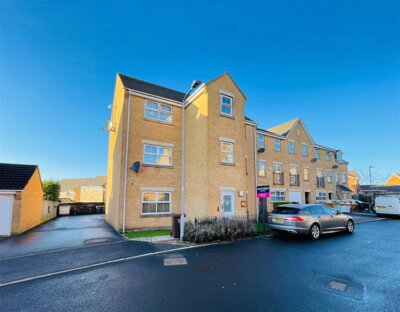
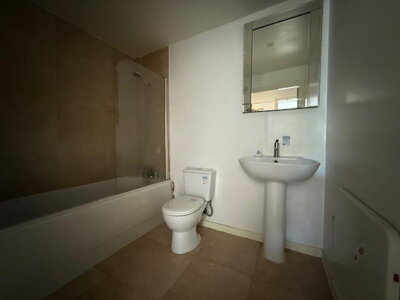
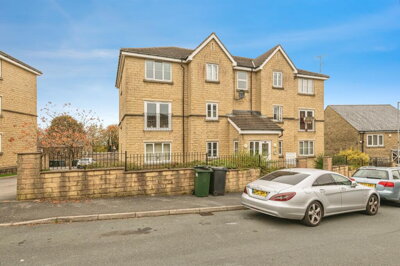
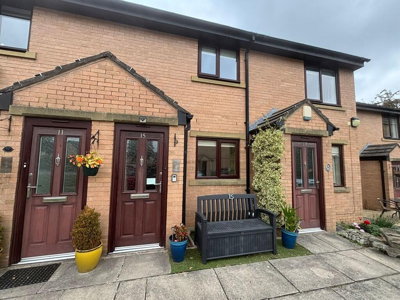
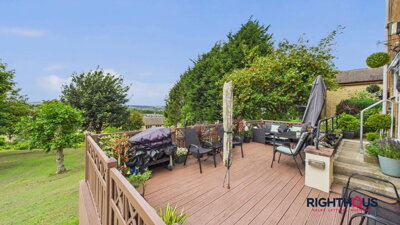
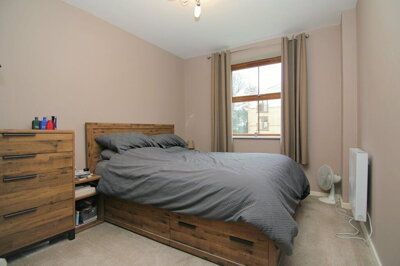
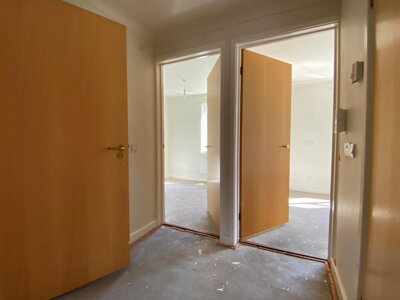
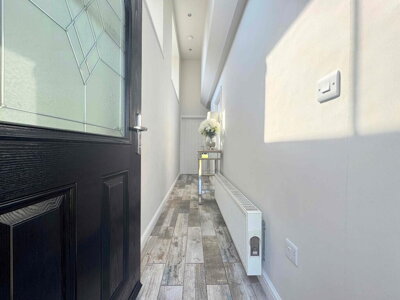
Browse 13 homes for sale in BD6 from local estate agents.
The 2 bed flat sector typically includes two separate bedrooms, dedicated living areas, and bathroom facilities. Properties in BD6 span purpose-built blocks, converted period houses, and modern apartment complexes on various floors.
£0k
0
0
0
Source: home.co.uk
Showing 0 results for 2 Bedroom Flats for sale in BD6.
The BD7 property market reflects the area's rich industrial heritage and its ongoing transformation into a modern urban postcode. Our listings include a variety of property types, with terraced houses dominating the housing stock at nearly 48% according to ONS Census 2021 data, followed by semi-detached properties at 25.1% and flats comprising 15.8%. Detached homes, while less common at 11.2% of the housing stock, offer premium space and command higher prices averaging £280,000. The diversity of property types means buyers can find everything from compact starter homes priced around £75,000 for flats up to substantial family residences in the £175,000 to £280,000 range for semi-detached and detached properties respectively.
Several new build developments are currently adding modern housing options to the BD7 area. The Avenue on Great Horton Road offers two, three, and four-bedroom homes from £184,950 through developer Mandale Homes, providing contemporary specification for families seeking new-build property. For buyers interested in apartment living, The Pavilion on Great Horton Road and The Printworks on Barry Street both from KMRE Group offer one and two-bedroom apartments starting from £105,000 and £110,000 respectively. These developments are expanding choice for first-time buyers and investors looking for modern accommodation near the university and city centre. The combination of traditional Victorian and Edwardian terraces alongside new-build apartments gives BD7 a property market that truly caters to all buyer profiles.
Property price growth across BD7 has shown encouraging consistency over the past year, with terraced houses leading the market at 6% appreciation according to Rightmove and Zoopla data. Semi-detached properties have risen by 4%, while both detached homes and flats have seen more modest 1% increases. This varied growth pattern suggests different segments of the market are attracting distinct buyer groups, with investors favouring the more affordable terraced stock while families prioritise the space offered by semi-detached properties. The overall 5% annual growth rate positions BD7 favourably against some neighbouring Leeds postcodes where prices have plateaued or declined in recent quarters.
The BD7 property market reflects the area's rich industrial heritage and its ongoing transformation into a modern urban postcode. Our listings include a variety of property types, with terraced houses dominating the housing stock at nearly 48% according to ONS Census 2021 data, followed by semi-detached properties at 25.1% and flats comprising 15.8%. Detached homes, while less common at 11.2% of the housing stock, offer premium space and command higher prices averaging £280,000. The diversity of property types means buyers can find everything from compact starter homes priced around £75,000 for flats up to substantial family residences in the £175,000 to £280,000 range for semi-detached and detached properties respectively.

BD7 is a postcode that blends Bradford's proud industrial past with contemporary urban living, creating neighbourhoods full of character and community spirit. The area around Great Horton Road features many properties constructed from local Yorkshire stone and red brick, materials that define the visual character of West Yorkshire and give the streetscape an unmistakable warmth and authenticity. With 55% of the housing stock built before 1980, including a substantial 35% of properties dating back to the pre-1919 era, BD7 offers architectural heritage that newer developments simply cannot replicate. The population of approximately 20,000 residents across 7,500 households creates vibrant communities where neighbours know each other and local businesses thrive.
The University of Bradford campus sits prominently within the BD7 area, bringing a youthful energy and contributing significantly to the local economy and property market. Students, academics, and university staff form a substantial portion of the local population, supporting cafes, restaurants, and convenience shops that line the main roads. Beyond the university influence, BD7 benefits from several local parks and green spaces that provide recreation opportunities for families. The area also hosts cultural attractions and community facilities that serve both students and long-term residents. This mix of educational, residential, and commercial activity creates a balanced neighbourhood environment where daily amenities are within easy walking distance for most residents.
Great Horton itself serves as a local centre for BD7 residents, offering a range of everyday services including independent shops, primary schools, and community facilities. The nearby Scholemoor area provides access to open green spaces, while the Ward Reservoir nature reserve offers walking routes popular with local families. Local pubs along Great Horton Road and surrounding streets maintain the traditional community gathering spots that characterise much of the postcode. Transport links along these main roads ensure residents can access Bradford city centre within minutes, while the proximity to the university campus means walking or cycling is a practical option for many daily journeys.
Education provision in BD7 is one of the postcode's standout features, making it particularly attractive to families with children of all ages. The University of Bradford itself is a major draw, offering undergraduate and postgraduate programmes across sciences, engineering, business, and social sciences. The university's presence creates a knowledge-economy cluster that attracts academics and researchers to the area, contributing to the postcode's educated demographic profile. Bradford itself is one of the youngest cities in Britain, with a significant proportion of residents under 30, and the University plays a central role in this youthful character. The campus has undergone significant investment in recent years, with new facilities attracting increasing numbers of students from across the UK and internationally.
For school-age children, BD7 has several primary and secondary schools serving local families, with catchment areas that vary depending on where within the postcode you choose to live. Primary schools in the BD7 area include applications that are oversubscribed, meaning parents should research individual school performance and admission criteria when considering specific streets or neighbourhoods. Secondary schools such asButterscome School and Dixons McMillan Academy serve different parts of the postcode, with admission policies often operating on distance criteria that can affect which schools your children can realistically attend. The proximity of schools to particular streets can significantly impact property desirability and resale values, so confirming school placements before committing to a purchase is essential for families with school-age children.
Further education options beyond the university include colleges in the wider Bradford area that serve BD7 residents, providing vocational courses and A-level programmes for post-16 students. The presence of the University of Bradford also offers community facilities and educational programmes accessible to local residents beyond traditional degree courses. Many parents choosing BD7 appreciate the continuity of educational options available from early years through to higher education, all within a compact urban area that minimises lengthy school runs. The area's growing reputation for educational provision has attracted families seeking good school access without the premium prices found in neighbouring Leeds postcodes.
BD7 benefits from excellent transport connectivity that makes commuting to Leeds, Sheffield, and other West Yorkshire destinations straightforward for residents. The postcode is served by several bus routes providing frequent connections to Bradford city centre, with journey times typically under 15 minutes to the central business district. Key bus corridors run along Great Horton Road and Thornton Road, connecting BD7 to Bradford Interchange where multiple routes converge. For rail travel, Bradford Forster Square and Bradford Interchange stations are easily accessible from BD7, offering Northern Rail services connecting to Leeds, Skipton, and the wider Yorkshire rail network. Leeds Bradford Airport is within reasonable driving distance for residents who travel frequently for business or leisure, adding to the area's connectivity credentials.
Road connectivity from BD7 is equally strong, with the A6181 and A6177 providing direct routes toward the city centre and connections to the M606 motorway that links to the national motorway network. The M606 connects to the M62 motorway at Chain Bar, opening up Manchester and Liverpool as viable commuting destinations for those willing to travel further. Investment in the A650 road corridor has improved traffic flow through areas adjacent to BD7, while city centre regeneration plans including the proposed Northern Powerhouse Rail station could further enhance connectivity in coming years. For cyclists, investment in cycling infrastructure across Bradford has improved conditions for residents who prefer two-wheeled transport, while parking provision varies by specific neighbourhood within BD7. The combination of multiple transport options means buyers choosing BD7 are not dependent on a single method of travel, providing flexibility for changing circumstances or employer locations.

Explore current listings, understand local price trends, and familiarise yourself with different neighbourhoods within the postcode. With terraced properties averaging £115,000 and semi-detached homes at £175,000, setting a realistic budget early helps narrow your search effectively. Pay particular attention to property age, as 55% of homes predate 1980 and may require maintenance investment.
Contact lenders or brokers to obtain an agreement in principle before viewing properties. This demonstrates your buying capacity to estate agents and sellers, strengthening your position when you find a property you wish to purchase. Current competitive rates make now a suitable time to explore mortgage options. Having your mortgage sorted before you start viewing also helps you move quickly when you find the right property.
View multiple properties across different streets and property types within BD7. Pay attention to construction age, as 55% of homes predate 1980 and may require more maintenance. Note proximity to schools, transport links, and local amenities when comparing properties. For terraced houses, check for shared wall issues and any history of disputes with neighbours.
Commission a HomeBuyer Report before proceeding, particularly for older properties where defects like damp, timber issues, or subsidence from clay soils may be present. Survey costs in BD7 typically range from £400 to £700 depending on property size. Given that many BD7 properties are Victorian or Edwardian construction, we always recommend this level of survey to identify common defects before you commit.
Choose a solicitor experienced in Bradford transactions to handle legal work including searches, contracts, and land registry matters. Local knowledge can help identify any area-specific issues that require attention. Your solicitor will conduct local authority searches with Bradford Council, which typically take two to three weeks to return.
Once surveys are satisfactory and legal searches are returned, agree a completion date with the seller. On completion day, funds are transferred and you receive the keys to your new BD7 home. We recommend arranging buildings insurance from this date onwards.
The geology of BD7 presents several considerations that buyers should understand before committing to a purchase. Bradford sits on Carboniferous rocks including sandstones, shales, and mudstones from the Millstone Grit Group, with glacial till and alluvial deposits in some areas. This geological foundation creates a moderate to high shrink-swell clay risk in certain locations, particularly where properties sit on clay-rich superficial deposits. During property surveys, pay close attention to any signs of subsidence, cracking to walls or chimneys, or doors and windows that stick, as these can indicate ground movement issues. Properties with mature trees nearby are especially worth scrutinising, as tree root activity on clay soils can exacerbate movement.
Flood risk awareness is another important consideration for BD7 buyers. While the postcode is not in a high-risk fluvial flood zone, certain low-lying areas and locations near urban drainage systems do carry a surface water flood risk that buyers should factor into their decision-making. Properties near the Bradford Beck corridor warrant particular attention during surveys. The mining heritage of the wider Bradford area also means some BD7 properties may sit on or near former mining workings, potentially creating ground stability concerns that a thorough RICS Level 2 Survey should address. Insurance implications of mining risk vary by property and provider, so obtaining quotes before completion is advisable.
BD7's conservation areas and listed buildings require special consideration for buyers. The University of Bradford Conservation Area encompasses part of BD7, and several individually listed buildings exist along Great Horton Road and surrounding streets. If you are considering a listed property, remember that any alterations, extensions, or significant renovations will require Listed Building Consent from Bradford Council. This adds complexity and potential cost to any purchase. The prevalence of older properties built before 1919 means solid wall construction without cavity insulation is common, which can affect energy efficiency and heating costs. Buyers should budget for potential improvements to insulation, windows, and heating systems when purchasing older terraced or semi-detached properties in the area.
Older properties in BD7, particularly those built before 1980, commonly present defects that our surveyors regularly identify during inspections. Rising damp affects many Victorian and Edwardian terraced houses due to the absence of or failure of original damp-proof courses. Timber decay including both rot and woodworm activity is frequently found in properties with original wooden floors or roof structures. Roof issues such as slipped tiles, deteriorated lead flashing, and sagging rooflines are common in pre-1919 properties where original slate coverings are reaching the end of their lifespan. Electrical systems in older properties often require complete rewiring to meet modern standards, while original heating systems may be inefficient or unsafe. A RICS Level 2 Survey typically costs between £400 and £700 for BD7 properties and provides detailed information on these common defects, allowing you to negotiate on price or request repairs before completing your purchase.
The overall average house price in BD7 is currently £147,750 according to recent market data from Rightmove and Zoopla. Property prices vary significantly by type, with terraced houses averaging £115,000, semi-detached homes at £175,000, flats around £75,000, and detached properties reaching approximately £280,000. Prices in BD7 have increased by 5% over the past 12 months overall, with terraced properties showing the strongest growth at 6% annually. This consistent price growth indicates a healthy and growing market that offers good value compared to neighbouring Leeds postcodes where entry prices are considerably higher.
Council tax bands in BD7 vary by property, with most terraced and semi-detached homes falling into bands A through C, which are among the lower council tax brackets in Bradford. Flats and smaller properties typically occupy band A, while larger Victorian and Edwardian homes may be in band B or C. Band D through F apply to larger semi-detached and detached properties, with the highest values in band G. You can check the specific council tax band for any BD7 property through Bradford Council's online valuation portal, which allows searches by address. Council tax charges in Bradford are generally competitive compared to neighbouring Leeds, making BD7 an affordable choice for budget-conscious buyers.
BD7 benefits from the University of Bradford providing higher education opportunities within the postcode itself, attracting students nationally and internationally. For primary education, local schools in the Great Horton and Shearbridge areas serve different streets within BD7, with admission typically based on distance from the school. Secondary schools serving BD7 include Dixons McMillan Academy and Butterscome School, both of which have established reputations in the wider Bradford area. Parents should research individual school Ofsted ratings and admission boundaries for their specific address when house hunting, as catchment areas can change and popular schools fill quickly. The presence of the university also brings additional educational resources and community programmes accessible to local families throughout the year.
BD7 is well served by public transport with frequent bus routes connecting to Bradford city centre in under 15 minutes. Key routes run along Great Horton Road and Thornton Road, providing direct access to Bradford Interchange where connections can be made to destinations across West Yorkshire. Bradford Forster Square and Bradford Interchange railway stations offer Northern Rail services to Leeds, Skipton, and beyond, with Leeds accessible in approximately 25 minutes by train. The M606 motorway link is nearby, and Leeds Bradford Airport is within reasonable driving distance for residents who travel frequently for business or leisure. This connectivity makes BD7 suitable for commuters working in Leeds or other West Yorkshire centres while enjoying significantly lower property prices than Leeds postcodes.
BD7 offers several investment attractions including relatively low entry prices compared to Leeds, consistent annual price growth of around 5%, and strong rental demand driven by the University of Bradford student population. Terraced properties and flats near the university campus can generate attractive rental yields, with students seeking shared houses in areas like Great Horton and near the campus. The ongoing regeneration of parts of Bradford city centre, including plans for improved transport connections and retail development, may positively impact property values in surrounding postcodes including BD7 over the coming years. Bradford has also gained recognition as a UNESCO City of Film, attracting tourism and cultural investment that benefits the wider area. Investors should note that HMO (House in Multiple Occupation) licensing requirements apply to certain properties, and local planning policies may affect rental property potential in specific streets or developments.
Stamp Duty Land Tax rates for standard buyers start at 0% on the first £250,000 of property value, then 5% on the portion between £250,001 and £925,000. For a typical BD7 terraced property at £115,000, no stamp duty would be payable as values fall below the threshold. Similarly, semi-detached properties at £175,000 and the average overall price of £147,750 would both attract zero stamp duty under current thresholds. First-time buyers can claim enhanced relief on properties up to £425,000, paying 0% on the first £425,000 of purchase price. Given that most BD7 properties fall below £425,000, many first-time buyers in the area will qualify for complete stamp duty exemption on their purchase.
Properties in BD7 commonly exhibit defects related to their age and construction type, and a professional survey is strongly recommended before purchasing. Many terraced houses dating from the Victorian and Edwardian periods show signs of rising damp where original damp-proof courses have failed over time. Timber defects including woodworm activity and wet or dry rot frequently affect properties with original wooden floorboards or roof structures. Roof issues such as slipped or missing tiles, deteriorated lead flashing, and sagging rooflines are common in pre-1919 properties. Electrical systems in older homes often require complete rewiring to meet modern safety standards, while original heating systems may be inefficient or beyond economical repair. Properties built before 2000 may contain asbestos-containing materials in areas such as artex coatings, pipe insulation, or floor tiles, which require specialist assessment and removal by licensed contractors.
From 4.5%
Compare mortgage rates from leading lenders
From £499
Expert conveyancing solicitors for your BD7 purchase
From £400
Professional HomeBuyer Report for your new home
From £80
Energy Performance Certificate for your property
Understanding the full cost of purchasing property in BD7 extends beyond the advertised sale price to include stamp duty, legal fees, and survey costs that together can add several thousand pounds to your budget. The current Stamp Duty Land Tax thresholds for standard buyers mean no duty is payable on the first £250,000 of purchase price, with 5% charged on the portion between £250,001 and £925,000. This means a typical BD7 terraced property at £115,000 would attract zero stamp duty, while a semi-detached home at £175,000 would also remain below the first threshold. Only higher-value detached properties in the £280,000 range would incur stamp duty charges.
First-time buyers purchasing in BD7 benefit from enhanced relief, paying 0% on the first £425,000 of purchase price before the 5% rate applies on values between £425,001 and £625,000. Given that most BD7 properties fall below £425,000, many first-time buyers in the area will qualify for complete stamp duty exemption. Beyond stamp duty, buyers should budget for solicitor conveyancing costs typically starting from £499 for standard transactions, plus disbursements for local searches, Land Registry fees, and bank transfer charges that can add another £300 to £500. A RICS Level 2 Survey for a BD7 property typically costs between £400 and £700 depending on property size and value, with larger detached homes at the upper end of this range.
For buyers requiring mortgage financing, arrangement fees, valuation fees, and broker charges may apply depending on the lender and product chosen. Getting quotes from multiple mortgage providers or using a whole-of-market broker can help identify the most competitive rates available. Budgeting for removal costs, potential redecoration, and furnishing adds further expenditure that first-time buyers especially should not overlook. Building insurance must be in place from the day of completion, while life insurance and contents cover are sensible additional protections. The total additional costs beyond the property price for a typical BD7 purchase typically range from £2,000 to £4,000 depending on property value, whether mortgage finance is required, and the level of survey chosen.
Properties for Sale In London

Properties for Sale In Plymouth

Properties for Sale In Liverpool

Properties for Sale In Glasgow

Properties for Sale In Sheffield

Properties for Sale In Edinburgh

Properties for Sale In Coventry

Properties for Sale In Bradford

Properties for Sale In Manchester

Properties for Sale In Birmingham

Properties for Sale In Bristol

Properties for Sale In Oxford

Properties for Sale In Leicester

Properties for Sale In Newcastle

Properties for Sale In Leeds

Properties for Sale In Southampton

Properties for Sale In Cardiff

Properties for Sale In Nottingham

Properties for Sale In Norwich

Properties for Sale In Brighton

Properties for Sale In Derby

Properties for Sale In Portsmouth

Properties for Sale In Northampton

Properties for Sale In Milton Keynes

Properties for Sale In Bournemouth

Properties for Sale In Bolton

Properties for Sale In Swansea

Properties for Sale In Swindon

Properties for Sale In Peterborough

Properties for Sale In Wolverhampton

Enter your details to see if this property is within your budget.
Loans, cards, car finance
Estimated property budget
Borrowing + deposit
You could borrow between
Typical borrowing
Monthly repayment
Est. at 4.5%
Loan-to-value
This is an estimate only. Your actual budget may vary depending on interest rates, credit history, and personal circumstances. For an accurate affordability assessment, speak to one of our free mortgage advisors.
This calculator provides estimates for illustrative purposes only and does not constitute financial advice. Your home may be repossessed if you do not keep up repayments on your mortgage. Estimates based on 4.5% interest rate, repayment mortgage. Actual rates depend on your circumstances.
Homemove is a trading name of HM Haus Group Ltd (Company No. 13873779, registered in England & Wales). Homemove Mortgages Ltd (Company No. 15947693) is an Appointed Representative of TMG Direct Limited, trading as TMG Mortgage Network, which is authorised and regulated by the Financial Conduct Authority (FRN 786245). Homemove Mortgages Ltd is entered on the FCA Register as an Appointed Representative (FRN 1022429). You can check registrations at NewRegister or by calling 0800 111 6768.

We use cookies to show you personalised content and improve your experience of our website. Find out more in our Privacy policy and Cookie policy.