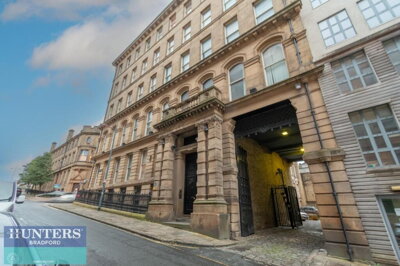
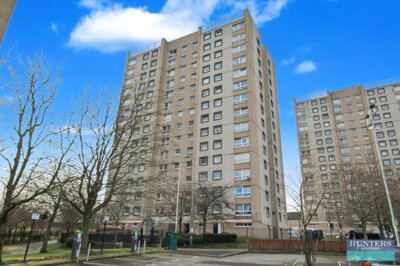
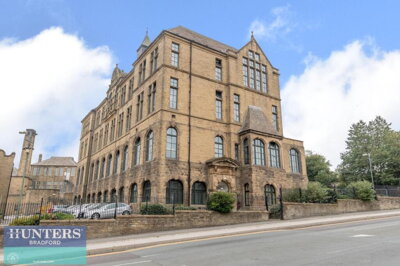
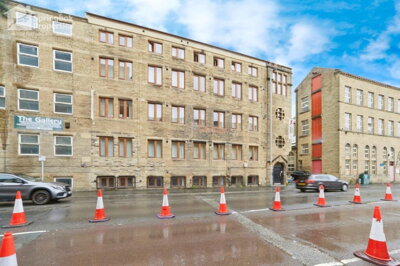
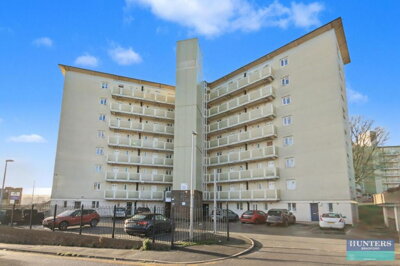
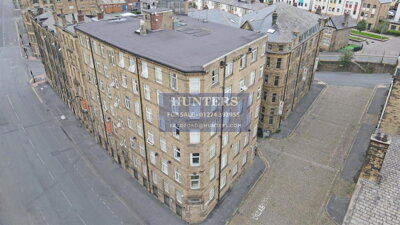
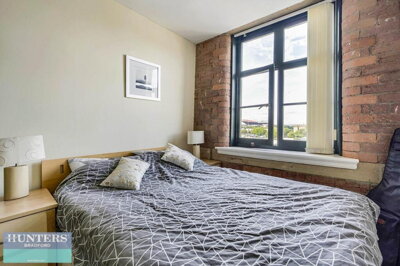
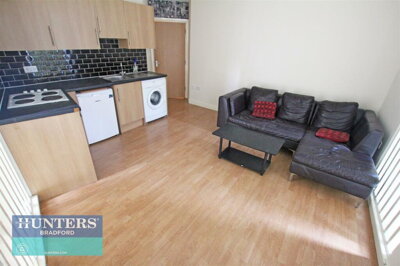
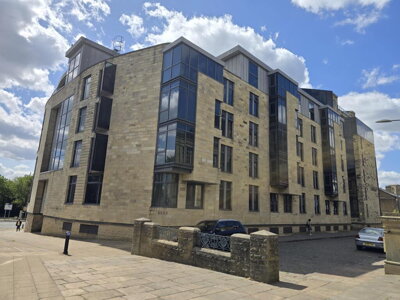
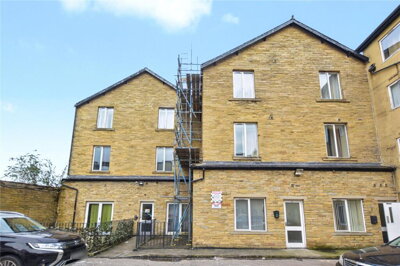
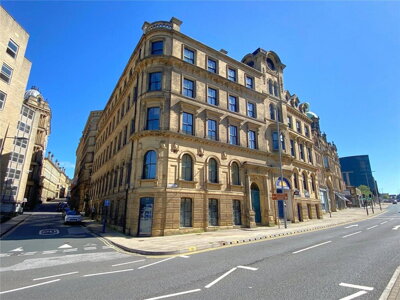
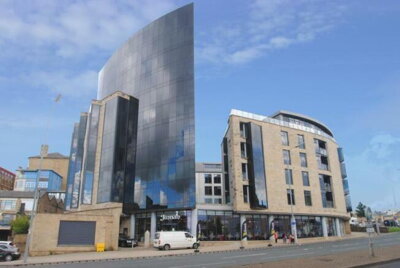
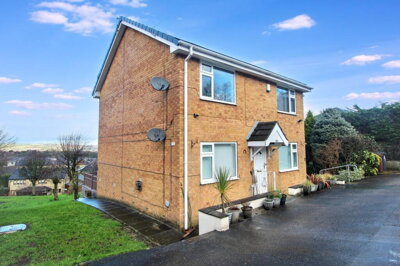
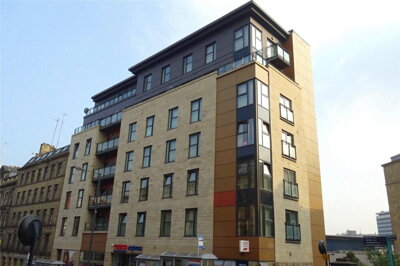
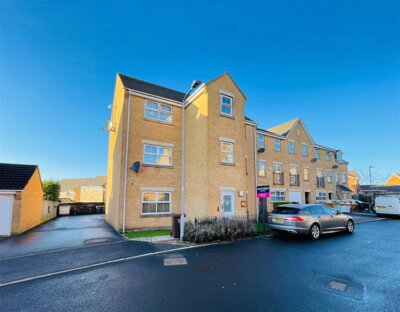
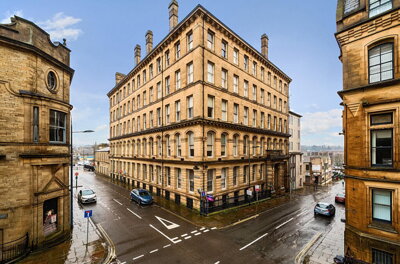
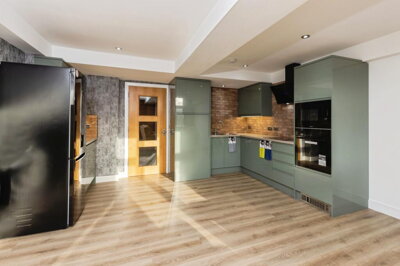
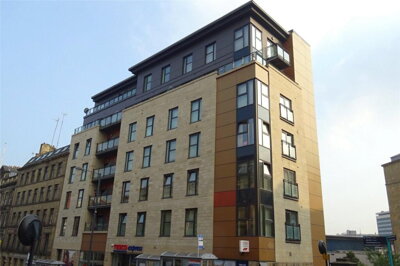
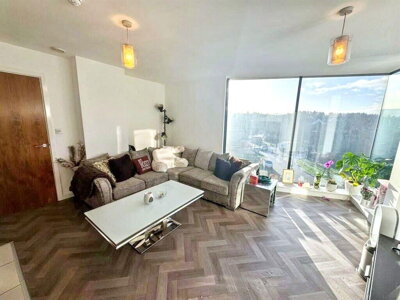
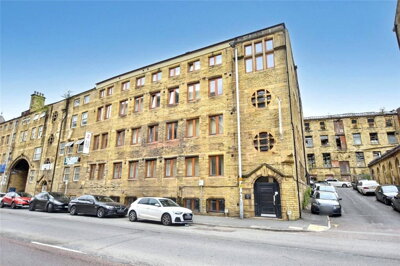
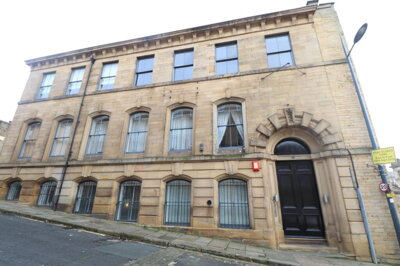
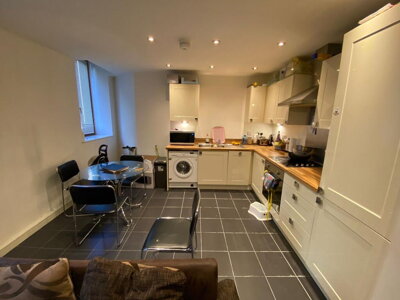
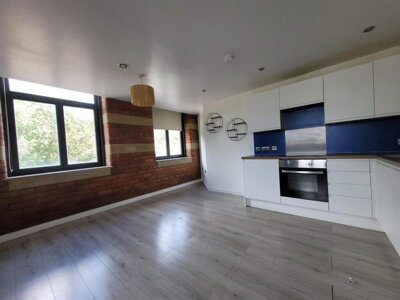
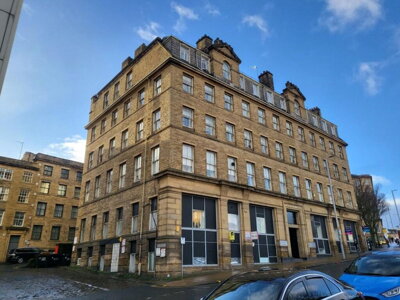
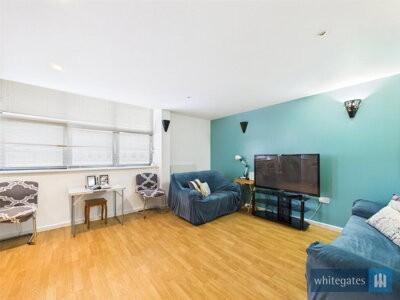
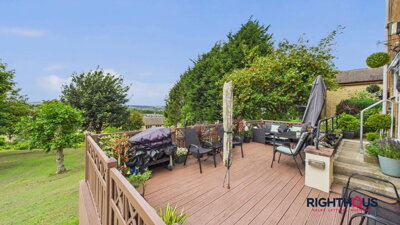
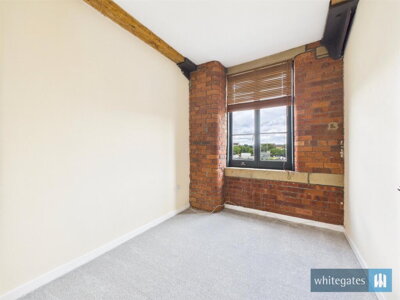
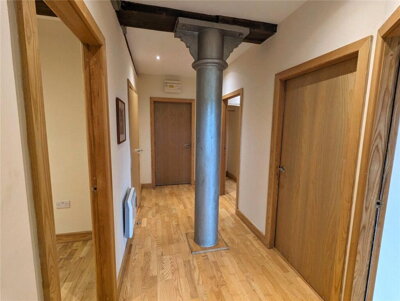
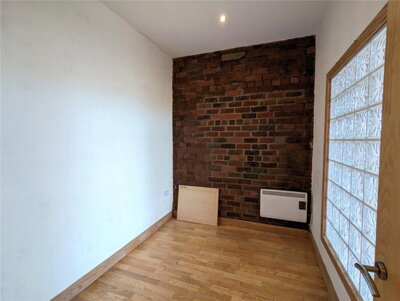
Browse 42 homes for sale in BD5 from local estate agents.
The 2 bed flat sector typically includes two separate bedrooms, dedicated living areas, and bathroom facilities. Properties in BD5 span purpose-built blocks, converted period houses, and modern apartment complexes on various floors.
£40k
1
0
39
Source: home.co.uk
Showing 1 results for 2 Bedroom Flats for sale in BD5. The median asking price is £40,000.
Source: home.co.uk
Flat
1 listings
Avg £40,000
Source: home.co.uk
Source: home.co.uk
The BD6 property market presents a compelling mix of property types that cater to diverse buyer requirements. Semi-detached houses dominate the local landscape, with average prices around £174,749, making them ideal for families seeking generous living space without premium city centre costs. These properties often feature the kind of solid brick construction and generous gardens that define West Yorkshire's residential character. Terraced homes in BD6 average £148,499, offering an excellent affordable pathway onto the property ladder for first-time buyers who want to establish themselves in an established neighbourhood with strong community networks.
Detached properties in BD6 command higher prices averaging £262,632, reflecting the additional space and privacy they provide. The limited supply of detached homes in this postcode means they attract strong interest from families upsizing and buyers seeking more substantial accommodation. Flats in BD6 represent the most accessible entry point, with average prices around £79,389, perfect for investors or first-time buyers prioritising location and convenience over outdoor space. The market has shown remarkable resilience, with sale values increasing by 1.9% to 5% depending on the data source, suggesting continued buyer confidence in the area's long-term prospects.
The Bradford District housing stock breakdown reveals why BD6 has such a distinctive character. With semi-detached properties comprising 36.7% of local housing and terraced homes accounting for 33%, the area has a predominantly traditional appearance shaped by mid-20th century development. Detached properties make up 14.7% of the housing stock, while flats represent 11.6%, giving BD6 a character distinct from both the denser urban terraces of inner Bradford and the newer detached developments found in surrounding suburbs.

BD6 occupies a significant portion of south-east Bradford, encompassing neighbourhoods with distinct personalities yet shared community values. The area's housing stock reflects its post-war development patterns, with substantial semi-detached and terraced properties built to accommodate the expanding population of mid-20th century Bradford. These homes, predominantly constructed using traditional brick methods with timber roofing, form the backbone of residential life here. Many properties date from the 1940s through to the 1970s, giving the area mature streetscapes with established gardens and a sense of settled permanence. The Bradford district contains 60 conservation areas, with nearby Clayton, Great Horton, and Little Horton Green preserving the architectural heritage of surrounding neighbourhoods.
The demographics of BD6 and the wider Bradford district reflect a young, diverse population that contributes to the area's vibrant character. Bradford has the fourth highest proportion of residents under 15 among all local authorities in England, making it particularly attractive to families seeking a community with children and young people. The district has experienced household growth of 10,600 new households since the 2011 Census, with 209,900 households now calling the area home. This growth demonstrates ongoing demand for housing in the BD6 area and supports the local services and amenities that make the neighbourhood attractive to new residents. Local employers including the Morrisons Head Office at Hilmore House and Yorkshire Water's Bradford operations provide stable employment opportunities that support the local housing market.
Green spaces define life in BD6, with numerous parks and recreational areas providing venues for family activities and community gatherings throughout the year. The area's proximity to the Yorkshire countryside means residents enjoy easy access to rural walks and outdoor pursuits while remaining connected to urban conveniences. Local shopping districts provide everyday necessities, while the wider Bradford area offers comprehensive retail, dining, and cultural amenities accessible via reliable public transport links. The area's geology presents typical considerations for West Yorkshire, with clay soils present that can cause shrink-swell movement during periods of dry or wet weather. Properties in the area benefit from the robust construction methods employed during their original build, though prospective buyers should factor in potential maintenance requirements as homes age.
Understanding the construction methods used in BD6 properties helps you appreciate the characteristics and potential challenges of homes in this postcode. The majority of BD6's housing stock was built between the 1940s and 1970s, using construction techniques that differ from modern building standards. Traditional brick cavity walls form the external envelope of most properties, with solid brick construction found in some earlier properties. Roof structures typically use timber rafters and purlins, originally designed to support the lighter clay tile coverings common at the time of construction.
Foundation depths in BD6's older properties tend to be shallower than those required by modern building regulations. These traditional strip foundations served properties well for decades but can be more susceptible to ground movement, particularly in areas with clay soils that expand and contract with moisture changes. When considering a property, the depth and condition of foundations may be relevant if you plan extensions or notice signs of structural movement. Many BD6 properties also feature original timber windows and single-glazed units that, while structurally sound, may require upgrading for improved thermal performance.
Damp-proof courses were introduced progressively during the early 20th century, using impervious bricks, slates, or lead to prevent moisture rising through walls. Properties built before standard DPC installation may have had remedial work carried out subsequently, though identifying the current state of damp-proofing is one reason why a professional survey proves valuable before purchase. The combination of traditional materials and age-related wear means that properties across BD6 benefit from careful inspection to identify any maintenance needs before they develop into more significant issues.
Our inspectors frequently identify several recurring issues when surveying properties across the BD6 area, reflecting the age and construction type of the local housing stock. Dampness ranks among the most common findings, manifesting through discoloured patches on walls and ceilings, salt deposits on plaster, and musty odours in ground-floor rooms. In BD6's brick-built properties, dampness often originates from defective render, bridged damp-proof courses where ground levels have been raised over time, or inadequate ventilation in areas such as kitchens and bathrooms where moisture is generated daily.
Roof condition issues appear regularly in BD6 surveys given the age of much local housing stock. Original clay tiles may have been replaced over the years with heavier concrete alternatives without corresponding reinforcement of the supporting timber structure. This mismatch can cause roof spread, where the weight of replacement tiles pushes outward on the walls, potentially creating gaps that allow water ingress. Our surveyors check for sagging rooflines, damaged or missing tiles, and the condition of flashing around chimneys and roof edges where leaks commonly develop.
Structural movement receives careful assessment in BD6 properties, particularly given the presence of shrink-swell clay soils in the West Yorkshire area. Signs of movement include diagonal cracks in walls, particularly above door and window openings, doors and windows that stick or fail to close properly, and visible gaps where walls meet floors or ceilings. Large trees positioned close to properties can exacerbate shrink-swell issues as roots extract moisture from the soil during dry periods, causing the clay to contract and the foundations to settle unevenly. Our inspectors assess the extent and cause of any movement and advise on appropriate remediation.
Education provision in BD6 serves families with children of all ages, from early years through to further education opportunities. The Bradford district's young demographic profile has driven ongoing investment in school capacity and educational outcomes across the area. Primary schools in the BD6 catchment area serve children from reception through to Year 6, establishing foundational literacy and numeracy skills that prepare young people for secondary education. Many of these schools hold good or outstanding Ofsted ratings, providing parents with confidence in local educational provision. The high proportion of families with children in the BD6 area means schools here are experienced in managing growing class sizes and providing the supportive environment that young learners need.
Secondary education in the BD6 area includes both comprehensive schools and grammar school options for families pursuing academic pathways. Schools in the wider Bradford district offer diverse curriculum options, with sixth forms providing A-level courses that prepare students for university entrance or vocational pathways. The presence of Bradford College and other further education providers in the broader area ensures that residents have access to adult education and vocational training opportunities throughout their lives. Families relocating to BD6 should research specific catchment areas and school admission policies, as these can significantly impact property values and demand in particular streets and neighbourhoods. The combination of educational choice and relatively affordable property prices makes BD6 particularly attractive to parents balancing schooling needs with housing budgets.
BD6 benefits from excellent transport connections that link residents to Bradford city centre and the wider West Yorkshire region. Bus services operating through the area provide frequent connections to central Bradford, with journey times typically ranging from 20 to 35 minutes depending on traffic conditions and specific destination. The M606 motorway provides direct access to the national motorway network, connecting BD6 to Leeds in approximately 30 minutes and Manchester in around an hour. This accessibility makes the area attractive to commuters seeking more affordable housing while maintaining employment options across the Leeds-Bradford metropolitan area. Local train stations in the wider Bradford area offer rail connections to Leeds, with Bradford Forster Square and Bradford Interchange providing different route options across the region.
For commuters working in Leeds, the journey from BD6 can be managed via bus connections to Bradford stations followed by rail travel, or directly via bus services that operate along the main routes. The Leeds Bradford Airport provides international travel connections for business and leisure travellers, located within reasonable driving distance of the BD6 area. Within the neighbourhood itself, local amenities including supermarkets, primary schools, and healthcare facilities are accessible on foot or by short bus journeys, reducing car dependency for everyday needs. Cycling infrastructure in the area continues to develop, with cycle paths and lanes making cycling a viable option for shorter commutes and recreational journeys. Parking availability varies across the BD6 neighbourhood, with terraced streets sometimes presenting challenges for residents with multiple vehicles, while newer developments typically incorporate dedicated parking provision.

Before making an offer, spend time exploring different streets and neighbourhoods within BD6 to find the area that best suits your lifestyle. Consider factors like distance from schools, local amenities, transport connections, and the character of the housing stock. Each neighbourhood within BD6 has its own personality, from the terraced streets near local shops to the more spacious semi-detached roads closer to parks. Walking different areas at various times of day helps you understand traffic patterns, noise levels, and the general atmosphere before committing to a location.
Contact lenders or use Homemove's mortgage comparison tools to obtain an agreement in principle before viewing properties. This document confirms how much you can borrow and demonstrates to estate agents and sellers that you are a serious buyer. In BD6's competitive market, having your finances arranged gives you an advantage over buyers who have not yet started the mortgage process. Your mortgage broker can also help you understand the full cost of borrowing, including arrangement fees and insurance requirements that form part of your overall budget.
Work with estate agents listing BD6 properties to arrange viewings at homes matching your requirements. Our platform aggregates listings from multiple agents, allowing you to compare properties across the full market. When you find your ideal home, submit an offer through your estate agent with evidence of your mortgage arrangement to strengthen your position. For properties at the BD6 average price of £172,778, your offer may be close to or above the asking price given the continued demand in this area.
Once your offer is accepted, instruct a RICS qualified surveyor to conduct a Level 2 Survey on the property. This inspection identifies structural issues, damp, roof condition, and other defects that may not be visible during viewings. Given BD6's housing stock includes many properties built in the mid-20th century, a thorough survey is particularly valuable for identifying age-related maintenance needs. Survey costs typically range from £400 to £600 for properties in the BD6 price range, representing a worthwhile investment before committing to purchase.
Your solicitor handles the legal work of transferring ownership, including searches, contracts, and land registry checks. They will liaise with the seller's solicitor and manage the complex paperwork involved in completing your purchase. Using Homemove's conveyancing service connects you with experienced property solicitors familiar with Bradford and the BD6 area. Conveyancing costs typically range from £499 to over £1,500 depending on the complexity of your transaction.
Once all searches are satisfactory and mortgage finance is confirmed, both parties sign contracts and you pay your deposit. A typical period of 4-6 weeks between exchange and completion allows time for final arrangements. On completion day, your solicitor transfers the remaining funds and you receive the keys to your new BD6 home. Our team can recommend trusted local contractors should you need tradespeople for any work identified during your survey.
Properties in BD6 present specific considerations that prospective buyers should investigate before committing to a purchase. The area's geology means clay soils are present, which can cause subsidence issues when moisture levels fluctuate. Look for signs of structural movement such as diagonal cracks in walls, doors that stick or do not close properly, and gaps where walls meet floors or ceilings. Properties with large trees nearby may be more susceptible to shrink-swell subsidence as roots draw moisture from the soil during dry periods. A thorough RICS Level 2 Survey will identify any existing movement and assess the property's vulnerability to these issues.
Many homes in BD6 were built using traditional construction methods that differ from modern building standards. Older properties may have shallow foundations, original single-glazed windows, and outdated insulation that affects energy efficiency and running costs. Check the condition of the roof, as replacements using heavier modern tiles on original timber structures can cause structural problems. Rainwater goods and drainage systems require careful inspection, as hidden guttering defects are a common source of penetrating damp in properties of this age. Electrical and plumbing systems in older homes may need updating to meet current safety standards and accommodate modern usage patterns.
Conservation area restrictions may apply to properties in certain BD6 locations, limiting permitted development rights and requiring approval for alterations. If you are considering making changes to a property, investigate whether it falls within any designated conservation area and understand the planning implications. The Bradford district's 60 conservation areas include neighbourhoods close to BD6, and boundary details can be verified through the local planning authority. Listed buildings, though less common in BD6, require special consideration as alterations require Listed Building Consent and specialist survey expertise. Always verify the property's tenure, as flats may carry service charges and leasehold arrangements that affect long-term costs and flexibility.
The average house price in BD6 currently sits at approximately £172,778 according to recent market data from major property portals. Property prices have increased by around 5.26% over the past twelve months, indicating sustained demand in the area. Detached properties average £262,632, semi-detached homes around £174,749, terraced houses approximately £148,499, and flats around £79,389. These prices make BD6 one of the more accessible postcode areas in the Leeds-Bradford metropolitan region for buyers seeking value without sacrificing connectivity.
Properties in BD6 fall under Bradford Metropolitan District Council's jurisdiction for council tax purposes. The specific band depends on your property's valuation and ranges from Band A for lower-valued properties through to Band H for the highest-valued homes. Most terraced and semi-detached properties in BD6 fall within Bands A to C, meaning monthly charges are among the most affordable in England. Prospective buyers can verify the council tax band for any specific property through the Valuation Office Agency website or by checking the property listing details.
BD6 and the wider Bradford area offer a range of educational options across primary and secondary levels. The district has invested significantly in school capacity to accommodate its young population, and many local schools hold good or outstanding Ofsted ratings. Families should research specific catchment areas, as school admission policies vary and can significantly impact which schools serve particular addresses. Secondary school options include both comprehensive schools and grammar school pathways for academically able students. The presence of Bradford College and further education providers in the area ensures educational pathways continue beyond secondary school.
BD6 benefits from reliable bus services providing connections to Bradford city centre and the wider West Yorkshire network. Journey times to central Bradford typically range from 20 to 35 minutes by bus, while rail connections from Bradford stations offer regular services to Leeds and beyond. The M606 motorway provides direct access to the national road network, linking BD6 to Leeds in approximately 30 minutes. Leeds Bradford Airport is accessible within reasonable driving distance for international travel. Within the local area, most everyday amenities including supermarkets, pharmacies, and healthcare facilities are reachable via short walks or bus journeys.
BD6 presents several factors that make it attractive for property investment. The average price of £172,778 represents significant affordability compared to neighbouring Leeds and surrounding commuter areas, meaning there is potential for price growth as more buyers seek value. The 5.26% annual price increase demonstrates buyer demand is currently strong. Bradford's presence as a major city with major employers including the Morrisons Head Office provides economic stability. The young demographic profile and growing household numbers suggest continued demand for housing. Flats in BD6 at around £79,389 offer particularly accessible entry points for landlords seeking rental yields in an established residential area.
Stamp duty rates in England for 2024-25 start at zero for purchases up to £250,000, then 5% on the portion from £250,001 to £925,000. For properties above £925,000, rates increase to 10% up to £1.5 million and 12% above that. First-time buyers benefit from increased thresholds, paying zero stamp duty up to £425,000 and 5% between £425,001 and £625,000. Given the average BD6 property price of £172,778, most purchases in this area would attract zero stamp duty for all buyers, while first-time buyers purchasing at any price point within the average range would definitely qualify for relief.
New build activity in BD6 includes developments such as Trinity View on Rooley Crescent, offering modern 2, 3, and 4-bedroom homes for rent through Simple Life Homes. Additionally, newer properties have appeared in areas like Buttershaw, with detached and semi-detached new builds attracting families seeking modern finishes and energy-efficient construction. However, the majority of BD6 property transactions involve the established housing stock, where buyers can find character properties at more accessible price points than newer alternatives.
From 4.5%
Compare mortgage deals from leading lenders
From £499
Expert property solicitors for your BD6 purchase
From £400
Professional property survey by qualified inspectors
From £85
Energy performance certificate for your new home
Understanding the full costs of purchasing property in BD6 helps you budget accurately and avoid surprises during the transaction process. The most significant cost for most buyers is stamp duty, though the good news for BD6 purchasers is that the average property price of £172,778 falls entirely within the zero-rate threshold for standard buyers. This means no stamp duty is payable on a typical BD6 property purchase, freeing up funds for other costs or reducing the amount you need to raise for your deposit. First-time buyers purchasing properties at any price up to £425,000 also benefit from this zero-rate band, making BD6 an excellent choice for those taking their first steps onto the property ladder.
Beyond stamp duty, you should budget for solicitor conveyancing costs, which typically range from £499 to over £1,500 depending on the complexity of the transaction and property value. Search fees charged by your solicitor cover local authority searches, drainage and water checks, and environmental searches that reveal any issues affecting the property. Survey costs represent another important budget item, with RICS Level 2 Surveys for properties like those in BD6 typically ranging from £400 to £600 for homes in average condition. If you require a mortgage, arrangement fees of around 0.5% to 1% of the loan amount may apply, though many lenders offer fee-free deals that compensate through slightly higher interest rates. Removal costs, mortgage valuation fees, and Land Registry fees for registering your ownership complete the typical cost picture.
When calculating your total budget, remember to factor in ongoing costs that begin from the day you complete your purchase. Buildings insurance must be in place from completion day, while your monthly mortgage repayments will start according to your agreed payment schedule. Council tax will be assessed on your new property from the completion date, and utility accounts need transferring into your name. For flats and leasehold properties, ground rent and service charges apply as ongoing costs that vary significantly depending on the development and management arrangements. Setting aside a contingency fund equivalent to around 10% of your moving costs is advisable to cover unexpected expenses that commonly arise during the purchase process and immediately after moving into a new home.
Properties for Sale In London

Properties for Sale In Plymouth

Properties for Sale In Liverpool

Properties for Sale In Glasgow

Properties for Sale In Sheffield

Properties for Sale In Edinburgh

Properties for Sale In Coventry

Properties for Sale In Bradford

Properties for Sale In Manchester

Properties for Sale In Birmingham

Properties for Sale In Bristol

Properties for Sale In Oxford

Properties for Sale In Leicester

Properties for Sale In Newcastle

Properties for Sale In Leeds

Properties for Sale In Southampton

Properties for Sale In Cardiff

Properties for Sale In Nottingham

Properties for Sale In Norwich

Properties for Sale In Brighton

Properties for Sale In Derby

Properties for Sale In Portsmouth

Properties for Sale In Northampton

Properties for Sale In Milton Keynes

Properties for Sale In Bournemouth

Properties for Sale In Bolton

Properties for Sale In Swansea

Properties for Sale In Swindon

Properties for Sale In Peterborough

Properties for Sale In Wolverhampton

Enter your details to see if this property is within your budget.
Loans, cards, car finance
Estimated property budget
Borrowing + deposit
You could borrow between
Typical borrowing
Monthly repayment
Est. at 4.5%
Loan-to-value
This is an estimate only. Your actual budget may vary depending on interest rates, credit history, and personal circumstances. For an accurate affordability assessment, speak to one of our free mortgage advisors.
This calculator provides estimates for illustrative purposes only and does not constitute financial advice. Your home may be repossessed if you do not keep up repayments on your mortgage. Estimates based on 4.5% interest rate, repayment mortgage. Actual rates depend on your circumstances.
Homemove is a trading name of HM Haus Group Ltd (Company No. 13873779, registered in England & Wales). Homemove Mortgages Ltd (Company No. 15947693) is an Appointed Representative of TMG Direct Limited, trading as TMG Mortgage Network, which is authorised and regulated by the Financial Conduct Authority (FRN 786245). Homemove Mortgages Ltd is entered on the FCA Register as an Appointed Representative (FRN 1022429). You can check registrations at NewRegister or by calling 0800 111 6768.

We use cookies to show you personalised content and improve your experience of our website. Find out more in our Privacy policy and Cookie policy.