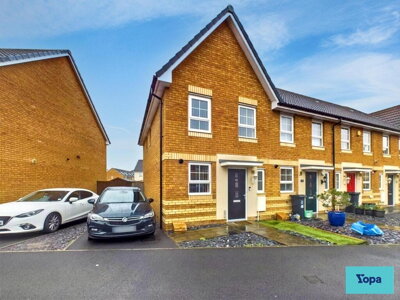
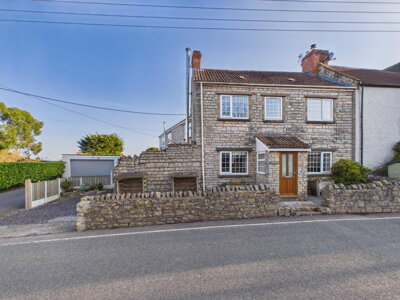
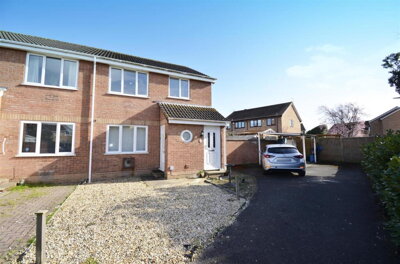
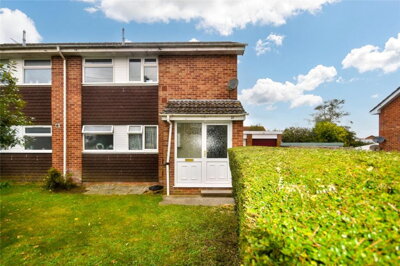
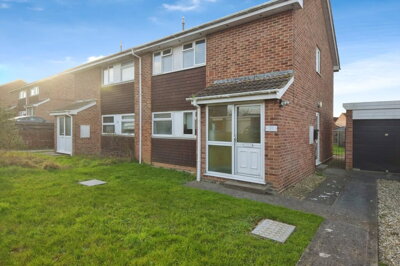
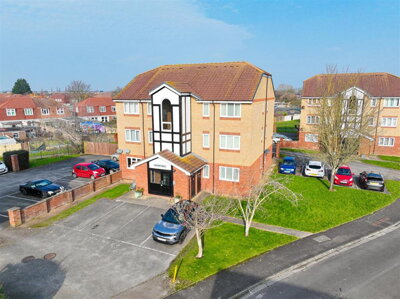
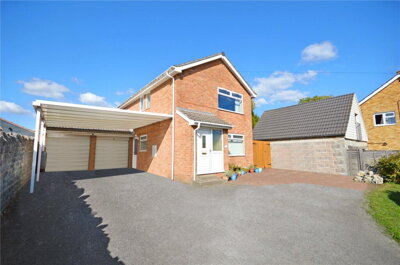
Browse 7 homes for sale in Bawdrip, Somerset from local estate agents.
Studio apartments feature open-plan living spaces without separate bedrooms, incorporating sleeping, living, kitchen, and bathroom facilities. The Bawdrip studio market includes properties in modern apartment complexes, converted Victorian and Georgian buildings, and purpose-built developments.
£0k
0
0
0
Source: home.co.uk
Showing 0 results for Studio Flats for sale in Bawdrip, Somerset.
The Medway property market presents opportunities across all price ranges, with property types to suit different needs and budgets. Detached properties average £508,495, offering generous space for families who need room to grow. Semi-detached homes, which represent 33.7% of the housing stock, command an average price of £340,681 and remain popular with buyers seeking a balance between space and affordability. Terraced properties at £280,000 and flats starting from £194,000 provide accessible entry points for first-time buyers looking to get onto the property ladder in this well-connected part of Kent.
Recent market data shows house prices in Medway have decreased by 1.6% over the past twelve months, which may present opportunities for buyers who have been waiting for more favourable conditions. The market benefits from ongoing new build activity, with major developments including Rochester Riverside offering one and two-bedroom apartments from £260,000 alongside houses from £390,000, and St Mary's Island in Chatham Maritime featuring two to five-bedroom houses from £399,995. Horsted Park in Chatham provides three and four-bedroom family homes from £459,995, while The Quays in Gillingham offers more affordable one and two-bedroom apartments from £219,995.
The predominant housing stock reflects the area's evolution from a Victorian industrial hub to a modern residential destination. Semi-detached properties dominate at 33.7% of the market, followed closely by terraced homes at 32.2%, which often line the streets closest to former railway stations and town centres. Detached properties represent 18.2% of homes and are typically found in more established residential areas or newer developments on the outskirts. Flats and maisonettes account for 15.6% of the housing stock, with concentrations in town centres and the growing number of apartment developments along the riverfront.

Medway's housing stock reflects its diverse history, with properties ranging from Victorian terraces built for dockyard workers to contemporary apartments in regenerated waterfront areas. The predominant construction materials include traditional red brick, which is characteristic of South East England, alongside render finishes and timber cladding on newer developments. Approximately 25.1% of properties were built before 1919, giving many neighbourhoods an established character with period features, while 28.8% of homes are post-1980 builds offering modern insulation and construction standards. The remaining stock spans the inter-war and post-war periods, providing a wide variety of styles for prospective buyers.
The area offers a strong sense of community with excellent local amenities including major retail centres in Chatham and Gillingham, traditional market towns, and numerous parks and green spaces. The University of Kent Medway campus and Canterbury Christ Church University Medway campus contribute to a vibrant cultural scene. Key employers include Medway Council, the NHS with Medway Maritime Hospital, logistics companies benefiting from proximity to major ports and the M2 motorway, and the Historic Dockyard Chatham, which serves as both a major tourist attraction and significant local employer.
Families moving to Medway benefit from the area's combination of affordable housing and strong community infrastructure. The towns of Rochester, Chatham, Gillingham, and Strood each maintain their own distinct character while sharing excellent transport links and local services. Rochester draws residents with its cathedral, castle, and independent high street shops, while Chatham Maritime offers waterfront living with modern amenities. Gillingham provides good transport connections and local shops serving residential areas, and Strood appeals to commuters seeking more affordable prices with direct rail access to London.

Understanding the construction methods used in Medway's housing stock helps buyers appreciate the properties they view and anticipate potential maintenance requirements. Victorian and Edwardian properties, which comprise 25.1% of the housing stock, typically feature solid brick walls constructed without cavity insulation. These homes often have suspended timber ground floors, original sash windows, and slate or clay tile roofs. Properties in Rochester's conservation area and those near the Historic Dockyard in Chatham frequently exhibit these traditional construction methods, with characteristic features like decorative brickwork, bay windows, and ornate ceiling coving that add to their appeal but require ongoing maintenance.
Properties built during the inter-war period (1919-1945), accounting for 15.5% of homes, introduced cavity brick construction that provided improved weather resistance and some thermal benefits. These semi-detached houses often feature bay windows, central hallways, and larger gardens compared to their Victorian predecessors. Post-war construction (1945-1980) represents a significant 30.6% of the housing stock and includes both local authority housing and privately-built homes. Many of these properties have cavity walls filled or unfilled with insulation, concrete floors, and tiled roofs. The post-war era also saw the construction of numerous terrace properties across Medway's residential areas, particularly in Strood and Gillingham.
Modern properties built after 1980 benefit from contemporary building standards but vary significantly in quality and design. New developments along Rochester Riverside and St Mary's Island in Chatham Maritime feature modern construction techniques including timber frame elements, cavity wall insulation, and energy-efficient specifications. However, as with any construction period, buyers should commission appropriate surveys to identify property-specific issues rather than making assumptions based solely on age. Our inspectors frequently encounter defects across all construction periods in Medway, from damp problems in Victorian terraces to snagging issues in brand-new homes.
Given that 71.2% of Medway's housing stock was built before 1980, buyers should be aware of the specific defect patterns our inspectors encounter during surveys in this area. Damp issues are prevalent in older properties, particularly Victorian and Edwardian terraces where original damp-proof courses may have failed or were never installed. Our inspectors regularly identify rising damp in properties with solid brick walls, penetrating damp where render has cracked or failed, and condensation problems arising from inadequate ventilation. These issues are especially common in properties that have been poorly maintained or where recent renovations have addressed symptoms without resolving underlying causes.
The underlying geology of Medway creates notable challenges for property owners, with London Clay and Gault Clay deposits presenting significant shrink-swell risks. Properties with large trees positioned near foundations experience movement as clay soils lose moisture during dry periods and absorb water during wet spells. Our inspectors have identified numerous instances of subsidence damage in properties across Medway, particularly in areas like Walderslade and Lordswood where mature trees are prevalent. Signs of past movement include cracking to walls and chimneys, doors and windows that stick or bind, and evidence of previous underpinning work. Any property showing these signs requires careful assessment before purchase.
Roof defects frequently appear in Medway's older properties, with our inspectors finding slipped or missing tiles, deteriorated lead flashing, and aging felt allowing water penetration. The presence of asbestos-containing materials in properties built before 2000 also requires consideration, with artex ceiling finishes, pipe lagging, and old floor tiles potentially containing this hazardous material. Electrical systems in pre-1980 properties often fail to meet current standards, with older fuse boards, inadequate earthing, and insufficient socket outlets creating safety concerns. Our RICS Level 2 Surveys specifically assess these potential issues and provide detailed recommendations for addressing defects before they become expensive problems.
Families considering a move to Medway will find a comprehensive range of educational options across all levels. The area hosts several well-established secondary schools, with several attaining good or outstanding Ofsted ratings. The presence of grammar schools in Medway provides academic pathways for secondary-aged children, while the Medway Grammar School for Girls and Stormont School offer alternative selective education options. Parents should research specific catchment areas, as school admissions in Medway are managed through the local authority and can significantly impact property values in surrounding streets.
Higher education is well-represented with the University of Kent Medway campus and Canterbury Christ Church University Medway campus located in Chatham, offering degree programmes across various disciplines. These institutions attract students from across the region and contribute to the local economy and cultural life. Further education is available through MidKent College, which provides vocational courses and apprenticeships. Primary education is well-served throughout the area, with numerous primary schools catering to younger children, and many families specifically target locations within walking distance of highly-rated primary schools when property hunting in Medway.
The competition for places at sought-after schools can significantly influence property values in specific streets and neighbourhoods throughout Medway. Properties within the catchment areas of high-performing primary schools in areas such as Hempstead, Wigmore, and Parkwood command premium prices, while proximity to selective grammar schools in Rochester and Chatham adds further value. Families should verify current school performance data through Ofsted reports and confirm catchment area boundaries with Medway Council, as these can change over time and may not align exactly with postcode boundaries.
Medway offers excellent transport connections that make it particularly attractive to commuters working in London or Canterbury. The area is served by several railway stations including Rochester, Chatham, Gillingham, and Strood, with direct train services to London St Pancras, London Victoria, and other major destinations. Journey times to London St Pancras from Strood take approximately 40-50 minutes on high-speed services, making day commuting practical for those working in the capital. The M2 motorway provides direct access to the M25 and the wider motorway network, while the A2 runs through the area connecting Medway to Canterbury and Dover.
Local bus services connect the various towns within Medway, and there are plans for improved public transport links as part of ongoing regeneration initiatives. Cyclists benefit from some dedicated routes, though the hilly terrain in certain areas may require consideration. Parking availability varies by town centre location, with some stations offering commuter car parks. For those working locally, Medway's position between Canterbury and the M25 corridor makes it convenient for accessing employment across Kent and into Essex and South London.
The Strood station area has undergone significant improvement in recent years, with enhanced facilities making it an increasingly popular choice for commuters. The Medway Tunnel provides a direct connection beneath the River Medway, linking Strood to Chatham and reducing journey times between the two towns. For residents of Gillingham and Chatham, the high-speed rail services from Chatham station offer convenient access to London, while those in Rochester benefit from services calling at Rochester station, which also serves the historic city centre and nearby Rochester Airport.
Properties along the River Medway and its tributaries face potential flooding, particularly in low-lying areas of Rochester, Chatham, Gillingham, and Strood. Tidal flooding risk extends along the Medway Estuary, and urban surface water flooding can occur during heavy rainfall. Request flood risk reports and check whether properties have been affected by previous flooding events before committing to a purchase.
Medway has numerous conservation areas and a significant concentration of listed buildings, reflecting its rich historical heritage dating back to Roman times. Rochester's historic city centre, encompassing the area around Rochester Castle and Cathedral, features a high concentration of listed buildings and strict planning controls. Properties within this conservation area may be subject to restrictions on alterations, extensions, or even external decoration changes. The medieval street pattern and traditional building styles are protected, meaning owners require planning permission for many modifications that would not need consent elsewhere.
The Historic Dockyard in Chatham contains numerous listed buildings spanning the Napoleonic era through to the twentieth century, with the No. 1 Smithery and Pay Office among the most significant structures. Properties in this area benefit from the heritage designation but require careful consideration regarding maintenance obligations and permitted development rights. The village of Upnor, with its historic Upnor Castle and riverside character, represents another important conservation area where development is carefully controlled to preserve the unique character of this Thames-side settlement.
The 25.1% of properties built before 1919 throughout Medway may require specialist surveys due to their construction methods, including solid brick walls, timber floors, and original features that require careful maintenance. These older properties often have outdated electrics and plumbing systems that will need updating to meet current standards. For Grade I and Grade II* listed buildings, owners face additional requirements regarding materials and methods used in any restoration or improvement works. Our inspectors are experienced in assessing period properties and will identify any issues requiring attention or specialist input.
Before you start viewing properties, take time to understand the local market. Our data shows detached homes average £508,495 while flats start from £194,000. Consider factors like flood risk areas near the River Medway, conservation areas in Rochester and Chatham, and the ongoing regeneration projects that may affect future property values. Review the local geology reports if purchasing near established trees, as clay soil conditions can impact property foundations.
Speak to a mortgage broker to obtain an agreement in principle before you start viewing. This strengthens your position when making offers and demonstrates to sellers that you are a serious buyer with finance already arranged. In Medway's competitive market, having mortgage decisions in principle can make the difference between securing a property and losing out to another buyer.
When viewing homes in Medway, look beyond the presentation. Check for signs of damp in older properties, particularly the 71.2% of homes built before 1980. Ask about recent renovations, the age of the boiler, and any planning permissions granted for neighbouring developments. Our inspectors recommend bringing a torch, a damp meter, and a camera to document any concerns.
Before proceeding with a purchase, arrange for a qualified surveyor to conduct a Level 2 Survey. For a typical three-bedroom semi-detached property, expect to pay between £450 and £650. This survey will identify structural issues, subsidence risks from local clay soils, and any defects requiring attention. Given the prevalence of clay soil across Medway, our inspectors pay particular attention to foundation conditions and signs of movement.
Appoint a solicitor experienced in Medway property transactions to handle the legal work. They will conduct local searches to identify any planning issues, flood risk designations, and confirm the property's ownership status. Chain-free transactions are common in this market, though the presence of universities means some properties may have tenant occupation to consider.
Once searches are satisfactory and your mortgage offer is confirmed, you can proceed to exchange contracts. Your solicitor will transfer the remaining balance, and you will receive the keys to your new Medway home. Allow time for final checks and building insurance arrangements before completion day.
Properties in Medway require careful inspection due to specific local factors that can affect their condition and value. The underlying geology presents notable challenges, as London Clay and Gault Clay deposits are highly susceptible to shrink-swell behaviour, creating moderate to high risk of subsidence. This risk is particularly relevant for properties with large trees in the garden or those built before 1980. A thorough survey should assess any signs of cracking, differential settlement, or previous underpinning work. The prevalence of alluvial deposits and river terrace gravels near the River Medway also affects ground conditions in lower-lying areas.
Flood risk is a significant consideration when purchasing in Medway, with properties along the River Medway and its tributaries facing potential flooding, particularly in low-lying areas of Rochester, Chatham, Gillingham, and Strood. Tidal flooding risk extends along the Medway Estuary, and urban surface water flooding can occur during heavy rainfall when drainage systems become overwhelmed. Buyers should request flood risk reports and check whether properties have been affected by previous flooding events. Insurance implications and mortgage lender requirements regarding flood risk should be factored into your decision.
Beyond structural and environmental concerns, buyers should assess the general condition and maintenance requirements of properties throughout Medway. Older properties in conservation areas may require specialist materials and methods for any work, adding to renovation costs. The University of Kent and Canterbury Christ Church University campuses in Chatham create high demand for rental properties, which investors should factor into their calculations. First-time buyers purchasing flats should carefully review lease terms, service charges, and any planned major works that could result in unexpected costs.
The average house price in Medway is £326,761 according to recent market data. Property prices vary significantly by type, with detached homes averaging £508,495, semi-detached properties at £340,681, terraced houses at £280,000, and flats starting from £194,000. Prices have decreased by 1.6% over the past twelve months, which may present opportunities for buyers entering the market or those looking to upgrade within the area.
Council tax bands in Medway are set by Medway Council and follow the national banding system from Band A through to Band H. The specific band depends on the property's assessed value as of April 1991. Buyers should check the band with the local authority or on the property listing, as bands affect ongoing running costs and should be considered alongside purchase price when budgeting for a home in Medway.
Medway offers a range of educational options including several grammar schools, secondary schools with good Ofsted ratings, and well-regarded primary schools throughout the area. Specific school performance varies, and parents should research current Ofsted reports and consider catchment areas when property hunting. Higher education is available through the University of Kent Medway campus and Canterbury Christ Church University, both located in Chatham, while MidKent College provides vocational courses.
Medway is well-served by rail connections from Rochester, Chatham, Gillingham, and Strood stations, with direct services to London St Pancras taking approximately 40-50 minutes from Strood. The M2 motorway provides road access to the M25 and beyond, while the A2 connects Medway to Canterbury and Dover. Local bus services operate throughout the area, and there are ongoing discussions about improving public transport links as part of regeneration initiatives.
Medway offers several factors that may appeal to property investors, including relatively affordable prices compared to Greater London, strong rental demand from commuters and university students, and ongoing regeneration projects that could enhance property values over time. The presence of the university campuses creates consistent rental demand, while the ongoing waterfront developments signal confidence in the area's future. However, buyers should research specific locations carefully, considering flood risk areas and local employment trends before committing to an investment purchase.
Stamp Duty Land Tax applies to all property purchases in England. For standard purchases, there is no SDLT on properties up to £250,000, with 5% charged on the portion between £250,001 and £925,000. For properties above £925,000, the rate increases to 10% on the next portion and 12% on amounts exceeding £1.5 million. First-time buyers may qualify for relief on properties up to £625,000, paying 0% up to £425,000 and 5% on the remainder. You should calculate your specific liability based on purchase price and circumstances.
Given that 71.2% of Medway's housing stock was built before 1980, common defects include damp arising from inadequate damp-proof courses, subsidence related to the underlying London Clay and Gault Clay geology, and roof deterioration on older properties. Electrical systems in pre-1980 homes may not meet current standards, and timber defects such as woodworm or rot can affect properties with damp issues. A RICS Level 2 Survey is strongly recommended to identify these concerns before purchase.
The timeframe for completing a property purchase in Medway typically ranges from 8 to 12 weeks from offer acceptance to completion, though this can vary significantly depending on whether the transaction involves a chain, the complexity of the title, and the responsiveness of all parties. Chain-free purchases can sometimes proceed more quickly, while transactions involving properties in conservation areas or those with complex lease terms may take longer due to additional searches and legal requirements.
New build properties in Medway are available at Rochester Riverside, St Mary's Island in Chatham, Horsted Park in Chatham, and The Quays in Gillingham. These developments offer modern construction, energy efficiency, and manufacturer warranties, but buyers should note that new homes can also have defects that require attention. We recommend a snagging inspection for new build properties, separate from any mortgage valuation, to identify issues the developer should rectify before or shortly after you move in.
From 3.84%
Get expert mortgage advice for your Medway property purchase
From £499
Expert solicitors to handle your legal work
From £450
Professional property survey by qualified inspectors
From £80
Energy performance certificate for your property
When purchasing a property in Medway, budget carefully for all associated costs beyond the purchase price. In addition to stamp duty, buyers should account for solicitor fees for conveyancing, which typically start from around £499 for standard transactions but can increase for leasehold properties or those with complications. A RICS Level 2 Survey costs approximately £450 to £650 depending on property size, while a property valuation required by your mortgage lender may cost £200 to £300. If you require a mortgage, arrangement fees of around £1,000 to £2,000 are common, though some lenders offer fee-free deals.
First-time buyers purchasing properties up to £625,000 can benefit from SDLT relief, paying no duty on the first £425,000 and 5% on amounts between £425,001 and £625,000. For a typical first-time buyer purchasing a terraced property at £280,000, this could save over £9,000 compared to standard rates. For standard buyers purchasing a semi-detached home at £340,681, SDLT would apply at 5% on the amount above £250,000, resulting in approximately £4,534 in stamp duty. Always verify your specific liability based on your circumstances, including whether you are a first-time buyer and if you own other properties.
Additional costs to budget for include removals, which can vary widely depending on the volume of belongings and distance moved. Buildings insurance must be in place from the day of completion, and contents insurance should also be considered. Surveyors also recommend setting aside a contingency fund equivalent to 10-15% of the purchase price for unexpected repairs discovered after moving in, particularly relevant for older properties where hidden defects are more likely.
Properties for Sale In London

Properties for Sale In Plymouth

Properties for Sale In Liverpool

Properties for Sale In Glasgow

Properties for Sale In Sheffield

Properties for Sale In Edinburgh

Properties for Sale In Coventry

Properties for Sale In Bradford

Properties for Sale In Manchester

Properties for Sale In Birmingham

Properties for Sale In Bristol

Properties for Sale In Oxford

Properties for Sale In Leicester

Properties for Sale In Newcastle

Properties for Sale In Leeds

Properties for Sale In Southampton

Properties for Sale In Cardiff

Properties for Sale In Nottingham

Properties for Sale In Norwich

Properties for Sale In Brighton

Properties for Sale In Derby

Properties for Sale In Portsmouth

Properties for Sale In Northampton

Properties for Sale In Milton Keynes

Properties for Sale In Bournemouth

Properties for Sale In Bolton

Properties for Sale In Swansea

Properties for Sale In Swindon

Properties for Sale In Peterborough

Properties for Sale In Wolverhampton

Enter your details to see if this property is within your budget.
Loans, cards, car finance
Estimated property budget
Borrowing + deposit
You could borrow between
Typical borrowing
Monthly repayment
Est. at 4.5%
Loan-to-value
This is an estimate only. Your actual budget may vary depending on interest rates, credit history, and personal circumstances. For an accurate affordability assessment, speak to one of our free mortgage advisors.
This calculator provides estimates for illustrative purposes only and does not constitute financial advice. Your home may be repossessed if you do not keep up repayments on your mortgage. Estimates based on 4.5% interest rate, repayment mortgage. Actual rates depend on your circumstances.
Homemove is a trading name of HM Haus Group Ltd (Company No. 13873779, registered in England & Wales). Homemove Mortgages Ltd (Company No. 15947693) is an Appointed Representative of TMG Direct Limited, trading as TMG Mortgage Network, which is authorised and regulated by the Financial Conduct Authority (FRN 786245). Homemove Mortgages Ltd is entered on the FCA Register as an Appointed Representative (FRN 1022429). You can check registrations at NewRegister or by calling 0800 111 6768.

We use cookies to show you personalised content and improve your experience of our website. Find out more in our Privacy policy and Cookie policy.