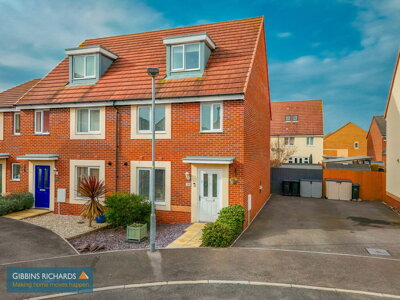
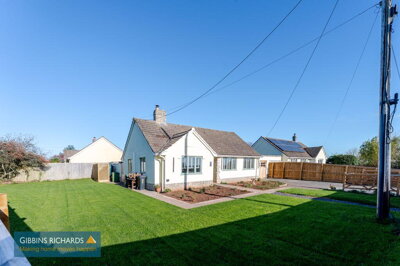
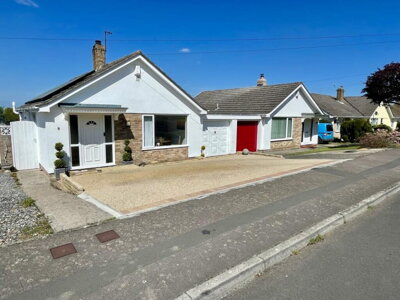
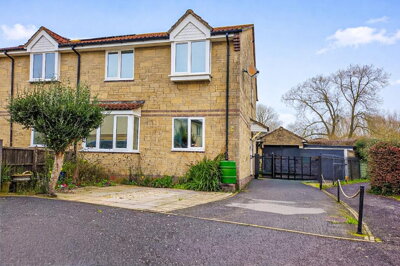
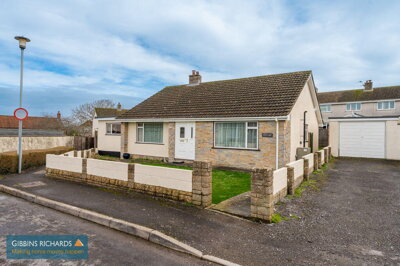
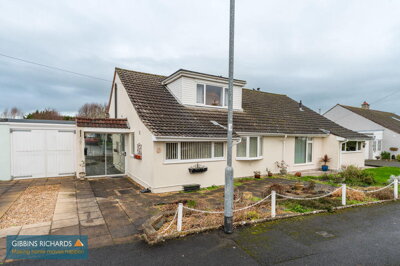
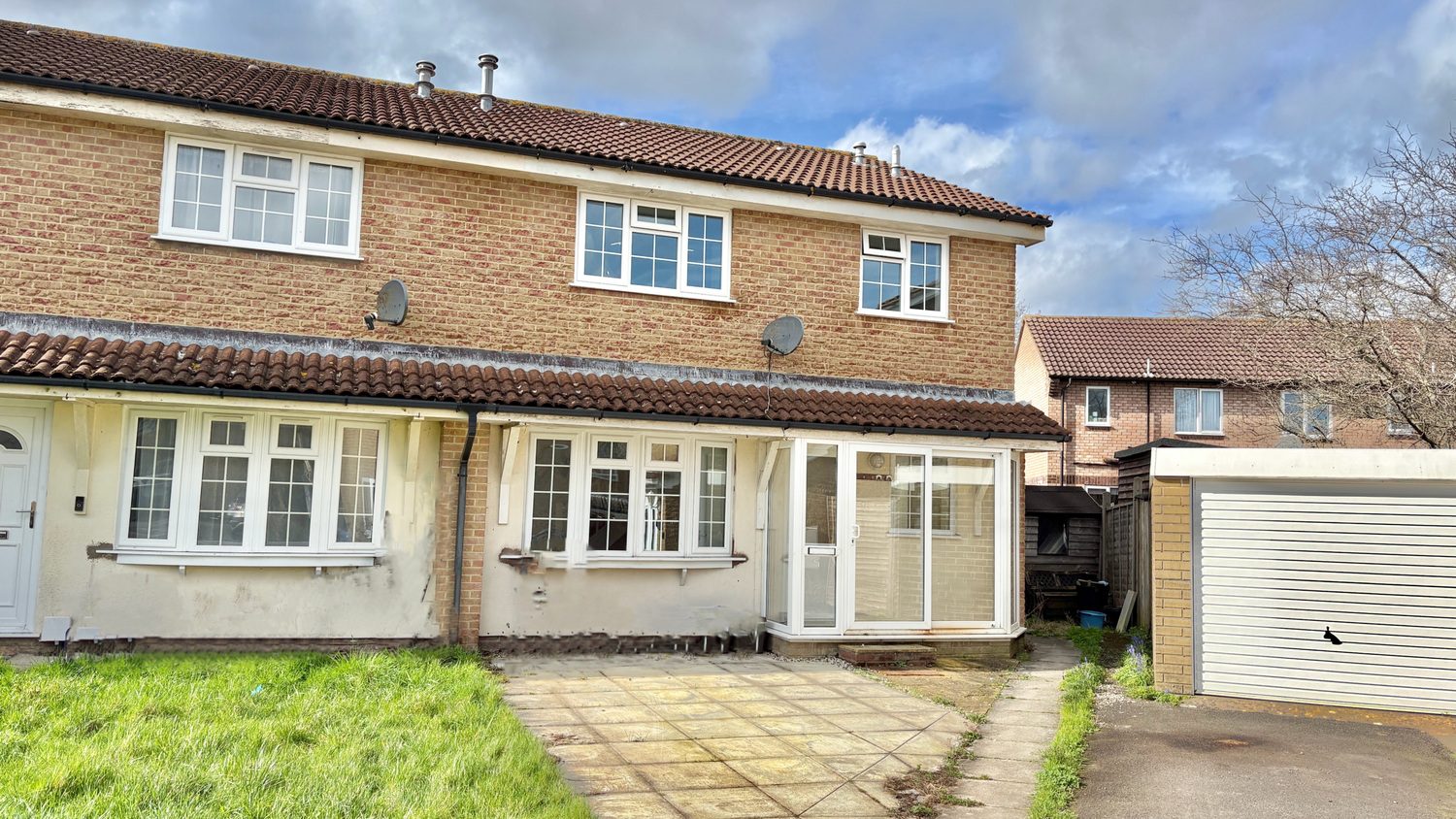
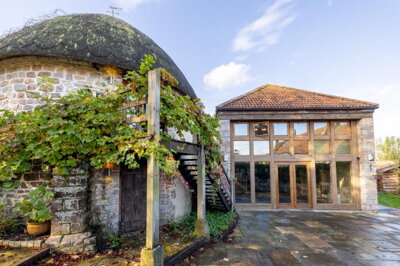
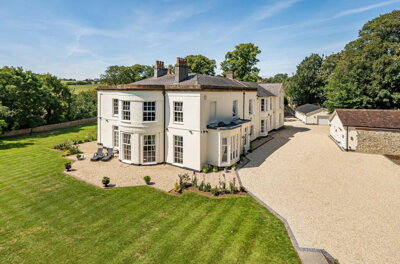
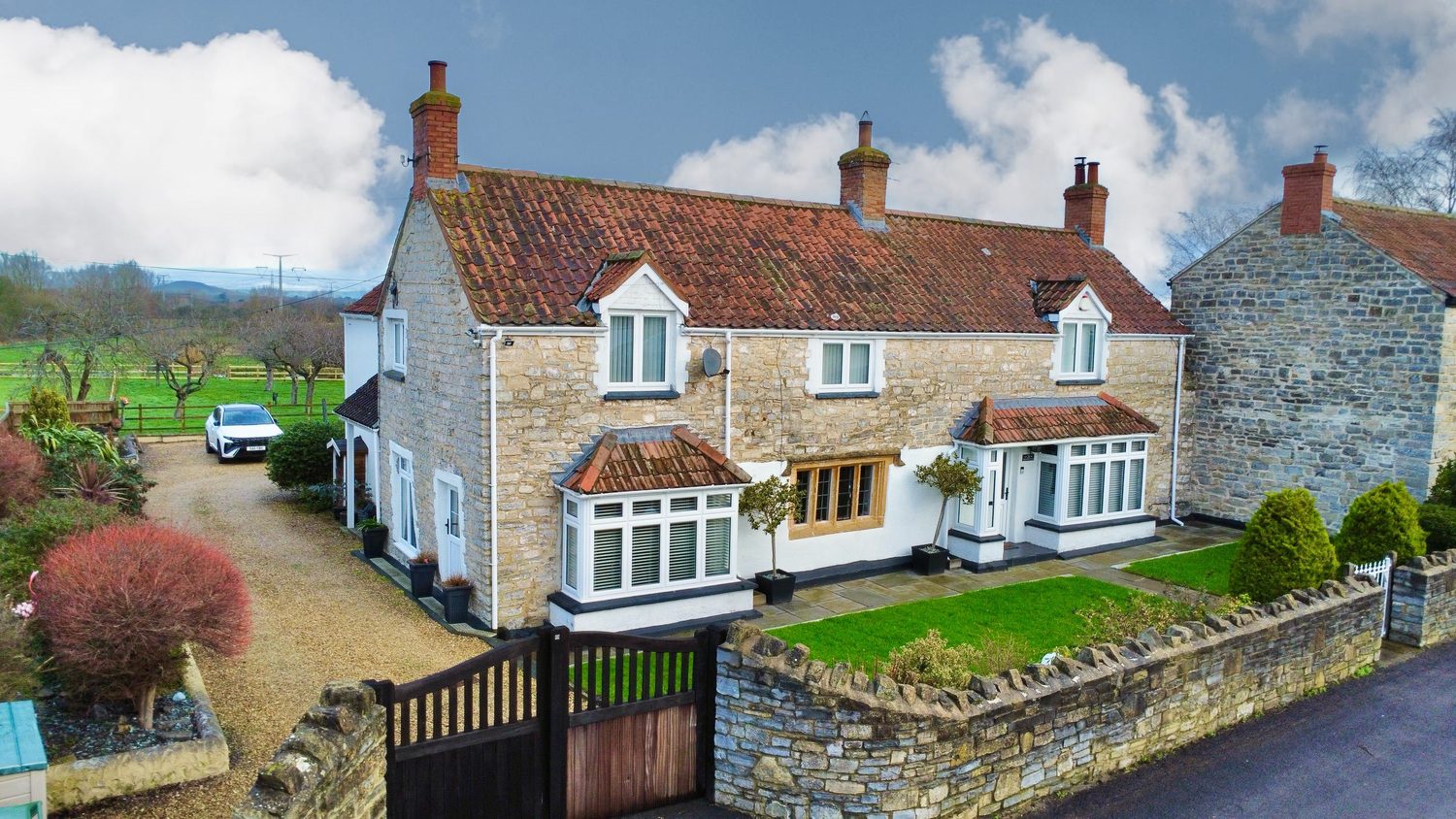
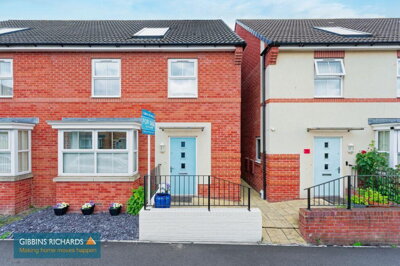
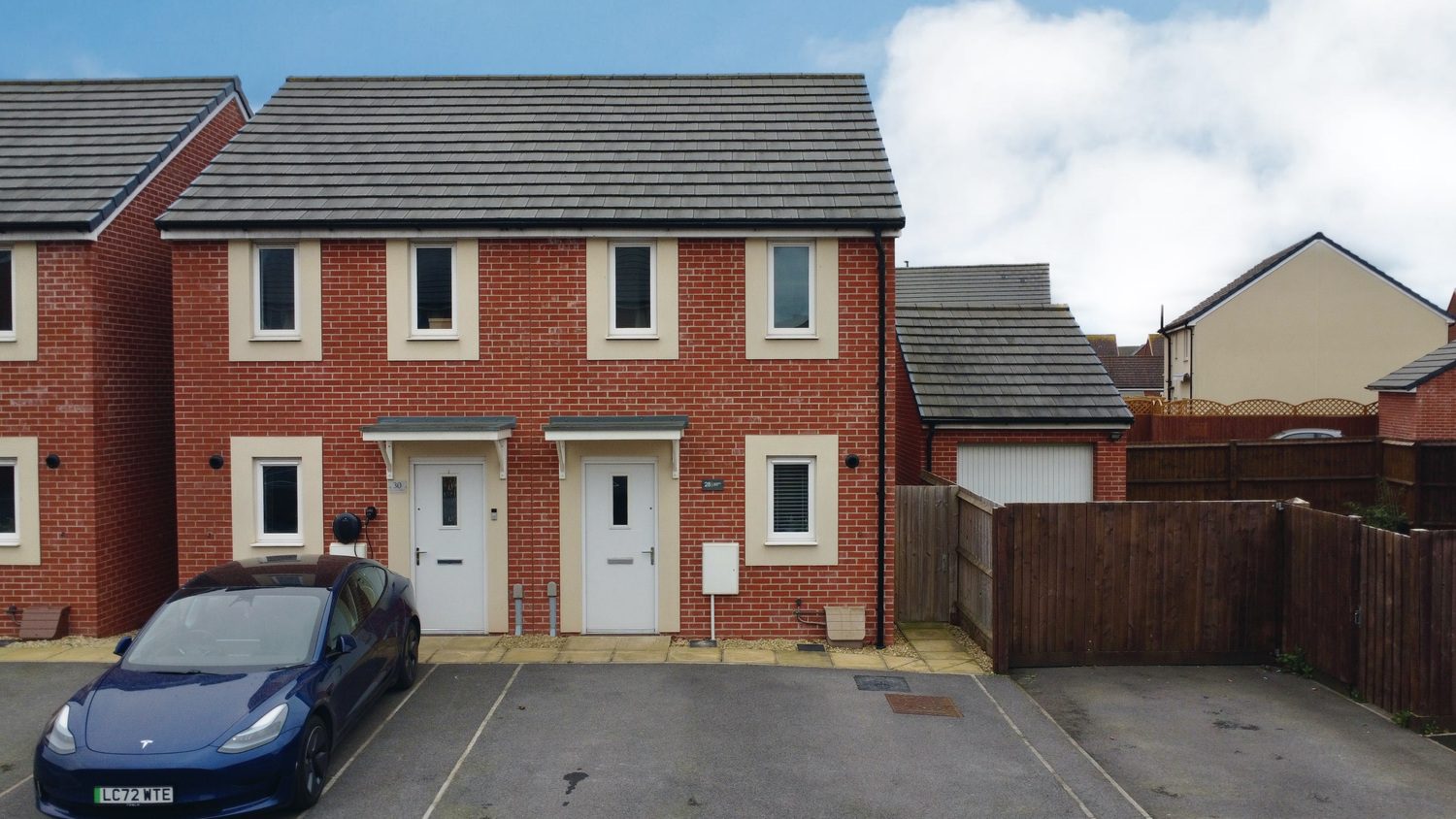
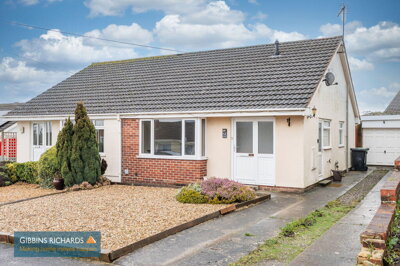
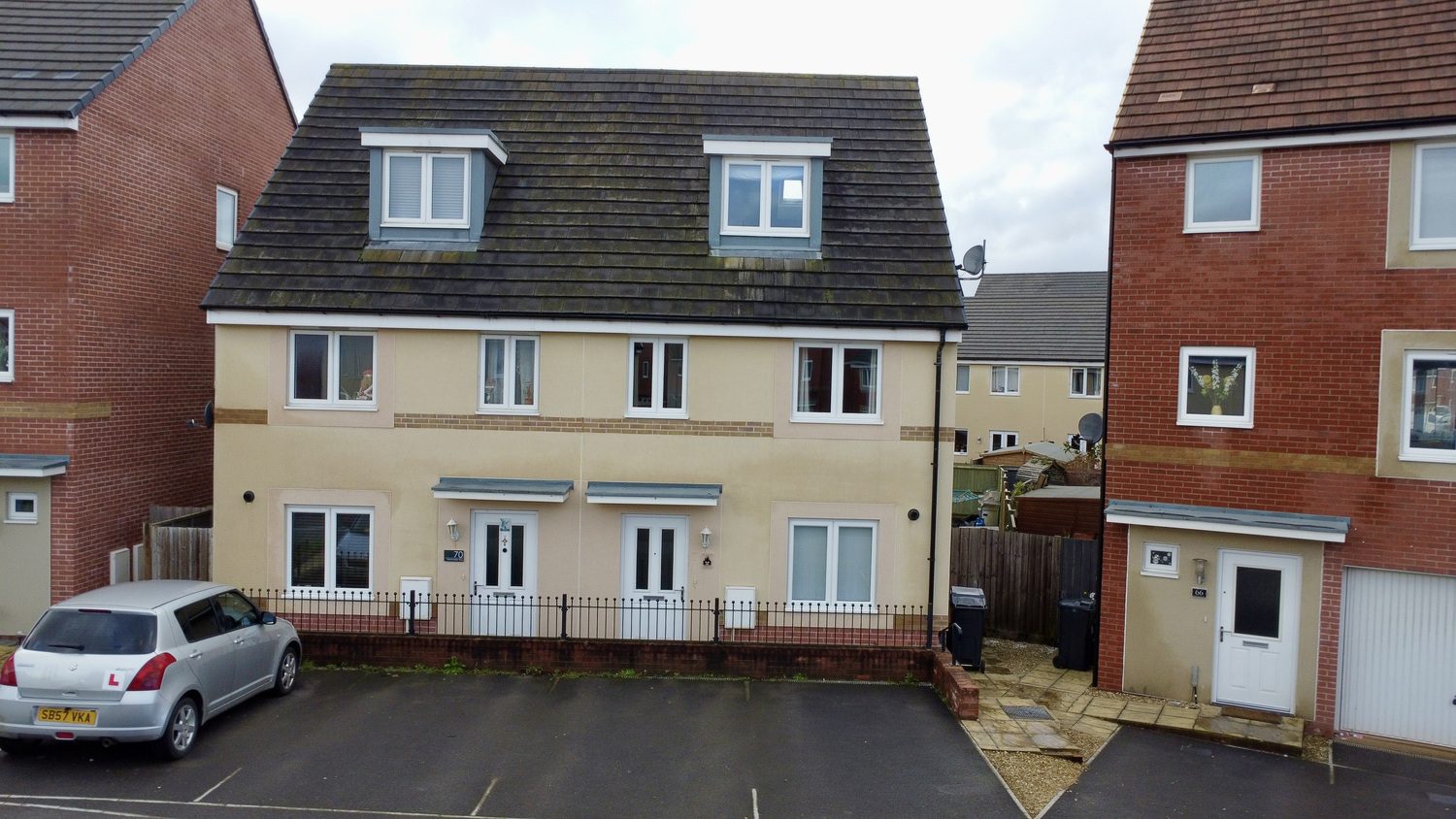
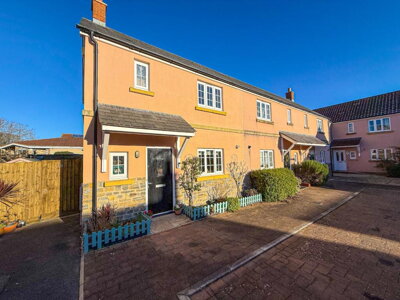
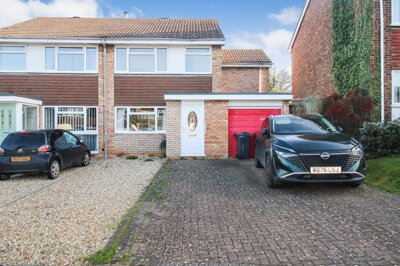
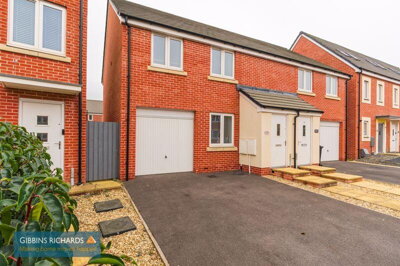
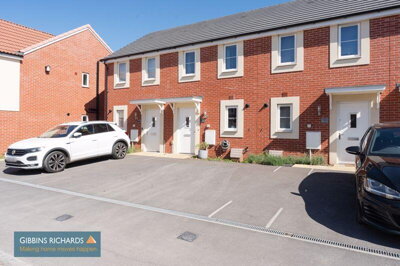
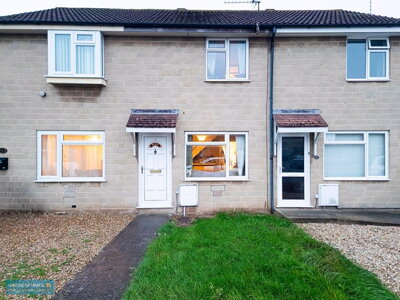
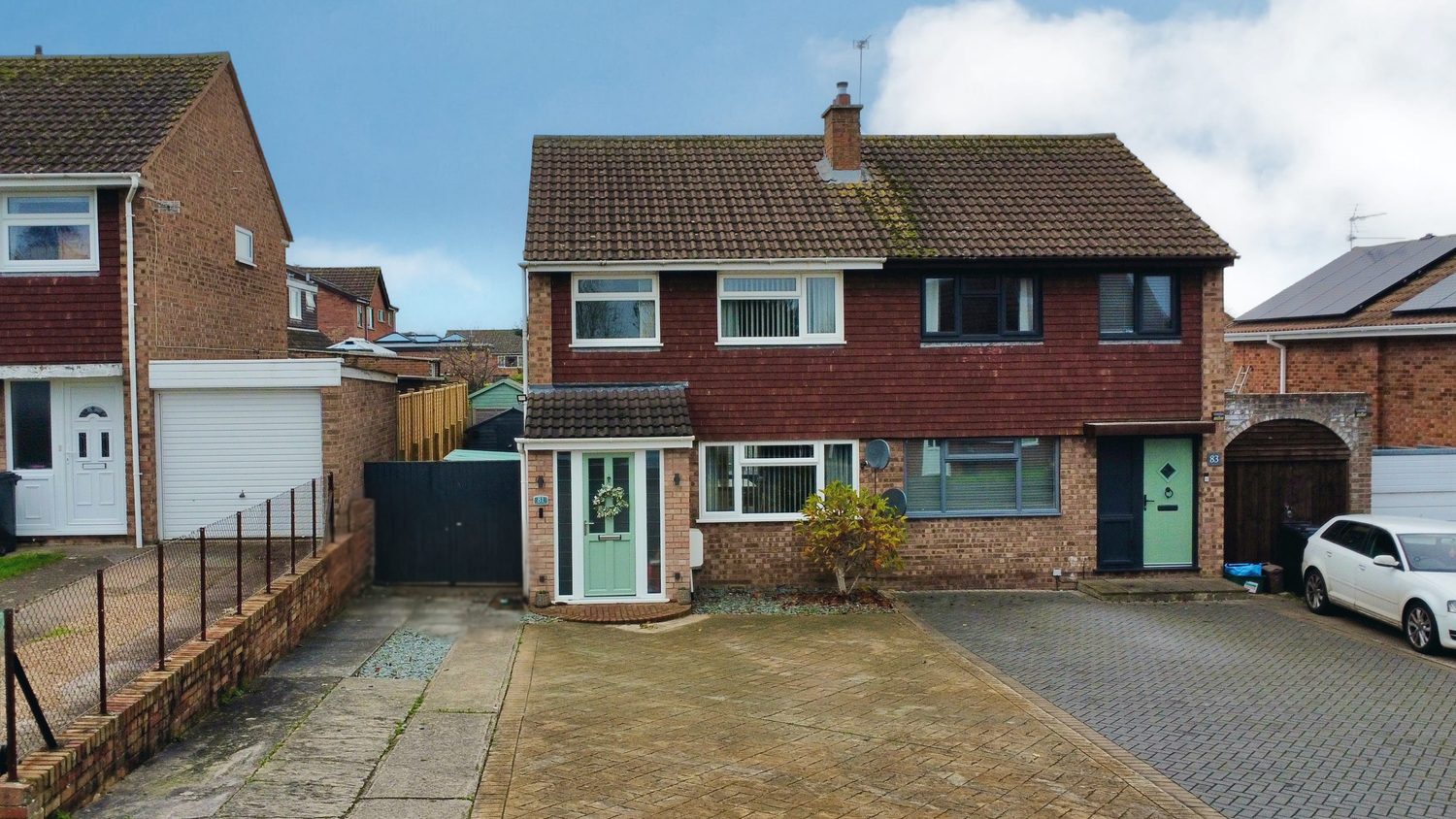
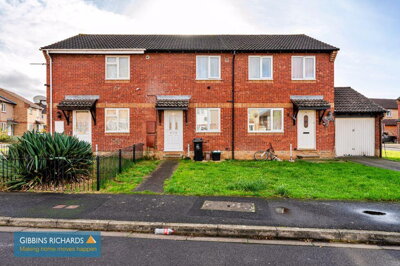
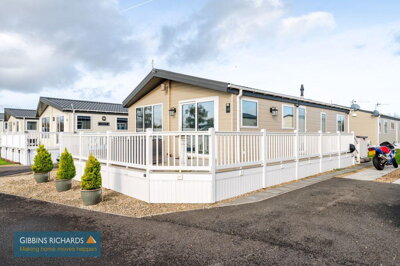
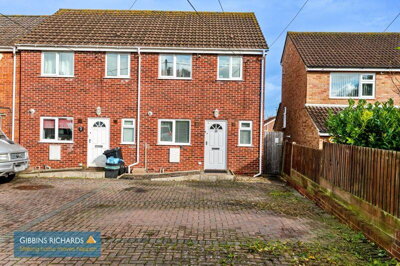
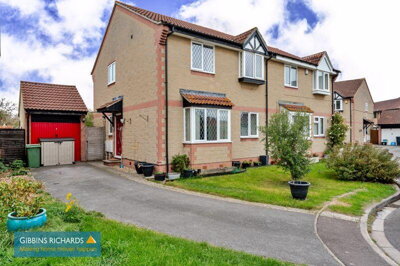
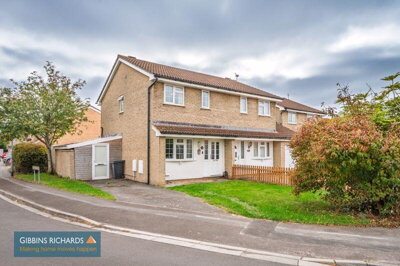
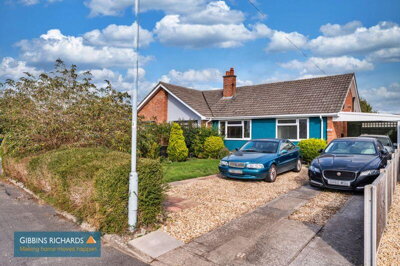
Browse 266 homes for sale in Bawdrip, Somerset from local estate agents.
£350k
5
1
85
Source: home.co.uk
Source: home.co.uk
Detached
5 listings
Avg £769,990
Source: home.co.uk
Source: home.co.uk
Medway's property market reflects its status as one of Kent's most significant urban areas, with 3,097 property sales completing in the past 12 months. The housing stock is predominantly semi-detached, accounting for 33.7% of all properties, followed closely by terraced homes at 32.2%. Detached properties comprise 18.2% of the market, while flats and maisonettes make up 15.6%. This mix provides buyers with genuine choice, from characterful Victorian terraces in Rochester's conservation areas to spacious modern detached homes in new developments across Chatham and Gillingham.
The age profile of properties in Medway is particularly important for buyers to understand. Pre-1919 properties account for 25.1% of the housing stock, featuring traditional solid brick construction, slate roofs, and original suspended timber floors that require specific maintenance knowledge. A further 15.5% of homes were built between 1919 and 1945 using cavity brick techniques, while the 1945-1980 period produced 30.6% of stock with a mix of construction methods. Properties built in these earlier periods often require more attention to maintenance and may have outdated building services that need upgrading.
Price variations across property types demonstrate the range available to buyers. Detached homes command an average of £508,495, offering generous space and gardens that suit families. Semi-detached properties average £340,681, providing an excellent balance of accommodation and value. Terraced homes at £280,000 represent an accessible entry point for first-time buyers, while flats at £194,000 offer an affordable route onto the property ladder or an ideal downsizing option for those seeking low-maintenance living. The recent 1.6% softening in prices over 12 months has created a buyer-friendly market where negotiating power has increased.
New build developments continue to add fresh inventory to Medway's market. Rochester Riverside offers one and two-bedroom apartments from £260,000 alongside two, three, and four-bedroom houses from £390,000, situated in a prime waterfront location. St Mary's Island in Chatham Maritime presents larger family homes with two to five bedrooms from £399,995, while Horsted Park delivers three and four-bedroom homes from £459,995. For those seeking apartment living, The Quays in Gillingham offers one and two-bedroom apartments from £219,995, providing options across all price brackets.

Medway is home to 278,016 residents across 110,700 households, making it one of the largest urban areas in Kent. The population has grown steadily over recent decades as more London workers discover the area's combination of affordable housing and excellent commuter links. The local economy draws strength from diverse sectors including public services, logistics, retail, and education. Medway Council employs significant numbers of local residents, while the NHS operates Medway Maritime Hospital, one of the largest in the region, providing essential healthcare services and employment. Universities including the University of Kent's Medway campus and Canterbury Christ Church University Medway campus contribute to the knowledge economy and bring a youthful energy to the area.
The character of Medway's towns varies considerably, offering distinct neighbourhood personalities. Rochester stands out for its rich historical heritage, centred around the imposing castle and cathedral that dominate the skyline. The city's conservation area encompasses a remarkable collection of listed buildings, including the famous Rochester Castle, Rochester Cathedral dating from the 12th century, and charming Dickensian streets that reference the author's associations with the area. Guildfest museum celebrates local history while independent shops and cafes line the cobbled High Street. Chatham contrasts with its maritime heritage, centered on the Historic Dockyard where visitors can explore preserved warships and learn about centuries of naval tradition. The dockyard area has undergone significant regeneration in recent years, transforming former industrial buildings into creative workspaces and leisure facilities.
For everyday amenities, residents enjoy comprehensive retail provision through the Pentagon Shopping Centre in Chatham and high street offerings in Gillingham and Strood. Strood railway station serves the eastern part of Medway, while Gillingham provides additional rail access. Parks and green spaces are well distributed throughout the area, including Capstone Farm Country Park, Jeskyns Country Park, and the Riverside Country Park along the Medway Estuary. Community facilities support active lifestyles with leisure centres, sports clubs, and walking routes that take advantage of the area's varied landscape. The proximity to the Kent countryside and North Downs provides additional recreation opportunities for residents seeking rural escapes.

Education provision in Medway serves students across all age groups and academic pathways. The area hosts a network of primary schools serving local communities, with many schools in Rochester, Chatham, Gillingham, and Strood receiving positive evaluations from Ofsted. Parents should research individual school performance and admission catchment areas, as primary school places are allocated based on proximity and specific criteria. The variety of primary provision includes community schools, church schools, and academy converters, allowing families to select educational approaches that suit their children's needs.
Secondary education in Medway includes several notable institutions. Schools such as Fort Halstead Secondary School, Rainham School for Girls, Robert Napier School, and Howard of Effingham School serve communities across the area, offering a range of academic and vocational programmes. The Medway schools are part of the broader Kent education system, though Medway itself operates as a unitary authority with its own admissions arrangements. Students in Year 9 typically begin GCSE options, with many schools offering a broad curriculum including sciences, humanities, languages, and creative subjects. Sixth form provision is available at school sixth forms and through colleges including MidKent College, which offers A-levels and vocational qualifications.
Higher education opportunities within Medway include the University of Kent's Medway campus in Chatham, which offers undergraduate and postgraduate programmes in partnership with other institutions. Canterbury Christ Church University also maintains a presence in Medway, providing degree courses across various disciplines. These campus partnerships create pathways for local students to pursue higher education without necessarily relocating to distant university cities. For families prioritising educational provision, the mix of primary schools, secondary options, sixth form colleges, and university access makes Medway a practical choice for raising children through to adulthood.
Medway's strategic position offers residents excellent transport connections by road and rail. The area sits alongside the M2 motorway, providing direct access to the M25 and London to the west and Canterbury and the Kent coast to the east. The A2 trunk road runs through the area, connecting Medway to Gravesend and beyond to London. This road network positions Medway as a logistics hub, with numerous distribution centres and business parks attracting employers who value the accessibility. For commuters, peak-time journey times to London vary depending on destination and mode, with Stratford reachable in approximately 45 minutes by car under normal conditions.
Rail services from Medway connect passengers to London with journey times that support daily commuting. Strood station provides services toward London Victoria and London St Pancras International via connections at Strood itself. Gillingham station offers Southeastern services to London St Pancras via Gravesend and the HS1 route, with journey times to St Pancras typically around 55-65 minutes depending on the service. These rail connections have contributed to Medway's popularity among London workers seeking more affordable housing while maintaining employment in the capital. The Thameslink service improvements have expanded access to destinations across London and beyond.
Local bus services operated by Arriva and other providers connect Medway's towns and villages, with regular services running between Rochester, Chatham, Gillingham, and Strood. Bus travel is practical for local journeys within Medway, though rail or car generally offer faster routes for longer distances. For cyclists, the area includes several cycle paths and quiet lanes suitable for recreational riding and shorter commutes, though the undulating terrain around some areas requires moderate fitness. Parking availability varies by town centre, with Strood and Rochester offering public car parks while residential streets may have limited on-street parking, a common consideration for properties in denser urban areas.
Before viewing properties, obtain a mortgage agreement in principle from a lender. This demonstrates your financial credibility to estate agents and sellers, strengthening your position when you make an offer. Medway estate agents will want to see proof of funding, and having this document ready streamlines the buying process considerably.
Spend time exploring the different towns and villages within Medway to find the area that best suits your lifestyle needs. Consider proximity to your workplace, school catchments, local amenities, and the character of different neighbourhoods. Rochester offers historic charm, Chatham provides regeneration investment, Gillingham delivers practical urban living, and Strood offers excellent rail connections.
Once you have identified properties of interest, schedule viewings through Homemove or directly with estate agents. View properties at different times of day to assess lighting, noise levels, and traffic patterns. For flats, ask about service charges and lease terms. For houses, check the condition of the exterior, roof, and gardens. Consider arranging a second viewing before making an offer.
Before completing your purchase, commission a RICS Level 2 Survey to assess the property's condition thoroughly. Given that over 71% of Medway's housing stock was built before 1980, surveys frequently identify issues such as damp, outdated electrics, or structural concerns related to the local clay geology. Our team charges between £450 and £650 for a three-bedroom semi-detached property in Medway.
Choose a conveyancing solicitor to handle the legal aspects of your purchase. They will conduct searches with Medway Council, check the title deeds, and manage the transfer of ownership. Using a solicitor with experience in Medway transactions ensures familiarity with local issues such as flood risk areas, conservation designations, and any common planning conditions affecting the area.
Once your mortgage is approved, surveys completed, and searches satisfactory, you will exchange contracts and pay your deposit. A typical deposit is 10% of the purchase price. Completion usually follows within 28 days, after which you will receive the keys to your new Medway home. Register your ownership with the Land Registry and update your address records.
Understanding the construction methods used in Medway's properties helps buyers appreciate why professional surveys are so valuable in this area. With 25.1% of the housing stock built before 1919, many homes feature traditional Victorian and Edwardian construction techniques that differ substantially from modern building standards. These older properties typically have solid brick walls without cavity insulation, slate or clay tile roofs, and suspended timber ground floors that can be susceptible to damp and timber defects.
Properties built between 1919 and 1945 account for 15.5% of Medway's homes and introduced cavity brick construction, which provides better insulation and moisture resistance than solid wall construction. The inter-war period also saw standardised window sizes and the introduction of more modern building regulations. Post-war properties from 1945-1980 make up 30.6% of the housing stock, a period that saw various construction methods including system-built designs that may have specific maintenance requirements. The remaining 28.8% of properties built after 1980 generally benefit from modern building standards, though they may still have their own considerations depending on the specific construction approach used.
Building materials across Medway typically feature traditional brick construction, with red brick being particularly common in Victorian and Edwardian properties throughout Rochester and Chatham's older areas. Some newer developments incorporate render finishes or timber cladding, while period properties may feature hung tiles or decorative brickwork. Roofs across the area range from traditional slate in the oldest properties to clay tile in inter-war and later homes, with concrete tiles becoming common in post-war construction. Understanding these materials helps our surveyors identify typical defect patterns and advise buyers on expected maintenance requirements for different property types.
Our inspectors regularly encounter several specific defect types when surveying properties throughout Medway. Damp is one of the most common issues identified, particularly in the older terraced and semi-detached homes that make up a significant proportion of the housing stock. Properties without modern damp-proof courses, or those with defective rainwater goods, often show signs of rising damp or penetrating damp that requires attention. Our surveyors check walls, floors, and timber elements for moisture damage and advise on appropriate remediation measures.
Subsidence and heave present notable risks in Medway due to the underlying geology. Significant deposits of London Clay and Gault Clay beneath many areas exhibit shrink-swell behaviour during periods of extreme weather, causing ground movement that can damage foundations and structural walls. Properties with large trees close to the building are particularly vulnerable, as tree roots extract moisture from clay soils, causing them to shrink during dry periods. Our surveyors assess foundation conditions, examine walls for cracking patterns, and evaluate the relationship between vegetation and the property structure to identify potential subsidence risks.
Roof condition issues frequently appear in older Medway properties, with defects including slipped or broken tiles, deteriorated lead flashing, and aging roof felt allowing water ingress into the property. Our inspectors access roof spaces where safely possible to assess the condition of rafters, battens, and insulation. Timber defects such as woodworm infestation and fungal rot can affect roof structures, floor timbers, and window frames, particularly in properties with existing damp issues or poor ventilation. Properties built before 1980 may also contain asbestos in materials such as artex textured coatings, pipe lagging, and old floor tiles, which our surveyors will note if identified.
Property buyers in Medway should pay particular attention to flood risk, given the area's geography along the River Medway and its estuaries. Properties in low-lying areas near riverbanks in Rochester, Chatham, Gillingham, and Strood may face elevated flood risk from river flooding, tidal surges from the Thames Estuary, or surface water during heavy rainfall. Requesting a flood risk report and reviewing the property's history of flooding incidents is advisable before committing to a purchase. Sellers are required to complete a Property Information Form that includes any flooding issues, and your conveyancing solicitor should flag any concerns revealed in local authority searches.
The underlying geology in Medway presents specific considerations for property condition. Significant deposits of London Clay and Gault Clay beneath many areas create shrink-swell risks that can cause subsidence, particularly in older properties with large trees nearby. Properties built before 1980 account for 71.2% of Medway's housing stock, meaning most homes will fall into the age range where a RICS Level 2 Survey is most valuable. Surveyors will assess the condition of foundations, look for signs of cracking, and evaluate trees and drainage that might affect ground stability. Properties in areas with chalk bedrock tend to have fewer ground movement concerns, though chalk dissolution features can occasionally cause localised issues.
Medway's numerous conservation areas and listed buildings require additional due diligence from buyers. Properties in Rochester's historic centre, around Chatham's Historic Dockyard, or in the village of Upnor may be subject to planning restrictions affecting alterations, extensions, or external changes. A standard RICS Level 2 Survey may not fully address the complexities of historic properties, and specialist advice may be required. Ask your surveyor to identify any listed building status and discuss with Medway Council's planning department what permissions might be needed for any planned changes. Understanding these constraints before purchase prevents costly surprises later.
For buyers considering apartments in Medway, the terms of leasehold ownership warrant careful examination. Check the length of the lease remaining, the current ground rent obligations, and any service charges for communal maintenance. Newer apartments at developments like The Quays in Gillingham may have longer leases and modern management structures, while conversions of period buildings may present different challenges including shorter leases, higher ground rents, or more complex maintenance arrangements. Service charges vary considerably based on the facilities provided, and understanding what is included helps with accurate budgeting beyond the purchase price and mortgage costs.
Buying a property in Medway involves several costs beyond the purchase price, with stamp duty land tax being a significant consideration. For a property priced at the Medway average of £326,761, a standard buyer would pay stamp duty on the amount above £250,000 at 5%, resulting in a tax liability of £3,838. This calculation assumes the purchase does not qualify for first-time buyer relief. Your conveyancing solicitor will calculate the exact amount based on your circumstances and submit the return to HMRC within 14 days of completion.
First-time buyers purchasing in Medway benefit from increased thresholds under current government policy. For first-time purchases up to £625,000, buyers pay 0% on the first £425,000 and 5% on the portion between £425,001 and £625,000. Using the same £326,761 example, a first-time buyer would pay no stamp duty at all, making Medway an attractive option for those entering the property market. Properties priced above £625,000 do not qualify for first-time buyer relief, so higher-value purchases revert to standard rates.
Beyond stamp duty, buyers should budget for survey costs, legal fees, and mortgage arrangement charges. Our RICS Level 2 Survey for a typical three-bedroom semi-detached property in Medway typically costs between £450 and £650, depending on the property size and the surveying firm chosen. Conveyancing fees for legal work including searches, title checks, and completion typically start from £499 for basic transactions, though leasehold properties or those with complications may cost more. Mortgage arrangement fees vary by lender and deal, ranging from free to 2% of the loan amount, though many borrowers choose to add these to their mortgage rather than pay upfront. Other costs include Land Registry registration fees of approximately £300-£500, removal costs, and potentially valuation fees if not included in your mortgage deal.
The average house price in Medway is £326,761 according to recent market data. Prices vary significantly by property type, with detached homes averaging £508,495, semi-detached properties at £340,681, terraced houses at £280,000, and flats at £194,000. The market has shown a modest 1.6% decrease over the past 12 months, creating more balanced conditions between buyers and sellers. With 3,097 property sales completing in the past year, Medway maintains an active property market with good choice across all property types.
Properties in Medway are assessed by Medway Council for council tax purposes, with bands ranging from A through H based on property value. Most terraced properties and smaller flats typically fall into bands A to C, while larger semi-detached and detached homes often attract bands D through F. The council publishes annual charges for each band, and you can request confirmation of the specific banding from the Valuation Office Agency before completing your purchase. Council tax payments fund essential local services including education, waste collection, and road maintenance.
Medway offers a range of educational options including primary schools in Rochester, Chatham, Gillingham, and Strood, many of which have received positive Ofsted ratings. Secondary schools such as Fort Halstead, Rainham School for Girls, Robert Napier School, and Howard of Effingham School serve students across the area. For sixth form education, students can choose between school sixth forms and MidKent College. The University of Kent maintains a campus in Chatham, providing higher education opportunities locally. Parents should research individual school performance, admission catchment areas, and any faith-based criteria when selecting properties.
Medway benefits from good rail connections to London and the South East. Gillingham station provides Southeastern services to London St Pancras in approximately 55-65 minutes, while Strood station offers connections to London Victoria and St Pancras via the HS1 route. Bus services operated by Arriva connect all major towns within Medway, with regular routes between Rochester, Chatham, Gillingham, and Strood. The M2 motorway and A2 road provide road connections to London, Canterbury, and the Kent coast, making car travel practical for those needing to commute by road.
Medway offers several factors that appeal to property investors, including relatively affordable entry prices compared to London and surrounding areas, strong rental demand driven by commuters and local workers, and ongoing regeneration projects along the Medway waterfront. The area's population of 278,016 and 110,700 households creates a substantial base for rental demand. New developments like Rochester Riverside and St Mary's Island demonstrate continued investment in the area. However, investors should research specific locations, rental yields, and void periods before committing, as conditions vary between neighbourhoods.
Stamp duty rates in England apply to your Medway property purchase based on the price you pay. For standard purchases, you pay 0% on the first £250,000, 5% on the portion between £250,001 and £925,000, 10% on £925,001 to £1.5 million, and 12% on any amount above £1.5 million. First-time buyers benefit from relief paying 0% on the first £425,000 and 5% on the portion between £425,001 and £625,000, provided the purchase price does not exceed £625,000 and you meet the first-time buyer criteria. Your conveyancing solicitor will calculate and submit the stamp duty land tax return to HMRC.
Given that 71.2% of Medway's housing stock was built before 1980, buyers should be aware of common issues in older properties. Damp frequently affects Victorian and Edwardian terraces without modern damp-proof courses, while subsidence risks arise from the shrink-swell behaviour of underlying London Clay and Gault Clay soils. Roof defects including slipped tiles, deteriorated flashing, and aging felt are common in pre-1980 properties. Outdated electrical systems and potential asbestos in materials such as artex also require attention. Our RICS Level 2 Survey identifies these issues and provides detailed advice on remediation costs.
Flood risk is a significant consideration for property buyers in Medway due to the area's geography along the River Medway and its estuaries. Properties in low-lying areas near riverbanks in Rochester, Chatham, Gillingham, and Strood face elevated risk from river flooding and tidal surges from the Thames Estuary. Urban surface water flooding also occurs during heavy rainfall when drainage systems become overwhelmed. Request a flood risk report before purchasing and check the property information form for any history of flooding incidents. Your conveyancing solicitor will conduct local authority searches that include flood risk data for the specific location.
Properties for Sale In London

Properties for Sale In Plymouth

Properties for Sale In Liverpool

Properties for Sale In Glasgow

Properties for Sale In Sheffield

Properties for Sale In Edinburgh

Properties for Sale In Coventry

Properties for Sale In Bradford

Properties for Sale In Manchester

Properties for Sale In Birmingham

Properties for Sale In Bristol

Properties for Sale In Oxford

Properties for Sale In Leicester

Properties for Sale In Newcastle

Properties for Sale In Leeds

Properties for Sale In Southampton

Properties for Sale In Cardiff

Properties for Sale In Nottingham

Properties for Sale In Norwich

Properties for Sale In Brighton

Properties for Sale In Derby

Properties for Sale In Portsmouth

Properties for Sale In Northampton

Properties for Sale In Milton Keynes

Properties for Sale In Bournemouth

Properties for Sale In Bolton

Properties for Sale In Swansea

Properties for Sale In Swindon

Properties for Sale In Peterborough

Properties for Sale In Wolverhampton

Enter your details to see if this property is within your budget.
Loans, cards, car finance
Estimated property budget
Borrowing + deposit
You could borrow between
Typical borrowing
Monthly repayment
Est. at 4.5%
Loan-to-value
This is an estimate only. Your actual budget may vary depending on interest rates, credit history, and personal circumstances. For an accurate affordability assessment, speak to one of our free mortgage advisors.
This calculator provides estimates for illustrative purposes only and does not constitute financial advice. Your home may be repossessed if you do not keep up repayments on your mortgage. Estimates based on 4.5% interest rate, repayment mortgage. Actual rates depend on your circumstances.
Homemove is a trading name of HM Haus Group Ltd (Company No. 13873779, registered in England & Wales). Homemove Mortgages Ltd (Company No. 15947693) is an Appointed Representative of TMG Direct Limited, trading as TMG Mortgage Network, which is authorised and regulated by the Financial Conduct Authority (FRN 786245). Homemove Mortgages Ltd is entered on the FCA Register as an Appointed Representative (FRN 1022429). You can check registrations at NewRegister or by calling 0800 111 6768.

We use cookies to show you personalised content and improve your experience of our website. Find out more in our Privacy policy and Cookie policy.