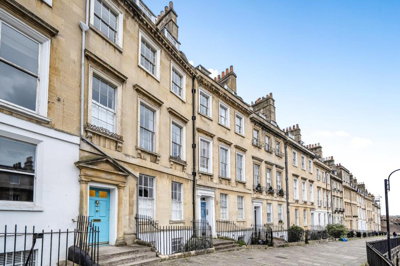
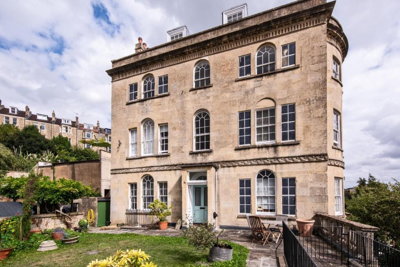
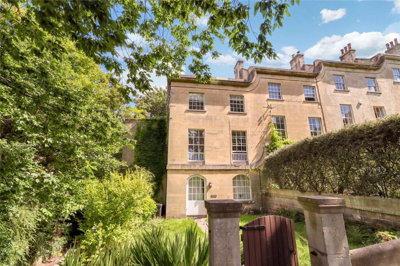
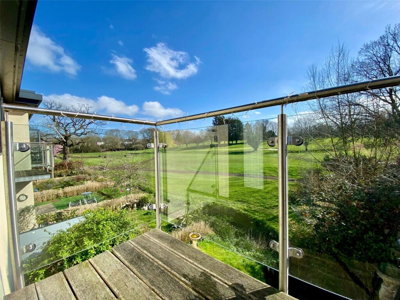
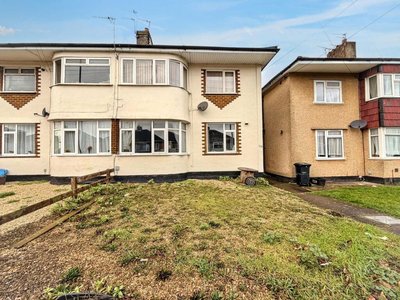
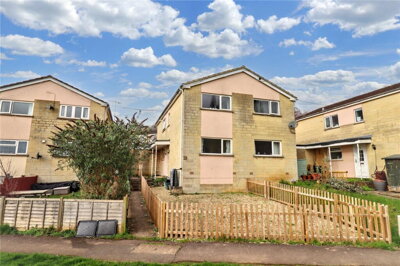
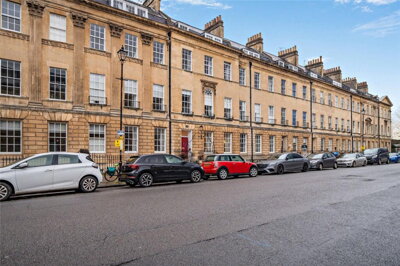
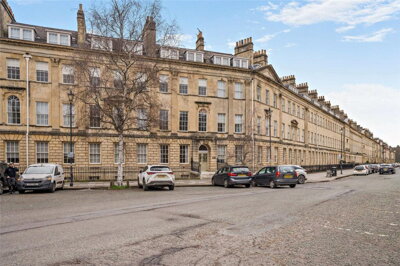
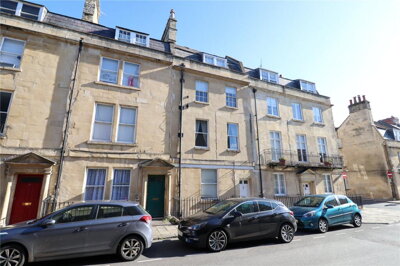
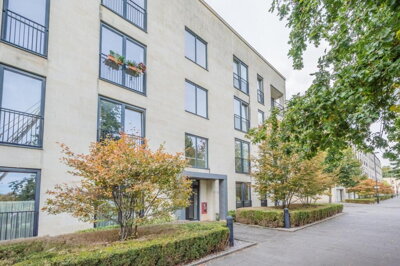
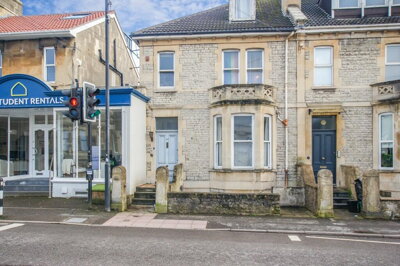
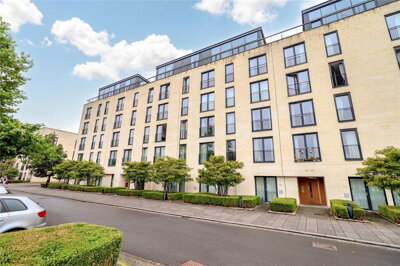
Browse 670 homes for sale in Bath and North East Somerset from local estate agents.
Studio apartments feature open-plan living spaces without separate bedrooms, incorporating sleeping, living, kitchen, and bathroom facilities. The Bath And North East Somerset studio market includes properties in modern apartment complexes, converted Victorian and Georgian buildings, and purpose-built developments.
The Bath and North East Somerset property market offers remarkable diversity, with over 1,750 residential properties sold in the past year across all property types. Terraced properties are the most commonly sold type, with 594 transactions recorded, followed by semi-detached houses at 455 sales and detached homes at 368 sales. Flats accounted for 335 transactions, demonstrating sustained appetite for apartment living in this sought-after district. The market has shown relative stability, with overall prices rising just 0.8% year-on-year as of December 2025, after a 6% correction from the previous year and a 5% adjustment from the 2022 peak of £506,055.
Property prices in Bath and North East Somerset reflect the premium nature of this area within the South West region. Detached homes command an average of £706,000, while semi-detached properties average £443,000 and terraced homes £386,000. Flats and maisonettes average £242,000, offering a more accessible entry point for first-time buyers looking to establish themselves in this desirable location. The BA1 postcode covering Bath city itself saw 503 residential sales in the year to March 2024, though this represented a 30% decrease in transaction volumes compared to the previous year, suggesting some cooling in market activity as buyers navigate economic conditions.
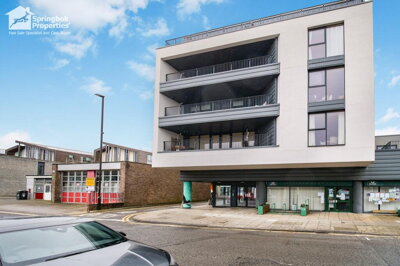
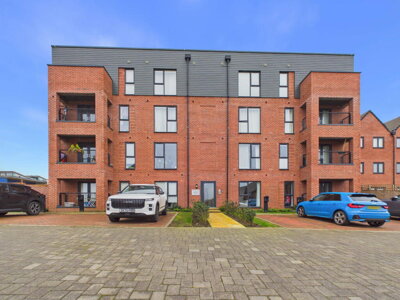
Several notable new build developments are bringing fresh inventory to the market. One Waterside offers contemporary one, two, and three-bedroom apartments on the waterfront with private amenity space, while Holburne Park provides classically styled four and five-bedroom townhouses and villas on Warminster Road. The Bath Press development on Lower Bristol Road features apartments ranging from 550 to 1,687 square feet, and Mulberry Park in Combe Down offers community-focused townhouses with a dedicated hub at the development. For those seeking newer properties further afield, Somer Meadows in Midsomer Norton from David Wilson Homes includes energy-efficient features such as solar panels and EV charging points, with key worker deposit contributions available for eligible buyers.
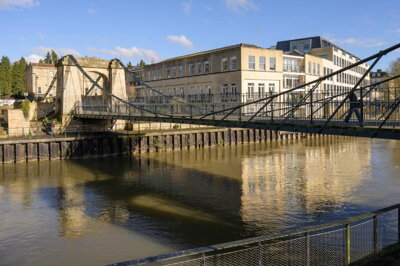
The southern part of the district falls within the Somerset Coalfield, with a history of coal mining around Radstock and Midsomer Norton that continues to influence the local property landscape. Quarrying of Bath Stone has also involved extensive underground workings in some areas, meaning property searches may reveal records relevant to ground stability. The River Avon flows westward through the area, with tributaries including the River Chew and Midford Brook crossing the district and occasionally presenting flood risk in low-lying areas, particularly during periods of heavy rainfall.

Bath and North East Somerset encompasses a population of approximately 196,000 residents across a varied landscape that bridges the Cotswold Hills, Mendip Hills, and the Avon Valley. The 2021 Census recorded 79,250 households in the district, representing an 8% increase over the decade, with nearly two-thirds of households comprising just one or two people. The population is predominantly of working age, though the district is preparing for demographic change with the 65+ population projected to grow by 15% between 2018 and 2028, which influences housing demand for certain property types.
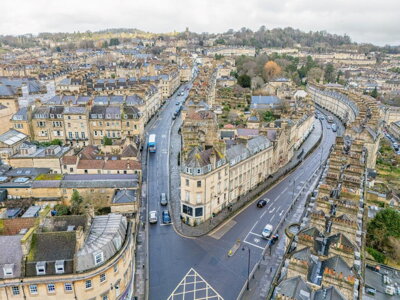
The character of Bath and North East Somerset is defined by its distinctive geology and architecture. The area is famous for Bath Stone, a Middle Jurassic oolitic limestone that gives the city its honey-coloured appearance and earned Bath its status as a UNESCO World Heritage Site. Local geology has shaped everything from construction methods to the landscape itself, with Jurassic limestones, sandstones, and clays underlying the entire district. The presence of these clay deposits creates potential for ground movement, particularly in areas of slope failure and landslide activity documented along the Cotswold escarpments and around Bath.
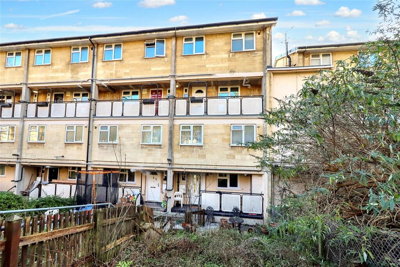
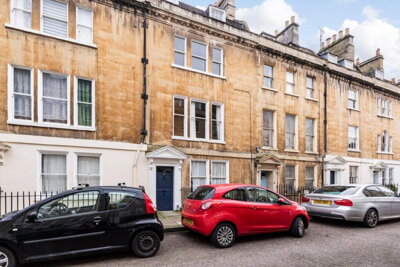
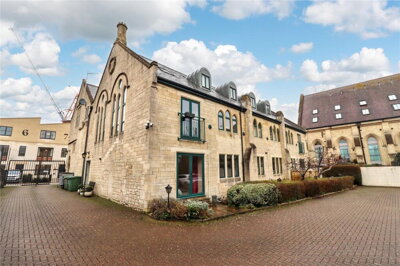
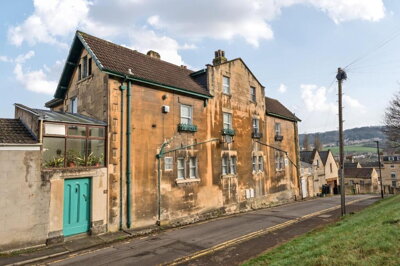
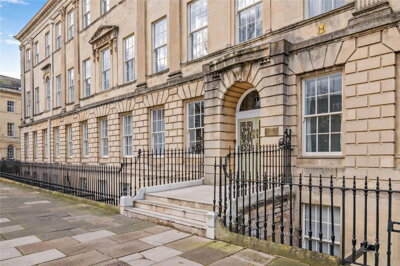
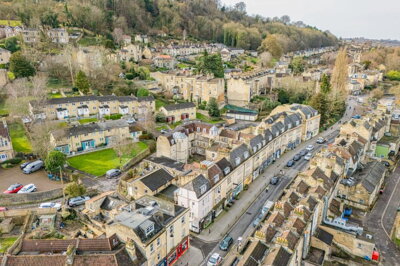
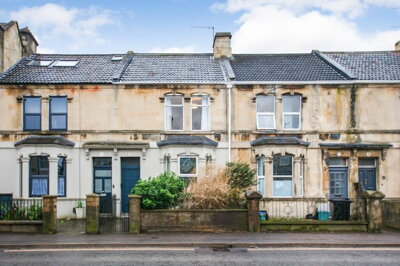
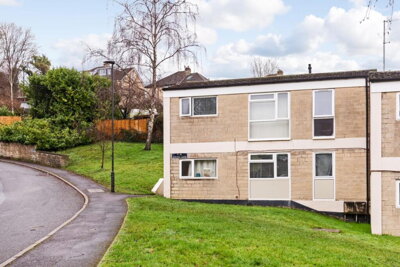
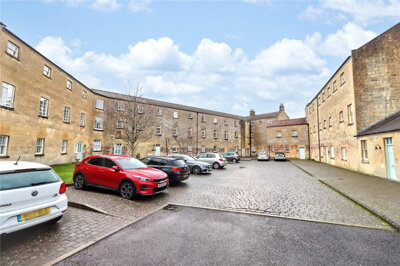
The housing stock reflects the area's rich architectural heritage alongside modern developments. According to Census data, 78.2% of households (61,970) live in houses or bungalows, with 21.4% (16,969) in flats, maisonettes, or apartments. The breakdown shows 22,713 semi-detached households, 21,579 terraced households, and 17,678 detached households. Purpose-built flats account for 10,672 households, with a further 4,646 living in converted houses or shared accommodation. This varied stock means buyers can choose from grand Georgian townhouses, elegant Regency terraces, Victorian workers' cottages, and contemporary apartments, all within a district committed to preserving its unique character.
The presence of two campus-based universities significantly influences the local housing market, creating consistent demand for rental properties and student accommodation. Bath's strong cultural heritage and status as a popular tourist destination support a vibrant local economy with diverse employment opportunities. The area benefits from excellent transport links to major UK cities, making it attractive to commuters who work in Bristol or further afield. For families, the combination of good schools, green spaces, and strong community facilities makes Bath and North East Somerset a particularly desirable place to put down roots.
Education provision in Bath and North East Somerset serves families at every stage of their educational journey, from nursery through to further and higher education. The district is home to numerous primary schools serving local communities, with many achieving excellent Ofsted ratings and attracting families specifically to their catchment areas. Parents buying property in the area should research individual school performance and admission policies, as primary school places are allocated based on proximity to the school in many cases. The presence of good primary schools significantly influences property values in surrounding streets, making this information essential for family buyers.
Secondary education in the district includes several well-regarded schools, with Bath having a particularly strong academic tradition. The city's secondary schools serve students from across the district, and competition for places at popular schools can be intense. Some families pursue faith-based education through the Catholic and other denominational schools operating in the area, which often have their own admission criteria beyond geographic proximity. For sixth form and further education, Bath offers excellent provision, with institutions providing A-levels, vocational qualifications, and apprenticeship opportunities for students continuing their education beyond GCSE.
Higher education plays a significant role in the Bath and North East Somerset housing market, with two campus-based universities attracting students from across the UK and internationally. This student population creates consistent demand for rental properties and influences the character of certain neighbourhoods, particularly those close to university campuses in the city centre and surrounding areas. The presence of universities also contributes to the local economy, supporting retail, hospitality, and cultural sectors, and helps maintain a youthful demographic profile despite the broader ageing population trend.
For families considering the long-term educational trajectory in the area, understanding the full range of schooling options, from early years through to university, helps inform property decisions that will serve children well throughout their educational development. Properties in popular school catchments command premiums, so budgeting for these considerations alongside the property purchase price is advisable. Families should also consider the availability of childcare facilities, after-school clubs, and extracurricular activities when evaluating different neighbourhoods within the district.
Bath and North East Somerset enjoys excellent transport connectivity that makes it attractive to commuters and those who travel regularly for work. Bath Spa railway station provides direct services to Bristol Temple Meads (approximately 15 minutes), London Paddington (around 90 minutes), and other major destinations across the UK including Birmingham, Southampton, and Cardiff. The city sits at the intersection of several major roads, including the A4 which connects Bath to Bristol and beyond. For those driving, the M4 motorway is accessible and provides a direct route to Swindon, Reading, and London to the east, and Bristol and South Wales to the west.
Public transport within the district connects Bath with surrounding towns and villages, though car ownership remains advantageous for those living outside the city centre. Bus services operate throughout the area, linking residential neighbourhoods with the city centre, retail areas, and employment zones. The geography of the district, which includes river valleys and hilly terrain in places, can affect journey times and route options, particularly during peak hours when traffic can become congested on routes into Bath city centre. For cyclists, Bath has invested in cycling infrastructure in recent years, though the topography presents challenges in some areas.
Parking provision varies significantly across the district, with city centre properties often having limited or no parking, while homes in surrounding areas and towns typically benefit from more generous parking. This factor significantly influences property values and livability for many buyers, particularly those who need vehicle storage as part of their daily life. Properties in Bath's Georgian terraces frequently lack dedicated parking, which is factored into their valuation relative to homes in areas like Lansdown or Widcombe where off-street parking commands a premium.
Those considering properties near watercourses should investigate specific flood risk assessments for their chosen location, as the River Avon and its tributaries can present flooding concerns in low-lying areas. Surface water flooding is also a general consideration in urban areas during periods of heavy rainfall. Understanding local transport options and potential flood risks helps buyers evaluate the practicalities of daily commute and travel when considering different neighbourhoods within the district.
Before viewing properties, obtain a mortgage agreement in principle from a lender. This demonstrates your purchasing capacity to estate agents and sellers, giving you a competitive edge in Bath and North East Somerset's active property market where desirable homes can sell quickly. With average property prices at £407,000, most buyers will require a mortgage, and having your financing confirmed upfront shows sellers you are a serious buyer capable of proceeding without delay.
Study different neighbourhoods within the district, from Bath's Georgian terraces to the family-friendly towns of Midsomer Norton and Keynsham. Consider commute times, school catchments, local amenities, and the character of each area to identify where you will feel most at home. With properties ranging from historic listed buildings in the UNESCO World Heritage city to modern developments in Combe Down, understanding what each location offers is essential for making the right choice.
Use Homemove to browse listings and schedule viewings of properties that match your criteria. Take notes during viewings and ask about the property's history, any renovation work undertaken, and details of the lease or tenure if applicable. When viewing historic properties, pay particular attention to signs of damp, the condition of roofing, and whether any building work has been carried out with appropriate permissions.
Before completing your purchase, arrange a Level 2 HomeBuyer Report for conventional properties. Given Bath's significant stock of historic Georgian and Regency buildings, this survey will identify any structural concerns, damp issues, or needed repairs before you commit. With average survey costs ranging from £416 to £639 in this area, the investment provides essential protection when purchasing a property that may have hidden defects.
Appoint a solicitor to handle the legal aspects of your purchase, including searches, contracts, and registration at the Land Registry. Your solicitor will conduct searches relating to mining records, flood risk, and local authority information, all of which are particularly relevant in Bath and North East Somerset given the historical mining activity and the area's geological characteristics.
Once all searches are satisfactory and finances are confirmed, you will exchange contracts and pay your deposit. On completion day, your solicitor transfers the remaining funds and you receive the keys to your new home in Bath and North East Somerset. At this point, you should arrange buildings insurance for your new property, particularly important for older properties where structural issues may not be immediately apparent.
Property buyers in Bath and North East Somerset should be aware of several area-specific factors that can affect their purchase. The historic nature of much of the housing stock means that properties may have non-standard construction methods or listed status that requires careful consideration. Listed buildings, which are common throughout Bath's UNESCO World Heritage Site, are protected for their architectural and historical significance. This protection affects what alterations and improvements you can undertake, and properties may require specialist maintenance approaches and materials that add to ownership costs.
The local geology presents some considerations for buyers to understand. The area is dominated by Jurassic limestones, sandstones, and clays, with the presence of clay deposits meaning that properties in certain areas may be susceptible to shrink-swell ground movement, particularly during periods of drought or heavy rainfall. Properties on slopes, which are documented in areas around Bath and along the Cotswold escarpments, may have experienced historical landslip. A thorough RICS Level 2 survey will assess the condition of the property's structure and identify any signs of movement or subsidence that require further investigation or remediation.
The southern part of the district falls within the Somerset Coalfield, with a history of coal mining around Radstock and Midsomer Norton. This historical mining activity means some properties may sit above old mine workings that could affect ground stability. Quarrying of Bath Stone has also involved extensive underground workings in some areas, particularly near traditional quarrying sites. Property searches will reveal any mining records relevant to your purchase, and your solicitor should explain any implications for the property including potential risks of mine collapse or ground subsidence.
Flood risk should also be considered, particularly for properties near the River Avon or its tributaries such as the River Chew and Midford Brook, where river flooding can affect low-lying areas. Surface water flooding is a general consideration in urban areas during periods of heavy rainfall. When viewing properties, ask about any historical flooding incidents and check whether the property has appropriate flood resilience measures in place. Properties in high-risk flood zones may face difficulties obtaining insurance or mortgages without appropriate mitigation measures.
The average house price in Bath and North East Somerset was £407,000 as of December 2025, according to the most recent Land Registry data. This represents a 0.8% increase year-on-year, showing relative market stability after previous corrections. Property prices vary significantly by type, with detached homes averaging £706,000, semi-detached properties at £443,000, terraced houses at £386,000, and flats at £242,000. The market has shown resilience despite economic pressures, with the 2022 peak of £506,055 now representing a 5% adjustment in values.
Council tax bands in Bath and North East Somerset are set by Bath and North East Somerset Council based on your property's valuation as of April 1991. Bands range from A (lowest valuations) to H (highest), with Band A properties paying the lowest rates and Band H the highest. City centre Georgian townhouses with high valuations often fall into bands E through H, while smaller flats in Bath and properties in surrounding towns like Keynsham or Midsomer Norton frequently sit in lower bands. You can check the specific band for any property through Bath and North East Somerset Council's online portal before making an offer.
Bath and North East Somerset offers excellent educational provision at all levels, with numerous primary schools achieving strong Ofsted ratings across the district. Secondary education includes several well-regarded schools serving students from across Bath and the surrounding towns, with some faith-based options available for families seeking denominational education. For sixth form and further education, Bath College and other institutions provide comprehensive options. The presence of two universities also creates opportunities for higher education without leaving the area. Parents should research individual school performance tables, admission policies, and catchment boundaries when deciding where to buy, as school quality and proximity can significantly affect both daily family life and property values.
Bath and North East Somerset benefits from excellent transport links that make it attractive to commuters. Bath Spa railway station offers direct services to Bristol (approximately 15 minutes), London Paddington (around 90 minutes), and other major cities including Birmingham and Southampton. The district is served by bus networks connecting surrounding towns and villages with Bath city centre, though services are more limited in rural areas of the district. The M4 motorway provides road access to the wider region, and the A4 connects Bath with Bristol. Residents of villages and smaller towns outside Bath will generally need car ownership for convenient daily travel, while those living in the city centre can often manage without a vehicle.
Bath and North East Somerset is considered a strong area for property investment due to several compelling factors. The area benefits from Bath's prestigious UNESCO World Heritage status, excellent transport links to London and Bristol, two universities creating ongoing rental demand, and a strong professional demographic with nearly a third of households in the highest social class. Private rents have risen 9% year-on-year to £1,846 per month as of January 2026, indicating healthy rental demand from students, young professionals, and families. The local housing strategy aims to create 13,000 additional homes by 2029, which may present opportunities for investors in new developments. However, higher property prices relative to surrounding areas mean entry costs are substantial, and investors should seek professional advice specific to their circumstances.
For properties purchased in England, stamp duty land tax (SDLT) applies at the following rates: 0% on the first £250,000, 5% on £250,001 to £925,000, 10% on £925,001 to £1.5 million, and 12% on any amount above £1.5 million. First-time buyers qualify for relief on the first £425,000, paying 5% on the portion from £425,001 to £625,000. Given the average property price of £407,000 in Bath and North East Somerset, a typical purchase would attract minimal or no stamp duty for most buyers, though higher-value properties such as the detached homes averaging £706,000 or Georgian townhouses in Bath will incur more significant costs. A detached property at the average price would attract approximately £7,850 in SDLT.
Period properties in Bath, particularly those of Georgian and Regency construction, require careful inspection due to their age and traditional construction methods. Look for signs of damp, which is common in solid-walled historic buildings where modern damp-proof courses may not have been installed, and assess the condition of roofs, which may be original or historic replacements requiring significant maintenance. Electrical and plumbing systems in older properties often require updating to meet current standards, and buyers should budget for these potential costs. Properties in Bath are frequently listed, which restricts alterations and requires specialist maintenance using appropriate materials and contractors. Given the Jurassic clay geology underlying much of the area, also watch for signs of structural movement or subsidence, particularly in properties built on slopes or in areas of documented ground instability.
The southern part of Bath and North East Somerset lies within the Somerset Coalfield, with a history of coal mining around Radstock and Midsomer Norton that dates back centuries. Properties in these areas may sit above old mine workings that could potentially affect ground stability, though not all properties in mining areas will be affected. Quarrying of Bath Stone also involved extensive underground workings in some locations near traditional quarrying sites. Your solicitor will conduct mining searches as part of the conveyancing process, which will reveal any relevant records. Properties identified as being in potential mining risk areas may require more detailed investigations, and specialist insurance may be necessary. For most properties in Bath city itself, mining risk is less of a concern than in the southern towns, but always verify through appropriate searches.
From £455
A detailed inspection of the property's condition before you buy
From £600
A comprehensive building survey for older or complex properties
From 3.5% APR
Competitive mortgage rates from trusted lenders
From £499
Expert legal support for your property purchase
Understanding the full costs of buying property in Bath and North East Somerset helps you budget accurately for your purchase. The stamp duty land tax (SDLT) rates for residential properties purchased in England are: 0% on the first £250,000 of the purchase price, 5% on the portion from £250,001 to £925,000, 10% on the portion from £925,001 to £1.5 million, and 12% on any amount above £1.5 million. Given that the average property price in Bath and North East Somerset is £407,000, many buyers will pay stamp duty only on the amount above £250,000, which would be £7,850 at current rates for a property at the average price.
First-time buyers benefit from enhanced SDLT relief, paying 0% on the first £425,000 and 5% on the portion from £425,001 to £625,000. No relief is available for purchases above £625,000. For a first-time buyer purchasing a property at the district average of £407,000, no stamp duty would be payable. However, buyers purchasing higher-value properties, such as the detached homes averaging £706,000 or the Georgian townhouses found throughout Bath, should budget for significant SDLT costs that can run to tens of thousands of pounds. A detached property at the average price of £706,000 would attract SDLT of approximately £22,800.
Beyond stamp duty, buyers should budget for survey costs, solicitor fees, and moving expenses. A RICS Level 2 HomeBuyer Report typically costs between £416 and £639 for properties in this price range, with older or more complex properties potentially costing more. Given Bath's historic housing stock, including Georgian and Regency buildings that often require specialist assessment, budgeting towards the upper end of this range is prudent. For listed buildings or properties with non-standard construction, a RICS Level 3 Building Survey may be recommended, which provides more comprehensive analysis but at higher cost. Conveyancing fees typically start from around £499 for straightforward purchases but may be higher for leasehold properties, listed buildings, or transactions involving complications such as mining risk or flood concerns. Always obtain quotes from multiple providers to ensure competitive rates for these essential services.
Properties for Sale In London

Properties for Sale In Plymouth

Properties for Sale In Liverpool

Properties for Sale In Glasgow

Properties for Sale In Sheffield

Properties for Sale In Edinburgh

Properties for Sale In Coventry

Properties for Sale In Bradford

Properties for Sale In Manchester

Properties for Sale In Birmingham

Properties for Sale In Bristol

Properties for Sale In Oxford

Properties for Sale In Leicester

Properties for Sale In Newcastle

Properties for Sale In Leeds

Properties for Sale In Southampton

Properties for Sale In Cardiff

Properties for Sale In Nottingham

Properties for Sale In Norwich

Properties for Sale In Brighton

Properties for Sale In Derby

Properties for Sale In Portsmouth

Properties for Sale In Northampton

Properties for Sale In Milton Keynes

Properties for Sale In Bournemouth

Properties for Sale In Bolton

Properties for Sale In Swansea

Properties for Sale In Swindon

Properties for Sale In Peterborough

Properties for Sale In Wolverhampton

Enter your details to see if this property is within your budget.
Loans, cards, car finance
Estimated property budget
Borrowing + deposit
You could borrow between
Typical borrowing
Monthly repayment
Est. at 4.5%
Loan-to-value
This is an estimate only. Your actual budget may vary depending on interest rates, credit history, and personal circumstances. For an accurate affordability assessment, speak to one of our free mortgage advisors.
This calculator provides estimates for illustrative purposes only and does not constitute financial advice. Your home may be repossessed if you do not keep up repayments on your mortgage. Estimates based on 4.5% interest rate, repayment mortgage. Actual rates depend on your circumstances.
Homemove is a trading name of HM Haus Group Ltd (Company No. 13873779, registered in England & Wales). Homemove Mortgages Ltd (Company No. 15947693) is an Appointed Representative of TMG Direct Limited, trading as TMG Mortgage Network, which is authorised and regulated by the Financial Conduct Authority (FRN 786245). Homemove Mortgages Ltd is entered on the FCA Register as an Appointed Representative (FRN 1022429). You can check registrations at NewRegister or by calling 0800 111 6768.

We use cookies to show you personalised content and improve your experience of our website. Find out more in our Privacy policy and Cookie policy.