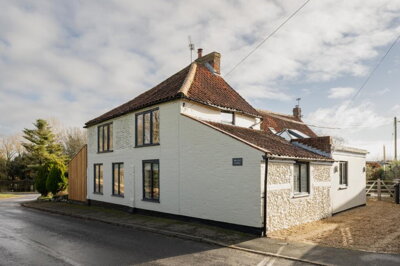
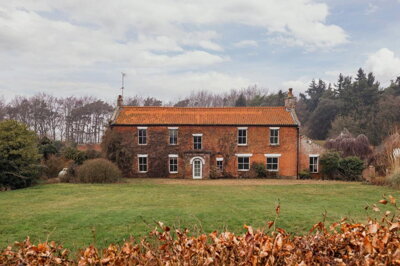
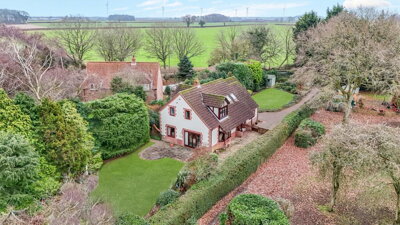
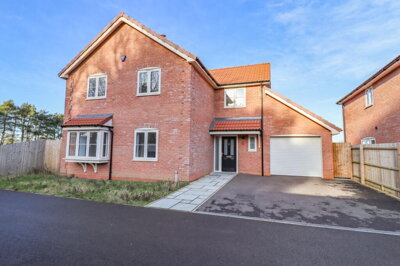
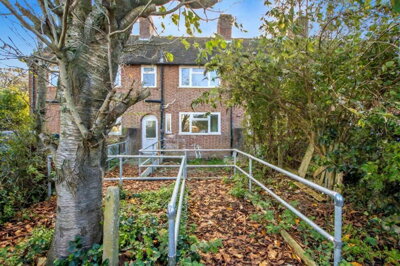
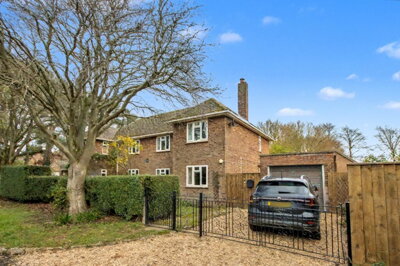
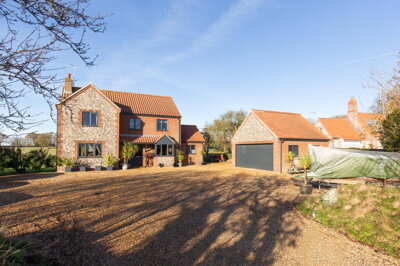
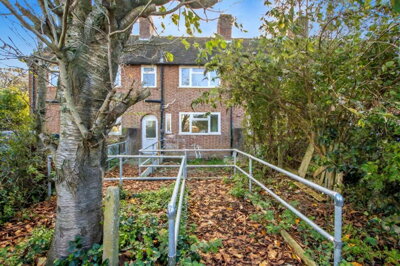
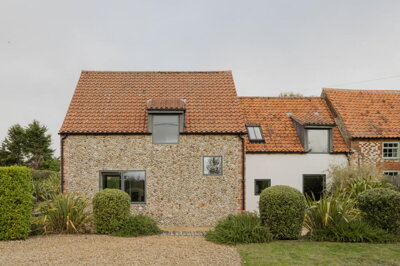
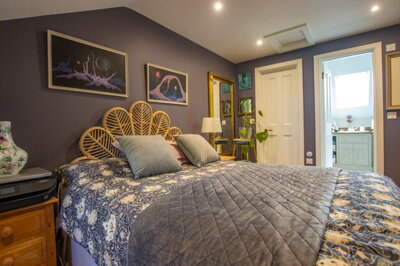
Browse 18 homes for sale in Barwick, King's Lynn and West Norfolk from local estate agents.
£290k
1
0
453
Source: home.co.uk
Source: home.co.uk
Semi-Detached
1 listings
Avg £290,000
Source: home.co.uk
Source: home.co.uk
The Brockdish property market presents a picture of steady, sustainable growth reflecting the stability of rural South Norfolk. Our data shows approximately 10-15 property sales have completed in the village and its immediate surroundings over the past twelve months, a figure consistent with the pattern seen in similar-sized rural communities. The overall average house price currently stands at £382,500, representing a 12-month increase of 1.3% that demonstrates the enduring appeal of village living in this corner of East Anglia. Property values have remained resilient even as national markets have experienced greater volatility, with local demand supported by buyers seeking an alternative to larger towns and cities. We have observed that properties in Brockdish tend to attract buyers who have specifically targeted village life rather than stumbling across the area, which creates a focused market with motivated participants.
Detached properties form the backbone of the Brockdish housing market, commanding an average price of £485,000 and reflecting the preference for space and privacy that characterises buyer demand in rural Norfolk. These homes typically offer generous gardens, off-street parking, and the character features associated with traditional Norfolk construction. Semi-detached homes present a more accessible entry point at around £280,000, with prices rising by 3.7% over the past year, the strongest growth rate among all property types. Terraced properties, whilst less common in this village setting, offer the most affordable option at approximately £250,000 and have also shown positive price movement of 2.0% annually. The variation in price growth rates suggests that buyers are increasingly looking for more affordable options within the village, which may indicate a market adjusting to meet demand across different price points.
New build activity in Brockdish remains limited, as is typical for villages of this size in rural South Norfolk. The absence of large-scale development means that the village has retained its historic character and that properties available tend to be pre-owned homes with genuine character and history. Self-build opportunities occasionally arise through planning permissions for individual plots, though these are infrequent. For buyers seeking a newly constructed property, options may include recent conversions or small infill developments within the village boundary, whilst the surrounding area offers additional new build possibilities in nearby towns such as Diss and Harleston. Our platform monitors planning applications and new development opportunities across the region, ensuring that buyers seeking modern accommodation can explore all available options within a reasonable distance of Brockdish.

Life in Brockdish centres around the rhythms of rural England, with the village offering an enviable quality of life for those who value peace and community. The village retains a traditional feel with its concentration of historic properties along The Street and the presence of a parish church, St Peter and St Paul, which serves as a focal point for village life. The demographic profile reflects a mixed community including long-term residents whose families have farmed the surrounding land for generations, as well as newcomers drawn by the opportunity to enjoy village living whilst maintaining employment connections to larger towns. The sense of belonging that develops in such communities is often cited by residents as one of the greatest advantages of village life, and we hear this repeatedly from buyers we work with who have made the move to Brockdish and surrounding villages.
The local economy in and around Brockdish maintains strong ties to agriculture, with farming operations continuing to shape the landscape and provide employment in the wider area. Beyond agriculture, small local businesses, traditional pubs, and village shops contribute to daily life, whilst many residents commute to surrounding market towns including Diss, Harleston, Eye, and further afield to Norwich for work. The tourism sector in the broader Waveney Valley provides additional economic activity, with visitors drawn to the area's natural beauty, waterways, and walking routes. This blend of traditional rural activities with modern commuting patterns creates a balanced community economy that supports local services whilst enabling residents to access broader employment markets. We have found that buyers who understand this economic balance are better placed to assess the long-term sustainability of their investment in the village.
The natural environment surrounding Brockdish offers residents ample opportunity for outdoor recreation and connection with Norfolk's countryside. The proximity to the River Waveney provides scenic walks along the riverbank, whilst the wider landscape features traditional hedgerows, farmland, and the distinctive Norfolk skyscape. The underlying geology of South Norfolk, characterised by Crag deposits and chalk bedrock with areas of boulder clay, has shaped both the landscape and the built environment over centuries. Properties in the village reflect this geological heritage through their traditional construction methods and materials, creating an architectural harmony with the surrounding countryside that newcomers often find immediately appealing. The boulder clay deposits present in the region have implications for property foundations that buyers should understand, particularly for older properties built before modern foundation standards were established.

Families considering a move to Brockdish will find a selection of educational options within reasonable travelling distance, consistent with the arrangements typical for rural Norfolk villages. Primary education is available at local village schools in the surrounding area, with several Ofsted-rated good and outstanding primary schools serving communities within a short drive of Brockdish. These smaller rural schools often benefit from strong community connections and individual attention for pupils, whilst older children may travel by school transport to primary schools in nearby towns where families prefer broader facilities. We have worked with numerous families who have successfully balanced the benefits of village life in Brockdish with access to quality primary education at local schools, with school transport arrangements proving reliable for most families.
Secondary education options include schools in the nearby market towns of Harleston, which has established secondary provision, and Diss, where students can access a wider range of GCSE and A-level subjects. Many families in South Norfolk choose to utilise the grammar school system available in the wider Norfolk area, with selective entry schools in towns such as Norwich providing academic pathways for pupils who progress through the eleven-plus examination. School transport arrangements are typically available for families living in villages like Brockdish, ensuring that secondary-aged children can access their chosen school regardless of proximity. The flexibility to choose between non-selective and grammar school pathways provides families with options that can be tailored to their children's specific educational needs and strengths.
Further and higher education opportunities are readily accessible in Norwich, Norfolk's principal city, which offers the University of East Anglia, Norwich University of the Arts, and the Norwich Institute of Science and Technology alongside further education colleges providing vocational courses. Parents planning for their children's educational journey can therefore consider Brockdish as a family-friendly location with viable pathways from primary school through to university, supported by good transport connections to educational institutions in the wider region. We always encourage families to research current school catchment areas and admission policies, as these can change and may influence which properties offer the most suitable access to preferred schools.
Transport connections from Brockdish reflect its position as a rural village whilst offering practical options for commuters and visitors alike. The nearest railway stations are located in Diss and Norwich, with Diss providing regular services to London Liverpool Street via Ipswich and Norwich offering direct connections to Cambridge, Birmingham, and London. The journey times from Diss to London Liverpool Street typically take around two hours, whilst Norwich provides additional flexibility with services towards London and the East Midlands. Many Brockdish residents find that a combination of driving to a station and rail travel provides a workable commute pattern for employment in the capital or other major cities, and we have helped buyers identify properties that offer the most convenient access to these stations.
Road access from Brockdish connects to the A143 and subsequently to the A140, providing routes towards Norwich, Ipswich, and the wider motorway network. The journey to Norwich city centre takes approximately 40-50 minutes by car, whilst access to the A14 and subsequently the M6 and M1 motorway networks requires travelling via Ipswich or Cambridge. For those working in the local area, the market towns of Harleston and Diss are within easy driving distance, whilst the beauty of the Suffolk border towns and coastline are also readily accessible. Bus services operate in the area, though frequencies reflect the rural nature of the location, making car ownership practical necessity for many residents. Properties with off-street parking or garages therefore command a premium in Brockdish, as buyers recognise the practical necessity of car ownership in this village setting.
Cycling infrastructure in the area has seen improvements in recent years, with National Cycle Network routes passing through parts of South Norfolk and providing opportunities for recreational cycling and occasional commuting. The flat terrain characteristic of the Norfolk landscape makes cycling accessible for most fitness levels, whilst the quiet country lanes that connect Brockdish to surrounding villages offer pleasant routes for those who prefer to avoid busier roads. For air travel, Norwich International Airport provides a selection of domestic and European flights, whilst Stansted Airport in Essex is accessible within approximately 90 minutes by car for a broader range of international destinations. We have found that buyers who work remotely or have flexible commuting arrangements particularly appreciate the lifestyle that Brockdish offers, balancing rural tranquility with the ability to travel when needed.
Before viewing properties, spend time understanding the local market by browsing listings, researching price trends, and familiarising yourself with the village and surrounding area. Our platform provides current data on properties for sale and recent sale prices that help you understand what to expect. Consider visiting the village at different times of day and week to get a genuine feel for the community and its amenities. Walk the village lanes, visit the local pub if open, and speak with residents if the opportunity arises to gain authentic insight into daily life in Brockdish.
Unless you are a cash buyer, approaching a mortgage broker or lender for an agreement in principle before making offers strengthens your position significantly. This document demonstrates to sellers that you have financing secured and can proceed quickly. Brokers familiar with rural properties can advise on local property values and lending criteria specific to smaller villages where unusual property types may require specialist assessment. In Brockdish, where many properties are older or have non-standard construction, engaging a broker who understands these characteristics can prevent delays during the mortgage application process.
View multiple properties in Brockdish and the surrounding area to compare options and understand what different price ranges offer. Pay attention to construction materials, property condition, and any signs of the common issues found in older properties such as damp, roof wear, or timber defects. Our platform allows you to save favourite properties and schedule viewings through estate agents directly. When viewing, take photographs and notes to help compare properties later, and consider visiting each property at least twice before making an offer.
Before completing your purchase, commission a RICS Level 2 Survey (Homebuyer Report) to assess the property condition thoroughly. Given that a significant proportion of Brockdish properties are over 50 years old, a professional survey is particularly valuable. Survey costs for a typical 3-bedroom home in the area typically range from £450 to £700, whilst larger detached properties may cost £600 to £950 or more. The survey will identify any structural concerns, maintenance issues, or defects requiring attention, including the specific issues we commonly encounter in traditional Norfolk properties such as lime mortar deterioration or clay pantile roof wear.
Once your offer is accepted and your survey is complete without major concerns, instruct a solicitor to handle the legal transfer of ownership. Your solicitor will conduct searches, manage contracts, liaise with the seller's representatives, and register your ownership at the Land Registry. Choose a solicitor experienced in rural property transactions, as they will be familiar with any local issues such as rights of way, drainage arrangements, or village-specific covenants that may affect your ownership experience in Brockdish.
The final stage involves exchanging contracts, when your deposit becomes payable and the completion date is fixed. Your solicitor will arrange the transfer of funds and ensure all legal requirements are satisfied. On completion day, you will receive the keys to your new Brockdish home and can begin the exciting process of settling into your new village community. We recommend arranging buildings insurance before exchange and planning your removals logistics in advance to ensure a smooth transition to your new property.
Properties in Brockdish require careful consideration of several area-specific factors that can significantly impact your ownership experience. The traditional Norfolk construction methods used throughout the village mean that many properties feature solid brick walls, lime mortar pointing, and clay pantile or slate roofing that require different maintenance approaches compared to modern construction. Understanding the age and construction of any property you are considering helps you anticipate maintenance requirements and costs. Older properties may lack modern damp-proof courses or insulation standards, whilst timber elements require regular inspection for signs of rot or infestation. We have seen numerous cases where buyers who understood these construction characteristics made more informed decisions about their purchases and avoided unexpected costs.
The underlying geology of Brockdish, characterised by boulder clay deposits in the superficial layers with chalk bedrock beneath, introduces a moderate to high shrink-swell risk that buyers should understand, particularly for properties with large trees nearby or those built on shallow foundations. Signs of subsidence or heave movement may be visible in cracks to walls or brickwork, uneven floors, or doors and windows that stick. A thorough RICS Level 2 Survey will assess these risks and advise on any remedial work required. Properties located near the River Waveney also carry a fluvial flood risk, and insurance arrangements should be confirmed before purchase, particularly for any property with a history of flooding or proximity to the riverbank.
The presence of Grade II listed buildings in Brockdish means that some properties will carry historic designations requiring special consideration. Listed Building Consent is required for alterations and some external works, and buyers should understand these obligations before completing a purchase. The village does not have a designated conservation area, but the concentration of historic properties around The Street means that the character of the village is protected through planning policy. Service charges and leasehold arrangements are less common in Brockdish than in urban areas, with the majority of properties being freehold houses, though any flats or retirement properties may carry these ongoing costs. We always recommend that buyers factor in the potential costs of maintaining listed properties, as the requirement to use appropriate materials and specialist contractors can significantly influence renovation budgets.
Common defects we identify during surveys of Brockdish properties include damp issues resulting from the age of many buildings and the absence of modern damp-proof courses, roof defects affecting traditional clay pantiles through wear and slipped tiles, and timber defects including wet rot and woodworm in structural elements. Properties built before modern electrical standards may have outdated wiring systems requiring full rewire, whilst plumbing systems in older homes may include materials no longer considered best practice. A RICS Level 2 Survey will thoroughly assess these potential issues, providing you with the information needed to negotiate on price or request remedial work before completing your purchase. We can recommend local surveyors who are familiar with the specific characteristics of properties in Brockdish and the surrounding Waveney Valley.
The average house price in Brockdish currently stands at approximately £382,500 based on recent sales data. Detached properties average around £485,000, semi-detached homes at £280,000, and terraced properties at £250,000. Price growth over the past 12 months has been positive across all property types, with semi-detached homes showing the strongest increase at 3.7% and detached properties rising by 0.6%. The market reflects the sustainable, steady growth typical of rural South Norfolk villages where buyer demand remains consistent and inventory levels are relatively limited. We have observed that properties priced correctly for the current market tend to sell within a reasonable timeframe, whilst over-priced properties may linger on the market in this village where buyer pool is naturally smaller than in urban areas.
Properties in Brockdish fall within the South Norfolk Council jurisdiction and are assigned council tax bands A through H depending on property value. The majority of properties in this rural village are likely to fall within bands A through D, which are the lower valuation bands typical for rural areas where property values tend to be more modest than in urban centres. Exact banding can be verified through the Valuation Office Agency website or your solicitor during the conveyancing process. These bands determine the annual council tax charge levied by South Norfolk Council for local services and policing. Current band D charges for South Norfolk Council can be confirmed on the council website and should be factored into your ongoing household budgeting alongside mortgage payments and maintenance costs.
Brockdish is served by primary schools in nearby villages and towns, with several rated good or outstanding by Ofsted within easy travelling distance. Secondary education is available at schools in Harleston and Diss, with grammar school options accessible in Norwich for academically selective pupils. Families should check current Ofsted ratings and catchment area boundaries, as these can change and vary between schools. School transport is typically available for secondary-aged children living in the village, and Norwich offers further and higher education options including the University of East Anglia. We recommend visiting potential schools with your children before committing to a purchase, as the school experience extends beyond academic ratings to include culture, facilities, and the daily commute.
Public transport options from Brockdish reflect its rural village status, with bus services providing limited but functional connectivity to surrounding towns. The nearest railway stations are in Diss and Norwich, both offering services to London Liverpool Street and connections to the wider rail network. Most residents find that car ownership is necessary for daily convenience, whilst the proximity to Diss station allows for practical commuting options. Norwich Airport provides domestic and European flights within approximately 45 minutes of the village. We always advise buyers to honestly assess their public transport requirements against the actual service frequencies available, as assumptions about rural bus services can lead to lifestyle compromises that affect long-term satisfaction with a village property purchase.
Brockdish and the wider South Norfolk area offer solid fundamentals for property investment, with steady price growth and sustained demand driven by lifestyle buyers seeking rural locations. The village's small population means that rental demand may be more limited than in larger towns, whilst the historic character of many properties requires ongoing maintenance investment. Properties with good transport access to Norwich or the railway network tend to hold their value well, and the relative scarcity of available properties in the village means that well-priced homes typically sell successfully. Cash purchases or strong mortgage positions are advantageous in this competitive village market. We have seen properties in Brockdish appreciate consistently over time, though the investment case rests more on long-term capital growth than rental yield.
Stamp duty Land Tax rates for purchases from February 2026 start at 0% on the first £250,000 of property value, rising to 5% on values between £250,001 and £925,000. For properties above £925,000, rates increase to 10% up to £1.5 million and 12% above that threshold. First-time buyers benefit from increased thresholds, paying 0% on the first £425,000 with 5% on amounts between £425,001 and £625,000. A £425,000 property in Brockdish would therefore incur no stamp duty for a first-time buyer, whilst the same property would cost £8,750 for a non-first-time buyer purchasing with an existing property. These costs are payable to HMRC within 14 days of completion and are typically handled by your solicitor from the funds you provide, so budgeting for these charges should form part of your overall financial planning for the purchase.
From 4.5% APR
Expert mortgage advice tailored to Brockdish properties
From £499
Specialist property solicitors for rural transactions
From £450
Thorough condition surveys for Brockdish properties
From £85
Energy performance certificates for your new home
Budgeting for a property purchase in Brockdish requires consideration of stamp duty Land Tax alongside the purchase price and other associated costs. For a typical family home priced at £350,000, a purchasing buyer without first-time buyer status would pay £5,000 in stamp duty, whilst first-time buyers would pay nothing on the first £425,000. Properties at the village average of £382,500 would incur £6,625 for non-first-time buyers and £0 for those qualifying for first-time buyer relief. These costs are payable to HMRC within 14 days of completing your purchase and are typically handled by your solicitor from the funds you provide. We recommend confirming your stamp duty liability with a calculator or your solicitor before budgeting, as thresholds can change and individual circumstances may affect the calculation.
Beyond stamp duty, buyers should budget for solicitor fees which typically range from £800 to £1,500 for a standard conveyancing transaction in this region, including Land Registry registration fees and search costs. A RICS Level 2 Survey costs between £450 and £700 for a standard family home, rising to £600 to £950 or more for larger detached properties. An Energy Performance Certificate is required before marketing and typically costs between £85 and £150 depending on property size. Buildings insurance should be arranged from the point of exchange, and removals costs vary significantly based on distance and volume of belongings. We have found that buyers who budget conservatively for these costs are better placed to proceed smoothly without financial surprises during the transaction.
For buyers requiring a mortgage, arrangement fees typically range from £0 to £2,000 depending on the lender and product chosen, though many choose to add these to their loan amount. Valuation fees are often included within mortgage arrangement but vary by property value and lender requirements. Broker fees may apply if using an independent mortgage broker, though many offer free advice compensated through commission from lenders. Totalling these costs, buyers should anticipate spending approximately £2,500 to £4,000 on top of their deposit and mortgage for the various fees and services required to complete their Brockdish purchase successfully. Our platform provides cost calculators that help you estimate total purchase costs based on your specific property price and circumstances, ensuring you have a complete picture of the financial commitment involved.
Properties for Sale In London

Properties for Sale In Plymouth

Properties for Sale In Liverpool

Properties for Sale In Glasgow

Properties for Sale In Sheffield

Properties for Sale In Edinburgh

Properties for Sale In Coventry

Properties for Sale In Bradford

Properties for Sale In Manchester

Properties for Sale In Birmingham

Properties for Sale In Bristol

Properties for Sale In Oxford

Properties for Sale In Leicester

Properties for Sale In Newcastle

Properties for Sale In Leeds

Properties for Sale In Southampton

Properties for Sale In Cardiff

Properties for Sale In Nottingham

Properties for Sale In Norwich

Properties for Sale In Brighton

Properties for Sale In Derby

Properties for Sale In Portsmouth

Properties for Sale In Northampton

Properties for Sale In Milton Keynes

Properties for Sale In Bournemouth

Properties for Sale In Bolton

Properties for Sale In Swansea

Properties for Sale In Swindon

Properties for Sale In Peterborough

Properties for Sale In Wolverhampton

Enter your details to see if this property is within your budget.
Loans, cards, car finance
Estimated property budget
Borrowing + deposit
You could borrow between
Typical borrowing
Monthly repayment
Est. at 4.5%
Loan-to-value
This is an estimate only. Your actual budget may vary depending on interest rates, credit history, and personal circumstances. For an accurate affordability assessment, speak to one of our free mortgage advisors.
This calculator provides estimates for illustrative purposes only and does not constitute financial advice. Your home may be repossessed if you do not keep up repayments on your mortgage. Estimates based on 4.5% interest rate, repayment mortgage. Actual rates depend on your circumstances.
Homemove is a trading name of HM Haus Group Ltd (Company No. 13873779, registered in England & Wales). Homemove Mortgages Ltd (Company No. 15947693) is an Appointed Representative of TMG Direct Limited, trading as TMG Mortgage Network, which is authorised and regulated by the Financial Conduct Authority (FRN 786245). Homemove Mortgages Ltd is entered on the FCA Register as an Appointed Representative (FRN 1022429). You can check registrations at NewRegister or by calling 0800 111 6768.

We use cookies to show you personalised content and improve your experience of our website. Find out more in our Privacy policy and Cookie policy.