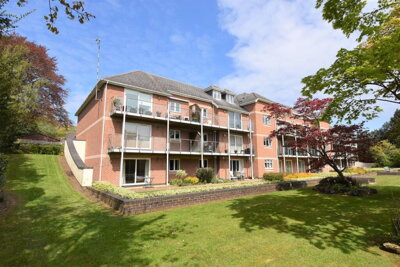
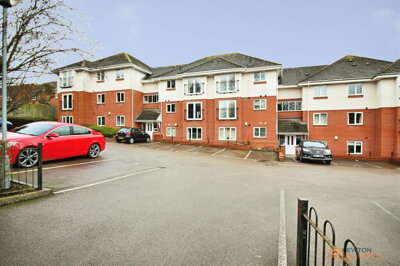
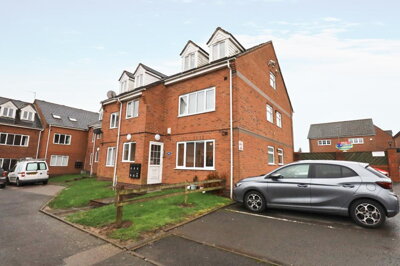
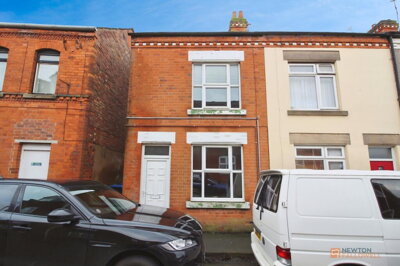
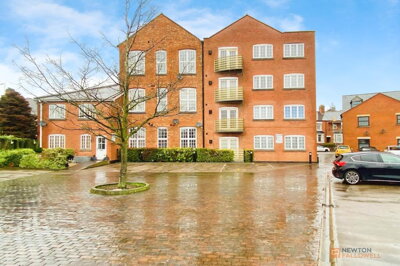
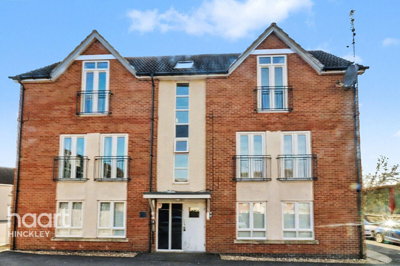
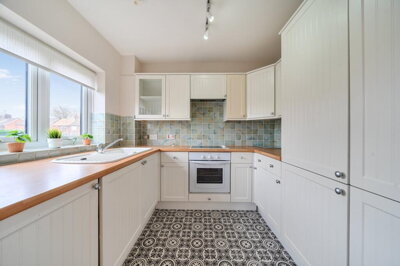
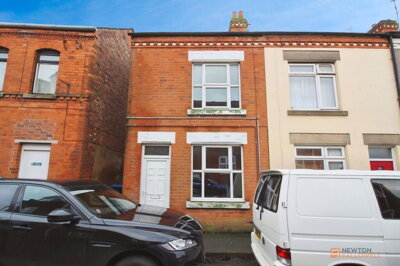
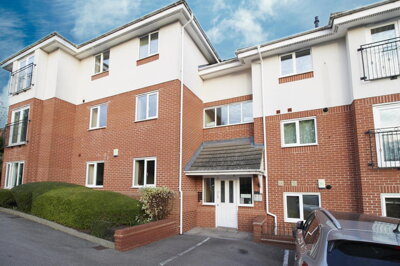
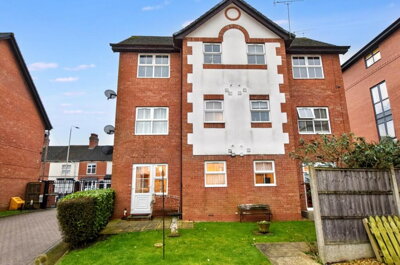
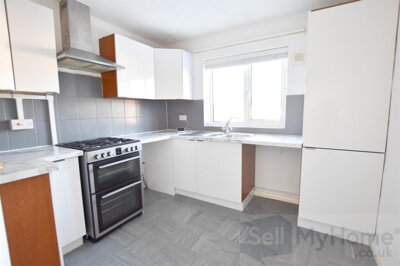
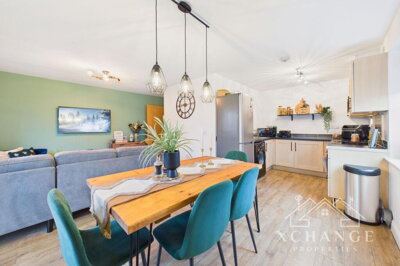
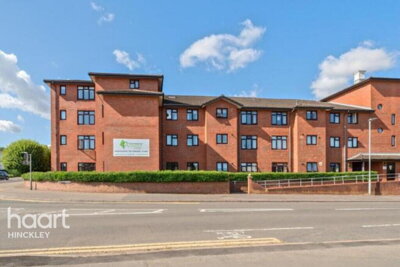
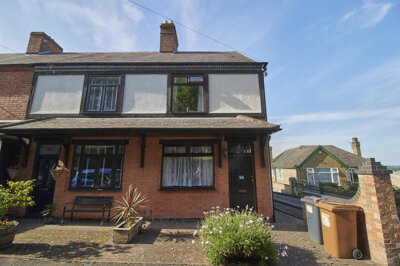
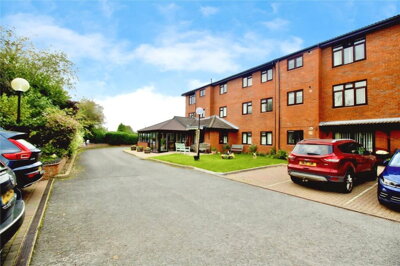
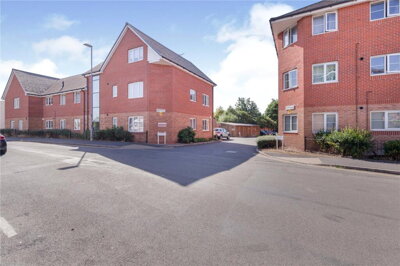
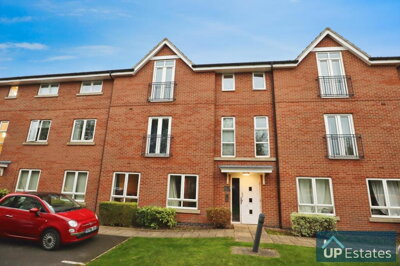
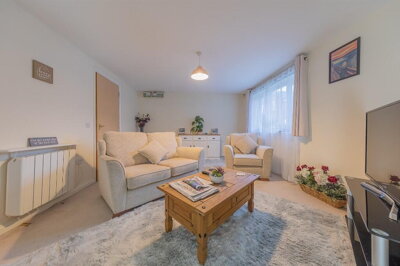
Browse 23 homes for sale in Barwell, Hinckley and Bosworth from local estate agents.
The 2 bed flat sector typically includes two separate bedrooms, dedicated living areas, and bathroom facilities. Properties in Barwell span purpose-built blocks, converted period houses, and modern apartment complexes on various floors.
£160k
1
0
46
Source: home.co.uk
Showing 1 results for 2 Bedroom Flats for sale in Barwell, Hinckley and Bosworth. The median asking price is £160,000.
Source: home.co.uk
Flat
1 listings
Avg £160,000
Source: home.co.uk
Source: home.co.uk
The housing stock in West Bretton reflects its character as a family-oriented village with strong roots in West Yorkshire's rural heritage. Detached properties make up the largest proportion of the market at approximately 40-45%, followed by semi-detached homes at 30-35%, terraced properties at 15-20%, and flats accounting for less than 5% of available homes. This distribution makes West Bretton particularly appealing to families and buyers seeking space, privacy, and a sense of openness that larger towns simply cannot replicate. With around 45 property sales recorded in the area over the past year, the market is active enough to offer genuine choice while remaining intimate enough for closeknit community living.
Property prices in West Bretton have shown steady growth, rising by approximately 3% over the last 12 months, which reflects broader demand for village locations within commuting distance of Leeds, Wakefield, and Sheffield. The average asking price across all property types stands at £345,000, with significant variation by type: detached homes average around £450,000, semi-detached properties fetch approximately £280,000, and terraced homes are typically marketed from £220,000. No active large-scale new-build developments were identified within the WF4 4 postcode area during the research period, meaning buyers purchasing in West Bretton are largely acquiring established homes with character, often built from local stone or traditional brick. This scarcity of new supply contributes to the resilience of property values in the village.

West Bretton is a small but distinctive village with a population of approximately 1,500 to 2,000 residents distributed across 600 to 800 households. The village offers a closeknit, semi-rural community atmosphere that stands in sharp contrast to the busier urban centres of Wakefield and Barnsley, both of which lie just a short drive away. The presence of Bretton Hall and its grounds plays a defining role in the character of West Bretton, and the estate's transformation into the acclaimed Yorkshire Sculpture Park has elevated the village to a cultural destination of regional significance. This attraction draws visitors from across Yorkshire and beyond, supporting local businesses and contributing to a vibrant community calendar of events, exhibitions, and seasonal activities throughout the year.
Local amenities within the village itself include a primary school, a traditional village pub, a local church, and a range of community spaces that host events and social gatherings. For more extensive shopping, supermarkets, high street retailers, and healthcare facilities, residents travel to nearby Wakefield or Barnsley, both of which are accessible within 15 to 20 minutes by car. The surrounding West Yorkshire countryside offers an abundance of public footpaths, bridleways, and scenic routes for walking, cycling, and outdoor pursuits, making the area ideal for those who value access to green open spaces. The village is also home to several listed buildings and sits within a designated Conservation Area, which preserves its historic character and limits unsympathetic development. Families, professionals, and retirees alike are drawn to West Bretton for its combination of rural charm, strong community spirit, and convenient access to major cities.
The historic core of West Bretton, particularly the area surrounding Bretton Hall and the village church, features a concentration of pre-1919 properties built from local sandstone and gritstone. These older properties include traditional farmhouses, weavers' cottages, and estate workers' housing that reflect the village's agricultural and industrial heritage. The Conservation Area designation helps protect these historic buildings from unsympathetic alterations and ensures that new development respects the village's established character. Many buyers are attracted to West Bretton specifically because of this preserved historic environment, where the architecture tells the story of a West Yorkshire village that has evolved over several centuries while maintaining its rural identity and village atmosphere.

Education provision in and around West Bretton serves families well, with a range of options available at primary and secondary level within easy commuting distance of the village. West Bretton has its own primary school, which serves the immediate community and is complemented by additional primary schools in nearby villages and towns. For secondary education, families typically look to schools in the wider Wakefield and Barnsley areas, where a broader selection of secondary schools and sixth form colleges provides greater choice. The proximity of West Bretton to these larger towns means that parents have access to a wider educational landscape than the village itself could offer alone, making the location attractive to families with school-age children.
Ofsted-rated schools in the surrounding area include several primary and secondary schools that have achieved Good or Outstanding classifications in recent inspections, though parents are encouraged to check current Ofsted reports and performance data at the time of their search. For families prioritising academic selective education, grammar schools in West Yorkshire are accessible via the nearby network, subject to catchment areas and selection testing. Several independent schools in the wider region also offer alternative educational pathways for those who prefer the private sector. Sixth form and further education provision is strong in nearby towns, where colleges and school sixth forms offer a wide range of A-level and vocational courses to suit all career ambitions and academic aspirations.
The catchment areas for secondary schools in the Wakefield and Barnsley districts should be verified before purchasing a property in West Bretton, as school places can be competitive in popular areas. Many families moving to West Bretton specifically choose the village for its primary school provision and the access it provides to secondary options in nearby towns, balancing the benefits of village life with educational opportunity. Parents are advised to contact local schools directly to confirm current admissions criteria and any planned changes to catchment boundaries.
West Bretton is well placed for road connectivity, with the A638 running through the village providing direct access to the A1(M) motorway to the east and connections to the M1 motorway at junction 38, approximately 6 miles south. Leeds city centre is reachable by car in around 40 to 50 minutes under normal traffic conditions, making West Bretton a practical base for professionals working in Leeds or the wider Leeds City Region. Sheffield is similarly accessible via the M1, with journey times of approximately 50 to 60 minutes depending on the route chosen and traffic conditions. For those commuting to Wakefield or Barnsley, both towns are within a 15 to 20 minute drive, offering further employment opportunities without the need for motorway travel.
Rail travel is accessed via nearby stations in Wakefield and Barnsley, both of which are within a short drive or bus journey of West Bretton. From these stations, direct services run to Leeds, Sheffield, York, Doncaster, and Manchester, providing excellent regional and national connectivity for those who need to travel further afield. Bus services operate on routes connecting West Bretton to surrounding towns and villages, with local bus stops within the village itself. Morning and evening services generally operate at reasonable frequencies for commuters, though off-peak frequencies may be more limited, and prospective residents are advised to check current timetables with West Yorkshire Metro. The village itself offers free on-street parking for residents, which is a practical advantage for those who drive daily.
Commuters should note that the A638 can experience congestion during peak travel times, particularly where it passes through smaller settlements between West Bretton and the motorway network. The M1 junction 38 at provides access to the wider motorway network, though morning and evening rush hours can see increased traffic volumes on this stretch. For those working in Leeds, alternative routes via the A637 and A656 may provide options depending on the destination within the city. Planning a test commute during your property search is advisable to understand the realistic travel times for your specific circumstances and working pattern.
Properties in West Bretton present some specific considerations that buyers should factor into their decision-making process. The majority of homes in the village were built before 1980, with approximately 70-80% of the housing stock dating from this period, meaning most properties would benefit considerably from a thorough survey before purchase. A significant proportion of around 25-30% of properties date from the pre-1919 period, particularly in the historic core near Bretton Hall and the village Conservation Area. These older properties are typically constructed from local sandstone or gritstone, with solid wall construction rather than modern cavity walls, and may require more maintenance than newer build properties. Common issues identified in local surveys include damp (both rising and penetrating), roof defects, timber rot and woodworm, and outdated electrical and plumbing systems that may not comply with current standards.
The local geology of West Bretton, characterised by Carboniferous rocks including sandstones, shales, and coal seams with underlying clay soils, presents a shrink-swell risk that can affect properties with large trees or those on land with variable moisture levels. This risk means that foundation movement and potential subsidence should be considered during surveys, particularly for older properties in areas with mature vegetation. The village also has a historic coal mining heritage, and while deep mining has long ceased, legacy issues including ground instability from old mine workings can still be relevant. Requesting a Mining Search Report as part of your conveyancing is a sensible precaution for any property in West Bretton, as the Wakefield district has a documented history of coal extraction that may affect ground conditions.
Properties in the West Bretton Conservation Area or those with listed building status are subject to planning restrictions that affect what alterations, extensions, and renovations can be carried out. If you are considering a listed property, budget for the possibility of more complex and costly works should you wish to make changes in the future, and discuss these implications with your solicitor and surveyor before committing to a purchase. Energy Performance Certificate ratings should also be reviewed when considering older stone-built properties, as solid wall construction can make achieving high energy efficiency more challenging and may result in higher ongoing heating costs. Buyers should also be aware that surface water flooding represents the primary flood risk in the area, and checking the flood risk history of any specific property, particularly those in low-lying positions or near watercourses, is advisable before proceeding with a purchase.
Beyond the purchase price, buying a home in West Bretton involves a range of additional costs that should be accounted for from the outset of your property search. Stamp Duty Land Tax is one of the most significant expenses, and its calculation depends on your buyer status, the purchase price, and whether any relief or surcharge applies. Under current 2024-25 thresholds, first-time buyers pay 0% on properties up to £425,000 and 5% on the portion between £425,001 and £625,000, while home movers pay 0% up to £250,000, 5% from £250,001 to £925,000, and higher rates above that. For a typical West Bretton semi-detached property at £280,000, a first-time buyer would pay £0 in SDLT while a home mover would pay £1,500.
Solicitor fees for conveyancing typically range from £800 to £1,500 depending on the complexity of the transaction and the property type. In West Bretton, where many properties are older and may require additional searches such as a Mining Search Report or environmental assessment, costs may sit toward the upper end of this range. Survey costs are another important budget item: a RICS Level 2 Survey for a typical 3-bedroom semi-detached in the village costs approximately £450 to £650, while larger detached properties may require surveys priced from £600 to £850. Additional costs to factor in include mortgage arrangement fees, land registry fees, moving company charges, and potential renovation or repair costs identified during survey. A first-time buyer purchasing a terraced property at around £220,000 should budget for these costs alongside their mortgage repayments to avoid financial surprises during the transaction.
Before you begin viewing properties in West Bretton, secure a mortgage agreement in principle from a lender or broker. This gives you a clear budget, demonstrates your seriousness to estate agents and sellers, and streamlines the buying process once you find your ideal home. With the average property in West Bretton priced around £345,000, understanding your borrowing capacity early helps you focus your search on properties within your range and avoids disappointment when you find a property you love.
Spend time exploring West Bretton and its surrounding villages to understand the local market, lifestyle, and property types available. Visit at different times of day, check local amenities, and review the characteristics of different neighbourhoods within the village. Use Homemove to browse all current listings in West Bretton and set up property alerts so you are notified as soon as new homes come to the market. Given that no large new-build developments exist within the WF4 4 postcode area, your options will largely be established properties with character, so understanding the condition implications of older construction is valuable.
Once you have identified properties that meet your requirements, arrange viewings through the estate agents listed on Homemove. When you find a home you love, submit a competitive offer through your estate agent, ideally accompanied by details of your mortgage agreement in principle and a proposed timeline for the purchase. In a village like West Bretton, sellers often appreciate buyers who demonstrate a genuine connection to the area and a clear understanding of what makes the location special, particularly families drawn to the local school and community atmosphere.
Given that the majority of properties in West Bretton were built before 1980 and approximately 25-30% date from the pre-1919 period, commissioning a thorough survey before you proceed is strongly advisable. A RICS Level 2 Survey, priced from £450 for a standard family home in the area, will identify defects such as damp, roof condition issues, timber defects, and any signs of subsidence or ground movement that may be relevant given local clay soils and historic mining activity. For listed buildings or properties within the West Bretton Conservation Area, a more detailed RICS Level 3 Building Survey may be more appropriate.
Appoint a conveyancing solicitor to handle the legal aspects of your purchase. Your solicitor will conduct local authority searches, land registry checks, and mining searches relevant to West Bretton and the Wakefield district, as well as negotiating contracts and managing the transfer of funds. Choose a solicitor with experience of West Yorkshire property transactions to ensure a smooth and efficient process. Homemove offers access to expert conveyancing services to support you through this stage.
Once all surveys, searches, and legal checks are complete and both parties are satisfied, your solicitor will exchange contracts with the seller's representative and agree on a completion date. On completion day, the remaining funds are transferred, and you receive the keys to your new West Bretton home. Allow a buffer in your budget for the additional costs associated with buying, including solicitor fees, survey costs, Stamp Duty Land Tax, and moving expenses.
The average house price in West Bretton is approximately £345,000 based on sales data from the past 12 months. Detached properties average around £450,000, semi-detached homes fetch approximately £280,000, and terraced properties typically sell from £220,000. Prices have increased by approximately 3% over the past year, indicating a stable and steadily growing market that continues to attract buyers seeking village living within reach of major West Yorkshire employment centres. The relative scarcity of new-build properties in the WF4 4 postcode area means demand for established homes remains consistent.
Properties in West Bretton fall under Wakefield Council (City of Wakefield district). Council tax bands vary by individual property and are based on the Valuation Office Agency's assessment of a property's value as of April 1991. Prospective buyers can check the specific council tax band for any property by searching the Valuation Office Agency website using the property address. Most family homes in West Bretton typically fall within bands B to E, though individual circumstances may vary depending on the property's size, condition, and specific location within the village.
West Bretton has its own primary school serving the village community, with additional primary schools available in nearby villages and towns. Secondary school options in the wider Wakefield and Barnsley areas include several schools with strong academic records and positive Ofsted ratings. Families are advised to check current Ofsted reports and school performance data, as well as confirming catchment area boundaries, before committing to a purchase. Grammar schools and independent schools in the wider region provide further educational pathways for academically able students.
West Bretton has bus services operating on routes connecting the village to Wakefield and Barnsley, with stops within the village itself. The nearest railway stations are in Wakefield and Barnsley, both offering direct services to Leeds, Sheffield, York, and other major cities. For road connectivity, the A638 provides access to the A1(M) and M1 motorway, making Leeds reachable in around 40 to 50 minutes by car. Daily commuters should factor travel times into their relocation planning, particularly during peak hours when road conditions can be less predictable.
West Bretton represents a solid investment opportunity for buyers seeking long-term value in a semi-rural West Yorkshire village. Property prices have risen steadily by approximately 3% over the past year, and the village's rural character, proximity to Yorkshire Sculpture Park, and excellent road links to Leeds, Wakefield, and Sheffield sustain ongoing demand from families, professionals, and commuters. The relatively limited supply of properties in the village, combined with its village atmosphere and strong community identity, supports the case for reliable long-term capital growth. Detached family homes in particular tend to hold their value well in villages like West Bretton.
For a property priced at the West Bretton average of £345,000, a first-time buyer would pay £0 in Stamp Duty Land Tax under current thresholds. A home mover or investor would pay £4,750, calculated at 5% on the portion above £250,000. At higher price points, such as the £450,000 average for a detached home, a first-time buyer would pay £1,250 while a home mover would pay £10,000. Budget carefully for these costs and factor in solicitor fees, survey costs, and moving expenses to build a complete picture of the total cost of purchasing a West Bretton property.
The primary flood risk in West Bretton comes from surface water flooding during periods of heavy rainfall, particularly affecting properties in low-lying positions or near small watercourses and tributaries of the River Dearne. Properties near the village's natural drainage channels or in areas with less effective surface water management should be carefully assessed. We recommend requesting a flood risk report for any specific property you are considering and checking whether the property has any history of flooding. Buildings Insurance can also be more expensive in flood-risk areas, so factoring this into your ongoing costs is sensible.
The majority of properties in West Bretton were built using local sandstone, gritstone, or traditional brick, with older properties featuring solid wall construction rather than modern cavity wall insulation. Post-war properties from the 1945-1980 period typically use cavity wall construction, while newer homes from the post-1980 period may incorporate more modern building methods and materials. Timber roof structures are standard across all property types. Given the variety of construction ages and methods in the village, a professional survey is particularly valuable to identify any property-specific issues before you commit to a purchase.
From 4.5%
Expert mortgage advice and competitive rates for your West Bretton home purchase
From £499
Specialist conveyancing solicitors with West Yorkshire property experience
From £450
Professional survey recommended for West Bretton's older properties
From £600
Detailed building survey for historic and listed properties
Properties for Sale In London

Properties for Sale In Plymouth

Properties for Sale In Liverpool

Properties for Sale In Glasgow

Properties for Sale In Sheffield

Properties for Sale In Edinburgh

Properties for Sale In Coventry

Properties for Sale In Bradford

Properties for Sale In Manchester

Properties for Sale In Birmingham

Properties for Sale In Bristol

Properties for Sale In Oxford

Properties for Sale In Leicester

Properties for Sale In Newcastle

Properties for Sale In Leeds

Properties for Sale In Southampton

Properties for Sale In Cardiff

Properties for Sale In Nottingham

Properties for Sale In Norwich

Properties for Sale In Brighton

Properties for Sale In Derby

Properties for Sale In Portsmouth

Properties for Sale In Northampton

Properties for Sale In Milton Keynes

Properties for Sale In Bournemouth

Properties for Sale In Bolton

Properties for Sale In Swansea

Properties for Sale In Swindon

Properties for Sale In Peterborough

Properties for Sale In Wolverhampton

Enter your details to see if this property is within your budget.
Loans, cards, car finance
Estimated property budget
Borrowing + deposit
You could borrow between
Typical borrowing
Monthly repayment
Est. at 4.5%
Loan-to-value
This is an estimate only. Your actual budget may vary depending on interest rates, credit history, and personal circumstances. For an accurate affordability assessment, speak to one of our free mortgage advisors.
This calculator provides estimates for illustrative purposes only and does not constitute financial advice. Your home may be repossessed if you do not keep up repayments on your mortgage. Estimates based on 4.5% interest rate, repayment mortgage. Actual rates depend on your circumstances.
Homemove is a trading name of HM Haus Group Ltd (Company No. 13873779, registered in England & Wales). Homemove Mortgages Ltd (Company No. 15947693) is an Appointed Representative of TMG Direct Limited, trading as TMG Mortgage Network, which is authorised and regulated by the Financial Conduct Authority (FRN 786245). Homemove Mortgages Ltd is entered on the FCA Register as an Appointed Representative (FRN 1022429). You can check registrations at NewRegister or by calling 0800 111 6768.

We use cookies to show you personalised content and improve your experience of our website. Find out more in our Privacy policy and Cookie policy.