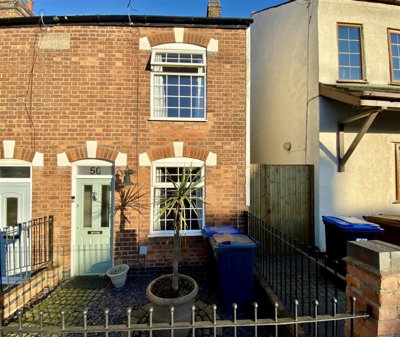
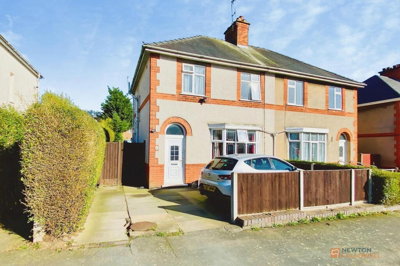
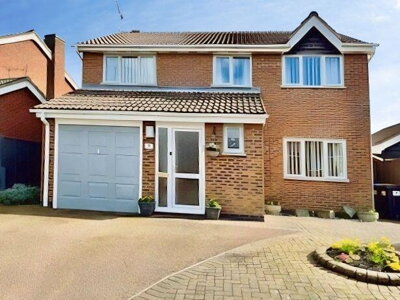
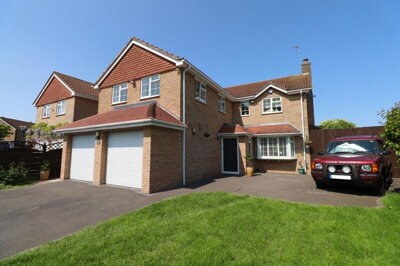
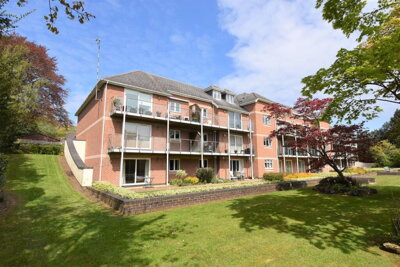
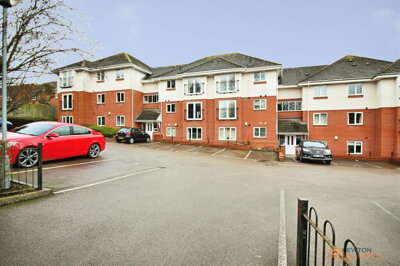
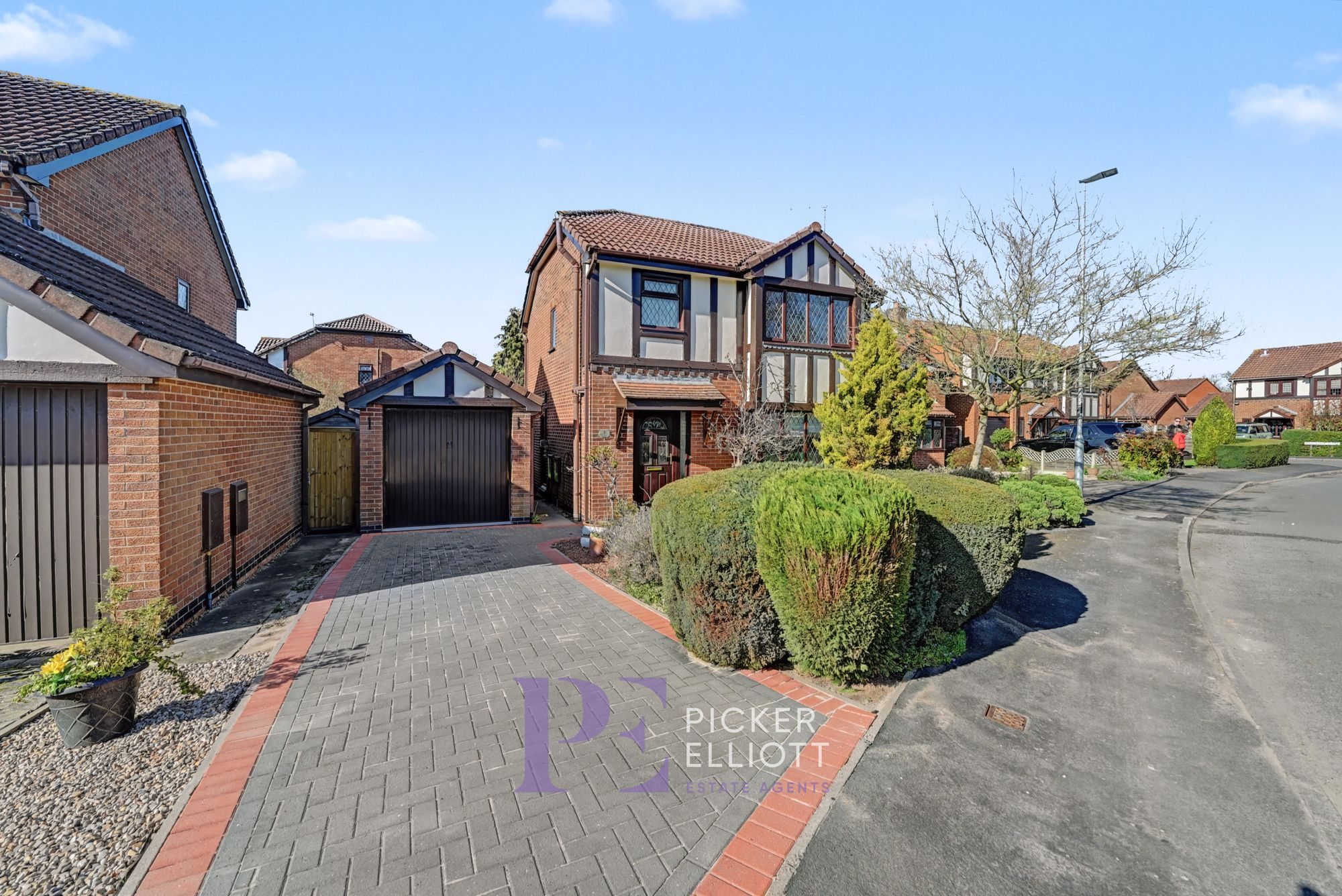
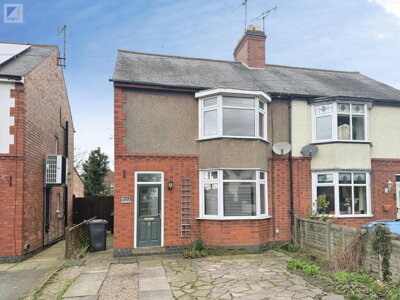
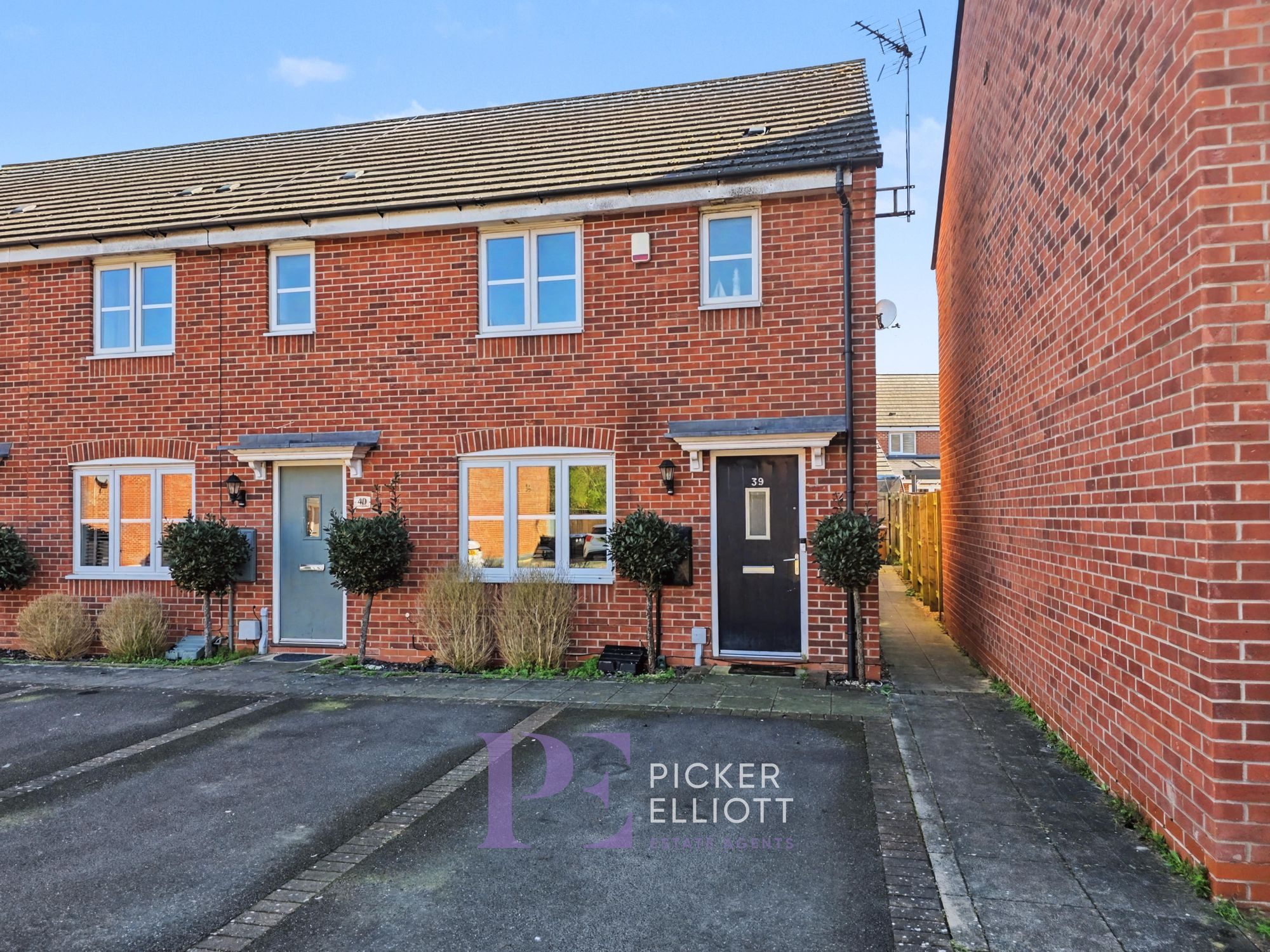
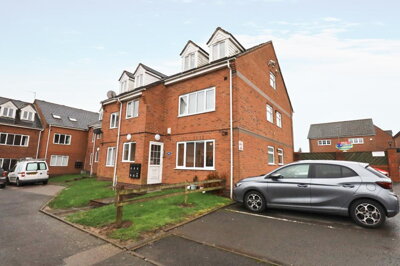
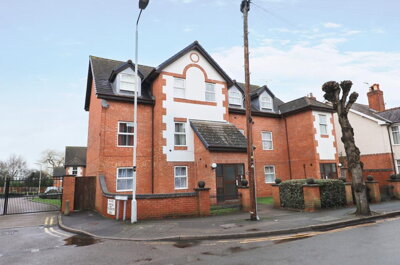
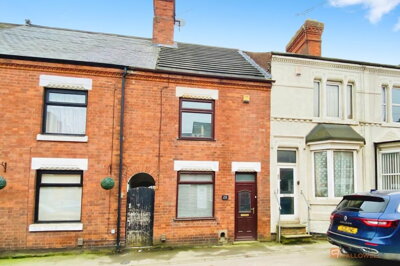
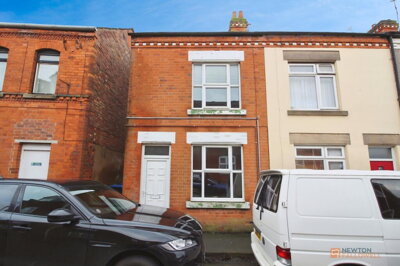
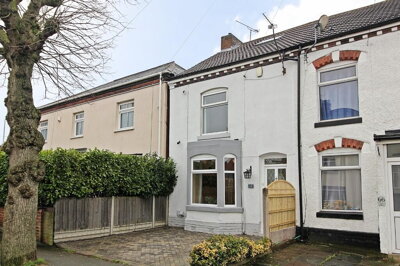
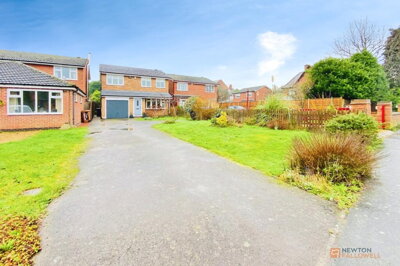
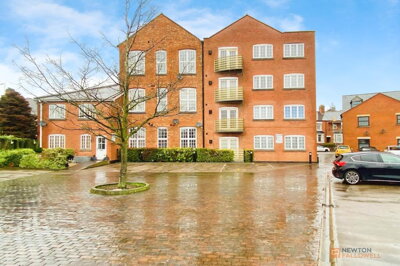
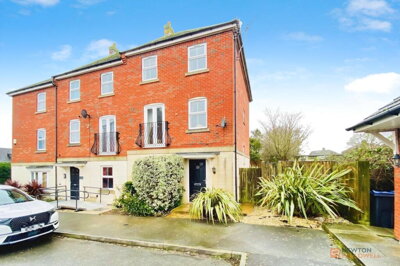
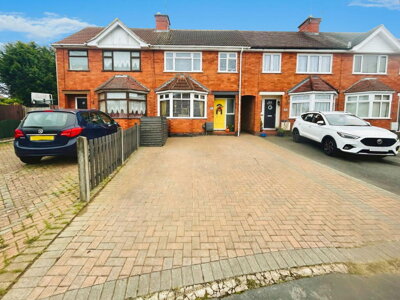
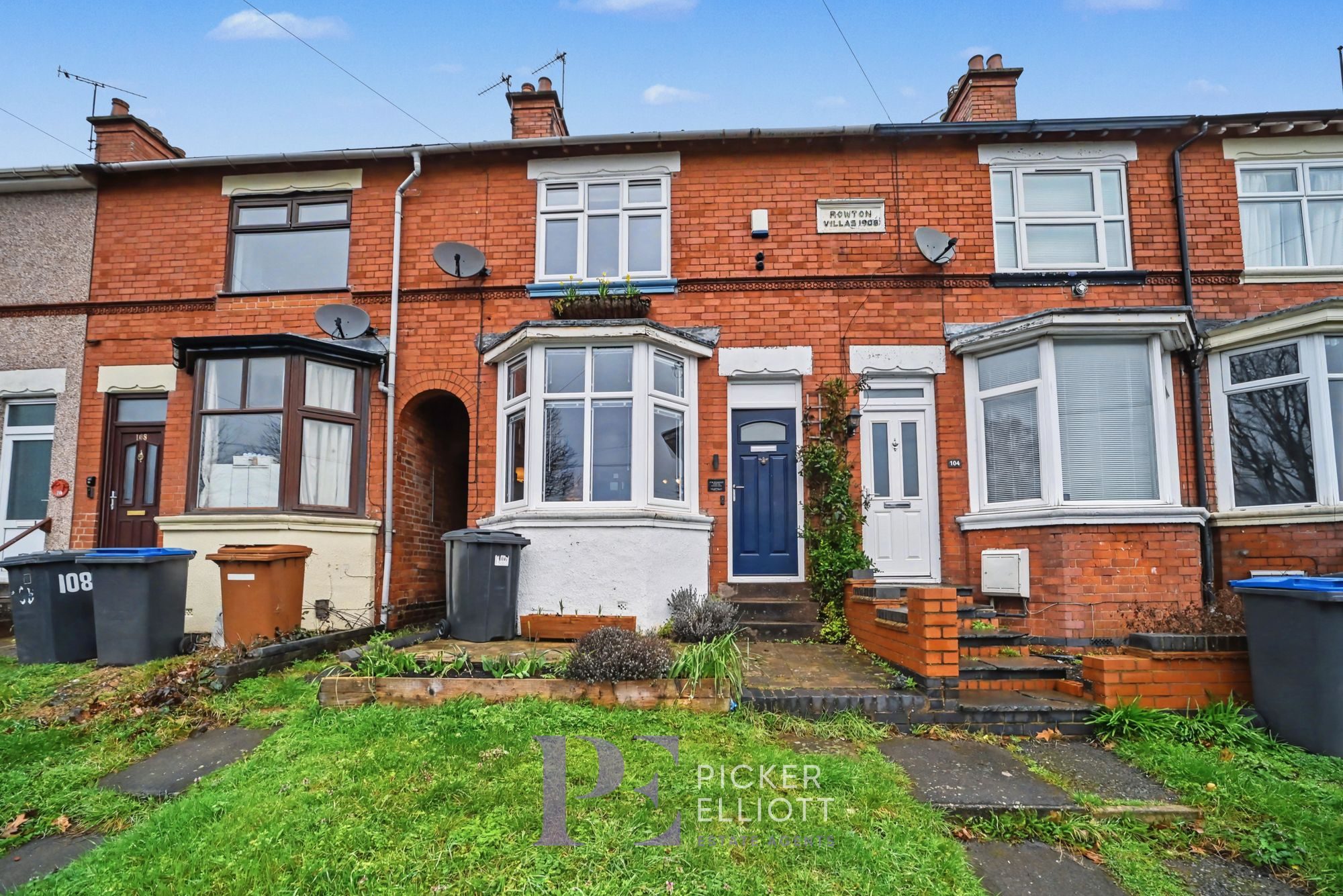
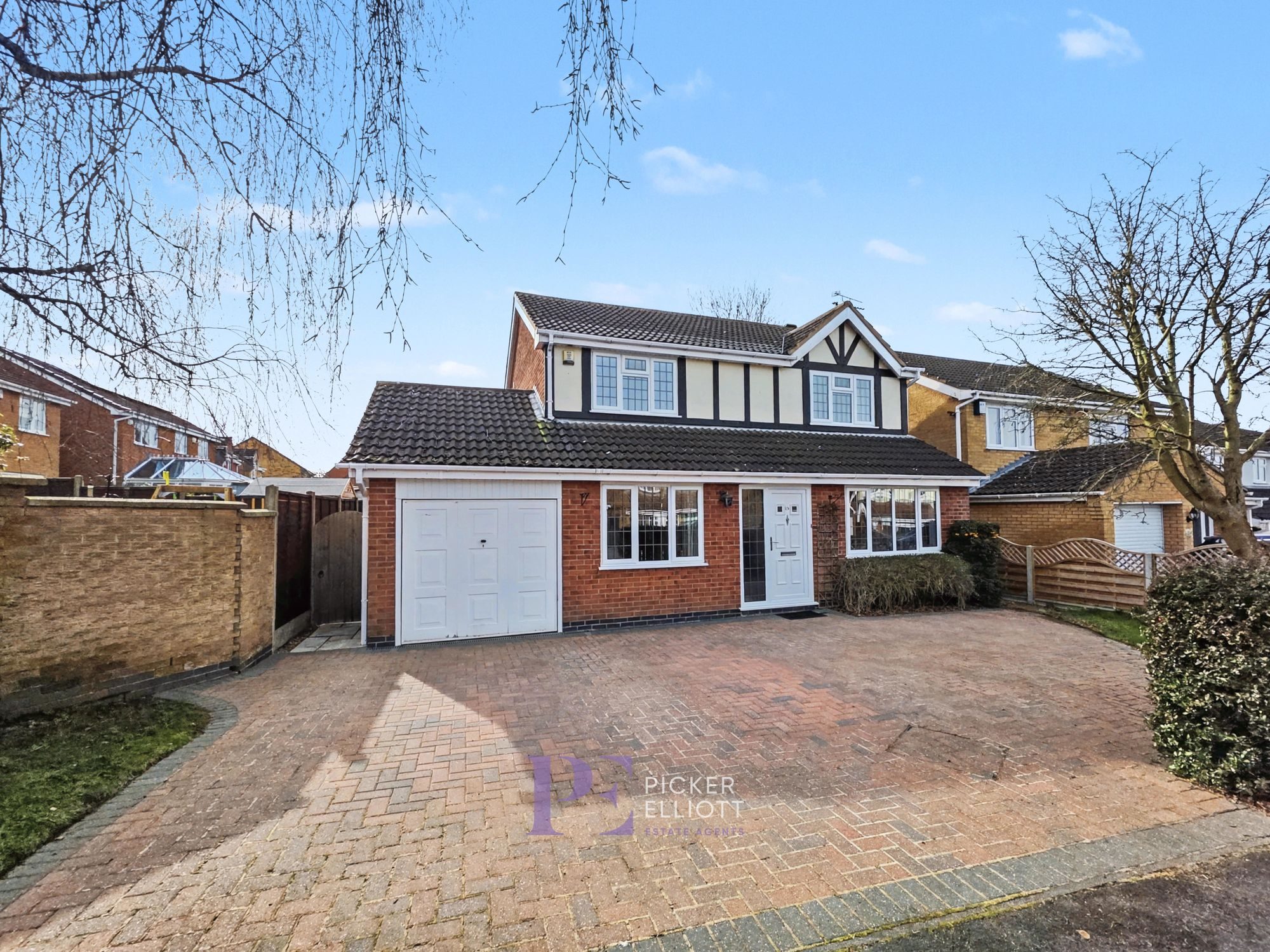
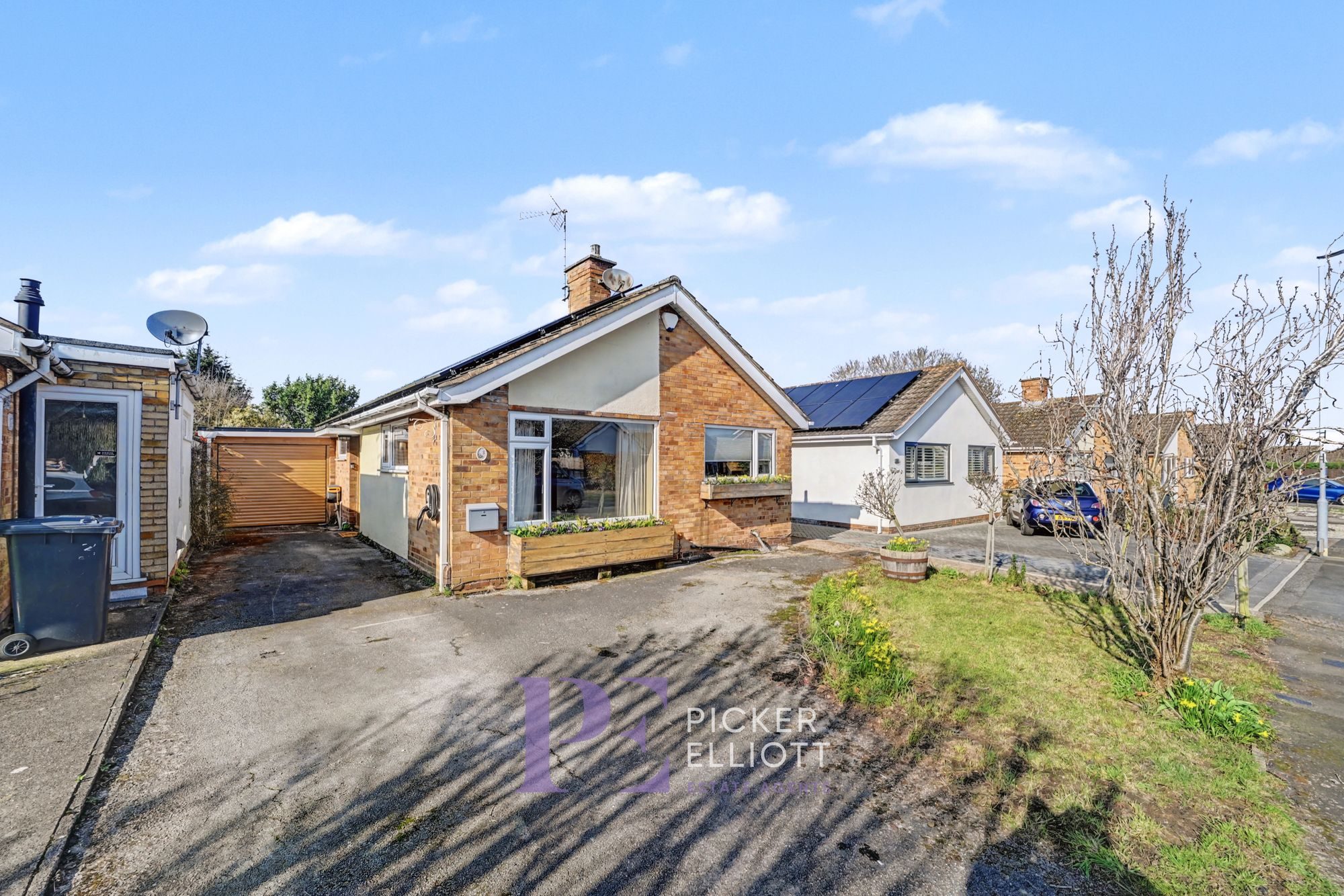
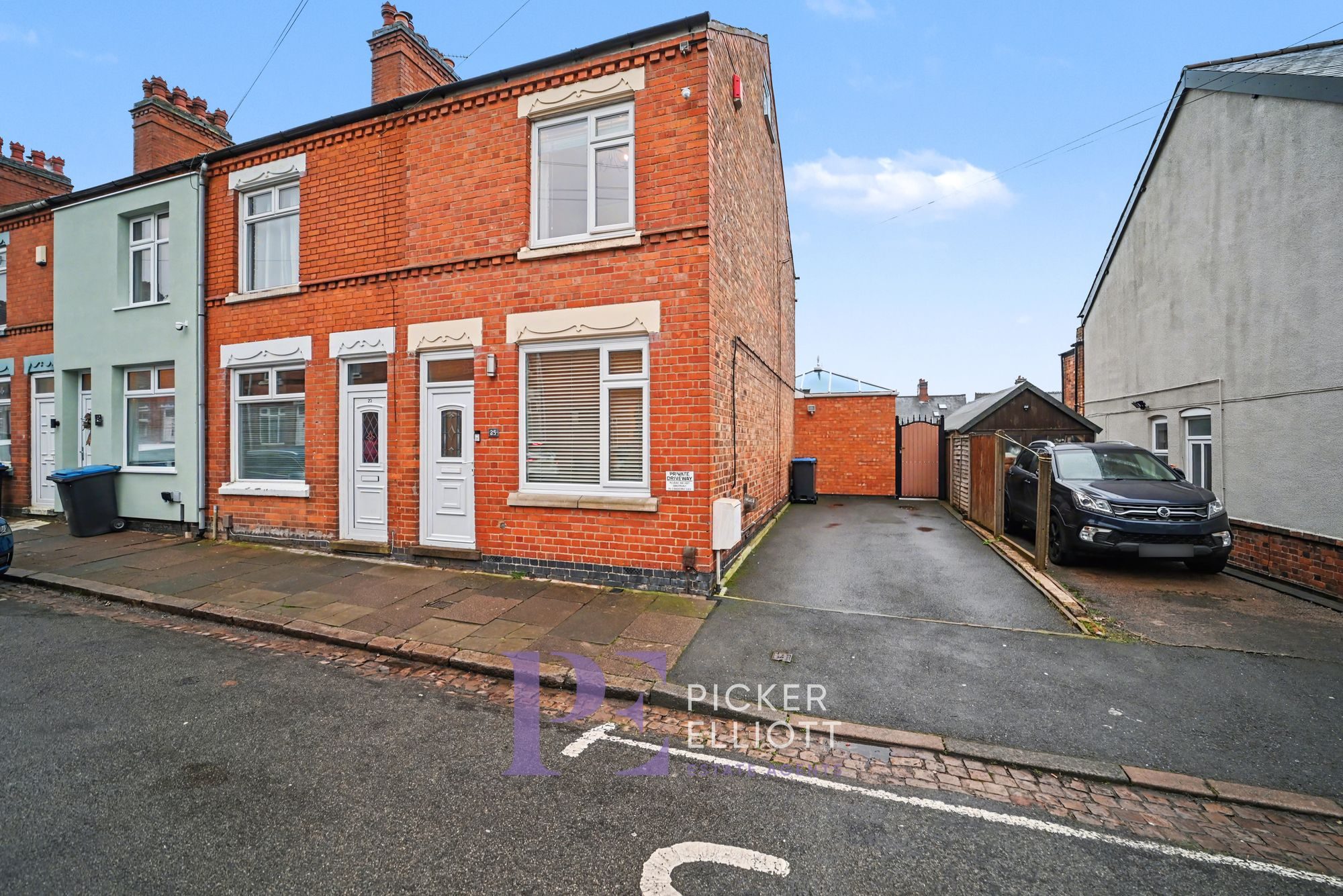
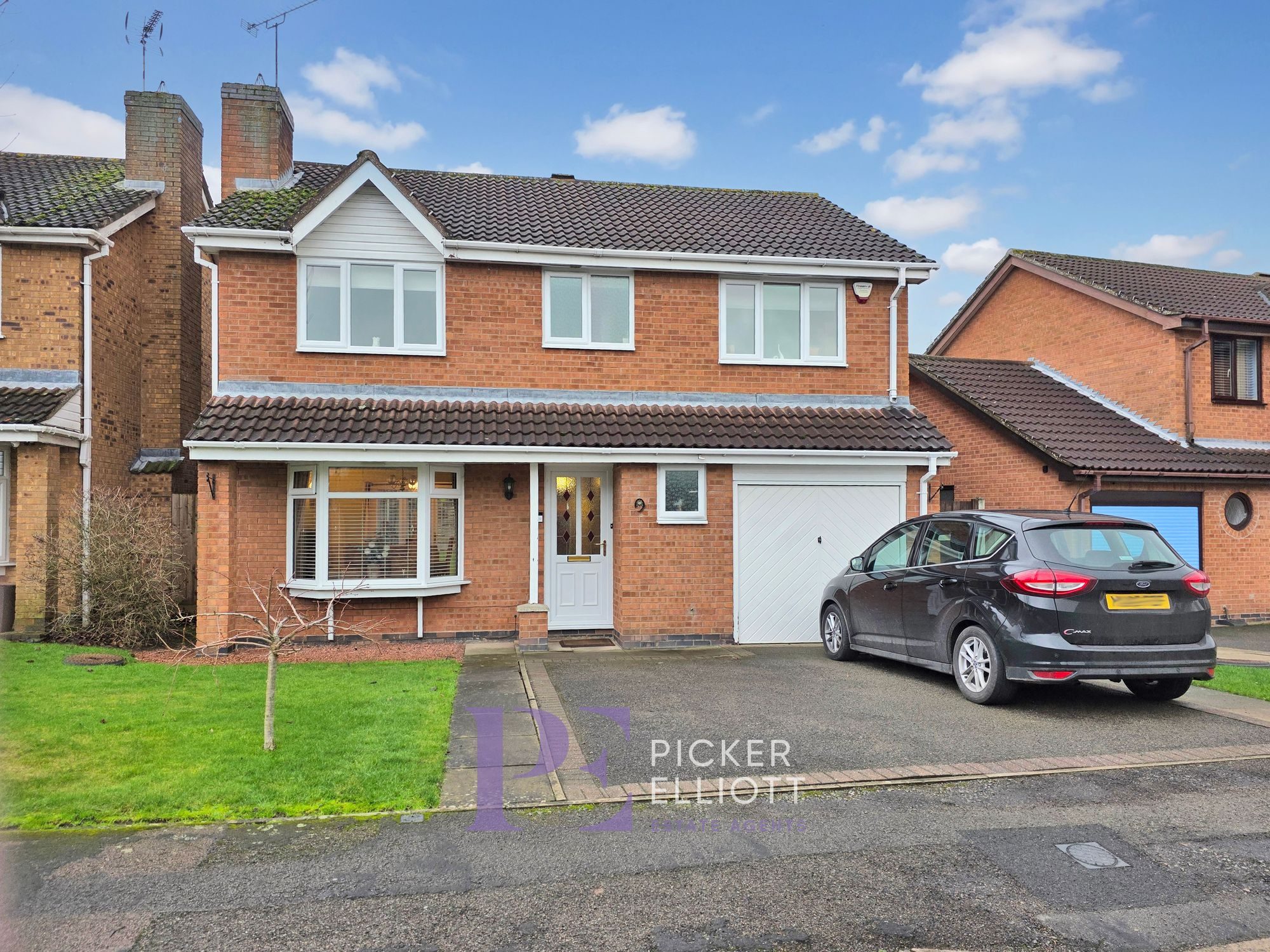
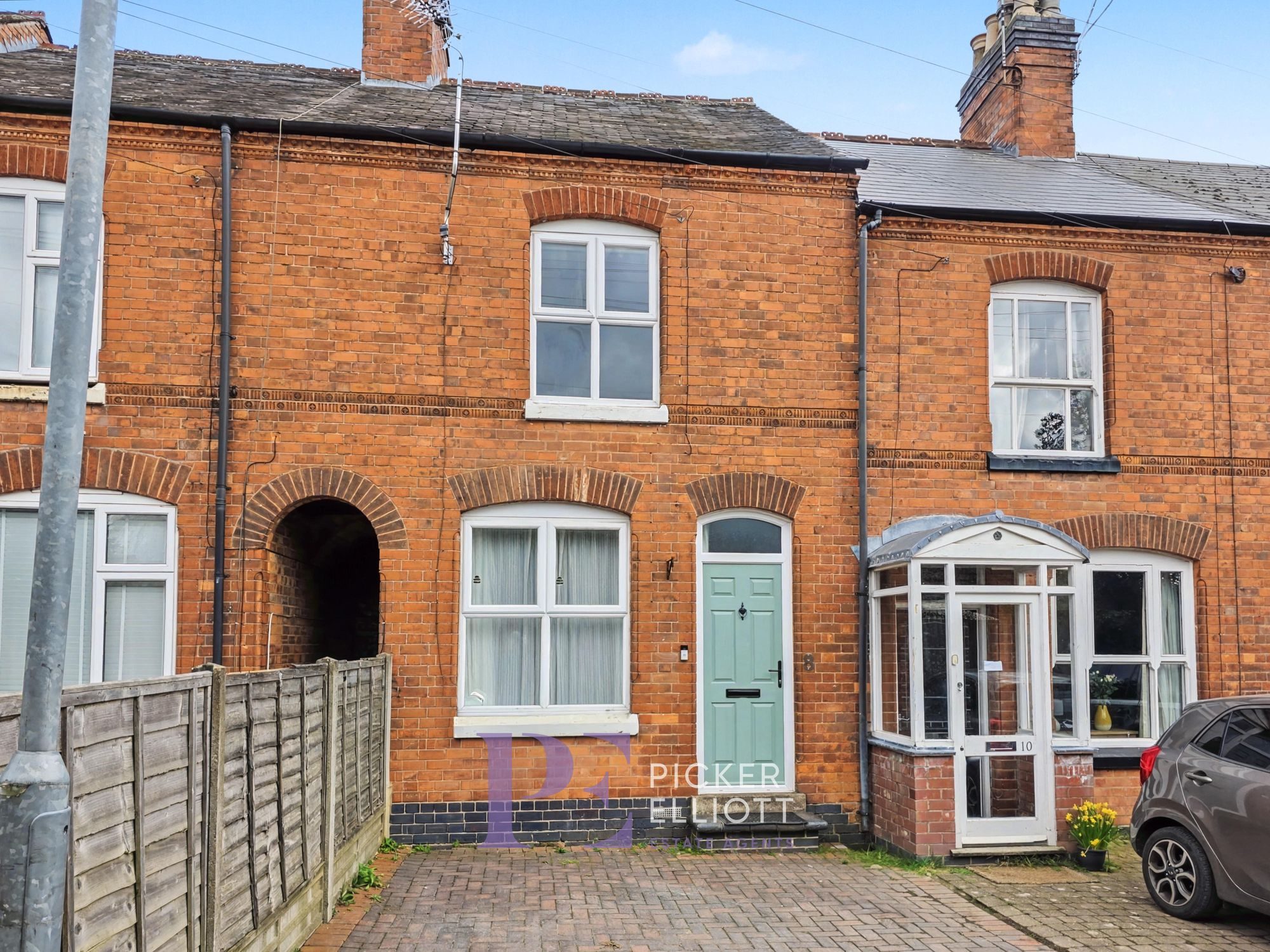
Browse 484 homes for sale in Barwell, Hinckley and Bosworth from local estate agents.
£250k
68
2
133
Source: home.co.uk
Source: home.co.uk
Detached
19 listings
Avg £369,842
Semi-Detached
19 listings
Avg £249,287
Terraced
8 listings
Avg £193,125
End of Terrace
5 listings
Avg £198,490
detached
5 listings
Avg £286,000
Bungalow
2 listings
Avg £262,500
Detached Bungalow
2 listings
Avg £275,000
Flat
2 listings
Avg £130,000
semi_detached
2 listings
Avg £214,975
Apartment
1 listings
Avg £219,950
Source: home.co.uk
Source: home.co.uk
The West Bretton property market has demonstrated steady resilience over the past twelve months, with house prices increasing by approximately 3% according to recent data. This growth reflects the broader appeal of the Wakefield district and the specific attractions of village living within easy commuting distance of major employment hubs. The average property price of £345,000 positions West Bretton favourably against neighbouring areas, offering buyers good value for money within the West Yorkshire property landscape while still benefiting from the area's prestigious associations and excellent quality of life.
Property types in West Bretton reflect the village's varied architectural heritage, with detached homes commanding the highest prices at around £450,000 on average. These larger properties typically feature generous gardens, off-street parking, and the stone or brick construction that characterises the best homes in the area. Semi-detached properties, which represent a significant portion of the housing stock at approximately 30-35%, offer more accessible entry points at around £280,000, making them ideal for first-time buyers or families looking to establish themselves in this desirable location. Terraced properties start from approximately £220,000, while flats in the village remain relatively scarce at under 5% of the housing stock, with average prices around £160,000.
New build activity within the West Bretton postcode area (WF4 4) remains limited, with no large-scale developments currently under construction. This scarcity of new supply has contributed to the relative stability of existing property values and means that buyers seeking modern specifications may need to look at nearby towns or consider properties that have undergone recent renovation. The absence of extensive new development also helps preserve the village's character and explains why properties in West Bretton, particularly those within the Conservation Area or with listed building status, command premium prices from buyers who appreciate architectural heritage.

West Bretton offers a lifestyle that many buyers aspire to but few locations can deliver - genuine rural charm with practical urban connectivity. The village is home to approximately 1,500 to 2,000 residents spread across 600 to 800 households, creating a close-knit community atmosphere where neighbours know each other and local events foster a strong sense of belonging. The population demographics skew towards families and professionals, with a mix of long-term residents and newcomers drawn by the excellent schools, beautiful surroundings, and convenient commute to larger employment centres in Leeds, Sheffield, and beyond.
The village centre features essential amenities including a village shop, traditional public houses, and local services that cater to everyday needs. For more extensive shopping, dining, and entertainment, residents benefit from easy access to the thriving market town of Wakefield, just a short drive away, where major retailers, restaurants, and cultural venues await. The presence of the Yorkshire Sculpture Park on West Bretton's doorstep cannot be overstated - this world-class attraction not only provides outstanding recreational opportunities but also contributes significantly to the cultural identity and economic vitality of the area, attracting visitors and tourism revenue that supports local businesses.
The natural landscape surrounding West Bretton offers miles of scenic walks and outdoor pursuits. Local geology, characterised by Carboniferous rocks including sandstones, shales, and coal seams, has shaped the terrain into rolling countryside that rewards exploration. Properties predominantly feature construction from gritstone and sandstone, with red brick and rendered finishes adding visual variety to the streetscape. These traditional building materials reflect the area's heritage and contribute to the harmonious aesthetic that makes West Bretton such an attractive place to call home. The village's Conservation Area designation ensures that future development respects this established character, protecting your investment for years to come.

Education provision in West Bretton serves families well, with the village offering primary education locally before pupils progress to secondary schools in the surrounding area. West Bretton Primary School provides an important foundation for young children, offering a nurturing environment that takes advantage of the village's beautiful setting and strong community connections. The school draws pupils from the village itself and surrounding rural communities, maintaining class sizes that allow for individual attention and a personalised approach to learning that parents consistently value.
Secondary education options for West Bretton families include schools in both the Wakefield and Barnsley districts, with several establishments within comfortable driving distance. Parents should research specific catchment areas and admission policies when considering properties, as these can vary and may influence school allocation. For families with sixth-form requirements, the nearby towns offer a broader range of A-level provision, with several sixth-form colleges and school sixth forms providing diverse subject choices and extracurricular activities. The proximity to Wakefield city centre also provides access to further education institutions, including colleges offering vocational courses and apprenticeships for older students.
The presence of quality educational facilities significantly influences the West Bretton property market, with families often prioritising proximity to good schools when making purchasing decisions. Properties within recognised school catchment areas typically command a premium, and the village's association with strong educational outcomes adds to its appeal for buyers at all stages of family life. Private schooling options are also available in the wider area for families seeking alternative educational approaches, though the maintained school provision in the local authority serves the majority of residents well.
West Bretton enjoys excellent road connectivity that makes commuting to major employment centres straightforward and convenient. The village sits near the M1 motorway, providing direct access to Leeds to the north and Sheffield to the south, with the A1 also within easy reach for longer-distance travel. This motorway network positions West Bretton ideally for professionals working in the Leeds City Region or South Yorkshire, with journey times to major business districts typically manageable even during peak hours compared to more congested routes.
Public transport options connect West Bretton to the wider region, with regular bus services operating between the village and nearby towns including Wakefield and Barnsley. These services provide essential connectivity for residents without access to private vehicles, including students, retirees, and those who prefer not to drive. Rail connections are accessible via stations in the surrounding towns, with Wakefield's railway stations offering services to Leeds, Manchester, York, and London Kings Cross, making West Bretton viable for commuters who travel by train after an initial bus or car journey.
Local infrastructure improvements have enhanced the area's appeal in recent years, with better signage, road maintenance, and pedestrian crossings making the village safer and more accessible for residents and visitors alike. Cycling infrastructure in the surrounding area continues to develop, with scenic country lanes popular among recreational cyclists and some residents choosing to cycle for shorter local journeys. Parking provision in the village centre accommodates visitors and residents with vehicles, while the proximity of the M1 means that regional airports, including Leeds Bradford Airport, are within reasonable driving distance for business or leisure travel further afield.
Before you begin viewing properties in West Bretton, obtain a mortgage agreement in principle from a lender. This document confirms how much you can borrow and demonstrates to estate agents and sellers that you are a serious, financially prepared buyer. Having this in place gives you a clear budget to work within and strengthens your position when making offers on properties.
Explore current listings in West Bretton and comparable villages to understand what your budget can achieve. Consider property types, sizes, and features that meet your requirements, and note how prices vary between different styles of property. Our platform provides comprehensive access to properties across West Bretton, allowing you to compare options and identify properties that match your criteria before arranging viewings.
Once you have identified promising properties, schedule viewings to assess their condition, location, and suitability. Take time to visit the village at different times of day to understand the local atmosphere, check proximity to amenities and schools, and speak with residents about their experience of living in West Bretton. Our platform makes it easy to arrange viewings through the estate agents listed with each property.
For properties in West Bretton, particularly older homes built before 1980, we strongly recommend commissioning a RICS Level 2 Survey before proceeding with your purchase. These surveys typically cost between £450 and £650 for a standard 3-bedroom property and can identify defects such as damp, roof issues, timber defects, or potential subsidence concerns that may not be visible during a standard viewing. Given that 70-80% of properties in West Bretton predate 1980, a thorough survey is especially valuable.
Once your offer is accepted, instruct a conveyancing solicitor to handle the legal aspects of your purchase. Your solicitor will conduct searches, review the contract, handle land registry requirements, and manage the transfer of funds. Using a solicitor with local knowledge of the Wakefield district can be beneficial, as they may be familiar with specific planning issues, conservation area requirements, or mining history that affects certain properties in West Bretton.
After all searches are satisfactory and mortgage arrangements are confirmed, you will exchange contracts and pay your deposit. The completion date will be set, at which point ownership transfers to you and you can collect your keys. Our conveyancing partners can guide you through this final stage, ensuring all documentation is properly completed and registered with the Land Registry.
Properties in West Bretton present unique considerations that buyers should carefully evaluate before committing to a purchase. The village's geological conditions include clay soils that can present shrink-swell risks, particularly for properties with mature trees nearby. This subsidence potential makes it essential to commission a thorough structural survey and carefully review any historical subsidence claims or underpinning work documented in property disclosures. Properties in low-lying areas may also be susceptible to surface water flooding during heavy rainfall, so reviewing flood risk assessments and drainage history is advisable.
The presence of a Conservation Area in West Bretton brings specific planning considerations that affect what you can and cannot do with a property. If you plan renovations, extensions, or significant alterations, you will likely require planning permission from Wakefield Council and may face stricter requirements regarding materials, design, and external appearance. Listed buildings in the village carry additional restrictions under listed building consent requirements, so potential buyers should research any Grade II or other listed status and understand how this impacts future property management and renovation possibilities.
Given West Bretton's mining heritage, with coal seams and historical mining activity documented in the local geology, buyers should conduct thorough searches regarding potential ground instability or legacy mining issues. While deep mining has largely ceased in the area, old mine workings and shafts can occasionally cause problems that affect property values and structural integrity. A good conveyancing solicitor will flag any relevant mining records or historical searches, and a RICS Level 2 Survey can identify signs of movement or historic subsidence that might be related to ground conditions. Properties with significant amenity value or rural location may also have higher service charges or maintenance costs for private roads and shared facilities.
Understanding the construction methods used in West Bretton properties helps buyers appreciate the characteristics and potential maintenance requirements of homes in this area. The predominant building materials include local gritstone and sandstone, materials that have been quarried from the Carboniferous geology underlying the area for centuries. These natural stones give many properties their distinctive warm golden appearance and contribute to the harmonious aesthetic of the village streetscape. Red brick is also widely used, often in combination with stone dressings on more substantial properties, while rendered finishes appear on some period cottages and more recent extensions.
Properties in West Bretton span several construction eras, each with its own characteristics. Pre-1919 properties, representing approximately 25-30% of the housing stock, typically feature solid wall construction with thick stone or brick walls that provide excellent thermal mass but may require additional insulation measures. Properties built between 1919 and 1945 often incorporate cavity wall construction that was becoming more common during this period, while post-war properties from 1945 to 1980, making up roughly 30-35% of homes, predominantly use cavity wall construction with brick or rendered external finishes. Timber roof structures are standard across all periods, though roof pitches and covering materials vary according to the property age and style.
The construction materials used in West Bretton properties influence both their character and their maintenance requirements. Stone walls may require repointing every few decades to prevent moisture ingress, and older solid wall properties may benefit from breathable lime-based mortars rather than cement repointing to avoid trapped moisture and subsequent damp issues. Understanding these construction details helps buyers anticipate maintenance needs and make informed decisions about renovation projects, particularly for properties within the Conservation Area where planning requirements may specify traditional materials and methods.
The average house price in West Bretton currently stands at approximately £345,000 based on data from the past twelve months. Property prices have increased by around 3% over this period, indicating a stable and gradually strengthening market. Detached properties average £450,000, semi-detached homes around £280,000, terraced properties approximately £220,000, and flats around £160,000. The village's combination of rural charm, excellent connectivity, and proximity to the Yorkshire Sculpture Park continues to support property values in the West Yorkshire market.
Properties in West Bretton fall under Wakefield Council's jurisdiction for council tax purposes. Bands range from A to H depending on property value and type, with the majority of homes in the village typically falling within bands B through E. Exact council tax bands can be confirmed through the Valuation Office Agency or by checking specific properties on Wakefield Council's online records. Prospective buyers should factor annual council tax costs into their budgeting alongside mortgage payments and other purchase costs. The village's mix of period cottages, post-war semi-detached homes, and larger detached properties means council tax bands vary considerably across the housing stock.
West Bretton Primary School serves the village and surrounding areas, providing education for children up to Year 6 in a setting that benefits from the village's beautiful surroundings and strong community connections. For secondary education, families typically access schools in the Wakefield or Barnsley areas, with specific allocations depending on catchment boundaries and admission policies. Parents should research current school performance data, Ofsted ratings, and admission criteria when considering properties, as school catchment areas can influence which establishments serve specific addresses. Several secondary schools within reasonable driving distance have strong academic records and good reputations, including schools in nearby towns that serve pupils from West Bretton and the surrounding villages.
West Bretton benefits from regular bus services connecting the village to Wakefield and Barnsley, providing essential public transport options for residents without private vehicles. The nearby M1 motorway offers excellent road connectivity to Leeds, Sheffield, and the wider motorway network for those with vehicles. Rail services are accessible via stations in surrounding towns, with Wakefield providing direct trains to Leeds, Manchester, York, and London. The village's position between two major cities makes it particularly attractive for commuters who can combine public transport with car travel for flexible commuting arrangements. Bus routes connect to both Wakefield city centre and Barnsley, where residents can access additional rail services and local amenities.
West Bretton offers several factors that make it attractive for property investment, including limited new build supply, a stable local market with gradual price growth, and strong demand driven by the village's desirable location and amenities. Properties within the Conservation Area or with period features tend to hold their value well, while the proximity to the Yorkshire Sculpture Park and excellent transport links continue to attract buyers. Rental demand exists from professionals seeking village living within commuting distance of major employment centres, though buy-to-let investors should carefully calculate yields and consider management requirements for a smaller village location. The relative scarcity of properties coming to market helps support values, though investors should be aware that the village's character means rental demand may be more limited than in larger towns.
Stamp Duty Land Tax rates for 2024-25 apply as follows: 0% on properties up to £250,000, 5% on the portion from £250,001 to £925,000, 10% on the portion from £925,001 to £1,500,000, and 12% on amounts exceeding £1,500,000. First-time buyers benefit from relief on the first £425,000 of properties up to £625,000, paying 0% on the first £425,000 and 5% on the portion between £425,001 and £625,000. Given the average property price in West Bretton of £345,000, most buyers would pay stamp duty on amounts between £95,000 and £145,000 depending on their buyer status and purchase price. A standard buyer purchasing at the average price would pay approximately £4,750, while a first-time buyer at the same price would pay around £1,000.
Given that approximately 70-80% of properties in West Bretton were built before 1980, buyers should be alert to common issues in older housing stock. These include damp (rising damp, penetrating damp, and condensation), roof condition problems such as slipped tiles or damaged leadwork, timber defects including wet and dry rot or woodworm, and outdated electrical systems or plumbing that may not meet current regulations. Properties on clay soils should be checked for subsidence or heave, particularly those with large trees nearby, and the area's mining heritage means that legacy mining issues should be investigated for properties in certain locations. A RICS Level 2 Survey will identify these issues and help you negotiate repairs or price adjustments with the seller before completing your purchase.
Purchasing a property in West Bretton involves several costs beyond the purchase price itself, and understanding these expenses upfront helps you budget effectively for your move. The most significant additional cost is Stamp Duty Land Tax, which applies to all residential property purchases above the relevant threshold. For the majority of buyers purchasing properties in West Bretton at or around the average price of £345,000, standard SDLT rates would apply to the portion above £250,000. A typical buyer paying the standard rate would calculate stamp duty on approximately £95,000, resulting in costs of around £4,750, though individual circumstances and property values will affect the actual amount due.
First-time buyers purchasing properties up to £625,000 benefit from increased thresholds under first-time buyer relief, with 0% applying to the first £425,000 and 5% on amounts between £425,001 and £625,000. For a first-time buyer purchasing at the West Bretton average price of £345,000, this would mean stamp duty on just £20,000 (the amount above £425,000 does not apply), resulting in costs of £1,000. Properties priced above £625,000 do not qualify for first-time buyer relief, while those above £1.5 million attract higher rates of 10% and 12% on the portions above £925,000 and £1.5 million respectively.
Beyond stamp duty, buyers should budget for conveyancing costs, which typically range from £499 to £1,500 depending on property value and complexity. Survey costs for a RICS Level 2 Survey in West Bretton range from £450 to £650 for standard properties and £600 to £850 for larger detached homes. Removal costs, estate agent fees if you are selling simultaneously, and potential renovation or repair costs should also be factored into your overall moving budget. Our related services section connects you with trusted providers for mortgages, conveyancing, surveys, and EPC assessments, ensuring you have access to competitive quotes from reputable professionals who understand the West Bretton property market.
Properties for Sale In London

Properties for Sale In Plymouth

Properties for Sale In Liverpool

Properties for Sale In Glasgow

Properties for Sale In Sheffield

Properties for Sale In Edinburgh

Properties for Sale In Coventry

Properties for Sale In Bradford

Properties for Sale In Manchester

Properties for Sale In Birmingham

Properties for Sale In Bristol

Properties for Sale In Oxford

Properties for Sale In Leicester

Properties for Sale In Newcastle

Properties for Sale In Leeds

Properties for Sale In Southampton

Properties for Sale In Cardiff

Properties for Sale In Nottingham

Properties for Sale In Norwich

Properties for Sale In Brighton

Properties for Sale In Derby

Properties for Sale In Portsmouth

Properties for Sale In Northampton

Properties for Sale In Milton Keynes

Properties for Sale In Bournemouth

Properties for Sale In Bolton

Properties for Sale In Swansea

Properties for Sale In Swindon

Properties for Sale In Peterborough

Properties for Sale In Wolverhampton

Enter your details to see if this property is within your budget.
Loans, cards, car finance
Estimated property budget
Borrowing + deposit
You could borrow between
Typical borrowing
Monthly repayment
Est. at 4.5%
Loan-to-value
This is an estimate only. Your actual budget may vary depending on interest rates, credit history, and personal circumstances. For an accurate affordability assessment, speak to one of our free mortgage advisors.
This calculator provides estimates for illustrative purposes only and does not constitute financial advice. Your home may be repossessed if you do not keep up repayments on your mortgage. Estimates based on 4.5% interest rate, repayment mortgage. Actual rates depend on your circumstances.
Homemove is a trading name of HM Haus Group Ltd (Company No. 13873779, registered in England & Wales). Homemove Mortgages Ltd (Company No. 15947693) is an Appointed Representative of TMG Direct Limited, trading as TMG Mortgage Network, which is authorised and regulated by the Financial Conduct Authority (FRN 786245). Homemove Mortgages Ltd is entered on the FCA Register as an Appointed Representative (FRN 1022429). You can check registrations at NewRegister or by calling 0800 111 6768.

We use cookies to show you personalised content and improve your experience of our website. Find out more in our Privacy policy and Cookie policy.