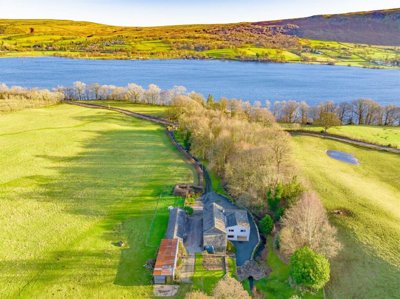
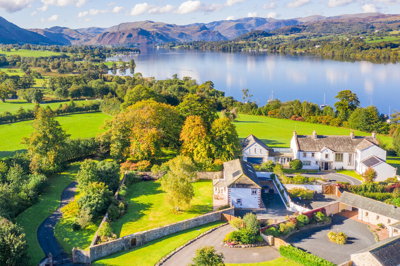
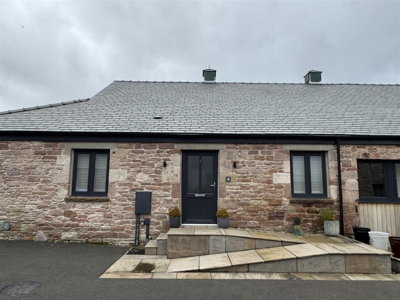
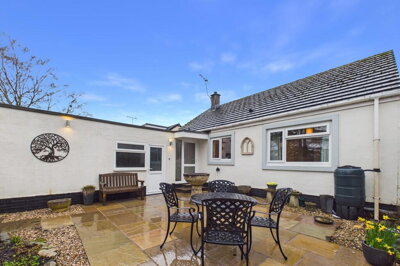
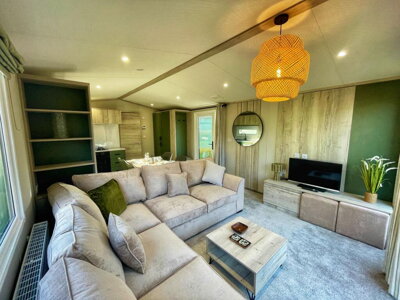
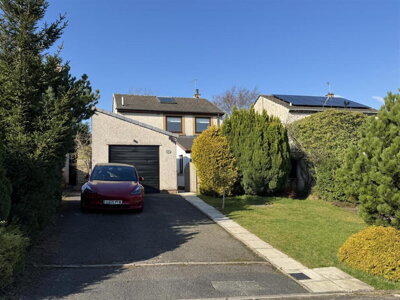
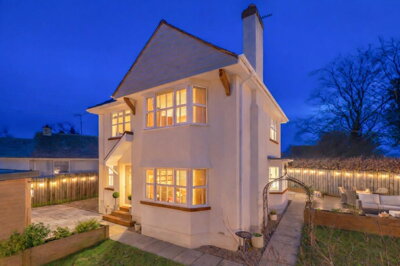
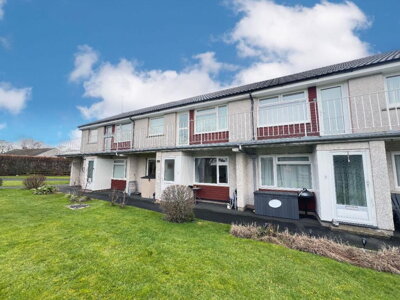
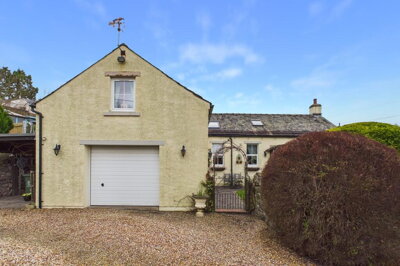
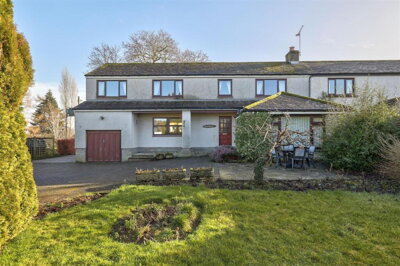
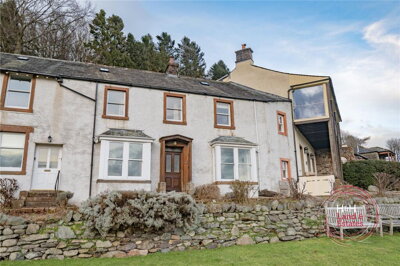
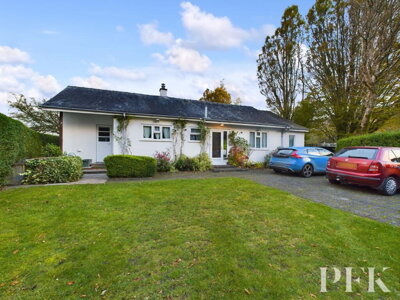
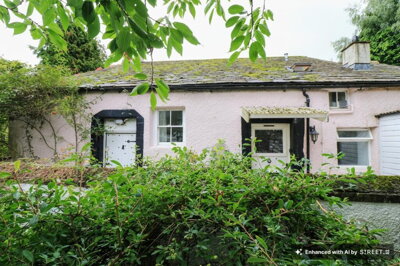
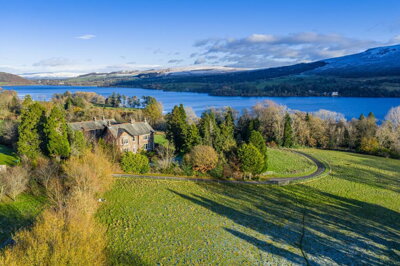
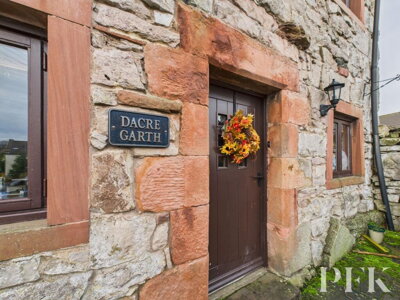
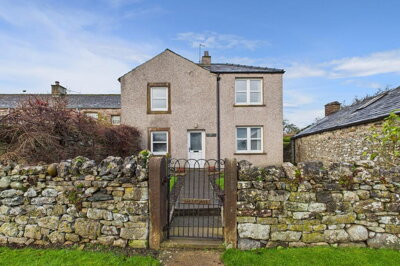
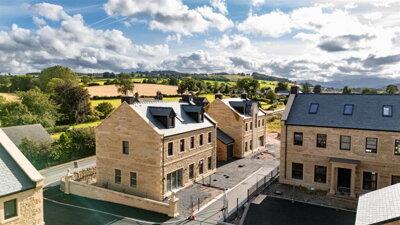
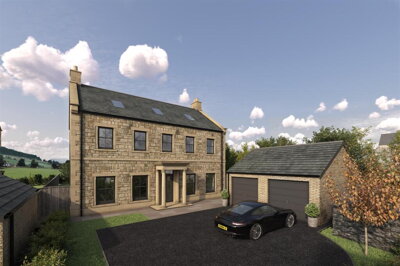
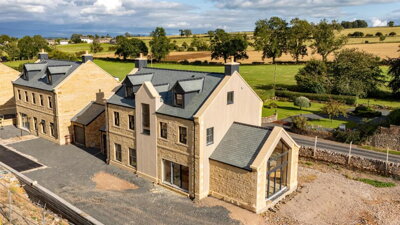
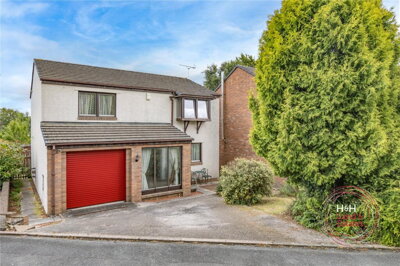
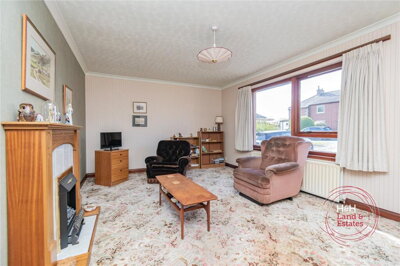
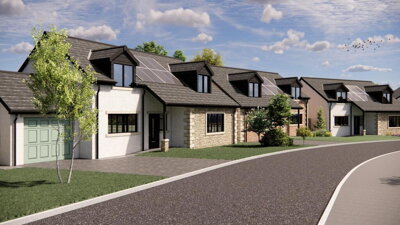
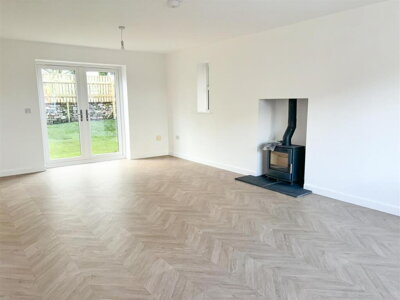
Browse 44 homes for sale in Barton from local estate agents.
The Westmorland and Furness property market presents a nuanced picture for buyers exploring the Barton area. House prices in the wider district have shown remarkable stability over the past twelve months, with the overall average sitting at £228,000 as of December 2025 - representing a modest decline of just 1.0% compared to the previous year. This price resilience speaks to the enduring appeal of Cumbrian living, where demand is driven by quality of life rather than investment speculation. For buyers, this means conditions that favour careful selection over rushed decisions.
Property types in the area span a broad spectrum to suit different needs and budgets. Semi-detached homes command around £247,000 on average, making them a popular choice for families seeking a balance between space and affordability. Detached properties, which often feature the characteristic stone construction seen throughout this part of Cumbria, average approximately £386,000 and offer the generous gardens and room to grow that many buyers prioritise. Flats and maisonettes, while less prevalent in this rural setting, are available from around £133,000, providing an accessible option for first-time buyers or those downsizing. Recent data for specific developments such as Barton View in Penrith shows prices around the £400,000 mark for contemporary detached homes in sought-after locations.
The 12-month price trends reveal interesting patterns across different property types. While detached properties have seen the most significant movement, semi-detached homes have remained remarkably stable, suggesting strong underlying demand from families who appreciate the value this housing type offers. Flats have experienced a 4.5% decrease, which may present opportunities for first-time buyers or investors looking at the lower end of the market. Understanding these trends helps buyers time their purchase strategically and negotiate from a position of knowledge.

Life in Barton and the surrounding Westmorland and Furness area embodies the rhythms of rural Cumbrian existence. The landscape here is defined by rolling farmland, dry stone walls that criss-cross the hillsides, and the ever-present backdrop of the Lake District fells. Communities in this part of Cumbria maintain a strong sense of identity, with village pubs, local churches, and community halls serving as gathering points for residents. The pace of life allows for genuine neighbourliness, where knowing the names of those who live nearby is the norm rather than the exception.
The local economy revolves around agriculture, tourism, and the service sectors that support both. Farm shops selling locally produced cheese, meat, and preserves are common features of village life, while the proximity to the Lake District National Park brings visitors throughout the year who support hotels, restaurants, and outdoor activity providers. For residents, this means access to fresh local produce, stunning landscapes for daily walks, and a tourism industry that keeps village services economically viable in ways that purely residential communities sometimes struggle to maintain.
The changing seasons define life in this part of Cumbria more than in most other parts of England. Spring brings newborn lambs to the surrounding fields, summer offers long evenings perfect for exploring the fells or relaxing in pub gardens, autumn sees the landscape transform into a riot of colour, and winter, while demanding, brings a particular beauty to the fells and villages. Each season brings its own rhythm to village life, with community events, local traditions, and the shared appreciation of living in one of England's most beautiful counties.

Education provision in the Barton area of Westmorland and Furness serves communities scattered across a geographically extensive rural area. Primary schools in smaller villages often operate as small, community-focused institutions where teachers know every pupil by name and older children support younger ones through mixed-age activities. For secondary education, pupils typically travel to larger settlements such as Penrith or the surrounding market towns, where schools offer a broader curriculum and specialist facilities that smaller institutions cannot provide.
Parents considering a move to the Barton area should research specific school catchments carefully, as the rural geography means travel distances can be significant. Many families weigh the benefits of village primary education against the commuting requirements for secondary school, sometimes factoring these logistics into their purchasing decisions. The close-knit nature of rural schools often means classes are smaller than urban equivalents, allowing for more individual attention, though facilities may be more modest in scope.
Beyond state education, families in the Westmorland and Furness area may also consider independent schooling options, which are available in nearby towns. The quality of specific schools can be checked on the Ofsted website, and parents should also consider travel arrangements, as rural distances mean some schools may require bus transport. Visiting local schools and speaking to current parents provides valuable insight beyond official statistics and helps families make informed decisions about where to base their new home.
Transport connections from Barton and the wider Westmorland and Furness area reflect its position at the edge of the Lake District, offering a trade-off between rural tranquility and urban accessibility. The M6 motorway passes through the eastern part of the district, providing relatively straightforward access to Manchester, Liverpool, and the motorway network beyond. However, reaching these destinations requires either a reasonable drive to the motorway itself or reliance on the A66 or A591 trunk roads that connect the area to the wider road network.
Public transport options in rural Cumbria are necessarily limited compared to urban areas, with bus services operating on reduced frequencies that reflect population density. Train services are available at mainline stations in Penrith and possibly other larger towns within reasonable driving distance, offering East Coast Main Line connections to Edinburgh, Newcastle, Leeds, and London. For residents who work from home or whose employers offer flexible arrangements, the excellent broadband increasingly available in the area can make rural living fully compatible with professional careers. Those requiring daily city commuting should factor travel times and parking arrangements at rail stations into their calculations.
For those who need to travel regularly for work, the proximity to the M6 corridor is a key consideration when choosing where to buy in the Barton area. Properties closer to the A66 trunk road offer quicker access to the motorway network, while more remote locations provide greater tranquility but require more planning for any commute. Many residents find that the quality of life gained from living in this beautiful part of Cumbria more than compensates for the travel requirements, particularly as flexible and remote working become increasingly common.
Explore property listings across the Barton area and build an understanding of price ranges for different property types. With average prices ranging from £185,000 for terraced homes to £386,000 for detached properties, knowing what your budget buys in this specific area will help you focus your search effectively. Take time to understand the different villages and their characters, as each has its own distinct appeal and price dynamics.
Contact lenders or brokers to obtain an agreement in principle before viewing properties. Having your financial position confirmed strengthens your offer when you find the right home, particularly in a market where local buyers familiar with the area may be competing for the same properties. Specialist rural mortgage brokers may have access to products suited to older, non-standard construction properties common in the area.
Schedule viewings of homes that match your criteria and use these visits to evaluate not just the property itself but the neighbourhood, local amenities, travel connections, and how the village community feels. Ask the selling agent about the local area, recent sales in the vicinity, and any factors that might affect value. Take notes during viewings as it is easy to forget details when comparing multiple properties.
Before completing your purchase, arrange for a Level 2 Survey (Homebuyer Report) on the property. This inspection by a qualified RICS surveyor identifies defects, potential problems with construction or materials, and areas requiring attention or further investigation, providing essential information before you commit to completing the purchase. For older stone-built properties in the Barton area, this professional assessment is particularly valuable.
Choose a solicitor experienced in Cumbrian property transactions to handle the legal work. They will conduct searches, handle contracts, liaise with the seller's representatives, and guide you through the process of exchanging contracts and completing your purchase. Local solicitors will be familiar with any specific issues affecting properties in the Westmorland and Furness area.
Once all searches are satisfactory and contracts are exchanged, arrange for final payment and property transfer. On completion day, you will receive the keys to your new home in Barton, ready to begin your life in this corner of Cumbria.
Properties in the Barton area of Westmorland and Furness often include traditional Cumbrian construction that brings character but also requires informed assessment. Stone-built homes, while immensely solid and attractive, may have specific maintenance requirements related to older building methods. Roof conditions merit particular attention, as repairs to traditional slate or stone tile coverings can be more costly than modern equivalents. A RICS Level 2 Survey provides the professional assessment needed to understand any issues before purchase.
The rural setting means that buyers should investigate several practical factors that might not be apparent during viewings. Drainage arrangements in villages not connected to mains sewage require careful checking. Access roads and driveways may be subject to rights of way or maintenance responsibilities that affect costs and usability. Properties in areas prone to winter weather should be evaluated for heating adequacy, insulation quality, and the condition of any oil or LPG gas systems that are common where mains gas is unavailable.
Many properties in the Barton area date from periods before modern building regulations, which means electrics, plumbing, and insulation may not meet current standards. Wiring in properties pre-dating the 1960s or 1970s often requires updating, and solid wall construction without cavity insulation can lead to higher heating costs than buyers might expect. Understanding these factors before purchase allows for accurate budgeting and prevents unpleasant surprises after moving day. A thorough RICS Level 2 Survey will identify any electrical installations that need attention and assess the overall condition of services throughout the property.
The housing stock in the Barton area of Westmorland and Furness reflects centuries of continuous occupation and development, resulting in a diverse mix of property types that cater to different preferences and budgets. Traditional Cumbrian stone cottages remain a defining feature of the local landscape, with their characteristic thick walls, slate or stone tile roofs, and often quirky layouts that reflect the age of their construction. These properties offer tremendous character but may require ongoing maintenance investment to keep them in top condition.
Terraced properties, averaging around £185,000, represent the most affordable entry point to the local property market. These homes often feature the same traditional construction as their detached counterparts but with the benefit of shared walls that can improve thermal performance. Many terraces in the area have been sensitively modernised over the years, combining period features with contemporary kitchen and bathroom fittings. The relative affordability makes this property type particularly attractive to first-time buyers looking to establish themselves in this desirable part of Cumbria.
Semi-detached and detached family homes form the backbone of the middle market, with prices averaging £247,000 and £386,000 respectively. These properties often benefit from larger gardens, additional parking, and more spacious accommodation that suits growing families or those working from home. Newer developments in the area, such as Barton View in Penrith, demonstrate how contemporary construction methods can complement traditional aesthetics, offering modern layouts within a Cumbrian setting. Whether your preference runs to character-rich older properties or newly built homes with warranties, the Barton area has options to explore.
Understanding the full costs of purchasing property in the Barton area goes beyond simply finding a home within your budget. Stamp Duty Land Tax represents a significant consideration, though buyers in this part of Cumbria often find themselves at an advantage. With the average property price in Westmorland and Furness sitting at £228,000, many purchases fall entirely within the zero-rate band, meaning no SDLT is payable at all. First-time buyers purchasing properties up to £425,000 also benefit from complete relief on their purchase, making the Barton area particularly accessible for those entering the property market for the first time.
Beyond Stamp Duty, buyers should budget for solicitor fees for conveyancing, which typically range from £500 to £1,500 depending on the complexity of the transaction and whether the property is freehold or leasehold. A RICS Level 2 Survey costs from around £350 to £600 depending on property size, money well spent on identifying any defects before you commit. Surveyors in the Cumbria area are familiar with traditional construction methods and can provide advice tailored to local building practices. Removal costs, potential redecoration or renovation budget, and connection charges for utilities at your new address should also be factored into your overall moving costs.
For properties with non-standard construction, such as those with thatched roofs or listed building status, additional specialist surveys may be required, adding to the overall cost but providing valuable protection before committing to purchase. Factor in the cost of buildings insurance from completion, which may be higher for older properties, and consider the potential costs of any immediate maintenance or improvements identified during your survey. A well-planned budget that accounts for these various elements ensures a smoother path to completion without financial surprises derailing your move.
The average house price across the Westmorland and Furness district stands at approximately £228,000 as of December 2025, with terraced properties averaging around £185,000, semi-detached homes at £247,000, and detached properties reaching approximately £386,000. Flats and maisonettes average around £133,000. The market has shown remarkable stability with only a 1.0% annual decline over the previous twelve months, indicating consistent demand for Cumbrian property despite broader national fluctuations that have affected other regions more significantly.
Council tax bands in Westmorland and Furness follow the standard Valuation Office Agency classifications. Properties in this part of Cumbria span all bands depending on their value and characteristics, though the predominantly rural housing stock means a good proportion of homes fall into bands A through C, reflecting the modest property values compared to urban centres. You should check the specific property details on the local authority website or ask the selling agent for the council tax band before making an offer, as this affects ongoing running costs that should form part of your monthly budget calculations.
Primary education in the Barton area is served by village schools that often receive positive reports from parents for their community atmosphere and individual attention to pupils. For secondary education, pupils typically attend schools in nearby towns where facilities and curriculum options are broader. The quality of specific schools can be checked on the Ofsted website, and parents should also consider travel arrangements, as rural distances mean some schools may require bus transport that adds time to the school day. Visiting local schools and speaking to current parents provides valuable insight beyond official statistics.
Public transport in this part of rural Cumbria is limited compared to urban areas, reflecting the scattered population and village settlements that make frequent services economically challenging to maintain. Bus services operate but on frequencies that make them impractical as primary commuting options for most residents. The nearest mainline railway stations are located in Penrith and potentially other larger towns within reasonable driving distance, offering connections to major cities on the East Coast Main Line. The M6 motorway passes through the eastern part of the district, making car travel the most practical option for most residents who need to commute or access services in larger towns.
Property in the Barton area and wider Westmorland and Furness offers different value propositions than urban investment opportunities that tend to dominate property investment discussions. Rental yields may be moderate compared to cities, but the stability of the market with only a 1.0% annual price change suggests lower volatility and reduced risk. The enduring appeal of Cumbrian living, combined with growing remote working possibilities that allow professionals to live anywhere with good broadband, means demand from buyers seeking quality of life is likely to persist. Properties with character, good gardens, and proximity to the Lake District tend to hold their value well over time.
Stamp Duty Land Tax rates for standard purchases start at 0% on the first £250,000 of property value, rising to 5% on the portion between £250,001 and £925,000. For properties above £925,000, rates increase further to 10% and then 12% on amounts exceeding £1.5 million. First-time buyers benefit from increased thresholds, paying 0% on the first £425,000 with 5% applying between £425,001 and £625,000. Given the average property price of £228,000 across Westmorland and Furness, many buyers in this area will pay no SDLT at all, representing a significant saving compared to purchasing in more expensive regions.
Older properties in this part of Cumbria were often built using traditional methods with local materials including Cumbrian stone walls and slate roof coverings. While these homes are generally solid and durable, common issues include the condition of older roof coverings that may need re-pointing or renewal, the presence of damp due to solid walls without modern damp-proof courses, and the condition of timber windows and doors that may have been replaced or may require attention. Electrics in properties pre-dating the 1960s or 70s may require updating to meet current standards and regulations. A RICS Level 2 Survey provides essential professional assessment of these potential issues before you commit to purchase.
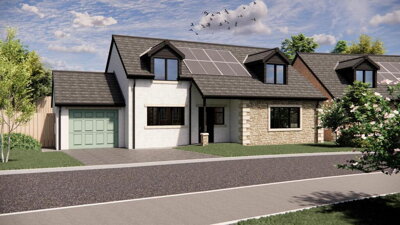
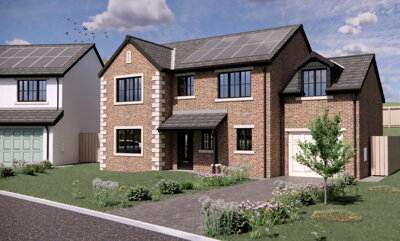
New build activity in the immediate Barton area is limited due to the rural nature of the location and planning restrictions that protect the character of villages within and near the Lake District National Park boundary. However, developments like Barton View in Penrith demonstrate that new homes are available within the wider Westmorland and Furness district, with contemporary detached homes in this particular development priced around £400,000. New builds offer the advantage of modern construction standards, energy efficiency, and manufacturer warranties, though buyers may pay a premium compared to equivalent older properties. Existing stock often provides better value per square foot and the character that defines the Cumbrian aesthetic.
From £350
A detailed inspection of the property condition to identify defects before purchase
From 4.5%
Expert mortgage advice tailored to your circumstances
From £499
Solicitors experienced in Cumbrian property transactions
From £60
Energy performance certificate for your new home
Properties for Sale In London

Properties for Sale In Plymouth

Properties for Sale In Liverpool

Properties for Sale In Glasgow

Properties for Sale In Sheffield

Properties for Sale In Edinburgh

Properties for Sale In Coventry

Properties for Sale In Bradford

Properties for Sale In Manchester

Properties for Sale In Birmingham

Properties for Sale In Bristol

Properties for Sale In Oxford

Properties for Sale In Leicester

Properties for Sale In Newcastle

Properties for Sale In Leeds

Properties for Sale In Southampton

Properties for Sale In Cardiff

Properties for Sale In Nottingham

Properties for Sale In Norwich

Properties for Sale In Brighton

Properties for Sale In Derby

Properties for Sale In Portsmouth

Properties for Sale In Northampton

Properties for Sale In Milton Keynes

Properties for Sale In Bournemouth

Properties for Sale In Bolton

Properties for Sale In Swansea

Properties for Sale In Swindon

Properties for Sale In Peterborough

Properties for Sale In Wolverhampton

Enter your details to see if this property is within your budget.
Loans, cards, car finance
Estimated property budget
Borrowing + deposit
You could borrow between
Typical borrowing
Monthly repayment
Est. at 4.5%
Loan-to-value
This is an estimate only. Your actual budget may vary depending on interest rates, credit history, and personal circumstances. For an accurate affordability assessment, speak to one of our free mortgage advisors.
This calculator provides estimates for illustrative purposes only and does not constitute financial advice. Your home may be repossessed if you do not keep up repayments on your mortgage. Estimates based on 4.5% interest rate, repayment mortgage. Actual rates depend on your circumstances.
Homemove is a trading name of HM Haus Group Ltd (Company No. 13873779, registered in England & Wales). Homemove Mortgages Ltd (Company No. 15947693) is an Appointed Representative of TMG Direct Limited, trading as TMG Mortgage Network, which is authorised and regulated by the Financial Conduct Authority (FRN 786245). Homemove Mortgages Ltd is entered on the FCA Register as an Appointed Representative (FRN 1022429). You can check registrations at NewRegister or by calling 0800 111 6768.

We use cookies to show you personalised content and improve your experience of our website. Find out more in our Privacy policy and Cookie policy.