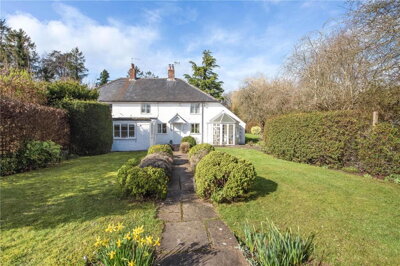
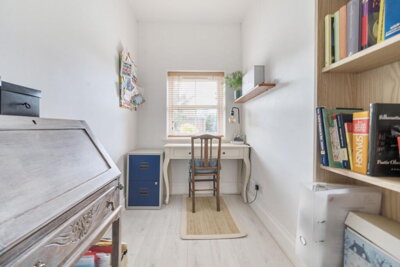
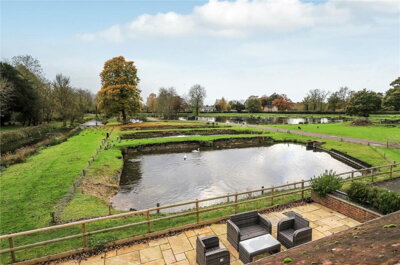
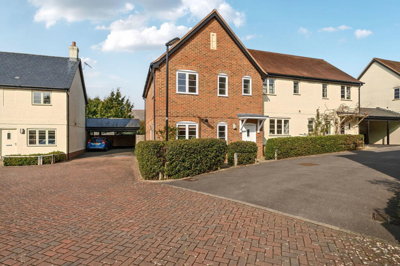
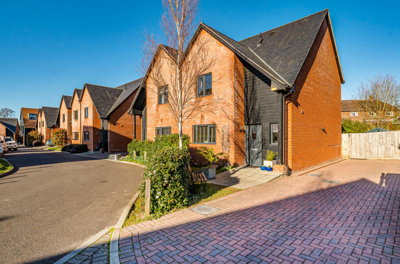
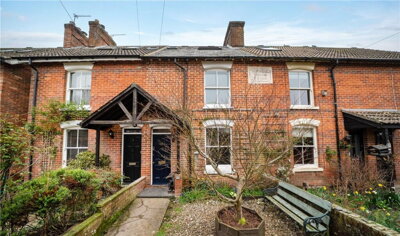
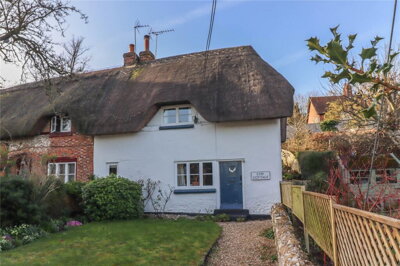
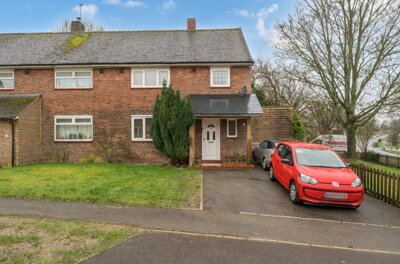
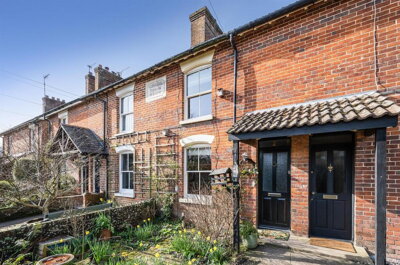
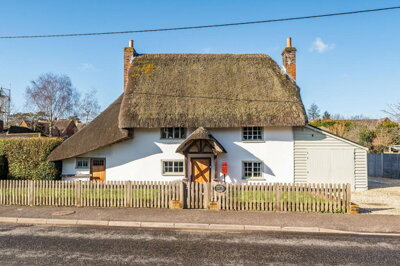
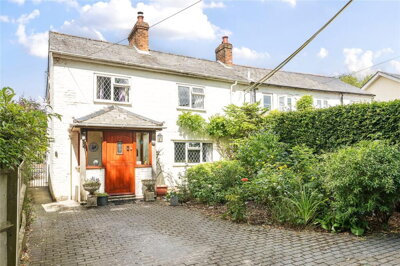
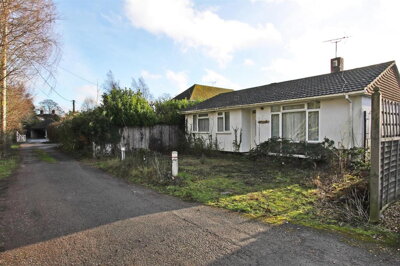
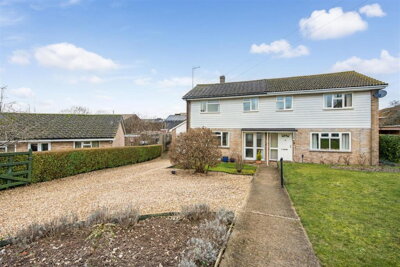
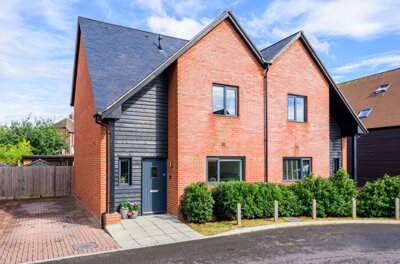
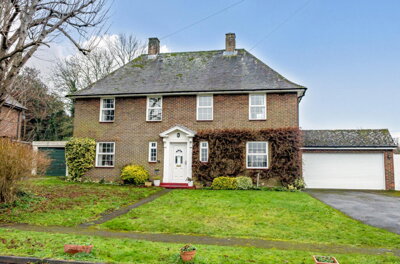
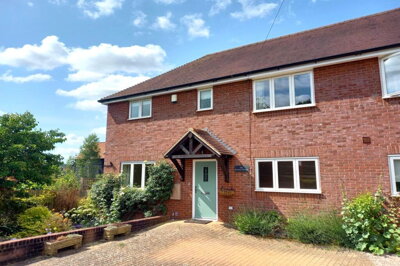
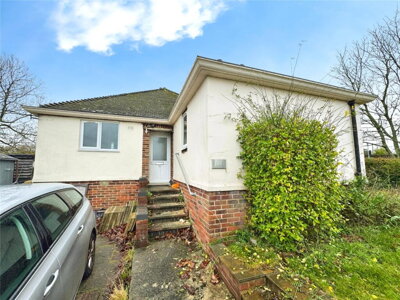
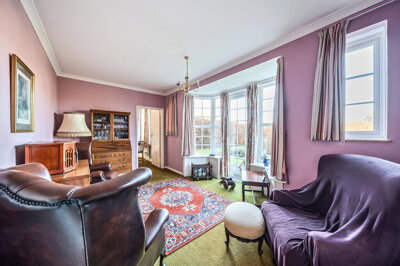
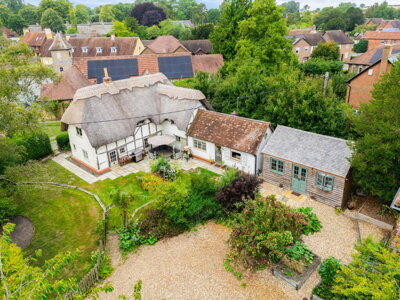
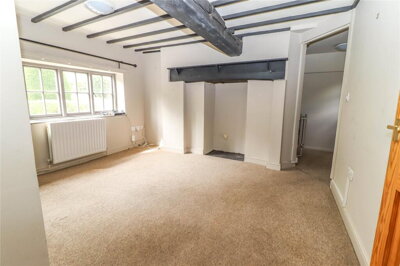
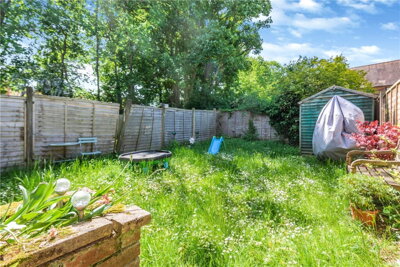
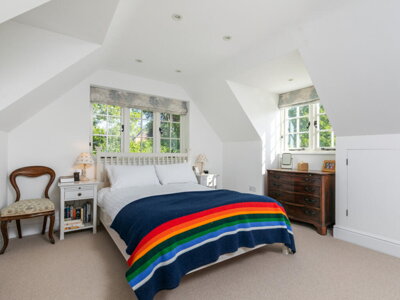
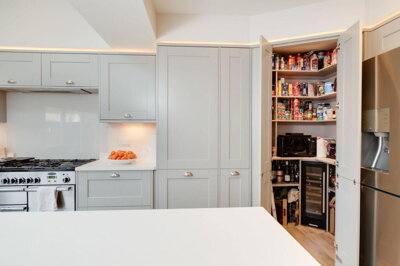
Browse 23 homes for sale in Barton Stacey from local estate agents.
Three bedroom properties represent a significant portion of the Barton Stacey housing market, offering space for families with multiple reception rooms and gardens in many cases. Browse detached, semi-detached, and terraced options ranging from period character homes to contemporary developments.
The Barton Stacey property market presents a compelling proposition for buyers seeking rural Hampshire living without the premium prices charged in more commuter-focused locations. Our current listings showcase the variety available, with detached family homes commanding an average of £670,000, reflecting the generous proportions and plot sizes that characterise the village's housing stock. Semi-detached properties typically change hands around the £450,000 mark, offering an accessible entry point to village life for first-time buyers or those downsizing from larger towns. The market has shown remarkable resilience, with prices declining by just 1.8% over the past twelve months despite wider national fluctuations.
Terraced properties in Barton Stacey, though rarer than in urban areas, represent excellent value at approximately £350,000. These character homes often feature the traditional construction methods beloved of period property enthusiasts, including exposed brickwork, timber floors, and original fireplaces. Sales activity in the village remains steady, with approximately 10 properties completing in any given twelve-month period, reflecting the tight-knit nature of the community and the relatively limited supply of homes that come to market. Prospective buyers should note that no large-scale new-build developments are currently active in the SO21 postcode area, meaning that purchasing in Barton Stacey typically means acquiring an established property with genuine character and history.
The village's housing stock spans several architectural periods, from medieval timber-framed structures through Georgian and Victorian additions to mid-twentieth century builds. Many properties within the conservation area date from before 1919, constructed using traditional methods that reflect the skills of local tradespeople working with materials sourced from the surrounding landscape. The predominance of detached properties, as confirmed by census data, gives the village its spacious character and contributes to the attractive plot sizes that appeal to families seeking outdoor space. This mix of property types and ages means that buyers can find everything from compact period cottages ideal for downsizers to substantial family homes with annexe potential.

Life in Barton Stacey offers a quality of living that many aspire to but few truly achieve. The village sits within the Test Valley, an area renowned for its outstanding natural beauty and the River Dever flowing gently through the heart of the community. The landscape is dominated by chalk bedrock characteristic of the Hampshire Downs, with areas of clay-with-flints adding geological interest and contributing to the fertile agricultural land surrounding the village. The population of roughly 1,000 residents creates an intimate community atmosphere where neighbours know one another and local events bring people together throughout the year. This is a place where children can play safely in the lanes and where the pace of life remains firmly rooted in village traditions.
The village centre centres around The Green and Winchester Road, where several Listed Buildings create an architectural heritage dating back centuries. St Peter's Church, a Grade I listed building, stands as the village's medieval origins, while numerous Grade II listed cottages and farmhouses line the historic approach routes. The predominant building materials reflect this heritage, with traditional red brick, flint, and rendered finishes creating the warm, characterful streetscenes that define Barton Stacey. Local amenities include a popular village pub, a convenience store for everyday essentials, and regular community events that foster the strong social cohesion the village is known for. The nearby towns of Andover and Winchester provide access to supermarkets, healthcare facilities, and a wider range of retail and dining options when needed.
Agriculture continues to play a role in the local economy, with working farms surrounding the village contributing to the rural character that defines Barton Stacey. The presence of MOD Worthy Down, located within easy reach of the village, adds another dimension to the local community, with service families and civilian staff contributing to village life and the local property market. Community organisations thrive in Barton Stacey, from the parish council to the village hall committee, with regular events including fetes, quiz nights, and seasonal celebrations bringing residents together throughout the year. For newcomers, integrating into this close-knit community is made easier by the welcoming nature of existing residents who take pride in their village.

Education provision in Barton Stacey centres on the village primary school, which serves the local community and surrounding hamlets with a nurturing, community-focused approach to learning. For families considering a move to the area, the presence of good primary education within walking distance of most properties represents a significant advantage, eliminating the need for lengthy school runs and allowing children to build friendships with neighbours from an early age. Secondary education options in the wider Test Valley area include several well-regarded schools in Andover and Winchester, with the village's position providing reasonable access to these institutions via school transport services or family car journeys.
The grammar school system operating in Hampshire provides additional educational pathways for academically inclined students, with schools in Winchester and Andover drawing pupils from the Barton Stacey catchment area. Parents should note that entry to these selective schools is subject to the eleven-plus examination and that catchment boundaries can influence placement decisions. For sixth form and further education, the proximity to Winchester College and the excellent facilities at Peter Symonds College in Winchester presents a strong options for older students. The village's character as a family-friendly community is reinforced by the presence of several childcare providers and the strong relationship between the school and the wider village community, making Barton Stacey an excellent choice for families at all stages of their educational journey.
School transport arrangements are coordinated through Hampshire County Council, with dedicated bus services operating for secondary school pupils attending schools in Andover and Winchester. Journey times vary depending on the specific school and route, but families should factor these into their daily routines when considering a move to Barton Stacey. The village primary school's small class sizes enable teachers to provide individual attention to each pupil, and the strong partnership between staff, parents, and the wider community creates an supportive learning environment. For families with younger children, several registered childminders operate within the village, providing flexible childcare arrangements that support parents balancing family life with other commitments.
Barton Stacey enjoys exceptional road connectivity for a village of its size, making it particularly attractive to commuters who require regular access to major employment centres. The A34 runs to the east of the village, providing a direct route to Winchester approximately 15 miles to the east and onward connections to Southampton and the south coast motorway network. The A303, one of Hampshire's most important trunk roads, passes to the south of the village and offers swift access to Andover, Salisbury, and the M3 corridor connecting to London. This combination of road links means that residents can reach Winchester in around 25 minutes by car, with London accessible in approximately 90 minutes outside of peak periods.
Public transport options are more limited, reflecting the village's rural character, but bus services connect Barton Stacey to Andover and Winchester for those without private vehicles. The nearest railway stations are located in Andover and Winchester, both offering regular services to London Waterloo with journey times of approximately 75-90 minutes. For residents working in Basingstoke, the road journey takes around 35 minutes via the A303 and A339 corridor. Cycling is a popular local activity, with the Hampshire countryside providing scenic routes for recreational and commuting cyclists alike, though the hilly terrain may challenge less experienced riders. Parking at village amenities is generally straightforward, unlike in larger towns, and most residents find that a car is essential for convenient daily living.
For those working in Southampton, the journey via the M3 and M27 corridor takes approximately one hour outside peak traffic, making day commuting feasible for those employed in the city. Basingstoke offers a shorter commute of around 35 minutes and hosts a range of employers in the technology, financial services, and manufacturing sectors. The A343 provides a direct route north to Andover, where additional employment opportunities exist, including at the nearby MOD Worthy Down facility. Commuters should note that the A303 can experience congestion during holiday periods when traffic volumes increase significantly, and alternative routing via the A34 may be preferable during these times.
Spend time exploring Barton Stacey before committing to a purchase. Visit at different times of day and week, speak to residents about village life, and familiarise yourself with local amenities, the conservation area boundaries, and any planning considerations that might affect your purchase. Understanding the village's character and the implications of conservation area designation will help you make an informed decision.
Before viewing properties, obtain a mortgage agreement in principle from a lender. This demonstrates your seriousness to sellers and estate agents while giving you a clear picture of your budget. Barton Stacey properties, with average prices around £550,000, may require a substantial deposit and competitive mortgage terms. Speak to a mortgage broker who understands the rural property market to explore your options.
Arrange viewings through Homemove and attend with a clear checklist of requirements. Pay particular attention to the construction materials and condition of older properties, noting the prevalence of brick, flint, and rendered finishes that characterise the village's housing stock. A second viewing at a different time of day can reveal aspects not apparent during an initial visit, such as noise levels, natural light, or the behaviour of neighbours.
Once your offer is accepted, instruct a RICS Level 2 Survey to assess the property's condition. Given the village's geology and the age of many properties, this survey is particularly important to identify any issues with damp, timber defects, or potential subsidence related to shrink-swell clay conditions. For Listed Buildings or properties in the conservation area, consider whether a more detailed survey might be warranted.
Appoint a conveyancing solicitor to handle the legal aspects of your purchase. They will conduct local authority searches, check the property's title, and ensure all necessary consents are in place, especially important for Listed Buildings or properties within the conservation area. Local solicitors with experience in Test Valley transactions will be familiar with any specific requirements.
Once all searches are satisfactory and contracts are signed, your solicitor will arrange the exchange of contracts and set a completion date. On completion day, the remaining balance is transferred and you receive the keys to your new Barton Stacey home. Ensure buildings insurance is in place from the point of exchange, as properties can be at risk during the gap between exchange and completion.
Purchasing a property in Barton Stacey requires attention to several area-specific factors that differ from urban property buying. The presence of the River Dever running through the village means that flood risk should be carefully considered, particularly for properties in low-lying positions or those adjacent to watercourses. Surface water flooding can also occur in areas where drainage capacity is exceeded during periods of heavy rainfall, and prospective buyers should review the Environment Agency's flood maps for the specific location of any property under consideration. Insurance costs may be higher for properties with significant flood exposure, and mortgage lenders may require flood risk assessments before proceeding.
The village's conservation area designation brings both benefits and considerations for prospective buyers. Properties within the conservation area are subject to restrictions on external alterations, requiring planning permission or listed building consent for changes that might otherwise be permitted. The character of the village, with its traditional brick, flint, and rendered properties dating from before 1919 through to the mid-twentieth century, means that buyers should expect solid wall construction rather than modern cavity wall insulation in older properties. This can affect thermal performance and heating costs, though period properties often benefit from solid floors that avoid the condensation issues sometimes found with suspended timber floors in modern construction.
The geology of clay-with-flints underlying parts of Barton Stacey presents a moderate shrink-swell risk that buyers should understand, particularly for older properties with potentially shallow foundations. Trees planted close to buildings can exacerbate this risk by extracting moisture from the clay subsoil during dry periods. A thorough RICS Level 2 Survey will identify any signs of subsidence, cracking, or heave that might indicate foundation movement. Properties that have undergone underpinning or previous structural repair should be investigated carefully, with documentation sought from sellers regarding the nature and completion of any works. When purchasing a Listed Building, budget for potentially higher maintenance costs and specialist contractor fees that may be required for any future alterations.
Electrical and plumbing systems in older Barton Stacey properties may date from an era predating current safety standards. Rewiring may be necessary in properties where the original wiring remains, particularly those constructed before the 1970s when earthed electrical systems became standard. Similarly, plumbing systems in period properties may use galvanised steel or lead pipes that are prone to corrosion and leaks over time. A thorough survey will identify these issues, allowing buyers to factor the cost of necessary upgrades into their purchase budget or negotiate accordingly with sellers.
The average house price in Barton Stacey currently stands at approximately £550,000, based on recent sales data. Detached properties, which represent the most common housing type in this rural village, average around £670,000, while semi-detached homes typically sell for approximately £450,000 and terraced properties for around £350,000. The market has remained relatively stable with a slight decline of 1.8% over the past twelve months, reflecting the resilient demand for village properties in this desirable Hampshire location.
Properties in Barton Stacey fall under Test Valley Borough Council and are assigned council tax bands ranging from A to F, depending on the property's valuation and characteristics. Most period properties in the village centre and conservation area are likely to be in bands C to E, reflecting their historic character and interior proportions, while larger detached family homes on generous plots may be placed in higher bands E or F. Prospective buyers should check the specific band for any property they are considering via the Valuation Office Agency website, as council tax contributions form part of the ongoing cost of ownership alongside mortgage payments, utilities, and maintenance. Band D properties in Test Valley typically pay around £1,800 to £2,000 annually, though exact amounts vary depending on the current year's council tax resolution.
Barton Stacey Primary School serves the village and surrounding community, providing education for children from reception through to Year 6 with a strong reputation for pastoral care and academic progress. For secondary education, students in the catchment area commonly attend schools in Andover and Winchester, with the grammar school system offering selective places for academically inclined pupils through the eleven-plus examination. Peter Symonds College in Winchester provides excellent sixth form provision with a wide range of A-level subjects, and the proximity to Winchester College makes the village attractive to families seeking independent education options for their children. School transport arrangements should be confirmed with Hampshire County Council before purchasing, as routes and availability can change and may influence which schools are most practical for your family.
Public transport options in Barton Stacey are limited but functional, with bus services connecting the village to Andover and Winchester for essential journeys including shopping, medical appointments, and rail travel. The nearest railway stations are in Andover and Winchester, both offering regular services to London Waterloo with journey times of approximately 75-90 minutes, making them viable options for commuters working in the capital two or three days per week. For those commuting by car, the village is exceptionally well positioned with the A34 and A303 providing direct access to Winchester, Basingstoke, Southampton, and the M3 corridor. Most residents consider a car essential for convenient daily living in this rural village, and allocated parking or garaging can add value to a property, particularly for those working from home who may not need to commute daily.
Barton Stacey represents a solid investment for buyers seeking long-term capital growth in a desirable rural Hampshire location. The village's tight-knit community, excellent road connections, and proximity to major employment centres in Winchester, Basingstoke, and Andover maintain consistent demand for properties from buyers at various life stages. The limited supply of homes coming to market, with only approximately 10 sales completing in any twelve-month period, supports prices in the medium term by restricting supply relative to demand. Properties within the conservation area or those with Listed Building status may offer particular long-term value given the restrictions on new development in these areas, while the village's family-friendly character ensures a steady market of buyers seeking exactly this type of rural Hampshire community.
Stamp Duty Land Tax on your Barton Stacey purchase will depend on the property price and your buyer status, with rates set by HM Revenue and Customs and applying to the total purchase price. Standard rates apply 0% on the first £250,000 of purchase price, 5% on the portion from £250,001 to £925,000, and 10% on the portion from £925,001 to £1.5 million. First-time buyers benefit from relief on the first £425,000, with 5% applying between £425,001 and £625,000. Given Barton Stacey's average price of £550,000, a first-time buyer would pay approximately £6,250 in stamp duty on a typical village property, calculated as £0 on the first £425,000 plus £6,250 on the £125,000 balance at 5%.
Properties in Barton Stacey should be assessed for flood risk, particularly those located adjacent to the River Dever or in low-lying areas of the village where the land falls away towards watercourses and drainage channels. River flooding can occur in areas immediately adjacent to the watercourse during periods of sustained rainfall, and surface water flooding may affect low-lying areas where drainage is challenged during heavy downpours. The Environment Agency provides flood maps that can be reviewed for any specific property location via their online flood map tool, allowing prospective buyers to check whether a particular property falls within a flood risk zone. Properties with elevated flood risk may face higher insurance premiums and require additional precautions, though the majority of homes in the village are not located in high-risk flood zones and standard insurance arrangements apply.
Barton Stacey has a designated Conservation Area encompassing the historic village centre, including St Peter's Church and properties around The Green and Winchester Road, with the boundary specifically drawn to protect the special architectural and historic character of these areas. Numerous properties are Listed Buildings, including St Peter's Church at Grade I and several cottages and farmhouses at Grade II, with Listed Building status providing legal protection against unsympathetic alterations or demolition. Purchasing a Listed Building brings additional responsibilities, as any external alterations, extensions, or significant works to the interior require Listed Building Consent from Test Valley Borough Council, adding time and cost to any renovation project. These properties often require specialist maintenance using traditional materials and techniques, with lime mortar, natural slate, and period-appropriate timbers typically required for repairs, which can increase ongoing maintenance costs but also preserves the unique character that makes Barton Stacey so appealing to buyers seeking genuine period homes.
From £450
A thorough condition report essential for older Barton Stacey properties
From £80
Energy performance certificate required for all sales
From £499
Legal services for your Barton Stacey purchase
From 3.5%
Competitive rates for rural Hampshire properties
Understanding the full costs of purchasing property in Barton Stacey is essential for budgeting effectively and avoiding surprises during the transaction process. The Stamp Duty Land Tax (SDLT) bill represents one of the most significant expenses after the deposit and mortgage arrangement, and the thresholds applicable from April 2024 mean that most purchases in Barton Stacey will attract SDLT at the standard rates. For a typical detached family home priced around £670,000, a buyer who is not a first-time purchaser would pay £21,000 in SDLT, calculated as £0 on the first £250,000 plus £21,000 on the balance between £250,001 and £670,000 at 5%. First-time buyers benefit from the increased threshold of £425,000, reducing their SDLT liability to £11,250 on the same property.
Beyond SDLT, buyers should budget for solicitor fees typically ranging from £800 to £2,500 depending on the complexity of the transaction and whether the property is freehold or leasehold. Searches and Land Registry fees usually total around £300 to £500, while electronic money transfer fees charged by solicitors may add £30 to £50 to the bill. A RICS Level 2 Survey, essential for assessing the condition of properties in Barton Stacey given the prevalence of older construction and the area's geological characteristics, typically costs between £450 and £800 depending on property size. Lenders often require a valuation survey, which is usually bundled into the mortgage arrangement but may not provide the detailed assessment that buyers need. Budget an additional £150 to £500 for this if it is not included. Buildings insurance should be in place from the point of exchange, and removals costs vary widely depending on the volume of belongings being transported. Total buying costs for a typical Barton Stacey property can therefore amount to £25,000 to £35,000 above the purchase price, and prospective buyers should ensure these costs are factored into their financial planning before beginning their property search.
Additional costs to consider include surveyor fees for more detailed structural assessments if the RICS Level 2 Survey identifies concerns, potential fees for specialist heritage surveys on Listed Buildings, and removal insurance to protect your possessions during transit. If the property is leasehold, there may be ground rent and service charge arrangements to understand, though freehold properties predominate in Barton Stacey. Booking a mortgage appointment early in the process allows you to understand your borrowing capacity and secure a favourable rate before committing to a purchase. Our recommended mortgage brokers and conveyancers understand the Barton Stacey market and can provide tailored advice on the costs and timescales involved in completing your purchase.
Properties for Sale In London

Properties for Sale In Plymouth

Properties for Sale In Liverpool

Properties for Sale In Glasgow

Properties for Sale In Sheffield

Properties for Sale In Edinburgh

Properties for Sale In Coventry

Properties for Sale In Bradford

Properties for Sale In Manchester

Properties for Sale In Birmingham

Properties for Sale In Bristol

Properties for Sale In Oxford

Properties for Sale In Leicester

Properties for Sale In Newcastle

Properties for Sale In Leeds

Properties for Sale In Southampton

Properties for Sale In Cardiff

Properties for Sale In Nottingham

Properties for Sale In Norwich

Properties for Sale In Brighton

Properties for Sale In Derby

Properties for Sale In Portsmouth

Properties for Sale In Northampton

Properties for Sale In Milton Keynes

Properties for Sale In Bournemouth

Properties for Sale In Bolton

Properties for Sale In Swansea

Properties for Sale In Swindon

Properties for Sale In Peterborough

Properties for Sale In Wolverhampton

Enter your details to see if this property is within your budget.
Loans, cards, car finance
Estimated property budget
Borrowing + deposit
You could borrow between
Typical borrowing
Monthly repayment
Est. at 4.5%
Loan-to-value
This is an estimate only. Your actual budget may vary depending on interest rates, credit history, and personal circumstances. For an accurate affordability assessment, speak to one of our free mortgage advisors.
This calculator provides estimates for illustrative purposes only and does not constitute financial advice. Your home may be repossessed if you do not keep up repayments on your mortgage. Estimates based on 4.5% interest rate, repayment mortgage. Actual rates depend on your circumstances.
Homemove is a trading name of HM Haus Group Ltd (Company No. 13873779, registered in England & Wales). Homemove Mortgages Ltd (Company No. 15947693) is an Appointed Representative of TMG Direct Limited, trading as TMG Mortgage Network, which is authorised and regulated by the Financial Conduct Authority (FRN 786245). Homemove Mortgages Ltd is entered on the FCA Register as an Appointed Representative (FRN 1022429). You can check registrations at NewRegister or by calling 0800 111 6768.

We use cookies to show you personalised content and improve your experience of our website. Find out more in our Privacy policy and Cookie policy.