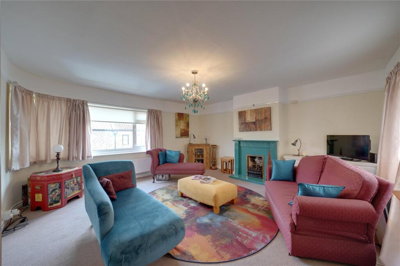
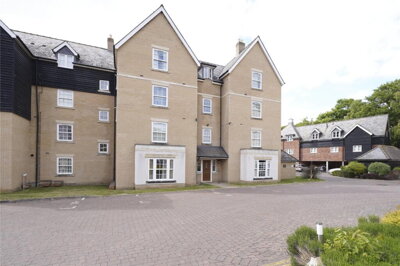
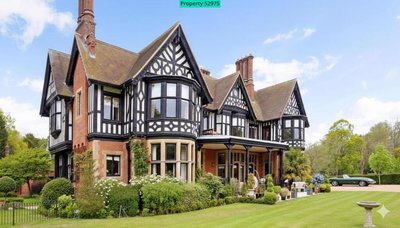
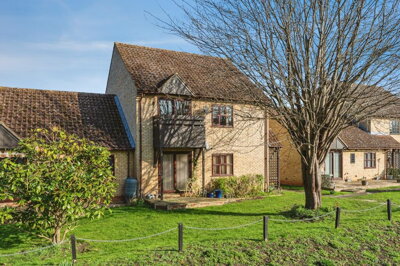
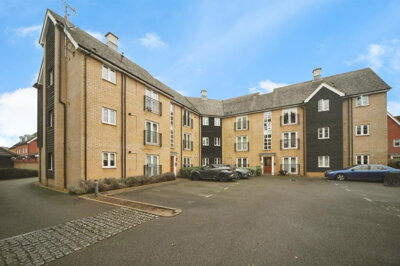
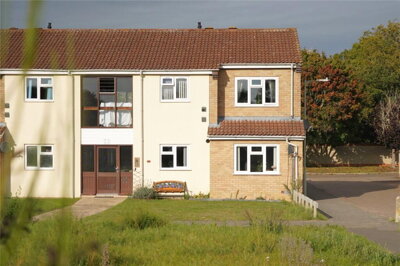
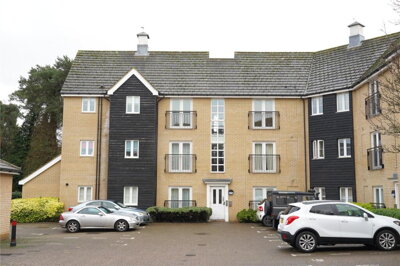
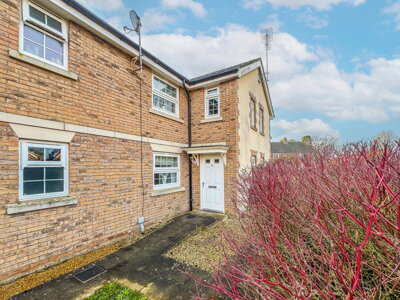
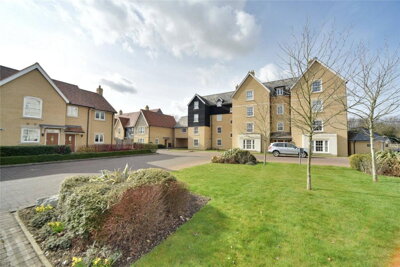
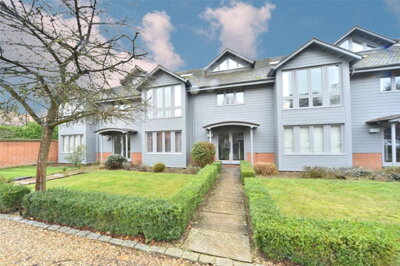
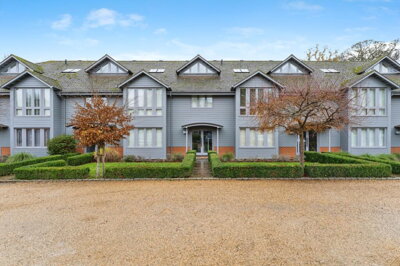
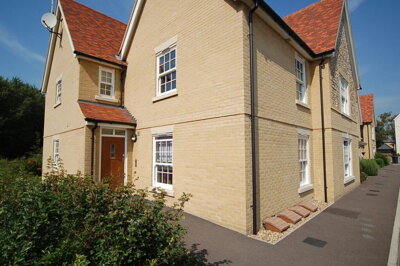
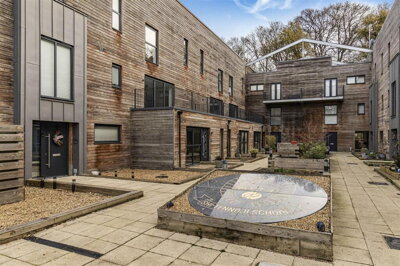
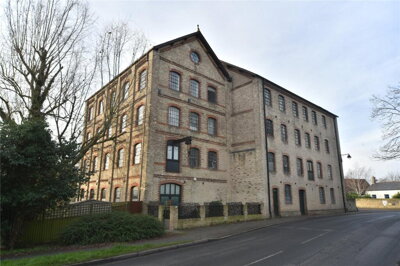
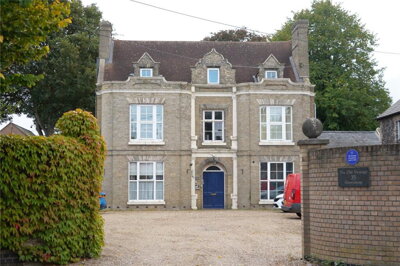
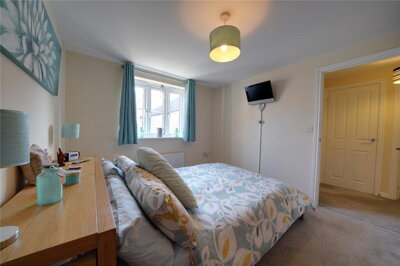
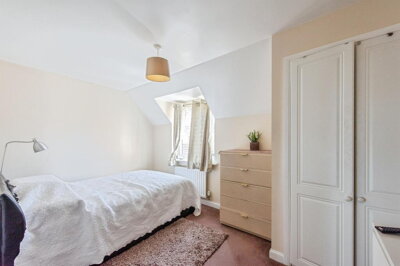
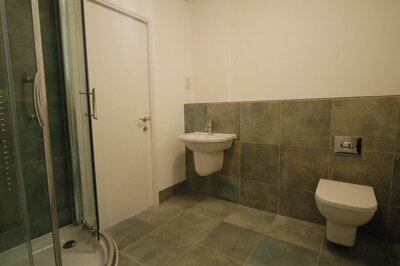
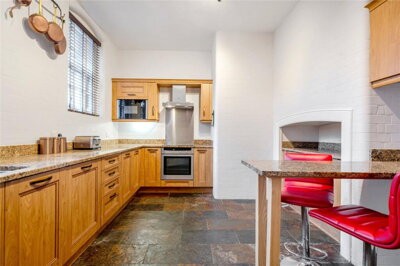
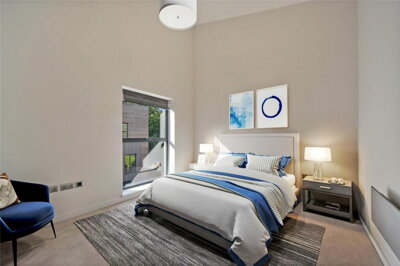
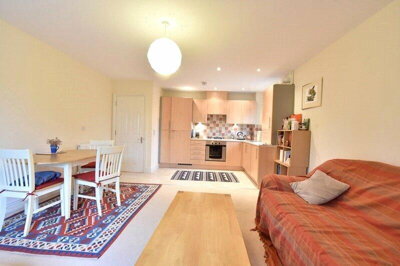
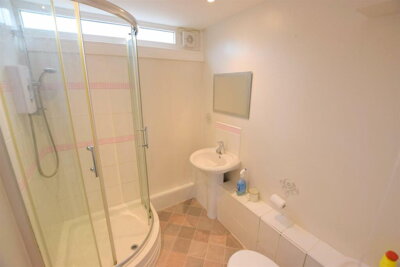
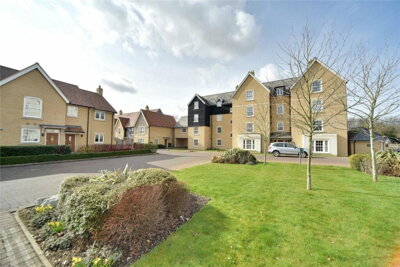
Browse 29 homes for sale in Barton Mills from local estate agents.
Studio apartments feature open-plan living spaces without separate bedrooms, incorporating sleeping, living, kitchen, and bathroom facilities. The Barton Mills studio market includes properties in modern apartment complexes, converted Victorian and Georgian buildings, and purpose-built developments.
The Thorner property market has demonstrated remarkable strength over the past twelve months, with house prices rising significantly according to multiple sources. Rightmove reports that sold prices in Thorner over the last year were 38% up on the previous year and 34% up on the 2023 peak of £493,806, indicating robust growth that reflects the village's increasing appeal. OnTheMarket records a rise of 15.7% over the last twelve months, with an average price paid of £575,000 as of early 2026. This upward trajectory suggests that investing in property in Thorner continues to deliver strong returns for homeowners and investors alike, with demand consistently outstripping supply in this sought-after location.
Property types in Thorner cater to a diverse range of buyer requirements, from substantial detached family homes to more accessible terraced properties. Rightmove data indicates that detached properties command the highest prices, with averages reaching £968,000 to £1,001,000 depending on the source, reflecting the premium placed on space and privacy in this sought-after village location. Semi-detached homes offer more accessible entry points at around £292,500, while terraced properties average between £450,000 and £482,500. Flats in Thorner remain relatively scarce but are available from approximately £220,000, providing options for first-time buyers or those seeking a lower-maintenance lifestyle.
The majority of properties sold in Thorner over the past year have been detached homes, followed by semi-detached and terraced properties, indicating strong demand for family-sized accommodation with gardens and private parking. This distribution reflects the village's character as a residential destination where buyers prioritise space and a sense of openness over the density of urban living. The relative scarcity of flats and apartments in Thorner means that those seeking apartment-style accommodation may need to look at nearby areas, though the village compensates with an abundance of period cottages and converted properties that offer unique character.
New build activity within Thorner village itself has been limited, with most new homes developments in the broader LS14 postcode area located in neighbouring villages like Scarcroft and Seacroft. Those seeking brand-new properties may wish to expand their search to these nearby areas, though Thorner's appeal lies largely in its character properties and traditional stone-built homes that offer period charm alongside modern conveniences. The limited supply of new homes in Thorner itself contributes to the strong resale values achieved by existing properties.
Thorner is described as an enchanting village that sits at a comfortable distance from Leeds, perfectly balancing the tranquillity of countryside living with the convenience of city proximity. The village maintains a strong sense of community that is increasingly rare in modern Britain, with residents drawn to its welcoming atmosphere and the genuine feeling of belonging that comes from living somewhere with history and character. The village has evolved over generations while retaining the essential qualities that make it special: friendly neighbours, beautiful surroundings, and a pace of life that allows residents to breathe and connect with their environment.
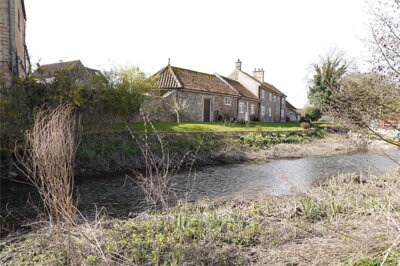
The architecture in Thorner reflects its heritage, with stone-built properties being characteristic of the village alongside brick-built homes that speak to different periods of development. Properties for sale frequently mention period charm, character features, and the appeal of extended period detached cottages that showcase traditional Yorkshire craftsmanship. Walking through the village reveals a pleasing variety of architectural styles, from historic farmhouses to well-presented modern family homes that have been carefully integrated into the landscape. This mix of old and new creates a streetscape that feels established and organic rather than artificial.
The surrounding countryside provides an abundance of outdoor activities, with footpaths and bridleways offering routes for walking, running, and cycling through the beautiful Yorkshire landscape. Local pubs serve as social hubs where villagers gather, and the community organises regular events that bring people together throughout the year. The proximity to Leeds means that cultural attractions, shopping, dining, and entertainment are within easy reach when village life needs a dose of urban excitement, making Thorner an ideal base for those who want the best of both worlds.
Daily life in Thorner revolves around the village's modest but well-served centre, where the local pub provides a focal point for socialising and community gatherings. For everyday necessities, residents appreciate the convenience of nearby Scarcroft and Moortown, both offering a broader range of shops, supermarkets, and services within a short drive. The village's position means that accessing larger retail centres, healthcare facilities, and employment opportunities in Leeds remains straightforward, making Thorner particularly attractive to those who work in the city but crave a more peaceful home environment.

Families considering a move to Thorner will find a selection of educational options available in the surrounding area, with the village served by primary schools in nearby communities. The proximity to Leeds provides access to a wide range of educational establishments from nursery through to further education, with notable secondary schools and grammar schools within reasonable commuting distance. Parents should research individual school performance and catchment areas, as these can significantly impact property values and the educational journey available to their children.
The broader Leeds area offers exceptional educational provision, with several schools consistently achieving outstanding Ofsted ratings and strong examination results. Independent schools in the region provide additional options for families seeking alternative educational approaches, with various institutions offering different curricula and extracurricular programmes. Sixth form and further education colleges in Leeds ensure that teenagers have clear pathways to higher education or vocational training, meaning families can plan their move to Thorner with confidence that educational needs will be met throughout all stages of childhood development.
For younger children, the primary school years form a crucial foundation, and parents moving to Thorner should investigate which schools serve the village and what the admission arrangements are. Many families choose properties in Thorner specifically to access schools in surrounding areas with strong reputations, with catchment boundaries playing an important role in property selection. Secondary education options in Leeds are extensive, with selective grammar schools and comprehensive schools offering different educational philosophies to suit varying family preferences.
Thorner benefits from transport connections that make commuting to Leeds straightforward despite its village setting, with road links providing reliable access to the city centre and surrounding areas. The A64 provides a key route connecting Thorner to Leeds, carrying traffic eastwards towards York and westwards into the city where connections to the motorway network await. Bus services operate in the area, connecting Thorner with neighbouring villages and providing access to Leeds for those who prefer public transport or wish to leave the car at home.
For commuters working in Leeds city centre, the journey by car typically takes around 30 minutes outside of peak hours, though this can extend during busy periods on the main routes. The A64 is the primary artery for Thorner residents, providing relatively direct access to the city while avoiding the most congested urban routes. Those travelling further afield appreciate the connections to the M1 and A1(M) motorways, which open up journeys across the north and to destinations beyond.
Rail services from Leeds provide excellent national connections, with East Coast Main Line services offering fast links to London, Edinburgh, and other major cities from Leeds Station. Manchester can be reached in approximately one hour by train, making Thorner viable for those working in either city or seeking access to the broader Northern Powerhouse economic area. Leeds Bradford Airport provides international travel options within reasonable driving distance, though many residents opt for Manchester Airport for a wider range of destinations.
Before arranging viewings, take time to understand Thorner's property market thoroughly. Review sold prices on Land Registry, understand the different neighbourhoods within the village, and get a clear picture of what your budget will buy. Obtain a mortgage agreement in principle from a lender to demonstrate your position when making offers. Our platform provides current listings alongside average price data and market trends to support your research, giving you a solid foundation before you begin attending viewings.
Contact estate agents listing properties in Thorner to arrange viewings at homes that match your criteria. Our platform aggregates listings from multiple agents, making it easy to compare properties and schedule visits. Take notes during viewings and ask about the property's history, any renovation work undertaken, and the reason for sale. When viewing period properties in Thorner, pay particular attention to the condition of stonework, roof coverings, and any signs of damp or structural movement that may indicate underlying issues.
Once your offer is accepted, book a RICS Level 2 Survey (Homebuyer Report) to assess the property's condition thoroughly. Given Thorner's mix of period properties and character homes, a professional survey will identify any structural issues, damp problems, or maintenance concerns that might not be visible during a standard viewing. This report protects your investment and provides valuable negotiating leverage if issues are discovered. Our team can connect you with qualified surveyors who understand the specific construction types found in Thorner village and the surrounding area.
Your solicitor will handle the legal aspects of the purchase, including searches, contracts, and registration with Land Registry. They will liaise with your mortgage lender, coordinate with the seller's solicitor, and ensure all documentation is in order before completion. Choose a solicitor with experience in local transactions who understands the Thorner and Leeds area specifically, as local knowledge can help identify potential issues that might affect your purchase.
Once all searches are satisfactory, mortgages are in place, and contracts are signed, you will exchange contracts and pay your deposit. A typical completion period of 4-6 weeks follows exchange, after which you will receive the keys to your new Thorner home. Your solicitor will register the ownership with Land Registry and ensure all utility accounts are transferred to your name. We recommend arranging buildings insurance from the point of exchange to protect your investment during the final stages of the transaction.
Properties in Thorner encompass a mix of construction types, with stone-built homes requiring particular attention to understand their maintenance history and current condition. Stone properties, while beautiful and characterful, may have specific issues related to pointing, water ingress, and structural movement that differ from modern brick-built homes. A thorough survey is essential for any period property, as these homes may have inherited maintenance requirements from decades of occupancy that are not immediately apparent.
When viewing properties, investigate the boundaries, any extensions that have been added, and the overall state of repair of roofs, windows, and exterior walls. Many homes in Thorner will have been extended or renovated over the years, and understanding what work has been carried out and whether proper planning permissions were obtained is important for future resale. Ask the seller for any documentation relating to recent works, guarantees, or building regulations approvals that might be available.
Consider the practical aspects of village living, including broadband speeds, mobile phone reception, and the availability of services in Thorner itself versus nearby settlements. While the village offers a peaceful lifestyle, some services may require a short journey to larger centres. Factor these considerations into your decision-making alongside the property's condition and price, as they will influence your day-to-day experience of living in Thorner.
Our inspectors frequently encounter issues with older properties in Thorner that buyers should be aware of before completing a purchase. Common findings include deteriorating pointing on stone-built walls, aging roof coverings that may require replacement within the next decade, and electrical installations that would benefit from updating to meet current standards. We recommend budgeting for potential works identified in your survey, and our team can provide cost estimates for common remediation work to help you plan your finances accordingly.
Understanding the full costs of buying a property in Thorner goes beyond the purchase price, and budgeting for additional expenses ensures a smooth transaction. Stamp duty land tax represents the largest additional cost for most buyers, with current thresholds meaning that a typical Thorner property priced around £650,000 would attract SDLT of approximately £20,000 for buyers without first-time buyer relief. Those purchasing their first home may qualify for relief on the first £425,000 of the purchase price, reducing their SDLT liability significantly or eliminating it entirely for properties at lower price points.
Survey costs should be factored into your budget, with a RICS Level 2 Survey (Homebuyer Report) typically costing from £350 to £800 depending on the property size and complexity. For Thorner's character properties and period homes, this investment is particularly valuable as it provides a detailed assessment of condition that can reveal issues hidden beneath the surface. A RICS Level 3 Survey may be recommended for older or more complex properties where a more thorough structural assessment is warranted, though this represents a higher investment.
Conveyancing fees for property purchases in the Thorner area typically range from £500 to £1,500 depending on the complexity of the transaction and whether the property is freehold or leasehold. Additional costs include search fees, Land Registry registration fees, and bank transfer charges, which together typically amount to £300 to £500. Building insurance must be in place from the point of exchange, and you should factor in removal costs and any immediate post-purchase expenses such as new locks, utility setup, and essential repairs or decorations that your new home might require.
For buyers purchasing at the higher end of Thorner's market, such as detached properties averaging around £1,000,000, stamp duty costs rise significantly to approximately £43,750 under standard rates. Our team can provide a detailed breakdown of all costs associated with your specific purchase, helping you understand the full financial commitment before you commit to buying in Thorner.

Average house prices in Thorner currently range from £575,000 to £661,000 depending on the data source, with Rightmove reporting £661,000 and OnTheMarket showing £575,000 as of early 2026. Detached properties command premium prices averaging around £968,000 to £1,001,000, while semi-detached homes are more accessible at approximately £292,500. Terraced properties average between £450,000 and £482,500. The market has shown strong growth, with prices rising 15.7% to 38% over the past twelve months according to different sources.
Properties in Thorner fall under Leeds City Council administration, with council tax bands ranging from A to H depending on the property's assessed value. Band A properties typically pay around £1,400 annually, while higher-band properties pay proportionally more. You can check the specific council tax band for any property through the Leeds City Council website or the government valuation office listing, which will also indicate the current charges applicable to the property.
Thorner is served by primary schools in the surrounding area, with families often considering schools in nearby villages and Leeds suburbs. Outstanding primary schools in the broader LS14 area and beyond provide options for families, with secondary education available at schools in Leeds including several with strong academic reputations. Parents should research individual school Ofsted reports and admission catchment areas, as these can significantly affect which schools a child can access from a Thorner address. Many families moving to Thorner specifically target properties within catchment areas for popular schools in Moortown and Roundhay.
Thorner has bus services connecting the village to Leeds and surrounding communities, though frequencies may be limited compared to urban areas. The nearest railway stations are located in Leeds, offering extensive national connections via East Coast Main Line and Northern Rail services. The A64 road provides the main route for car travel to Leeds city centre, with typical journey times of 25-35 minutes depending on traffic conditions. Those relying heavily on public transport should check current bus timetables and consider whether rail station access is needed.
The Thorner property market has demonstrated consistent growth, with prices rising significantly over recent years and Rightmove reporting that sold prices are 38% higher than the previous year and 34% above the 2023 peak. The village's blend of rural character, community atmosphere, and proximity to Leeds makes it attractive to a broad range of buyers, supporting demand for properties. While past performance does not guarantee future returns, Thorner's limited new build supply and strong local amenities suggest continued interest in the area.
Stamp duty land tax rates from April 2025 start at 0% for properties up to £250,000, rising to 5% on the portion between £250,001 and £925,000, 10% between £925,001 and £1.5 million, and 12% above £1.5 million. First-time buyers enjoy increased thresholds, paying 0% up to £425,000 and 5% between £425,001 and £625,000. For a typical Thorner property at the current average price of around £650,000, a standard buyer would pay approximately £20,000 in stamp duty, while a first-time buyer would pay nothing if purchasing exclusively within their relief allowance.
Stone-built properties in Thorner require careful inspection of the external fabric, particularly the condition of pointing which can deteriorate over time and allow water ingress into the structure. Look for any signs of structural movement such as cracking to walls or uneven floors, and ask the seller about the history of any repairs or renovations that have been carried out. Roof condition is particularly important given the age of many properties in the village, and our surveyors often identify roof coverings approaching the end of their useful life on homes that have not been recently re-roofed.
Properties in Thorner may be subject to planning restrictions under Leeds City Council, particularly if they fall within or near any designated conservation areas. Anyone considering significant extensions or alterations to a property in Thorner should consult the local planning authority before proceeding. The village's character as a desirable residential location means that there may be particular emphasis on preserving the visual amenity of the area, and planning applications for new development or significant alterations may attract neighbour consultation.
From 3.89%
Expert mortgage advice for Thorner buyers
From £499
Local solicitors experienced in Thorner transactions
From £350
Professional property surveys in Thorner
From £80
Energy performance certificates for Thorner homes
Properties for Sale In London

Properties for Sale In Plymouth

Properties for Sale In Liverpool

Properties for Sale In Glasgow

Properties for Sale In Sheffield

Properties for Sale In Edinburgh

Properties for Sale In Coventry

Properties for Sale In Bradford

Properties for Sale In Manchester

Properties for Sale In Birmingham

Properties for Sale In Bristol

Properties for Sale In Oxford

Properties for Sale In Leicester

Properties for Sale In Newcastle

Properties for Sale In Leeds

Properties for Sale In Southampton

Properties for Sale In Cardiff

Properties for Sale In Nottingham

Properties for Sale In Norwich

Properties for Sale In Brighton

Properties for Sale In Derby

Properties for Sale In Portsmouth

Properties for Sale In Northampton

Properties for Sale In Milton Keynes

Properties for Sale In Bournemouth

Properties for Sale In Bolton

Properties for Sale In Swansea

Properties for Sale In Swindon

Properties for Sale In Peterborough

Properties for Sale In Wolverhampton

Enter your details to see if this property is within your budget.
Loans, cards, car finance
Estimated property budget
Borrowing + deposit
You could borrow between
Typical borrowing
Monthly repayment
Est. at 4.5%
Loan-to-value
This is an estimate only. Your actual budget may vary depending on interest rates, credit history, and personal circumstances. For an accurate affordability assessment, speak to one of our free mortgage advisors.
This calculator provides estimates for illustrative purposes only and does not constitute financial advice. Your home may be repossessed if you do not keep up repayments on your mortgage. Estimates based on 4.5% interest rate, repayment mortgage. Actual rates depend on your circumstances.
Homemove is a trading name of HM Haus Group Ltd (Company No. 13873779, registered in England & Wales). Homemove Mortgages Ltd (Company No. 15947693) is an Appointed Representative of TMG Direct Limited, trading as TMG Mortgage Network, which is authorised and regulated by the Financial Conduct Authority (FRN 786245). Homemove Mortgages Ltd is entered on the FCA Register as an Appointed Representative (FRN 1022429). You can check registrations at NewRegister or by calling 0800 111 6768.

We use cookies to show you personalised content and improve your experience of our website. Find out more in our Privacy policy and Cookie policy.