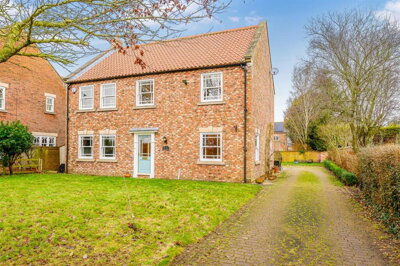
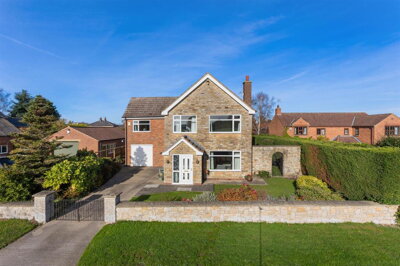
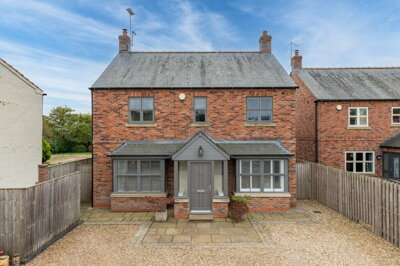
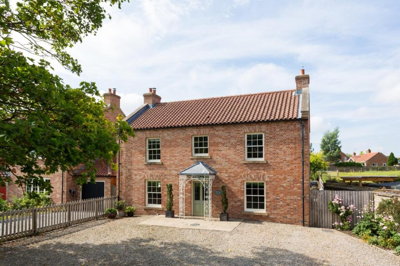
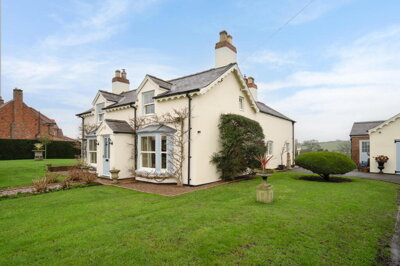
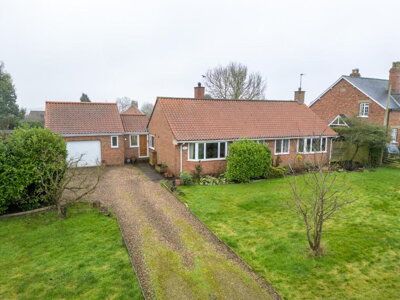
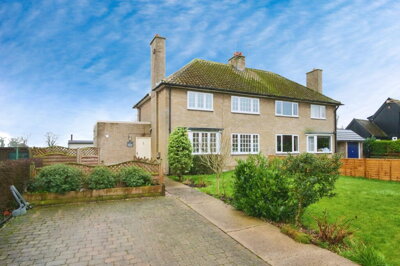
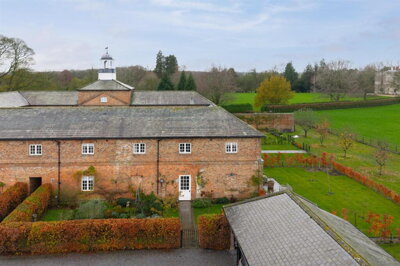
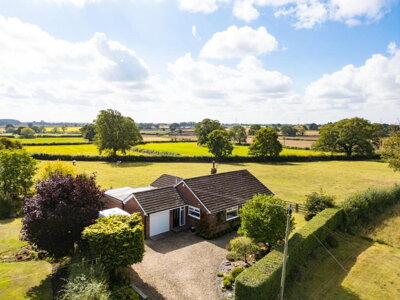
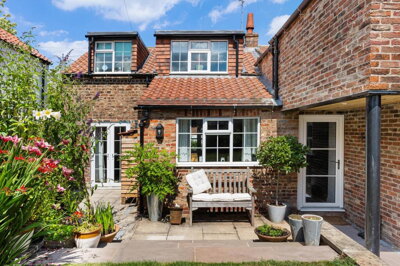
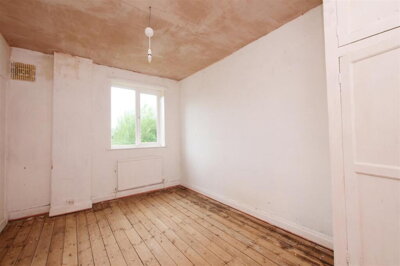
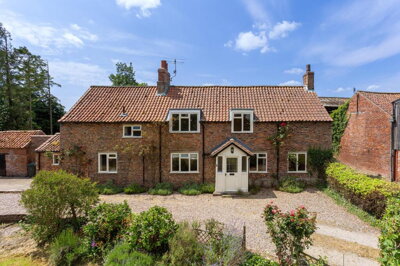
Browse 12 homes for sale in Barton-le-Willows from local estate agents.
The Barton Le Willows property market offers detached, semi-detached, and terraced houses spanning various price ranges and neighbourhoods. Each listing includes detailed property information, photographs, and direct contact with the marketing agent.
The Barton-le-Willows property market offers a distinctive mix of property types that reflects its status as a traditional North Yorkshire village. Detached properties command the highest values in the area, with recent sales data showing prices ranging from £350,000 for a two-bedroom bungalow to £685,000 for a larger four-bedroom family home sold in June 2023. A three-bedroom detached house sold for £374,500 in October 2022, while a four-bedroom detached property achieved £525,000 in July 2023, illustrating the premium placed on generously proportioned detached accommodation in this village setting. The median price point of £425,802 positions Barton-le-Willows competitively within the wider York-to-Malton property corridor.
Semi-detached and terraced properties provide more accessible entry points to the local market, with a two-bedroom end-terrace house selling for £325,950 in July 2023 and a two-bedroom mid-terrace property achieving £218,000. Notably, flat availability within the village itself is extremely limited, with apartment listings typically appearing in nearby towns such as Malton or York for buyers seeking this property type. The village lacks confirmed new-build developments, meaning prospective purchasers are generally looking at existing housing stock characterised by traditional construction methods and mature gardens. Over the past twelve months, platforms including Rightmove have recorded 36 property sales in Barton-le-Willows, while Zoopla indicates 81 properties found in the broader YO60 postcode area.

Properties in Barton-le-Willows showcase the traditional building techniques characteristic of North Yorkshire villages, with construction styles spanning several decades of development. The older properties in the village typically feature solid wall construction using local red brick or sandstone, materials that reflect the geological character of the surrounding countryside. Yorkshire stone tiles are common on older roofs within the village, reflecting the availability of local stone resources that have been used in the region for centuries. These traditional materials contribute to the distinctive aesthetic that makes Barton-le-Willows properties so appealing to buyers seeking period character, though they do require understanding maintenance and renovation.
Mid-century properties built during the 1960s and 1970s in the village were constructed using cavity wall techniques, though the insulation standards of that era are typically below what would be considered adequate today. Properties like the detached family home originally built in 1967 represent this transitional period of British construction. For buyers considering any property over 50 years old, understanding the construction type becomes essential for assessing potential maintenance requirements, energy efficiency improvements, and renovation possibilities. Solid wall properties built before the widespread adoption of cavity wall construction may require specialist approaches to insulation and damp proofing that differ significantly from modern building standards.
The age variation within Barton-le-Willows housing stock means that our surveyors frequently encounter properties built using multiple different construction methods within the same street. Traditional mortared stonework requires different assessment criteria compared to rendered cavity brick construction, and both present distinct challenges compared to more modern timber-framed developments. Before purchasing any property in Barton-le-Willows, understanding the specific construction type and its implications for ongoing maintenance costs is essential information that a professional survey can provide. The village's proximity to the Howardian Hills Area of Outstanding Natural Beauty also means that some properties may be constructed using traditional methods that reflect the vernacular architecture of this protected landscape.
Barton-le-Willows embodies the classic English village character that continues to attract buyers seeking an escape from urban bustle while remaining connected to essential amenities. Positioned off the A64 between Malton to the north and York to the south, residents enjoy the best of both worlds: the tranquility of rural North Yorkshire with convenient access to comprehensive shopping, healthcare, and leisure facilities in nearby towns. The village forms part of Ryedale District, a landscape characterised by rolling farmland, historic stone buildings, and the distinctive geography of the Howardian Hills Area of Outstanding Natural Beauty which lies just to the east. Life in Barton-le-Willows typically revolves around community connections, scenic walks through farmland and along country lanes, and the unhurried pace that village living offers.
The Howardian Hills AONB designation to the east of the village significantly shapes the character of the surrounding landscape, with protected views, traditional drystone walls, and woodland areas that form part of this cherished regional landscape. Properties in Barton-le-Willows with views toward the AONB often command premiums reflecting the visual amenity and recreational opportunities this protected status provides. The area is popular with walkers and cyclists, with public rights of way crossing farmland and connecting to the broader network of trails in the Howardian Hills. Local agricultural activity, primarily arable farming and some livestock, contributes to the rural economy and the patchwork of fields that define the approach to the village from all directions.
Malton has established itself as a significant local centre for food lovers, with regular farmers' markets, independent food shops, and an increasing number of artisan producers drawing visitors from across the region. York provides comprehensive cultural and employment opportunities, from the historic city centre with its Minster and city walls to the retail and commercial districts that serve the wider region. The combination of Malton's foodie credentials and York's cultural richness means residents of Barton-le-Willows have exceptional amenities within easy reach, making village life feel far less isolated than it might in other rural locations. The A64 corridor linking these three settlements has developed a range of services, garden centres, and dining options that further serve the local community.

When purchasing property in Barton-le-Willows, understanding the typical defects found in the local housing stock helps buyers prioritise their survey requirements and budget appropriately for any remedial works. Properties constructed using traditional solid wall methods are particularly susceptible to penetrating damp, especially where mortar pointing has deteriorated over decades of exposure to North Yorkshire weather. The village's location away from urban pollution means properties have not benefited from the cleaner air improvements seen in cities, and exposed rural positions can accelerate weathering of external masonry. Our inspectors frequently identify pointing deterioration and failed mortar joints as primary causes of damp penetration in older village properties.
Roof conditions represent another significant area of concern in Barton-le-Willows properties, particularly those with older Yorkshire stone or slate tiles that have exceeded their expected lifespan. Traditional stone tiles, while highly durable, become increasingly porous over time and may allow water penetration that affects roof timbers and ceiling plaster below. Properties with original 1960s or 1970s flat roof sections often require complete replacement, as the felt and asphalt systems common in that era typically deteriorate within 20-30 years. Our surveyors check roof pitch, tile condition, flashing details, and evidence of previous repairs to assess the overall condition and remaining lifespan of roofing elements. A property in Barton-le-Willows with a twenty-year-old stone tile roof may still provide many years of service, or may require immediate attention depending on maintenance history and exposure to local weather.
Drainage and damp proof course issues feature prominently in survey findings for North Yorkshire village properties, where solid floors and original damp proof courses may have been compromised over time. Ground levels that have risen over decades of garden maintenance can breach original damp proof courses, allowing moisture to rise through solid masonry walls into ground floor plaster. Our inspectors assess external ground levels, airbrick conditions, and evidence of rising or penetrating damp throughout properties in Barton-le-Willows. Given the agricultural character of the surrounding area, surface water drainage from adjacent farmland can sometimes affect low-lying properties, making inspection of drainage systems and guttering essential before completing any purchase.
Families considering a move to Barton-le-Willows will find educational provision primarily delivered through schools in nearby communities accessible via the A64 corridor. Primary education is available in surrounding villages and towns, with the nearest schools typically serving catchment areas that encompass Barton-le-Willows. For secondary education, pupils generally travel to schools in Malton or York, with the A64 providing a direct route for families navigating the daily school run. The presence of grammar schools in York city centre means some families may pursue the selective route, though competition for places requires early planning and preparation. Parents are advised to confirm current catchment arrangements with North Yorkshire County Council, as school admissions policies can significantly influence property searches in rural areas.
For families prioritising educational outcomes, the wider York area offers a particularly strong selection of secondary schools including both selective and non-selective options, along with sixth forms providing pathways to higher education. Malton School serves the northern catchment area and offers comprehensive secondary education, while York hosts several highly-regarded schools at both primary and secondary level. Independent schooling options exist in York for families seeking private education, with several well-established independent schools serving the city and surrounding villages. Prospective buyers with school-age children should research current Ofsted ratings and admission policies, as the rural location of Barton-le-Willows means travel times to educational establishments can vary significantly depending on the specific school and available transport arrangements.
The A64 trunk road serves as the primary artery connecting Barton-le-Willows to York, Malton, and the wider motorway network, making this village particularly attractive to commuters who work in larger centres while preferring village residence. The journey to York city centre takes approximately 20-30 minutes by car under normal traffic conditions, positioning Barton-le-Willows within reasonable commuting distance for those working in the city. Leeds is accessible via the A64 connecting to the M1 motorway, with typical journey times of around an hour to ninety minutes depending on traffic. The village's position between two well-served market towns means residents benefit from the transport infrastructure that has developed along this key North Yorkshire corridor.
Rail services are available in both York and Malton, with York station offering direct connections to London King's Cross, Edinburgh, Birmingham, and numerous other destinations via the East Coast Main Line. Malton station provides local rail connections serving the TransPennine route, connecting the area to Leeds, York, and Newcastle. For daily commuting, the combination of car travel to York and onward rail journeys is common among Barton-le-Willows residents working in the capital. Bus services operate along the A64 corridor, though frequencies may be limited compared to urban routes, making car ownership practical for most village residents. Local cycling infrastructure consists primarily of country lanes, which are popular with recreational cyclists though may present challenges for daily commuting during winter months.
Before beginning your property search, spend time exploring Barton-le-Willows at different times of day and week to understand the community atmosphere, noise levels from the A64, and proximity to amenities. Visit nearby Malton and York to assess how far you would need to travel for regular shopping, healthcare appointments, and leisure activities. Drive the A64 at typical commute times to gauge realistic journey durations, and explore the village on foot to meet potential neighbours and assess the condition of surrounding properties.
Speak to a mortgage broker to obtain an agreement in principle before viewing properties. This demonstrates your financial readiness to estate agents and sellers, strengthening your position in a market where rural properties can attract multiple interested buyers. Current interest rates make early financial preparation essential for budget planning. Broker comparisons across multiple lenders can secure better rates than approaching banks directly, and local brokers familiar with Ryedale property values may offer more accurate lending assessments for Barton-le-Willows properties.
Work with local estate agents like Clubleys who operate in the Ryedale area to arrange viewings of suitable properties. Take notes on property condition, garden sizes, parking provision, and any signs of maintenance issues. Consider viewing properties across different weather conditions to assess aspects like drainage and natural lighting. Pay attention to the condition of boundaries, the age and condition of the boiler, and the overall presentation of the property.
For any property over 50 years old, commissioning a RICS Level 2 Homebuyer Report before proceeding is strongly recommended. Given the age variation in Barton-le-Willows housing stock, including properties dating from the 1960s and older, a professional survey will identify any structural concerns, damp issues, or roof conditions that may affect your decision or negotiation. The investment in a survey typically costs between £350-600 depending on property size and can reveal issues invisible during a standard viewing.
Once your offer is accepted, instruct a conveyancing solicitor to handle the legal transfer of ownership. Your solicitor will conduct searches with Ryedale District Council, investigate any planning restrictions, and manage the complex paperwork involved in property purchases in North Yorkshire. Local solicitors familiar with Ryedale properties can provide valuable context about the village and any historical issues affecting local properties.
After satisfactory survey results and completed searches, your solicitor will arrange contract exchange with the seller's representatives. Completion typically follows within days or weeks, at which point you will receive the keys to your new Barton-le-Willows home and can begin settling into village life. Consider buildings insurance from exchange date to ensure you are covered as soon as contracts are legally committed.
Purchasing a property in a rural North Yorkshire village requires careful attention to factors that may not apply in urban settings. Flood risk assessment is advisable despite the absence of confirmed flood risk data for Barton-le-Willows specifically, as rural properties near watercourses or in low-lying areas can be susceptible to flooding during periods of heavy rainfall. Environment Agency flood maps provide useful preliminary information, though local knowledge from neighbours or the village community can offer valuable insights into historical water management issues that official records may not capture. Given the agricultural character of the surrounding land, prospective buyers should also investigate whether drainage systems are adequate for the property and whether any registered easements or rights of way cross the land.
Planning restrictions in Barton-le-Willows are administered by Ryedale District Council, and any prospective buyer should review the planning register to identify recent applications, permissions granted, and potential development pressure in the area. Conservation area status or the presence of listed buildings can significantly affect what alterations owners may carry out, so establishing whether the property or its neighbours have listed status is essential before committing to a purchase. For properties with extensive gardens or land, understanding boundary responsibilities, access rights, and any agricultural covenants becomes particularly important. Properties built using traditional methods such as stone or brick with older construction may require more maintenance than newer builds, and buyers should factor potential renovation costs into their overall budget.
The average sale value in Barton-le-Willows stands at £425,802 based on recent transactional data in the YO60 7PD postcode area. Detached properties typically command between £350,000 and £685,000 depending on size and condition, while terraced properties offer more accessible entry points from around £218,000. The market has shown consistent growth with a 31.5% increase over the past decade, and prices have risen 0.4% since the most recent recorded sale in July 2024. This stable growth pattern reflects the sustained demand for homes in desirable North Yorkshire villages within easy reach of York.
Properties in Barton-le-Willows fall under Ryedale District Council's jurisdiction for council tax purposes. The specific band depends on the property's assessed value, with typical bands in the village ranging from Band C through to Band F for larger detached properties. Prospective buyers can verify the exact council tax band for any specific property through the Valuation Office Agency website or by requesting this information from the seller or estate agent during the conveyancing process.
Primary schools in surrounding villages and towns serve the Barton-le-Willows catchment area, with the specific school allocation depending on your exact address within the village. Secondary education options include Malton School for the northern catchment and the comprehensive schools available in York for those travelling south. Several York secondary schools consistently achieve strong Ofsted ratings and examination results. Families should verify current catchment boundaries with North Yorkshire County Council and consider transportation arrangements, as school travel times can significantly impact daily family routines.
Public transport connections from Barton-le-Willows are limited compared to urban areas, with bus services operating along the A64 corridor but with frequencies that make car ownership practical for most residents. York railway station, approximately 25 minutes away by car, provides excellent national rail connections including direct services to London, Edinburgh, Birmingham, and other major cities. Malton station offers additional regional rail options. For commuting purposes, the A64 provides direct road access to York and Leeds, though journey times vary with traffic conditions, particularly during peak hours when the route into York city centre can experience congestion.
Barton-le-Willows offers several factors that make it attractive to property investors. The village's location between York and Malton along the A64 corridor ensures ongoing demand from buyers seeking rural village character with city accessibility. Historical price data shows consistent growth of 31.5% over ten years, demonstrating sustained capital appreciation. The limited supply of new-build properties locally means existing housing stock tends to maintain its value. However, investors should note that the village's small size means rental demand may be more localised than in larger towns, and any investment should account for the practical considerations of managing property in a rural location.
Stamp Duty Land Tax applies to all property purchases in England, with current thresholds (2024-25) setting zero duty on the first £250,000 of purchase price. For properties priced between £250,001 and £925,000, buyers pay 5% on the amount above £250,000. First-time buyers benefit from increased thresholds, paying zero duty on the first £425,000 with 5% applying between £425,001 and £625,000. For a typical Barton-le-Willows property at the village average of £425,802, a first-time buyer would pay no stamp duty under current relief provisions, while a home mover without first-time buyer status would pay approximately £8,790.
Prospective buyers should check the Ryedale District Council planning portal to confirm whether specific properties in Barton-le-Willows fall within any designated conservation area. The village's traditional character and proximity to the Howardian Hills Area of Outstanding Natural Beauty means that some properties may have listed building status or be located within a conservation area, which would affect permitted development rights and any planning applications for alterations or extensions. Properties with listed status require Listed Building Consent for most works and may have specific maintenance obligations. Understanding any designations before purchase prevents costly complications during future renovation projects.
When viewing properties in Barton-le-Willows, pay particular attention to the condition of traditional stone or brick external walls, the age and type of roofing materials, and the state of pointing and mortar joints, which are common areas of deterioration in older village properties. Check for signs of damp in ground floor rooms and examine the condition of any original features such as timber windows, fireplaces, or stone floors that may require restoration. Assess the drainage and guttering systems carefully, and note the age and condition of the central heating boiler, as replacement costs can be significant. Properties with original double glazing from the 1980s may also require upgrading to meet current energy efficiency standards.
Understanding the full costs of purchasing property in Barton-le-Willows extends beyond the advertised sale price to encompass stamp duty, legal fees, survey costs, and various other expenses that accumulate throughout the transaction. For a property at the village average of £425,802, the stamp duty calculation depends on your buyer status. A first-time buyer would benefit from relief covering the first £425,000, resulting in zero SDLT liability under current 2024-25 thresholds. A home buyer or investor purchasing at this price point would pay 5% on the amount above £250,000, equating to £8,790 in stamp duty. Properties priced above £625,000 do not qualify for first-time buyer relief on the amount above this threshold.
Beyond stamp duty, buyers should budget for conveyancing costs typically ranging from £499 to £1,500 depending on complexity, searches, and solicitor charges. A RICS Level 2 survey for a property in Barton-le-Willows would cost approximately £350-600 depending on property size and the surveyor instructed. Surveyors familiar with North Yorkshire properties, including those operating from nearby Malton and York, can provide valuable local insight into construction methods common in the area. Additional costs include Land Registry fees for title registration, mortgage arrangement fees which vary by lender, and removals expenses. Our related services section connects you with providers offering competitive rates for mortgages, conveyancing, and surveys, helping you budget accurately for your Barton-le-Willows purchase.
From 4.5%
Compare mortgage rates from leading lenders for your Barton-le-Willows purchase
From £499
Expert solicitors handling property transactions in North Yorkshire
From £350
Professional survey covering property condition, defects, and valuation
From £75
Energy performance certificate required for all property sales
Properties for Sale In London

Properties for Sale In Plymouth

Properties for Sale In Liverpool

Properties for Sale In Glasgow

Properties for Sale In Sheffield

Properties for Sale In Edinburgh

Properties for Sale In Coventry

Properties for Sale In Bradford

Properties for Sale In Manchester

Properties for Sale In Birmingham

Properties for Sale In Bristol

Properties for Sale In Oxford

Properties for Sale In Leicester

Properties for Sale In Newcastle

Properties for Sale In Leeds

Properties for Sale In Southampton

Properties for Sale In Cardiff

Properties for Sale In Nottingham

Properties for Sale In Norwich

Properties for Sale In Brighton

Properties for Sale In Derby

Properties for Sale In Portsmouth

Properties for Sale In Northampton

Properties for Sale In Milton Keynes

Properties for Sale In Bournemouth

Properties for Sale In Bolton

Properties for Sale In Swansea

Properties for Sale In Swindon

Properties for Sale In Peterborough

Properties for Sale In Wolverhampton

Enter your details to see if this property is within your budget.
Loans, cards, car finance
Estimated property budget
Borrowing + deposit
You could borrow between
Typical borrowing
Monthly repayment
Est. at 4.5%
Loan-to-value
This is an estimate only. Your actual budget may vary depending on interest rates, credit history, and personal circumstances. For an accurate affordability assessment, speak to one of our free mortgage advisors.
This calculator provides estimates for illustrative purposes only and does not constitute financial advice. Your home may be repossessed if you do not keep up repayments on your mortgage. Estimates based on 4.5% interest rate, repayment mortgage. Actual rates depend on your circumstances.
Homemove is a trading name of HM Haus Group Ltd (Company No. 13873779, registered in England & Wales). Homemove Mortgages Ltd (Company No. 15947693) is an Appointed Representative of TMG Direct Limited, trading as TMG Mortgage Network, which is authorised and regulated by the Financial Conduct Authority (FRN 786245). Homemove Mortgages Ltd is entered on the FCA Register as an Appointed Representative (FRN 1022429). You can check registrations at NewRegister or by calling 0800 111 6768.

We use cookies to show you personalised content and improve your experience of our website. Find out more in our Privacy policy and Cookie policy.