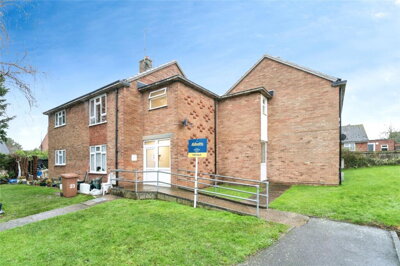
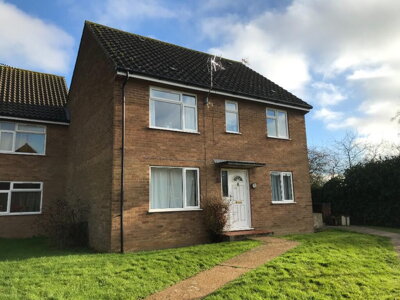
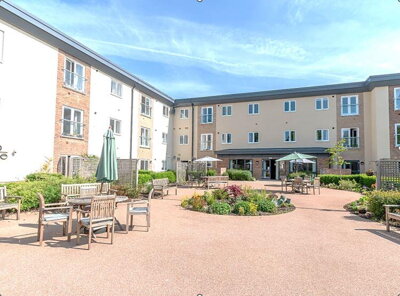
Browse 3 homes for sale in Barsham from local estate agents.
Studio apartments feature open-plan living spaces without separate bedrooms, incorporating sleeping, living, kitchen, and bathroom facilities. The Barsham studio market includes properties in modern apartment complexes, converted Victorian and Georgian buildings, and purpose-built developments.
The Coniston property market has demonstrated remarkable resilience and growth, with the average sold price reaching £285,000 over the past year according to Zoopla and Rightmove data. This represents a significant 21% increase compared to the previous year and a 19% rise from the 2023 peak of £240,000. OnTheMarket reports a more conservative 6.4% annual increase, with the average price paid sitting at £250,000 as of early 2026. These figures indicate a healthy market that continues to attract buyers seeking value in the East Riding of Yorkshire, particularly those priced out of Hull's more competitive urban areas but unwilling to compromise on accessibility.
Property types available in Coniston include detached homes averaging £320,000 and semi-detached properties at around £250,000. The majority of properties sold in the last year were detached houses, followed by semi-detached homes, reflecting the village's predominantly residential character designed for families and those seeking space. Terraced properties offer more affordable entry points for first-time buyers, though these are less common in this particular village setting. Flats are extremely rare in Coniston, as the housing stock consists almost entirely of houses and bungalows suited to owner-occupiers rather than investors or landlords seeking rental income.
The village's position within the HU11 postcode area places it conveniently for motorway access via the nearby A63 and M62 corridor, making Leeds accessible within approximately 90 minutes by car. Recent sales data from Zoopla indicates properties changing hands in February 2024, April 2024, and October 2024, demonstrating consistent market activity throughout the year. The limited supply of available properties combined with steady demand from buyers seeking rural lifestyles with urban connectivity suggests the market should remain active for the foreseeable future. Parents considering a move should note that school catchment areas can influence property values significantly, with primary schools in surrounding villages often seeing increased interest from families seeking good educational outcomes.

Coniston in the East Riding of Yorkshire offers a quality of life that few locations can match, combining rural tranquility with practical accessibility to the city of Hull just 6 miles away. With a population density of approximately 60 people per square kilometre, the village provides genuine space and breathing room that urban dwellers often crave. The community retains a strong village atmosphere where neighbours know one another and local events bring residents together throughout the year. This is countryside living at its most authentic, far removed from the pressures of city life but never isolated from modern amenities.
The local economy revolves around agriculture, with arable farming, dairying, and livestock production forming the backbone of the area's character. The surrounding landscape features the distinctive geology of the Holderness region, characterised by glacial till deposits that have shaped the terrain over thousands of years. Historical settlement patterns in Coniston were influenced by local sand and gravel deposits, remnants of which can still be seen in the area today. These geological factors not only shaped the village's development but continue to influence property conditions, with clay elements in the soil potentially affecting foundations over time.
The village sits just inland from the East Riding coastline, offering residents easy access to coastal walks and beach outings at destinations like Withernsea and Spurn Point while maintaining protection from the salt air and coastal erosion that affect more exposed locations. The Holderness coast is famous for its eroding cliffs, losing several metres of land to the North Sea each year, but Coniston's inland position provides a significant buffer. For those who enjoy outdoor activities, the surrounding farmland provides excellent walking routes through the productive agricultural landscape, with public footpaths crossing fields of cereals, oilseed rape, and grass leys that define the East Riding countryside.

Families considering a move to Coniston will find several educational options available within reasonable travelling distance. The village's small population means that primary school-aged children typically attend schools in nearby villages or the outskirts of Hull, with the East Riding of Yorkshire Council managing local admissions and school transport arrangements supporting those living in rural communities. Several primary schools within a 5-mile radius have achieved good or outstanding Ofsted ratings, with the council maintaining a network of well-regarded village schools across the region. Parents should research specific catchment areas and admissions policies, as these can significantly influence school placement decisions and property values in particular streets.
Secondary education in the area includes schools in nearby towns that serve the Coniston community, with several well-regarded secondary schools and academies accessible via regular bus services. The East Riding has several grammar schools in towns like Beverley and Hull that attract students from across the region, with selection based on academic ability rather than proximity. Sixth form provision is available at schools in Hull and the surrounding market towns, offering A-level courses and vocational qualifications to suit various academic pathways and career aspirations. For families prioritising educational excellence, the wider East Riding area hosts several independent schools that attract students from across the region, though these require payment of fees.
Early planning is essential for families with school-age children, as securing places at popular schools often requires property purchase within specific catchment zones. School performance data is publicly available through Ofsted and government league tables, allowing parents to research options before committing to a purchase. The travel time from Coniston to schools in Hull typically ranges from 20 to 40 minutes by car, with school bus services providing an alternative for those without private transport. Properties in certain parts of the village may fall within different school catchment areas, so buyers should verify their address with East Riding of Yorkshire Council before completing a purchase.
Coniston benefits from its proximity to Kingston upon Hull, with the city centre approximately 6 miles southwest of the village. This close connection means that residents can access the full range of urban amenities Hull provides, including major employment centres such as the Port of Hull and surrounding industrial zones, shopping districts like St Stephens and Prospect Centre, healthcare facilities including Hull Royal Infirmary and Castle Hill Hospital, and cultural attractions such as The Deep aquarium and the historic Old Town. The A165 and A164 roads provide direct routes into Hull, while the Humber Bridge offers connections to North Lincolnshire for those travelling further afield to destinations like Grimsby, Scunthorpe, and beyond.
Public transport options include bus services connecting Coniston with Hull city centre and surrounding villages, providing essential connectivity for those without private vehicles. The East Riding has an extensive bus network linking rural villages to market towns and the city, with services typically running hourly during daytime hours. Hull Paragon Interchange serves as the main railway station, offering connections to destinations including Leeds, Sheffield, York, and London King's Cross via the East Coast Main Line. Journey times from Hull to Leeds typically take around 50 minutes by train, making day trips and regular commuting feasible for professionals working in West Yorkshire's major cities.
The nearby A63 and M62 corridor provides regional motorway connections for longer journeys, with the M62 linking Hull to Manchester, Liverpool, and the West Yorkshire cities of Leeds, Bradford, and Huddersfield. For air travel, Humberside Airport near Grimsby and Leeds Bradford Airport are both accessible within approximately 90 minutes' drive, offering domestic flights and connections to European destinations. The village's position within the HU11 postcode area places it conveniently for these transport options while maintaining the peaceful environment that makes Coniston an attractive place to call home. Commuters working in Hull can typically reach the city centre within 20 minutes by car, making reverse commuting from Coniston a practical option for those who prefer village living but work in urban settings.
Before property hunting in Coniston, we recommend obtaining a mortgage agreement in principle from a lender. This strengthens your position when making offers and helps you understand exactly what you can afford. Current average prices in Coniston stand at £285,000, with detached properties averaging £320,000 and semi-detached homes around £250,000. Getting your finances in order before viewing properties saves time and prevents disappointment when you find your ideal home. Use online mortgage calculators to understand monthly payments and consider speaking to a mortgage broker who can access deals from multiple lenders.
Browse our comprehensive listings for homes for sale in Coniston and shortlist properties that match your requirements. Contact estate agents to arrange viewings, taking time to assess each property's condition, garden space, and proximity to local amenities and school catchments. Properties in this village setting often include detached bungalows and family homes with generous outdoor space, mature gardens, and off-street parking. Take photographs during viewings and note any questions to ask the seller or their agent before proceeding.
Once you find your ideal home, submit a formal offer through the selling estate agent. In Coniston's competitive market, with prices having risen 21% year-on-year according to Rightmove data, be prepared to negotiate on price and terms. Your solicitor should be instructed at this stage to handle the legal aspects of the purchase. Offers should be realistic given current market conditions, and you may need to be flexible on completion dates to secure your preferred property against competing buyers.
We strongly recommend arranging a RICS Level 2 Survey before completing your purchase. At around £455 nationally, this inspection can identify structural issues, roofing problems, damp, or outdated electrics common in older properties. Given the agricultural character of the area and the likely age of housing stock, a thorough survey provides valuable protection against hidden defects. Our inspectors are familiar with common issues in East Riding properties, including those caused by the clay soils of the Holderness area. A survey typically costs between £380 and £629 depending on property size and complexity.
Your solicitor will handle searches, review contracts, and coordinate with the seller's legal team. Searches should include drainage and water searches, local authority enquiries, and environmental searches to identify any potential issues affecting the property. Once all enquiries are satisfied, you will exchange contracts and pay your deposit, typically 10% of the purchase price. Completion typically follows within weeks, at which point you will receive your keys and take ownership of your new Coniston home. On completion day, ensure you have buildings insurance in place from the moment contracts are exchanged.
Purchasing property in a rural East Riding village like Coniston requires attention to specific local factors that may not affect urban buyers. The geological characteristics of the Holderness area, with its glacial till and clay deposits, mean that properties should be assessed for potential shrink-swell movement that can affect foundations over time. Look for signs of subsidence such as cracking to walls, especially diagonal cracks around door frames, uneven floors, or doors that stick and fail to close properly. Any trees growing close to the property should be noted, as root systems can cause ground movement in clay soils, particularly during periods of dry weather followed by heavy rain when the ground contracts and expands.
Agricultural proximity brings both benefits and considerations for Coniston residents. Farmland surrounding the village contributes to the area's attractive rural character but may generate noise, smells, or traffic associated with agricultural operations, particularly during harvest seasons in late summer and early autumn and spring planting. Dust and pollen levels may be higher than in urban areas, which allergy sufferers should factor into their decision. Large agricultural vehicles regularly using local roads is a reality of village life, and drivers should exercise caution on narrow lanes. The village's relative distance from the coast provides protection from coastal erosion concerns that affect some East Riding communities, though surface water drainage should still be investigated during the conveyancing process.
The age of properties in Coniston means that many homes will have solid walls rather than cavity wall construction, which affects insulation performance and susceptibility to damp. Look for signs of penetrating damp in solid wall properties, particularly at low levels where rainwater splash can affect brickwork. Roof conditions should be carefully inspected, as missing or damaged tiles can lead to leaks that cause structural damage over time. Properties with thatched roofs, if any exist, require specialist surveyors and can be expensive to maintain and insure. Electrical systems should be checked for modern standards, as older properties may still have original wiring that needs updating. Lead pipework, still found in some older East Riding properties, should be replaced as part of any purchase.
Properties in Coniston were typically built using traditional methods that reflect the availability of local materials and the construction practices of their era. Brick construction is the predominant building material in this part of the East Riding, with homes typically featuring solid brick walls rather than the cavity wall construction found in post-war developments. The local geology of the Holderness area, with its glacial till deposits containing clay, sand, and gravel, influenced the types of foundations used historically. Properties may have shallow strip foundations that can be affected by ground movement in clay soils, particularly where trees or hedgerows are present within influencing distance of the building.
Roof construction in older Coniston properties typically uses traditional cut or truss timber roofing methods, with clay tile or slate coverings depending on the property's age and original specification. The condition of roof timbers should be assessed for signs of rot or woodworm, particularly in areas with poor ventilation or previous leaks. Chimney stacks are common features on older properties and should be inspected for cracked render, damaged flashings, and deteriorating mortar joints that could lead to water penetration. Guttering and rainwater goods require inspection for blockages, damage, or inadequate capacity that could cause water to overflow and penetrate the structure.
Many properties in Coniston will have suspended timber floors in older sections, particularly in Victorian and Edwardian properties, which can be affected by damp from below or condensation from above. Ground floor construction should be checked for signs of rot in floor joists and floorboards, particularly in properties with poor ventilation beneath the floor. Walls should be examined for cracking that might indicate structural movement, though minor shrinkage cracks in newer properties are common and usually harmless. The quality of original joinery and windows varies considerably, with original sash windows being a valuable feature worth preserving while secondary double glazing may have been added by previous owners.
The average sold house price in Coniston, East Riding of Yorkshire, is currently £285,000 according to Zoopla and Rightmove data, representing a 21% increase compared to the previous year. OnTheMarket reports a slightly lower average of £250,000 as of early 2026. Detached properties average £320,000 while semi-detached homes sell for around £250,000. The market has shown strong growth, with prices rising significantly from the 2023 peak of £240,000, suggesting continued demand for properties in this attractive HU11 postcode village.
Properties in Coniston fall under the East Riding of Yorkshire Council authority. Council tax bands range from A to H and are assigned based on property valuation by the Valuation Office Agency. Most residential properties in the village would typically fall within bands A through D, which represent the lower valuation brackets common for the area given average prices around £285,000. You can check specific bands via the East Riding of Yorkshire Council website using the property address, and this information is usually included in property details provided by estate agents.
Coniston itself is a small village, so primary-aged children typically attend schools in surrounding villages or Hull's outskirts, with the East Riding Council managing local admissions through a coordinated scheme. Several primary schools within a reasonable distance, including schools in the HU11 and HU10 postcode areas, have achieved good or outstanding Ofsted ratings. Secondary schools in nearby towns serve the wider area, with options available for GCSE and A-level study at schools in Hull and Beverley. Parents should research specific catchment areas as school places are allocated based on proximity, and early application is recommended given competition for popular schools.
Coniston has bus services connecting the village to Hull city centre and surrounding communities, with the East Riding bus network providing essential connectivity for rural residents. Hull Paragon Interchange provides mainline railway access with connections to Leeds, Sheffield, York, and London King's Cross via the East Coast Main Line, with Leeds accessible in approximately 50 minutes. The village sits approximately 6 miles from Hull city centre, making urban access straightforward by car via the A165 and A164 roads. The nearby A63 and M62 provide regional motorway connections for longer journeys to West Yorkshire and beyond.
The Coniston property market has demonstrated consistent growth, with prices rising 21% year-on-year according to recent data from Zoopla and Rightmove. The village offers good value compared to Hull and more expensive Yorkshire locations while providing genuine rural living with easy access to urban employment. Rental demand exists from commuters working in Hull or surrounding areas who prefer village accommodation with more space than the city provides. The limited supply of properties and ongoing interest from buyers suggest the market should remain active, though investors should note the lack of new build developments means competition for rental properties may be limited.
Standard Stamp Duty Land Tax rates (2024-25) apply to purchases in Coniston. Buyers pay 0% on the first £250,000, 5% on £250,001 to £925,000, 10% on £925,001 to £1.5 million, and 12% above £1.5 million. First-time buyers benefit from relief on the first £425,000 (0% rate), with 5% charged between £425,001 and £625,000. Given the average price of £285,000, most buyers would pay no stamp duty at all, while first-time buyer relief would eliminate duty entirely on qualifying purchases up to £425,000.
Properties in Coniston may exhibit issues common to older rural housing in the East Riding, including dampness (rising or penetrating through solid brick walls), roofing problems such as missing tiles or deteriorating mortar on ridges and valleys, timber defects including rot in roof structures or floor joists or woodworm in older timbers, and outdated electrical systems that may not meet current safety standards. The clay soils of the Holderness area can cause subsidence in properties with shallow foundations, particularly where trees are present. We recommend a RICS Level 2 Survey to identify any specific defects before completing your purchase, as this investment typically costs between £380 and £629 and can save thousands in unexpected repair costs.
Specific flood risk data for Coniston, East Riding of Yorkshire, was not detailed in available research, though the village's inland position approximately 6 miles from the coast provides significant protection compared to coastal communities. Surface water drainage should be investigated during the conveyancing process, particularly for properties in low-lying areas or near watercourses. The local drainage and water search conducted by your solicitor will identify any recorded flood events or drainage issues affecting the property. Properties in the East Riding should be checked against the Environment Agency flood maps to assess river, sea, and surface water flooding risk before purchase.
Coniston is situated in the Holderness area of the East Riding of Yorkshire, characterised by glacial till deposits that include clay, sand, and gravel laid down during the last Ice Age. Historical settlement sites in Coniston were chosen for their sand and gravel deposits, which provided natural drainage and building materials. The clay elements in the soil create potential for shrink-swell movement affecting foundations, particularly during periods of drought or heavy rainfall. Properties should be assessed for signs of ground movement, and any trees near the building should be considered as potential causes of foundation problems in clay conditions.
From 3.89%
Compare mortgage rates from leading lenders to find the best deal for your Coniston property purchase
From £499
Professional solicitors to handle the legal aspects of your property purchase in Coniston
From £380
Expert property surveys by RICS-qualified inspectors familiar with East Riding construction
From £80
Energy Performance Certificate required for all property sales
Understanding the full costs of purchasing property in Coniston helps you budget accurately and avoid surprises during the transaction. Beyond the property price, buyers should budget for solicitor fees (conveyancing costs typically start from £499 for standard purchases), land registry fees for registering your ownership, and search costs charged by the local authority. Electronic search fees, drainage and water searches, and environmental searches are standard components of the legal process that together may cost several hundred pounds. Bank transfer fees and Telegraphic Transfer charges add a small additional cost to most purchases, and your solicitor will outline all anticipated costs before proceeding.
The Stamp Duty Land Tax (SDLT) implications for Coniston purchases are generally favourable given current average prices of £285,000. First-time buyers would pay no SDLT under current relief provisions up to £425,000, meaning most purchases in Coniston would incur no stamp duty at all. Standard buyers would pay nothing on the first £250,000 and only £1,750 on the remaining £35,000 at the 5% rate. Properties priced above £625,000 lose first-time buyer relief but remain well within the 5% bracket until reaching £925,000. A RICS Level 2 Survey typically costs between £380 and £629 depending on property size and complexity, representing excellent value for identifying defects before you commit to your purchase.
Additional costs to factor into your budget include removal expenses, which can vary significantly depending on distance and volume of belongings, potential renovation costs if the property requires updating, and buildings insurance which must be in place from the moment contracts are exchanged. If you are purchasing with a mortgage, arrangement fees and valuation fees may apply, though these vary between lenders. Survey fees, typically between £380 and £629 for a RICS Level 2 Survey on a property priced around £285,000, should be considered essential protection against hidden defects rather than optional expenditure. Factor in these costs alongside your deposit and mortgage arrangement to get a complete picture of what your move to Coniston will cost.
Properties for Sale In London

Properties for Sale In Plymouth

Properties for Sale In Liverpool

Properties for Sale In Glasgow

Properties for Sale In Sheffield

Properties for Sale In Edinburgh

Properties for Sale In Coventry

Properties for Sale In Bradford

Properties for Sale In Manchester

Properties for Sale In Birmingham

Properties for Sale In Bristol

Properties for Sale In Oxford

Properties for Sale In Leicester

Properties for Sale In Newcastle

Properties for Sale In Leeds

Properties for Sale In Southampton

Properties for Sale In Cardiff

Properties for Sale In Nottingham

Properties for Sale In Norwich

Properties for Sale In Brighton

Properties for Sale In Derby

Properties for Sale In Portsmouth

Properties for Sale In Northampton

Properties for Sale In Milton Keynes

Properties for Sale In Bournemouth

Properties for Sale In Bolton

Properties for Sale In Swansea

Properties for Sale In Swindon

Properties for Sale In Peterborough

Properties for Sale In Wolverhampton

Enter your details to see if this property is within your budget.
Loans, cards, car finance
Estimated property budget
Borrowing + deposit
You could borrow between
Typical borrowing
Monthly repayment
Est. at 4.5%
Loan-to-value
This is an estimate only. Your actual budget may vary depending on interest rates, credit history, and personal circumstances. For an accurate affordability assessment, speak to one of our free mortgage advisors.
This calculator provides estimates for illustrative purposes only and does not constitute financial advice. Your home may be repossessed if you do not keep up repayments on your mortgage. Estimates based on 4.5% interest rate, repayment mortgage. Actual rates depend on your circumstances.
Homemove is a trading name of HM Haus Group Ltd (Company No. 13873779, registered in England & Wales). Homemove Mortgages Ltd (Company No. 15947693) is an Appointed Representative of TMG Direct Limited, trading as TMG Mortgage Network, which is authorised and regulated by the Financial Conduct Authority (FRN 786245). Homemove Mortgages Ltd is entered on the FCA Register as an Appointed Representative (FRN 1022429). You can check registrations at NewRegister or by calling 0800 111 6768.

We use cookies to show you personalised content and improve your experience of our website. Find out more in our Privacy policy and Cookie policy.